
Royal Navy Tracks Russian Vessels Near UK Waters
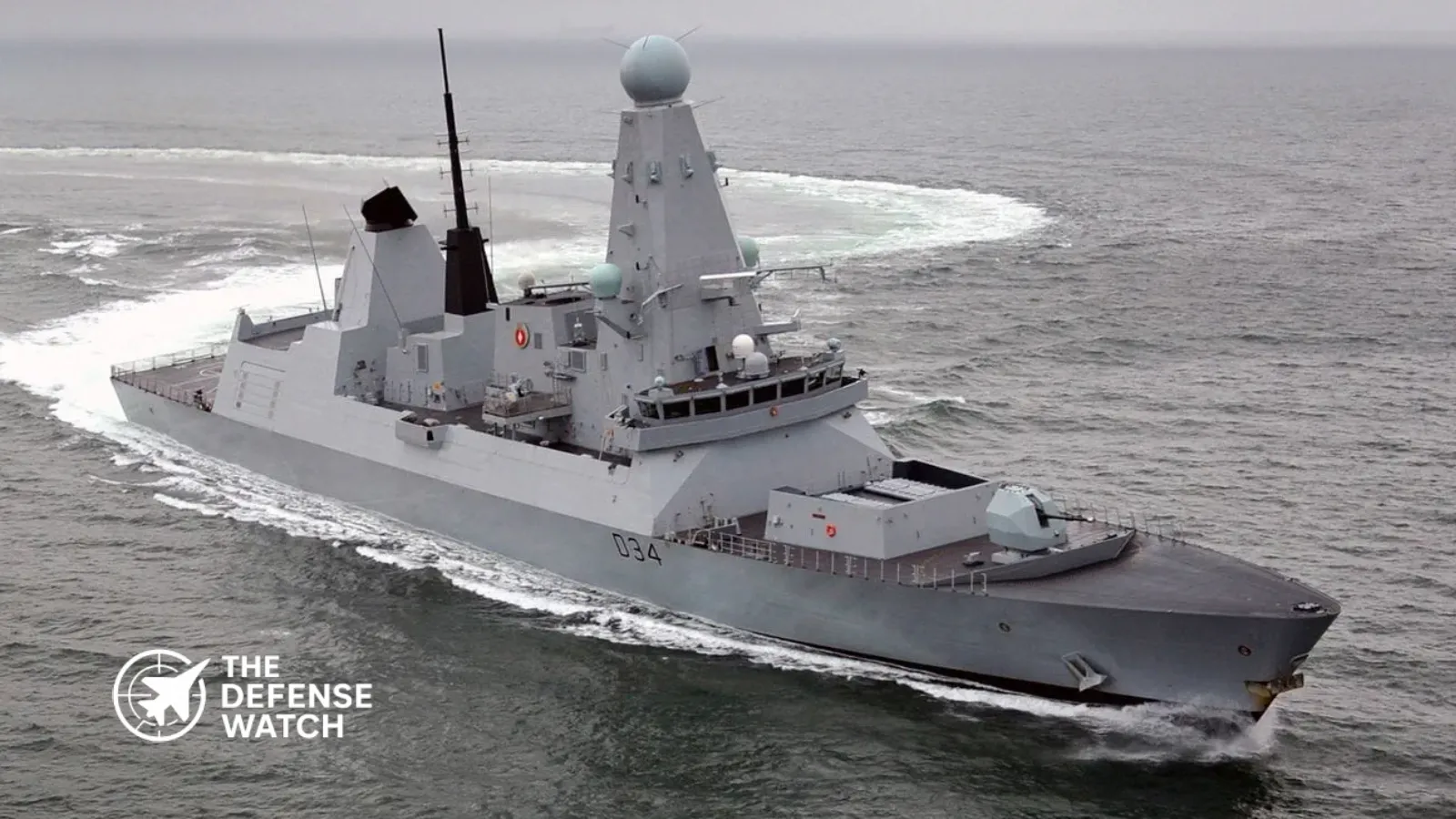
The Royal Navy tracking Russian vessels near UK waters underscores growing maritime vigilance as Russian naval activity continues to increase around Europe. Multiple British warships were deployed to monitor and escort Russian vessels transiting close to British territorial waters.
The operation involved several ships from the Royal Navy, which maintained continuous surveillance as Russian units moved through areas of strategic importance. The UK Ministry of Defence described the mission as a standard response designed to ensure national security and uphold maritime awareness.
- Multiple Royal Navy ships monitored Russian naval vessels operating near UK waters.
- The operation involved coordinated tracking and escort missions across key maritime zones.
- Russian vessels included warships and support ships transiting near British territorial waters.
- The UK Ministry of Defence confirmed the activity as part of routine maritime security operations.
- The incident reflects continued NATO vigilance against increased Russian naval movements in Europe.
Coordinated Maritime Surveillance Operations
British naval forces tracked a group of Russian vessels that included both combat ships and auxiliary support units. These ships were monitored as they passed through international waters near the UK’s exclusive economic zone.
Such operations typically involve shadowing and escort procedures, where Royal Navy vessels maintain a visible presence while gathering intelligence. This ensures that any unusual activity is documented and assessed in real time.
The UK has long maintained a policy of closely monitoring foreign military vessels operating near its waters. Officials emphasize that these actions are routine but necessary, particularly given the current geopolitical climate.
Strategic Context Behind Increased Monitoring
The Royal Navy tracking Russian vessels near UK waters comes amid heightened tensions between NATO and Russia. Increased Russian naval deployments in the North Atlantic and surrounding seas have prompted a more active surveillance posture by Western allies.
Analysts note that these movements are part of a broader pattern. Russian naval forces have been conducting longer and more frequent deployments, often testing response times and operational readiness of NATO navies.
From a strategic standpoint, these operations serve multiple purposes for Moscow, including signaling presence, gathering intelligence, and demonstrating operational reach. For the UK and its allies, tracking these movements is critical to maintaining situational awareness and deterrence.
Operational Readiness And Naval Capability
The Royal Navy’s response highlights its ability to rapidly deploy assets and coordinate across multiple platforms. Modern naval surveillance relies on a mix of surface ships, maritime patrol aircraft, and intelligence systems.
This layered approach allows the UK to monitor vessel movements across a wide area. It also ensures that any escalation or deviation from expected behavior can be addressed quickly.
The consistent tracking of foreign naval units demonstrates operational readiness and reinforces the UK’s commitment to maritime security. It also supports broader NATO objectives in maintaining freedom of navigation and regional stability.
Implications For NATO Maritime Security
The Royal Navy tracking Russian vessels near UK waters reflects a wider NATO effort to counter increased Russian activity in European waters. Allied navies regularly coordinate to monitor and respond to such movements.
These operations are not isolated incidents. Similar tracking missions have been reported in the Baltic Sea, North Sea, and Mediterranean, indicating a sustained level of naval competition.
For NATO, maintaining visibility over Russian naval operations is essential. It helps prevent miscalculation, supports intelligence sharing, and reinforces collective defense commitments.
Analysis: A Pattern Of Persistent Naval Competition
While individual tracking missions may appear routine, the frequency and scale of these encounters point to a more persistent strategic competition at sea.
Russia’s renewed focus on naval operations suggests an effort to project power beyond its immediate region. At the same time, NATO’s consistent monitoring reflects a shift toward continuous deterrence rather than reactive defense.
The UK plays a key role in this environment due to its geographic position and naval capabilities. Its ability to track and respond to Russian movements near critical sea lanes is central to maintaining regional stability.
In this context, the Royal Navy tracking Russian vessels near UK waters is not just a tactical action. It is part of a broader effort to manage rising tensions and ensure that maritime domains remain secure and predictable.