

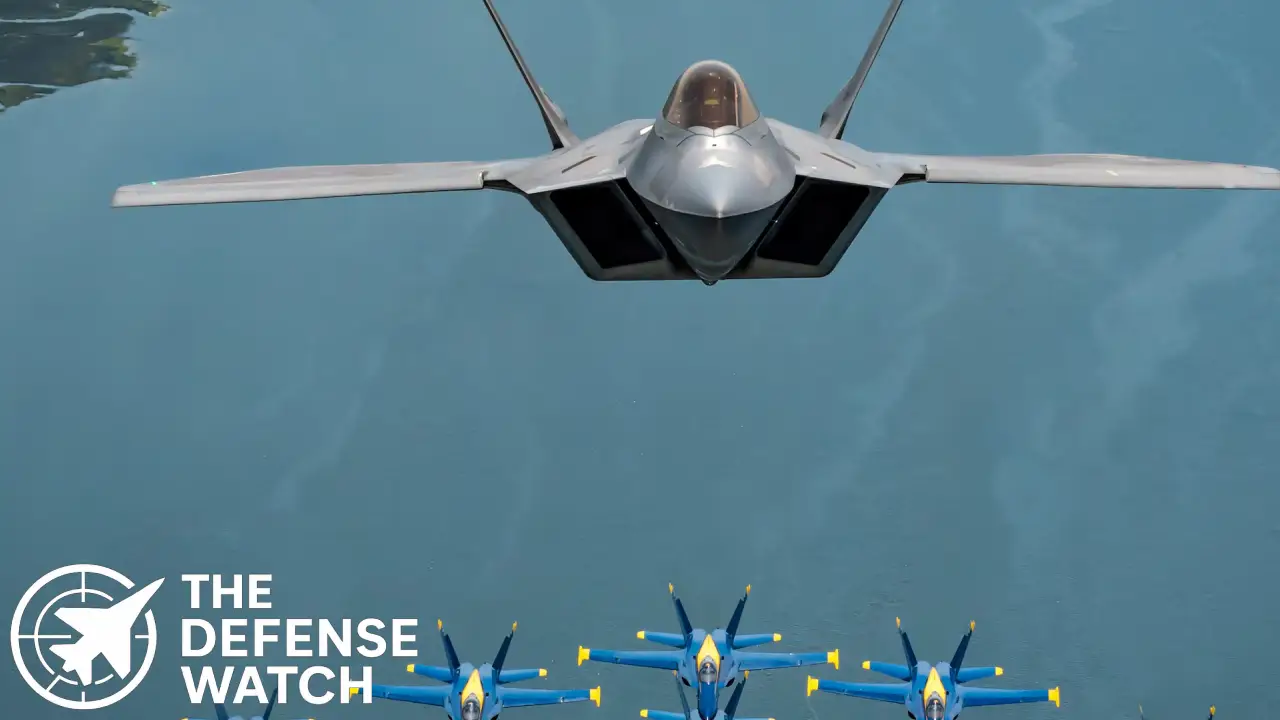
The US Air Force has selected Boeing’s F-47 as its “latest fighter jets in USA” and “newest fighter jet” under the sixth-generation fighter umbrella. The announcement marks a significant shift in aerial warfare strategy, as the F-47 is poised to replace the F-22 Raptor and usher in a future defined by manned–unmanned teaming and enhanced stealth capabilities.
Overview of the F-47 Program
Under the Next Generation Air Dominance (NGAD) initiative, the F-47 is being developed by Boeing to deliver unprecedented air superiority. USAF officials confirm prototypes have been flying since 2020 and that they plan to field the aircraft by the end of this decade.
Design Goals and Performance
- Range & Speed: Anticipated top speed of Mach 2 and a combat radius exceeding 1,000 nautical miles.
- Supportability: Designed to be more sustainable and adaptable than fifth-generation jets, requiring less manpower and infrastructure.
- Advanced Stealth & Systems: Promises next-level stealth and compatibility with collaborative combat aircraft (drones).
Strategic Shift: Boeing’s Breakthrough
The F-47 contract, worth over $20 billion for development, signals a major win for Boeing, challenging Lockheed Martin’s longstanding dominance in stealth fighters. Some reports suggest the total lifecycle value may exceed $50 billion.
This shift reflects a realignment of defense priorities, focusing on affordability, scale, and technological innovation—key as emerging threats from near-peer rivals intensify.
Program Timeline
The Air Force expects the F-47 to be operational between approximately 2025 and 2029, with plans to procure at least 185 units. Budget documents for FY 2025 allocate around $3.3 billion to NGAD development, with $2.7 billion designated for the manned fighter and $557 million for related collaborative drone.
Context & Strategic Significance
The F-47 is a pivotal leap forward in American fighter aviation, reflecting an evolving combat environment where stealth, networked multi-domain operations, and unmanned systems integration are paramount. Compared to its predecessor, the fifth-generation F-35, the F-47 emphasizes range, flexibility, and teaming capability.
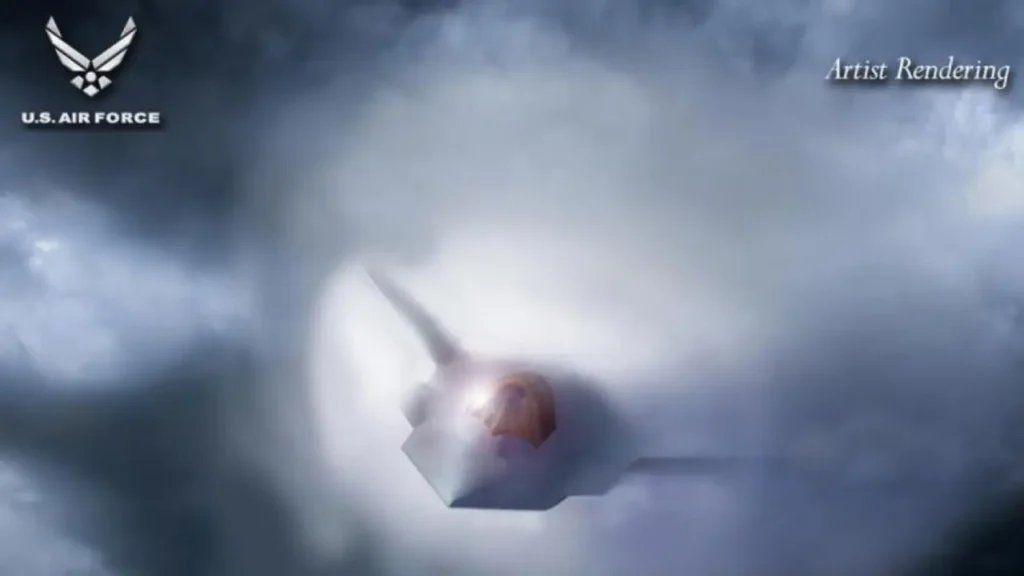
Moreover, the program underscores the USAF’s commitment to staying ahead in the face of rising Chinese and Russian aerospace advancements—a calculated response to global security challenges.
Implications for Lockheed and the Defense Industry
Lockheed Martin’s absence from the F-47 project signals a notable shake-up—Boeing’s successful bid positions it as the new leader in next-gen air combat design.
While Lockheed continues to explore “fifth-generation-plus” concepts like the proposed F-55, cost and feasibility concerns cast uncertainty over their timeline.
Outlook & Analysis (Extra Value)
The F-47’s development reflects a broader move toward systems-of-systems warfare. By enabling manned aircraft to serve as networked “quarterbacks” for drone wingmen, the USAF is leveraging scalable, flexible warfare architectures. These will adapt faster to future threats and allow distributed operations across contested environments.
However, questions remain regarding production timelines, integration of drone systems, affordability, and technical challenges of fielding a sixth-generation, crewed fighter on schedule.
FAQs
he Boeing-built sixth-generation fighter jet selected by the USAF under NGAD, intended to replace the F-22.
It’s expected to be fielded between 2025 and 2029, per USAF projections.
It offers longer range, faster speeds (Mach 2+), advanced stealth, integrated drone support, and lower sustainment burdens.
Boeing’s proposal may have aligned better with USAF priorities for cost, production scale, and innovation—marking a strategic shift in the aerospace sector.

11 comments
[…] the USAF’s transition from one generation of fighters to the next (e.g., from F-15/F-16 to F-22) has involved long lead times, cost overruns, and […]
[…] F-117 proved stealth’s utility, the Pentagon envisioned an aircraft combining radar evasion with air dominance. This vision led to the Lockheed Martin F-22 Raptor, which entered service in […]
[…] the backbone of next-generation U.S. airpower, while the F-22 remains unmatched in certain pure air dominance roles. Upgraded legacy platforms like the F-15EX and advanced F-16 blocks extend U.S. […]
[…] versatility, including nuclear delivery, anti-ship, and carrier operations. Typhoon excels in air dominance, with unmatched high-altitude performance and dogfighting […]
[…] between legacy fourth-generation aircraft and future sixth-generation systems like NGAD (Next Generation Air Dominance). Its role as a complement — not competitor — to stealth platforms gives air forces flexibility […]
[…] will remain in the U.S. inventory until at least the mid-2040s, bridging the gap between today’s force and future air dominance […]
[…] superiority fighter. Such a “hi-lo” mix mirrors strategies being considered in the U.S. Next Generation Air Dominance (NGAD) […]
[…] US Navy’s process of investigating the incident is ongoing. The Sixth Fleet noted that when US forces cause damage to civilian equipment, a claims process exists. The Norwegian fishermen reportedly […]
[…] Many countries still field 4th- and 5th-gen fighters and are upgrading rather than leaping generations. The risk of technological overreach is […]
[…] USAF is deja-vu: the next-gen fighter (under the Next Generation Air Dominance (NGAD) umbrella) will take years to achieve mass production. Meanwhile, the F-22 production line is […]
[…] avionics, it serves as a “missile truck” capable of launching long-range weapons, providing air dominance and deep-strike […]