- Raytheon received a $773.5 million contract modification for AN/TPY-2 radar development.
- The total contract ceiling increased from $1.47 billion to $2.24 billion.
- The ordering period has been extended by three years to October 31, 2030.
- Work focuses on research and development support for the AN/TPY-2 missile defense radar.
- The Missile Defense Agency in Huntsville, Alabama, is the contracting authority.
Raytheon AN/TPY-2 Radar Contract Expanded to Strengthen U.S. Missile Defense
The Raytheon AN/TPY-2 radar contract has been expanded by $773.5 million under a modification issued by the U.S. Missile Defense Agency, raising the total ceiling to $2.246 billion and extending the program through 2030.
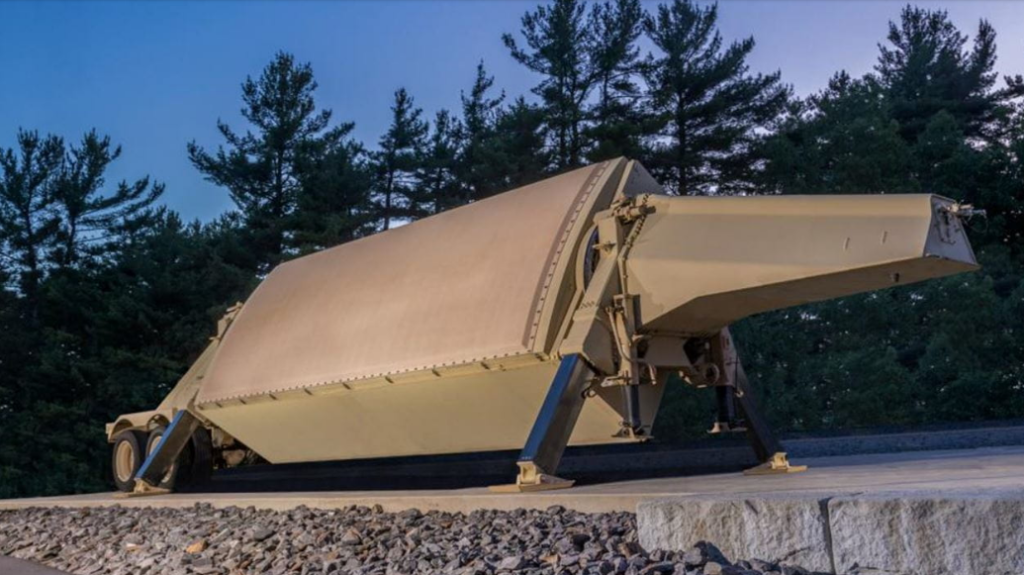
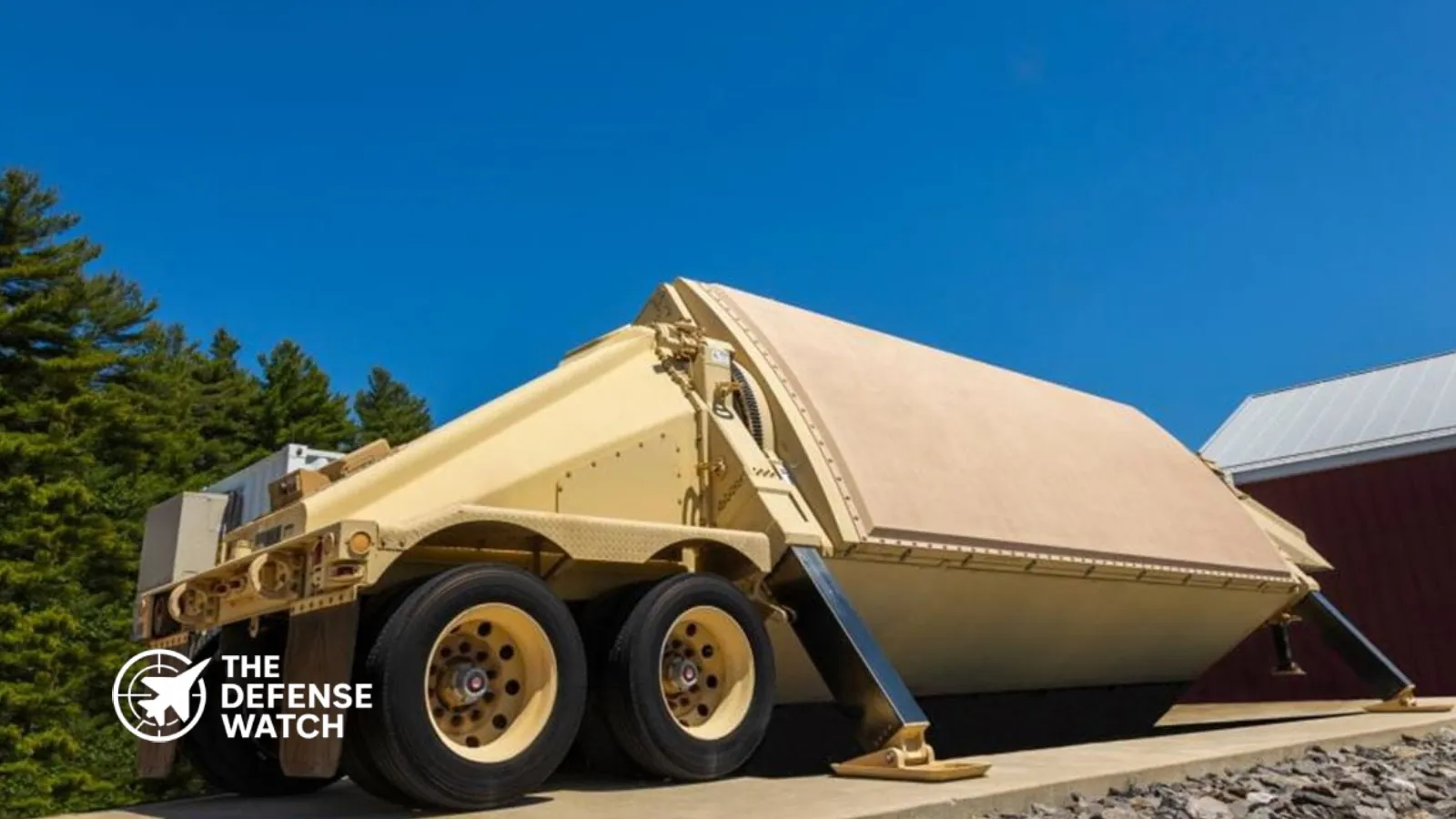
The award, granted to Raytheon, modifies an existing indefinite-delivery, indefinite-quantity agreement focused on advancing the Army Navy Transportable Radar Surveillance Control Model-2, commonly known as the AN/TPY-2 radar.
According to the Department of Defense contract announcement, the update extends the ordering period from October 30, 2027, to October 31, 2030, ensuring continued development of one of the United States’ most critical missile tracking systems.
Sustained Investment in Missile Defense Architecture
The Raytheon AN/TPY-2 radar contract reflects a sustained U.S. investment in layered ballistic missile defense, particularly as threat environments evolve in both the Indo-Pacific and Middle East regions.
The AN/TPY-2 radar plays a central role in the Terminal High Altitude Area Defense system and broader missile defense networks. It is designed to detect, track, and discriminate ballistic missile threats at long ranges, providing high-resolution data to interceptors and command systems.
By extending the contract, the Missile Defense Agency ensures continued modernization of radar capabilities, including software upgrades, sensor improvements, and integration with next-generation missile defense architectures.
This type of long-term contracting also allows for iterative development, where incremental upgrades can be tested and fielded without requiring entirely new procurement programs.
Strategic Role of AN/TPY-2 Radar
The AN/TPY-2 radar is widely deployed across U.S. and allied territories, supporting forward-based missile defense operations. Its ability to operate in both terminal mode and forward-based mode gives commanders flexibility in responding to regional threats.

Image : RTX In forward-based deployments, the radar provides early tracking data that enhances intercept opportunities for systems such as THAAD and Aegis Ballistic Missile Defense. In terminal mode, it supports endgame interception by refining targeting data.
The continued expansion of the Raytheon AN/TPY-2 radar contract suggests the Pentagon sees ongoing value in upgrading existing radar infrastructure rather than replacing it outright. This approach aligns with broader U.S. defense strategy, which emphasizes networked systems and sensor integration.
Contract Growth Signals Long-Term Demand
The increase in contract ceiling from $1.472 billion to $2.246 billion highlights both rising costs and expanding scope. Development contracts of this nature typically cover a mix of engineering, testing, sustainment, and capability enhancements.
The three-year extension indicates that radar development timelines are being adjusted to align with evolving operational requirements and emerging threats, including hypersonic glide vehicles and more sophisticated ballistic missile systems.
From an industry perspective, this reinforces Raytheon’s position as a key supplier in the missile defense sector. The company has long been associated with radar systems, interceptors, and integrated air and missile defense solutions.
Broader Implications for U.S. Defense Posture
The expansion of the Raytheon AN/TPY-2 radar contract comes at a time when the United States is refining its missile defense posture to address increasingly complex threats.
Recent defense strategies have emphasized sensor networks, data fusion, and real-time tracking capabilities. Radars like the AN/TPY-2 are critical nodes in this architecture, feeding data into command and control systems that coordinate intercept operations.
By continuing investment in proven systems, the Pentagon avoids capability gaps while new technologies are developed. This layered approach ensures that existing systems remain effective even as next-generation solutions are introduced.