• Home
  • About
  • Defense Systems
  • Manufacturer
  • Comparisons
  • Compare 
  • Tools
TheDefenseWatch.com
  • Aerospace & Aviation
  • Military & Ordnance
  • Naval & Maritime
  • Cyber & Space Defense
  • Policy & Strategy
  • Global News
  • Tools Library
    • Smart Calculator
    • Drone Flight Time Calculator
    • Drone Range Calculator
    • Counter-Drone Jammer Effective Range Calculator
    • Counter-Battery Radar Detection Calculator
    • Artillery Fire Correction Calculator
    • Thermal Camera Detection Range Calculator
    • Missile Range & Time-of-Flight Calculator
    • Radar Detection Range Calculator
    • FPV Strike Drone Payload vs Range Calculator
    • Loitering Munition Endurance Calculator
    • Sniper Ballistic Drop & Windage Calculator
    • Bullet Drop Calculator
    • U.S. Army Combat Fitness Test (ACFT) Calculator
    • Military Pension Calculator
    • Military Retirement Calculator
    • Military Pension Calculator
    • Large Number Calculator
Font ResizerAa

TheDefenseWatch.com

The Defense Watch | U.S. & Global Defense News, Analysis & Military Updates

Search
  • Home
  • About
  • Defense Systems
  • Manufacturer
  • Comparisons
  • Compare 
  • Tools

Stay Updated

Get the latest update

Subscribe

Explore

  • Drone
  • Fighter Jets & Military Aircraft
  • Hypersonic Weapons
  • Aircraft Carriers
  • Strategic History & Missions
  • Tools Library
Home » PAC-3 Interceptor Demonstrates High Effectiveness Against Ballistic And Hypersonic Missile Threats
Artillery & Missile SystemsMilitary & Ordnance

PAC-3 Interceptor Demonstrates High Effectiveness Against Ballistic And Hypersonic Missile Threats

Samuel Drake | Defense Analyst
Last updated: September 7, 2026 4:41 pm
Samuel Drake | Defense Analyst
Share
3 Min Read
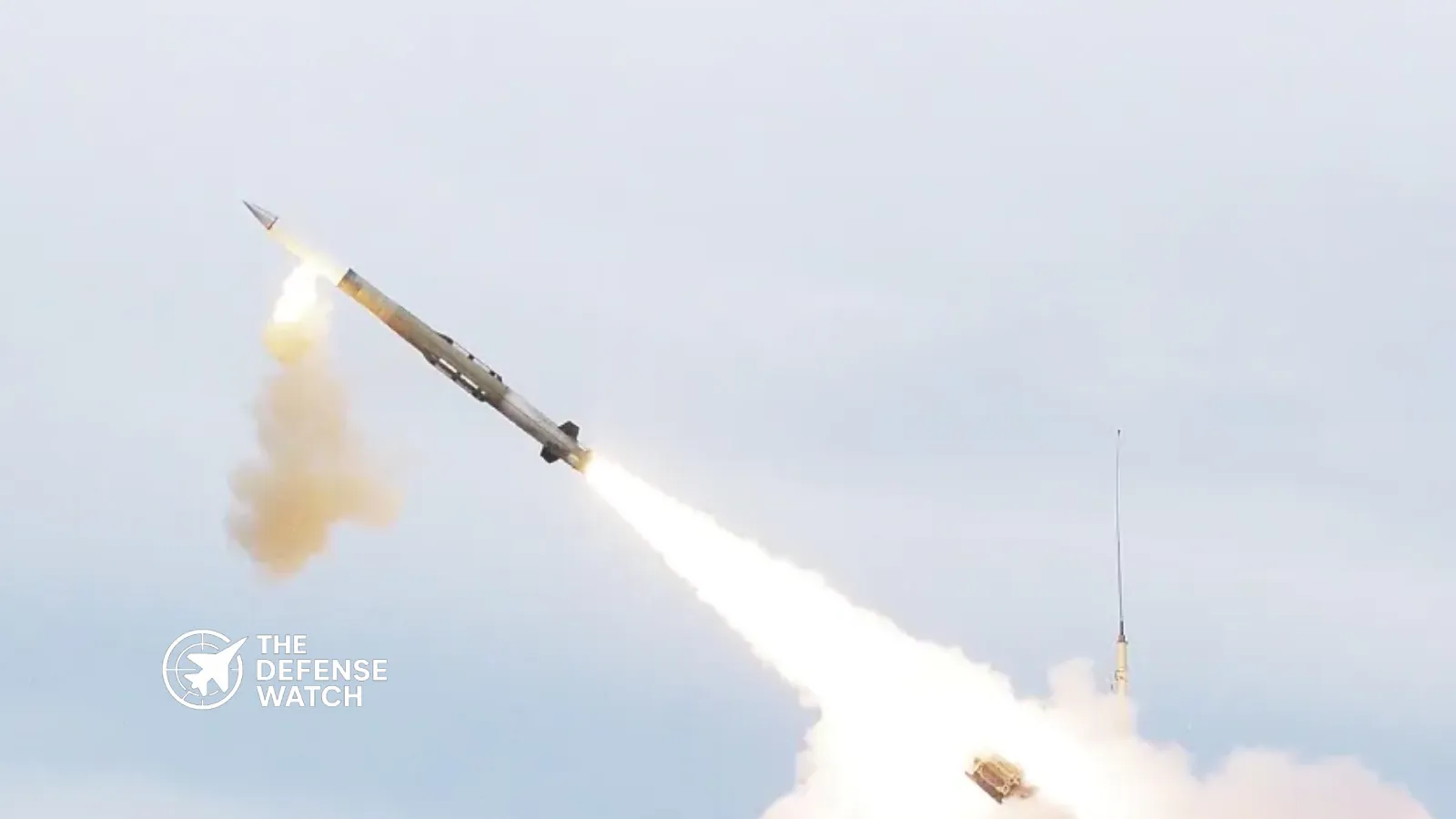
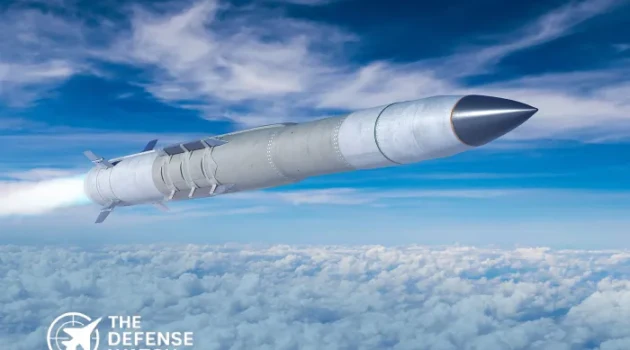
PAC-3 interceptor missile defense
Image: Lockheed Martin.
SHARE
KEY FACTS AT A GLANCE
  • The PAC-3 interceptor demonstrated extremely high effectiveness during recent missile defense testing.
  • The missile uses hit-to-kill technology designed to destroy ballistic and advanced maneuvering threats.
  • Testing reflects growing demand for layered missile defense against emerging hypersonic weapons.
  • The Patriot PAC-3 system remains a key component of U.S. and allied air and missile defense architecture.
  • Modernization of missile defense systems is accelerating amid rising global missile threats.

PAC-3 Interceptor Shows Strong Performance Against Emerging Missile Threats

The PAC-3 interceptor has demonstrated extremely high effectiveness against ballistic and hypersonic missile threats during recent testing, reinforcing the growing importance of advanced missile defense systems in modern military operations.

Contents
  • PAC-3 Interceptor Shows Strong Performance Against Emerging Missile Threats
  • The Big Picture
  • What’s Happening
  • Why It Matters
  • Strategic Implications
  • Competitor View
  • Capability Gap
  • What To Watch Next
  • The Bottom Line

The interceptor is a central component of the Patriot air and missile defense system, widely deployed by the United States and numerous allied nations. Its latest testing highlights the system’s capability to defeat increasingly complex missile threats that are reshaping global defense planning.

The Big Picture

Missile defense has become a critical pillar of U.S. and allied military modernization strategies. Nations such as China, Russia, Iran, and North Korea continue to expand their arsenals of ballistic and advanced maneuvering missile systems, including hypersonic weapons designed to evade traditional defenses.

These developments have increased the urgency for layered missile defense architectures capable of detecting, tracking, and intercepting high-speed threats across multiple phases of flight.

- Advertisement -

The PAC-3 interceptor sits at the center of this architecture. Integrated within the Patriot system, it provides terminal phase missile defense against short and medium range ballistic missiles, cruise missiles, and advanced aerial threats.

Recent testing results underscore the system’s continued relevance as militaries seek to counter evolving missile technologies.

What’s Happening

Recent missile defense testing demonstrated the PAC-3 interceptor successfully engaging advanced target threats designed to replicate modern ballistic and hypersonic missile profiles.

  • PAC-3 MSE Missile

    PAC-3 MSE Missile

    • Guidance System: Active radar homing with inertial navigation
    • Maximum Speed: Mach 4 plus
    • Launch Compatibility: Patriot missile launcher
    • Warhead Technology: Hit to kill kinetic interceptor
    • View Details →
    8.0

    The interceptor uses hit-to-kill technology, which destroys incoming threats through direct kinetic impact rather than relying on explosive warheads. This approach increases interception accuracy and reduces the risk of debris or secondary damage.

    The PAC-3 missile is part of the Patriot Advanced Capability program developed by Lockheed Martin and integrated within the Patriot air and missile defense system, originally developed by Raytheon.

    Modern variants such as the PAC-3 Missile Segment Enhancement (MSE) feature improved propulsion, enhanced maneuverability, and extended engagement ranges. These upgrades allow the interceptor to engage faster and more agile threats compared to earlier Patriot interceptors.

    Testing typically takes place at U.S. missile ranges such as the White Sands Missile Range, where advanced target vehicles simulate real-world missile attack profiles.

    Why It Matters

    The demonstrated effectiveness of the PAC-3 interceptor is significant because missile threats are evolving faster than many existing defense systems.

    Ballistic missiles continue to proliferate globally, while hypersonic weapons introduce additional challenges due to their high speed and maneuverability. Hypersonic glide vehicles can change trajectory during flight, complicating traditional interception methods.

    • PAC-3 MSE Missile

      PAC-3 MSE Missile

      • Guidance System: Active radar homing with inertial navigation
      • Maximum Speed: Mach 4 plus
      • Launch Compatibility: Patriot missile launcher
      • Warhead Technology: Hit to kill kinetic interceptor
      • View Details →
      8.0

      The PAC-3 interceptor provides a critical terminal defense layer within a broader integrated missile defense network. Systems such as the Patriot battery often protect high-value assets including air bases, command centers, and critical infrastructure.

      Operational experience has reinforced the system’s importance. Patriot systems equipped with PAC-3 interceptors have been deployed in Europe, the Middle East, and the Indo-Pacific to defend allied forces and infrastructure.

      Strategic Implications

      Effective missile defense enhances deterrence by reducing the potential impact of adversary missile strikes. The performance of the PAC-3 interceptor supports broader U.S. and allied strategies aimed at strengthening integrated air and missile defense.

      Countries across Europe, the Middle East, and Asia continue to invest heavily in Patriot systems and PAC-3 interceptors as missile threats expand regionally.

      Several NATO members are increasing procurement as part of Europe’s evolving air and missile defense architecture. Similarly, partners in the Indo-Pacific view Patriot systems as a key defense against regional missile capabilities.

      By demonstrating strong effectiveness during testing, the PAC-3 program helps reinforce confidence among allied militaries that rely on the system for frontline missile defense.

      Competitor View

      Strategic competitors closely monitor developments in U.S. missile defense technologies.

      China and Russia have invested heavily in maneuverable hypersonic systems partly designed to complicate existing missile defense networks. Systems such as Russia’s Avangard hypersonic glide vehicle and China’s DF-17 hypersonic missile reflect this trend.

      These weapons aim to exploit gaps in traditional air defense by flying at extremely high speeds and maneuvering during flight.

      Testing results showing strong performance from interceptors like PAC-3 signal that missile defense technologies are continuing to evolve in response.

      Capability Gap

      The PAC-3 interceptor addresses a key operational challenge in modern warfare, defending against short and medium range ballistic missiles during the final phase of flight.

      While the system provides highly effective terminal defense, it represents only one layer within a broader missile defense architecture.

      Long range ballistic missiles and advanced hypersonic weapons may require additional systems such as high altitude interceptors, space based sensors, and early warning networks.

      For this reason, U.S. missile defense strategy relies on a layered structure combining Patriot, THAAD, Aegis Ballistic Missile Defense, and emerging hypersonic defense programs.

      What To Watch Next

      Several developments will shape the future of the PAC-3 interceptor program.

      Production of PAC-3 MSE interceptors continues to expand to meet growing global demand. The United States and allied nations are also investing in improved radar systems, enhanced command and control networks, and integrated air defense frameworks.

      • PAC-3 MSE Missile

        PAC-3 MSE Missile

        • Guidance System: Active radar homing with inertial navigation
        • Maximum Speed: Mach 4 plus
        • Launch Compatibility: Patriot missile launcher
        • Warhead Technology: Hit to kill kinetic interceptor
        • View Details →
        8.0

        Future upgrades could further increase interception ranges, engagement speeds, and system integration across multi domain defense networks.

        As missile threats continue to evolve, testing and modernization efforts will remain essential to maintaining the effectiveness of the Patriot system.

        The Bottom Line

        The PAC-3 interceptor remains a cornerstone of modern missile defense, providing proven capability against ballistic and emerging hypersonic missile threats.
TAGGED:ballistic missile defensehypersonic missile threatsMissile DefensePAC-3 interceptorPatriot Missile System
Share This Article
Facebook Copy Link Print
BySamuel Drake | Defense Analyst
Follow:
Samuel Drake is a defense analyst at TheDefenseWatch.com covering naval warfare, military ordnance, maritime technology, fleet modernization, and defense procurement. His reporting focuses on documented capabilities, procurement programs, and military technology.
Leave a Comment

Leave a Reply Cancel reply

Your email address will not be published. Required fields are marked *

Latest Defense Systems

  • RUTA B1 Cruise Missile RUTA B1 Cruise Missile
  • XQ-67A Drone XQ-67A Drone
  • B-25 Mitchell Bomber B-25 Mitchell Bomber
  • F-100 Super Sabre F-100 Super Sabre
  • North American F-86 Sabre North American F-86 Sabre
  • North American XB-70 Valkyrie North American XB-70 Valkyrie
  • Northrop YF-23 Fighter Northrop YF-23 Fighter
  • P-51 Mustang Fighter Aircraft P-51 Mustang Fighter Aircraft
  • Rafale F5 Fighter Rafale F5 Fighter

Recent Compares

  • J-10C vs JF-17 Thunder: Which Fighter Is More Capable? J-10C vs JF-17 Thunder: Which Fighter Is More Capable? View Comparison →
  • Tejas vs Gripen: Key Differences and Capabilities Tejas vs Gripen: Key Differences and Capabilities View Comparison →
  • Tejas vs MiG-21 Bison: How India Replaced Its Iconic Supersonic Fighter Tejas vs MiG-21 Bison: How India Replaced Its Iconic Supersonic Fighter View Comparison →
  • F-35 vs F-16: Stealth, Sensors and Combat Roles F-35 vs F-16: Stealth, Sensors and Combat Roles View Comparison →
  • Tejas Fighter Jet vs F-16 Fighting Falcon: Capability Compared Tejas Fighter Jet vs F-16 Fighting Falcon: Capability Compared View Comparison →
  • Rafale Fighter Jet vs F-16 Fighting Falcon : Which Fighter Has the Edge? Rafale Fighter Jet vs F-16 Fighting Falcon : Which Fighter Has the Edge? View Comparison →
  • Su-57 Fighter Jet vs J-20 Fighter Jet: Stealth and Air Combat Compared Su-57 Fighter Jet vs J-20 Fighter Jet: Stealth and Air Combat Compared View Comparison →
  • Mirage 2000 vs Tejas Mk1A: Legacy Combat Power vs Indigenous Modernization Mirage 2000 vs Tejas Mk1A: Legacy Combat Power vs Indigenous Modernization View Comparison →
  • Rafale Fighter Jet vs F-22 Raptor: Which Air Dominance Fighter Has the Edge? Rafale Fighter Jet vs F-22 Raptor: Which Air Dominance Fighter Has the Edge? View Comparison →
  • Tejas Fighter Jet vs. Rafale Fighter Jet: India’s Indigenous Fighter Meets France’s Proven Multirole Combat Aircraft Tejas Fighter Jet vs. Rafale Fighter Jet: India’s Indigenous Fighter Meets France’s Proven Multirole Combat Aircraft View Comparison →

Recent Posts

  • Destinus Produces 1,750 Ruta B1 Cruise Missiles as European Output Expands
  • Boeing Wins $11.1 Million Contract Modification for Kuwait F/A-18 Training Support
  • U.S. Navy Awards $23.1 Million Contract for Cybersecurity of Shipboard Power Systems
  • Lockheed Martin Wins $43.7 Million F-35 Reprogramming Lab Upgrade Contract
  • USS Colorado Arrives in Australia for AUKUS Submarine Maintenance

You Might Also Like

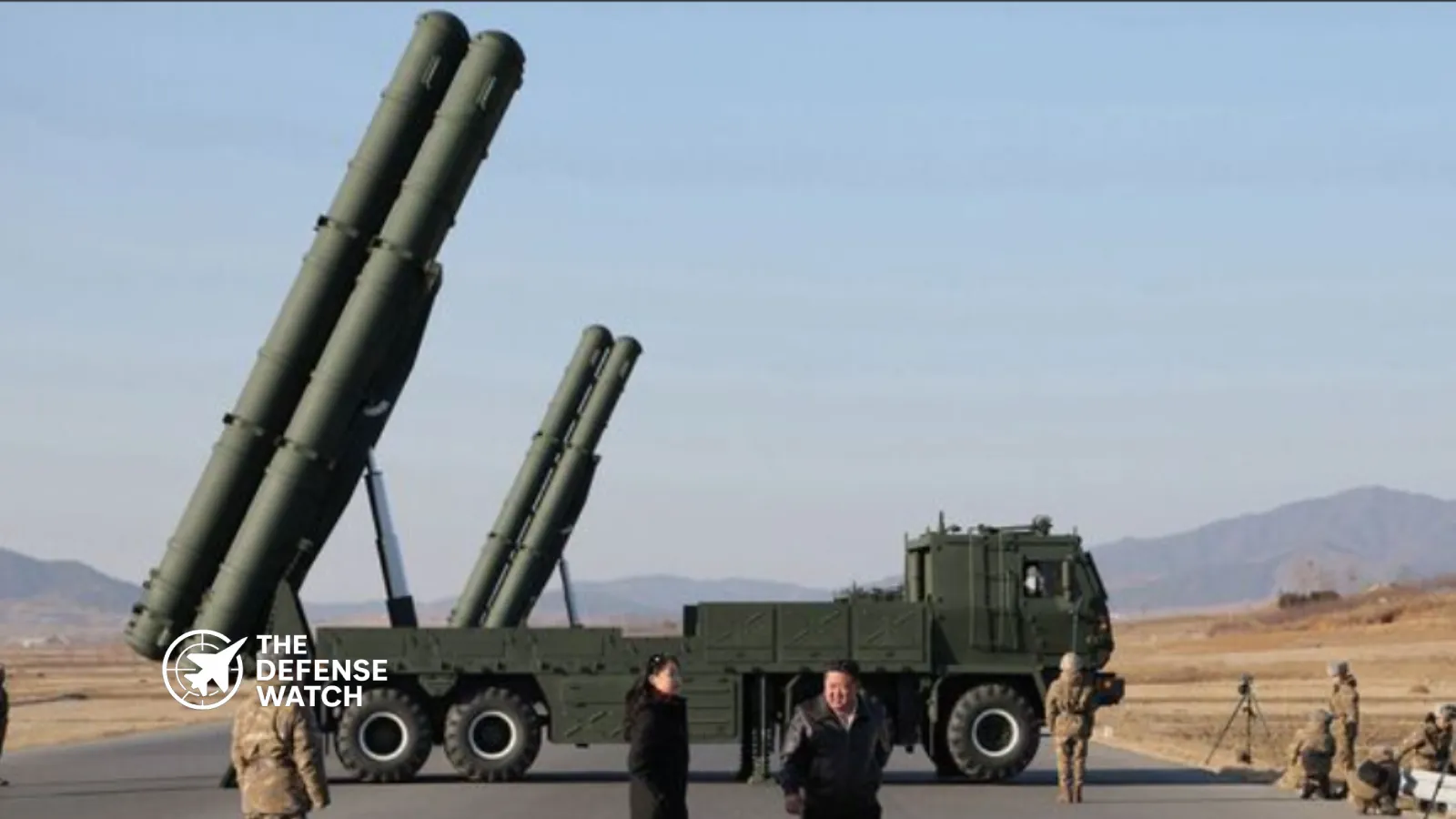
North Korea 600 mm multiple rocket launchers
Artillery & Missile SystemsMilitary & Ordnance

North Korea Showcases 600 mm Multiple Rocket Launchers In Major Firepower Display

October 3, 2026
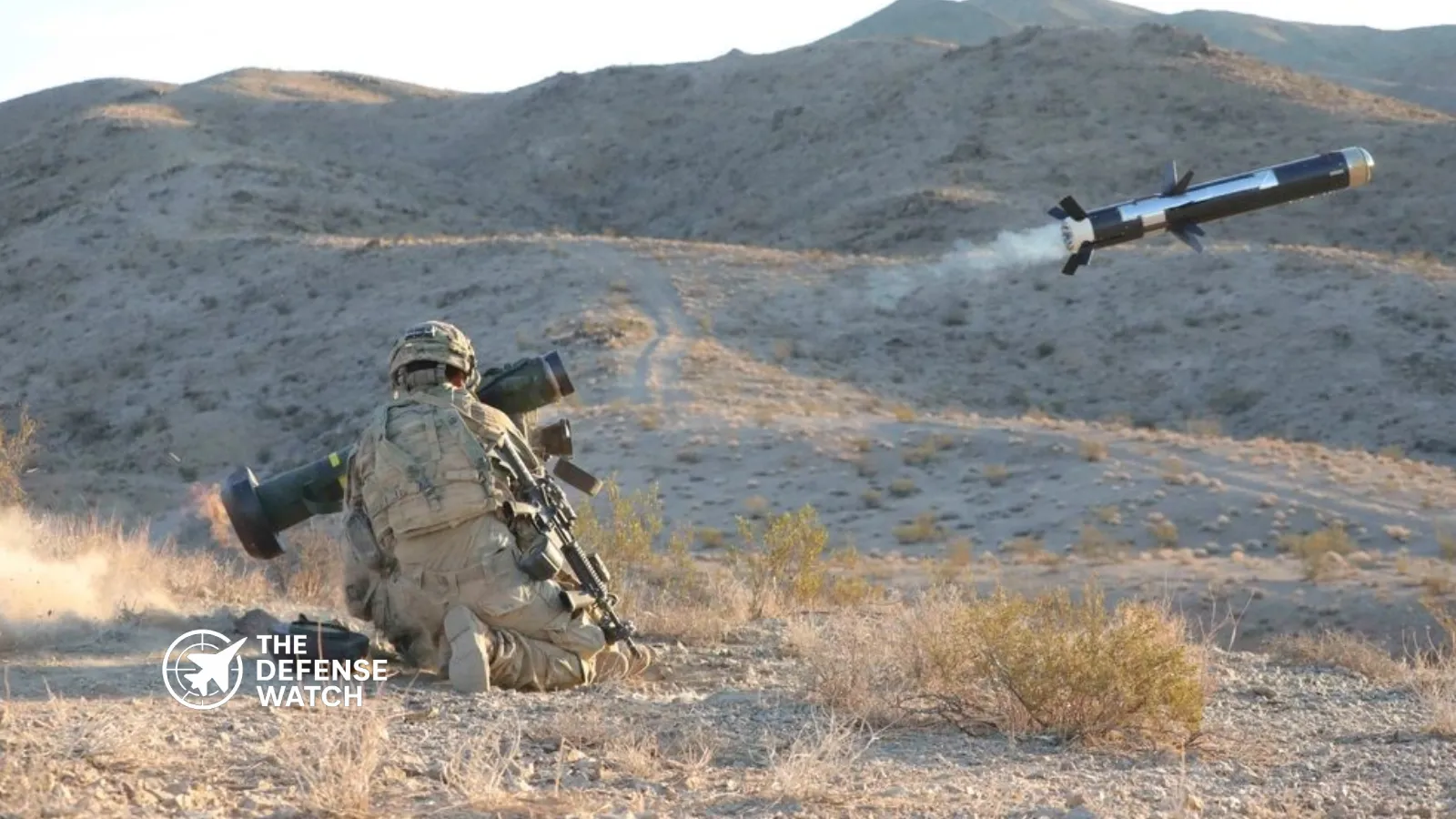
Javelin missile production ramp
Artillery & Missile SystemsMilitary & Ordnance

Javelin Missile Production Ramp Accelerates as Lockheed Martin Overhauls Supply Chain for High-Volume Output

September 7, 2026
Marine Corps medium missile battalion
Military & Ordnance

Marine Corps Redesignates First Battalion as Medium Missile Unit

October 20, 2026
Golden Dome Missile Defense
Cyber & Space Defense

Trump’s “Golden Dome” Missile Defense Enters Prototyping Phase as Space Force Issues RFPs

September 8, 2026

Logo

Copyright © 2026 TheDefenseWatch.com

Helpful Links

  • Home
  • About Us
  • Privacy Policy
  • Terms of Use / Disclaimer
  • U.S. Privacy Notice – CCPA Compliance

Defense Systems

  • Defense Systems
  • Comparisons 
  • Manufacturer
  • Tactical Calculators

Popuplar

Which 5 Air Forces Possess the Costliest Fighter Jet Fleets in the World
Evolving Strategic Value: Carrier Strike Groups in the Indo-Pacific’s Future Security Architecture
Autonomous Weapon Systems Spark U.S. Ethics Debate Amid Rapid Military AI Integration

We report on developments involving military forces, governments, defense companies, research organizations, and security institutions around the world. 

Welcome Back!

Sign in to your account

Username or Email Address
Password

Lost your password?