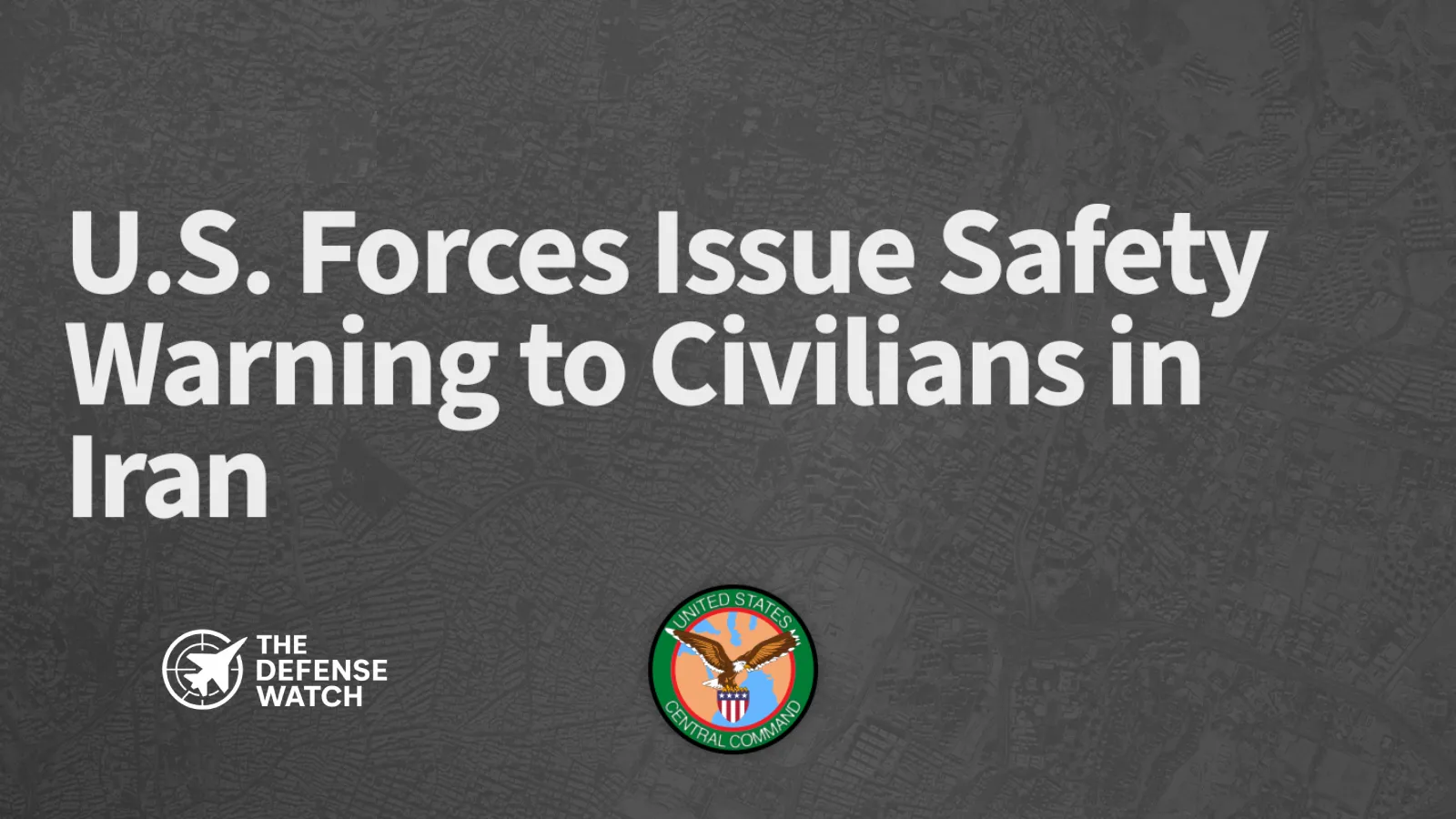
- U.S. Central Command issued a civilian safety warning regarding Iranian military activity in urban areas.
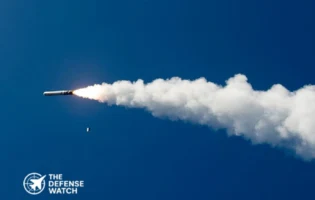
- Iran is reportedly launching one way attack drones and ballistic missiles from cities including Dezful, Esfahan, and Shiraz.
- CENTCOM states that sites used for military operations may lose protected civilian status under international law.
- Iran has launched hundreds of ballistic missiles and thousands of drones since Feb. 28.
- U.S. and partner forces say Iranian launch rates are declining as military infrastructure is targeted.
U.S. CENTCOM Safety Warning Highlights Iranian Drone And Missile Launches From Cities
The U.S. CENTCOM safety warning issued March 8 states that Iranian forces are launching drones and ballistic missiles from heavily populated urban areas, placing civilians at risk and complicating military operations across the Middle East.
U.S. Central Command said Iranian military units are conducting launch operations from cities including Dezful, Esfahan, and Shiraz. According to the command, the Iranian government is using civilian populated areas as operational sites for one way attack drones and ballistic missiles.
(adsbygoogle = window.adsbygoogle || []).push({});CENTCOM officials warned that facilities used for military operations may lose protected civilian status under international humanitarian law, increasing the potential risk to nearby populations if those locations become military targets.
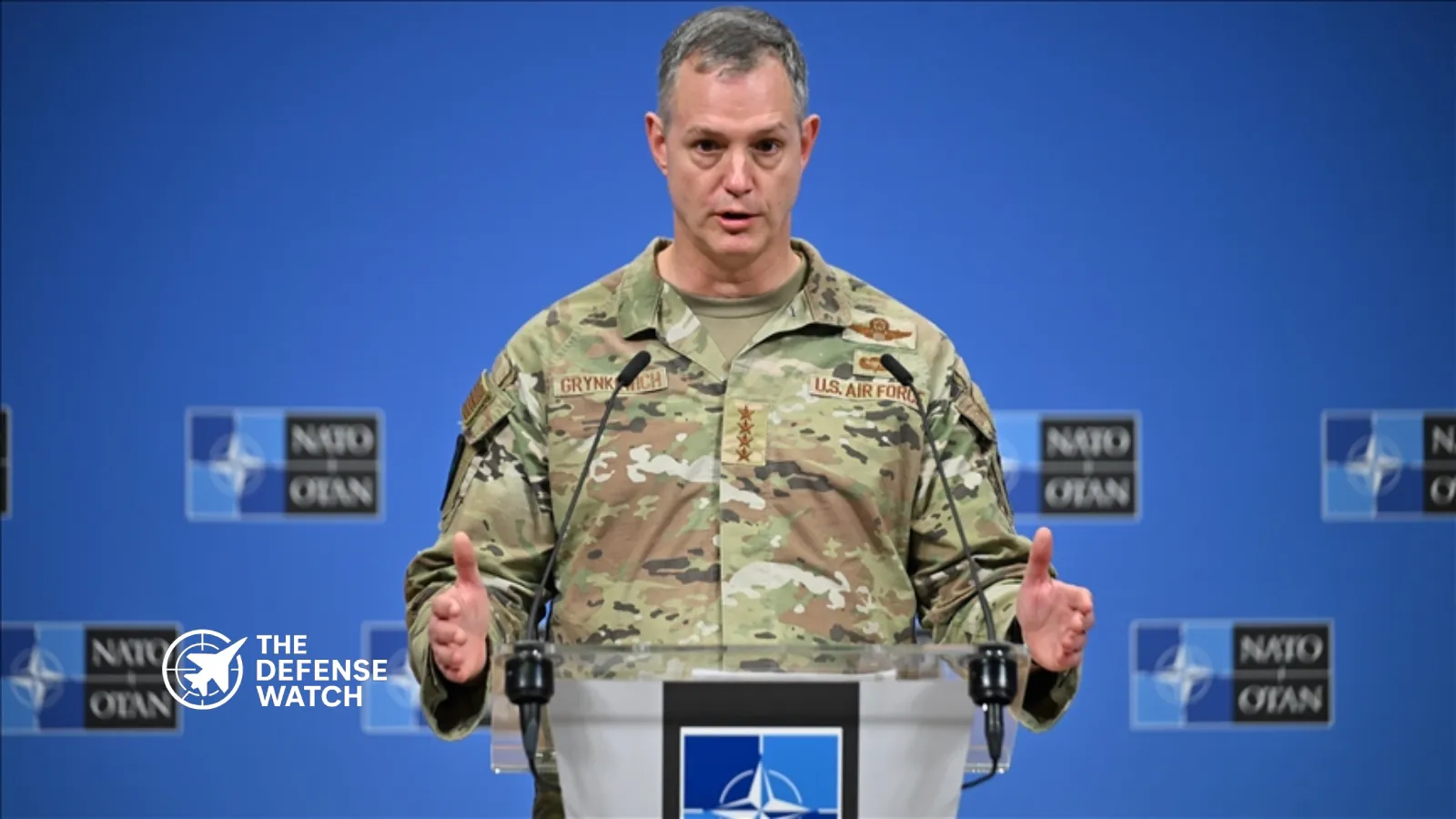
Adm. Brad Cooper, commander of U.S. Central Command, said the Iranian government is disregarding civilian safety while carrying out attacks against regional partners.
The Big Picture
The U.S. CENTCOM safety warning reflects a broader escalation in regional military activity involving Iran and U.S. partner nations across the Middle East.
Since late February, Iran has conducted large scale launches of drones and ballistic missiles targeting regional sites, including civilian infrastructure such as airports and residential areas, according to U.S. military statements.
The warning highlights a key feature of modern missile warfare in the region. Military forces increasingly disperse launch systems inside urban environments to complicate detection and targeting. This tactic reduces vulnerability to preemptive strikes but increases risks to civilian populations.
Urban launch operations also create operational and legal challenges for opposing forces. Targeting sites located within populated areas requires careful verification and precision engagement to reduce civilian harm.
For U.S. forces operating under strict rules of engagement, these conditions can slow targeting timelines and complicate air defense responses.
What Is Happening
According to CENTCOM, Iranian military units have used several major cities as operational hubs for drone and missile launches.
Locations identified by the command include:
Dezful
Esfahan
Shiraz
These cities host a mix of civilian populations and military infrastructure. Iran maintains air bases, missile depots, and aerospace research facilities across several of these locations.
CENTCOM reported that Iran has launched hundreds of ballistic missiles and thousands of one way attack drones since Feb. 28, representing one of the largest coordinated launch campaigns attributed to the country in recent years.
However, U.S. officials say the pace of launches has recently declined.
The command attributes the reduction to ongoing operations by U.S. and partner forces targeting Iranian military capabilities.
(adsbygoogle = window.adsbygoogle || []).push({});CENTCOM emphasized that the U.S. military attempts to minimize civilian casualties but cannot guarantee safety near facilities used for military operations.
Why It Matters
The U.S. CENTCOM safety warning highlights the increasing central role of drone warfare and missile systems in regional conflicts.
Iran has spent decades developing an extensive missile and unmanned aerial vehicle program designed to provide strategic deterrence against technologically superior adversaries.
Ballistic missiles allow Iran to strike targets across the Middle East from within its borders. One way attack drones offer a lower cost but highly flexible strike option that can overwhelm air defenses through mass launches.
By launching these systems from populated areas, Iran complicates the targeting decisions of adversaries and increases the potential political cost of retaliatory strikes.
However, this tactic also increases the risk to Iranian civilians if military infrastructure becomes a target during conflict.
The issue has drawn increasing attention from military planners who must balance operational necessity with legal obligations under the laws of armed conflict.
Strategic Implications
The warning from CENTCOM reflects a growing regional confrontation between Iran and U.S. aligned partners in the Gulf.
Iran’s missile and drone forces form the backbone of its deterrence strategy. These systems provide Tehran with the ability to threaten energy infrastructure, military bases, and commercial shipping routes across the region.
For the United States, countering these capabilities has become a central mission for regional commands and coalition forces.
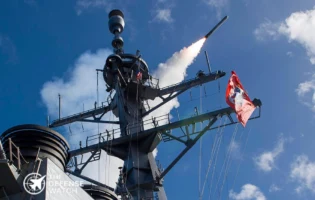
Air defense networks in the Gulf now rely on a layered architecture that includes Patriot missile batteries, naval Aegis systems, and fighter aircraft capable of intercepting drones and cruise missiles.
The current surge in Iranian launches tests these systems under real operational conditions. It also demonstrates the scale at which drone warfare can challenge modern air defenses.
If Iranian launch infrastructure continues to operate inside urban areas, coalition forces will face ongoing challenges identifying and neutralizing threats while minimizing civilian harm.
Competitor View
Iranian military doctrine places strong emphasis on asymmetric warfare against technologically superior adversaries.
From Tehran’s perspective, dispersing missile and drone operations across urban environments increases survivability and complicates enemy targeting.
Russian and Chinese military planners have studied similar operational concepts in recent conflicts. The widespread use of mobile missile launchers and concealed drone infrastructure reflects broader trends in modern warfare.
Urban concealment techniques reduce vulnerability to surveillance systems such as satellites, drones, and airborne radar platforms.
However, these tactics can also draw international criticism if military operations occur in densely populated areas.
(adsbygoogle = window.adsbygoogle || []).push({});Capability Gap
The situation highlighted by the U.S. CENTCOM safety warning exposes a persistent challenge for modern air defense systems.
Missiles and drones launched from urban areas often provide minimal warning time for defenders. Mobile launchers can appear briefly before firing and then relocate rapidly.
Traditional missile defense systems were designed primarily to counter high altitude ballistic threats. Large scale drone attacks require additional capabilities such as electronic warfare systems, directed energy weapons, and rapid firing interceptors.
The U.S. military has increasingly invested in layered counter drone systems to address this gap. These include high energy lasers, electronic jamming systems, and advanced radar networks designed to detect low flying unmanned aircraft.
What To Watch Next
Several developments could shape how this situation evolves.
Military analysts will closely watch whether Iranian launch activity continues or declines further following coalition strikes.
Another key factor is the potential expansion of missile defense operations by U.S. allies in the Gulf. Regional states have been upgrading radar networks and interceptor systems in response to the growing drone threat.
Operational data gathered during these attacks could also influence future U.S. procurement decisions for counter drone technology.
(adsbygoogle = window.adsbygoogle || []).push({});Finally, any escalation involving strikes on Iranian military infrastructure could significantly reshape the regional security environment.
The Bottom Line
The U.S. CENTCOM safety warning underscores the growing risks of missile and drone warfare conducted from urban areas, a tactic that increases operational complexity while placing civilian populations at greater risk.