• Home
  • About
  • Defense Systems
  • Manufacturer
  • Comparisons
  • Compare 
  • Tools
TheDefenseWatch.com
  • Aerospace & Aviation
  • Military & Ordnance
  • Naval & Maritime
  • Cyber & Space Defense
  • Policy & Strategy
  • Global News
  • Tools Library
    • Smart Calculator
    • Drone Flight Time Calculator
    • Drone Range Calculator
    • Counter-Drone Jammer Effective Range Calculator
    • Counter-Battery Radar Detection Calculator
    • Artillery Fire Correction Calculator
    • Thermal Camera Detection Range Calculator
    • Missile Range & Time-of-Flight Calculator
    • Radar Detection Range Calculator
    • FPV Strike Drone Payload vs Range Calculator
    • Loitering Munition Endurance Calculator
    • Sniper Ballistic Drop & Windage Calculator
    • Bullet Drop Calculator
    • U.S. Army Combat Fitness Test (ACFT) Calculator
    • Military Pension Calculator
    • Military Retirement Calculator
    • Military Pension Calculator
    • Large Number Calculator
Font ResizerAa

TheDefenseWatch.com

The Defense Watch | U.S. & Global Defense News, Analysis & Military Updates

Search
  • Home
  • About
  • Defense Systems
  • Manufacturer
  • Comparisons
  • Compare 
  • Tools

Stay Updated

Get the latest update

Subscribe

Explore

  • Drone
  • Fighter Jets & Military Aircraft
  • Hypersonic Weapons
  • Aircraft Carriers
  • Strategic History & Missions
  • Tools Library
Home » US Operation Epic Fury Strikes 2,000 Iranian Targets In First 100 Hours, CENTCOM Says
Global News

US Operation Epic Fury Strikes 2,000 Iranian Targets In First 100 Hours, CENTCOM Says

Kaleem Sheikh | Regional Defense Correspondent
Last updated: March 4, 2026 2:20 am
Kaleem Sheikh | Regional Defense Correspondent
Share
6 Min Read
Operation Epic Fury Iran
Image : dvidshub
SHARE
■ KEY FACTS AT A GLANCE
  • ► Operation Epic Fury has struck nearly 2,000 targets in Iran within 100 hours.
  • ► Over 200 fighter jets and B-2, B-1B, and B-52 bombers conducted deep strike missions.
  • ► U.S. forces used more than 2,000 munitions, degrading Iranian air defenses and missile forces.
  • ► Naval strikes destroyed 17 Iranian ships, including a submarine.
  • ► PrSM missiles and LUCAS loitering munitions were used in combat for the first time.

Operation Epic Fury Expands As US Strikes 2,000 Targets Across Iran

Operation Epic Fury has struck nearly 2,000 targets across Iran in just over 100 hours, according to the commander of U.S. Central Command.

Contents
  • Operation Epic Fury Expands As US Strikes 2,000 Targets Across Iran
  • Air Defense Suppression And Missile Hunt Intensify
  • First Combat Use Of PrSM And LUCAS Drones
  • Iranian Response And Escalation Risks
  • Strategic Implications

Gen. Brad Cooper said U.S. forces have employed more than 2,000 munitions, targeting air defense systems, ballistic missile stockpiles, launchers, drones, naval vessels, and command centers.

The scale of the opening phase was described as nearly double the intensity of the 2003 shock and awe air campaign during the Iraq War.

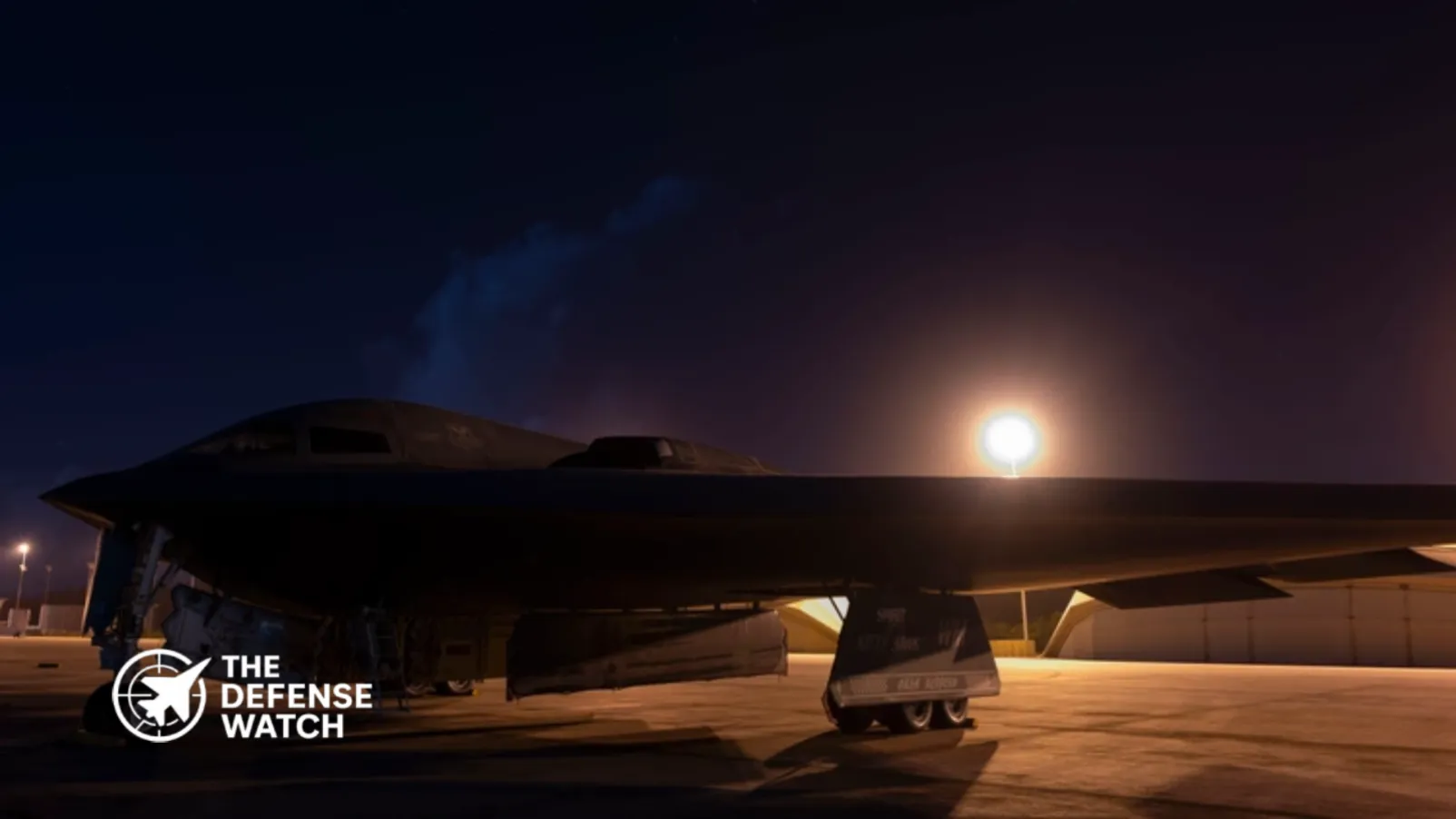
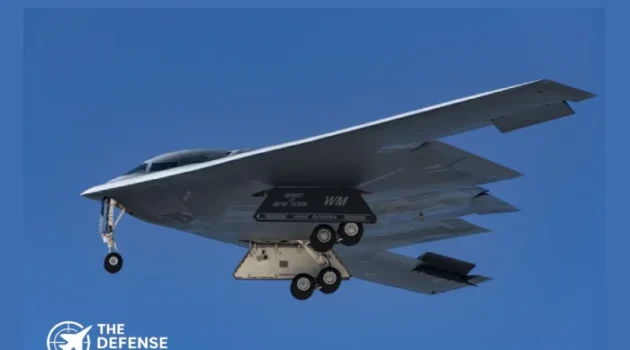
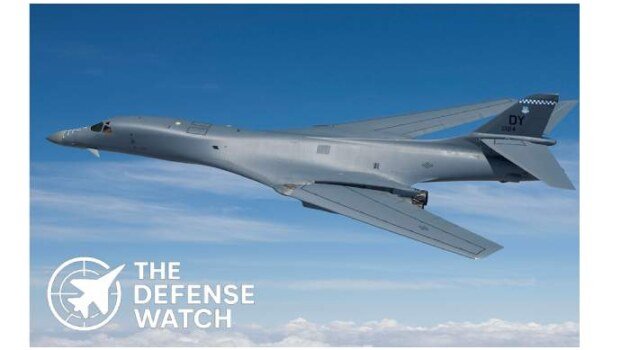
More than 200 fighter aircraft participated in the initial wave. Strategic bombers including the B-2 Spirit, B-1B Lancer, and B-52 Stratofortress struck hardened missile sites and command nodes deep inside Iranian territory.

- Advertisement -
  • B-2 Spirit Bomber

    B-2 Spirit Bomber

    • Maximum Speed: 628 mph (Mach 0.95)
    • Range: 6,000+ nmi (11,000 km)
    • Payload Capacity: 40,000 lb (18,000 kg)
    • Crew: 2
    • View Details →
    8.8

    At sea, U.S. naval forces reportedly destroyed 17 Iranian vessels, including at least one submarine. Two carrier strike groups are now operating in surrounding waters, reinforcing maritime dominance.

    • B-1B Lancer Bomber

      B-1B Lancer Bomber

      • Maximum Speed: Mach 1.25 (1,335 km/h)
      • Range: 5,900 miles (9,400 km)
      • Payload Capacity: Capacity : 75,000 lb (34,000 kg)
      • Crew: 4
      • View Details →
      8.6

      Air Defense Suppression And Missile Hunt Intensify

      A central objective of Operation Epic Fury is the systematic degradation of Iran’s integrated air defense network.

      According to CENTCOM, hundreds of ballistic missiles, mobile launchers, and drones have been destroyed. U.S. forces are now focused on hunting remaining transporter erector launchers that can relocate rapidly after firing.

      Mobile missile launchers remain one of the most difficult targets in modern warfare. They can disperse across civilian infrastructure, complicating detection and increasing the intelligence burden.

      The use of stealth bombers in the opening hours suggests a deliberate strategy to dismantle radar coverage and command nodes before expanding to broader target sets. This approach mirrors U.S. doctrine seen in previous large scale air campaigns, where air superiority is established before sustained strike operations.

      First Combat Use Of PrSM And LUCAS Drones

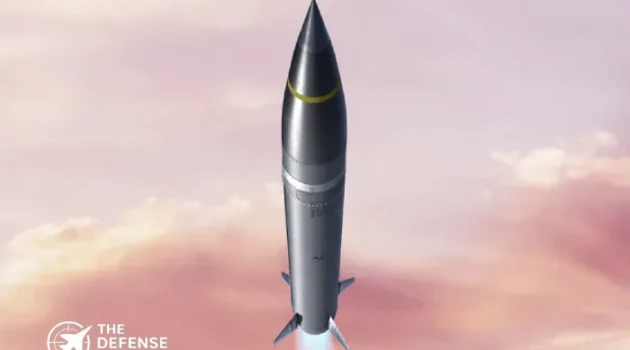
      Operation Epic Fury also marks the first reported combat use of the Precision Strike Missile, known as PrSM. Developed to replace the Army Tactical Missile System, PrSM provides extended range and improved accuracy for ground launched deep strikes.

      • Precision Strike Missile (PrSM)

        Precision Strike Missile (PrSM)

        • Guidance System: GPS and INS
        • Maximum Speed: Supersonic
        • Launch Compatibility: HIMARS and M270 MLRS
        • Warhead Technology: Unitary high explosive
        • View Details →
        8.0

        In addition, LUCAS loitering munitions were used in operational missions. These systems are designed to search, identify, and strike targets autonomously within a defined area, offering flexibility against time sensitive targets such as mobile missile units.

        The introduction of both systems in a high intensity conflict signals an evolution in U.S. long range precision strike doctrine. It reflects the Pentagon’s ongoing push toward distributed, networked fires that combine air, land, and maritime assets.

        Iranian Response And Escalation Risks

        Iran has responded with more than 500 ballistic missiles and over 2,000 drones, according to U.S. military figures. The exchange underscores the scale of the confrontation and the resilience of Iran’s missile inventory despite sustained strikes.

        The presence of two U.S. carrier strike groups around Iran signals readiness for prolonged operations. Carrier based aircraft extend sortie generation capacity and provide air defense for naval and regional assets.

        More than 50,000 U.S. personnel are now involved in Operation Epic Fury. Officials have stated there is no fixed end date for the campaign.

        From a strategic standpoint, the tempo suggests a phased operation rather than a short duration punitive strike. The initial air campaign appears aimed at dismantling Iran’s strategic deterrent systems before transitioning to sustained pressure on remaining launch capabilities.

        The comparison to the 2003 Iraq campaign highlights scale, but there are key differences. Iran’s missile forces are more dispersed, hardened, and mobile than Iraq’s infrastructure two decades ago. That reality may prolong efforts to fully neutralize remaining capabilities.

        Strategic Implications

        Operation Epic Fury demonstrates the U.S. military’s capacity to integrate stealth aviation, long range missiles, naval power, and autonomous systems in a compressed timeframe.

        The early use of PrSM and loitering munitions suggests confidence in next generation precision weapons. It also provides real world operational data that will likely inform future modernization programs.

        However, the sustained missile exchanges indicate that Iran retains retaliatory capacity. The coming phase may depend less on air superiority, which appears established, and more on intelligence driven targeting against mobile assets.

        For now, the campaign continues without a declared timeline, leaving regional stability closely tied to the pace and scope of further strikes.
TAGGED:Carrier Strike GroupsCENTCOMFeaturedIran conflictOperation Epic Furyus air force
Share This Article
Facebook Copy Link Print
ByKaleem Sheikh | Regional Defense Correspondent
Follow:
Kaleem Sheikh is a regional defense correspondent at TheDefenseWatch.com covering defense and security developments across Asia and the Middle East, including military operations, procurement, and regional security issues.
Leave a Comment

Leave a Reply Cancel reply

Your email address will not be published. Required fields are marked *

Latest Defense Systems

  • SU-57 Felon Stealth Fighter SU-57 Felon Stealth Fighter
  • Boeing F/A-XX Fighter Boeing F/A-XX Fighter
  • JF-17 Thunder Fighter Jet JF-17 Thunder Fighter Jet
  • Gaurav Glide Bomb Gaurav Glide Bomb
  • F-47 Fighter Jet F-47 Fighter Jet
  • Spirit UAS Spirit UAS
  • GBU-43/B MOAB Bomb GBU-43/B MOAB Bomb
  • John F. Kennedy Aircraft Carrier John F. Kennedy Aircraft Carrier
  • Voyager Tanker Voyager Tanker

Recent Compares

  • J-10C vs JF-17 Thunder: Which Fighter Is More Capable? J-10C vs JF-17 Thunder: Which Fighter Is More Capable? View Comparison →
  • Tejas vs Gripen: Key Differences and Capabilities Tejas vs Gripen: Key Differences and Capabilities View Comparison →
  • Tejas vs MiG-21 Bison: How India Replaced Its Iconic Supersonic Fighter Tejas vs MiG-21 Bison: How India Replaced Its Iconic Supersonic Fighter View Comparison →
  • F-35 vs F-16: Stealth, Sensors and Combat Roles F-35 vs F-16: Stealth, Sensors and Combat Roles View Comparison →
  • Tejas Fighter Jet vs F-16 Fighting Falcon: Capability Compared Tejas Fighter Jet vs F-16 Fighting Falcon: Capability Compared View Comparison →
  • Rafale Fighter Jet vs F-16 Fighting Falcon : Which Fighter Has the Edge? Rafale Fighter Jet vs F-16 Fighting Falcon : Which Fighter Has the Edge? View Comparison →
  • Su-57 Fighter Jet vs J-20 Fighter Jet: Stealth and Air Combat Compared Su-57 Fighter Jet vs J-20 Fighter Jet: Stealth and Air Combat Compared View Comparison →
  • Mirage 2000 vs Tejas Mk1A: Legacy Combat Power vs Indigenous Modernization Mirage 2000 vs Tejas Mk1A: Legacy Combat Power vs Indigenous Modernization View Comparison →
  • Rafale Fighter Jet vs F-22 Raptor: Which Air Dominance Fighter Has the Edge? Rafale Fighter Jet vs F-22 Raptor: Which Air Dominance Fighter Has the Edge? View Comparison →
  • Tejas Fighter Jet vs. Rafale Fighter Jet: India’s Indigenous Fighter Meets France’s Proven Multirole Combat Aircraft Tejas Fighter Jet vs. Rafale Fighter Jet: India’s Indigenous Fighter Meets France’s Proven Multirole Combat Aircraft View Comparison →

Recent Posts

  • Ukrainian F-16 vs. Russian Su-35: What Happened, How the Engagement Unfolded and Why It Matters
  • Canada’s Fighter Jet Fleet Faces a Critical Transition as F-35 Review Continues
  • New Zealand Signs Deal for Five MH-60R Seahawk Helicopters
  • U.S. Air Force Test Pilot School Adds Water Landings to Training
  • F-22 Takes Control of YFQ-44A as U.S. Air Force Advances Collaborative Combat Aircraft Testing

You Might Also Like

US E-3 Sentry combat loss
Aerospace & AviationFighter Jets & Military Aircraft

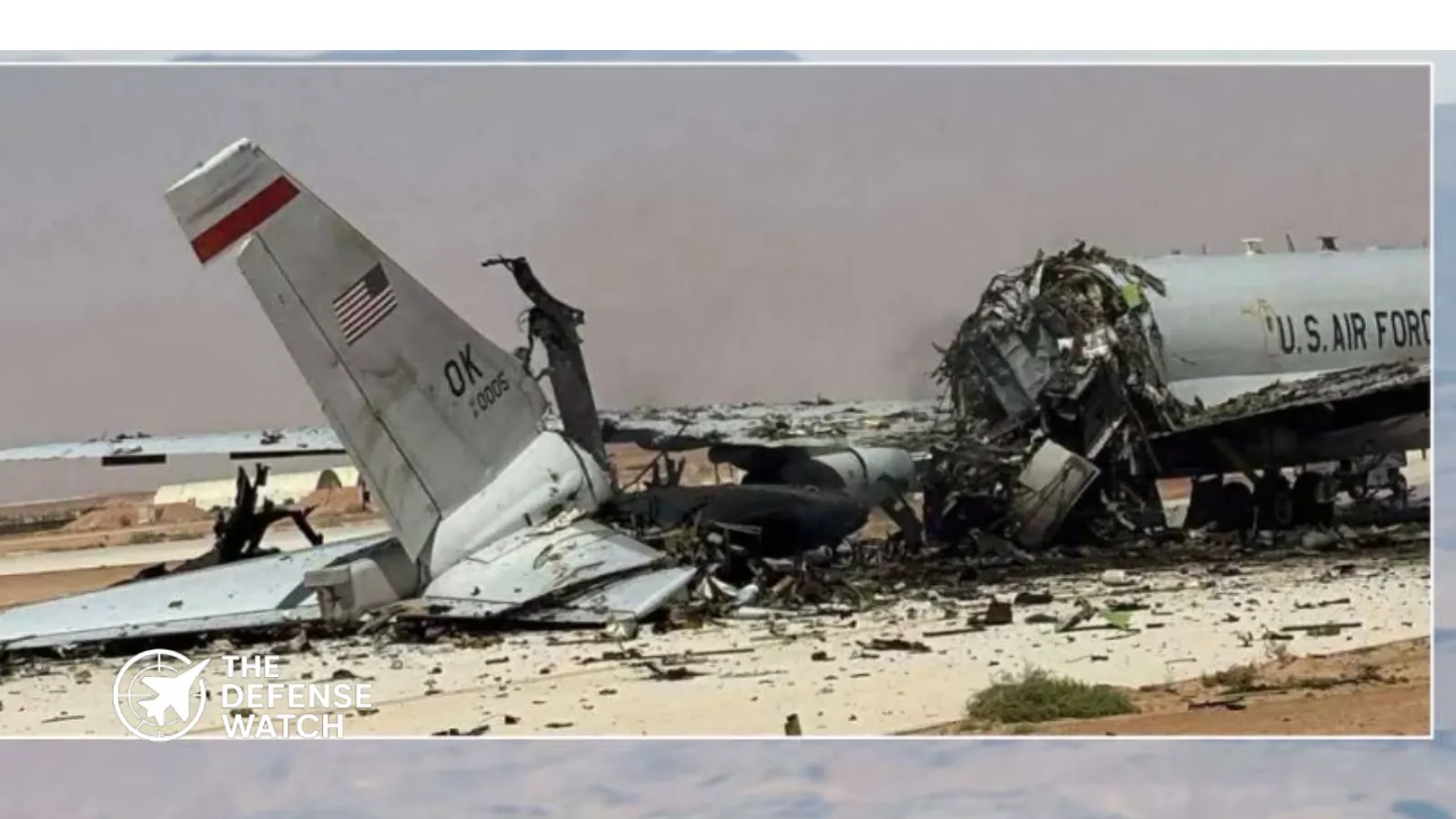
US Suffers First Combat Loss Of E-3 Sentry AWACS After Iranian Strike On Saudi Airbase

March 30, 2026
Piorun MANPADS Germany
Global News

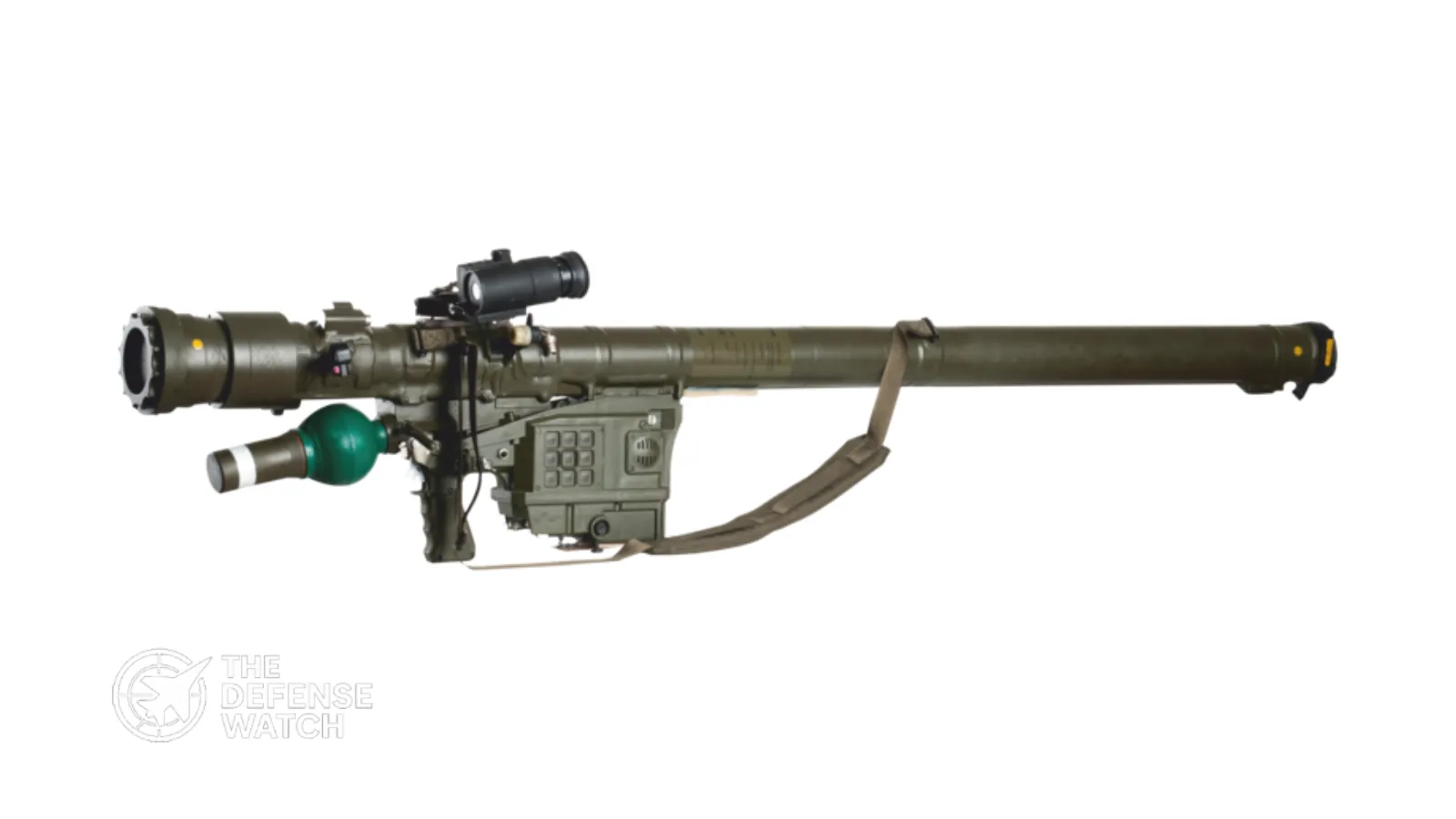
Germany Eyes Piorun MANPADS Acquisition To Counter Drone Threat

September 8, 2026
US Army mine breaching system
Global NewsMilitary & Ordnance

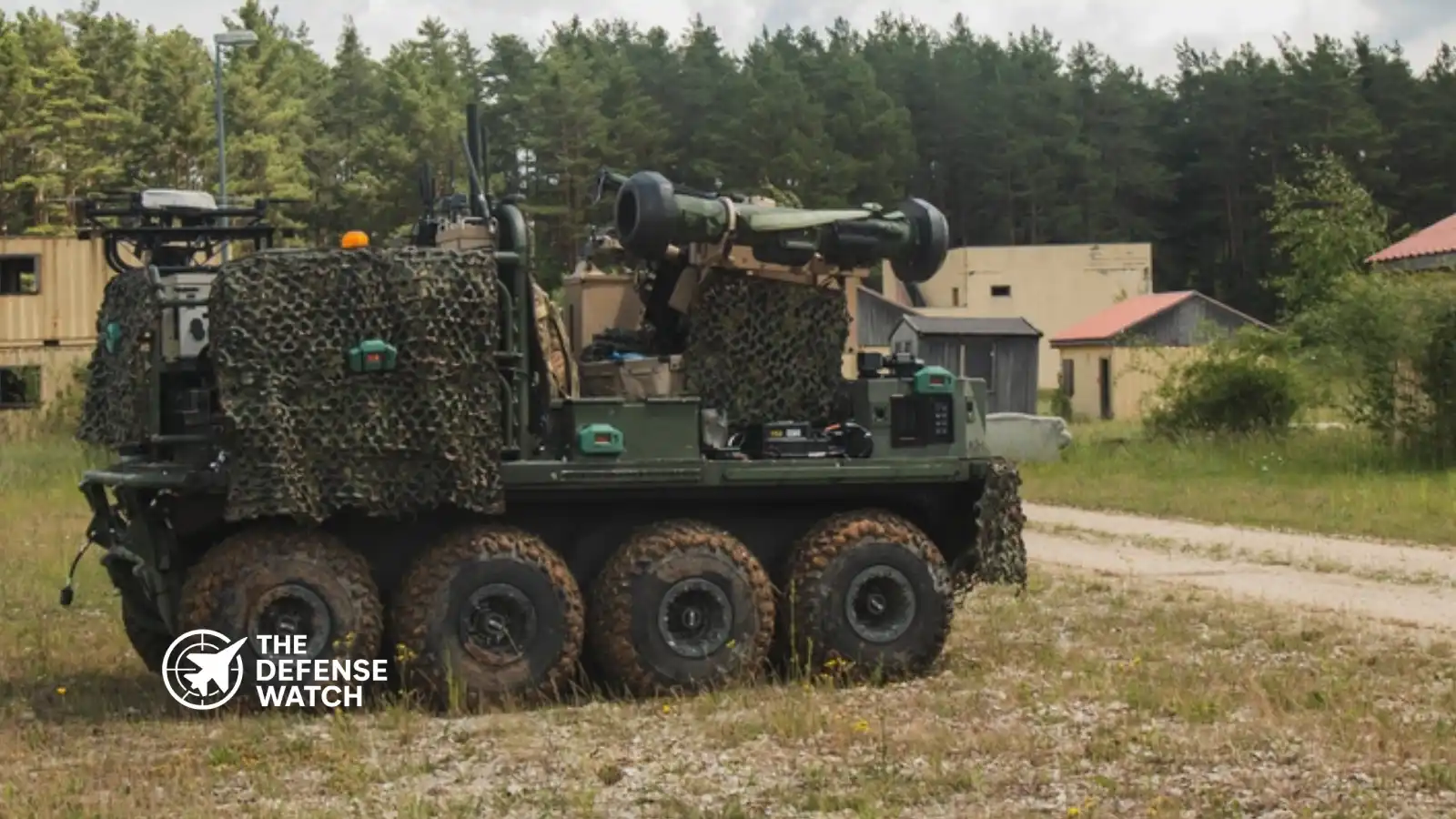
US Army Tests Autonomous Mine Breaching System To Keep Soldiers Out Of Danger

April 16, 2026
F-35 missile defense sensor fusion
Aerospace & AviationFighter Jets & Military Aircraft

The F-35 Becomes a Flying Sensor: Inside Lockheed’s Vision for Missile-Defense Data Fusion

August 15, 2026

Logo

Copyright © 2026 TheDefenseWatch.com

Helpful Links

  • Home
  • About Us
  • Privacy Policy
  • Terms of Use / Disclaimer
  • U.S. Privacy Notice – CCPA Compliance

Defense Systems

  • Defense Systems
  • Comparisons 
  • Manufacturer
  • Tactical Calculators

Popuplar

Which 5 Air Forces Possess the Costliest Fighter Jet Fleets in the World
Evolving Strategic Value: Carrier Strike Groups in the Indo-Pacific’s Future Security Architecture
Autonomous Weapon Systems Spark U.S. Ethics Debate Amid Rapid Military AI Integration

We report on developments involving military forces, governments, defense companies, research organizations, and security institutions around the world. 

Welcome Back!

Sign in to your account

Username or Email Address
Password

Lost your password?