India Moves Forward With Largest Fighter Jet Procurement In Decades
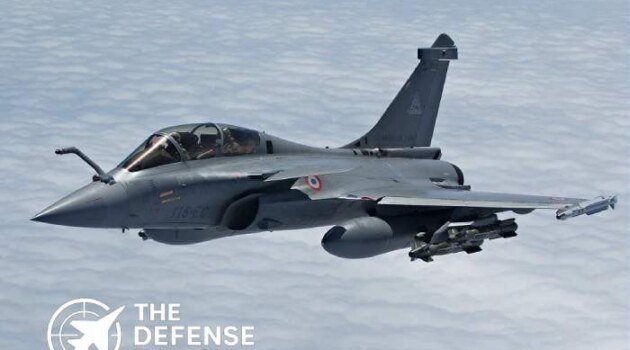
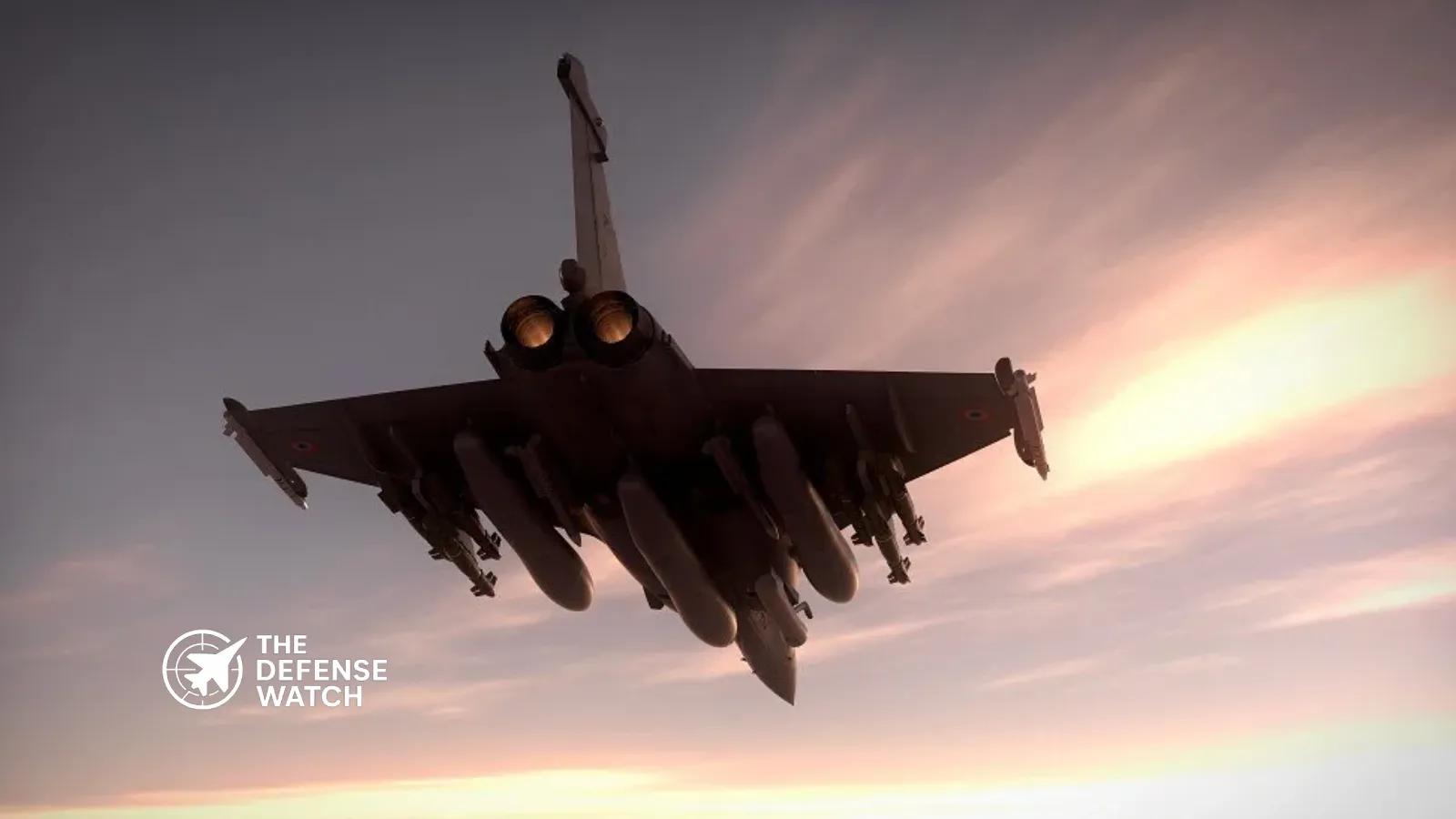
India’s Defence Acquisition Council granted preliminary approval Thursday for the procurement of 114 Rafale fighter jets from France’s Dassault Aviation, marking one of the largest defense acquisitions in the nation’s history. The deal, valued at approximately 3.25 trillion rupees ($39 billion), represents a critical step toward addressing the Indian Air Force’s acute squadron shortage while modernizing its combat capabilities against evolving regional threats.
Defense Minister Rajnath Singh-led Defence Acquisition Council approved the Acceptance of Necessity for the Multi-Role Fighter Aircraft program, according to India’s Ministry of Defence. The clearance paves the way for detailed commercial and technical negotiations between New Delhi and Paris, though final approval from the Cabinet Committee on Security remains pending.
Strategic Timing Ahead Of Macron’s India Visit
The approval comes just days before French President Emmanuel Macron’s scheduled visit to India from February 17-19, where he will launch the India-France Year of Innovation and Artificial Intelligence Impact Summit. Defense analysts view the timing as strategically significant, demonstrating the deepening defense partnership between the two nations.
Under the proposed framework, 18 Rafale aircraft will be delivered directly from France in fly-away condition to meet immediate operational requirements. The remaining 96 jets will be manufactured in India through a partnership involving state-owned Hindustan Aeronautics Limited and private Indian defense contractors, officials familiar with the matter told The Associated Press.
Make In India Integration Drives Local Manufacturing
The indigenous production component represents a substantial commitment to India’s Make in India initiative. Initial Indian content is expected to reach 30 percent of production value, progressively increasing to more than 60 percent as the program matures. This technology transfer agreement will provide Indian aerospace manufacturers with advanced capabilities in fourth-generation-plus fighter production.
(adsbygoogle = window.adsbygoogle || []).push({});The deal structure reflects lessons learned from India’s earlier Rafale acquisition. In 2016, India contracted for 36 Rafale jets under a government-to-government agreement with France, with deliveries completed in December 2024. The aircraft have since equipped two squadrons: No. 17 Squadron “Golden Arrows” at Air Force Station Ambala in Haryana, and No. 101 Squadron “Falcons” at Hasimara in West Bengal.
Rejection Of F-35 And Su-57 Proposals
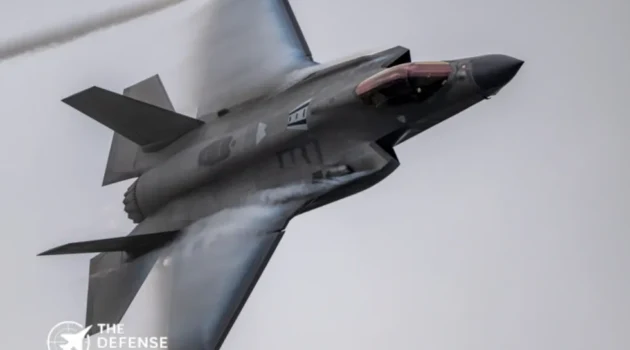
By selecting the Rafale, India simultaneously rejected competing offers from the United States and Russia for fifth-generation fighters. Lockheed Martin’s F-35 Lightning II and Russia’s Sukhoi Su-57 were both evaluated but ultimately not selected. Defense industry sources indicate concerns that procuring either fifth-generation platform could have undermined India’s indigenous Advanced Medium Combat Aircraft development program.
Indian defense officials consider the Rafale a proven, readily deployable solution capable of rapidly addressing capability gaps. The twin-engine, multi-role fighter has demonstrated effectiveness in Indian service, including during Operation Sindoor in May 2025, when Indian Air Force Rafales struck targets in Pakistan using SCALP cruise missiles following the Pahalgam terror attack.
Addressing Critical Squadron Shortfall
The Indian Air Force currently operates approximately 29-31 fighter squadrons, significantly below its authorized strength of 42 squadrons. This shortfall has grown more acute as aging Dassault Mirage 2000, SEPECAT Jaguar, and early-model Mikoyan MiG-29 aircraft approach retirement without sufficient replacement capacity.
(adsbygoogle = window.adsbygoogle || []).push({});India’s domestically produced HAL Tejas light combat aircraft, while entering serial production, cannot fill the gap at the required pace. The Tejas remains classified as a light fighter and lacks the payload capacity and range required for many roles currently filled by medium and heavy fighters.
Once the 114-aircraft order is completed alongside the 26 naval Rafale-M variants ordered in April 2025, India’s total Rafale fleet will reach 176 aircraft, making it the largest Rafale operator outside France.
Comprehensive Defense Package Approved
The Rafale approval forms part of a broader defense procurement package worth 3.6 trillion rupees approved by the Defence Acquisition Council. Additional acquisitions include six Boeing P-8I maritime patrol aircraft for the Indian Navy, valued at approximately 28,000 crore rupees ($3.3 billion).
(adsbygoogle = window.adsbygoogle || []).push({});The P-8I aircraft will enhance anti-submarine warfare and maritime surveillance capabilities across the Indian Ocean Region, where Indian naval planners have expressed concern about expanding Chinese naval activities. India currently operates 12 P-8I aircraft, which have proven critical for maritime domain awareness.
The council also approved High Altitude Platform Systems worth approximately 15,000 crore rupees. These long-endurance pseudo-satellite aircraft will provide persistent intelligence, surveillance, and reconnaissance capabilities for operations along India’s contested northern borders with China.
For the Indian Army, the Defence Acquisition Council granted Acceptance of Necessity for procurement of Vibhav anti-tank mines and overhaul programs for Armoured Recovery Vehicles, T-72 tanks, and BMP-II Infantry Combat Vehicles.
Advanced Capabilities Package
The Rafale’s multirole capabilities align with Indian Air Force operational requirements across the full spectrum of conflict scenarios. The aircraft can execute air superiority, ground attack, reconnaissance, anti-ship, and nuclear deterrence missions during single sorties.
Key weapon systems integrated with Indian Rafales include the Meteor beyond-visual-range air-to-air missile, SCALP-EG cruise missile with ranges exceeding 250 kilometers, and the HAMMER modular air-to-ground weapon. The aircraft’s SPECTRA electronic warfare suite provides advanced self-protection capabilities against surface-to-air missiles and air-to-air threats.
(adsbygoogle = window.adsbygoogle || []).push({});The Rafale features an integrated sensor suite including the RBE2 active electronically scanned array radar, which can track multiple targets simultaneously while maintaining low probability of intercept characteristics. Its Optronique Secteur Frontal infrared search and track system enables passive target detection and engagement.
Technology Transfer And Industrial Cooperation
In June 2025, France and India announced four landmark production transfer agreements between Dassault Aviation and Tata Advanced Systems Limited. These partnerships are expected to accelerate production capabilities and reduce delivery timelines for the new order.
The technology transfer encompasses aircraft engines, avionics systems, weapons integration protocols, and composite materials manufacturing. French defense officials have indicated willingness to support future joint development projects beyond the current procurement program.
Defense analysts note that France has proven more willing than competing suppliers to share advanced technologies and support indigenous development programs. This flexibility has positioned French defense contractors as preferred partners for multiple Indian military modernization initiatives.
Regional Security Context
The procurement decision reflects India’s strategic calculus amid evolving security challenges along its borders with Pakistan and China. Tensions along the Line of Actual Control with China have remained elevated since the 2020 Galwan Valley clash, while terrorist threats from Pakistan-based groups continue to require robust air defense and strike capabilities.
(adsbygoogle = window.adsbygoogle || []).push({});The Rafale’s proven performance during Operation Sindoor demonstrated its effectiveness for precision strikes against hardened targets in contested airspace. Military planners view the expanded Rafale fleet as essential for maintaining credible deterrence across both northern and western borders.
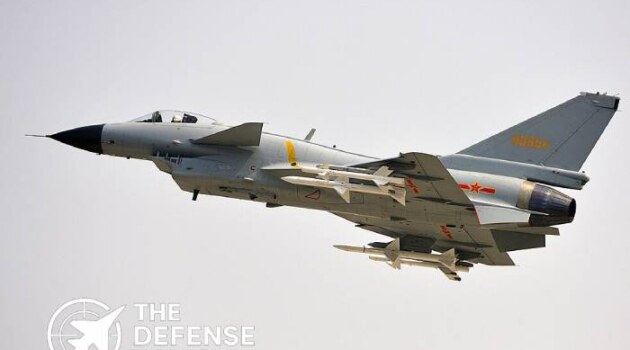
India’s fighter modernization also occurs within the broader context of regional military competition. Pakistan has taken delivery of Chinese-built J-10C fighters and continues to operate upgraded F-16 aircraft, while China operates large fleets of fourth and fifth-generation fighters along the Tibetan border regions.
Next Steps In Procurement Process
Following the Defence Acquisition Council’s Acceptance of Necessity, India’s Ministry of Defence will conduct detailed commercial negotiations with Dassault Aviation through the government-to-government framework established with France. These discussions will finalize aircraft unit costs, weapons packages, support systems, training requirements, and technology transfer terms.
(adsbygoogle = window.adsbygoogle || []).push({});Defense industry observers do not expect contract signature before late 2026, given the complexity and scale of the procurement. The final agreement requires approval from the Cabinet Committee on Security, chaired by Prime Minister Narendra Modi.
Initial aircraft deliveries from France could begin within 36 months of contract signature based on Dassault’s current production capacity, with Indian-manufactured aircraft following as domestic production lines achieve certification. Full fleet delivery is projected to extend through the early 2030s.
The comprehensive acquisition positions India’s defense relationship with France as among its most significant strategic partnerships, with implications for naval aviation, missile systems, and future collaborative development programs across the aerospace sector.