Royal Marines NATO Ready After Two Years Of Prep
The Royal Marines have achieved NATO readiness status after completing two years of mission rehearsals, qualifying 42 Commando for rapid deployment with the alliance’s Allied Reaction Force maritime task group, according to the Royal Navy.
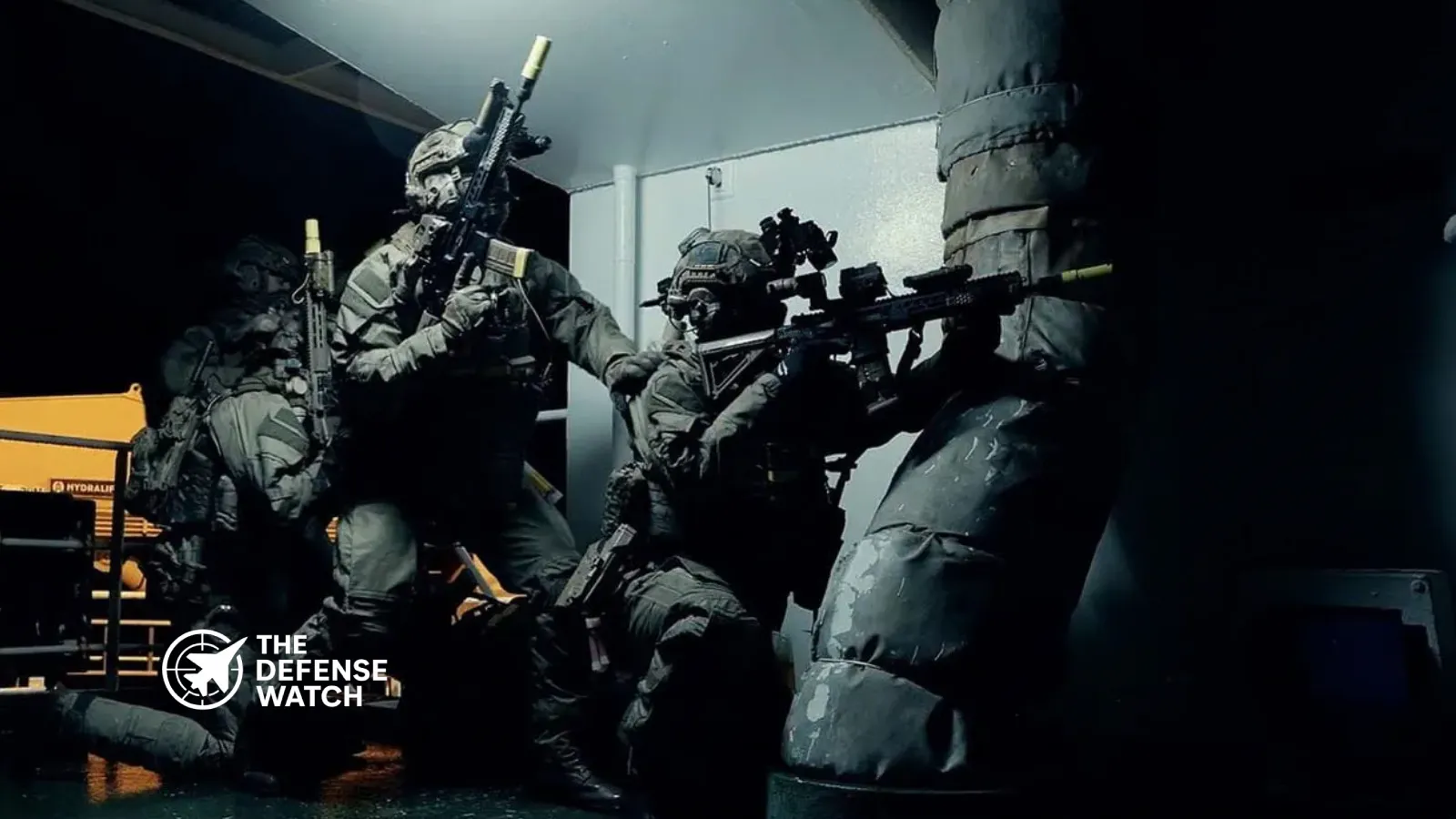
Members of Plymouth-based 42 Commando finished Exercise Hyperion Storm with a series of boarding drills, night operations, reconnaissance and helicopter assaults. The final evaluation confirmed the unit can be called up on short notice to support NATO special operations from July 2026 for approximately one year.
Hyperion Storm Validates Maritime Task Group Capability
Hyperion Storm was the capstone event in a long training cycle designed to meet NATO criteria for rapid response forces. The exercise involved a wide range of skills, including maritime interdiction, fast-roping from helicopters and coordinated operations with British Army Rangers and Royal Air Force helicopters.
The certification process required meeting more than 850 performance measures overseen by NATO’s Special Operations Forces Command Evaluation team. That validation clears the way for 42 Commando to fill a core role in the Special Operations Component of NATO’s Allied Reaction Force, a unit intended to provide an initial deterrent or response to emerging global crises.
Role And Tasks In NATO Framework
Once activated, the maritime task group led by Royal Marines will serve as the alliance’s primary rapid reaction force for maritime and littoral operations. Mission sets could include recapture of vessels, securing offshore infrastructure and covert raids from the sea.
This deployment marks the first time the UK’s Joint Special Operations Forces have been combined under a formal NATO command for such a leadership role, reflecting broader trends in alliance interoperability.
Broader UK And NATO Context
The Royal Marines’ certification and readiness are part of a larger shift in UK defense policy that emphasizes alliance deterrence and rapid response. The UK is set to assume command of NATO’s maritime component of the Allied Reaction Force in mid-2026, expanding its role within collective defense structures.
Training in recent years has spanned from the Baltic to the Arctic, with exercises such as Baltic Dawn and Cold Response helping build the advanced skills and interoperability needed for high tempo operations in complex environments.
What This Means For Allies
For U.S. and other NATO partners, the Royal Marines’ readiness adds a specialized maritime element to the alliance’s rapid reaction portfolio. The focus on interoperable doctrine and combined training aims to reduce time from decision to deployment in a crisis.