Poland Advances Artillery Reconnaissance Capabilities
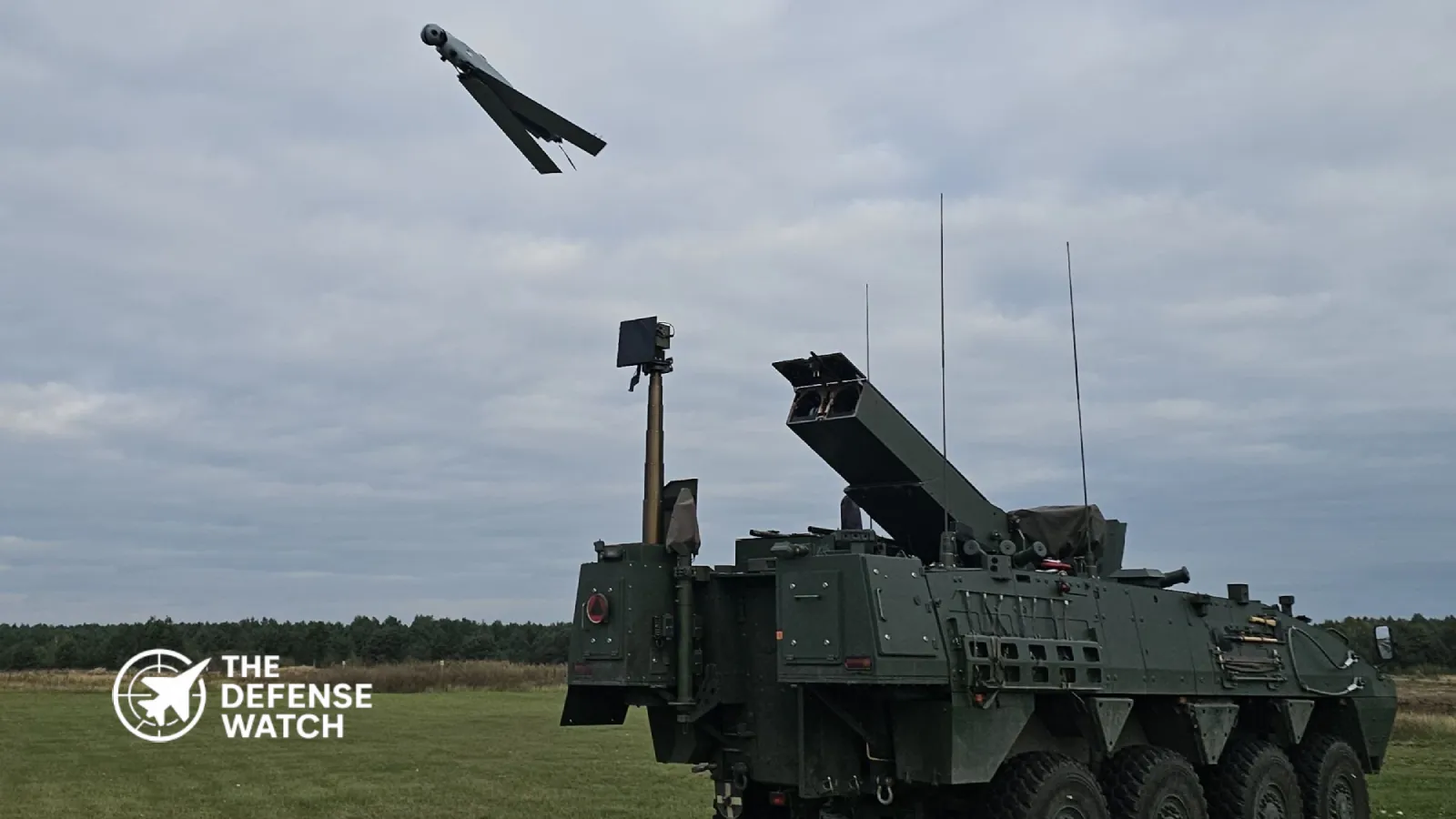
The Polish Armed Forces have introduced the WARMATE TL-R reconnaissance drone system, marking a significant milestone as the first unmanned aerial system in the Polish Army to be fully integrated with an armored vehicle platform. Developed by WB Group, the system has been deployed alongside the AWR Artillery Reconnaissance Vehicle mounted on a ROSOMAK 8×8 chassis, specifically configured to support companies operating 120mm M120K Rak self-propelled mortars.
This integration represents a tactical evolution in battlefield reconnaissance, combining protected mobility with autonomous aerial surveillance capabilities to enhance target acquisition and damage assessment for artillery units.
System Integration and Operational Design
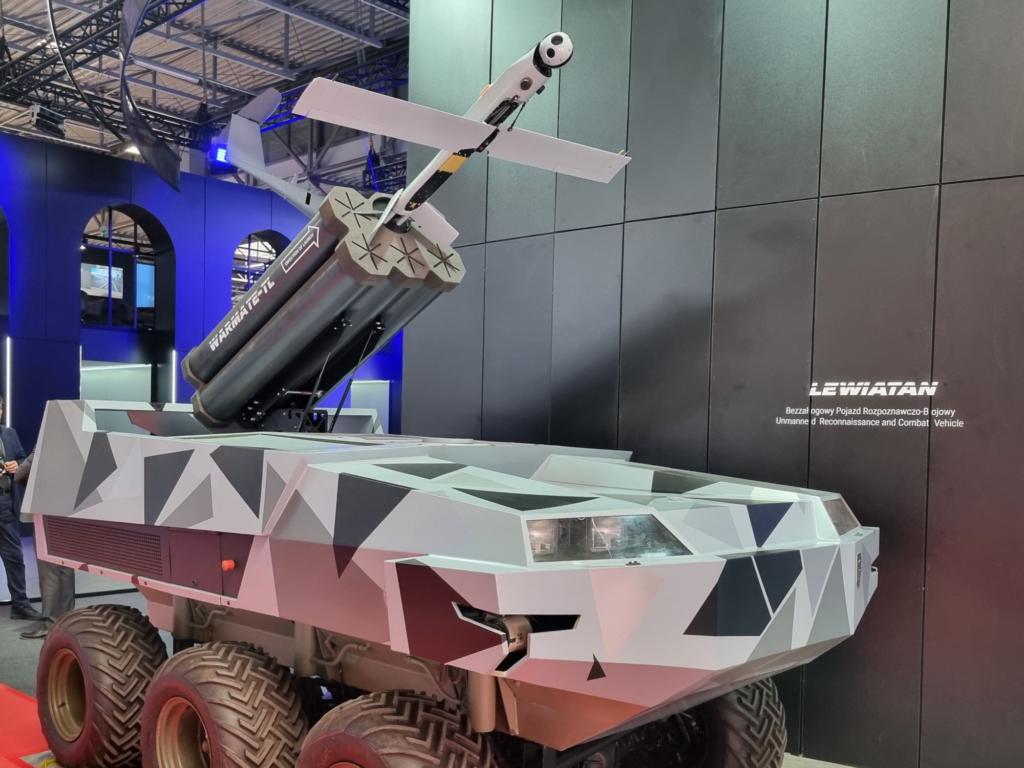
The WARMATE TL-R system features two transport and launch containers mounted on a protected base atop the ROSOMAK armored vehicle. According to WB Group specifications, the containers are elevated before takeoff, with all control operations conducted autonomously from within the vehicle. This protected configuration allows reconnaissance teams to operate in contested environments without exposing personnel during launch and recovery operations.
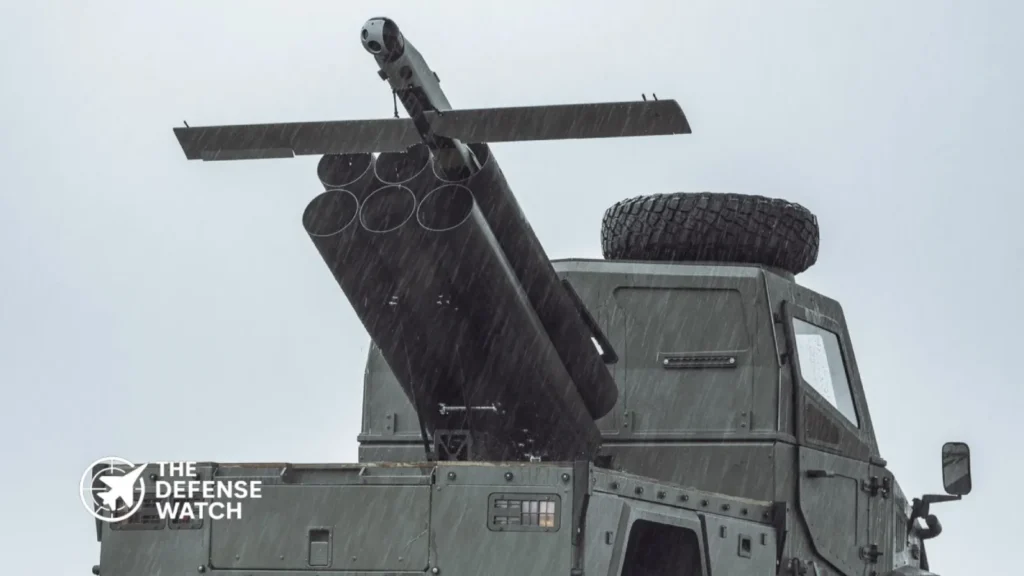
The system has been specifically adapted for artillery applications and integrated with Poland’s TOPAZ combat management system. This integration enables real-time data sharing across Polish artillery networks, allowing the WARMATE TL-R to detect and identify targets, precisely report their coordinates, and conduct battle damage assessment following mortar strikes.
The launcher requires less than one minute for arming, providing rapid response capabilities when artillery units require immediate reconnaissance support. This quick-reaction capability is particularly valuable for self-propelled mortar companies that must rapidly displace after firing to avoid counter-battery fire.
Technical Specifications and Performance Capabilities
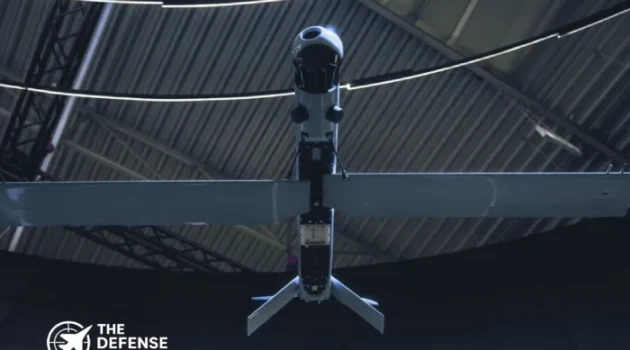
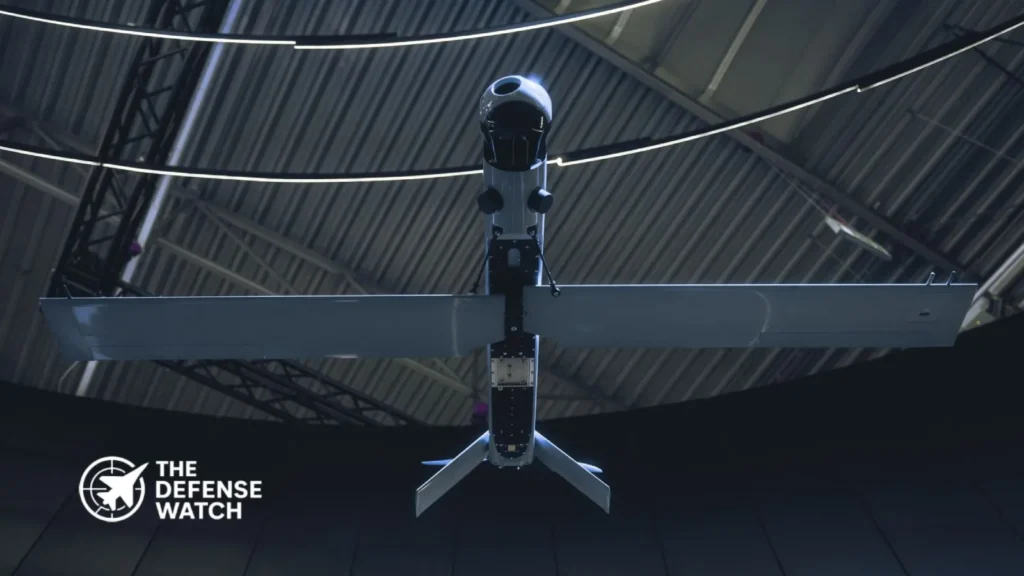
The WARMATE TL-R employs a dual-sensor observation head that combines high-resolution day and night imaging capabilities. The day camera features both optical and digital zoom functions, while the thermal night camera provides digital zoom for low-light and adverse weather operations. These sensors enable 24-hour reconnaissance capabilities regardless of environmental conditions.
- (adsbygoogle = window.adsbygoogle || []).push({});
Advanced autonomous features include automatic moving target detection, target tracking for both static and mobile threats, and circling modes that allow the system to maintain persistent surveillance over designated areas. These capabilities reduce operator workload and increase the probability of detecting time-sensitive targets.
Performance specifications demonstrate significant operational range and endurance. The system achieves a cruising speed of 90 km/h with a maximum speed capability of 120 km/h, allowing rapid transit to reconnaissance areas. Flight endurance exceeds 45 minutes, providing extended loitering time over target areas. The radio control range extends beyond 40 kilometers in radio line-of-sight conditions, enabling deep reconnaissance into enemy territory.

Image Source : WB GROUP Altitude capabilities include a maximum ceiling above 3,000 meters above mean sea level, with operational altitudes between 100 and 1,000 meters above ground level. This altitude envelope balances sensor effectiveness with survivability against ground-based air defense systems.
Strategic Implications for Polish Artillery Modernization
The WARMATE TL-R deployment reflects Poland’s broader military modernization efforts, particularly enhancing the effectiveness of conventional artillery and mortar systems through advanced reconnaissance capabilities. By integrating unmanned systems directly into artillery reconnaissance vehicles, Polish forces can conduct sensor-to-shooter operations more rapidly and with greater accuracy.
The system’s integration with the TOPAZ combat management system enables network-centric warfare capabilities, allowing real-time sharing of targeting data across multiple firing units. This connectivity supports responsive fire missions and coordinated artillery strikes based on current battlefield intelligence.
For 120mm mortar companies operating the M120K Rak system, the WARMATE TL-R provides organic reconnaissance assets that can operate independently of brigade-level intelligence assets. This tactical autonomy allows mortar units to conduct self-contained fire missions with reduced dependency on external reconnaissance support.
(adsbygoogle = window.adsbygoogle || []).push({});
Image Source : WB GROUP The vehicle-integrated configuration also addresses survivability concerns. By mounting the launch system on the ROSOMAK platform, reconnaissance teams benefit from armored protection and mobility comparable to the artillery units they support. This allows reconnaissance elements to accompany mortar companies during advances or withdrawals without creating mobility mismatches.
Comparative Context in NATO Artillery Reconnaissance
Poland’s adoption of vehicle-integrated drone systems aligns with broader NATO trends toward integrating unmanned systems at lower tactical echelons. While brigade and division-level UAV assets have been standard for decades, tactical integration at the company level represents a more recent development driven by lessons from ongoing conflicts.

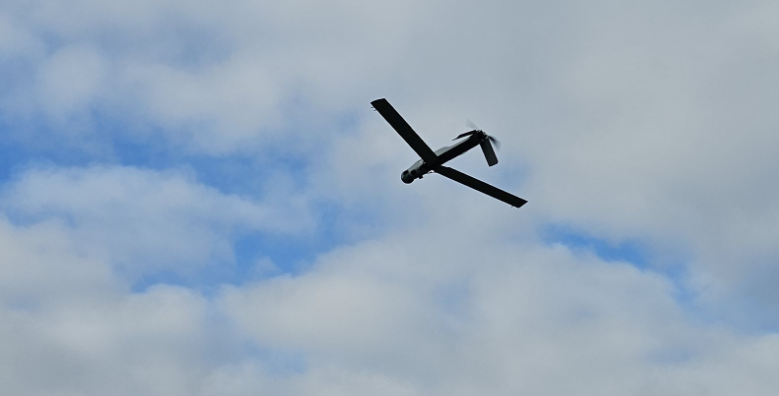
Image Source : WB GROUP The WARMATE TL-R’s rapid deployment capability and TOPAZ system integration position it as a tactical reconnaissance solution optimized for the rapid tempo of modern artillery operations. The system’s ability to conduct autonomous target detection and tracking reduces the training burden compared to manually-operated reconnaissance drones.
As NATO forces increasingly prioritize distributed operations and multi-domain integration, systems like the WARMATE TL-R demonstrate how unmanned platforms can enhance conventional fire support without requiring extensive modifications to existing organizational structures or tactical procedures.
Conclusion
The introduction of the WARMATE TL-R marks a significant advancement in Polish artillery reconnaissance capabilities, providing mortar units with organic, protected, and rapidly deployable aerial surveillance assets. The system’s integration with both the ROSOMAK armored vehicle platform and the TOPAZ combat management system reflects Poland’s commitment to network-enabled warfare and tactical-level modernization.
(adsbygoogle = window.adsbygoogle || []).push({});As Poland continues expanding its artillery capabilities in response to regional security concerns, vehicle-integrated reconnaissance systems like the WARMATE TL-R will play an increasingly important role in ensuring tactical units can effectively detect, engage, and assess targets in contested operational environments.