Pentagon Secures Full-Year Funding After Brief Shutdown
The U.S. Congress officially approved the fiscal year 2026 defense spending bill on February 3, delivering $839 billion in Pentagon funding and ending a brief partial government shutdown that affected federal operations. The House of Representatives passed the defense appropriations package in a narrow 217-214 vote, sending the legislation to President Donald Trump for his signature.
The approved defense budget 2026 represents an $8 billion increase over the Pentagon’s original budget request, providing critical resources for military modernization efforts across all service branches. The passage marks a significant milestone as the Department of Defense receives its first full-year appropriations since fiscal year 2024, ending months of uncertainty that hampered long-term planning and procurement activities.
According to the Senate Appropriations Committee, the funding package forms part of a larger “minibus” appropriations bill that includes full-year funding for five additional federal agencies. The legislation’s approval brings relief to defense officials and military planners who had operated under continuing resolutions that restricted new program starts and limited operational flexibility.
Navigating Political Hurdles and Shutdown Concerns
The path to approval encountered significant obstacles in recent weeks. While the House initially passed the spending package on January 23 to meet a January 30 deadline, controversy surrounding Department of Homeland Security funding delayed Senate action. The final version included a two-week continuing resolution for DHS, requiring a second House vote that didn’t occur until the chamber reconvened in early February.
This procedural requirement forced several agencies to operate through a four-day shutdown starting January 31. Though disruptive, the temporary pause proved considerably shorter than the record-breaking 43-day shutdown that occurred last fall, during which the Pentagon furloughed 334,000 civilian employees. The quick resolution demonstrated congressional commitment to maintaining defense readiness despite broader appropriations disputes.
Defense officials expressed relief at avoiding extended operational disruptions. Full-year funding enables the Pentagon to execute procurement contracts, initiate new development programs, and provide predictable resources to military installations and personnel worldwide. The stability proves particularly important as global security challenges demand sustained attention and investment.
Air Force Receives Substantial Modernization Funding
The approved defense budget allocates billions toward key Air Force modernization priorities, addressing critical capability gaps across multiple domains. Major investments target next-generation platforms essential for maintaining air superiority against peer competitors.
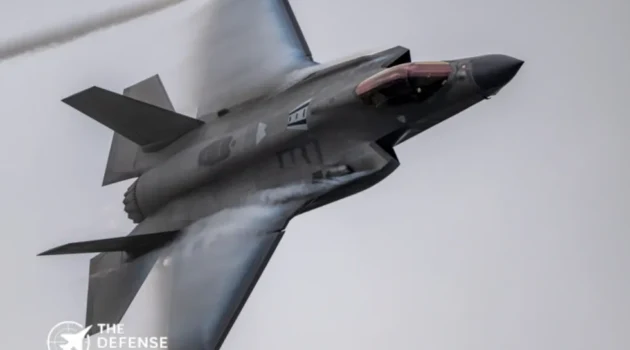
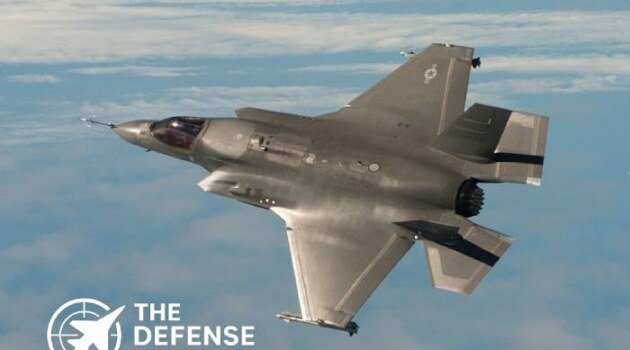
The F-35 Joint Strike Fighter program receives $440 million specifically designated for spare parts to support the aircraft and its F135 engine. This funding addresses persistent maintenance challenges that have limited F-35 availability rates across the Air Force, Navy, and Marine Corps fleets. Improved parts availability directly enhances operational readiness and sortie generation capability.
- (adsbygoogle = window.adsbygoogle || []).push({});
Electronic warfare capabilities gain significant attention with $474 million allocated for the Air Force to purchase two additional EC-37B Compass Call aircraft. These specialized platforms provide critical airborne electronic attack capabilities, jamming enemy communications and radar systems to protect friendly forces and create operational advantages during contested operations.
Airlift capacity receives a notable boost with $976 million designated for six C-130J Super Hercules tactical transports for the Air National Guard. The versatile C-130J serves as the backbone of tactical airlift operations, supporting everything from disaster relief to combat missions. Adding these aircraft strengthens the Guard’s ability to respond to both state emergencies and federal mobilizations.
The legislation also provides continued funding for advanced platforms including the B-21 Raider stealth bomber and the F-47 Next-Generation Air Dominance fighter, though some nuclear modernization programs faced modest reductions. The E-7 Wedgetail airborne early warning aircraft received an additional $900 million to prevent program cancellation, ensuring the Air Force can replace aging E-3 Sentry AWACS platforms.
The Sentinel intercontinental ballistic missile program continues receiving support despite ongoing cost growth concerns. Congressional appropriators emphasized the strategic importance of modernizing the land-based leg of the nuclear triad while demanding improved program management and cost controls.
Space Force Budget Bolsters Satellite and Defense Systems
Space Force funding priorities reflect growing recognition of space as a contested warfighting domain requiring sustained investment. The approved budget provides $4 billion for continued development of missile warning and tracking satellites and sensors, critical capabilities for detecting and characterizing ballistic missile threats globally.
The legislation funds 11 National Security Space Launch missions, maintaining the cadence necessary to deploy military satellites and ensure access to space remains available for national security purposes. These launches support everything from communications satellites to reconnaissance platforms that provide commanders with essential intelligence and surveillance capabilities.
A significant portion of Space Force funding addresses the Golden Dome integrated air and missile defense architecture. The final appropriations deal includes $13.4 billion to “augment and integrate” space and missile defense systems under this initiative. Interestingly, the Pentagon excluded Golden Dome funding from its base budget request, planning instead to rely on $25 billion in reconciliation funding that Congress approved last year.
Congressional appropriators questioned this funding approach during recent hearings, expressing concern about budget transparency and long-term sustainability. Lawmakers requested additional details about how the Defense Department plans to allocate Golden Dome resources and integrate various systems into a coherent defensive architecture.
Space domain awareness programs receive continued support, enabling the Space Force to track objects in orbit, detect potential threats, and coordinate defensive actions. As adversaries develop anti-satellite weapons and other counter-space capabilities, these monitoring systems become increasingly vital for protecting American space assets.
Strategic Implications and Future Defense Planning
The approved $839 billion defense budget signals continued congressional commitment to military modernization despite fiscal pressures and competing domestic priorities. The funding level exceeds the Pentagon’s request, suggesting bipartisan recognition of growing global threats requiring sustained defense investment.
China’s military expansion and technological advancement feature prominently in defense planning documents justifying budget increases. The Air Force and Space Force investments specifically target capabilities needed to deter or, if necessary, defeat Chinese aggression in the Indo-Pacific region. Advanced fighters, stealth bombers, long-range missiles, and space-based sensors all contribute to maintaining technological advantages critical for deterrence.
The budget also reflects lessons from the conflict in Ukraine, where precision munitions, electronic warfare, and integrated air defenses proved decisive. American military planners studied these operations closely, identifying capability gaps and accelerating programs that address vulnerabilities exposed by modern combat.
Nuclear modernization remains a budget priority despite some congressional trims. The simultaneous recapitalization of all three legs of the nuclear triad—land-based missiles, submarine-launched missiles, and strategic bombers—represents the most extensive nuclear modernization effort since the Cold War. While expensive, defense officials argue these systems provide the ultimate deterrent against existential threats.
(adsbygoogle = window.adsbygoogle || []).push({});The legislation’s passage provides stability for defense contractors and the broader defense industrial base. Full-year funding enables companies to hire workers, invest in facilities, and execute multi-year contracts with confidence. This predictability proves essential for complex weapons systems requiring years of development and production.
Industry Response and Economic Impact
Defense contractors welcomed the budget approval after months of operating under continuing resolution constraints. Major aerospace companies like Lockheed Martin, Northrop Grumman, Boeing, and Raytheon Technologies rely on predictable Pentagon funding to maintain production lines and development programs.
The F-35 spare parts funding specifically addresses supply chain challenges that have plagued the program. Manufacturers can now order long-lead components and invest in production capacity improvements that enhance aircraft availability across the fleet. Better parts availability translates directly into more aircraft available for training and operational missions.
The C-130J procurement benefits Lockheed Martin’s Marietta, Georgia production facility, sustaining jobs and industrial capability for tactical airlift. The National Guard aircraft orders maintain production momentum while the Air Force evaluates future tactical transport requirements and potential C-130J replacement programs.
Smaller suppliers and subcontractors throughout the defense industrial base also benefit from full-year funding certainty. These companies manufacture everything from electronic components to specialized materials, forming a complex supply chain that supports major weapons platforms. Funding stability enables them to plan investments and maintain skilled workforces essential for defense production.
Regional economies hosting military installations and defense contractors see significant benefits from the approved budget. States with substantial Air Force and Space Force presence, including Colorado, California, Florida, and others, receive economic stimulus from defense spending that supports local jobs and tax revenues.
Congressional Oversight and Accountability Measures
While approving substantial defense funding, congressional appropriators included numerous oversight provisions and reporting requirements. Lawmakers demanded detailed justifications for major programs, regular progress updates, and explanations for any significant cost increases or schedule delays.
The Golden Dome initiative faces particularly close scrutiny, with appropriators requiring the Pentagon to provide comprehensive spending plans and integration strategies. Congress wants assurance that the $13.4 billion appropriation plus previous reconciliation funding achieves stated objectives without wasteful duplication or inefficient program management.
(adsbygoogle = window.adsbygoogle || []).push({});Nuclear modernization programs including Sentinel and the Long-Range Standoff weapon received funding with strings attached. The Pentagon must demonstrate improved cost controls and program management before accessing certain funds. Congressional skepticism about nuclear program execution reflects concern over historical cost overruns and schedule delays.
Appropriators also emphasized workforce development, noting that skilled personnel shortages threaten defense acquisition and sustainment programs. The budget includes provisions encouraging Pentagon investment in training, retention, and recruitment of acquisition professionals, engineers, and technical specialists essential for managing complex weapons programs.
Transparency requirements mandate regular reporting on program health, financial management, and performance metrics. These oversight mechanisms help Congress make informed decisions about future budgets while holding defense officials accountable for efficient resource utilization.
Looking Ahead: Fiscal 2027 and Beyond
Even as fiscal 2026 funding takes effect, attention shifts toward fiscal year 2027 budget development. The Trump administration’s stated goal of increasing defense spending toward $1.5 trillion annually suggests continued budget growth, though congressional approval remains uncertain given deficit concerns and competing priorities.
Defense officials must balance modernization needs against readiness requirements and force structure decisions. The Air Force continues grappling with aging aircraft fleets requiring expensive maintenance while simultaneously funding next-generation replacement platforms. Similar tensions affect the Space Force as satellite constellations require both sustainment and modernization.
Emerging threats including hypersonic weapons, artificial intelligence applications, cyber capabilities, and autonomous systems demand investment that strains defense budgets despite overall increases. Pentagon leaders must prioritize among competing requirements while maintaining technological advantages over peer competitors.
The defense industrial base faces capacity constraints that money alone cannot immediately resolve. Expanding production of missiles, munitions, and complex platforms requires years of investment in facilities, equipment, and workforce development. Budget increases must align with realistic industrial capabilities to avoid wasteful spending on unachievable production targets.
(adsbygoogle = window.adsbygoogle || []).push({});International partnerships and burden-sharing discussions will influence future budget debates. Allies and partners in Europe and the Indo-Pacific face pressure to increase defense spending, potentially reducing demands on American resources. However, U.S. forces maintain unique capabilities that allies cannot replicate, ensuring substantial American investment regardless of allied contributions.
The approved fiscal 2026 defense budget provides essential resources for current military needs while advancing modernization programs crucial for future readiness. As global security challenges intensify and technology evolves, sustained congressional commitment to adequate defense funding remains vital for protecting American interests and maintaining peace through strength.