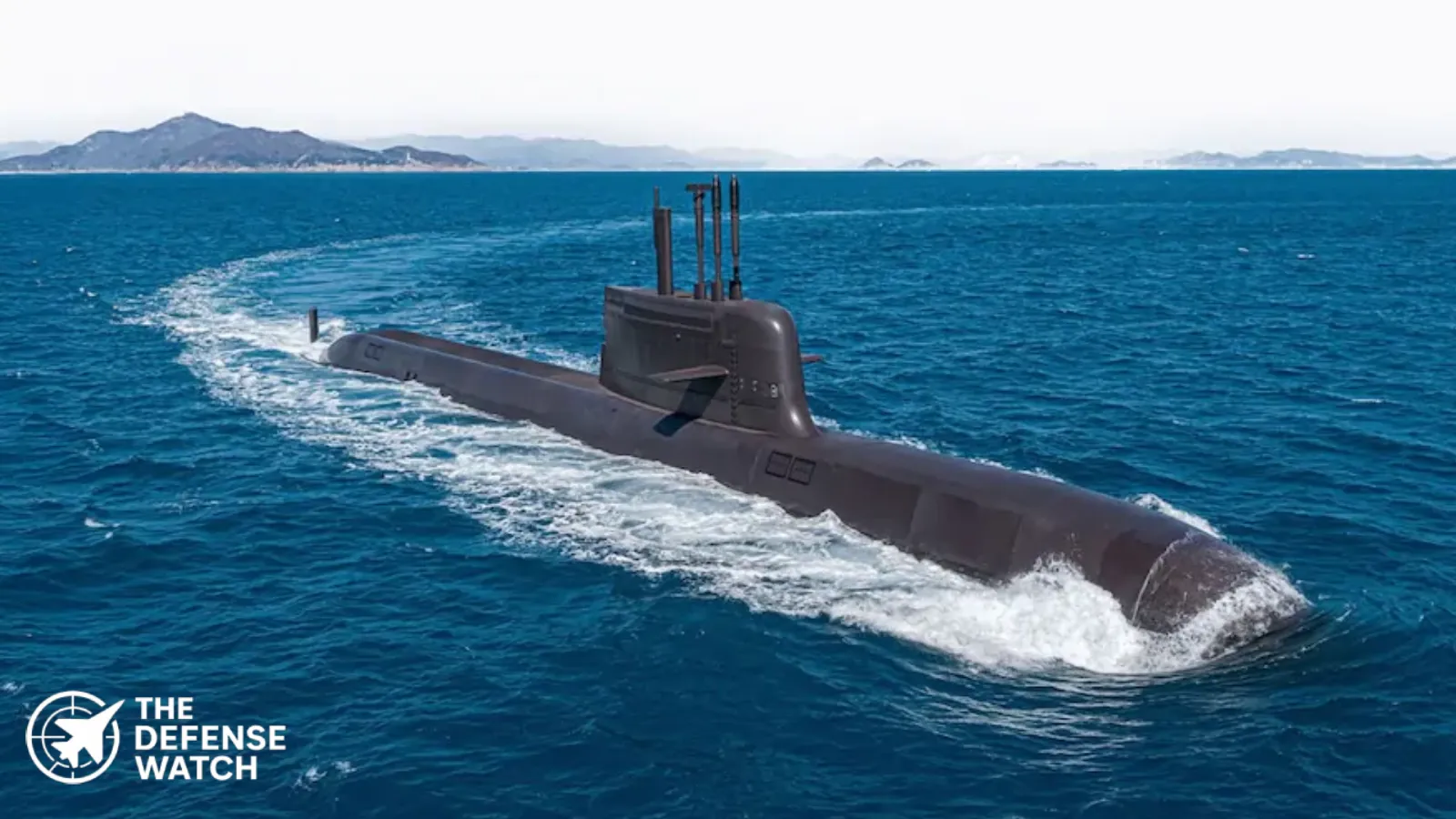
Canada Submarine Project: Hanwha Ocean and Babcock Push Jobs-Centric Bid
Hanwha Ocean and Babcock say their bid for the Canadian Patrol Submarine Project (CPSP) centers on long-term jobs, skills transfer, and industrial participation in Canada.
(adsbygoogle = window.adsbygoogle || []).push({});
The two companies plan a trilateral delivery model linking Korean, British, and Canadian naval industry expertise. They say the approach will help build sovereign sustainment capabilities for the Royal Canadian Navy while creating work across submarine maintenance, repair, and overhaul.
Partnership Structure and Local Focus
Under the proposed framework, Hanwha Ocean would provide its KSS-III submarine platform and shipbuilding experience. Babcock brings sustainment and lifecycle support expertise, including weapons launching and handling systems. Babcock Canada is positioned to lead localization efforts in Canada, covering in-service support, repairs, upgrades, and workforce training.
The companies say this shared model is meant to embed sovereign capability in Canada while generating sustained employment across the submarine lifecycle.
Hanwha Ocean’s president for naval business, Charlie S.C. Eoh, said CPSP extends beyond delivering submarines to building industrial capability and skilled jobs within Canada.
Trilateral Framework Aims Broader Security Ties
Hanwha and Babcock describe their CPSP bid as supporting Canada’s interoperability with NATO and Indo-Pacific partners. The partnership is framed as a Korea-UK-Canada approach linking maritime security with economic and industrial goals.
This reflects broader defence cooperation trends. Earlier teaming agreements and technical cooperation pacts between the firms laid groundwork for this more detailed bid.
CPSP Competition and Context
The CPSP aims to replace Canada’s fleet of Victoria-class submarines with up to 12 modern patrol boats. Ottawa has shortlisted Hanwha Ocean and Germany’s ThyssenKrupp Marine Systems as qualified bidders.
The shortlisting followed Canada’s broader defence procurement strategy emphasizing domestic industrial benefits. Seaspan, a local sustainment partner, has highlighted the importance of Canadian supply chain and workforce participation in future submarine support.
Industrial Participation and Jobs
Hanwha and Babcock’s bid pitches significant Canadian industry engagement. Babcock Canada is positioned to lead in-country sustainment and workforce development, while Hanwha’s broader supply chain strategy includes MOUs with other Canadian firms across marine and propulsion sectors.
Industry officials have said deep Canadian participation in sustainment and engineering work is key to fulfilling Ottawa’s economic and defence policy goals.
(adsbygoogle = window.adsbygoogle || []).push({});Next Steps in CPSP
Canada’s final decision on the CPSP contract is expected in 2026. Both shortlisted bidders are under pressure to show they can deliver on capability, timelines, and local economic impact.
Hanwha has highlighted that its KSS-III design already meets the Royal Canadian Navy’s requirements and that early industrial planning emphasizes rapid sustainment and workforce development if selected.