US withdrawal from Al Asad Airbase in Iraq is now complete, Iraqi officials and the Pentagon confirmed, marking the end of US operations at one of the country’s most significant military installations and signaling a further reduction in America’s on-the-ground presence.
The withdrawal reflects Washington’s ongoing shift from combat operations to advisory and support roles as Iraq continues to assert greater control over its security environment.
- US withdrawal from Al Asad Airbase in Iraq is now complete, Iraqi officials and the Pentagon confirmed, marking the end of US operations at one of the country’s most significant military installations and signaling a further reduction in America’s on-the-ground presence.
- Pentagon Confirms Exit From Key Iraqi Base
- Iraqi Officials Frame Withdrawal as Planned Transition
- US Military Presence in Iraq Continues Elsewhere
- Strategic Implications for the Middle East
- Pentagon Emphasizes Ongoing Commitment
Pentagon Confirms Exit From Key Iraqi Base
Al Asad Airbase, located in Iraq’s western Anbar province, has been a central hub for US and coalition forces since 2014 during the campaign against the Islamic State group. The Pentagon confirmed that US forces have fully vacated the base and transferred remaining responsibilities to Iraqi security forces.
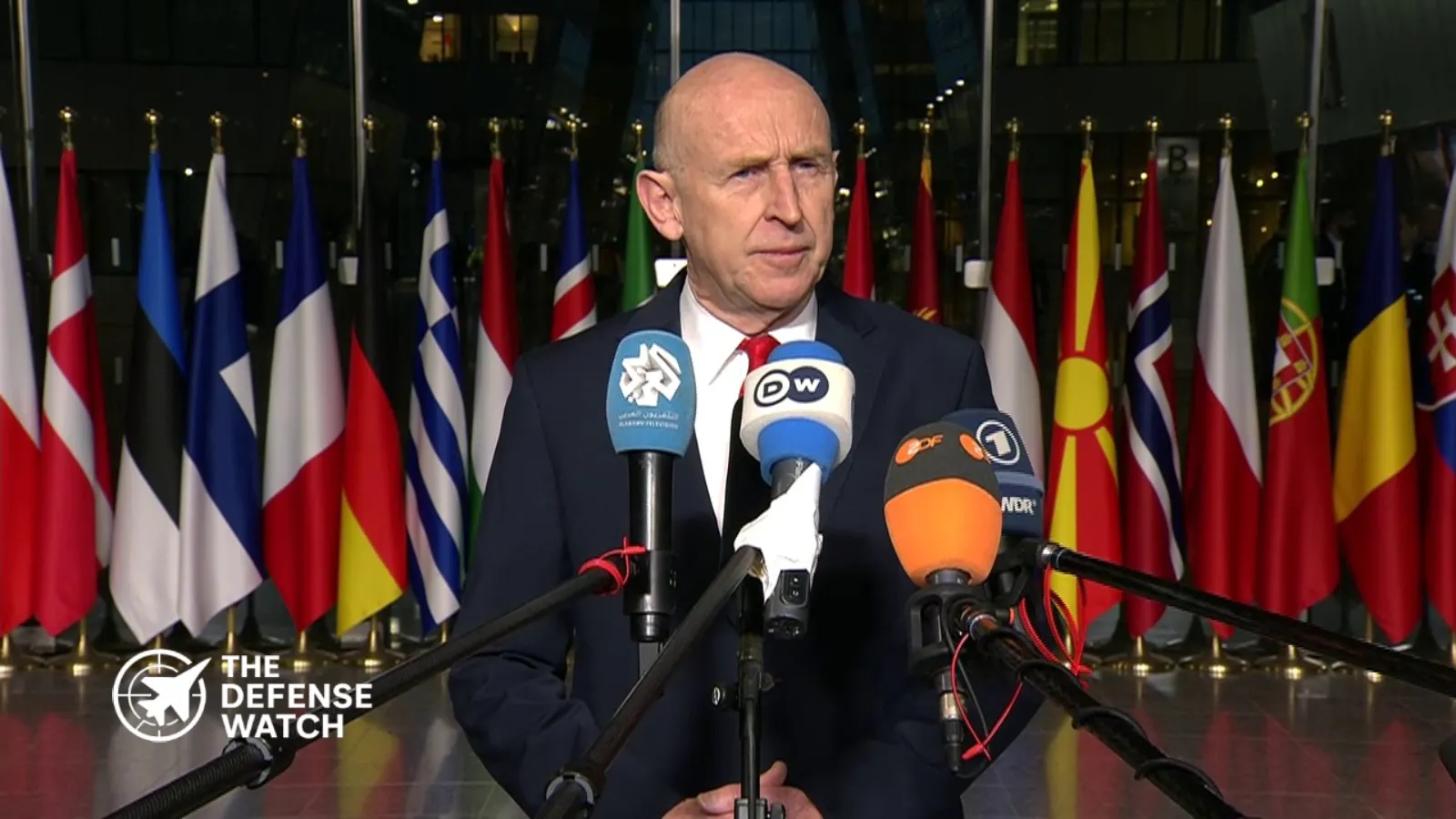
US Central Command declined to provide specific timelines or troop numbers tied to the departure, citing operational security. Defense officials emphasized that the move aligns with previously announced plans to streamline the US military presence in Iraq rather than representing a sudden policy shift.
Iraqi Officials Frame Withdrawal as Planned Transition
Iraqi defense and security officials described the US withdrawal from Al Asad Airbase as part of a coordinated transition agreed upon by both governments. Baghdad has increasingly pushed for a recalibration of the foreign military presence following years of domestic political pressure.
Iraqi authorities stressed that the Iraqi Air Force and ground units are prepared to assume full operational control of the base, which includes extensive infrastructure for air operations, logistics, and training.
US Military Presence in Iraq Continues Elsewhere
Despite the closure of Al Asad Airbase, the Pentagon confirmed that US forces remain in Iraq at other locations under bilateral agreements. The US military presence in Iraq continues to focus on intelligence sharing, counterterrorism coordination, and training missions.
Defense officials reiterated that American troops are no longer engaged in a direct combat role, instead supporting Iraqi forces in preventing a resurgence of extremist groups.
Strategic Implications for the Middle East
The US withdrawal from Al Asad Airbase underscores a broader recalibration of US force posture across the Middle East, as Washington balances regional commitments with global priorities. Analysts note that while the footprint is shrinking, the United States aims to maintain influence through partnerships rather than permanent basing.
Al Asad had previously been targeted by missile and rocket attacks, including Iran’s ballistic missile strike in January 2020, which heightened concerns about force protection and escalation risks.
Pentagon Emphasizes Ongoing Commitment
Pentagon officials stressed that the exit from Al Asad Airbase does not signal a full departure from Iraq. Instead, it reflects an evolution of the mission based on threat assessments and Iraqi capabilities.
The Department of Defense stated it will continue to evaluate force levels in coordination with Iraqi leaders, ensuring flexibility to respond to emerging security challenges.