
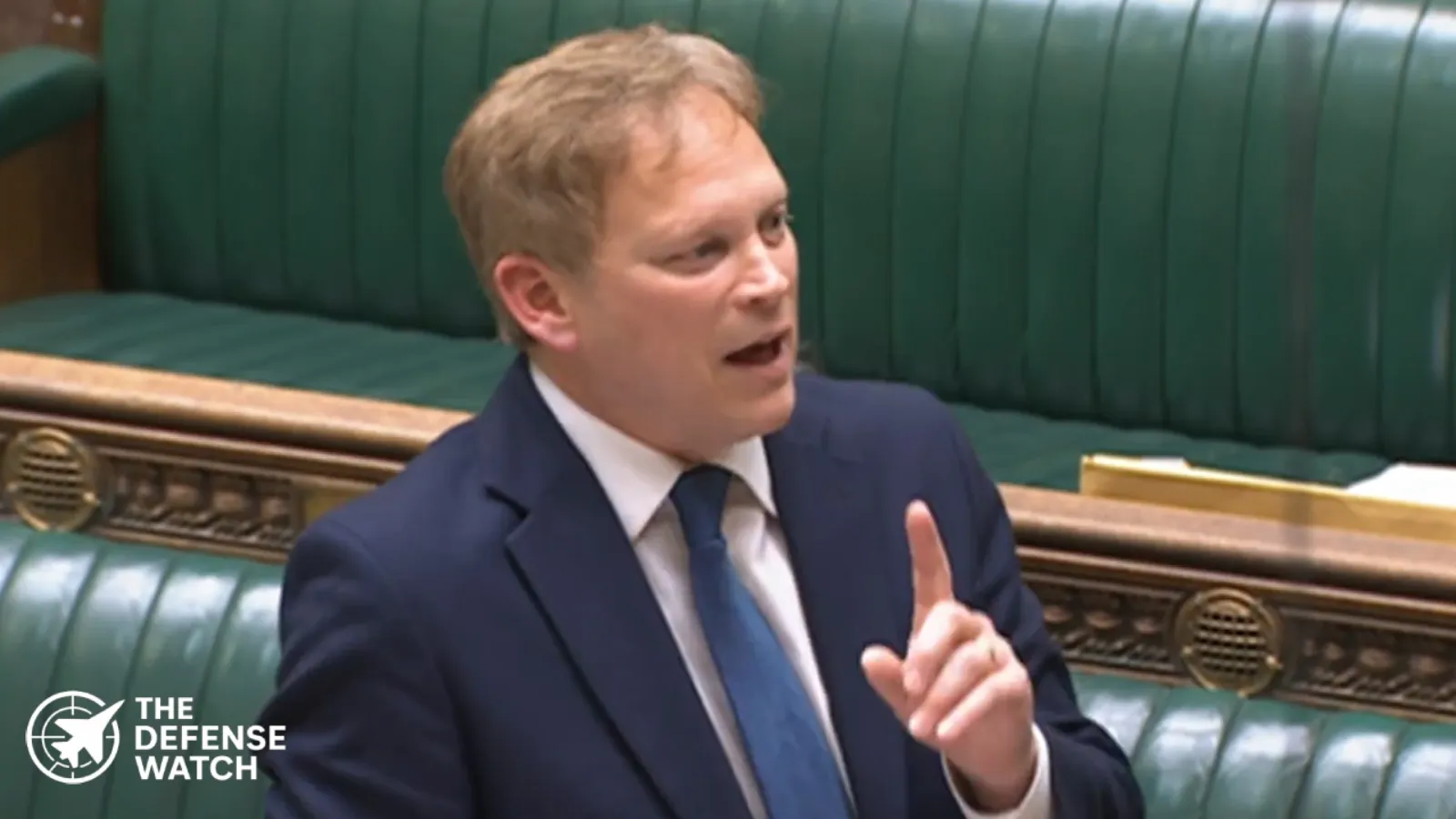
Former UK defence secretary Sir Grant Shapps defended his approach to handling the Afghan data breach, saying that keeping information restricted early in the crisis was about protecting lives, not avoiding scrutiny. In testimony to the House of Commons Defence Committee, Shapps said wider early briefings could have increased risk to Afghan nationals and British personnel.
What Shapps Told MPs
In a Defence Committee session, Shapps acknowledged he delayed briefing senior parliamentarians for roughly a month after the Ministry of Defence discovered a major data breach involving Afghan relocation records. He told MPs the priority was confirming facts before widening awareness of the breach.
Shapps said the choice was about “risk management,” arguing that even a small increase in the number of people aware of the breach could lead to lives being lost. He told committee members that extending disclosure to shadow ministers and committee chairs too early might have exposed at-risk Afghan allies and British forces.
Pushback from Parliamentary Oversight
Committees pressed Shapps on democratic accountability, noting that journalists and activists had already made some breach details public and that Afghan nationals were aware of the issue. The Defence Committee chair described withholding information from elected parliamentarians as a significant breakdown in oversight.
Shapps rejected the criticism, saying there are instances where executive authority must take precedence under extreme circumstances. He cited other classified information routinely withheld from MPs for operational security, including submarine movements and some intelligence details.
Broader Context of the Afghan Data Breach
The breach originated in early 2022 when a Ministry of Defence official erroneously released a dataset containing personal information linked to thousands of Afghan applicants under the Afghan Relocations and Assistance Policy. Portions of the data later surfaced online in 2023, prompting concern about potential reprisals against those named.
In response, the UK government obtained a high court superinjunction in September 2023, preventing public reporting on the breach and the existence of the order itself. That injunction remained in place until July 2025. Critics have questioned the duration and transparency of the legal order.
The breach led to the creation of the Afghanistan Response Route, a relocation initiative for at-risk Afghan nationals. Estimates suggest billions in costs tied to resettlement efforts, and the National Audit Office has raised doubts about the completeness of official cost reporting.
Inquiry and Political Fallout
The Defence Committee launched a wide-ranging inquiry into the data breach and resettlement schemes, seeking written evidence and testimony from officials involved. The inquiry reflects ongoing concern among MPs about how and when information was shared with Parliament.
Shapps appeared alongside former defence secretary Ben Wallace and former armed forces minister James Heappey. Committee members indicated that restricting early briefings worsened political and institutional fallout.
What Comes Next
The Defence Committee is continuing its review of the breach and government responses, with its eventual report expected to influence debates on parliamentary oversight and crisis management. The inquiry aims to draw lessons for future handling of sensitive defence and security incidents.
Get real time update about this post category directly on your device, subscribe now.
