Marine Corps F 35C Conducts Carrier Operations in the Western Pacific
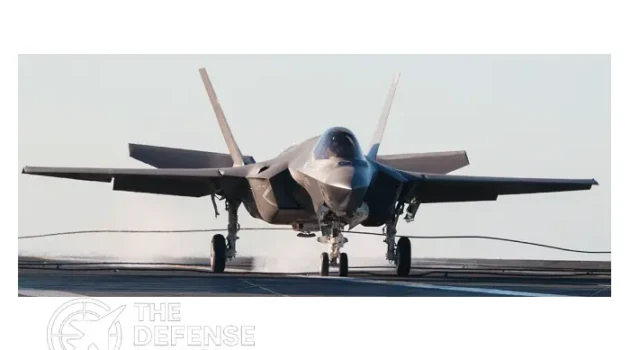
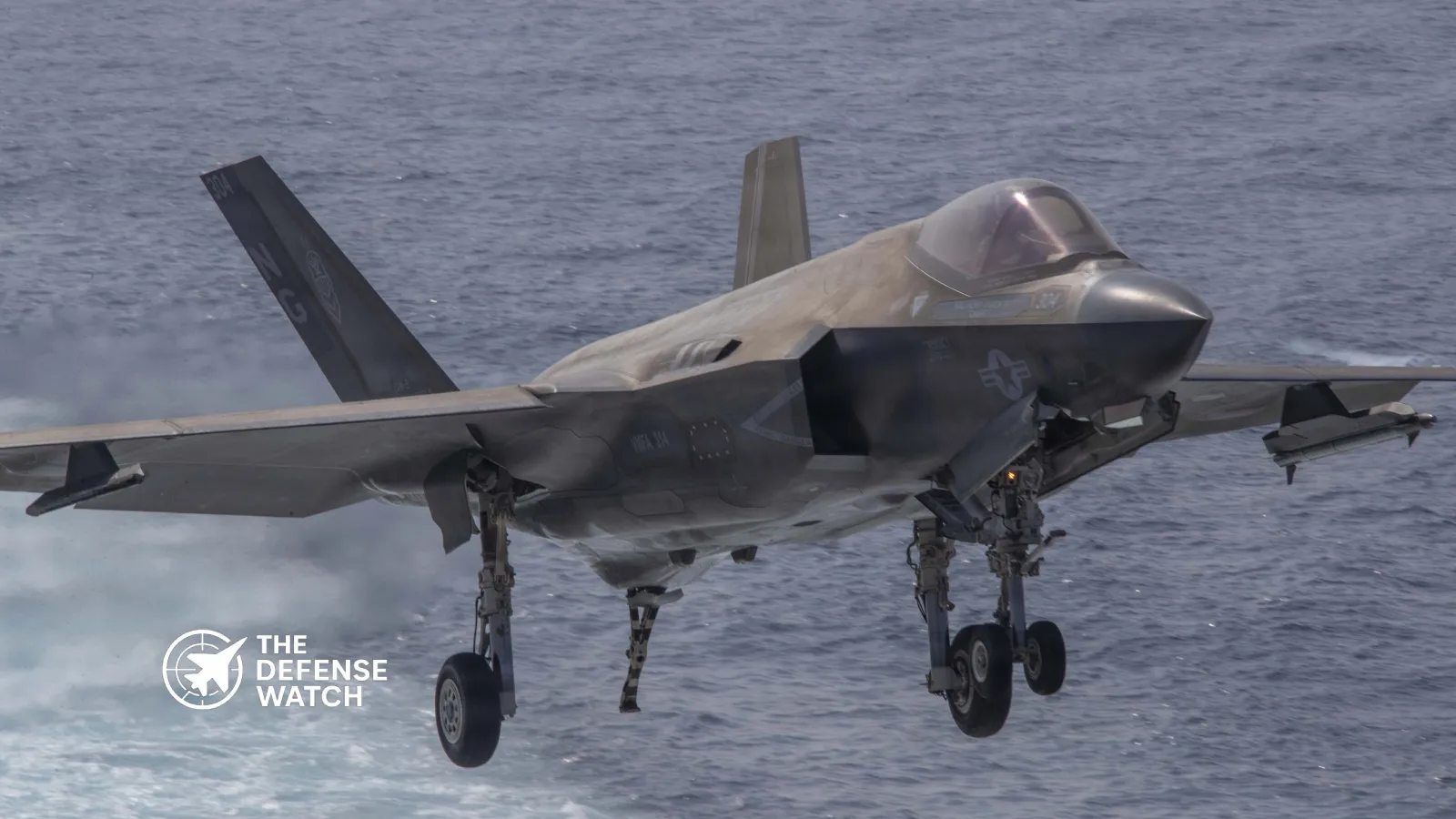
A Marine Corps F 35C Lightning II assigned to Marine Fighter Attack Squadron VMFA 314 completed an arrested landing aboard the aircraft carrier USS Abraham Lincoln as the carrier strike group conducted routine operations in the US 7th Fleet area of operations. The event underscores ongoing Navy Marine Corps integration and the continued deployment of fifth generation carrier aviation in the Indo Pacific region.
USS Abraham Lincoln, a Nimitz class aircraft carrier, is currently underway with its assigned strike group as part of regular patrols conducted by US forces forward deployed to the Western Pacific. These operations are a standard component of US naval presence and are intended to support regional stability, freedom of navigation, and alliance commitments.
According to the US Navy and US Marine Corps, carrier qualifications and deck landing operations remain a core requirement for maintaining combat readiness and interoperability across naval aviation forces.
VMFA 314 and the F 35C Lightning II at Sea
VMFA 314, known as the Black Knights, is one of the Marine Corps frontline squadrons operating the F 35C variant of the Joint Strike Fighter. Unlike the F 35B used by Marine expeditionary units, the F 35C is designed specifically for catapult assisted takeoff and arrested recovery operations from aircraft carriers.
The F 35C features a larger wing area, reinforced landing gear, and a tailhook system optimized for carrier use. These design elements allow the aircraft to operate alongside Navy F A 18E F Super Hornets and E 2D Advanced Hawkeyes aboard US Navy carriers.
The Marine Corps has emphasized that deploying F 35C squadrons aboard Navy carriers increases sortie capacity, enhances sensor coverage, and expands the range of precision strike and intelligence missions available to carrier strike group commanders.
USS Abraham Lincoln Carrier Strike Group Operations
The Abraham Lincoln Carrier Strike Group operates under US 7th Fleet, which is responsible for naval forces across the Western Pacific and Indian Ocean. This area includes key maritime routes, allied territories, and regions of ongoing strategic competition.
Units assigned to 7th Fleet routinely conduct air and maritime operations designed to deter aggression, reassure allies, and maintain a credible forward presence. These missions often include flight operations, integrated air wing training, and coordination with partner nation forces.
US Navy officials state that such deployments are not tied to specific incidents but are part of long standing operational patterns aimed at sustaining readiness and regional security.
Fifth Generation Aviation and Carrier Integration
The presence of Marine Corps F 35C aircraft aboard USS Abraham Lincoln reflects broader efforts to integrate fifth generation capabilities across US naval forces. The F 35C provides advanced sensor fusion, low observable characteristics, and secure data sharing that support both air superiority and strike missions.
In carrier strike group operations, the F 35C can function as a forward sensor node, extending the situational awareness of the air wing and supporting other platforms through networked targeting data. This capability is increasingly central to US naval aviation concepts, particularly in contested maritime environments.
The US Department of Defense has highlighted carrier based fifth generation aircraft as a key element of future maritime operations, especially in the Indo Pacific theater.
Indo Pacific Presence and Strategic Context
The Indo Pacific remains a priority region for US defense planning, with an emphasis on maintaining open sea lanes and supporting allied and partner nations. Regular carrier deployments and aviation operations are a visible component of this strategy.
US 7th Fleet conducts continuous patrols and exercises with regional partners including Japan, South Korea, Australia, and others. These activities aim to strengthen interoperability, improve crisis response, and reinforce existing defense agreements.
While the operations aboard USS Abraham Lincoln are described as routine, they reflect the sustained tempo of naval activity required to maintain forward presence in a complex security environment.
Get real time update about this post category directly on your device, subscribe now.