
What Happened
A recent BBC report alleges that Pakistan sold 155 mm artillery shells to Ukraine via contracts worth $364 million, involving two U.S. companies: Global Military and Northrop Grumman. The report claims these deals were signed in August 2022 and subsequently carried out via deliveries that involved British military cargo flights. Pakistan’s Foreign Office, however, strongly denies the claims, reiterating its formal stance of “strict neutrality” in the Russia-Ukraine war.
Background
The allegations appear in a BBC Urdu investigative report, which draws on U.S. Federal Procurement Data System documentation. According to the report:
- A $232 million contract was awarded to Global Military.
- A $131 million contract went to Northrop Grumman.
- Both agreements reportedly expired in October 2023.
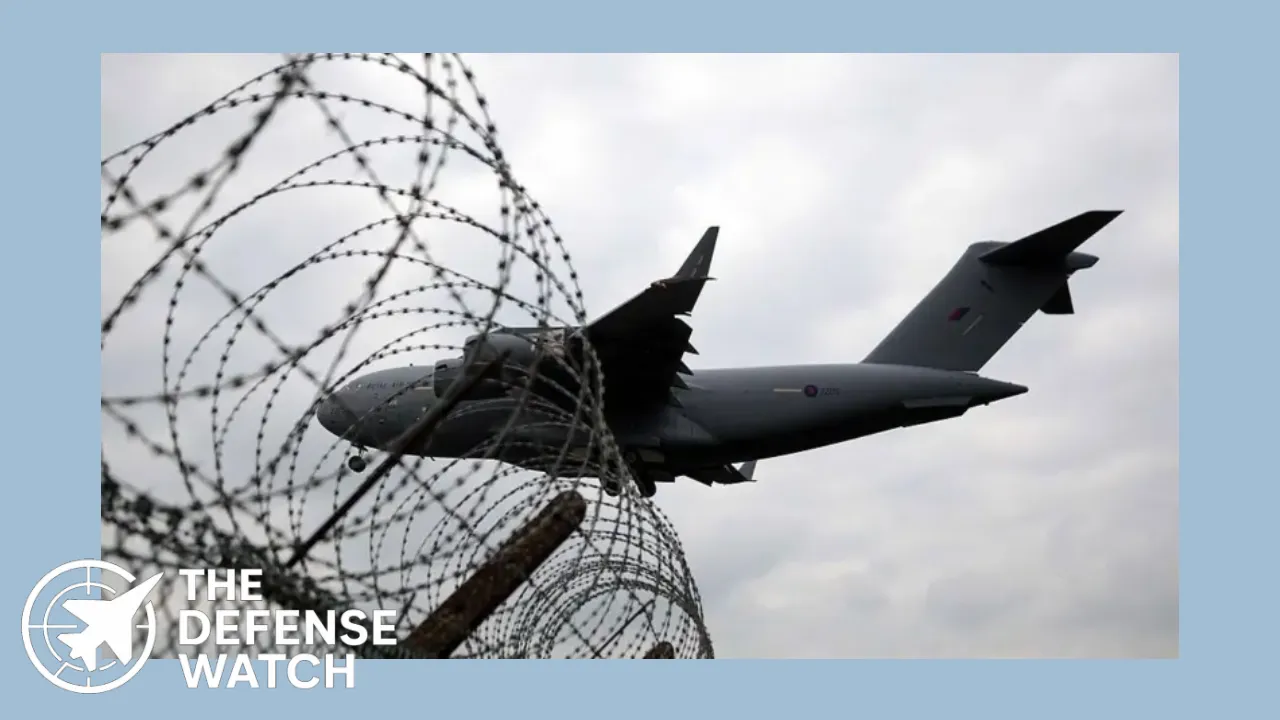
- The munitions were allegedly transported from Nur Khan Air Base in Pakistan, flown by a British military transport aircraft that made multiple stops in Cyprus and Romania on its way to Ukraine.
Pakistan’s Foreign Office and its Defense Ministry, meanwhile, have firmly rejected the report.
Why It Matters
If validated, these arms sales would represent a serious challenge to Pakistan’s declared neutrality in the Russia-Ukraine war. More broadly:
- Geopolitical Risk: The deal could strain Pakistan’s diplomatic balancing — potentially undermining relations with Russia or raising questions about its broader security policies.
- Defense Export Implications: Pakistan is increasingly seen as an emerging defense exporter. This report could raise transparency and compliance concerns about its defense export regime.
- Trust & Credibility: For Western partners and Pakistan’s own regional allies, allegations of clandestine arms transfers complicate its credibility as a responsible defense actor.
Expert Perspective
Defense analysts note that while the BBC report draws on public procurement data, independent verification remains a challenge. U.S.-based security experts observe:
- U.S. defense sales to Pakistan are typically subject to rigorous export controls. If the report is accurate, it raises questions about oversight gaps in the contracting process.
- The timing of the contracts — August 2022 — coincides with a period of intense fighting in Ukraine, which could suggest deliberate risk-taking by Pakistani actors.
- On the other hand, Pakistani analysts argue that such transactions may have been structured in a way to obscure end-use, a tactic sometimes used in global arms trade to preserve plausible deniability.
Policy-wise, some experts warn of potential fallout: Western countries may demand tighter export monitoring, while Russia could perceive Pakistan’s role as adversarial, potentially diminishing Islamabad’s value as a regional balancer.
What’s Next
- Independent verification: Observers and governments will likely press for detailed audits of procurement and logistics records.
- Diplomatic fallout: Depending on the outcome, Pakistan may face greater diplomatic scrutiny, especially from major powers invested in European security.
- Defense posture recalibration: Islamabad might further tighten its export regulatory regime to avoid reputational damage and maintain alliances.
- Strategic signaling: Pakistan’s response could shape how future defense cooperation deals — both civilian and military — are negotiated.
Get real time update about this post category directly on your device, subscribe now.

3 comments
[…] NATO states. According to the Stockholm International Peace Research Institute (SIPRI), U.S. arms exports to Europe increased 233% between 2015–19 and 2020–24, making Europe the largest regional […]
[…] Block-52 and Mid-Life Upgrade F-16 jets, and extend their operational life through 2040. The sale is also intended to sustain interoperability between Pakistan and US forces during joint training, exercises, and potential contingency […]
[…] governments framed the agreement as mutually beneficial and consistent with international defense trade […]