
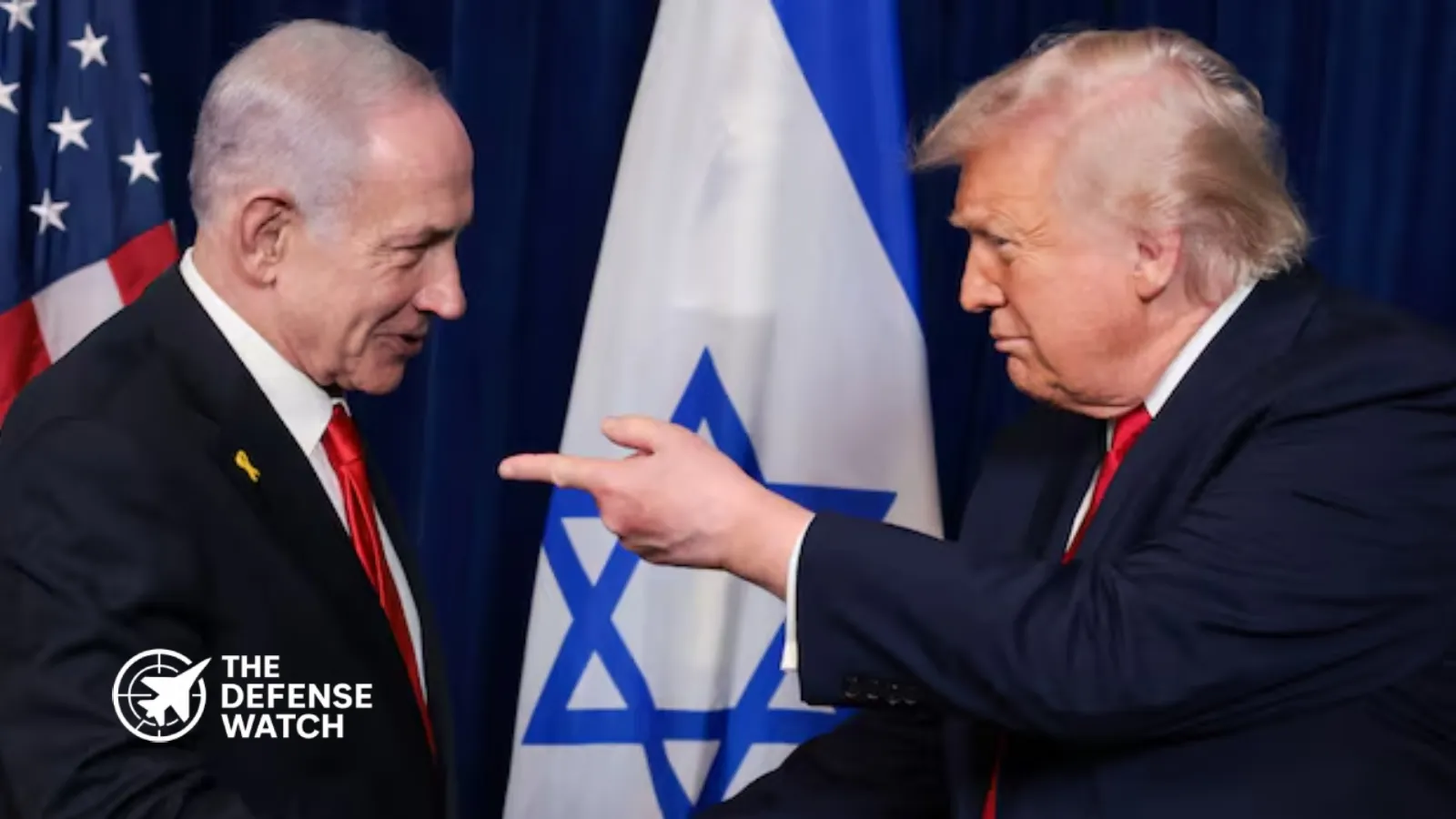
Israel’s Netanyahu Says Trump May Be Creating Conditions For New Iran Nuclear Deal
Israel’s Netanyahu said former U.S. President Donald Trump may be creating the conditions for a renewed Iran nuclear deal, signaling a potential diplomatic shift in one of the Middle East’s most sensitive security issues.
According to a Feb. 12 report by Reuters, Israeli Prime Minister Benjamin Netanyahu suggested that Trump’s political positioning and regional pressure campaign could pave the way for new negotiations with Tehran, even as Israel maintains a firm stance against Iran’s nuclear ambitions.
The remarks come amid heightened regional tensions and ongoing scrutiny of Iran’s uranium enrichment activities.
Netanyahu’s Assessment Of U.S. Strategy
Speaking publicly, Netanyahu indicated that Trump’s approach toward Iran could reshape the diplomatic environment. While not endorsing any specific agreement, he acknowledged that the former U.S. president may be influencing conditions that could lead to renewed talks.
Trump withdrew the United States from the 2015 Joint Comprehensive Plan of Action, commonly known as the Iran nuclear deal, during his presidency. The agreement had been brokered between Iran and world powers, including the United States, United Kingdom, France, Germany, Russia, and China, to limit Tehran’s nuclear program in exchange for sanctions relief.
Since the U.S. withdrawal, tensions have escalated across the region, with Iran expanding aspects of its nuclear program beyond JCPOA limits, according to assessments from the International Atomic Energy Agency.
Netanyahu has consistently opposed the original agreement, arguing that it failed to permanently block Iran’s path to nuclear weapons capability and did not sufficiently address ballistic missile development or regional proxy activity.
Broader Regional Context
The Israel Iran nuclear deal debate unfolds against a backdrop of ongoing conflict and instability across the Middle East. Israel has repeatedly warned that it will not allow Iran to obtain a nuclear weapon and has signaled readiness to act independently if necessary.
Iran maintains that its nuclear program is for peaceful purposes. However, Western governments and Israel remain concerned about enrichment levels and stockpiles that could reduce Iran’s breakout time to a potential weapon.
Recent reports from the International Atomic Energy Agency have highlighted continued Iranian enrichment at higher levels, though negotiations between Tehran and Western governments have stalled in recent years.
Netanyahu’s latest comments suggest that political developments in Washington could influence whether diplomatic channels reopen.
U.S. Political Dynamics And Iran Policy
Any future Iran nuclear deal would depend heavily on U.S. political dynamics. Trump’s prior withdrawal from the agreement reshaped American Iran policy and reimposed broad sanctions under a maximum pressure strategy.
Should Trump or another U.S. administration pursue negotiations, the framework would likely differ from the original JCPOA, given the current security environment and Iran’s expanded nuclear capabilities.
Washington has not formally announced any new negotiation framework as of this reporting. The White House has previously stated that Iran must return to compliance with nuclear restrictions before sanctions relief could be considered.
Implications For Defense And Security
For Israel and its regional partners, the trajectory of the Israel Iran nuclear deal discussion carries significant military and strategic implications.
Israel has invested heavily in missile defense systems, including layered air defense capabilities designed to counter ballistic and cruise missile threats. Iranian missile development remains a core concern for Israeli planners.
Any renewed agreement could affect regional force posture, intelligence coordination, and potential contingency planning among U.S. and Israeli defense officials.
Analysts note that a diplomatic breakthrough could reduce immediate escalation risks. However, failure to reach an agreement may further heighten the possibility of covert or overt military action.
International Reactions
European governments, which were original signatories to the 2015 agreement, have repeatedly called for de-escalation and a return to diplomacy. The United Nations has also urged restraint and compliance with nonproliferation obligations.
Russia and China continue to support negotiations within a multilateral framework, though geopolitical tensions between major powers have complicated coordination.
At present, no formal timeline for new talks has been announced.
Get real time update about this post category directly on your device, subscribe now.
