
UK MoD Says Dalzell Steel Shortage Low Risk to FSS Ship Build
The Dalzell steel shortage is assessed as a low risk to the FSS ship build programme, UK Ministry of Defence (MoD) officials told lawmakers, even as financial pressures at the Liberty Steel plant in Scotland raise supply concerns.
In a written answer to a UK MP, Defence Minister Luke Pollard said the current evaluation of raw material shortages at Liberty Steel’s Dalzell plate mill is limited in scope and does not signal a material threat to the construction schedule for the three new Fleet Solid Support (FSS) vessels for the Royal Fleet Auxiliary.
Pollard stressed that direct responsibility for sourcing plate steel rests with the prime contractor, Navantia UK, and not the MoD, noting that the company aims to maximise use of UK steel where technically and commercially feasible while protecting delivery timelines.
Dalzell’s Strategic Role and Current Status
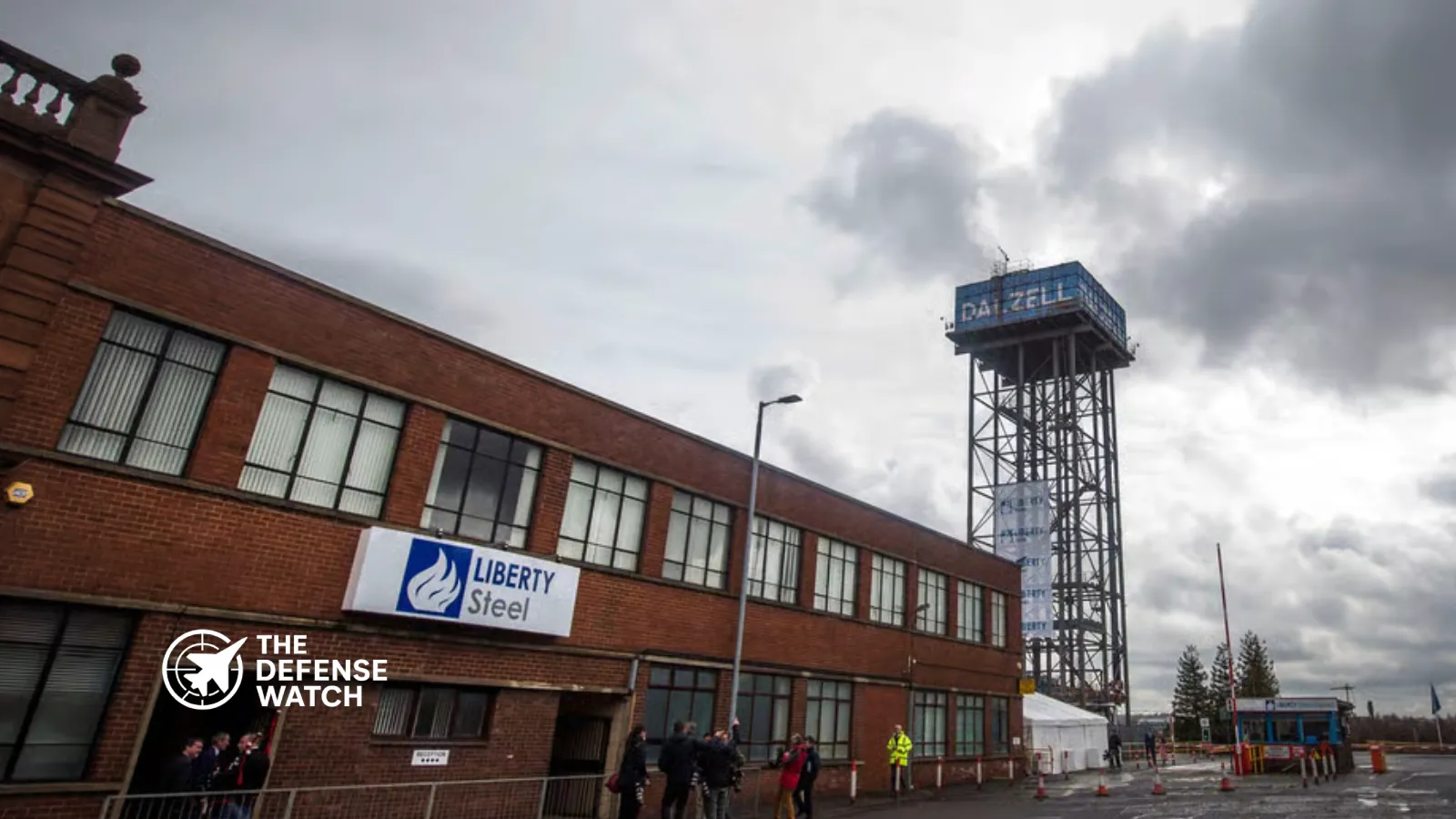
The Dalzell facility in Motherwell is the UK’s only remaining large-scale plate steel mill. It had been expected to supply plate steel for the three 216-metre FSS vessels, including the first ship, RFA Resurgent, which is scheduled for delivery in 2031.
The plant has faced production challenges linked to broader financial instability within Liberty Steel’s parent company, GFG Alliance. Reports indicate that raw materials supply and cash flow issues have limited full production at the site, complicating planning for future defence contracts.
Navantia UK Retains Procurement Control
UK officials reiterated that Navantia UK, which leads the FSS programme through its Team Resolute consortium, retains authority over steel procurement choices. This contractual structure means the MoD is not directly managing raw materials.
Navantia has already begun steel-cutting for the first FSS vessel, RFA Resurgent, at its Appledore shipyard in England, with main construction work to follow at the Harland & Wolff yard in Belfast.
Broader Industrial Context
The Dalzell mill has been dormant at times since mid-2024, with staff on furlough as production paused due to lack of slab supply and funding. The Scottish Government and trade unions have emphasised the plant’s strategic value, securing contracts intended to restart operations, including work tied to naval shipbuilding.
Trade union leaders have also called for broader investment to position Dalzell as a key supplier not only for defence but for renewable energy sectors, arguing that domestic plate production is vital for infrastructure resilience.
MoD Assessment and Outlook
The MoD’s assessment, as communicated by Pollard, suggests that while supply chain tensions at Dalzell are real, they are not expected to derail the FSS programme in its current planning phase. The emphasis on contractor-led sourcing offers flexibility should domestic plate production remain constrained.
Analysts note that the broader health of UK heavy industry and steel capability will remain an important factor in future defence procurement, particularly for large naval builds that depend on thick, high-quality plate steel.
Get real time update about this post category directly on your device, subscribe now.
