
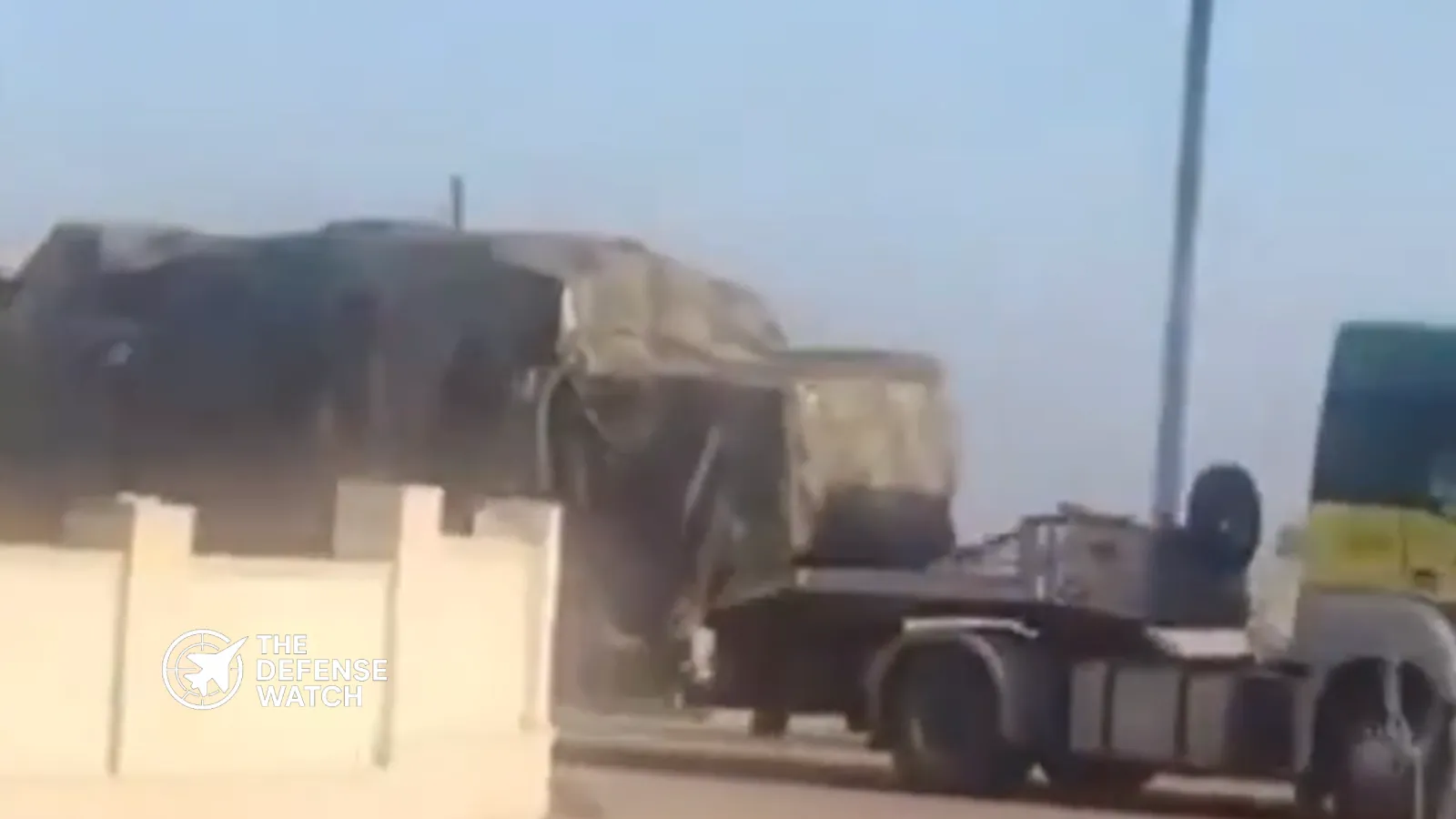
- Azerbaijan has reportedly moved artillery systems and other military equipment toward its border with Iran.
- The move follows a reported Iranian drone attack targeting Azerbaijan’s exclave of Nakhchivan.
- Azerbaijan’s foreign minister ordered the evacuation of diplomatic staff from the embassy in Tehran and the consulate in Tabriz.
- The developments signal a sharp escalation in tensions along a sensitive regional security corridor.
- The situation could affect security dynamics across the South Caucasus and northern Iran.
Azerbaijan Iran Border Tensions Escalate After Drone Strike On Nakhchivan
Azerbaijan Iran border tensions intensified after Baku reportedly moved military equipment, including artillery systems, toward its southern frontier following a drone attack on the Azerbaijani exclave of Nakhchivan.
At the same time, Azerbaijan’s foreign ministry ordered the evacuation of diplomatic personnel from the embassy in Tehran and the consulate general in Tabriz. The decision came after reports that an Iranian drone targeted the Nakhchivan region, a strategically important territory separated from mainland Azerbaijan.
The developments mark one of the most serious security incidents between the two neighboring states in recent years.
The Big Picture
The South Caucasus sits at a critical intersection between Russia, Turkey, Iran, and the broader Middle East. Azerbaijan occupies a central position in this geopolitical landscape due to its energy exports, military modernization efforts, and close security ties with Turkey.
The isolated Azerbaijani exclave of Nakhchivan is particularly sensitive. The territory borders Iran, Armenia, and Turkey and hosts key military infrastructure designed to secure Azerbaijan’s southwestern flank.
Military activity near this corridor can quickly alter the regional balance of power. Any escalation between Azerbaijan and Iran could also influence wider security dynamics across the Caspian region and the Middle East.
What’s Happening
Reports indicate that Azerbaijan has begun moving military equipment toward the Iranian border, including artillery units and supporting systems. Such movements typically indicate heightened readiness or precautionary defensive positioning.
Simultaneously, Azerbaijan’s Foreign Minister Jeyhun Bayramov ordered the evacuation of diplomatic personnel from Iran. The move affected both the Azerbaijani embassy in Tehran and the consulate general located in Tabriz, a major city in northwestern Iran with significant Azerbaijani ethnic ties.
The evacuation follows reports that Iranian drones targeted Azerbaijan’s Nakhchivan exclave. Officials have not publicly detailed the extent of damage or casualties, but the incident appears to have triggered an immediate diplomatic and military response from Baku.
Diplomatic withdrawals are commonly used by governments to protect personnel during periods of escalating tension and to signal political protest.
Why It Matters
The military movements and diplomatic evacuation signal that Azerbaijan views the incident as a serious security threat.
Artillery deployments near borders often serve dual purposes. They strengthen defensive readiness while sending a visible deterrence signal to adversaries. By moving these systems toward the frontier, Azerbaijan appears to be reinforcing its southern defense posture.
The drone attack also highlights the growing role of unmanned systems in regional conflicts. Drones have increasingly become tools for cross border signaling and limited strikes due to their relatively low cost and flexible deployment options.
Iran has invested heavily in indigenous drone development over the past decade. Iranian unmanned aerial vehicles have appeared in multiple regional theaters, including Syria, Iraq, and the Red Sea region.
Strategic Implications
Azerbaijan Iran border tensions carry broader strategic implications for the South Caucasus.
First, the security of Nakhchivan holds major importance for Azerbaijan. The exclave serves as a strategic bridge connecting Azerbaijan to Turkey through a narrow land corridor. Maintaining control and stability there is critical for both military logistics and political influence.
Second, Azerbaijan has significantly modernized its armed forces in recent years. The country invested heavily in advanced artillery systems, drones, and precision weapons following its 2020 war with Armenia over Nagorno Karabakh. These capabilities give Baku stronger options for rapid response along multiple frontiers.
Third, Iran closely monitors Azerbaijani military developments near its northern border. Tehran has long expressed concern about Azerbaijan’s defense cooperation with Israel and Turkey, both of which maintain strong military ties with Baku.
Any incident involving drones or cross border strikes could quickly intensify mistrust between the two governments.
Competitor View
Iran likely views Azerbaijani military deployments near its border through a broader security lens.
Tehran has historically worried about potential Israeli intelligence or military activity inside Azerbaijan. Israeli defense companies supply several advanced systems to Azerbaijan’s military, including drones and missile defense technologies.
From Iran’s perspective, increased Azerbaijani military readiness near the border could be interpreted as part of a wider regional alignment involving Turkey and Israel.
At the same time, Azerbaijan may see Iranian drone activity as an attempt to pressure Baku or test its defenses in the Nakhchivan region.
Both interpretations contribute to a cycle of suspicion that complicates de escalation.
Capability Gap
The situation highlights a persistent vulnerability facing geographically separated territories like Nakhchivan.
Because the exclave is physically separated from mainland Azerbaijan by Armenian territory, it relies heavily on local defensive infrastructure and rapid response capabilities.
Drone strikes expose gaps in traditional air defense coverage, particularly against small unmanned systems that can cross borders quickly and operate at low altitude.
To address this challenge, countries increasingly deploy layered air defense networks that combine radar surveillance, electronic warfare, and short range interceptors designed specifically to counter drones.
What To Watch Next
Several indicators will determine whether the situation stabilizes or escalates.
Additional Azerbaijani troop movements or artillery deployments near the Iranian frontier could signal preparations for extended military readiness.
Diplomatic engagement between the two governments will also be critical. Diplomatic withdrawals often precede formal protests, negotiations, or international mediation efforts.
Regional actors such as Turkey and Russia may also monitor the situation closely given their strategic interests in the South Caucasus.
Finally, confirmation of the drone strike details, including the type of system used and the target location, will shape how both sides frame the incident.
The Bottom Line
Azerbaijan Iran border tensions are rising rapidly after a reported drone strike on Nakhchivan, prompting military deployments and a diplomatic evacuation that could reshape security dynamics in the South Caucasus.
Get real time update about this post category directly on your device, subscribe now.
