Eurofighter Secures Major Contract for Advanced Aerodynamic Enhancement
The NATO Eurofighter and Tornado Management Agency (NETMA) has officially signed a contract with Eurofighter GmbH to advance the Aerodynamic Modification Kit (AMK), representing a significant milestone in the ongoing modernization of the Eurofighter Typhoon fleet. The Eurofighter Aerodynamic Modification Kit is designed to substantially enhance the aircraft’s maneuverability and combat effectiveness through comprehensive aerodynamic improvements.
According to official statements from Eurofighter, the newly signed agreement enables the progression of the AMK program, which aims to integrate advanced aerodynamic features onto the multi-role fighter platform. The contract signing demonstrates continued commitment from the four partner nations—Germany, Italy, Spain, and the United Kingdom—to maintain the Typhoon’s competitive edge in modern air combat scenarios.
Understanding the Aerodynamic Modification Kit
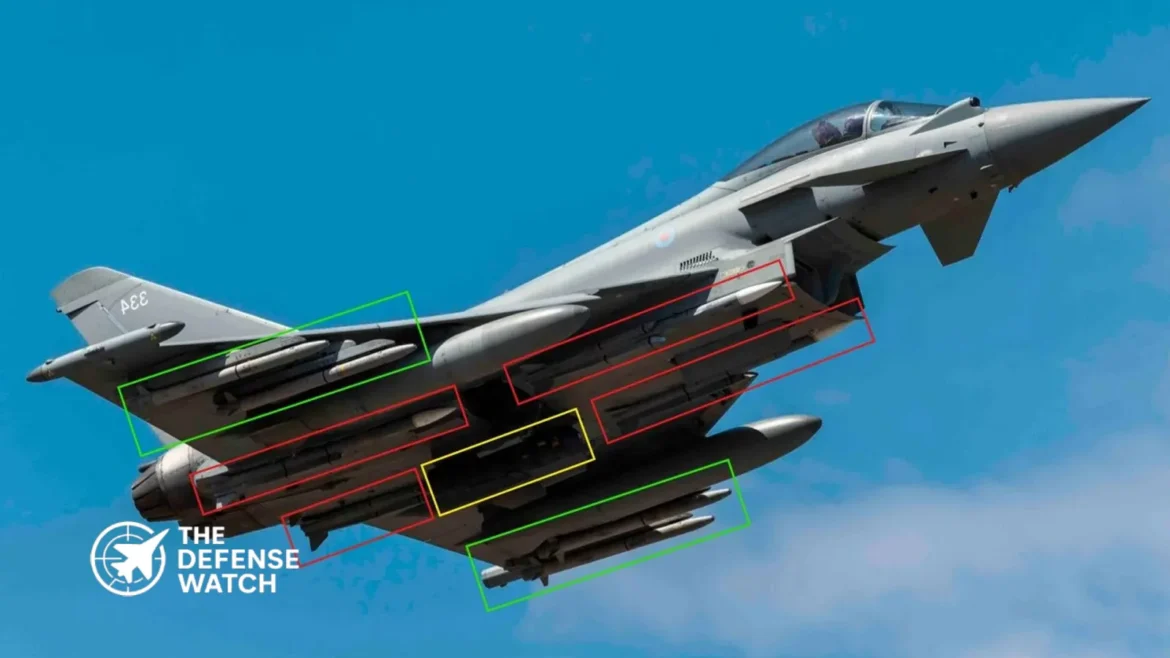
The NETMA Eurofighter AMK contract focuses on developing and implementing fuselage-mounted strakes and leading-edge root extensions that significantly improve the aircraft’s aerodynamic performance. These modifications are specifically engineered to enhance agility during close-range combat scenarios and improve overall handling characteristics across the flight envelope.
Industry sources indicate the Aerodynamic Modification Kit will provide measurable improvements in lift generation, vortex control, and sustained turn rates—critical parameters for air superiority operations. The AMK builds upon the Typhoon’s already formidable aerodynamic design, which features a delta-wing canard configuration optimized for high maneuverability.
The contract represents a continuation of efforts to ensure Eurofighter Typhoon fighters remain technologically relevant amid evolving threat environments. Defense analysts note that aerodynamic enhancements complement ongoing avionics and weapons system upgrades already underway across the Typhoon fleet.
Strategic Importance for European Air Power
The Typhoon fighter jet upgrades under the AMK program align with broader European defense modernization priorities. With over 550 Eurofighter Typhoons delivered to eight nations, the platform serves as a cornerstone of European air defense capabilities. The AMK contract ensures these aircraft can effectively counter advanced adversary fighters well into the 2030s and beyond.
NETMA, which manages procurement and support for the Eurofighter program on behalf of partner nations, emphasized that the contract reflects collaborative commitment to maintaining operational superiority. The agency coordinates acquisition activities for Germany’s Luftwaffe, Italy’s Aeronautica Militare, Spain’s Ejército del Aire, and the United Kingdom’s Royal Air Force.
Germany currently operates approximately 140 Eurofighter Typhoons, while the United Kingdom fields around 160 aircraft. Italy and Spain maintain fleets of approximately 96 and 73 aircraft respectively. Additional export customers including Saudi Arabia, Austria, Kuwait, Oman, and Qatar also operate the platform.
Technical Development and Testing Timeline
While specific contract values and delivery schedules remain undisclosed, the Eurofighter combat capabilities enhancement program typically follows a structured development pathway. Initial design work and wind tunnel testing precede flight testing and eventual fleet integration.
Previous Eurofighter upgrade contracts have demonstrated timelines ranging from 24 to 48 months from contract signature to initial operational capability, depending on modification complexity. The AMK program is expected to follow similar development protocols, with prototype testing likely preceding any fleet-wide installation campaign.
Eurofighter GmbH, headquartered in Munich, Germany, serves as the industrial prime contractor for the program. The company coordinates work share among the four partner nations’ aerospace industries: BAE Systems (United Kingdom), Airbus Defence and Space (Germany and Spain), and Leonardo (Italy).
Broader Context of Fighter Aircraft Modernization
The European fighter aircraft modernization effort extends beyond aerodynamic improvements. Concurrent upgrade programs address radar systems, electronic warfare capabilities, weapons integration, and cockpit systems. The AMK contract complements these parallel initiatives to deliver a comprehensively enhanced platform.
Recent years have seen increasing emphasis on extending the operational lifespan of fourth-generation fighters like the Typhoon while next-generation platforms remain in development. The Future Combat Air System (FCAS), a joint French-German-Spanish program, and the UK-led Tempest initiative represent long-term replacements but won’t achieve operational status until the 2030s at earliest.
This timeline necessitates continuous Typhoon improvements to bridge the capability gap. Aerodynamic enhancements provide cost-effective performance gains without requiring extensive structural redesign or entirely new aircraft acquisitions.
Industry and Defense Community Response
Defense industry observers view the NETMA Eurofighter AMK contract as confirmation of sustained investment in the Typhoon platform despite economic pressures facing European defense budgets. The signing demonstrates political will among partner nations to fund modernization rather than accept capability degradation.
Aviation Week has previously reported that aerodynamic modifications can deliver substantial performance improvements at relatively modest cost compared to entirely new aircraft development. The AMK approach allows partner nations to maximize return on existing platform investments.
Competitor platforms including the Dassault Rafale, Boeing F-15EX, and Lockheed Martin F-35 continue advancing their own capabilities, creating competitive pressure for Typhoon operators to pursue continuous improvement. The AMK program helps ensure the Eurofighter remains operationally relevant in this contested environment.
Implications for Allied Air Forces
For U.S. defense planners and NATO strategists, European fighter aircraft modernization directly impacts alliance air power availability and interoperability. Enhanced Eurofighter Typhoon capabilities strengthen collective defense posture, particularly given the aircraft’s significant presence across European NATO members.
The United States maintains close cooperation with European allies on air combat doctrine, training, and operations. Improved Typhoon performance enhances potential coalition operations and burden-sharing arrangements within the alliance framework.
Joint exercises including Red Flag, Ramstein Apex, and various NATO air policing rotations regularly involve Eurofighter Typhoons operating alongside U.S. Air Force assets. Platform capability improvements benefit overall alliance readiness and effectiveness in these collaborative contexts.
Looking Ahead
The Eurofighter Aerodynamic Modification Kit contract represents one element in a comprehensive modernization roadmap extending through the 2030s. Partner nations continue evaluating additional enhancement opportunities including improved sensors, advanced weapons integration, and network-centric warfare capabilities.
As geopolitical tensions persist and air combat technology rapidly evolves, sustained investment in proven platforms like the Typhoon provides European nations with credible deterrent capabilities while next-generation systems mature. The AMK program demonstrates pragmatic balancing of near-term readiness requirements against long-term modernization objectives.
Defense industry sources anticipate additional contract announcements in coming months as various Typhoon upgrade initiatives progress through development phases. The AMK program will likely serve as a template for collaborative modernization approaches across the four-nation partnership.
Turkish-Saudi Defense Partnership Eyes Kaan Fighter Jet Investment
The Kaan fifth-generation fighter jet could become the centerpiece of expanded defense cooperation between Turkey and Saudi Arabia, according to Turkish President Recep Tayyip Erdogan. Speaking to reporters on February 5, 2026, during his return from Cairo, Erdogan indicated that the homegrown stealth aircraft has attracted significant interest from Riyadh and that a joint investment partnership could materialize in the near future.
“We have received a lot of positive feedback on Kaan,” Erdogan stated, according to Anadolu Agency. “There is a joint investment with Saudi Arabia in this area, and we can implement this partnership at any moment.”
The announcement follows Erdogan’s two-day diplomatic tour to Saudi Arabia and Egypt, where defense industry cooperation featured prominently in bilateral discussions. Both Ankara and Riyadh signed what Erdogan described as “major” defense industry cooperation agreements, with Turkey expressing determination to expand these partnerships further.
Kaan: Turkey’s Indigenous Fifth-Generation Fighter
The Kaan fighter jet, developed by Turkish Aerospace Industries (TAI), represents Turkey’s most ambitious aerospace project to date. First publicly unveiled in 2023, the aircraft completed its maiden test flight in early 2024 and is scheduled to enter serial production in 2028.
Erdogan emphasized the strategic significance of the program beyond its military applications. Kaan is not just a fighter jet,” the Turkish president asserted. “Kaan is a symbol of Turkey’s engineering capabilities and independent defense will.
The fifth-generation stealth aircraft incorporates advanced avionics, low-observable technology, and modern weapons systems designed to compete with established platforms like the F-35 Lightning II and European fighter programs. Turkey’s development of the Kaan accelerated following Ankara’s removal from the F-35 program in 2019.
Growing Defense Ties Between Ankara and Riyadh
Turkey-Saudi Arabia defense cooperation has strengthened significantly in recent years as both nations pursue greater strategic autonomy and regional influence. The potential partnership on the Kaan program would mark the latest development in expanding bilateral defense ties.
During his visit to Saudi Arabia, Erdogan highlighted alignment between Turkey’s “Century of Turkey” vision and Saudi Arabia’s Vision 2030 development program. Beyond defense, the countries signed an energy agreement worth approximately $2 billion to construct two solar power plants in Turkey’s Sivas and Karaman provinces, with a combined capacity of 2,000 megawatts.
“We have deep-rooted relations with Saudi Arabia that have cultural and historical dimensions,” Erdogan said. The progress our country has made in the field of defense industry is being followed with interest by Saudi Arabia, as it is by the whole world.
International Market for Turkish Defense Systems
The potential Saudi investment in the Kaan fighter jet would follow Indonesia’s commitment to purchase up to 48 aircraft under an agreement signed by TAI in June 2024. The Indonesian deal makes the Southeast Asian nation the first confirmed international customer for the advanced fighter.
Turkey’s defense industry has experienced rapid growth over the past decade, with domestically produced systems gaining international recognition. Turkish-made Bayraktar TB2 unmanned aerial vehicles have seen operational success in multiple conflicts, while naval platforms and armored vehicles have attracted buyers across Africa, the Middle East, and Asia.
We are primarily focused on meeting our own needs in the defense industry,” Erdogan explained. “In addition, we also strive to meet the needs of our friends and brothers. We are signing important cooperation agreements with Saudi Arabia in the field of defense industry and we are determined to develop this further.”
Regional Defense Dynamics
The expanding Turkey-Saudi Arabia defense cooperation reflects broader shifts in Middle Eastern security arrangements. Both nations have positioned themselves as major military and economic powers pursuing independent defense capabilities and regional leadership.
Turkey has invested heavily in indigenous defense production, reducing reliance on Western suppliers while building export markets. The country’s defense and aerospace sectors have achieved global recognition, with products ranging from armored vehicles and naval vessels to sophisticated electronic warfare systems and precision-guided munitions.
Saudi Arabia, meanwhile, seeks to diversify its defense procurement and develop domestic military industries under Vision 2030. Riyadh has historically relied on American and European suppliers but is increasingly exploring partnerships with emerging defense producers including Turkey, South Korea, and others.
Strategic Implications
A joint Turkish-Saudi investment in the Kaan program could accelerate development timelines, share production costs, and create new export opportunities. For Turkey, Saudi financial backing would provide additional resources for a capital-intensive program. For Saudi Arabia, partnership in a fifth-generation fighter program aligns with ambitions to develop indigenous aerospace capabilities.
The cooperation also signals potential coordination between two NATO partners (Turkey) and key U.S. regional allies (Saudi Arabia) on advanced military technology, independent of traditional Western suppliers.
Erdogan’s comments suggest negotiations are advanced, though specific details regarding investment amounts, production sharing, or technology transfer arrangements have not been disclosed. Turkish officials have indicated that formal announcements could follow pending finalization of technical and financial terms.
Looking Ahead
With serial production scheduled to begin in 2028, the Kaan program is entering a critical phase. Securing additional international partners and customers will be essential for program sustainability and export success.
Turkey’s growing defense cooperation with both Saudi Arabia and Egypt, underscored by Erdogan’s recent diplomatic tour, suggests Ankara is positioning itself as a key defense supplier to Middle Eastern nations seeking alternatives to traditional suppliers.
As global defense markets evolve and regional powers pursue greater self-sufficiency, partnerships like the potential Turkish-Saudi collaboration on the Kaan fighter jet may represent a new model for defense cooperation among emerging military powers.
The RAF Antarctic mission has reinforced UK Chile cooperation by delivering personnel and equipment in support of operations on the southern continent. The flight, conducted by the Royal Air Force in coordination with Chilean partners, highlights the growing role of military aviation in sustaining Antarctic presence while strengthening defense relationships between London and Santiago.
According to reporting by UK Defence Journal and official statements from the UK Ministry of Defence, the mission focused on logistical support rather than combat activity, aligning with international agreements governing Antarctic operations.
Strategic Context of the RAF Antarctic Mission
The RAF Antarctic mission forms part of a wider UK effort to maintain reliable access to Antarctica, a region critical for scientific research, climate monitoring, and international cooperation. The United Kingdom has maintained a continuous Antarctic presence for decades, primarily through the British Antarctic Survey, with military aviation providing essential lift capability.
Chile plays a central role in Antarctic logistics due to its geographic proximity and established infrastructure. Cooperation between the RAF and the Chilean Air Force allows both nations to operate more efficiently in extreme environments where weather, distance, and limited infrastructure create persistent challenges.
Authoritative sources including the UK Ministry of Defence have emphasized that such missions are routine but strategically important, ensuring continuity of research and adherence to international obligations.
Aircraft and Capabilities Used
The mission was conducted using RAF transport aircraft optimized for long range and austere environment operations. While specific aircraft details were not fully disclosed, the RAF regularly employs platforms such as the A400M Atlas and C 130 variants for polar logistics.
These aircraft provide key advantages for Antarctic missions:
• Long range endurance suitable for intercontinental flights
• Ability to operate from semi prepared or icy runways
• High payload capacity for personnel, fuel, and scientific equipment
The operation also demonstrated interoperability with Chilean facilities, including shared planning, ground support, and coordination procedures.
UK Chile Defense and Aviation Cooperation
UK Chile cooperation in Antarctica reflects a broader defense relationship that includes training exchanges, professional military education, and joint exercises. Chile has extensive experience operating in polar conditions and maintains multiple Antarctic bases, making it a valuable partner for allied nations with research and logistical interests in the region.
For the UK, cooperation with Chile enhances operational resilience while reducing costs and risks associated with unilateral operations in extreme environments. For Chile, collaboration with a NATO member reinforces international partnerships and technical exchange.
Defense analysts note that these activities remain consistent with the Antarctic Treaty System, which promotes peaceful use, scientific cooperation, and transparency.
Importance of Antarctica for Defense and Security Planning
While Antarctica is governed by strict international agreements, defense planners increasingly view polar logistics as a test bed for operating in extreme conditions. Skills developed during Antarctic missions translate directly to humanitarian assistance, disaster response, and high latitude operations elsewhere.
The RAF Antarctic mission demonstrates the service’s ability to project air mobility across vast distances, coordinate with foreign partners, and sustain operations in some of the harshest conditions on Earth.
Official Statements and Sources
The UK Ministry of Defence confirmed that the mission supported cooperative Antarctic activity and reinforced bilateral ties with Chile. Chilean defense authorities echoed the emphasis on logistics and scientific support, noting the value of shared expertise in polar aviation.
UK Defence Journal reported that the mission represents a continuation of established cooperation rather than a new policy shift, underscoring stability and predictability in UK Antarctic engagement.
Outlook for Future Antarctic Cooperation
Looking ahead, UK Chile cooperation in Antarctica is expected to continue as both nations maintain commitments to scientific research and responsible presence on the continent. Military aviation will remain a key enabler, particularly as climate conditions place greater demands on logistics and infrastructure.
The RAF Antarctic mission serves as a practical example of how defense capabilities support broader national objectives without undermining the peaceful framework governing Antarctica.
Lockheed Martin has been selected to advance to Phase III of the U.S. Army’s Flight School Next competition, marking a significant milestone in the service’s effort to modernize its Initial Entry Rotary-Wing training program. The defense contractor announced February 4 that it has partnered with Robinson Helicopter Company to provide the R66 NxG helicopter as the primary training platform for the Army’s next-generation aviator pipeline. The move positions Lockheed Martin as a frontrunner in reshaping how the Army trains its helicopter pilots, leveraging proven commercial aviation technology adapted for military instruction.
Phase III Selection Validates Training System Approach
The Army’s decision to move Lockheed Martin forward in the Flight School Next competition reflects confidence in the company’s comprehensive training solution. According to company officials, Lockheed Martin is competing as the prime training systems integrator, responsible for designing, delivering, and operating the entire IERW Flight School Next enterprise.
We are grateful for the Army’s confidence in our Flight School Next solution to move on to Phase III,” said Todd Morar, vice president of Air and Commercial Solutions at Lockheed Martin. “For years we have been refining a comprehensive solution that aligns with the Army’s vision for a modern, affordable and high-quality training pipeline that will produce fundamentally better aviators.”
The Flight School Next program represents the Army’s initiative to overhaul its rotary-wing pilot training system, which has remained largely unchanged for decades. The service seeks to modernize training methods, reduce costs, and increase throughput while maintaining or improving aviator quality.
Robinson R66 NxG Selected as Training Platform
Lockheed Martin’s selection of the Robinson R66 NxG helicopter represents a departure from traditional military training aircraft. Robinson Helicopter Company, recognized as the world’s leading manufacturer of civil helicopters, will provide a fleet of R66 NxG aircraft along with spare parts, technical support, and dedicated training services.
The R66 NxG builds on Robinson’s proven commercial R66 airframe while incorporating modern upgrades specifically tailored for Army aviator training requirements. The selection emphasizes cost-effectiveness and reliability—two critical factors as the Army seeks to expand its pilot production capacity within budget constraints.
“Our selection of Robinson brings a safe, proven and innovative platform to the table,” Morar stated. “We are fully committed to getting this right for the Army—investing the time, expertise and technology needed to accelerate IERW training and ensure aviators are prepared for their next mission.”
David Smith, president and CEO of Robinson Helicopter Company, emphasized the platform’s alignment with Army requirements. “The R66 offers a modern, American-made solution that ensures readiness at a fraction of the current cost,” Smith said. “Its simple, responsive flight characteristics are crucial for mastering the fundamental stick-and-rudder skills necessary for any situation, ensuring we can support the Army’s stringent criteria for Flight School Next.”
Comprehensive Training System Integration
Lockheed Martin’s Flight School Next proposal extends beyond aircraft provision to encompass a complete training ecosystem. The company’s responsibilities include training system architecture, performance monitoring, supply-chain management, and delivery of advanced modeling and simulation supporting both live-flight and synthetic training environments.
This approach mirrors successful international programs Lockheed Martin has delivered, including the U.K. Military Flight Training System, Australia’s AIR5428 Pilot Training System, and Singapore’s Basic Wings Course. These programs demonstrate the company’s capability to produce proficient aviators in required quantities at controlled costs—objectives that align directly with the Army’s Flight School Next goals.
The integration of advanced simulation technology represents a key component of the modernized training pipeline. By blending live-flight instruction with high-fidelity synthetic environments, the Army aims to maximize training efficiency while reducing operational costs and environmental impacts associated with traditional flight training.
Industry Context and Competition
The Flight School Next competition has attracted significant industry attention as the Army seeks to address pilot production challenges. Current training systems face capacity constraints and aging infrastructure that limit the service’s ability to meet growing demand for rotary-wing aviators across multiple platforms, including the UH-60 Black Hawk, AH-64 Apache, and future vertical lift aircraft.
Phase III of the competition represents a critical juncture where competing contractors must demonstrate their ability to deliver comprehensive training solutions that meet rigorous Army performance standards. The selection process evaluates factors including training effectiveness, cost, schedule, and industrial base sustainability.
Lockheed Martin’s advancement to Phase III, combined with its Robinson partnership announcement, signals the company’s readiness to move forward with detailed system development and demonstration activities. The contractor’s existing portfolio of training systems provides a foundation of relevant experience that may prove advantageous as the competition progresses.
Strategic Implications for Army Aviation
The Flight School Next program carries strategic importance for Army aviation readiness. Efficient, effective pilot training directly impacts the service’s ability to maintain operational capability across its rotary-wing fleet. Modernizing the training pipeline could enable the Army to increase pilot production, reduce training timelines, and improve aviator proficiency entering operational units.
The selection of a commercial helicopter derivative as the training platform reflects broader trends in military aviation toward leveraging mature civil technologies where appropriate. This approach can reduce development risk, lower acquisition costs, and benefit from established supply chains and maintenance infrastructure.
Industry analysts note that successful implementation of Flight School Next could serve as a model for other aviation training modernization efforts across the Department of Defense. The program’s emphasis on simulation integration, performance-based contracting, and comprehensive systems integration represents contemporary approaches to military training transformation.
Next Steps in Competition
With Phase III selection confirmed, Lockheed Martin will proceed with detailed demonstration and validation activities under Army oversight. The service will evaluate competitor proposals across multiple criteria before making final source selection decisions.
The timeline for final contract award remains subject to Army program office decisions and budgetary considerations. However, the urgency of addressing pilot production shortfalls suggests the service will maintain momentum toward implementation.
For Lockheed Martin and Robinson Helicopter, Phase III represents an opportunity to prove their integrated solution can meet Army requirements while delivering promised cost and performance benefits. The partnership between a major defense prime and a leading commercial helicopter manufacturer creates a unique value proposition emphasizing proven technology, affordability, and industrial capability.
Algeria’s Su-35 Acquisition Now Visually Confirmed
A photograph published in early February 2026 provides the first visual confirmation that Algeria has begun receiving Russian-built Sukhoi Su-35 multirole fighter aircraft. The image, circulated on the Force DZ Forum, shows an Su-35 on the ground bearing Algerian Air Force roundels on its vertical tail, ending years of speculation about the pending transfer.
Neither Algerian defense officials nor Moscow have publicly acknowledged the delivery. However, the visual evidence has already prompted renewed scrutiny from U.S. policymakers regarding Algeria’s expanding military relationship with Russia and potential sanctions under the Countering America’s Adversaries Through Sanctions Act (CAATSA).
The confirmation follows earlier reporting in March 2025 indicating that the Algerian Air Force had begun operating the Su-35 from Oum Bouaghi Air Base. Algeria now appears positioned to become one of the few foreign operators of the advanced fighter, joining Russia and China.
Strategic Context: From Egypt to Algeria
Reports indicate that at least some aircraft delivered to Algeria were originally manufactured for Egypt, which ordered the Su-35 in 2018 but withdrew under Western economic and political pressure. These airframes were subsequently redirected, with discussions about potential transfer to Iran not materializing before Tehran confirmed its own separate Su-35 purchase in January 2025.
For Algeria, the Su-35 acquisition represents less of a standalone procurement and more of a bridging capability. Defense analysts suggest the decision is linked to delays in Su-57 production schedules, positioning the Su-35 as an interim solution that maintains operational readiness while awaiting next-generation fighter capabilities.
This procurement logic aligns with Algeria’s broader strategic requirements: maintaining credible air superiority is essential for deterrence across the Maghreb region and signals strategic autonomy toward both regional rivals and external powers.
Technical Capabilities: Advanced 4++ Generation Platform
The Su-35 represents a significant evolution from earlier Flanker variants. Rooted in the Su-27M development line and incorporating lessons from the thrust-vectoring Su-37 demonstrator, the aircraft features several advanced characteristics:
Propulsion and Performance
- Twin AL-41F-1S turbofan engines with thrust vectoring
- Maximum speed approximately Mach 2.25
- Combat radius exceeding 1,600 km
- Ferry range up to 3,600 km with external tanks
- 9-g maneuvering capability for high-intensity air combat
Avionics and Sensors
- Irbis-E passive electronically scanned array (PESA) radar with detection ranges exceeding 350 km
- Secondary radar arrays in wing roots for improved detection geometry
- Fully digital glass cockpit
- Advanced electronic warfare suite
Weapons Integration
- 30mm GSh-30-1 cannon
- R-77 and R-73 air-to-air missiles
- Kh-31 and Kh-59 air-to-surface missiles
- KAB-500 and KAB-1500 precision-guided munitions
- Payload capacity exceeding 8,000 kg across 14 hardpoints
The airframe incorporates increased use of lightweight composite materials, reinforced internal structures, and removes the canards seen on Su-30MKI configurations, relying instead on thrust-vectoring for extreme agility without aerodynamic penalties.
Integration with Existing Fleet
The Algerian Air Force currently operates more than 70 Su-30MKA fighters acquired from 2006, which form the backbone of the nation’s combat aviation. The Su-30MKA itself is a mature platform featuring phased array radar and thrust-vectoring engines, supporting air defense, strike, and reconnaissance missions.
The Su-35 represents a logical extension of this Russian-origin ecosystem, integrating seamlessly with existing training programs, tactical doctrines, weapons systems, and sustainment infrastructure. Some reports suggest Algeria may consider upgrading portions of its Su-30MKA fleet using Su-35-derived components such as engines or radar systems, reducing logistical fragmentation while incrementally improving overall fleet performance.
Operational Impact on Regional Air Power Balance
The Su-35 integration fundamentally changes Algeria’s ability to structure air operations. The fighter’s long-range detection and engagement capabilities support layered air defense extending beyond national borders, including forward combat air patrols designed to intercept threats earlier and under more favorable conditions.
Key operational advantages include:
Extended Reach: Long-range radar performance and passive detection channels enable engagement shaping before visual range encounters
Escort Capability: Advanced fighters can sanitize corridors and pressure opposing aircraft operating from standoff distances
Deterrence Value: The aircraft complicates adversary assumptions about survivability, response time, and freedom of action in contested airspace
Multi-Role Flexibility: Weapons carriage options and sensor suite enable tailored loadouts for defensive counter-air, maritime strike support, or deep interdiction missions
In the Maghreb context, these capabilities matter significantly for deterrence calculations, as they alter the strategic calculus for potential adversaries throughout North Africa and the Mediterranean.
U.S. Concerns and CAATSA Implications
The visual confirmation has drawn immediate attention in Washington. During testimony before the Senate Foreign Relations Committee, Robert Palladino, head of the State Department’s Bureau of Near Eastern Affairs, stated that U.S. authorities view the reports with concern and are assessing them seriously.
Palladino explicitly referenced CAATSA, the U.S. legal framework designed to impose costs on certain defense transactions involving Russia. He noted that deals of this nature can trigger sanctions decisions, while emphasizing that the United States continues to work with the Algerian government where interests align, often through private diplomatic channels.
The warning is calibrated but direct: fighter acquisitions from Russia are not treated as neutral procurement decisions by Washington.
Strategic Dilemma: Capability vs. Consequences
For Algeria, the Su-35 acquisition creates a familiar strategic dilemma. Russian combat aircraft offer performance and delivery pathways that many customers find attractive, but they come with secondary effects across multiple domains:
Financial Implications: Potential banking restrictions, insurance complications, and currency exchange limitations under sanctions regimes
Sustainment Challenges: Aircraft require ongoing support including training pipelines, spare parts ecosystems, munitions stockpiles, depot-level maintenance arrangements, and contractor support
Future Modernization: Sanctions environments can complicate avionics upgrades or integration of non-Russian weapons systems
Diplomatic Costs: CAATSA implementation could affect broader cooperation areas including counterterrorism coordination, Mediterranean security, and regional crisis management
At the same time, the visible presence of an Su-35 bearing Algerian markings demonstrates that Moscow’s defense exports retain significant traction despite Western isolation efforts. The platform sustains Russian influence through systems that can measurably reconfigure regional military balances while tightening the connection between procurement decisions and strategic alignment.
Regional Security Implications
Algeria’s Su-35 acquisition occurs within a complex regional security environment. The nation faces ongoing counterterrorism challenges in the Sahel, maintains territorial disputes with Morocco over Western Sahara, and seeks to project influence across North Africa and the Mediterranean.
The advanced fighter capability provides Algeria with several strategic advantages:
Air Superiority: Establishes credible deterrence against regional competitors Border Security: Enhanced surveillance and rapid response capabilities across extensive territory Energy Infrastructure Protection: Secures critical oil and gas installations Counter-Terrorism: Supports intelligence, surveillance, and reconnaissance operations
However, the Russian procurement also signals Algeria’s resistance to Western pressure on defense acquisition decisions, reinforcing its non-aligned foreign policy stance despite potential economic consequences.
Looking Ahead: Transition to Fifth Generation?
The Su-35 may represent a transitional capability for Algeria. Persistent speculation surrounds potential future acquisition of the Su-57 fifth-generation fighter, with the Su-35 serving as an interim solution maintaining operational readiness during Su-57 production delays.
This phased approach would allow Algeria to:
- Maintain continuous air superiority capability
- Develop expertise with advanced Russian systems
- Prepare infrastructure and training for next-generation platforms
- Sustain strategic relationships with Moscow
The question remains whether CAATSA sanctions will meaningfully alter Algeria’s defense procurement trajectory or simply solidify its orientation toward non-Western suppliers.
Conclusion
The visual confirmation of Algeria’s Su-35 acquisition marks a significant milestone in North African military aviation and regional power dynamics. The advanced fighter substantially enhances Algeria’s air combat capabilities while potentially exposing the nation to U.S. sanctions under CAATSA.
As Algeria integrates these aircraft into its operational fleet, the strategic implications will extend beyond military capability to encompass diplomatic relations, regional security calculations, and the broader competition between Western and Russian influence in North Africa.
The coming months will reveal whether Washington follows through on sanctions warnings and how Algeria navigates the complex intersection of military modernization requirements and international political pressures.
China Reveals Advanced J-35A Stealth Fighter Platform
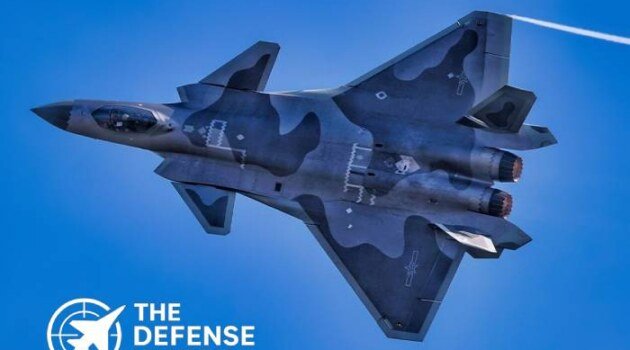
China’s state-owned Aviation Industry Corporation of China (AVIC) unveiled a detailed scale model of the J-35A stealth fighter at Singapore Airshow 2026, marking the clearest public presentation of the land-based fifth-generation aircraft to date. The February 3-8 exhibition at Changi Exhibition Centre provided international observers with the first comprehensive look at the People’s Liberation Army Air Force (PLAAF) platform designed to complement China’s existing J-20 heavy stealth fighter.
The J-35A represents Beijing’s continued advancement in low-observable combat aircraft technology and signals China’s intent to field a diversified fifth-generation air combat force across multiple mission profiles.
Technical Design and Stealth Characteristics
The scale model displayed at Singapore showcases several hallmark fifth-generation design elements optimized for reduced radar cross-section and enhanced survivability in contested airspace. The aircraft features diverterless supersonic intakes, canted twin vertical stabilizers, and edge-aligned control surfaces that minimize radar returns.
AVIC’s presentation emphasizes the J-35A’s blended fuselage lines and internal weapons bay configuration, which eliminates external stores during combat operations to maintain stealth characteristics. This design philosophy aligns with contemporary multi-domain air combat concepts employed by advanced air forces worldwide.
The platform’s aerodynamic shaping suggests optimization for both air superiority and precision strike missions, with geometry balancing stealth, maneuverability, and payload capacity requirements.
Strategic Role Within PLAAF Modernization
Defense analysts characterize the J-35A as a complementary system to China’s heavier J-20 stealth fighter, potentially offering the PLAAF a more flexible and numerically scalable fifth-generation option for various operational scenarios. The land-based configuration differs from naval variants associated with carrier aviation programs.
Unlike carrier-capable variants that require reinforced structures and specialized landing systems, the J-35A is optimized for conventional runway operations and integration into mainland air defense architectures. This design choice potentially reduces production complexity and maintenance demands compared to navalized versions.
Industry observers note the aircraft is expected to incorporate advanced sensor suites including active electronically scanned array (AESA) radar systems, electro-optical targeting capabilities, and comprehensive sensor fusion architecture designed to support network-centric operations.
Propulsion and Indigenous Technology Development
While AVIC did not release detailed performance specifications during the Singapore exhibition, the J-35A model configuration suggests compatibility with China’s latest-generation indigenous turbofan engines. This reflects Beijing’s ongoing efforts to achieve complete autonomy in high-performance military propulsion systems, reducing dependence on foreign technology suppliers.
The propulsion system development represents a critical component of China’s broader defense industrial modernization strategy, enabling sustained production and operational deployment without external dependencies.
International Exhibition Strategic Messaging
AVIC’s decision to showcase the J-35A at one of Asia’s premier aerospace events carries significant strategic implications. Singapore Airshow attracts senior defense officials and procurement authorities from across the Indo-Pacific region, Middle East, and Africa, providing China with a platform to demonstrate advanced military aviation capabilities to potential partner nations.
The public display signals both program maturity and Beijing’s readiness to position the aircraft as a future option for countries seeking advanced combat aircraft beyond traditional Western suppliers. This export-oriented messaging aligns with China’s expanding defense industrial outreach to developing nations and regional partners.
Fifth-Generation Fighter Ecosystem Integration
The J-35A is designed to operate within China’s evolving networked air combat architecture, integrating with airborne early warning platforms, unmanned systems, and ground-based command nodes. This multi-domain integration approach reflects modern air warfare concepts emphasizing distributed operations and real-time information sharing.
The platform’s sensor fusion capabilities enable coordinated operations with other PLAAF assets, potentially including the heavier J-20 fighter in high-low force structure arrangements similar to those employed by other major air forces.
Regional Security Implications
The J-35A’s development occurs within the broader context of intensifying military modernization across the Indo-Pacific region. Multiple nations are acquiring or developing fifth-generation fighter capabilities, driving regional arms competition and altering established air power balances.
U.S. defense officials have previously noted China’s rapid advancement in stealth aircraft technology as a key factor in Indo-Pacific security planning. The J-35A’s emergence as a mature platform adds another dimension to regional military calculations and alliance defense planning considerations.
Future Development and Deployment Timeline
While official PLAAF deployment timelines remain undisclosed, the Singapore Airshow presentation suggests the J-35A program has progressed beyond initial development phases. Scale model displays at major international exhibitions typically indicate approaching operational deployment or active production preparation.
Defense industry analysts anticipate the PLAAF may pursue substantial J-35A procurement to complement existing fourth-generation fighter fleets and augment the more limited numbers of J-20 heavy fighters in service. This two-platform fifth-generation approach would provide operational flexibility across diverse mission requirements.
Comparative Analysis With Global Competitors
The J-35A enters a competitive global market for fifth-generation fighters dominated by the United States’ F-35 Lightning II family and supplemented by platforms including Russia’s Su-57, South Korea’s KF-21, and Turkey’s KAAN development program.
China’s ability to offer a stealth fighter option independent of Western political constraints may appeal to nations seeking advanced capabilities without alignment conditions or operational restrictions typically associated with U.S. defense exports.
Technology Transfer and Export Potential
Beijing’s historical approach to defense exports includes varying levels of technology transfer and co-production arrangements, particularly with long-term strategic partners. The J-35A’s presentation at Singapore suggests China may pursue similar export strategies with this platform, though specific arrangements would likely depend on recipient nation relationships and strategic alignment.
Export versions of Chinese military aircraft have previously featured modified avionics and weapons integration compared to PLAAF operational variants, a pattern that may continue with any potential J-35A international sales.
Iran Receives First Russian Mi‑28NE Attack Helicopter
Iran has begun receiving Russian‑built Mi‑28NE Havoc attack helicopters, with the first example confirmed in a Tehran facility, marking the start of deliveries under a long‑planned procurement agreement.
Delivery Confirmation and Visual Evidence
Photographs and open‑source intelligence show a Russian Mi‑28NE attack helicopter in a hangar at the Pars Aerospace Services Company facility in Tehran. The aircraft appears in a desert‑style digital camouflage and was likely transported in a partially disassembled state aboard heavy transport aircraft such as Il‑76s.
Multiple sources and imagery emerging in late January and early February 2026 confirm that Russia has begun operationally delivering at least one Mi‑28NE to Iran.
Background on the Procurement Deal
The acquisition stems from a broader Iranian defense procurement initiative announced in November 2023. Iranian Deputy Defense Minister Brigadier General Mahdi Farahi publicly stated that plans were finalized to introduce Russian Su‑35 fighters, Mil Mi‑28 attack helicopters, and Yak‑130 jet trainers into Iranian army aviation units.
Reports through late 2025 indicated a buildup of Russian Il‑76 heavy transport flights into Iran, widely interpreted by defense analysts as part of the logistics operation for helicopter delivery and related support equipment.
Mi‑28NE Capabilities and Role
The Mi‑28NE is the export variant of Russia’s Mi‑28 attack helicopter, sometimes referred to by its NATO reporting name Havoc. It is a two‑seat, dedicated attack rotorcraft designed for engaging armored targets, personnel, and low‑flying aircraft in all‑weather, day or night operations.
Key systems include a nose‑mounted 30 mm autocannon, multiple hardpoints for guided air‑to‑ground missiles such as the Ataka family, and capacity for rockets and defensive countermeasures. Its armored cockpit and advanced avionics support survival and mission effectiveness in contested environments.
For Iran, fielding the Mi‑28NE represents a significant upgrade from legacy Vietnam‑era AH‑1J Cobras, which remain the core of its helicopter gunship fleet but have suffered attrition and aging systems issues in recent years.
Strategic Context
The initial delivery occurs amid heightened regional security tensions and sustained pressure from the United States and allied partners. The first Mi‑28NE units are currently in inspection and acceptance phases rather than full operational deployment, though the presence of this modern attack helicopter signals a tangible expansion of Iranian army aviation capabilities.
Iran’s acquisition of advanced Russian platforms like the Mi‑28NE forms part of a broader pattern of deepening defense ties with Moscow, reflecting Tehran’s effort to offset sanctions and outdated indigenous systems with strategic imports.
Automatic Air-to-Air Refueling Now Fully Certified on A330 MRTT
Airbus and Singapore have achieved full certification for the automatic air-to-air refueling (A3R) capability on the Airbus A330 Multi Role Tanker Transport (MRTT), marking a world first in military aviation. Certification was granted by Spain’s National Institute for Aerospace Technology (INTA) after a thorough flight-test and qualification campaign with the Republic of Singapore Air Force (RSAF) and the Defence Science and Technology Agency (DSTA).
The A3R system automates the traditional aerial refueling boom operation, reducing manual workload for air refueling operators while enhancing precision and safety. The full certification covers both daytime and night operations, reflecting rigorous testing across a wide range of mission profiles and receiver aircraft types.
What This Certification Means
The certification confirms the maturity, reliability, and safety of Airbus’s Automatic Air-to-Air Refueling system on the A330 MRTT. It allows the RSAF to conduct automated refueling operations with its fleet of MRTTs operated by 112 Squadron without manual boom control.
Singapore is the first air force in the world to field a fully certified automatic refueling capability on a tanker aircraft. This milestone establishes a benchmark for aerial refuelling automation and may influence future tanker modernization efforts internationally.
How the A3R System Works
Developed under Airbus’s SMART MRTT initiative, the A3R system uses advanced sensors and computer vision to automatically detect and track receiver aircraft and guide the refueling boom into position. The process minimizes the need for direct human input during boom engagement, reducing operator fatigue and enabling more consistent contact with receiver aircraft.
The system is designed to be compatible with multiple receiver platforms. Certification testing included RSAF F-16 and F-15SG fighters alongside the MRTT fleet, validating the system across different aircraft types and operational conditions.
Development and Testing History
Airbus and the RSAF began collaborating on the A3R program in 2020, aiming to bring automated boom refueling into operational service. Earlier milestones included successful daytime certification in 2022 and extensive night operation flight tests, as well as trials that involved hundreds of automatic contacts between the MRTT and various receiver aircraft.
These efforts culminated in the recent certification announcement at the Singapore Airshow 2026, reinforcing Singapore’s role as a leading partner in A3R development and innovation.
Strategic Impact
Automatic aerial refueling offers several operational advantages for air forces:
- Reduced workload and improved safety for refueling operators.
- Greater consistency and precision in boom contact across mission profiles.
- Enhanced flexibility for tanker and receiver formations during sustained operations.
By automating complex refueling tasks, the A3R system can free crew attention for broader situational awareness and mission management.
What Comes Next
With full certification secured, Airbus plans to support A3R retrofit and integration for existing MRTT operators. The company is also exploring ways to incorporate the technology more seamlessly into future tanker variants, including the A330neo-based MRTT Plus platform.
Continued collaboration between Airbus and Singapore could extend the range of certified receiver aircraft and broaden the global adoption of automated refueling capabilities.
Indonesia Signs LOI With Leonardo for M-346 F Block 20
Indonesia and Italian defense company Leonardo have signed a Letter of Intent with PT ESystem Solutions Indonesia and the Ministry of Defence for the M-346 F Block 20 aircraft, aimed at meeting advanced training and light combat roles for the Indonesian Air Force, officials said at the Singapore Airshow 2026.
The agreement follows Jakarta’s selection of the M-346 platform to support operational training and replace ageing trainers in its fleet.
Letter of Intent Details
The LOI outlines cooperation on supply, training, and in-country support for the M-346 F Block 20 variant. It includes provisions for local maintenance, overhaul, pilot training, and workforce development in Indonesia. The parties said they will move toward a full procurement contract.
M-346 F Block 20 Platform Capabilities
The M-346 F Block 20 is the fighter-trainer version of Leonardo’s advanced jet trainer. It pairs pilot training features with light combat capabilities including sensors, weapons systems, and tactical data links. The aircraft’s cockpit has large area displays and advanced avionics, and the Block 20 standard incorporates digital upgrades to enhance mission flexibility.
According to Leonardo, the M-346 series has more than 150,000 flight hours logged and has been selected by some 20 countries worldwide for training and operational roles.
Strategic Context for Indonesia
Indonesia is in a broader phase of modernizing its air force fleet. Advanced trainer and light combat platforms help bridge training gaps and support transition to more capable fighters, while also replacing older types such as the BAE Systems Hawk.
Localizing maintenance and training support can strengthen Indonesia’s defense industrial base and human capital, officials said.
M-346 in the Global Market
The M-346 has been marketed globally as an advanced jet trainer with optional light fighter capability. In December 2025, Leonardo signed a contract with Austria to supply 12 M-346 F Block 20 aircraft under a government-to-government agreement, with deliveries slated from 2028.
Block 20 updates are part of Leonardo’s broader strategy to keep the M-346 competitive with modern training and operational requirements, including advanced avionics, integrated training systems, and enhanced networking capabilities.
What Comes Next
Officials said discussions will now continue toward finalizing a procurement contract. Neither Indonesia nor Leonardo has released specifics on numbers or delivery timelines.
Exercise Point Blank 26 Advances NATO Airpower Integration
Exercise Point Blank 26 brought the Royal Air Force and the United States Air Force together across multiple locations in England to strengthen NATO airpower readiness and operational integration. The large scale training activity focused on tactical proficiency, airpower mobility, and agile combat employment, reflecting how allied air forces expect to operate in a high intensity conflict environment.
The exercise combined fast jet operations, aerial refueling, and airfield support exchanges. It emphasized interoperability between US and UK forces and the ability to rapidly generate combat power from dispersed locations.
Allied Air Forces Train for High Tempo Operations
Exercise Point Blank 26 centered on improving how allied air forces deploy, sustain, and fight together under realistic conditions. RAF and US Air Force personnel operated side by side, sharing procedures for flight operations, maintenance, logistics, and command and control.
A key objective was refining airpower mobility. Tanker aircraft from both nations conducted joint refueling missions to support fighter operations, allowing combat aircraft to extend range and remain on station longer. These missions are essential for sustaining operations in contested environments where access to forward bases may be limited.

Airfield operations were another major focus. Ground crews exchanged best practices on aircraft servicing, rapid turnarounds, and base defense. These skills support NATO concepts that rely on flexibility, speed, and resilience rather than fixed infrastructure.
Agile Combat Employment at the Core
Agile combat employment was a central theme throughout Exercise Point Blank 26. This concept involves operating aircraft from multiple locations, often with smaller teams and limited support, to complicate adversary targeting and maintain combat effectiveness.
RAF and US Air Force units practiced deploying aircraft and personnel across different airfields in England. This included setting up temporary operating locations and sustaining flight operations with reduced footprints.
According to NATO doctrine, agile combat employment is critical for modern air campaigns. It allows allied forces to survive and fight even when traditional bases are under threat from long range missiles, cyber attacks, or electronic warfare.
Exercise Point Blank 26 provided a realistic environment to test these methods in a combined setting, ensuring that US and UK forces can execute them together if required.
F 35 Lightning II Operations Highlight Interoperability
The F 35 Lightning II played a visible role during Exercise Point Blank 26, underscoring its importance to NATO airpower. Both the RAF and US Air Force operate the fifth generation fighter, making it a cornerstone of allied combat aviation.
Training events included F 35 takeoff and recovery operations supported by allied tanker aircraft and shared airfield infrastructure. These activities demonstrated how the aircraft integrates into joint force operations and how allied support elements enable its deployment.

The F 35 brings advanced sensors, data sharing, and stealth characteristics that enhance situational awareness across the force. Exercises like Point Blank 26 allow operators and support crews to refine how these capabilities are employed in coalition scenarios.
Strengthening NATO Readiness and Deterrence
Exercise Point Blank 26 reflects a broader NATO effort to improve readiness and deterrence amid a more contested security environment. Regular combined exercises ensure that allied forces can respond quickly and cohesively to emerging threats.
The United Kingdom remains a key hub for US airpower in Europe, and exercises hosted on British soil reinforce the long standing defense partnership between the two nations. Training together also reduces friction during real world operations by aligning procedures, communications, and expectations.
By focusing on realistic scenarios and modern operational concepts, Exercise Point Blank 26 supports NATO goals of credible deterrence and collective defense.
Strategic Context
Airpower remains a central element of NATO military strategy. The ability to deploy fighters, tankers, and support forces rapidly across the alliance underpins both deterrence and crisis response.
Exercises like Point Blank 26 are not symbolic. They are practical tests of how forces would operate during a real contingency. The emphasis on agile combat employment and joint logistics reflects lessons learned from recent conflicts and evolving threat assessments.
As NATO continues to adapt to new challenges, combined training between the RAF and US Air Force will remain a critical pillar of alliance readiness.