Executive Summary:
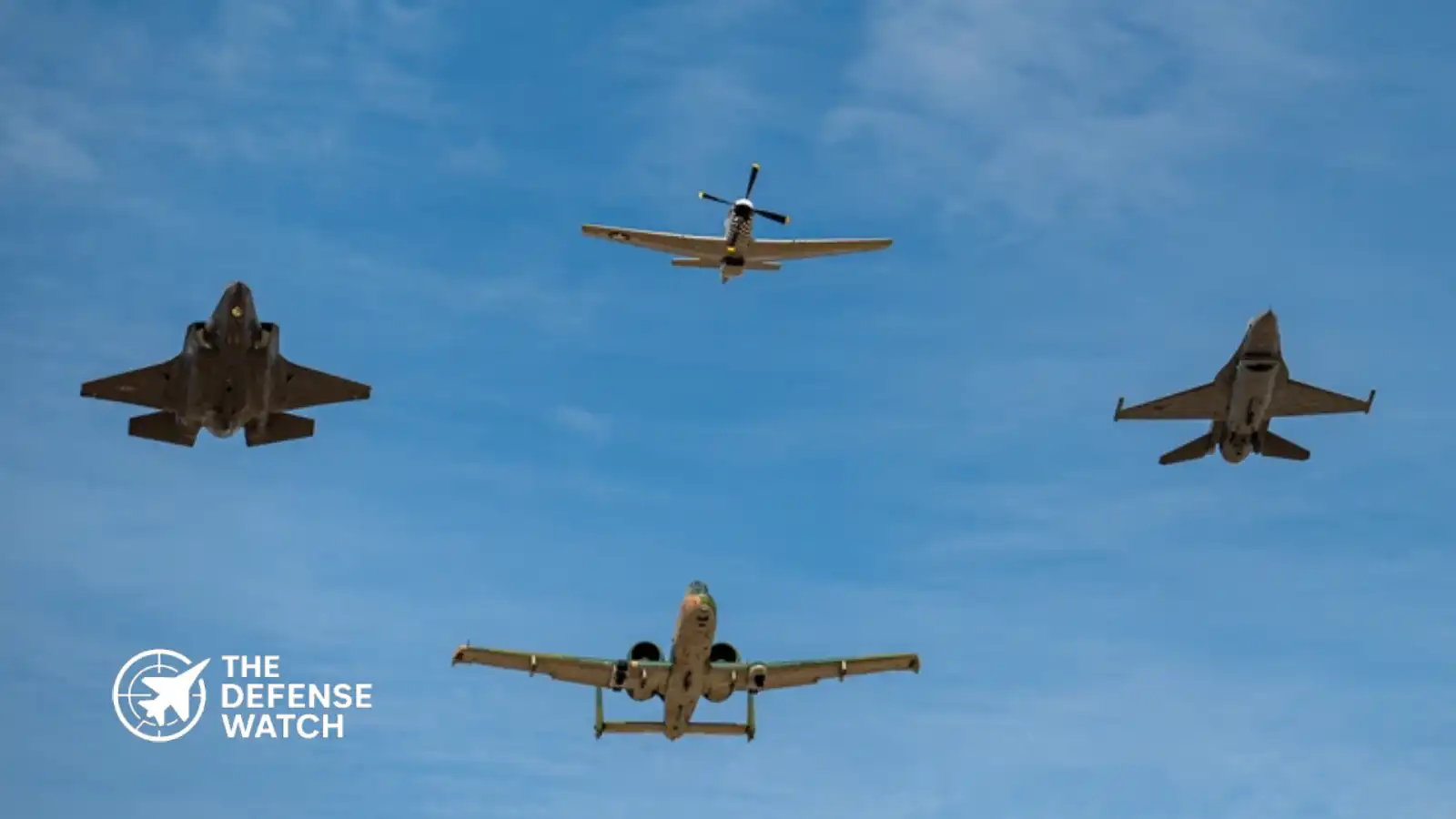
The U.S. Air Force plans to procure at least 150 Collaborative Combat Aircraft (CCA) by 2031 as part of its broader effort to expand manned-unmanned teaming capabilities. The autonomous aircraft are expected to operate alongside the F-35 and future F-47 fighter, improving survivability, combat reach, and operational flexibility in contested environments.
US Air Force Expands Collaborative Combat Aircraft Program
The U.S. Air Force’s Collaborative Combat Aircraft program is moving from concept development toward operational planning, with the service now targeting the acquisition of at least 150 autonomous aircraft by fiscal year 2031. The initiative is intended to support both current fifth-generation fighters such as the F-35 and the future sixth-generation F-47 platform under the Next Generation Air Dominance (NGAD) framework.
The Air Force’s latest procurement projections reflect growing confidence in autonomous combat aviation as a key component of future air warfare.
The Collaborative Combat Aircraft program represents one of the most significant shifts in U.S. tactical aviation strategy in decades. Rather than relying solely on expensive manned fighters, the Air Force intends to pair crewed aircraft with lower-cost autonomous systems capable of carrying sensors, electronic warfare payloads, and weapons.
Autonomous Wingmen Designed For High-Threat Environments
The planned Collaborative Combat Aircraft fleet is expected to operate as force multipliers during high-end conflicts, particularly in contested regions such as the Indo-Pacific. Air Force officials have repeatedly emphasized that future operations against near-peer adversaries will require larger and more distributed air formations capable of surviving advanced air defense systems.
Under the current concept, a single pilot could coordinate multiple unmanned aircraft during combat missions. These autonomous systems could conduct forward sensing, electronic attack, decoy operations, or strike missions while reducing risk to human pilots.
The program aligns with broader Pentagon efforts to integrate artificial intelligence and autonomous technologies into operational planning. Senior defense officials have argued that collaborative drones can increase combat mass at lower cost compared to traditional fighter procurement.
The Air Force previously selected two industry teams for the Increment 1 phase of the program. Anduril Industries is developing its Fury drone design, while General Atomics is advancing the YFQ-42A platform derived from the XQ-67A concept.
Support Role For F-35 And Future F-47 Fighters
The Air Force views the Collaborative Combat Aircraft initiative as critical to enabling future operations centered around the F-35 and the forthcoming F-47 fighter aircraft.
While the F-35 remains a cornerstone of U.S. and allied tactical aviation, the aircraft’s operational effectiveness increasingly depends on networked warfare and sensor integration. Autonomous wingmen could extend sensor coverage, carry additional weapons, and absorb attrition in contested environments where survivability remains a concern.
The future F-47, expected to serve as the Air Force’s next-generation air superiority fighter, is also being designed around manned-unmanned teaming concepts. Although many details surrounding the platform remain classified, Air Force leadership has consistently linked NGAD development with autonomous support aircraft.
This shift reflects a broader evolution in air combat doctrine. Rather than viewing unmanned systems as separate assets, the Pentagon increasingly sees them as integrated components of a single combat ecosystem.
Strategic Importance Amid Rising Competition With China
The Air Force’s accelerated interest in Collaborative Combat Aircraft comes amid intensifying strategic competition with China. U.S. defense planners continue to assess that future conflicts could involve highly contested airspace defended by advanced integrated air defense systems, long-range missiles, and electronic warfare capabilities.
Autonomous aircraft are viewed as a potential solution to operational challenges posed by long distances and attrition risks in the Pacific theater. Lower-cost drones operating alongside crewed fighters may allow commanders to generate larger combat formations without dramatically increasing procurement costs.
The initiative also reflects concerns about sustaining aircraft inventories during prolonged conflicts. Modern stealth fighters remain expensive and time-consuming to produce, making attritable autonomous systems increasingly attractive from both operational and budgetary perspectives.
In recent years, the Pentagon has accelerated experimentation with autonomous aviation through programs linked to the Defense Advanced Research Projects Agency (DARPA), the Air Force Research Laboratory, and private industry partners.
Procurement Timeline And Future Expansion
Current Air Force planning reportedly envisions the first operational Collaborative Combat Aircraft entering service before the end of the decade. The initial objective of 150 aircraft by 2031 may represent only the beginning of a larger procurement effort.
Air Force leaders have previously suggested that future combat squadrons could deploy with multiple autonomous aircraft assigned to each manned fighter. If operational testing validates the concept, procurement numbers could expand substantially during the 2030s.
The program’s success will depend on several factors, including autonomous flight reliability, secure communications, artificial intelligence integration, and the ability to operate effectively in electronically contested environments.
Industry competition is also expected to remain intense as defense firms seek to secure positions in what could become one of the Pentagon’s largest future aviation programs.
Analysis: A Fundamental Shift In Air Warfare
The Collaborative Combat Aircraft initiative signals more than just a new drone procurement effort. It reflects a deeper transformation in how the U.S. Air Force intends to fight future wars.
For decades, air superiority relied primarily on increasingly sophisticated manned fighters. However, rising aircraft costs, evolving missile threats, and advances in autonomy are pushing military planners toward distributed force structures built around human-machine collaboration.
The Air Force appears to be pursuing a model that combines the decision-making strengths of human pilots with the scalability and survivability advantages of autonomous systems. If successful, the program could reshape tactical aviation doctrine not only for the United States, but also for allied air forces likely to adopt similar concepts.
At the same time, integrating autonomous combat aircraft into frontline operations introduces technical and doctrinal challenges that remain unresolved. Questions surrounding command authority, AI reliability, electronic warfare resilience, and operational coordination will likely shape the program’s future trajectory.
SpaceX To Compete In Pentagon Autonomous Drone Tech Contest
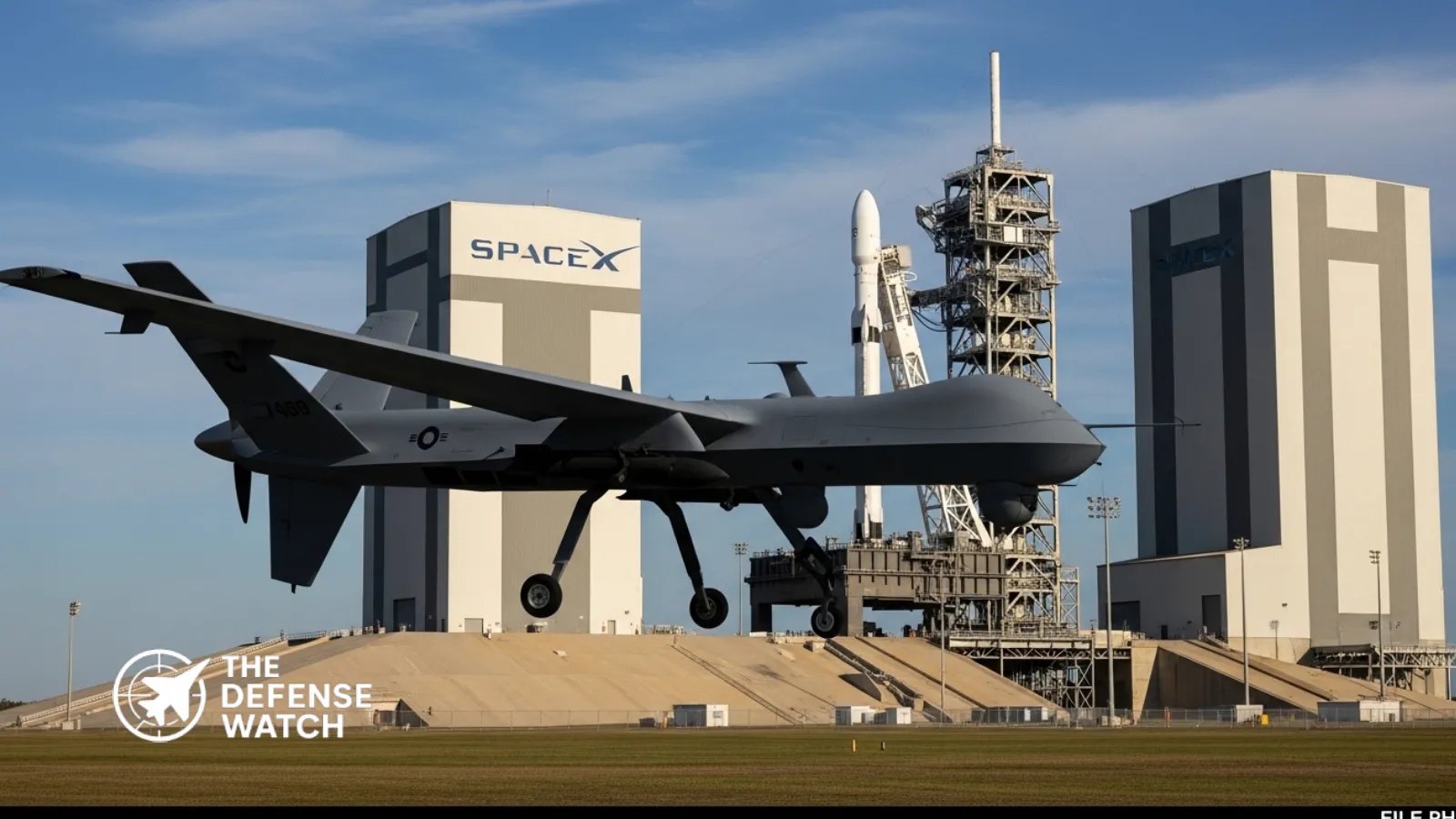
SpaceX will compete in a Pentagon autonomous drone tech contest, marking a notable expansion of the company’s role in U.S. defense innovation, according to a Feb. 16 report by Reuters citing Bloomberg.
The competition centers on advancing autonomous drone capabilities for U.S. military applications. It is part of a broader Defense Department push to accelerate artificial intelligence and unmanned systems across the services.
Pentagon Focus On Autonomous Systems
The U.S. Department of Defense has steadily increased investment in autonomous technologies as part of its modernization strategy. Officials have emphasized the need for low cost, scalable unmanned systems that can operate with minimal human intervention in contested environments.
While specific program details were not disclosed publicly, the contest aims to field advanced autonomous drone technology capable of operating in complex battlefield scenarios. The initiative aligns with Pentagon efforts to counter peer competitors by integrating AI driven systems across air, land, sea, space, and cyber domains.
The Defense Department has repeatedly highlighted autonomous systems as a key pillar of its force design. Programs under the Pentagon’s innovation offices have sought to reduce acquisition timelines and encourage participation from nontraditional defense companies.
SpaceX Expands Defense Footprint
SpaceX, formally known as SpaceX, has primarily focused on launch services and satellite communications. Through its Starlink satellite network, the company has already demonstrated relevance in military operations by providing resilient communications in conflict zones.
Participation in a Pentagon autonomous drone tech contest would extend SpaceX’s involvement beyond launch and space services into unmanned aerial systems and defense AI.
The move reflects a broader trend of commercial space and technology firms entering the defense market. Silicon Valley and aerospace startups have increasingly partnered with the Pentagon to develop AI enabled platforms, autonomous vehicles, and networked warfare capabilities.
Strategic Context
Autonomous drone development has become a central feature of modern military strategy. Recent conflicts have underscored the operational impact of unmanned aerial vehicles for intelligence, surveillance, reconnaissance, and strike missions.
The Pentagon’s emphasis on autonomous drone technology also aligns with congressional directives to strengthen U.S. industrial capacity in advanced defense sectors. Lawmakers have pressed for faster fielding of systems that can operate in highly contested environments, particularly in the Indo Pacific and European theaters.
By opening competitions to commercial players, the Defense Department seeks to leverage private sector innovation while maintaining strict security and performance standards.
Industry Competition Expected
The Pentagon autonomous drone tech contest is expected to draw interest from established defense contractors as well as emerging technology firms. Major aerospace and defense companies have invested heavily in AI enabled drones and collaborative combat aircraft concepts.
SpaceX’s entry into the contest introduces a company with deep engineering resources, rapid development cycles, and vertically integrated manufacturing capabilities. However, it will compete against firms with longstanding experience in military aircraft and unmanned systems.
The Reuters report did not specify a timeline for contract awards or testing phases. Further details are likely to emerge as the Defense Department advances the competition process.
Broader Implications
The inclusion of SpaceX in a Pentagon autonomous drone tech contest signals continued convergence between commercial aerospace innovation and national security priorities.
As the U.S. military adapts to evolving threats, autonomous drone systems are expected to play a growing role in distributed operations and force projection. The contest underscores Washington’s commitment to accelerating AI integration across the defense enterprise.
For SpaceX, participation represents a strategic step deeper into the defense technology sector. For the Pentagon, it highlights an effort to harness commercial ingenuity to maintain technological advantage.
Greece To Equip FDI Frigates With CAMCOPTER S-100 UAV
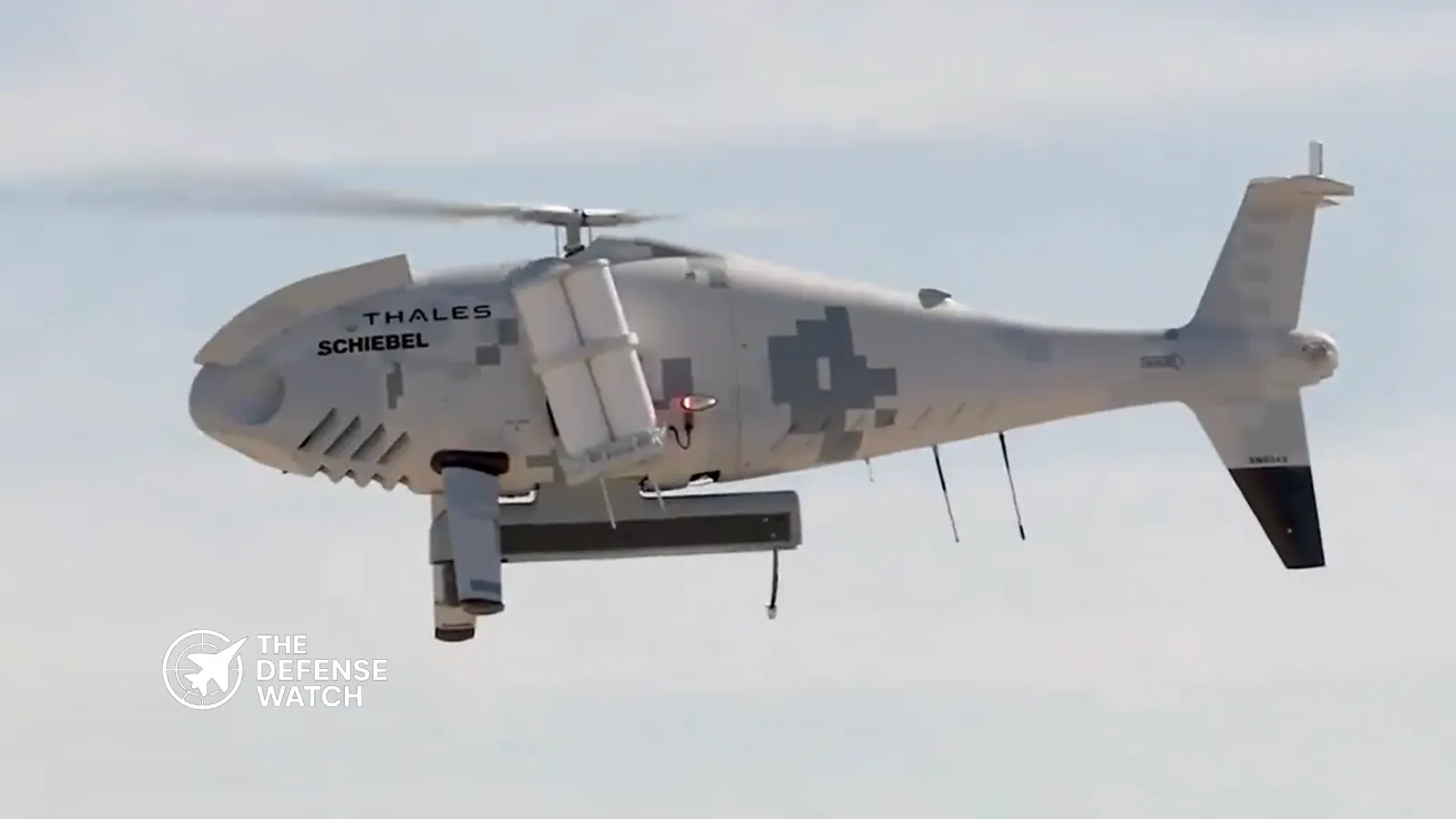
The CAMCOPTER S-100 UAV will soon operate aboard the Hellenic Navy’s new FDI Belharra-class frigates under a freshly signed supply contract aimed at strengthening Greece’s maritime surveillance and targeting capabilities.
According to official disclosures from the Hellenic Navy and manufacturer sources, rotary-wing S-100 systems will be deployed on three FDI frigates: HS Kimon, HS Nearchos, and HS Formion. The vessels are being constructed in France by Naval Group as part of Greece’s broader naval modernization program.
The first of the class, HS Kimon, arrived in Greece last month. Integration of the CAMCOPTER S-100 UAV aboard the ship is scheduled for spring 2026. Delivery of HS Nearchos is targeted for late 2026, while HS Formion is expected in early 2027.
Strengthening Greek Naval ISR Capabilities
The CAMCOPTER S-100 UAV is produced by Austria-based Schiebel. The rotary-wing platform is designed for vertical takeoff and landing operations, eliminating the need for a runway and making it suitable for deployment from frigate-sized decks.
Onboard the FDI frigates, the UAV will provide maritime surveillance, intelligence gathering, reconnaissance, and targeting support. These capabilities are increasingly critical in contested maritime environments, particularly in the Eastern Mediterranean.
The integration of an organic UAV capability allows the frigates to extend sensor reach beyond the ship’s radar horizon. This enhances situational awareness and supports anti-surface and anti-submarine operations.
The CAMCOPTER S-100 UAV has been widely deployed in naval operations worldwide and has accumulated extensive operational hours in maritime missions. Its modular design enables integration of electro-optical, infrared, and maritime radar payloads, depending on mission requirements.
FDI Belharra-Class Frigates: A Modern Surface Combatant
The FDI, also known as the Belharra class, represents one of the most advanced surface combatants entering European service. Developed by France’s Naval Group for the French Navy and export customers, the platform incorporates advanced radar, air defense, and anti-submarine warfare systems.
For Greece, the FDI frigates form the backbone of a fleet renewal strategy aimed at replacing aging surface vessels and enhancing deterrence in the region.
HS Kimon, the lead ship for the Hellenic Navy, marks a significant milestone in the program. The addition of the CAMCOPTER S-100 UAV enhances the vessel’s multi-domain operational profile.
With integrated sensors, modern combat management systems, and now organic UAV support, the FDI frigates are positioned to conduct high-end maritime operations, including air defense, surface warfare, and ISR missions.
Training And Operational Readiness
In addition to the three shipborne systems, one CAMCOPTER S-100 UAV system will be allocated for land-based training.
Initial crew training is expected to conclude in spring 2026, aligning with the planned operational integration timeline aboard HS Kimon.
Land-based training ensures that flight crews and mission operators gain proficiency prior to shipboard deployment. This approach reduces operational risk and accelerates the transition to full operational capability.
The phased delivery schedule aligns UAV integration with ship acceptance timelines, supporting a structured capability buildup.
Expanding The Role Of Naval UAVs
The decision to deploy the CAMCOPTER S-100 UAV aboard FDI frigates reflects a broader trend across NATO and partner navies. Shipborne UAVs are increasingly viewed as force multipliers that enhance reach and persistence without requiring larger flight decks or manned helicopters.
For mid-sized surface combatants, rotary-wing UAVs offer flexibility in surveillance and targeting roles. They can support maritime domain awareness, assist in search and rescue missions, and contribute to over-the-horizon targeting for anti-ship missiles.
As regional maritime activity intensifies, ISR capabilities have become central to naval deterrence strategies. Greece’s adoption of the CAMCOPTER S-100 UAV signals continued investment in integrated sensor networks and multi-domain awareness.
Strategic Context In The Eastern Mediterranean
The Eastern Mediterranean remains a strategically sensitive region, marked by overlapping maritime claims, energy exploration interests, and increased naval deployments.
By equipping its new-generation FDI frigates with organic UAV systems, the Hellenic Navy improves its ability to monitor sea lanes and conduct persistent surveillance operations.
The integration of unmanned systems complements broader defense modernization efforts underway in Greece, including fleet renewal and expanded cooperation with European defense partners.
Revolutionary Autonomous Systems Target Chemical Warfare Threats
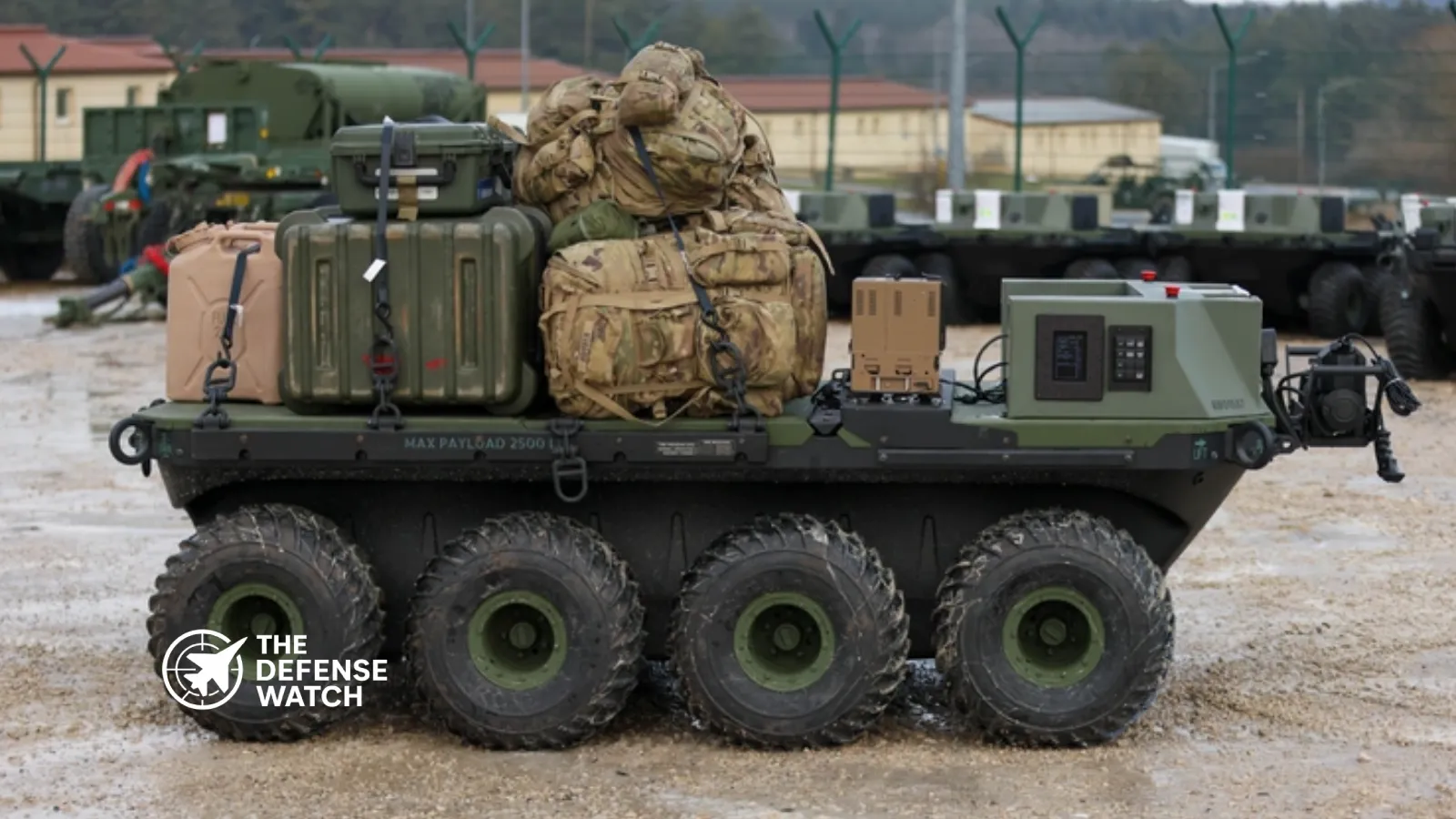
The U.S. Army is advancing a groundbreaking initiative to deploy autonomous drones and ground robots for chemical and biological weapons decontamination, marking a significant evolution in how military forces address CBRN (Chemical, Biological, Radiological, and Nuclear) threats on the battlefield.
The Autonomous Decontamination System (ADS) represents a paradigm shift in military decontamination operations, designed to scrub contaminated vehicles, critical infrastructure, and strategic terrain while substantially reducing warfighter exposure to deadly agents. According to official Army documentation, this technology will enable squad-sized elements to deliver platoon-level decontamination capabilities—a force-multiplier that addresses critical manpower constraints in chemical warfare units.
The Joint Project Manager for Chemical, Biological, Radiological, and Nuclear Protection (JPM CBRN Protection) issued a Request for Information on February 3, 2026, with responses due February 20, signaling an accelerated timeline for this capability development.
Technical Specifications Drive Innovation
The Army’s requirements outline sophisticated operational capabilities for autonomous decontamination systems. Contractors must demonstrate solutions encompassing both tethered and untethered robotic platforms transportable via light or medium tactical vehicles, ensuring rapid deployment across varied operational environments.
The ADS must execute four critical functions with precision. First, systems must conduct pre-washing operations using water to remove initial contamination layers from vehicles and equipment. Second, platforms must map contamination footprints using advanced sensors, creating detailed spatial data of affected areas.
Third, and most critically, robots must apply decontamination agents with precision targeting, ideally leveraging contamination footprint data to concentrate chemical applications on affected zones rather than applying blanket coverage. Finally, systems must perform post-wash operations and conduct post-decontamination assessments utilizing existing fielded detector technology to verify successful decontamination.
Navigation capabilities represent a key technical consideration. The Army seeks information on whether proposed systems utilize GPS, Real-Time Kinematic positioning, Visual Simultaneous Localization and Mapping (VSLAM), or alternative navigational technologies. Autonomy levels must be clearly specified—whether fully autonomous, operator-in-the-loop, or manual remote control configurations.
Operational Requirements Address Real-World Challenges
Decontamination component specifications include detailed requirements for nozzle types, flow rates, and pressure parameters. Systems must demonstrate compatibility with multiple decontaminant types including solids, liquids, and foams. Specifically, platforms must handle High Test Hypochlorite (HTH) and M333 Joint General-Purpose Decontaminant for Hardened Military Equipment (JGPD-HME), representing the Army’s standard decontamination chemicals.
According to the RFI, “contamination mitigation operations are extremely resource-intensive in terms of time, logistics, and personnel.” The document emphasizes that ADS technology will “reduce manpower and optimize resources required for decontamination operations while mitigating the risk of exposure of warfighters to chemical and biological warfare agents through robotic means.
This capability addresses a fundamental tactical problem: current decontamination operations require extensive personnel resources that may not be available when needed, particularly in high-tempo combat operations where chemical warfare units face competing demands across wide geographic areas.
Strategic Context Underscores Urgency
The timing of this initiative reflects evolving global threats. The United States confronts multiple weapons of mass destruction challenges, including nuclear-armed adversaries such as North Korea and potentially Iran, alongside emerging threats from terrorist organizations potentially leveraging artificial intelligence for biological weapons development.
The Army’s broader CBRN modernization efforts extend beyond autonomous decontamination systems. Parallel programs include the Nuclear, Biological and Chemical Reconnaissance Vehicle Sensor Suite Upgrade (NBCRV SSU), which equips Stryker armored vehicles with onboard drones capable of scouting ahead for contaminants without exposing vehicle crews to hazardous environments.
The NBCRV SSU program, announced in January 2025, will “improve maintainability, reliability, and remote maneuverability from threats by including unmanned aerial vehicles, modular mission payload (a system where different equipment components can be easily swapped or added to a platform), a data processing unit, and more,” according to Army statements.
Training Policy Questions Emerge
Interestingly, recent Army policy changes have made CBRN training optional rather than mandatory. The updated Army Regulation 350-1 specifies that training modules remain available as needed, but commanders possess discretion in deciding whether to include CBRN training in unit readiness programs.
This policy shift raises questions about how the Army balances investment in advanced autonomous decontamination technology against baseline CBRN knowledge across the force. Defense analysts suggest the contradiction may reflect confidence that autonomous systems will reduce the technical expertise required at lower echelons, centralizing specialized CBRN knowledge while distributing technological capability more broadly.
Industry Response And Development Timeline
The February 20 deadline for contractor responses indicates the Army aims to move rapidly from information gathering to potential prototype development and testing phases. Defense industry sources suggest multiple established robotics manufacturers and emerging autonomous systems developers will submit proposals.
Potential contractors face significant technical challenges balancing autonomy, decontamination effectiveness, mobility, and operational durability. Systems must function in contested environments with potential GPS denial, chemical contamination affecting sensors, and extreme environmental conditions from Arctic cold to desert heat.
The request for information stage typically precedes formal solicitation processes, suggesting actual contract awards may occur in fiscal year 2026 or early 2027, with fielding potentially beginning in 2028-2029 timeframes depending on development complexity and testing requirements.
Implications For Future Operations
Autonomous decontamination systems represent a component of broader military transformation toward robotic and autonomous platforms reducing human exposure in high-risk environments. These capabilities align with the Pentagon’s emphasis on achieving decision advantage through technology while protecting personnel from hazardous threats.
Successful ADS deployment could fundamentally alter CBRN response doctrine. Rather than requiring specialized chemical companies to deploy forward for decontamination operations—creating logistics burdens and operational delays—line units could conduct immediate decontamination using organic robotic assets, accelerating operational tempo and reducing vulnerability windows.
The technology also provides capabilities for homeland defense scenarios, including response to chemical or biological attacks on U.S. territory, industrial accidents involving hazardous materials, or consequence management following unconventional weapons employment.
International Context And Allied Cooperation
While the Army’s initiative focuses on U.S. requirements, allied nations face identical challenges regarding CBRN decontamination. NATO standardization agreements covering CBRN defense create potential pathways for allied nations to adopt compatible or interoperable autonomous decontamination systems, enhancing collective defense capabilities.
Several NATO allies including Germany, France, and the United Kingdom maintain advanced CBRN defense programs and robotics industries capable of contributing to or adopting similar technologies. Joint development or cross-procurement arrangements could reduce costs while ensuring interoperability during coalition operations.
Looking Forward
The Army’s pursuit of autonomous drones for chemical weapons decontamination reflects pragmatic recognition that future conflicts may involve CBRN threats requiring rapid, effective response capabilities exceeding current manual decontamination methods. As adversaries develop increasingly sophisticated unconventional weapons and delivery systems, robotic platforms providing standoff decontamination capabilities become operational necessities rather than technological luxuries.
Industry responses to the RFI will reveal the current state of autonomous decontamination technology and identify gaps requiring additional research and development investment. The Army’s commitment to this capability, demonstrated through formal requirements documentation and accelerated timelines, signals that autonomous CBRN defense systems will feature prominently in future force structure planning.
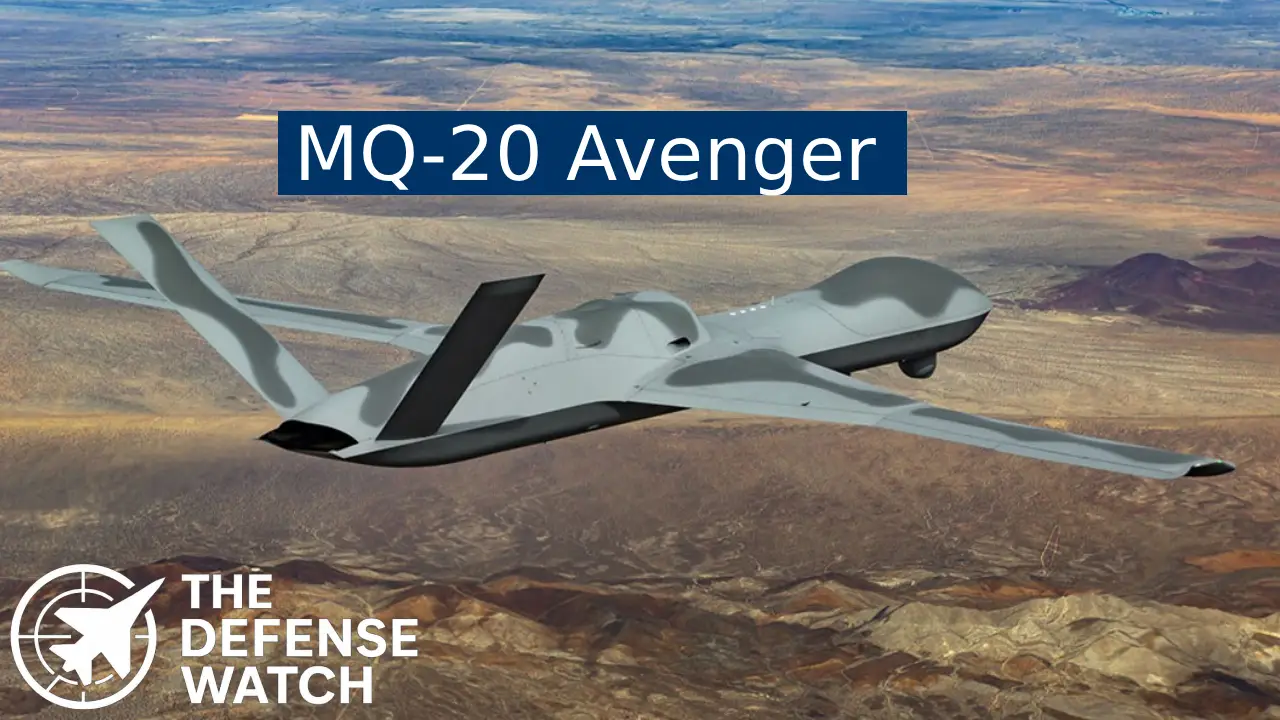
In a landmark demonstration on October 21, 2025, General Atomics Aeronautical Systems (GA-ASI), Lockheed Martin, and L3Harris successfully executed a cre wed-uncrewed teaming flight test in which an F-22 Raptor pilot commanded an MQ-20 Avenger drone integrated on board – a first of its kind. The exercise, carried out at the Nevada Test and Training Range, marks a significant step forward in the U.S. Air Force’s push toward Collaborative Combat Aircraft (CCA) and advanced manned-unmanned operations.
What Happened: The Flight Test Details
- The test involved installing two L3Harris software-defined radios (SDRs): one aboard the F-22, and another aboard the MQ-20.
- These radios used L3Harris’ BANSHEE advanced tactical datalinks and the Pantera SDR system integrated via Lockheed Martin’s open-radio architecture.
- From the cockpit, the F-22 pilot used a Pilot Vehicle Interface (PVI) tablet in conjunction with a new GRACE module (“Government Reference Architecture Compute Environment”) to send commands.
- GA-ASI characterized the communications chain as entirely non-proprietary and fully U.S. government-owned, built on Open Mission Systems principles.
Technical and Strategic Context
The MQ-20 Avenger is a stealthy, jet-powered unmanned combat aerial vehicle (UCAV) developed by GA-ASI. Unlike turboprop drones, it features a low-observable profile, internal weapons bays, and high speed/endurance.
Over the past year, the Avenger has been integrated with autonomy software, most notably Shield AI’s Hivemind, enabling it to conduct complex maneuvers like combat air patrols and simulated air-to-air engagements.
Moreover, this F-22/Avenger test follows previous milestones, such as the U.S. Navy’s live-control flight of the MQ-20 via a carrier-based ground station using Lockheed Martin’s MDCX platform.
Why This Matters: Analysis
Advancing the CCA Vision
This demonstration directly feeds into the U.S. Air Force’s Collaborative Combat Aircraft (CCA) strategy, which envisions manned fighters working alongside autonomous “drone wingmen” to enhance combat effectiveness, resilience, and flexibility.
By showing that a legacy platform like the F-22 can control an autonomous UCAV using open-architecture radios, the test proves that even older high-end assets can be rapidly modernized for future force structures.
All-Domain Connectivity and Interoperability
The use of non-proprietary, government-owned datalinks is particularly significant. It ensures greater resilience against supply-chain vulnerabilities, expands opportunities for allied interoperability, and reduces dependence on single-vendor systems.
Modular Autonomy in Action
Coupled with earlier tests of Shield AI’s Hivemind software, this trial underscores how modular autonomy (open architectures + reference software) can deliver agile, rapidly fieldable capabilities.
This model supports future scaling: additional drones, different fighter jets, or alternative autonomy stacks can be integrated without rearchitecting the entire system.
Implications for Force Multiplication and Cost Efficiency
If F-22s (and eventually other fighters) can reliably control UCAVs, it could dramatically expand the force’s reach. Pilots may direct more assets for strike, surveillance, or suppression missions, potentially reducing the number of manned sorties required and lowering risk to human pilots.
Challenges and Considerations
- Security & Jamming Risks: In contested electromagnetic environments, maintaining reliable datalink performance under jamming or cyberattacks remains a critical concern.
- Pilot Workload: Managing a high-performance fighter and simultaneously controlling a drone raises questions about cognitive load and ergonomic design.
- Certification & Safety: Extensive testing will be required to certify such systems for regular operational use, especially considering safety, autonomy fail-safes, and emergent behavior in contested airspace.
- Scalability: While this was a company-funded R&D demo, scaling to full operational deployment (across squadrons) will involve cost, logistics, training, and sustainment challenges.
Conclusion & Outlook
The F-22–MQ-20 Avenger teaming test represents a major milestone in the U.S. drive toward crewed-uncrewed collaborative warfare. By proving that a stealth fighter can directly command a stealth drone using open, government-owned datalinks, industry and the Air Force are laying the technical and doctrinal foundation for scalable Collaborative Combat Aircraft operations.
Looking ahead, we can expect further demonstrations involving other platforms (e.g., F-35, F-15), more sophisticated autonomy stacks, and perhaps even live-fire exercises. As the CCA vision matures, such teaming concepts could reshape how the U.S. projects airpower — blending human judgment with autonomous persistence, creating more flexible, resilient, and distributed mission architectures.