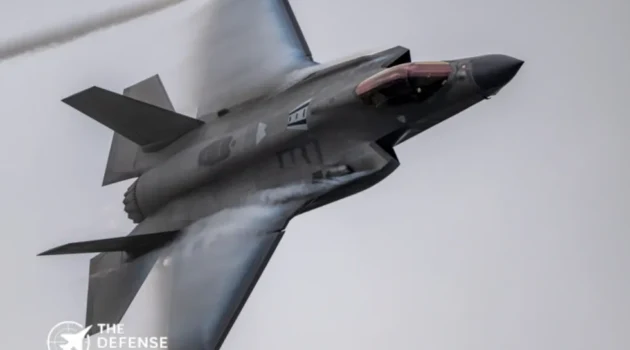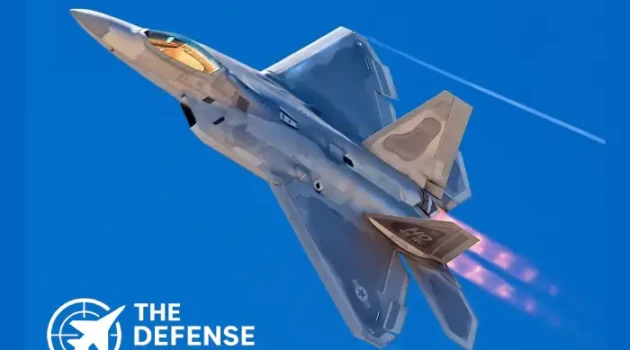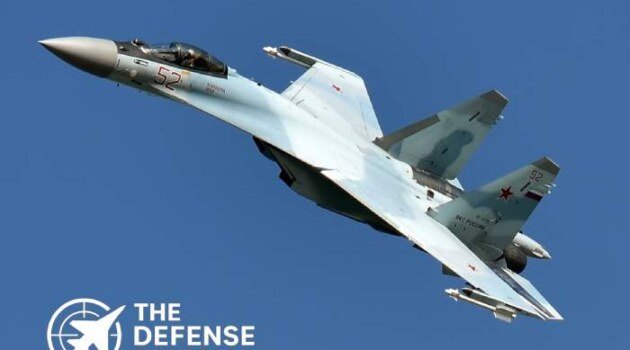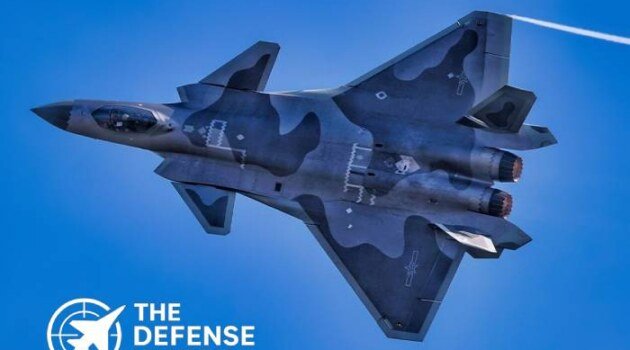
- The United States ranks #1 on the 2026 Global Firepower Index with a PowerIndex score of 0.0741 and a defense budget exceeding $895 billion.
- Russia holds #2 with a score of 0.0788, maintaining the world’s largest nuclear arsenal and over 1.3 million active personnel.
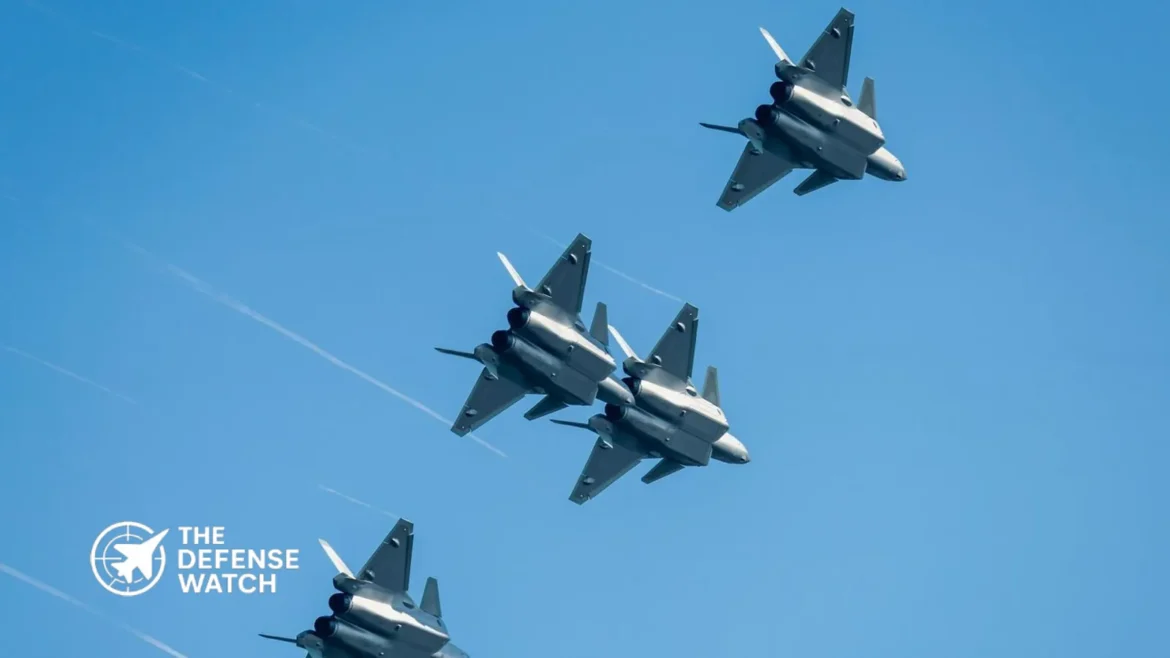
- China ranks #3 with 2+ million active troops, 3 aircraft carriers, and a defense budget of approximately $266 billion — the fastest-growing navy in the world.
- India holds #4 globally, backed by 1.45 million active personnel, nuclear deterrence, and a $75 billion defense budget.
- The 2026 index evaluated 145 nations across 60+ indicators including manpower, air power, naval strength, logistics, and financial capacity.
Which Country Has the Strongest Army in the World in 2026?
The question of which country possesses the strongest army in the world in 2026 is not answered by a single number. It is a composite picture drawn from defense budgets, technological depth, nuclear deterrence, logistics infrastructure, and the hard-won credibility of real-world combat experience. The 2026 Global Firepower Index draws on more than 60 individual factors — ranging from unit quantities and financial standing to logistical capacity and geography — to calculate each nation’s PowerIndex score across 145 countries. The lower the score, the more powerful the force.
By every available metric in 2026, the United States of America holds that top position — as it has for two decades. But the gap between Washington and its nearest competitors is narrowing in ways that should concern defense planners across the Western alliance.
#1 United States — The Undisputed Standard
Ranked as the world’s most powerful military since 2005, the U.S. tops the 2026 Global Firepower Index with a score of 0.0741. Its dominance rests on unmatched defense spending, global force projection, nuclear capabilities, advanced air and naval power, and an extensive network of overseas bases.
The U.S. fields 1,328,000 active personnel and 2,127,000 in reserve, backed by a defense budget of $895 billion — a figure that eclipses the combined spending of most of the world’s top militaries. Its technological edge — spanning fifth-generation stealth fighters, nuclear-powered carrier strike groups, satellite-based command networks, and a rapidly expanding drone and cyber warfare apparatus — remains unmatched in scale and integration.
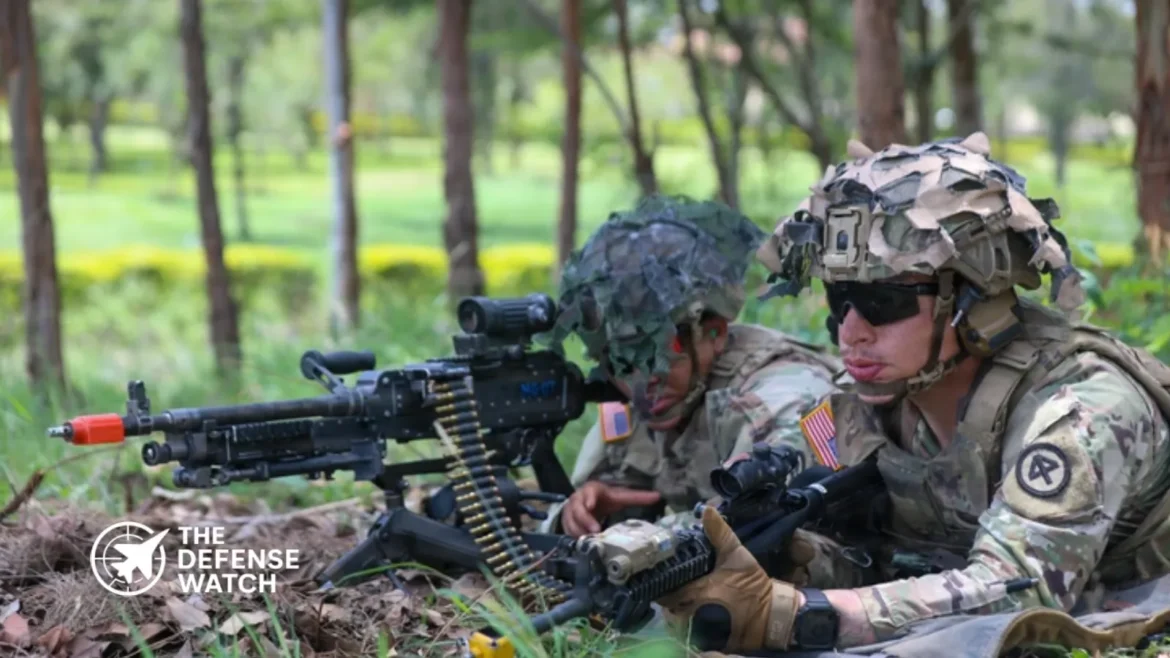
The United States Army alone maintains 485,000 active-duty soldiers, 336,000 Army National Guard personnel, and 189,500 Army Reserve personnel, constituting the most battle-tested ground force in modern history.
TheDefenseWatch Analysis: The United States’ primary advantage in 2026 is not merely hardware — it is systemic. Decades of joint warfare doctrine, interoperability with NATO partners, and an unbroken chain of institutional learning from conflicts in Iraq, Afghanistan, and Syria give the U.S. military an adaptive quality that raw numbers cannot capture. However, high operational tempo and congressional debates over defense appropriations continue to create friction within the force’s long-term readiness picture.
#2 Russia — Nuclear Colossus Under Strain
Russia holds second place with a Power Index score of 0.0791. Its strength lies in vast nuclear arsenals, long-range missile forces, a large standing military, and significant land warfare capabilities.
Moscow fields 1,320,000 active personnel and a reserve pool of 3,570,000 troops, with a defense budget of $126 billion. Russia’s strategic deterrent — anchored by thousands of nuclear warheads and an array of intercontinental ballistic missiles, including the Sarmat ICBM — gives it a geopolitical weight that its conventional performance in Ukraine has, in some ways, challenged.
The ongoing war in Ukraine has exposed critical weaknesses in Russian logistics, precision-strike capability, and combined-arms coordination. Yet Russia continues to invest heavily in electronic warfare, hypersonic missile systems, and long-range aviation, ensuring it cannot be dismissed as a declining power.
TheDefenseWatch Analysis: Russia’s 2026 ranking reflects a military that remains dangerous at the strategic level even as it bleeds manpower and equipment in Eastern Ukraine. Moscow’s ability to reconstitute its ground forces while simultaneously sustaining a war economy is being tested in real time — the outcome of which will define Russia’s military standing well into the 2030s.
#3 China — The Fastest-Rising Challenger
China commands the world’s largest standing army with expanding naval and air capabilities. Heavy investment in technology and modernization underpins its global military ambitions. China fields 2,035,000 active personnel, 3,045,000 in reserve, and a defense budget of $266.85 billion.
At a crossroads, 2027 is set to become a pivotal year for Chinese military aspirations — a reference to the People’s Liberation Army’s (PLA) self-imposed deadline to become a “world-class military” capable of fighting and winning a modern war. Beijing has invested massively in carrier-based aviation, hypersonic glide vehicles, space warfare capabilities, and artificial intelligence-driven command systems.
China’s navy now operates three aircraft carriers, with additional hulls under construction. Its ballistic missile submarine fleet continues to grow, and its anti-access/area denial (A2/AD) strategy presents a credible challenge to U.S. naval operations throughout the Western Pacific.
#4 India — South Asia’s Nuclear Giant
India holds the 4th position with a score of 0.1346. As South Asia’s leading military power, India combines large manpower, nuclear deterrence, expanding indigenous defense production, strong missile forces, and growing air and naval capabilities.
India maintains 1,455,550 active personnel — more than either Russia or the United States — and a reserve force of 5,137,000 troops, all supported by a $75 billion defense budget. New Delhi’s ambitious “Atmanirbhar Bharat” (self-reliant India) defense manufacturing initiative is steadily reducing dependence on foreign arms imports while building domestic production capacity across fighters, missiles, and warships.
India’s ongoing border friction with China and long-standing tensions with Pakistan ensure that its military investment is not abstract — it is operationally driven and geopolitically consequential.
#5 Through #10 — The Rest of the Top Tier
South Korea secures fifth place, focusing on advanced technology, a strong reserve force, and defense readiness structured to counter regional threats — particularly from North Korea. Its active force of 600,000 is backed by 3,800,000 reserves and a $50 billion budget.
The United Kingdom placed sixth, maintaining nuclear deterrence, a capable navy, and forces designed for global deployment alongside allies. France followed closely with a versatile military, modern aircraft, and the capacity to conduct overseas operations independently. Japan ranked eighth, with a focus on maritime security, missile defense, and advanced technology reinforced by strategic partnerships.
Türkiye maintains a sizeable active and reserve force, growing domestic production, drone capability, and regional influence in the Middle East, while Italy fields a modern NATO-standard military with aircraft carriers, cyber defense, and participation in multinational operations and peacekeeping missions.
What Separates the World’s Strongest Armies in 2026?
The 2026 rankings make one thing unmistakably clear: military power today is multidimensional. Raw troop counts alone no longer determine strategic outcomes.
Modern warfare increasingly favors countries investing in advanced technology. Artificial intelligence systems, drones, cyber warfare capabilities, and satellite surveillance are now decisive factors in determining global military strength.

In 2026, military effectiveness depends more on training, modern equipment, and strategic coordination than sheer numbers. Highly skilled, technologically advanced forces consistently outperform larger, less-modern armies.
Personnel-wise, China’s two million active troops provide numerical superiority, while the United States and Israel lead in drones, cyber warfare, and missile defense systems. On the nuclear dimension, Russia and the United States each dominate with over 5,000 warheads.
The Emerging Challenge: Technology, Alliances, and Budget Pressure
Perhaps the most consequential shift in 2026 is not who holds the top spot — it is the structural change in how military power is being built and projected. Rising powers including France, Germany, Israel, and South Korea are showing consistent growth due to technological upgrades, modernization programs, and strategic alliances.
Alliance architecture is increasingly central. NATO’s combined firepower, AUKUS’s trilateral submarine technology transfer, and the Quad’s Indo-Pacific security framework all multiply the effective deterrent power of member states beyond what individual rankings suggest.

Meanwhile, critics of standard military indexes note that the lack of precision in weighting asset capability can lead to oversized scores for armies with plentiful but outdated equipment. A destroyer built in 1993 and a carrier launched in 2023 are not equivalent — yet both count as a single unit in many composite rankings.
TheDefenseWatch Analysis: The real story of global military power in 2026 is a world fragmenting into competing technological blocs. The United States leads — but the margin is slimmer than headline budgets suggest. China’s PLA is acquiring not just weapons, but doctrines, space assets, and cyber capabilities that were, until recently, the exclusive domain of Washington. Russia, despite its Ukraine losses, retains a strategic deterrent that keeps it in the conversation. And mid-tier powers like South Korea, Turkey, and India are investing with a discipline and urgency that is reshaping regional balances faster than traditional assessments capture. The next decade will not be defined by who has the biggest army — it will be defined by who can best integrate AI, unmanned systems, and real-time data into a cohesive fighting force.
FAQs
Which country has the strongest army in the world in 2026?The United States holds the top position on the 2026 Global Firepower Index with a PowerIndex score of 0.0741, supported by an $895 billion defense budget, over 13,000 aircraft, 460 naval vessels, and more than 800 overseas military installations.
Where does China rank in global military strength in 2026?China ranks third on the 2026 Global Firepower Index. It fields the world’s largest standing army with over two million active personnel and is rapidly expanding its blue-water navy and aerospace capabilities ahead of its stated 2027 military modernization deadline.
How is military strength measured by Global Firepower?The Global Firepower Index uses more than 60 individual indicators including manpower, defense budget, air power, naval assets, land forces, logistics, geographic factors, and natural resource capacity. Nuclear capability is factored in through special modifiers rather than direct scoring.
Is Russia still a top military power despite the Ukraine war?Yes. Russia remains ranked #2 globally in 2026. While the war in Ukraine has exposed logistical and coordination weaknesses in its conventional forces, Russia’s nuclear arsenal, long-range missile systems, and electronic warfare capabilities continue to position it as a major strategic power.
Which military is growing fastest in 2026?China’s PLA represents the most rapid large-scale military build-up in the world. Its naval expansion — now including three aircraft carriers — combined with hypersonic missile development, AI integration, and space warfare programs makes it the most consequential rising military force in the 2026 rankings.
 ¦ KEY FACTS AT A GLANCE
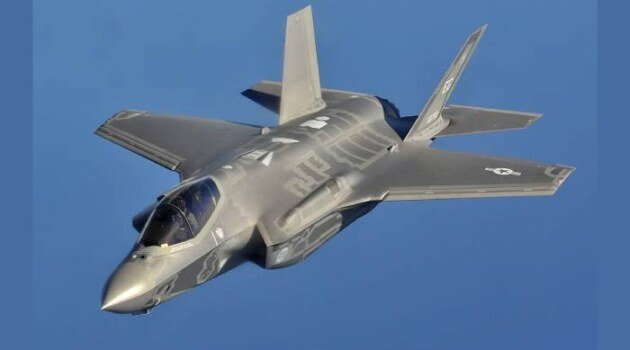
- Finland is preparing to receive its first F-35A fighters as part of a 64-aircraft procurement program.
- The Finnish Air Force is upgrading bases, training personnel, and integrating new logistics systems.
- The program strengthens NATO’s northern flank and enhances regional deterrence against Russia.
- Initial deliveries are expected later this decade, with full operational capability planned in the 2030s.
- The F-35 will replace Finland’s legacy F/A-18 Hornet fleet and redefine its air combat doctrine.
Finland F-35 Fighters Arrival Marks Critical Transition Phase
Finland F-35 fighters arrival is entering a decisive phase as the Finnish Air Force accelerates preparations to integrate its first fifth-generation aircraft, marking a major shift in Nordic airpower and NATO interoperability.
The Big Picture
Finland’s transition to the F-35A comes amid a broader transformation of NATO’s northern defenses following Helsinki’s accession to the alliance in 2023.
Northern Europe has become a focal point for deterrence planning. Russia’s military posture along its western borders and in the Arctic continues to drive modernization efforts among Nordic states. Finland’s decision to procure 64 F-35A fighters aligns it with other regional operators, including Norway and Denmark, creating a more integrated fifth-generation ecosystem.
The move also reflects a wider U.S.-led push to standardize allied airpower capabilities around the F-35 platform, enabling shared logistics, data fusion, and joint operations.
What’s Happening
The Finnish Air Force is preparing infrastructure, personnel, and operational concepts ahead of the Finland F-35 fighters arrival, according to official updates from the Finnish Defence Forces.
Finland selected the F-35A in 2021 under its HX Fighter Program to replace its aging F/A-18 Hornet fleet. The country plans to acquire 64 aircraft, with deliveries expected to begin in the coming years and continue into the early 2030s.
Preparations include:
- Upgrading air bases to support F-35 operations, including hardened shelters and secure data systems
- Training pilots and maintenance crews, both domestically and in the United States
- Establishing new logistics and sustainment frameworks tailored to the F-35’s requirements
- Integrating advanced mission planning and data-sharing systems
The Finnish Defence Forces emphasize that the transition involves not only new aircraft but also a complete overhaul of operational concepts.
Why It Matters
The Finland F-35 fighters arrival represents a generational leap in capability for the Finnish Air Force.
The F-35A provides stealth, advanced sensors, and data fusion capabilities that significantly enhance situational awareness and survivability. These features allow Finland to detect, track, and engage threats at longer ranges while operating in contested environments.

Replacing the F/A-18 Hornet with the F-35 also shifts Finland’s air doctrine from traditional air defense toward network-centric warfare. The aircraft acts as both a sensor and a shooter, enabling distributed operations across multiple domains.
From a policy perspective, the acquisition reinforces Finland’s integration into NATO’s command structure and strengthens interoperability with U.S. and allied forces.
Strategic Implications
Finland’s adoption of the F-35 strengthens NATO’s deterrence posture along its northeastern flank.
The aircraft’s ability to operate in highly contested environments improves NATO’s capacity to monitor and respond to activity in the Baltic Sea region and the Arctic. Finland’s geographic position gives it strategic depth, allowing F-35 operations to cover key approaches to Northern Europe.
The growing concentration of F-35 operators in the Nordic region creates a networked force capable of sharing real-time data across borders. This enhances collective situational awareness and reduces response times in crisis scenarios.
The Finland F-35 fighters arrival also signals a shift toward integrated air and missile defense architectures, where fifth-generation fighters play a central role.
Competitor View
Russia is likely to view Finland’s F-35 program as a significant enhancement of NATO’s capabilities near its borders.
Moscow has long expressed concern over NATO expansion and the deployment of advanced Western systems in neighboring countries. The introduction of stealth aircraft capable of penetrating air defenses adds complexity to Russia’s regional military planning.
The presence of multiple F-35 operators in Northern Europe could challenge Russia’s ability to maintain air superiority in the region, particularly in contested scenarios involving the Baltic Sea or Arctic approaches.
At the same time, Russia continues to invest in counter-stealth technologies and integrated air defense systems, which will shape how both sides adapt operationally.
What To Watch Next
The next phase of the Finland F-35 fighters arrival will focus on delivery milestones and operational integration.
Key developments to monitor include:
- First aircraft deliveries and initial operational testing
- Expansion of pilot training pipelines
- Certification of upgraded air bases
- Integration with NATO command and control systems
- Progress toward initial and full operational capability
These milestones will determine how quickly Finland can transition from legacy systems to a fully operational fifth-generation force.
Capability Gap
Finland’s F-35 acquisition addresses several critical gaps in its current airpower structure.
The F/A-18 Hornet, while upgraded over time, lacks the stealth and sensor fusion capabilities required for modern high-threat environments. This limits its effectiveness against advanced air defense systems and next-generation adversary aircraft.
The F-35 fills this gap by enabling:
- Penetration of contested airspace
- Advanced intelligence, surveillance, and reconnaissance missions
- Seamless integration with allied forces
However, the platform also introduces challenges. The F-35 requires complex maintenance, secure data infrastructure, and sustained funding for lifecycle support. These factors will shape long-term operational readiness.
The Bottom Line
Finland F-35 fighters arrival marks a decisive shift toward fifth-generation airpower that strengthens NATO’s northern defenses and reshapes regional deterrence dynamics.
¦ KEY FACTS AT A GLANCE- Iran and Russia reportedly signed a secret €500 million missile deal in December 2025, according to the Financial Times.
- The pact covers delivery of 500 Verba man portable air defense launch units and 2,500 9M336 missiles through 2027 to 2029.
- The Verba systems are infrared guided MANPADS designed to target low altitude threats including drones and cruise missiles.
- The deal follows damage to Iran’s air defense network during the 2025 conflict with Israel.
- The agreement reflects deepening military cooperation between Tehran and Moscow.
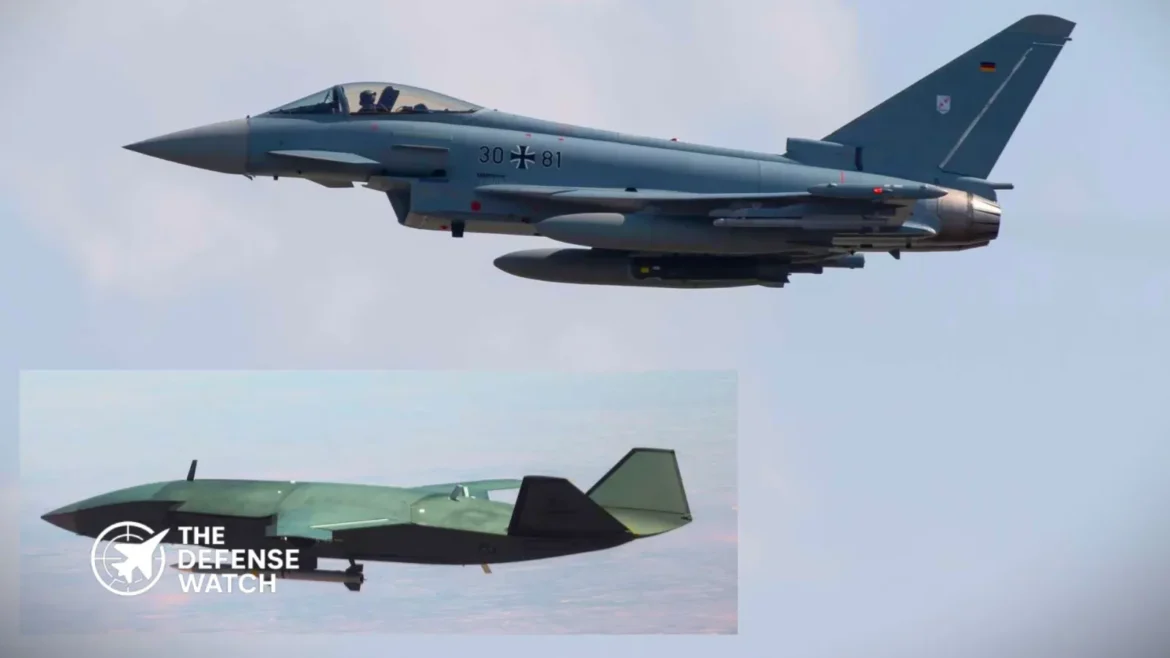
The MQ-28 Ghost Bat Germany evaluation marks a notable step in Europe’s exploration of collaborative combat aircraft to support manned fighter operations. Germany, as part of its broader modernization efforts within the Luftwaffe of Germany, is assessing unmanned systems designed to operate alongside platforms such as the Eurofighter Typhoon to extend sensing, strike, and survivability capabilities.
This move reflects a wider shift among NATO members toward integrating loyal wingman drones into frontline air operations, aiming to improve mission flexibility while reducing risk to pilots.
Germany Advances Loyal Wingman Concept
Germany’s evaluation of the MQ-28 Ghost Bat aligns with ongoing efforts to incorporate autonomous and semi-autonomous systems into European air combat doctrine. Originally developed under Australia’s Collaborative Combat Aircraft program, the MQ-28 is designed to accompany crewed fighters and perform tasks such as reconnaissance, electronic warfare support, and threat engagement.
For Germany, the interest in such a platform highlights the operational need to enhance the capabilities of its Eurofighter fleet without immediately replacing existing aircraft. By pairing manned fighters with unmanned wingmen, the Luftwaffe can potentially expand sensor reach and distribute combat workloads across multiple platforms.
Integration With Eurofighter Typhoon Operations
The Eurofighter Typhoon remains a core component of Germany’s air defense and strike capability. Integrating a loyal wingman like the MQ-28 Ghost Bat could allow Eurofighter pilots to command or coordinate multiple unmanned assets in contested environments.
This concept supports several operational advantages. First, it can extend the radar and sensor footprint of the formation. Second, it may allow unmanned units to take on higher-risk roles such as forward reconnaissance or electronic attack. Third, it can help preserve manned aircraft by shifting certain mission elements to autonomous platforms.
Defense analysts note that pairing advanced fighters with unmanned systems is becoming a standard approach among modern air forces seeking distributed lethality and greater mission resilience.
Strategic Context Within NATO Modernization
Germany’s evaluation is consistent with broader NATO efforts to modernize air combat capabilities in response to evolving threats. Several allied nations are exploring similar collaborative combat aircraft programs, often referred to as loyal wingman systems.
These initiatives aim to address challenges posed by advanced integrated air defense systems, electronic warfare environments, and the increasing use of unmanned platforms in contested airspace. By deploying a mix of crewed and uncrewed assets, air forces can complicate adversary targeting while maintaining operational flexibility.
Within this framework, the MQ-28 Ghost Bat Germany assessment represents an exploratory step rather than a formal procurement decision. It allows German defense planners to examine interoperability, mission roles, and integration requirements with existing NATO systems.
Industrial and Operational Implications
If Germany proceeds beyond evaluation, integration of loyal wingman platforms could influence both operational doctrine and defense industry collaboration. European defense contractors may seek partnerships or adaptations to align similar unmanned systems with existing fighter fleets.
For the Luftwaffe, adopting such systems would require development in areas including command and control, secure data links, and human-machine teaming. Training programs would also need to evolve to enable pilots to effectively manage multiple unmanned assets during missions.
While no final acquisition decision has been announced, the MQ-28 Ghost Bat Germany evaluation underscores growing interest in modular, networked air combat architectures across Europe.
¦ KEY FACTS AT A GLANCE- Russia has modified the Geran-2 loitering munition to carry and deploy FPV drones during long-range strike missions.
- The system acts as a drone carrier, releasing smaller FPV drones closer to frontline or high-value targets.
- This approach extends operational reach while reducing vulnerability of short-range FPV systems.
- The concept reflects evolving Russian tactics focused on layered and networked drone warfare.
- The development underscores growing importance of low-cost, high-impact UAV solutions in Ukraine.
Russia Geran-2 FPV Drone Carrier Marks Shift In Deep Strike Strategy
Russia’s Geran-2 FPV drone carrier concept signals a notable shift in how Moscow is adapting unmanned systems for long-range strike operations in Ukraine. According to reporting by Army Recognition, Russian forces have modified the Geran-2 loitering munition to act as a delivery platform for first-person view (FPV) drones, effectively extending their operational reach.
The Geran-2, widely assessed as a Russian-produced variant of the Iranian Shahed-136, has been used extensively for infrastructure strikes. Its conversion into a drone carrier introduces a new layer of tactical flexibility, allowing it to deploy smaller, highly maneuverable FPV drones closer to defended or mobile targets.
This evolution reflects a broader trend in the conflict, where both Russia and Ukraine are rapidly iterating on unmanned systems to gain operational advantages.
Expanding Reach Of FPV Drone Operations
FPV drones have become a defining feature of the war in Ukraine due to their low cost, precision, and adaptability. However, their limited range has constrained their use primarily to frontline engagements.
The Russia Geran-2 FPV drone carrier addresses this limitation by using a long-range loitering munition as a transport node. Once the Geran-2 reaches a designated area, it can release FPV drones, which then conduct terminal attacks against vehicles, defensive positions, or infrastructure.
This layered approach effectively combines the endurance of long-range UAVs with the precision of short-range strike drones. It also complicates air defense efforts, as defenders must now counter both the carrier platform and the deployed FPV systems.
From an operational standpoint, this method allows Russian forces to strike deeper into Ukrainian territory without relying solely on more expensive cruise missiles or manned aircraft.
Tactical And Operational Implications
The introduction of a Russia Geran-2 FPV drone carrier suggests a growing emphasis on distributed and networked warfare. By integrating multiple drone types into a single mission profile, Russian forces can create more complex attack patterns.
This approach offers several advantages:
- Increased survivability for FPV drones by reducing exposure during transit
- Enhanced targeting flexibility against dynamic or time-sensitive targets
- Greater saturation potential against air defense systems
At the same time, the concept introduces new challenges. Coordinating the release and control of FPV drones from a moving carrier platform requires reliable communication links and precise timing. Electronic warfare, already a major factor in the conflict, could disrupt these operations.
Western defense analysts have noted that such adaptations demonstrate how quickly lessons from the battlefield are being translated into new capabilities. The use of hybrid drone systems also reflects a cost-imposition strategy, forcing defenders to expend higher-value interceptors against relatively inexpensive threats.
Broader Context In UAV Warfare Evolution
The Russia Geran-2 FPV drone carrier development fits into a wider pattern of innovation in unmanned warfare. Both sides in the Ukraine conflict have increasingly relied on modular and improvised solutions to enhance combat effectiveness.
Ukraine has pioneered the use of FPV drones for precision strikes against armored vehicles and logistics nodes. Russia’s adaptation appears to build on similar principles but extends their reach through integration with existing long-range platforms.
This trend highlights a shift away from traditional, platform-centric warfare toward more flexible, system-of-systems approaches. In this model, relatively simple technologies are combined to achieve effects traditionally associated with more advanced and costly systems.
Strategic Significance
From a strategic perspective, the emergence of the Russia Geran-2 FPV drone carrier underscores the growing importance of unmanned systems in modern conflict. It also illustrates how incremental modifications can yield meaningful operational gains.
The ability to project FPV drone strikes over longer distances could increase pressure on Ukrainian rear areas, including logistics hubs and command nodes. It may also force Ukraine to adapt its air defense posture, potentially diverting resources from other critical areas.
At the same time, the effectiveness of this approach will depend on factors such as reliability, production scale, and countermeasures. Electronic warfare, improved air defenses, and counter-drone technologies could limit its impact.
¦ KEY FACTS AT A GLANCE- The United States has reportedly suffered its first-ever combat loss of an E-3 Sentry AWACS aircraft.
- The aircraft was damaged or destroyed during an Iranian strike on Prince Sultan Air Base in Saudi Arabia.
- The E-3 Sentry plays a critical role in airborne early warning, command, and control operations.
- The incident underscores growing threats to high-value airborne and ground-based assets in the Middle East.
- The strike reflects escalating regional tensions and expanding Iranian long-range strike capabilities.
US E-3 Sentry Combat Loss Marks Turning Point In Airpower Vulnerability
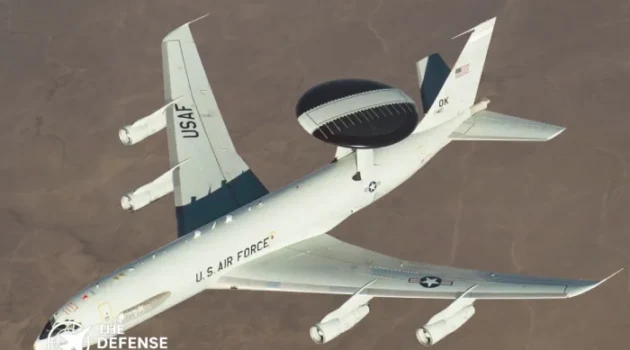
The US E-3 Sentry combat loss marks a significant development in modern air warfare, following an Iranian strike on Prince Sultan Air Base in Saudi Arabia that reportedly damaged or destroyed the high-value airborne early warning aircraft.
According to reports, the incident represents the first confirmed combat loss of an E-3 Sentry since the platform entered service in the late Cold War era. The aircraft, operated by the US Air Force, is a cornerstone of airborne command and control, providing real-time surveillance, battle management, and coordination across joint forces.
While details remain limited, the strike is believed to have targeted the airbase using long-range precision munitions, potentially including ballistic or cruise missiles. The base has served as a key hub for US air operations in the region.
Strategic Role Of The E-3 Sentry In Modern Warfare
The E-3 Sentry, commonly referred to as AWACS, is built on a modified Boeing 707 airframe and equipped with a distinctive rotating radar dome. It can detect and track airborne and maritime threats at extended ranges, while directing friendly aircraft and coordinating complex operations.
Losing such a platform, even on the ground, carries operational and symbolic consequences.
From an operational standpoint, the US E-3 Sentry combat loss reduces available airborne surveillance capacity in a region where persistent monitoring is critical. These aircraft are limited in number, and their replacement is both costly and time-consuming.
From a strategic perspective, the incident highlights a shift in threat environments. High-value assets that were once considered relatively secure at rear-area bases are now increasingly vulnerable to precision strikes.
Iranian Strike Capabilities And Regional Escalation
The reported strike reflects the growing sophistication of Iran’s long-range strike arsenal. Over the past decade, Tehran has invested heavily in ballistic missiles, cruise missiles, and unmanned systems designed to penetrate air defenses and strike high-value targets.
Previous attacks on regional infrastructure, including energy facilities and military installations, have demonstrated both range and accuracy improvements. The ability to target a heavily defended airbase hosting US assets suggests continued refinement of targeting and strike coordination.
The US E-3 Sentry combat loss therefore fits into a broader pattern of evolving asymmetric capabilities aimed at offsetting conventional US military advantages.
Implications For US Force Posture And Base Defense
This incident is likely to trigger a reassessment of US force protection measures across the Middle East.
Airbases that host critical assets such as AWACS, tanker aircraft, and command platforms may require enhanced missile defense coverage, hardened shelters, and dispersal strategies. The vulnerability of fixed infrastructure has been a growing concern, particularly as adversaries expand their precision strike reach.
In practical terms, the US E-3 Sentry combat loss may accelerate efforts to:
- Increase deployment of layered air and missile defense systems
- Disperse high-value aircraft across multiple locations
- Invest in survivable and distributed command-and-control architectures
It also reinforces ongoing discussions about transitioning some AWACS functions to space-based and distributed sensor networks.
Broader Impact On Airborne Early Warning Operations
The loss underscores the enduring importance, and vulnerability, of airborne early warning platforms in contested environments.
While next-generation systems are under development, including more survivable and networked solutions, the E-3 Sentry remains a primary asset for US and allied forces. Any reduction in availability could affect operational tempo and situational awareness in high-risk theaters.
At the same time, adversaries are clearly prioritizing these platforms as high-value targets, both for their operational role and their strategic significance.
¦ KEY FACTS AT A GLANCE- UK-based Pulsar Fusion achieved “first plasma” in its Mark I Sunbird exhaust test system in March 2026.
- The demonstration used krypton propellant and a combination of electric and magnetic fields to generate and confine plasma in the exhaust architecture.
- The test was conducted at the company’s facility in Bletchley, UK, and live-streamed during a technical session at Amazon’s MARS Conference hosted by Jeff Bezos.
- Pulsar Fusion CEO Richard Dinan described the milestone as an “exceptional moment” for the Sunbird nuclear fusion rocket program.
- The Sunbird is designed as an in-space “tugboat” to dock with spacecraft in low Earth orbit and provide high-performance propulsion for deep-space missions.
- Next steps include plasma diagnostics in June 2026, superconducting magnet upgrades, and an in-orbit demonstration of core technology targeted for 2027.
Pulsar Fusion Reaches Early Milestone in Nuclear Fusion Rocket Development
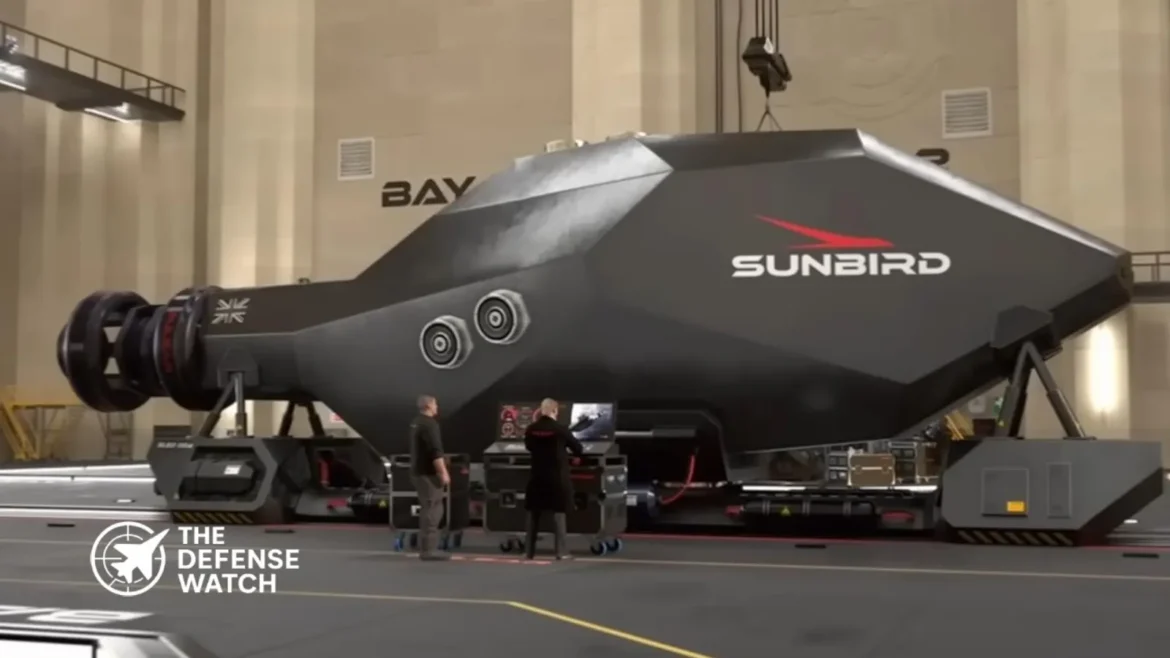
Pulsar Fusion has achieved first plasma in the exhaust test system of its Sunbird nuclear fusion rocket concept, the UK company announced on March 25, 2026.
The test represents an initial validation of plasma generation and confinement in the physical architecture intended for the Sunbird propulsion system. Conducted at the company’s facility in Bletchley, UK, the experiment was live-streamed during a technical session at Amazon’s MARS Conference in California.
Pulsar Fusion CEO Richard Dinan described the demonstration as an “exceptional moment” for the program. The test used krypton propellant and a combination of electric anda magnetic fields to guide and accelerate charged particles through the exhaust channel.
Technical Details of the Sunbird Test
The Mark I Sunbird exhaust test system successfully produced and confined plasma, marking the first such demonstration for this specific fusion rocket architecture. Unlike traditional chemical rockets, the approach aims to leverage fusion principles for high specific impulse and sustained thrust.
Pulsar Fusion’s Sunbird concept centers on a Dual Direct Fusion Drive (DDFD) using deuterium and helium-3 for an aneutronic reaction. The system is engineered to function as an orbital “space tug,” docking with spacecraft in low Earth orbit rather than launching payloads directly from the ground.
Company projections indicate that a mature Sunbird vehicle could deliver 1,000 to 2,000 kilograms of payload to Mars orbit in under six months, compared with roughly 10 months using conventional chemical propulsion for similar mass missions. These performance claims remain conceptual at this stage and depend on successful scaling of the technology.
Development Timeline and Next Steps
Pulsar Fusion has outlined a phased approach. Static testing of components is underway, with an in-orbit demonstration (IOD) of core technology elements targeted for 2027. In June 2026, the team plans to introduce Langmuir probes and a Retarding Potential Analyzer to collect data on plasma behavior, plume characteristics, and thermal loads.
Future upgrades include more powerful superconducting magnets for improved plasma containment and control. The company is also collaborating with the UK Atomic Energy Authority (UKAEA) on neutron shielding and activation modeling to support long-term system durability.
The Sunbird program builds on Pulsar Fusion’s existing work in electric propulsion, including Hall Effect Thrusters, while pursuing the higher-performance fusion pathway.
Implications for Deep-Space Missions
Nuclear fusion propulsion, if realized at scale, could address key limitations of current systems. Chemical rockets offer high thrust but low efficiency, while electric propulsion provides high specific impulse but low thrust. A fusion drive seeks to combine advantages, enabling continuous acceleration and shorter transit times for crewed and uncrewed missions.
For defense and national security applications, faster interplanetary transit could enhance responsiveness in cislunar operations, satellite servicing, or logistics support for future space architectures. U.S. and allied programs, including those under NASA and the Department of Defense, continue to monitor advanced propulsion concepts for potential integration into long-term space domain awareness and sustainment strategies.
However, significant engineering challenges remain. Sustained fusion reactions, materials capable of withstanding extreme conditions, radiation shielding, and overall system mass must be addressed before operational viability. The current milestone is limited to an exhaust test system using krypton and does not yet involve actual fusion reactions.
Analysis: Context Within Broader Aerospace Propulsion Efforts
From a defense aerospace perspective, Pulsar Fusion’s progress occurs amid renewed global interest in high-energy propulsion technologies. The United States maintains active research through NASA’s Innovative Advanced Concepts program and DARPA initiatives exploring nuclear thermal and nuclear electric propulsion. European and Asian efforts similarly target breakthroughs in efficiency for deep-space access.
The Sunbird concept, while ambitious, aligns with broader trends toward reusable in-space transportation systems. Operating as a tug reduces the need for every mission to carry its own high-delta-V propulsion, potentially lowering costs for satellite operators and government payloads.
Success in the 2027 IOD would provide critical flight data on power generation, thrust vectoring, and long-duration operation in the space environment. Failure modes, particularly related to plasma stability and component erosion, will require rigorous mitigation.
Pulsar Fusion’s approach benefits from UK expertise in fusion research, including facilities and modeling support from UKAEA. For U.S. observers, this development underscores the value of allied innovation in dual-use technologies that could support both commercial space growth and military space objectives.
Challenges and Realistic Outlook
Achieving first plasma in a test exhaust system is a necessary but preliminary step. Full fusion ignition, net energy gain in a propulsion-relevant configuration, and integration into a flight-ready vehicle represent far greater hurdles. Historical fusion programs have demonstrated that laboratory milestones do not always translate directly to compact, reliable space systems.
Regulatory, safety, and international cooperation aspects will also influence deployment. Nuclear-powered systems require careful handling of fuels, launch approvals, and orbital debris considerations.
Nevertheless, incremental progress by private entities like Pulsar Fusion contributes to the overall knowledge base. Shared data from such tests can inform parallel government-led efforts, accelerating collective advancement in propulsion technology.
■ KEY FACTS AT A GLANCE- ► Dutch F-35s deployed to the United States for high-tempo combat training operations.
- ► Training focuses on complex, large-scale air combat scenarios and interoperability.
- ► Deployment enhances NATO readiness amid evolving global security challenges.
- ► U.S.-based training provides access to advanced ranges and joint-force integration.
- ► Move underscores the Netherlands’ commitment to high-end airpower modernization.
Dutch F-35 Deployment To United States Strengthens Combat Readiness
The Dutch F-35 deployment to the United States marks a significant step in advancing high-tempo combat training and operational readiness for the Royal Netherlands Air Force.
The deployment places Dutch fifth-generation fighters in one of the most demanding training environments available to NATO air forces.
The aircraft involved are the F-35 Lightning II, a platform designed for stealth, sensor fusion, and network-centric warfare. By relocating to the United States, Dutch crews gain access to expansive training ranges and advanced simulation environments not available in Europe.
This move reflects a broader NATO trend of leveraging U.S.-based infrastructure to prepare allied air forces for high-intensity conflict scenarios.
High-Tempo Training Focuses On Complex Combat Scenarios
The primary goal of the deployment is to conduct high-tempo combat training that replicates real-world operational stress. This includes large-force employment exercises, multi-domain integration, and sustained sortie generation under pressure.
Training in the U.S. allows Dutch pilots to operate in complex airspace alongside American and allied aircraft. These environments simulate contested battlespaces, including electronic warfare, integrated air defense systems, and coordinated strike missions.
Such scenarios are critical for modern air warfare. Fifth-generation platforms like the F-35 are designed to operate as part of a network, not as standalone fighters. Training alongside U.S. forces enhances interoperability at both tactical and operational levels.
From an analytical standpoint, this type of training directly supports NATO’s shift toward deterrence by denial. Instead of relying solely on numerical strength, alliance airpower is increasingly focused on technological superiority and coordinated execution.
Strategic Value Of U.S.-Based Training Infrastructure
One of the key advantages of the Dutch F-35 deployment to the United States is access to large-scale training ranges. U.S. facilities offer expansive airspace, advanced threat replication systems, and integrated joint-force participation.
These elements are difficult to replicate in European airspace due to geographic and regulatory constraints.
The U.S. training ecosystem also supports live, virtual, and constructive training environments. This allows pilots to engage simulated threats that mirror near-peer adversary capabilities, including advanced surface-to-air missile systems and electronic attack platforms.
For the Netherlands, this represents a cost-effective way to maintain high readiness without duplicating infrastructure at home.
Enhancing NATO Interoperability And Deterrence
The deployment underscores the Netherlands’ commitment to NATO interoperability. Operating the F-35 within a multinational framework ensures that Dutch forces can seamlessly integrate into allied operations.
This is particularly relevant as more NATO members adopt the F-35 platform. Shared systems, data links, and operational concepts enable coordinated missions across national boundaries.
Interoperability is not just technical. It also involves doctrine, communication, and decision-making processes. Training in the United States accelerates alignment in these areas.
From a geopolitical perspective, such deployments send a clear signal of allied cohesion. They demonstrate that NATO air forces are actively preparing for high-end conflict scenarios, reinforcing deterrence against potential adversaries.
Operational Readiness And Force Generation
High-tempo training also tests the ability of units to sustain operations over time. This includes logistics, maintenance, and personnel endurance.
For the Royal Netherlands Air Force, deploying F-35s overseas provides valuable experience in expeditionary operations. It validates the ability to project airpower beyond national borders and sustain it in demanding conditions.
This is increasingly important as NATO emphasizes rapid response and forward presence.
The deployment also contributes to force generation cycles. Units returning from such training are typically better prepared for operational deployments, having already experienced realistic combat conditions.
Broader Implications For European Airpower
The Dutch F-35 deployment to the United States highlights a broader shift in European defense posture. Air forces are investing in advanced platforms and training methods to address evolving threats.
Fifth-generation aircraft are central to this transformation. However, their effectiveness depends on how they are employed. Training, therefore, becomes as important as procurement.
By integrating into U.S.-based exercises, European allies can accelerate their learning curve and maximize the capabilities of their F-35 fleets.
This approach also strengthens transatlantic defense ties. It reinforces the role of the United States as a central hub for advanced military training and operational integration.
Conclusion
The Dutch F-35 deployment to the United States represents more than a routine training rotation. It is a deliberate effort to enhance combat readiness, interoperability, and strategic deterrence.
As NATO adapts to a more complex security environment, such initiatives will play a critical role in maintaining a credible and capable airpower posture.
¦ KEY FACTS AT A GLANCE- Brazil has assembled its first domestically built supersonic fighter jet under a technology transfer program.
- The aircraft is part of the Gripen E/F program developed with Swedish manufacturer Saab.
- The initiative strengthens Brazil’s defense industrial base and reduces reliance on foreign production.
- Assembly takes place at Embraer’s facility, with full operational capability expected later this decade.
- The program positions Brazil as a regional leader in advanced combat aviation manufacturing.
Brazil Supersonic Fighter Jet Program Moves Into Domestic Assembly Phase
Brazil’s supersonic fighter jet program reached a key milestone with the first aircraft assembled domestically, marking a major step in the country’s long-term airpower modernization strategy.
The development reflects years of industrial cooperation between Brazil and Sweden and signals a shift toward greater self-reliance in advanced military aviation.
The Big Picture
Brazil has steadily expanded its defense industrial base as part of a broader effort to secure technological sovereignty in high-end military systems.
The country’s aerospace sector, led by Embraer, already holds a strong position in transport aircraft and regional jets. Moving into supersonic fighter production places Brazil among a small group of nations capable of assembling advanced combat aircraft domestically.
The program also aligns with global trends where middle powers seek to reduce dependence on external suppliers, especially in critical defense technologies.
What’s Happening
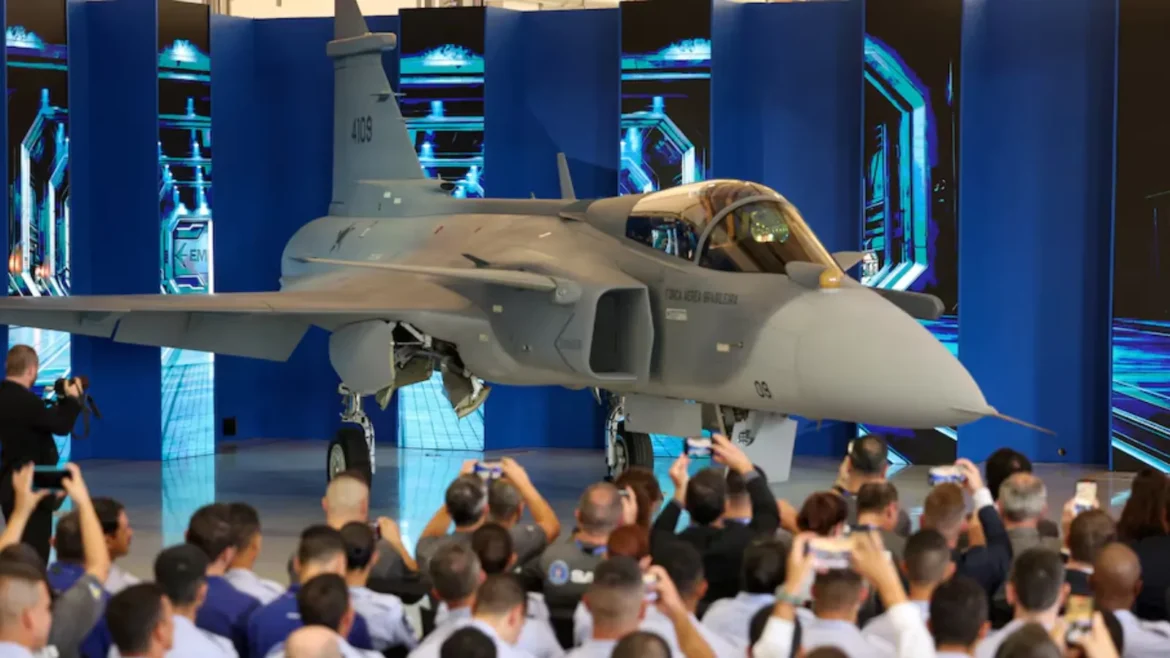
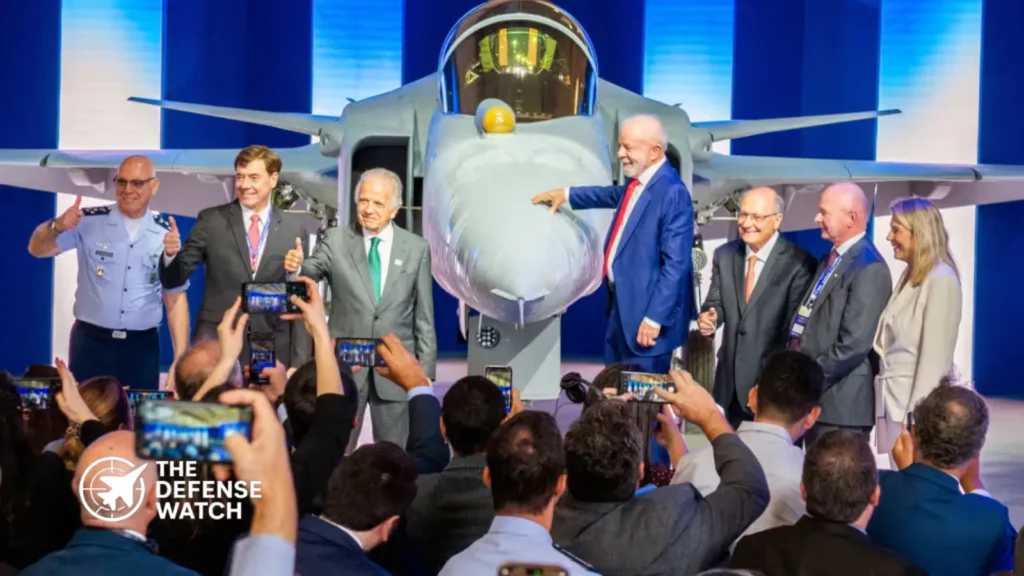
Brazil assembled its first domestically built supersonic fighter jet under the Gripen E/F program, developed in partnership with Swedish defense firm Saab.
The aircraft was assembled at Embraer’s facility in Gavião Peixoto, which serves as the central hub for Brazil’s fighter production and testing activities.

People attend Embraer and Swedish defence company Saab’s presentation of the first Gripen fighter jet assembled in Brazil at the Gaviao Peixoto plant in the state of Sao Paulo, Brazil, March 25, 2026. The program stems from a contract signed in 2014 for 36 Gripen fighters for the Brazilian Air Force. It includes extensive technology transfer provisions, allowing Brazilian engineers and technicians to participate in design, development, and assembly processes.
Initial aircraft were built in Sweden, but production is gradually shifting to Brazil as local capabilities mature.
Why It Matters
Domestic assembly of a supersonic fighter jet significantly enhances Brazil’s defense autonomy.
Local production reduces dependence on foreign supply chains and allows greater control over maintenance, upgrades, and lifecycle costs. It also strengthens Brazil’s ability to adapt the aircraft to specific operational requirements.
The program supports workforce development in advanced engineering fields, including avionics, systems integration, and aerostructures. These capabilities often spill over into civilian aerospace and other high-technology sectors.
For the Brazilian Air Force, the Gripen platform offers modern capabilities such as advanced sensors, network-centric warfare integration, and multirole flexibility.
Strategic Implications
Brazil’s supersonic fighter jet effort reshapes the balance of aerospace capability in Latin America.
The country now holds a unique position as a regional hub for advanced fighter production and sustainment. This capability could support future export opportunities or regional maintenance services.
The program also enhances Brazil’s deterrence posture. A modern fighter fleet equipped with advanced sensors and weapons improves airspace control and response capability.
From a geopolitical perspective, the partnership with Sweden reflects a diversified defense procurement strategy. Brazil avoids overreliance on any single major power while gaining access to high-end Western technology.
Competitor View
Regional competitors are likely to view Brazil’s progress as a significant upgrade in capability rather than a direct threat.
Countries such as Argentina and Chile operate modern aircraft but lack comparable domestic production capacity. Brazil’s industrial edge could translate into long-term operational advantages, particularly in sustainment and upgrades.
Global powers such as China and Russia may interpret the program as part of a broader trend of technology diffusion. However, Brazil’s reliance on Western systems and partnerships limits strategic alignment with those competitors.
What To Watch Next
The next phase focuses on increasing the share of locally produced components and expanding assembly rates.
Brazil will continue testing and certifying domestically assembled aircraft to ensure full operational capability within the Brazilian Air Force.
Future milestones include:
Completion of remaining aircraft deliveries
Integration of additional weapons and systems
Potential follow-on orders or export opportunitiesObservers will also watch whether Brazil expands its role from assembly to deeper design participation in future variants.
Capability Gap
Brazil’s supersonic fighter jet program addresses a long-standing gap in advanced combat aviation capability.
Before the Gripen acquisition, the Brazilian Air Force relied on aging platforms that lacked modern sensors and network integration.
The new aircraft provides improved situational awareness, beyond-visual-range engagement capability, and interoperability with allied systems.
However, limitations remain. Brazil still depends on foreign suppliers for key subsystems, including engines and certain avionics components. Full independence in fighter production remains a long-term objective rather than an immediate reality.
The Bottom Line
Brazil’s domestically assembled supersonic fighter jet marks a decisive step toward aerospace independence and strengthens its position as a leading defense industrial power in Latin America.
¦ KEY FACTS AT A GLANCE- Pentagon is evaluating a second production line for the B-21 Raider stealth bomber.
- The move aims to increase production rates and accelerate delivery timelines.
- Expansion reflects growing demand for long-range strike capabilities amid global competition.
- The B-21 program is central to replacing aging B-1 and B-2 bomber fleets.
- Decision could reshape U.S. strategic deterrence posture over the next decade.
Pentagon Considers Expanding B-21 Raider Production Capacity
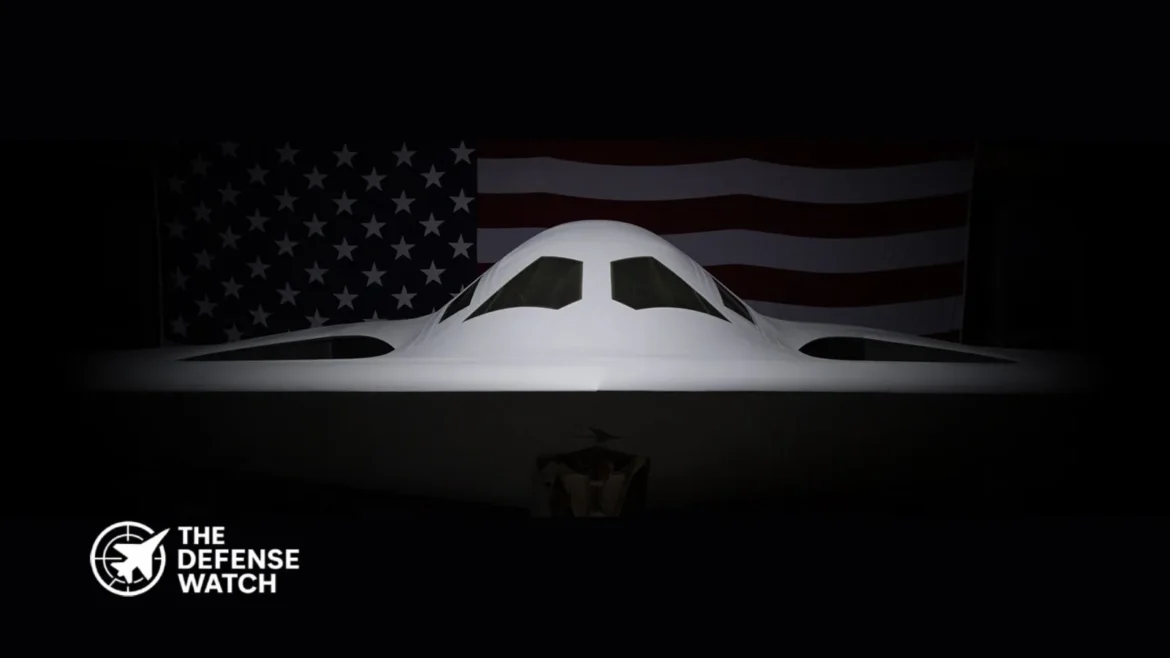
The B-21 Raider production line is under review as the Pentagon considers adding a second manufacturing line to accelerate delivery of its next-generation stealth bomber fleet.
The move reflects growing urgency within the U.S. Air Force to expand long-range strike capacity as global security dynamics shift and peer competition intensifies.
The Big Picture
The U.S. military is prioritizing long-range strike capabilities as a cornerstone of its modernization strategy. Stealth bombers remain one of the few platforms capable of penetrating advanced air defense systems operated by near-peer adversaries.
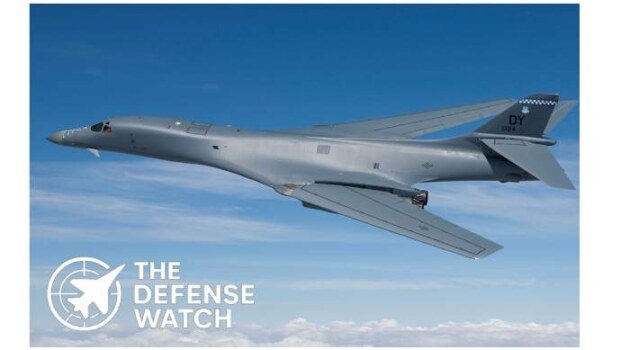
The B-21 Raider program sits at the center of this effort. Designed to replace portions of the aging B-1B Lancer and B-2 Spirit fleets, the aircraft is expected to provide both conventional and nuclear strike options under the U.S. nuclear triad.
Senior defense officials have increasingly emphasized the need for survivable, penetrating platforms that can operate in contested environments, particularly in the Indo-Pacific and European theaters.
What’s Happening
The Pentagon is actively assessing whether to establish a second B-21 Raider production line to increase output beyond current manufacturing capacity.
The aircraft is being developed and produced by Northrop Grumman, with initial production centered at its primary facilities in California. The evaluation comes as the U.S. Air Force signals interest in expanding the planned fleet size beyond earlier projections.
Officials are weighing industrial base capacity, cost implications, and supply chain resilience as part of the decision-making process.
The U.S. Air Force has previously indicated a minimum requirement of 100 B-21 aircraft, though recent discussions suggest that number could increase in response to evolving operational needs.
Why It Matters
The decision to expand B-21 Raider production capacity would directly affect the pace at which the U.S. can modernize its bomber fleet.
Faster production timelines would allow the Air Force to retire legacy aircraft sooner, reducing sustainment costs tied to aging platforms. At the same time, it would accelerate the deployment of stealth capabilities designed to survive in high-threat environments.
The B-21 is also designed with open architecture systems, allowing for rapid upgrades and integration of new technologies. Scaling production earlier in the program lifecycle could help standardize configurations and reduce long-term lifecycle costs.
Strategic Implications
Increasing B-21 production capacity would strengthen U.S. deterrence by improving the availability of long-range strike assets.
A larger stealth bomber fleet enhances operational flexibility. Commanders gain more options for global strike missions, persistent presence, and rapid response scenarios.
The move would also signal a long-term commitment to maintaining technological superiority in stealth and penetrating strike capabilities.
From an industrial perspective, a second production line could improve resilience against supply chain disruptions. It would also distribute workload across multiple facilities, potentially reducing bottlenecks.
Competitor View
China continues to invest heavily in integrated air defense systems and long-range strike capabilities, including its own stealth bomber development efforts. A larger U.S. B-21 fleet would complicate Chinese defense planning by increasing the number of survivable penetrating platforms.
Russia maintains a layered air defense network and is pursuing modernization of its bomber fleet. Increased U.S. stealth bomber production reinforces NATO’s long-range strike capabilities and strengthens deterrence in the European theater.
Both competitors are likely to interpret expanded B-21 production as a signal of sustained U.S. investment in strategic strike dominance.
What To Watch Next
Key milestones will include decisions on funding allocations within upcoming U.S. defense budgets and formal approval of any additional production infrastructure.
Observers will also track production rates as the B-21 transitions from low-rate initial production to full-rate manufacturing.
Testing and operational evaluation phases will remain critical. These will determine how quickly the aircraft can achieve initial operational capability and integrate into active units.
Capability Gap
The B-21 Raider production line expansion aims to address a clear capability gap in long-range, survivable strike capacity.
The current bomber fleet includes aging platforms that face increasing maintenance challenges and limited survivability against advanced air defenses.
However, scaling production introduces risks. Industrial capacity constraints, workforce availability, and supply chain dependencies could affect timelines and costs.
Balancing speed with program stability will remain a key challenge for the Pentagon.
The Bottom Line
Expanding B-21 Raider production would accelerate U.S. bomber modernization and strengthen long-range deterrence against advanced adversaries.
¦ KEY FACTS AT A GLANCE- China is increasing production capacity for both J-20 and J-35 stealth fighters.
- Expanded manufacturing lines aim to accelerate delivery of fifth-generation aircraft to the PLA.
- The move supports China’s broader strategy to compete with U.S. and allied airpower in the Indo-Pacific.
- J-20 production continues to scale, while J-35 is positioned for both naval and export roles.
- China is shifting from limited production to sustained high-rate output of stealth fighters.
China Stealth Fighter Production Expands Rapidly
China stealth fighter production is accelerating as Beijing increases manufacturing capacity for both the J-20 and the emerging J-35 programs, signaling a sustained push to expand its fifth-generation combat aircraft fleet.
The Big Picture
China is moving from incremental modernization to large-scale force expansion. The focus is no longer just on fielding advanced platforms, but on producing them in volume.
The United States has long maintained an advantage in fifth-generation aircraft numbers through the F-22 and F-35 programs. China’s current effort suggests a shift toward narrowing that gap, not only in capability but in fleet size.
The Indo-Pacific remains the central theater for this competition. Air superiority, long-range strike, and survivability against advanced air defenses define operational planning for both sides.
What’s Happening
China is increasing production capacity for the J-20, its primary fifth-generation stealth fighter, while also advancing the J-35, a carrier-capable platform under development.
According to Source, new or expanded production lines are enabling higher output rates. The J-20 program, already in serial production, continues to scale, with improved variants and engine upgrades expected to support sustained manufacturing.
The J-35, often compared to U.S. carrier-based stealth fighters, is progressing toward operational deployment. It is expected to serve both the People’s Liberation Army Air Force and the People’s Liberation Army Navy.
Chinese industry appears to be transitioning toward parallel production of multiple stealth aircraft types, a capability historically associated with mature aerospace powers.
Why It Matters
Higher production capacity directly translates into operational mass. Even the most advanced aircraft cannot shape the battlefield if available in limited numbers.
China’s ability to produce the J-20 at scale strengthens its air dominance strategy. The aircraft’s stealth profile, long-range engagement capability, and networked operations make it central to Beijing’s air combat doctrine.
The addition of the J-35 expands flexibility. A carrier-capable stealth fighter enhances naval aviation, supporting power projection beyond China’s immediate coastline.
This dual-track production model reduces reliance on a single platform and creates redundancy in force structure.
Strategic Implications
China’s expanding stealth fighter production affects regional military balance in several ways.
First, it increases pressure on U.S. and allied air forces to maintain qualitative and quantitative advantages. Countries such as Japan and Australia rely heavily on the F-35 program, but production rates and fleet size remain critical factors.
Second, it strengthens China’s anti-access and area denial strategy. A larger stealth fleet complicates adversary planning by increasing the number of survivable strike and interception assets.
Third, it enhances China’s ability to sustain operations in a prolonged conflict. High production capacity suggests resilience, allowing the replacement of losses and continuous force generation.
Competitor View
The United States and its allies are likely to view China’s production surge as a signal of long-term strategic intent rather than a short-term buildup.
Washington has emphasized distributed operations and advanced networking to offset numerical challenges. However, increased Chinese output could erode that advantage over time.
Regional actors may interpret the J-35’s development as a direct response to carrier-based airpower in the Pacific. Its potential export role could also influence defense partnerships, particularly in regions where access to Western systems is limited.
Russia, while a traditional aerospace competitor, may view China’s industrial scaling as a benchmark for its own production challenges.
What To Watch Next
Key indicators will shape how this development unfolds.
Engine maturity remains critical. Indigenous engine programs will determine whether China can sustain high production rates without foreign dependencies.
Operational deployment timelines for the J-35 will also be closely watched, particularly its integration with aircraft carriers.
Production tempo is another factor. If China maintains consistent output growth, it will signal a durable industrial base rather than a temporary surge.
Export activity could further amplify the impact. If the J-35 enters the international market, it could reshape the global fighter landscape.
Capability Gap
China’s push addresses a clear gap in fleet size relative to the United States and its allies.
While the J-20 provides advanced capabilities, earlier production levels limited overall operational impact. Scaling production helps close that gap.
The J-35 addresses another gap, carrier-based stealth aviation. China’s naval air wing has historically relied on non-stealth platforms, limiting survivability in contested environments.
However, challenges remain. Engine performance, pilot training, and integration into joint operations will determine real-world effectiveness.
The Bottom Line
China’s expansion of J-20 and J-35 production marks a shift toward sustained, high-volume stealth fighter output that could reshape the balance of airpower in the Indo-Pacific.