

Executive Summary:
Saab and General Atomics Aeronautical Systems successfully completed the first flight of an unmanned airborne early warning solution using the MQ-9B drone and Saab’s LoyalEye radar. The program aims to deliver long-endurance airborne surveillance capabilities while reducing operational risk to aircrews and expanding persistent ISR coverage.
(adsbygoogle = window.adsbygoogle || []).push({});
Saab And GA-ASI Advance MQ-9B Airborne Early Warning Capability
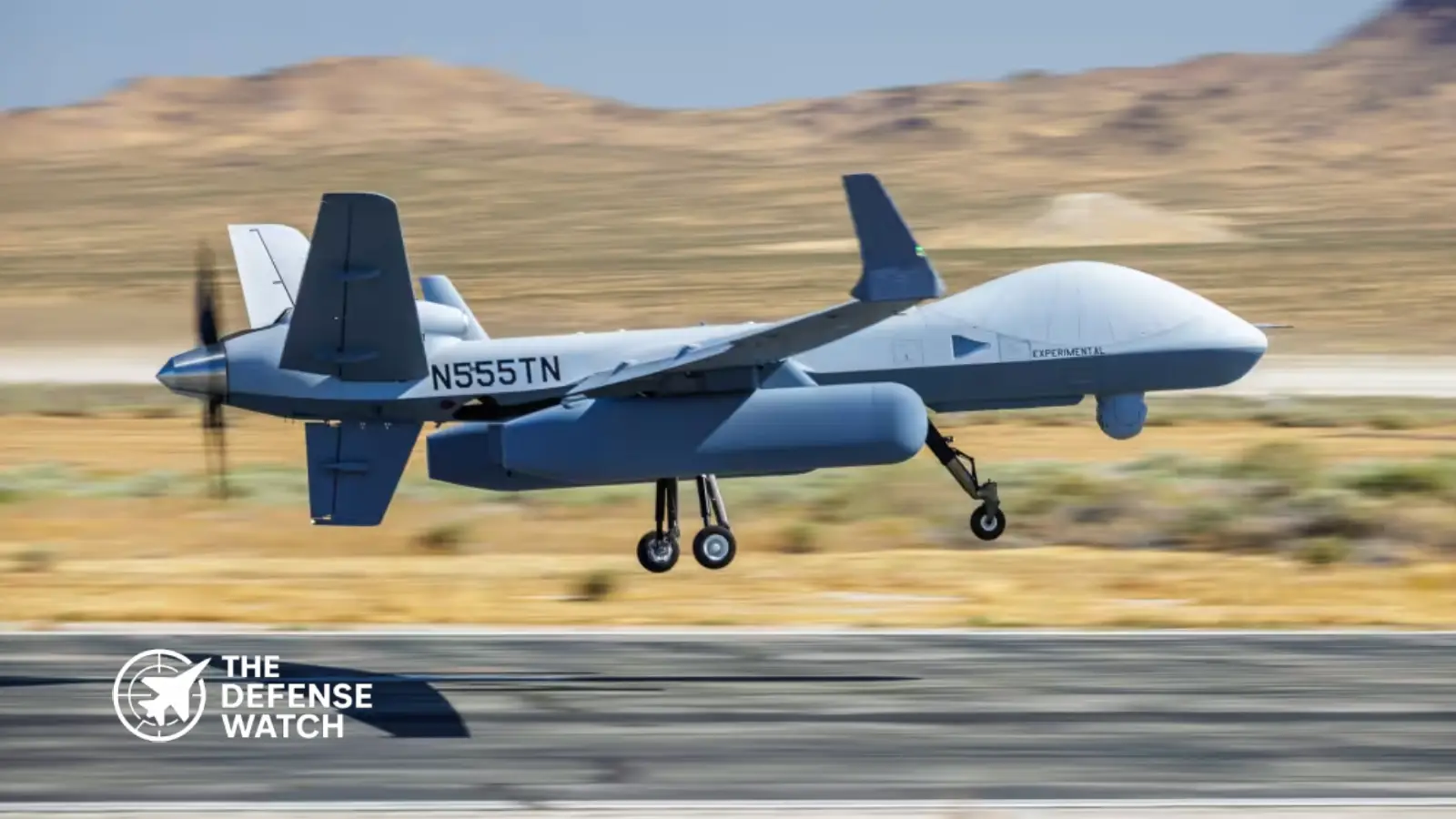
The MQ-9B airborne early warning program reached a major milestone after Saab and General Atomics Aeronautical Systems, Inc. (GA-ASI) completed the first flight of Saab’s LoyalEye radar aboard an unmanned MQ-9B aircraft.
The test flight took place on May 19 at GA-ASI’s Desert Horizon flight operations facility in Southern California. According to both companies, the successful sortie marks the beginning of a multi-month evaluation campaign that will conclude with a full operational capability demonstration later in 2026.
The flight represents what Saab and GA-ASI describe as the world’s first unmanned airborne early warning (AEW) solution. The system combines Saab’s radar surveillance expertise with the MQ-9B’s long-endurance unmanned flight profile.
The development comes as defense planners increasingly seek persistent intelligence, surveillance, and reconnaissance (ISR) capabilities that can remain airborne for extended periods while reducing exposure of manned crews to contested environments.
LoyalEye Radar Expands MQ-9B Mission Set
Saab’s LoyalEye sensor is designed to provide airborne detection and tracking capabilities traditionally associated with larger manned AEW&C aircraft.
The system was integrated onto the MQ-9B platform under a partnership announced in 2025 between Saab and GA-ASI. The companies say the aircraft will support missions including:
- Early warning and threat detection
- Long-range aerial surveillance
- Multi-target tracking
- Beyond-line-of-sight operations
- SATCOM-enabled ISR missions
Carl Johan Bergholm, Head of Saab’s Surveillance business area, said the unmanned configuration is intended to complement existing manned airborne surveillance fleets rather than replace them.
According to Saab, the MQ-9B airborne early warning system could provide extended operational reach and improved flexibility for military commanders operating in large theaters where persistent sensor coverage is essential.
The addition of airborne radar surveillance also significantly expands the MQ-9B’s traditional ISR mission profile. The aircraft family has primarily been associated with reconnaissance and strike operations, but the LoyalEye integration positions the platform for theater-wide air surveillance and command support roles.
Why Unmanned AEW Matters
The unmanned airborne early warning concept reflects broader military trends toward distributed sensing and lower-risk ISR operations.
Traditional AEW&C aircraft such as the Boeing E-3 Sentry or Saab’s GlobalEye provide powerful surveillance capabilities but require large crews and high operational support demands.
(adsbygoogle = window.adsbygoogle || []).push({});By contrast, the MQ-9B airborne early warning system is designed around a medium-altitude, long-endurance unmanned platform capable of remaining airborne far longer than many crewed aircraft.
GA-ASI President David R. Alexander stated that the new system is intended to defend against a range of threats, including guided missiles, drones, tactical air munitions, fighter aircraft, and bomber platforms.
The use of an unmanned aircraft also aligns with evolving operational concepts focused on survivability and distributed operations. In high-threat environments, commanders increasingly favor systems that can continue operating without placing pilots and onboard crews directly at risk.
That operational logic has become particularly important as modern battlefields see expanding use of long-range missiles, electronic warfare systems, and layered air defense networks.
Growing Demand For Persistent ISR And Air Surveillance
The MQ-9B airborne early warning initiative also highlights growing global demand for persistent airborne sensing.
NATO members and Indo-Pacific allies have accelerated investments in ISR and early warning systems following lessons drawn from the war in Ukraine, tensions in the Indo-Pacific, and expanding drone warfare capabilities worldwide.
Persistent radar coverage is increasingly viewed as critical for detecting:
- Low-flying cruise missiles
- Small unmanned aerial systems
- Swarming drone attacks
- Long-range aviation threats
- Maritime air activity
The MQ-9B’s endurance profile may offer advantages in these missions. Unlike traditional AEW aircraft that often require larger support structures and shorter operational rotations, an unmanned system can potentially maintain surveillance coverage for significantly longer durations.
This could prove particularly valuable for maritime security operations, border surveillance, expeditionary deployments, and dispersed force structures.
(adsbygoogle = window.adsbygoogle || []).push({});The development may also strengthen Saab’s position in the airborne surveillance sector beyond its established GlobalEye program. Meanwhile, GA-ASI continues expanding the MQ-9B family into specialized mission roles beyond conventional ISR and strike operations.
Strategic Implications For Future Air Operations
The successful flight test signals a broader shift in how militaries may approach airborne command and surveillance missions over the next decade.
Rather than relying solely on a limited number of high-value manned AEW&C aircraft, future air operations may increasingly use a mix of crewed and uncrewed platforms operating in coordinated networks.
This distributed approach could improve operational resilience while reducing vulnerability to long-range precision strikes targeting critical airborne assets.
The MQ-9B airborne early warning program remains in its testing phase, but the successful first flight demonstrates that unmanned platforms are moving into mission areas once considered exclusive to large crewed aircraft.
If the evaluation program proceeds successfully later this year, the Saab and GA-ASI partnership could establish a new category of operational airborne surveillance capability for allied militaries seeking persistent and lower-risk ISR coverage.
The deployment marks a significant step in NATO’s effort to expand persistent intelligence, surveillance, and reconnaissance coverage across the High North.
(adsbygoogle = window.adsbygoogle || []).push({});Executive Summary:
NATO’s Intelligence, Surveillance, and Reconnaissance Force has conducted its first RQ-4D Phoenix operations from Norway under the Agile Combat Employment concept. The deployment expands NATO’s Arctic surveillance reach and strengthens alliance readiness in the High North amid growing strategic competition.
NATO ISR Force Conducts First RQ-4D Phoenix Operations From Norway
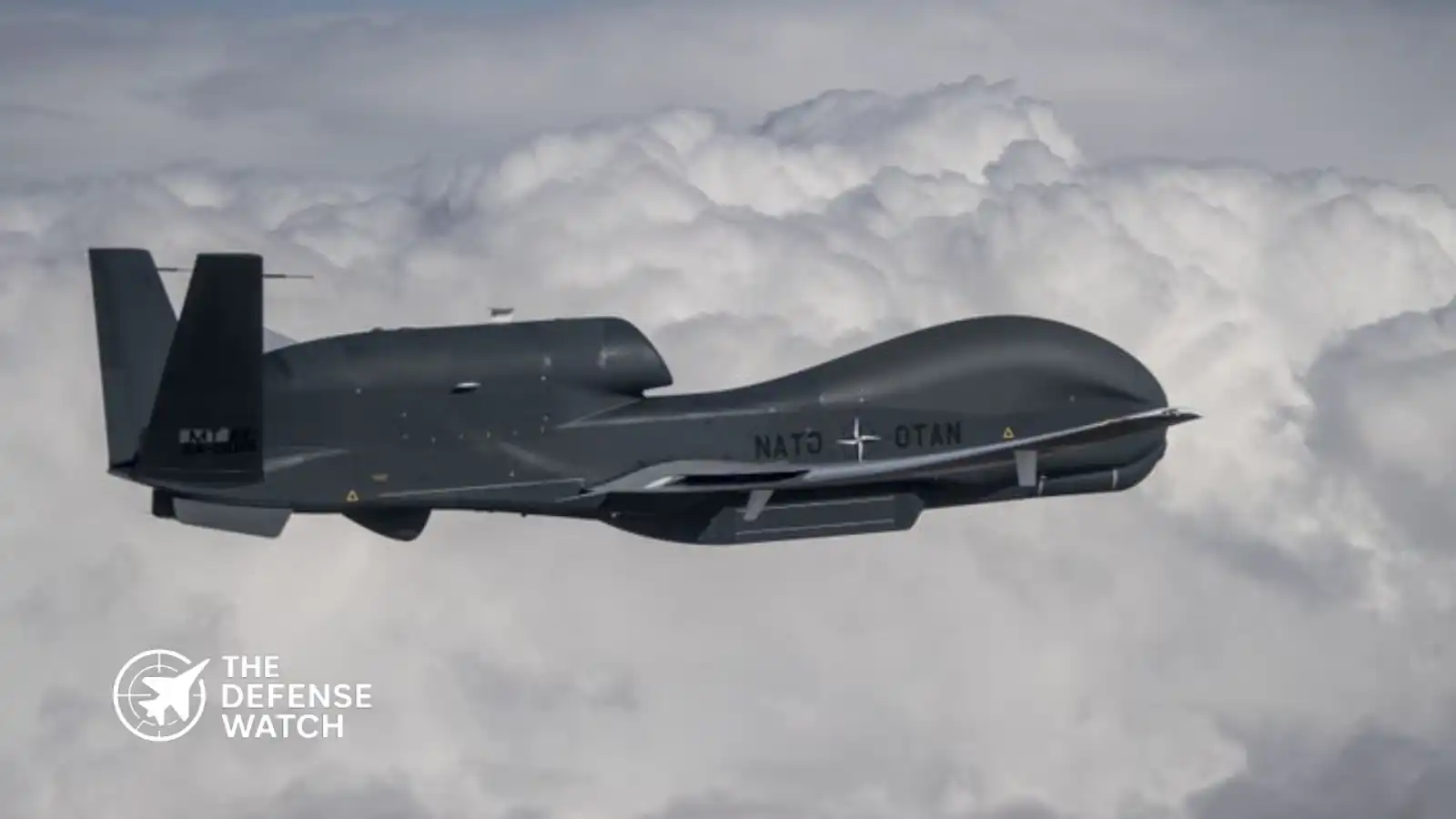
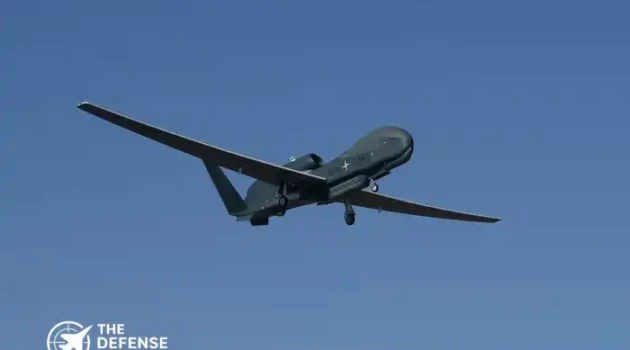
NATO RQ-4D Phoenix operations in Norway mark a new phase in the alliance’s intelligence, surveillance, and reconnaissance posture across Northern Europe and the Arctic region. The NATO Intelligence, Surveillance, and Reconnaissance Force (NISRF) confirmed that its RQ-4D Phoenix remotely piloted aircraft successfully completed its first operational activities from Norwegian territory under the Agile Combat Employment (ACE) framework.
The operations were carried out from a forward operating location in Norway, extending the reach of NATO’s Alliance Ground Surveillance (AGS) system beyond its primary operating base at Sigonella Air Base in Italy. According to NATO officials, the deployment tested the alliance’s ability to rapidly disperse and sustain ISR assets across multiple operating environments.
The RQ-4D Phoenix is NATO’s version of the Northrop Grumman RQ-4 Global Hawk high altitude, long endurance unmanned aircraft. Designed for persistent ISR missions, the platform can operate at altitudes exceeding 50,000 feet and remain airborne for more than 30 hours, enabling wide area surveillance across large operational theaters.
Arctic And High North Surveillance Gains Priority
The decision to conduct NATO RQ-4D Phoenix operations from Norway reflects the growing strategic importance of the Arctic and High North. NATO members have increasingly focused on northern security concerns as Russia continues military modernization efforts in the Arctic region and expands activity around the Barents Sea and North Atlantic.
Norway’s geographic location provides NATO with direct access to critical northern maritime routes and air corridors. Operating the RQ-4D Phoenix from Norwegian territory improves response times and surveillance persistence over Arctic areas that are becoming increasingly contested.
The deployment also supports NATO’s broader shift toward distributed operations. Under the Agile Combat Employment concept, forces are trained to operate from dispersed and austere locations rather than relying solely on large fixed bases that may be vulnerable during conflict.
NATO stated that the exercise demonstrated the ability of the alliance’s ISR force to relocate aircraft, personnel, and support infrastructure while maintaining operational effectiveness. The concept is intended to improve survivability, operational flexibility, and mission continuity during high intensity operations.
RQ-4D Phoenix Strengthens NATO ISR Architecture
The NATO RQ-4D Phoenix fleet forms the airborne component of the Alliance Ground Surveillance program, which combines unmanned aircraft, ground control stations, and data processing systems into a unified ISR architecture.
The aircraft uses advanced radar sensors capable of tracking moving targets and collecting wide area imagery in all weather conditions. Data gathered by the drone can be distributed to NATO commanders and member states in near real time, supporting strategic awareness and operational planning.
NATO’s AGS program achieved initial operational capability in 2021 and has since expanded mission integration across alliance commands. The latest Norway deployment highlights how the alliance is adapting the system for distributed and expeditionary operations.
From an operational perspective, the Arctic environment presents unique challenges for ISR platforms, including extreme weather, long distances, and limited infrastructure. Successfully conducting RQ-4D Phoenix operations from Norway demonstrates growing confidence in NATO’s ability to sustain persistent ISR coverage under demanding northern conditions.
Strategic Message To Allies And Adversaries
The deployment also carries geopolitical significance. NATO has increased military cooperation and surveillance activities in Northern Europe following heightened tensions with Russia since the start of the war in Ukraine.
Persistent ISR coverage is central to NATO’s deterrence strategy because it improves situational awareness and reduces the risk of strategic surprise. By demonstrating that the RQ-4D Phoenix can operate from dispersed northern locations, NATO signals that its ISR network can remain active even during contested operations.
The move aligns with broader allied investments in Arctic defense infrastructure, maritime patrol capabilities, and integrated air and missile defense systems across the region.
(adsbygoogle = window.adsbygoogle || []).push({});Military analysts also view the deployment as part of NATO’s ongoing effort to integrate unmanned systems more deeply into operational planning. High altitude ISR drones such as the RQ-4D Phoenix provide long endurance coverage without placing aircrews at risk, making them increasingly valuable for monitoring large and remote operational areas.
Growing Importance Of Agile Combat Employment
The Norway deployment underscores how Agile Combat Employment is becoming a central operational concept for NATO air forces. Originally emphasized by the U.S. Air Force for operations in contested environments, ACE focuses on mobility, decentralization, and rapid repositioning of assets.
For NATO, applying ACE principles to ISR operations could significantly complicate adversary targeting and improve resilience during future conflicts. Instead of concentrating critical ISR platforms at a single base, NATO can disperse operations across multiple allied territories.
This flexibility may become increasingly important as modern long range missile threats continue to expand across Europe and the Arctic theater.
The NATO RQ-4D Phoenix operations in Norway therefore represent more than a routine deployment. They illustrate how the alliance is adapting its ISR force structure, operational concepts, and Arctic posture to address evolving strategic realities in Europe’s northern flank.

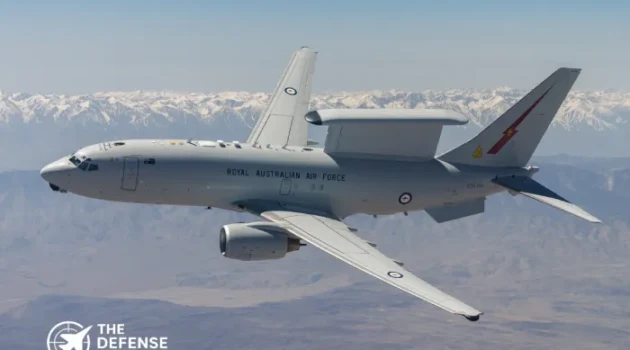
The arrival of the first E-7 Wedgetail in Scotland signals a critical transition for the Royal Air Force’s airborne early warning and battle management capability.
Executive Summary:
The Royal Air Force’s first E-7 Wedgetail AEW1 aircraft, designated WT001, has landed at RAF Lossiemouth in Scotland. The milestone advances the UK’s transition toward a modern airborne early warning and battle management capability, replacing the retired E-3D Sentry fleet and strengthening NATO air surveillance operations.
RAF E-7 Wedgetail WT001 Arrives At RAF Lossiemouth
The RAF E-7 Wedgetail program reached a major milestone after the first aircraft, WT001, landed at RAF Lossiemouth in Scotland. The aircraft’s arrival marks the beginning of operational integration for the United Kingdom’s next generation airborne early warning and control capability.
The aircraft completed its transfer following extensive modification and testing work. The E-7 Wedgetail AEW1 is based on the Boeing 737 Next Generation airframe and incorporates Northrop Grumman’s Multi-role Electronically Scanned Array (MESA) radar system.
The RAF E-7 Wedgetail fleet is intended to replace the UK’s retired E-3D Sentry airborne warning aircraft, which had served as Britain’s primary airborne surveillance platform for decades.
Why The E-7 Wedgetail Matters To The RAF
The arrival of the RAF E-7 Wedgetail comes at a time when NATO members are increasing investments in airborne command, surveillance, and electronic warfare capabilities amid heightened security tensions in Europe.
Unlike older mechanically scanned radar systems, the Wedgetail’s electronically scanned radar enables simultaneous airborne and maritime tracking across large operational areas. The platform is designed to provide long-range detection of hostile aircraft, missiles, and surface threats while coordinating friendly forces during complex operations.
The RAF E-7 Wedgetail also strengthens interoperability with allied forces already operating the aircraft, including Australia, South Korea, and Turkey. NATO has increasingly emphasized shared surveillance and command capabilities to support integrated air and missile defense missions across Europe.
From an operational perspective, the platform fills a critical capability gap left after the retirement of the E-3D Sentry fleet in 2021. That retirement created a temporary reduction in sovereign UK airborne early warning coverage, increasing reliance on allied NATO assets.
The RAF E-7 Wedgetail program therefore represents more than a fleet replacement. It is part of a broader British effort to modernize command-and-control infrastructure while supporting high-tempo multinational operations.
RAF Lossiemouth’s Growing Strategic Role
The arrival of WT001 further reinforces the strategic importance of RAF Lossiemouth as one of the UK’s primary airpower hubs.
RAF Lossiemouth already hosts frontline combat aircraft including the Eurofighter Typhoon as well as the RAF’s P-8A Poseidon maritime patrol fleet. The addition of the E-7 Wedgetail expands the base’s role in intelligence, surveillance, reconnaissance, and air defense operations.
The location is strategically positioned to support North Atlantic and northern European operations, areas that have gained increasing attention following expanded Russian military activity in the region.
The concentration of maritime patrol aircraft, fighters, and airborne surveillance systems at Lossiemouth creates a more integrated operational environment for NATO missions involving anti-submarine warfare, air policing, and strategic monitoring.
Program Challenges And Fleet Questions
Despite the milestone, the RAF E-7 Wedgetail program has faced scrutiny over fleet size and procurement decisions.
The UK originally planned to acquire five aircraft before reducing the total to three as part of defense budget adjustments. Analysts have questioned whether a three-aircraft fleet can consistently maintain operational availability during maintenance cycles and high operational demand periods.
That debate remains active as NATO countries expand surveillance operations along Europe’s eastern flank and Arctic approaches.
Still, defense officials argue the E-7 Wedgetail provides a significant leap in capability compared to the retired E-3D fleet. The aircraft offers improved sensor performance, greater reliability, lower maintenance demands, and enhanced digital battle management systems.
The aircraft is also expected to play a central role in future multi-domain operations, linking air, land, maritime, cyber, and space-based assets into a unified operational network.
NATO Airborne Surveillance Modernization Continues
The RAF E-7 Wedgetail program reflects a wider trend among NATO and allied air forces toward modern airborne early warning platforms capable of managing increasingly contested battlespaces.
Modern conflicts have highlighted the importance of persistent airborne surveillance, long-range tracking, and integrated command-and-control systems. Airborne early warning aircraft remain essential for detecting low-flying threats, coordinating intercept missions, and supporting missile defense operations.
As geopolitical competition intensifies, platforms like the E-7 Wedgetail are becoming central to alliance-wide deterrence and rapid response strategies.
The arrival of WT001 at RAF Lossiemouth therefore represents both a national milestone for the UK and a broader signal of NATO’s continuing investment in advanced airborne surveillance infrastructure.
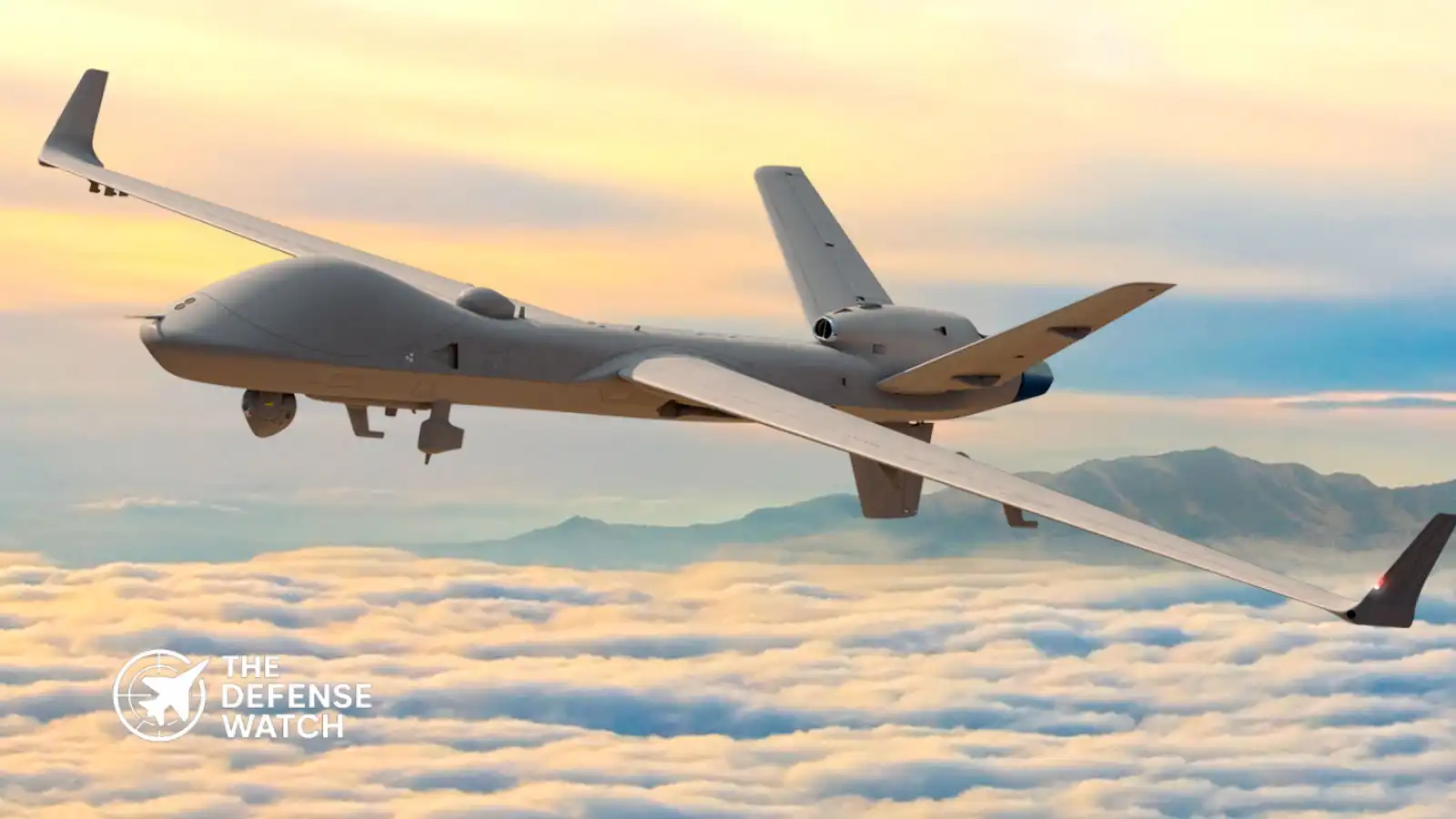
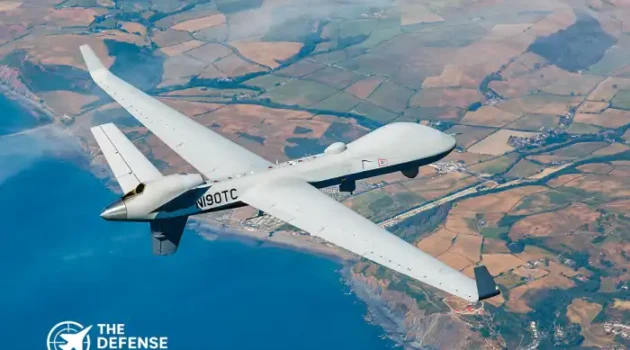
Belgium is moving closer to integrating advanced long endurance MQ-9B SkyGuardian drones into NATO operations across Europe.
Executive Summary:
Belgium is preparing to deploy its future MQ-9B SkyGuardian drones to Italy in support of NATO intelligence, surveillance, and reconnaissance operations. The move reflects growing European demand for persistent ISR capabilities amid heightened regional security concerns and alliance modernization efforts.
Belgium MQ-9B SkyGuardian Deployment Signals NATO ISR Expansion In Europe
Belgium MQ-9B SkyGuardian deployment plans are set to strengthen NATO’s intelligence, surveillance, and reconnaissance network in Europe as allied nations increase investments in long endurance unmanned systems.
Belgium’s future fleet of MQ-9B SkyGuardian drones will operate from Italy in support of NATO missions. The deployment is expected to enhance the alliance’s ability to monitor strategic regions across Europe and the Mediterranean.
The decision comes as NATO members continue expanding airborne ISR capacity following increased security tensions across Eastern Europe and growing concerns surrounding maritime security, hybrid threats, and rapid military movements near alliance borders.
Belgium Advances MQ-9B SkyGuardian Program
Belgium selected the MQ-9B SkyGuardian, developed by General Atomics Aeronautical Systems, as part of its effort to modernize airborne surveillance capabilities and improve interoperability with NATO partners.
The MQ-9B SkyGuardian is an advanced remotely piloted aircraft system derived from the combat proven MQ-9 Reaper platform. Unlike earlier variants, the MQ-9B incorporates enhanced endurance, all weather operational capability, and certified integration into civilian controlled airspace.
The aircraft can remain airborne for more than 40 hours depending on mission configuration and supports a broad range of ISR tasks, including maritime monitoring, border surveillance, target tracking, and strategic reconnaissance.
Belgium’s decision to base operations in Italy reflects the strategic value of southern European operating hubs for NATO ISR missions. Italy already hosts major alliance surveillance assets and provides direct access to the Mediterranean, North Africa, and Eastern European operational areas.
Italy’s Strategic Role In NATO Drone Operations
Italy has become one of NATO’s most important centers for unmanned aerial operations. Facilities such as Sigonella Air Base have supported multiple allied ISR missions involving U.S. and NATO surveillance aircraft.
Positioning Belgium’s MQ-9B SkyGuardian fleet in Italy offers several operational advantages. The location enables faster access to NATO’s southern flank while supporting multinational coordination with allied ISR platforms already active in the region.
The deployment also reflects a broader NATO trend toward distributed ISR infrastructure. Instead of relying solely on national assets operating from domestic territory, alliance members are increasingly integrating surveillance operations through shared basing and multinational coordination.
This approach improves operational flexibility and allows NATO to maintain persistent surveillance coverage across multiple theaters simultaneously.
MQ-9B SkyGuardian Expands NATO Surveillance Capability
The Belgium MQ-9B SkyGuardian deployment highlights the growing importance of unmanned systems in modern alliance operations.
Compared with legacy surveillance aircraft, long endurance drones offer persistent coverage at lower operational cost while reducing pilot workload and deployment complexity. The MQ-9B platform can carry advanced electro optical sensors, radar systems, maritime surveillance equipment, and secure communications packages.
The aircraft’s ability to share real time data with allied forces is particularly important for NATO operations, where intelligence fusion and rapid information distribution are central to collective defense planning.
European demand for advanced ISR drones has increased significantly in recent years. Several NATO nations are expanding or upgrading unmanned fleets to improve monitoring of critical sea lanes, infrastructure, and military activity near alliance territory.
Belgium’s integration into this wider ISR network demonstrates how medium sized NATO members are prioritizing high value intelligence assets rather than focusing exclusively on traditional combat platforms.
Broader NATO Modernization Trends
The deployment also aligns with NATO’s broader push toward multi domain operations and digital battlefield integration.
Modern ISR platforms are no longer viewed solely as intelligence collection tools. Instead, they function as central nodes within wider command, control, communications, and targeting networks.
The MQ-9B SkyGuardian’s long endurance and sensor capacity make it suitable for supporting maritime domain awareness, joint force coordination, and crisis response operations across NATO’s operational environment.
For Belgium, the program represents more than a fleet modernization initiative. It signals a long term commitment to alliance interoperability and participation in multinational security operations.
The deployment could also strengthen Europe’s overall unmanned surveillance architecture at a time when NATO faces increasing demand for persistent situational awareness across both land and maritime theaters.
Operational And Strategic Implications
Belgium’s future MQ-9B operations from Italy may contribute to more continuous ISR coverage in areas that have become strategically sensitive for NATO planners.
The Mediterranean remains a critical region for alliance security due to migration pressures, maritime competition, energy infrastructure protection, and military activity involving both state and non state actors.
Persistent drone surveillance can support early warning, maritime tracking, and intelligence gathering missions without requiring continuous deployment of crewed aircraft.
From a strategic perspective, the Belgium MQ-9B SkyGuardian deployment also reinforces NATO’s emphasis on readiness and rapid information sharing among allies.
As European defense spending continues to rise, ISR modernization programs are increasingly viewed as force multipliers capable of improving decision making speed and operational coordination during crises.
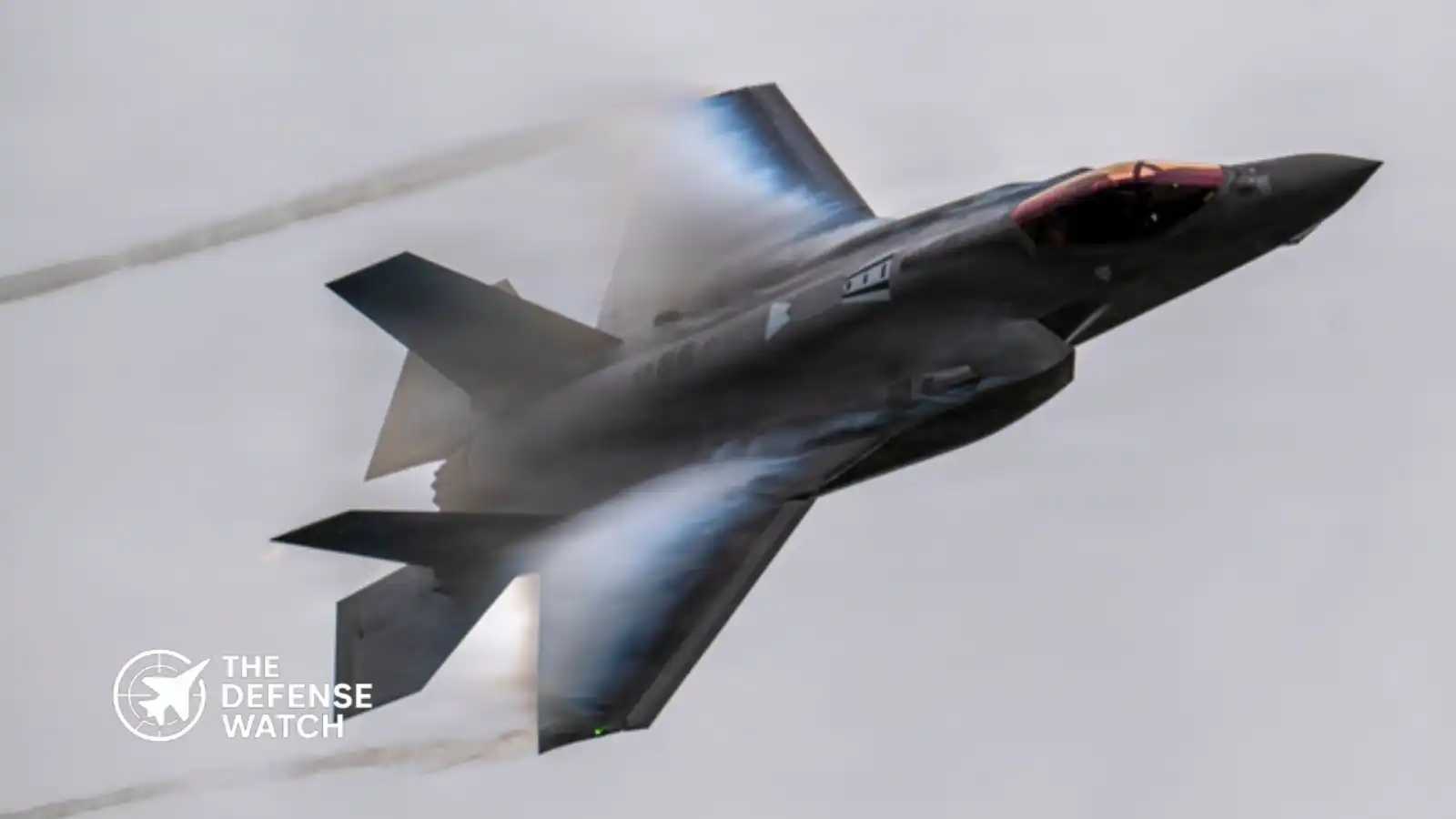
The U.S. Air Force is preparing to increase F-35A purchases in FY2027 as Washington pushes to strengthen tactical airpower against evolving global threats.
Executive Summary:
The U.S. Air Force plans to increase procurement of F-35A Lightning II fighters to 38 aircraft in the FY2027 defense budget. The move reflects renewed focus on tactical air superiority, fleet modernization, and long-term readiness amid rising global security challenges.
U.S. Air Force Expands F-35A Procurement Plans
The U.S. Air Force is preparing to increase F-35A fighter procurement to 38 aircraft in the FY2027 defense budget, signaling a renewed commitment to fifth-generation tactical aviation modernization.
The planned procurement increase follows earlier concerns about slowing fighter acquisition rates and growing operational demands across multiple theaters.
The F-35A, produced by Lockheed Martin, remains the cornerstone of the Air Force’s future tactical aviation strategy. The aircraft combines stealth characteristics, advanced sensors, networked warfare capabilities, and multirole mission flexibility designed for operations in highly contested environments.
The proposed FY2027 procurement target of 38 aircraft would represent an increase over previous annual acquisition plans and reflects broader Pentagon efforts to stabilize fighter inventories while retiring aging fourth-generation platforms.
Pressure To Modernize Tactical Airpower
The planned expansion comes as the Air Force faces mounting pressure to modernize its combat fleet amid accelerating military developments by near-peer competitors.
Senior U.S. defense leaders have repeatedly warned that maintaining air superiority will require sustained investment in advanced aircraft, weapons integration, and combat networking capabilities. The service continues to balance modernization priorities against budget pressures and readiness requirements.
The F-35A fighter procurement debate has become increasingly significant as legacy aircraft such as the F-15C and older F-16 variants approach the limits of their operational lifespan. Air Force planners have argued that delays in fifth-generation acquisitions could create capability gaps during a period of growing geopolitical competition.
The aircraft’s sensor fusion and data-sharing architecture are considered central to future joint operations involving allied air, naval, and ground forces. The platform is also expected to operate alongside emerging systems under the Air Force’s broader Next Generation Air Dominance initiative.
F-35A Remains Central To U.S. And Allied Operations
The F-35A continues to play a major role in both U.S. and allied force planning. Multiple NATO members and Indo-Pacific partners are expanding their own F-35 fleets as part of long-term modernization strategies.
The aircraft has become increasingly important for coalition interoperability, particularly in Europe and the Pacific, where integrated operations and shared situational awareness are viewed as critical operational advantages.
Beyond conventional strike missions, the F-35A provides intelligence gathering, electronic warfare support, and command-and-control functions through its advanced sensor suite. These capabilities have elevated the aircraft from a traditional fighter platform into a broader battlespace management asset.
The Air Force has also continued integrating new weapons systems and software upgrades into the platform. Ongoing modernization efforts include improvements under the Technology Refresh 3 configuration and future Block 4 upgrades aimed at expanding combat capability and processing power.
Budget Signals Long-Term Procurement Commitment
The proposed FY2027 procurement increase may also indicate that the Pentagon is seeking to maintain production stability within the broader F-35 industrial base.
The multinational F-35 program supports a large defense manufacturing network across the United States and partner nations. Sustained procurement levels are widely viewed as important for controlling long-term unit costs, preserving supplier capacity, and supporting future modernization pathways.
At the same time, the program continues to face scrutiny over sustainment costs, software delays, and logistics performance. Congressional oversight committees have consistently pushed for improvements in aircraft readiness rates and maintenance efficiency.
Despite these challenges, the F-35A remains one of the most heavily funded combat aviation programs within the U.S. defense budget structure. Pentagon planners continue to view the aircraft as a critical component of future deterrence and combat operations.
The FY2027 budget proposal is expected to face further review as lawmakers evaluate broader defense spending priorities, force structure requirements, and modernization timelines.
Strategic Analysis
The decision to increase F-35A fighter procurement reflects more than a simple fleet expansion. It highlights a broader strategic shift toward preparing for high-end conflict environments where stealth, sensor integration, and survivability are considered essential.
While the Air Force has explored concepts involving collaborative combat aircraft, autonomous systems, and sixth-generation technologies, the F-35A remains the only fifth-generation fighter currently being procured at scale for U.S. tactical aviation forces.
Increasing annual procurement also helps offset years of reduced fighter acquisition rates that contributed to declining fleet age and readiness concerns. Many Air Force combat aircraft now exceed decades of operational service, increasing maintenance demands and operational risk.
The move additionally reinforces Washington’s effort to maintain technological advantages against rapidly modernizing adversaries investing heavily in integrated air defenses, long-range missile systems, and advanced combat aircraft.
For allied nations operating the F-35 platform, sustained U.S. procurement provides long-term confidence in program continuity, upgrade development, and coalition interoperability planning.
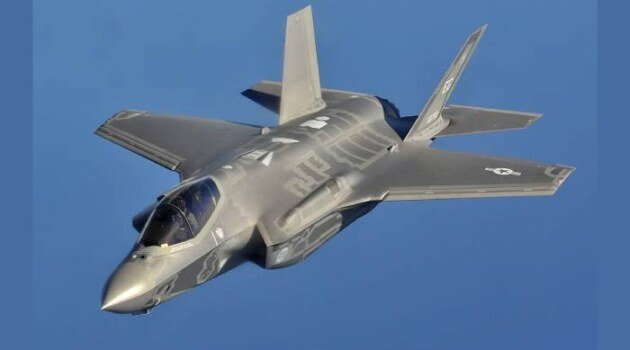
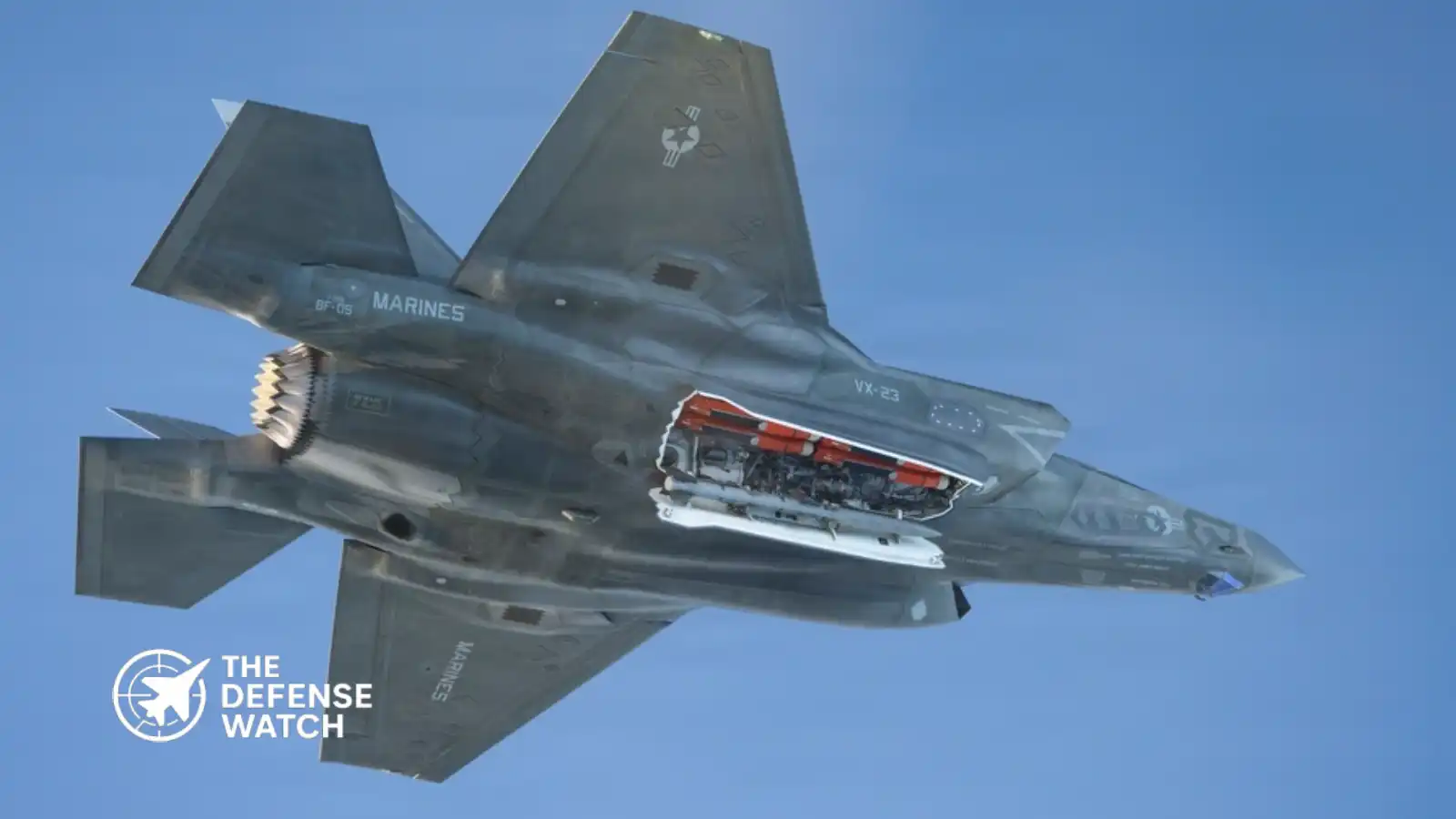
The test marks a key step toward giving the F-35B a longer-range precision strike option designed for contested air defense environments.
Executive Summary:
Lockheed Martin and UK industry partners have completed the first flight test of the F-35B Lightning II carrying the SPEAR 3 precision strike missile. The milestone supports the United Kingdom’s effort to field a long-range stand-off weapon optimized for high-threat combat environments.
F-35B SPEAR 3 Integration Advances UK Strike Capability
The F-35B SPEAR 3 missile integration program reached a major milestone after the aircraft completed its first flight carrying the MBDA-developed precision strike weapon. The test was conducted as part of the continuing effort to integrate advanced air-to-surface capabilities onto the fifth-generation fighter.
The flight marks the first time the F-35B has flown with the SPEAR 3 missile configuration.
The integration effort is being led in cooperation with the United Kingdom Ministry of Defence and European missile manufacturer MBDA. The weapon is intended to provide the F-35B with a compact stand-off strike capability capable of engaging defended targets at extended ranges.
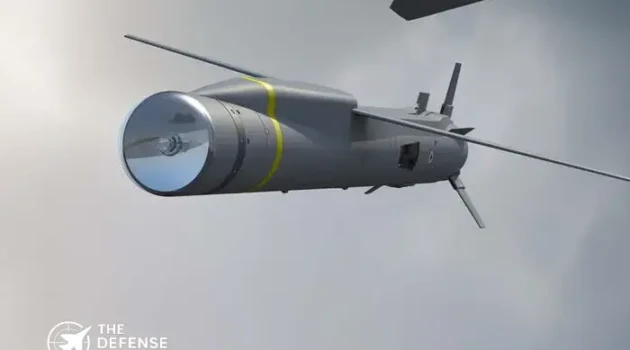
The SPEAR 3 missile is designed for internal carriage within the F-35B weapons bay, preserving the aircraft’s low observable characteristics while expanding precision strike options.
What SPEAR 3 Adds To The F-35B
SPEAR 3, short for Select Precision Effects At Range Capability 3, is a network-enabled miniature cruise missile developed primarily for the Royal Air Force. The weapon combines low collateral damage targeting with stand-off range and multi-target engagement capability.
The missile uses a turbojet propulsion system rather than a traditional rocket motor, allowing greater range and flexible attack profiles. It is also designed to operate in electronically contested environments, an increasingly important requirement as air defense systems become more advanced.
The F-35B already operates as a multirole platform with stealth, sensor fusion, and electronic warfare capabilities. Integrating SPEAR 3 could significantly improve its ability to conduct precision strikes against mobile air defenses, command nodes, and hardened targets without entering heavily defended zones.
That capability has growing relevance as NATO air forces prepare for potential operations against integrated air defense networks fielded by near-peer competitors.
Strategic Importance For The United Kingdom
The United Kingdom remains one of the leading international partners in the F-35 program and operates the short takeoff and vertical landing F-35B variant through both the Royal Air Force and Royal Navy.
Britain’s carrier strike strategy relies heavily on the F-35B operating from the Queen Elizabeth-class aircraft carriers. Adding SPEAR 3 to the platform would provide UK carrier air wings with a longer-range strike option against time-sensitive and defended targets.
The integration effort also supports Britain’s broader defense modernization plans focused on deep precision fires, networked warfare, and survivable air combat systems.
Unlike larger cruise missiles, SPEAR 3’s compact size allows multiple weapons to be carried internally, potentially increasing strike density during combat operations while maintaining stealth performance.
This reflects a wider trend among Western air forces seeking smaller, networked precision weapons capable of operating in high-threat environments where survivability is critical.
Broader NATO And Industrial Implications
The F-35B SPEAR 3 missile program also highlights the growing role of multinational defense cooperation within NATO. The aircraft itself is produced by Lockheed Martin, while the missile is developed by MBDA with substantial British industry participation.
The successful flight test demonstrates continued progress in integrating European-made weapons onto the U.S.-built stealth fighter platform. That interoperability is strategically important as allied nations seek to maintain operational flexibility across joint missions.
The integration may also strengthen export prospects for SPEAR 3 among existing and future F-35 operators looking for compact stand-off precision weapons.
Analysts have increasingly noted that future air campaigns will likely depend on stealth aircraft carrying larger numbers of network-enabled munitions rather than relying solely on a small number of expensive long-range cruise missiles.
SPEAR 3 fits within that operational concept by combining reduced size with precision guidance and extended reach.
Testing And Future Development
The recent flight represents an early but important phase in the broader weapons integration campaign. Additional testing will likely focus on environmental performance, weapons separation, guidance validation, and live-fire demonstrations before operational deployment.
Neither Lockheed Martin nor the UK Ministry of Defence disclosed a formal operational fielding timeline. However, the milestone indicates steady progress toward bringing the capability into frontline service.
The F-35 program continues to expand its weapons portfolio as partner nations seek greater flexibility for regional deterrence and expeditionary operations.
As air defense systems evolve, stand-off precision strike weapons like SPEAR 3 are expected to play an increasingly central role in NATO combat aviation planning.
Executive Summary:
L3Harris Technologies has highlighted its Skyraider II aircraft family as a low-cost solution for intelligence, surveillance, reconnaissance, and precision strike missions. The company says the platform is designed to support persistent operations in contested environments while reducing operational and sustainment costs for U.S. and allied forces.
L3Harris Pushes Skyraider II For Affordable Combat Operations
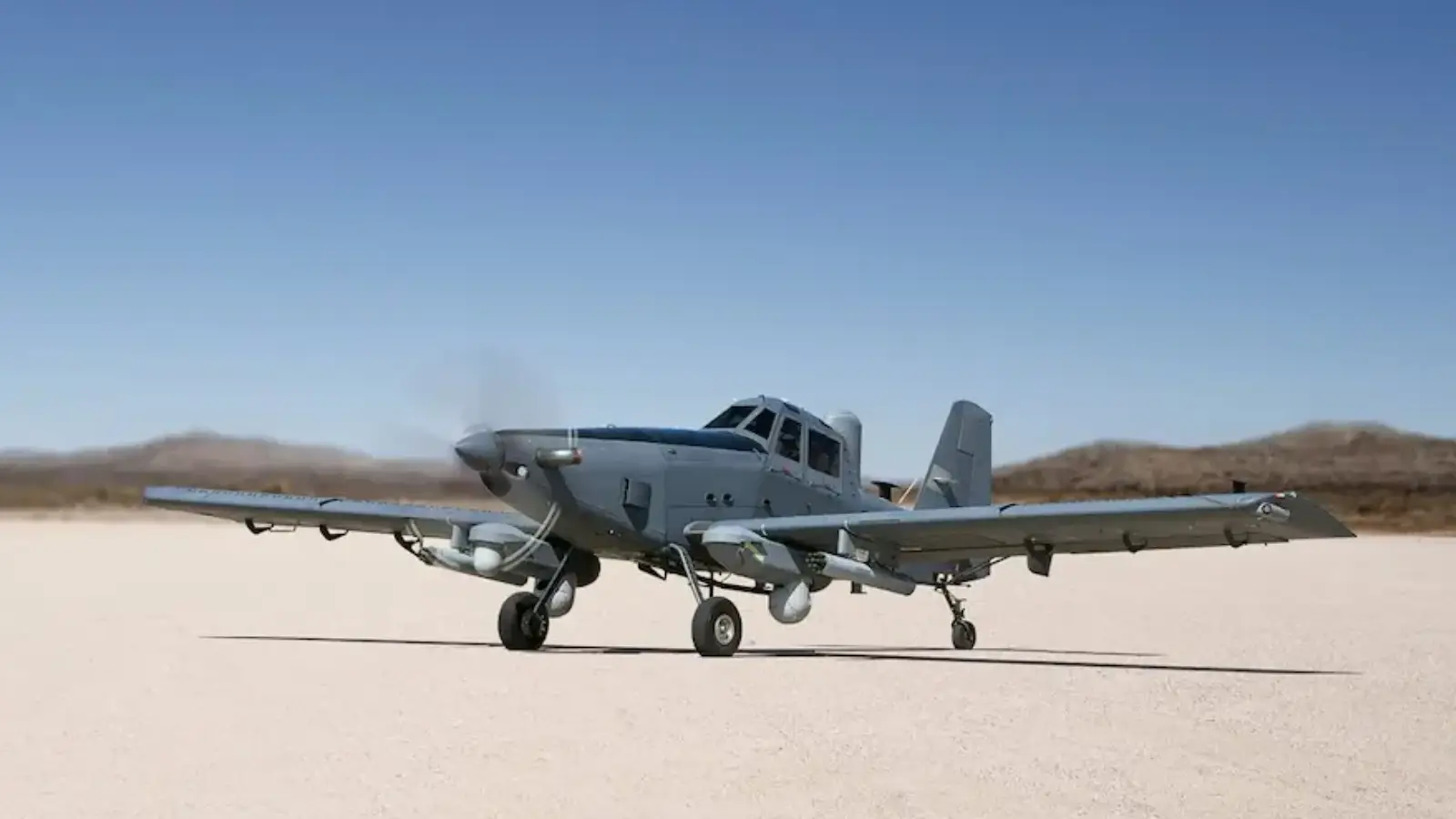
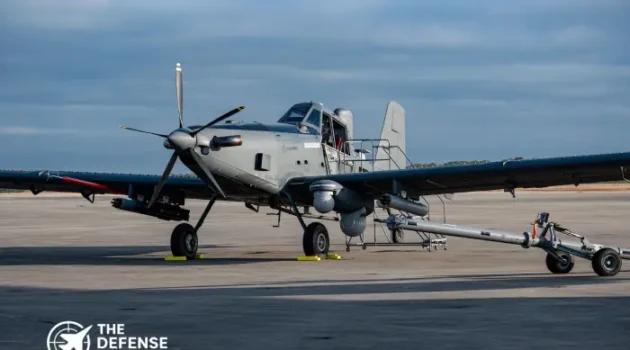
The Skyraider II aircraft family is emerging as a key part of L3Harris Technologies strategy to provide affordable airborne ISR and strike capabilities for modern military operations. According to the company, the platform is intended to deliver persistent surveillance, close air support, and precision strike capabilities while operating at significantly lower cost than advanced fighter aircraft.
The aircraft was highlighted during the Special Operations Forces Week conference, where L3Harris emphasized the growing demand for flexible and survivable platforms capable of operating in distributed and contested environments.
The Skyraider II name references the legacy Douglas A 1 Skyraider, a combat aircraft widely used by the United States during the Korean and Vietnam wars. The modern version, however, integrates advanced sensors, mission systems, and digital connectivity tailored for current operational requirements.
According to L3Harris, the aircraft is designed for long endurance missions and can support both crewed and autonomous operations depending on mission needs. The company also stressed the platform’s ability to integrate into joint all-domain command and control architectures.
Designed For ISR And Precision Strike Missions
The Skyraider II aircraft family is primarily aimed at intelligence, surveillance, and reconnaissance missions while retaining precision strike capability. L3Harris says the aircraft can carry a range of mission payloads, including electro-optical and infrared sensors, communications suites, and guided munitions.
The company argues that many current operational environments do not require expensive fifth-generation fighter aircraft for every mission set. Instead, lower-cost aircraft with extended endurance can provide persistent coverage over large operational areas while reducing logistical demands.
That approach reflects a broader trend within the U.S. defense sector toward “affordable mass,” where military planners seek to balance high-end capabilities with lower-cost systems that can be deployed in larger numbers.
The Skyraider II aircraft is also positioned as a potential solution for special operations missions. Its endurance and lower operating cost could make it suitable for border security, counterinsurgency operations, maritime surveillance, and irregular warfare environments.
Focus On Operational Flexibility
L3Harris highlighted modularity as a central feature of the Skyraider II aircraft family. The company says the platform can be configured for different mission profiles using interchangeable payloads and open systems architecture.
This flexibility is increasingly important as military operators seek platforms that can rapidly adapt to evolving threats. Open architecture systems also allow faster integration of new sensors, communications equipment, and weapons without requiring major redesigns.
Another major focus is survivability. While the aircraft is not intended to replace stealth fighters in heavily defended airspace, L3Harris says it is designed to operate effectively in medium-threat environments with enhanced situational awareness and networking capabilities.
The company also emphasized sustainment advantages. Lower maintenance requirements and reduced fuel consumption could provide long-term cost savings for operators compared with more advanced tactical aircraft.
Market Demand For Low-Cost Airpower Continues To Grow
The renewed focus on light attack and ISR aircraft comes as several nations reassess force structure requirements amid rising defense budgets and expanding operational commitments.
Over the past decade, militaries have increasingly examined whether every surveillance or strike mission requires the use of expensive fast jets. Persistent ISR coverage, particularly in remote regions, often depends more on endurance and affordability than speed or stealth.
That operational reality has driven interest in aircraft capable of remaining airborne for extended periods while carrying modern ISR payloads and precision-guided weapons.
The Skyraider II aircraft enters a competitive market that includes other light attack and ISR platforms designed for expeditionary and special operations missions. However, L3Harris appears to be positioning the aircraft around affordability, modularity, and integration with modern command-and-control systems.
The platform also reflects the growing overlap between crewed aircraft and autonomous mission technologies. Defense companies are increasingly designing aircraft that can support varying levels of autonomy to reduce pilot workload and improve operational flexibility.
Strategic Implications For U.S. And Allied Forces
The emphasis on affordable ISR and strike platforms aligns with broader Pentagon discussions surrounding distributed operations and force resilience. Military planners are increasingly focused on maintaining operational tempo while controlling sustainment costs.
Aircraft such as the Skyraider II could provide additional flexibility for missions that do not require advanced stealth platforms but still demand persistent surveillance and precision engagement capability.
For allied nations with limited defense budgets, lower-cost ISR and strike aircraft may also offer a practical pathway to expanding airpower capabilities without investing in expensive high-end fighter fleets.
L3Harris has not disclosed detailed procurement timelines or potential customer agreements linked to the Skyraider II program. However, the company’s decision to publicly promote the aircraft family signals confidence in future demand for affordable airborne ISR and strike systems.

Executive Summary:
South Korea has introduced a new Sikorsky S-92A helicopter for presidential transport missions, reinforcing the country’s executive air mobility and security infrastructure. The acquisition reflects Seoul’s broader effort to modernize strategic government aviation assets while ensuring reliable continuity-of-government operations.
South Korea Strengthens Presidential Air Mobility With Sikorsky S-92A
South Korea has expanded its executive transport fleet with the introduction of a new Sikorsky S-92A presidential helicopter, a move aimed at enhancing secure government mobility and modernizing national leadership transport capabilities.
The helicopter will support presidential transport and high-priority government missions. The addition comes as regional security conditions in East Asia continue to drive investments in command mobility, continuity-of-government infrastructure, and secure transportation platforms.
The Sikorsky S-92A, produced by Lockheed Martin subsidiary Sikorsky, is widely used for VIP transport, offshore operations, and search-and-rescue missions worldwide. The platform has gained a reputation for long-range reliability, operational flexibility, and high survivability standards.
Presidential Helicopter Modernization Reflects Broader Strategic Priorities
The South Korea presidential helicopter fleet plays a critical role beyond ceremonial transport. These aircraft are central to national command mobility during emergencies, crisis response, and wartime continuity planning.
The new Sikorsky S-92A helicopter reportedly replaces or supplements older rotary-wing assets used by South Korean leadership. The modernization effort aligns with broader defense reforms designed to improve readiness and operational resilience across multiple domains.
South Korea faces an increasingly complex regional security environment shaped by North Korean missile activity, growing Chinese military reach, and intensifying competition in the Indo-Pacific. In that context, protected executive air mobility is becoming more strategically important.
Unlike conventional transport helicopters, presidential aircraft require specialized communications systems, defensive countermeasures, secure navigation architecture, and enhanced redundancy features. These upgrades ensure uninterrupted command connectivity during crises.
The South Korea presidential helicopter modernization program also demonstrates Seoul’s continued reliance on proven Western aerospace platforms for sensitive national security missions.
Sikorsky S-92A Offers Long-Range VIP Transport Capability
The Sikorsky S-92A is a twin-engine medium-lift helicopter designed for both civilian and government applications. The aircraft can carry up to 19 passengers and is powered by General Electric CT7 turboshaft engines.
The helicopter incorporates advanced fly-by-wire-assisted flight controls, composite rotor blades, crashworthy seating, and integrated avionics systems. These features improve operational safety while supporting all-weather missions.
For presidential transport duties, the platform can be configured with secure communications suites, mission management systems, and customized interiors tailored for executive use.
The S-92 family has been selected by several governments and heads of state for VIP transport missions due to its combination of range, cabin space, and reliability. The platform is also used for military support missions and maritime operations in multiple countries.
South Korea’s decision to use the Sikorsky S-92A helicopter highlights the continued relevance of medium-lift rotary-wing aircraft in high-level government transport operations, particularly in regions where rapid movement between urban centers and military facilities is essential.
Regional Security Conditions Continue To Influence Defense Aviation Procurement
The acquisition also reflects broader trends in Asia-Pacific defense aviation modernization. Governments across the region are investing in survivable transport aircraft, airborne command platforms, and strategic mobility systems.
South Korea has accelerated several military modernization initiatives in recent years, including fighter aircraft development, missile defense improvements, naval expansion, and airborne surveillance upgrades.
Executive transport platforms are increasingly viewed as part of national resilience planning rather than purely ceremonial assets. In a high-threat environment, leadership mobility can directly affect command continuity and crisis management effectiveness.
The South Korea presidential helicopter program therefore carries operational and symbolic significance. It signals sustained investment in state security infrastructure while reinforcing interoperability with Western aerospace technologies and support networks.
Sikorsky Maintains Strong Position In Government Helicopter Market
The S-92 platform remains one of Sikorsky’s most recognizable international helicopter programs. Although competition in the medium-lift segment has intensified with European and Asian manufacturers offering alternative designs, the S-92 continues to attract government and specialized mission customers.
Sikorsky has emphasized lifecycle support, safety improvements, and mission adaptability as key strengths of the helicopter. The aircraft’s established global support network also remains an important advantage for state operators seeking long-term sustainment reliability.
For South Korea, adopting a globally supported platform helps reduce logistical uncertainty while maintaining access to established maintenance and training infrastructure.
The latest South Korea presidential helicopter acquisition underscores how strategic transport aviation remains closely tied to national security planning in the Indo-Pacific region.


Executive Summary:
SpaceX has publicly unveiled its long-anticipated IPO filing, positioning the company for what could become the largest public offering in history. The filing outlines aggressive Starship expansion plans, continued investment in reusable launch systems, and Elon Musk’s long-term Mars strategy as the company targets a Nasdaq listing in June 2026.
SpaceX IPO Filing Signals Major Shift In Commercial Space Industry
The SpaceX IPO filing marks a major turning point for the global aerospace sector, bringing the world’s most valuable private space company closer to public markets while highlighting the growing strategic importance of reusable launch systems, satellite infrastructure, and commercial space dominance.
According to Reuters and multiple financial reports, Elon Musk’s company is preparing for a Nasdaq listing under the ticker symbol “SPCX,” potentially valuing the firm at up to $1.75 trillion.
The public filing provides one of the clearest looks yet at SpaceX’s operational scale, financial structure, and long-term strategic goals. The company continues to position Starship as the centerpiece of future lunar, Mars, and high-volume satellite missions.
Unlike previous private fundraising rounds, the IPO filing exposes investors and analysts to detailed financial disclosures tied to launch operations, Starlink growth, artificial intelligence infrastructure projects, and heavy investment in next-generation spacecraft.
Starship Remains Central To SpaceX Strategy
A key takeaway from the SpaceX IPO filing is the company’s continued emphasis on Starship and full rocket reusability.
Reuters previously reported that SpaceX has invested more than $15 billion into Starship development as it attempts to create an airline-like launch cadence capable of supporting thousands of launches annually.
The filing also arrives as SpaceX prepares additional Starship test flights from its Starbase facility in Texas. Recent reports indicate the company is introducing upgraded “Version 3” Starship and Super Heavy systems designed to improve payload capacity, rapid turnaround capability, and operational reliability.
From a defense and strategic standpoint, Starship’s significance extends beyond commercial launch operations.
The platform is expected to support future military logistics concepts, large-scale satellite deployment, deep-space missions, and potentially rapid global cargo transport. U.S. defense agencies have increasingly shown interest in heavy reusable launch systems capable of supporting resilient space architectures and rapid orbital replenishment.
The company’s expanding Starlink constellation also continues to reinforce SpaceX’s role in strategic communications infrastructure, especially after satellite internet services demonstrated operational value during recent global conflicts and disaster response operations.
IPO Filing Highlights Governance And Investor Concerns
The filing also revealed governance structures designed to preserve Elon Musk’s control after the IPO.
Reuters reported that Musk and a small group of insiders are expected to retain voting control through super-voting shares, limiting the influence of outside shareholders after the public offering.
Several investor groups and pension organizations have already called for increased regulatory scrutiny of the offering due to its scale and governance framework.
The company’s prospectus also reportedly outlines risks tied to unproven technologies, including orbital AI data centers and long-term plans for lunar and Mars settlements.
Those disclosures are typical for major IPO filings, but they also highlight the scale of SpaceX’s ambitions and the financial risks associated with next-generation space infrastructure projects.
Financial Scale Underscores SpaceX Market Dominance
The SpaceX IPO filing underscores how dramatically the company has reshaped the commercial launch industry over the past two decades.
Reports tied to the filing indicate that SpaceX generated approximately $18.7 billion in revenue during 2025, although major investments tied to AI and infrastructure expansion reportedly contributed to significant losses.
Despite those costs, SpaceX remains the world’s dominant launch provider, supported by Falcon 9 operations, Starlink deployments, and continued NASA partnerships.
The company’s vertically integrated structure, reusable launch systems, and rapid launch tempo continue to separate it from traditional aerospace competitors.
The IPO may also reshape investment flows across the wider space economy, potentially affecting launch providers, satellite manufacturers, defense contractors, and emerging commercial space firms.
Strategic Implications For U.S. Space Leadership
The timing of the IPO is strategically significant.
The United States is facing increasing competition in space from both China and Russia, while commercial companies are playing a larger role in national security missions, satellite resilience, and launch capacity.
SpaceX’s scale gives it unusual influence across multiple sectors simultaneously, including civil spaceflight, military launch services, communications infrastructure, and future deep-space logistics.
The company’s growing launch cadence and Starship ambitions align closely with broader U.S. efforts to expand cislunar operations, strengthen space-based communications networks, and maintain long-term technological leadership in orbit.
If completed on the expected timeline, the IPO could become one of the defining events in the modern aerospace industry, reflecting how commercial space companies have evolved into strategic national assets.

Executive Summary:
A Russian military aircraft reportedly approached dangerously close to a British Royal Air Force surveillance aircraft during a NATO-linked operation near European airspace. The incident underscores growing tensions between NATO and Russia as aerial encounters around alliance borders continue to increase.
Russian Jet RAF Incident Raises Air Safety Concerns
A Russian jet flying dangerously close to a British military aircraft has renewed scrutiny over increasingly aggressive aerial interactions near NATO airspace.
The incident involved a Royal Air Force aircraft operating during a routine mission when a Russian military jet conducted what officials described as an unsafe close pass. The encounter reportedly occurred in international airspace during ongoing NATO surveillance and security operations.
British defense officials have not publicly detailed the exact separation distance between the aircraft, but the event adds to a growing list of confrontations involving Russian military aviation near alliance patrol routes.
NATO Air Missions Face Increasing Pressure
The Russian jet RAF incident reflects a broader operational pattern seen across Europe over the past several years. NATO member states, particularly those bordering Russia or operating in the Baltic and North Atlantic regions, have reported a steady increase in intercepts and close air encounters.
The RAF regularly deploys aircraft for intelligence gathering, maritime patrol, and air policing missions under NATO frameworks. These operations are designed to monitor military activity, reassure allies, and maintain freedom of navigation and air access in contested regions.
Military analysts note that close intercepts create elevated operational risks even when aircraft remain in international airspace. Fast jet maneuvers conducted at short distances can reduce pilot reaction time and increase the possibility of miscalculation.
The incident also comes amid heightened military activity following Russia’s continued strategic pressure against NATO member states and partner nations.
RAF Surveillance Operations Remain Critical
British military aircraft operating near NATO’s eastern flank play a major role in alliance intelligence collection and early warning operations. RAF surveillance and reconnaissance platforms routinely track submarine movements, monitor radar emissions, and support regional situational awareness.
While Russian aircraft frequently shadow NATO missions, defense officials across Europe have repeatedly criticized unsafe intercept behavior. Similar encounters involving U.S., British, Norwegian, and French aircraft have been documented in recent years.
The latest Russian jet RAF incident demonstrates how aerial competition between NATO and Russia has become increasingly normalized. Even routine patrol missions now carry elevated strategic sensitivity.
From an operational perspective, these encounters also test NATO command coordination, pilot discipline, and escalation management procedures. Aircrews are trained to maintain mission continuity while avoiding unnecessary escalation, but repeated aggressive maneuvering increases pressure on flight operations.
Strategic Messaging Through Military Aviation
Defense experts often view these interactions as deliberate signaling operations rather than isolated events. Russian military aviation activity near NATO patrol areas allows Moscow to demonstrate readiness, monitor alliance responses, and reinforce its regional military presence.
At the same time, NATO missions serve their own deterrence role by maintaining persistent visibility in contested operating zones.
The continued frequency of close intercepts highlights the importance of established military communication procedures and professional flight conduct between rival powers. Without clear operational discipline, even a brief aerial encounter could rapidly escalate into a broader diplomatic or military crisis.
For NATO air forces, maintaining consistent patrol operations despite increased Russian activity remains central to alliance deterrence strategy.
Growing Pattern Across Europe
The Russian jet RAF incident follows multiple similar encounters reported across the Baltic Sea, North Sea, and Arctic approaches. NATO aircraft have repeatedly scrambled to identify or shadow Russian bombers, fighters, and reconnaissance aircraft operating near alliance airspace.
Although most interactions remain short of direct confrontation, defense officials increasingly warn that unsafe maneuvers heighten the risk of accidental escalation.
The RAF and other NATO air arms continue to adapt through expanded readiness, multinational exercises, and enhanced airborne surveillance coverage.
As strategic competition intensifies, military aviation remains one of the most visible and immediate points of contact between Russia and NATO forces.
Analysis
What makes the latest Russian jet RAF incident significant is not simply the proximity of the aircraft, but the operational environment in which it occurred.
European airspace surrounding NATO’s eastern and northern approaches has become increasingly crowded with reconnaissance, surveillance, and deterrence missions. Unlike Cold War era standoffs that often involved clearly separated operational zones, today’s missions frequently overlap in compressed geographic areas with rapid response timelines.
This increases the strategic value of tactical air encounters. Each intercept now serves multiple purposes simultaneously: intelligence collection, political messaging, readiness testing, and deterrence signaling.
For the RAF, maintaining routine patrol patterns despite repeated Russian interceptions is strategically important. Altering routes or reducing operations could be interpreted as operational hesitation. Conversely, Russia benefits from demonstrating that it can rapidly challenge NATO air activity near contested regions.
The incident also highlights the growing importance of airborne ISR platforms, intelligence, surveillance, and reconnaissance, in modern deterrence operations. Surveillance aircraft are often slower and less maneuverable than fighter jets, making unsafe close passes especially concerning from an aviation safety perspective.
In practical terms, the encounter reinforces why NATO continues investing heavily in air policing missions, integrated command networks, and rapid reaction aviation capabilities across Europe.