Executive Summary
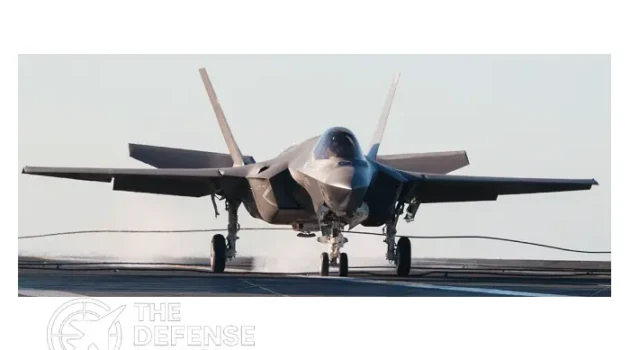
The UK Ministry of Defence has approved the purchase of the GBU-53/B StormBreaker precision-guided bomb for the F-35B fleet. The move is intended to provide an interim standoff strike capability while the domestically developed SPEAR 3 missile remains delayed.The decision highlights ongoing pressure on Britain’s F-35 weapons integration roadmap and reflects growing concern over maintaining credible strike options in contested airspace.
UK Confirms F-35 Standoff Bomb Buy
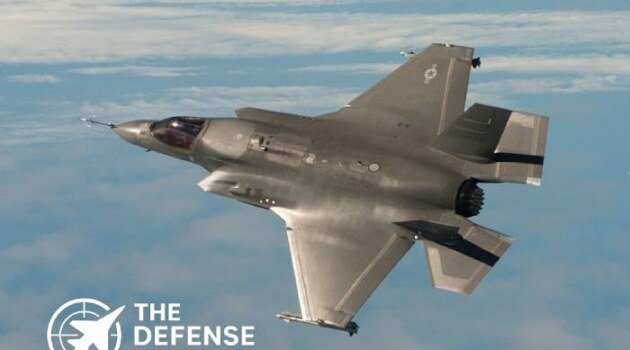
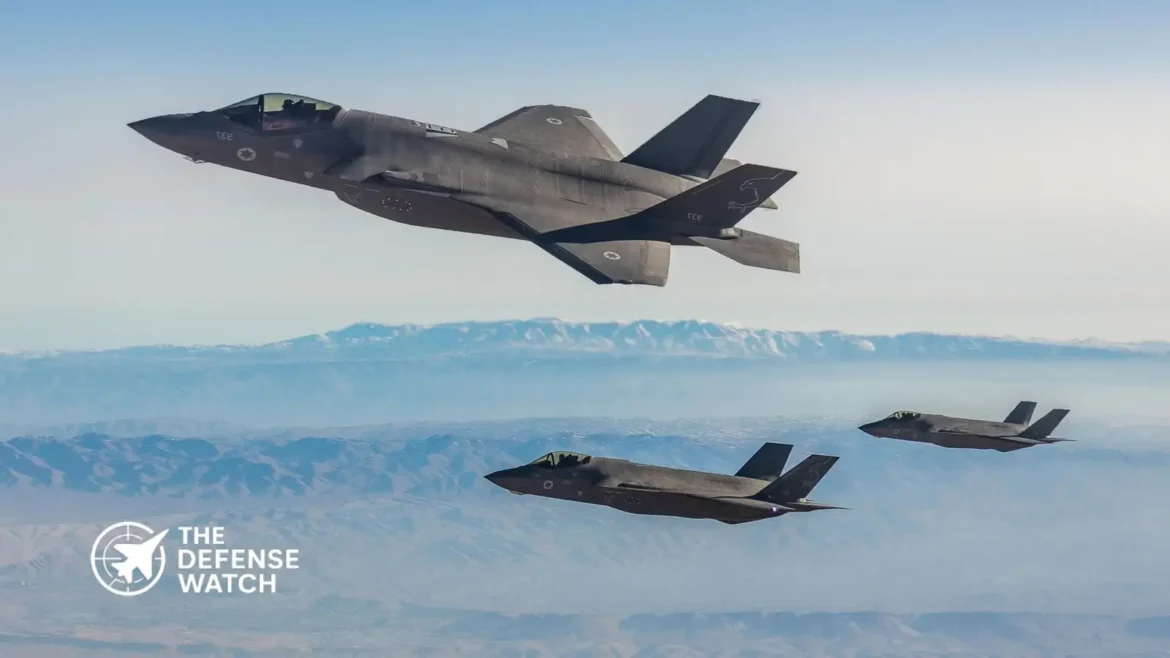
The UK F-35 standoff bomb acquisition marks a significant shift in Britain’s approach to sustaining operational strike capability for its fifth-generation fighter fleet.
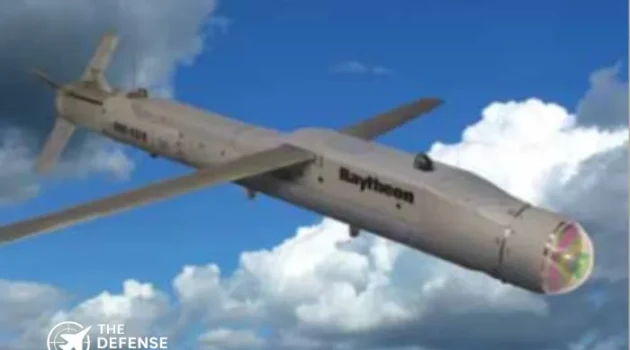
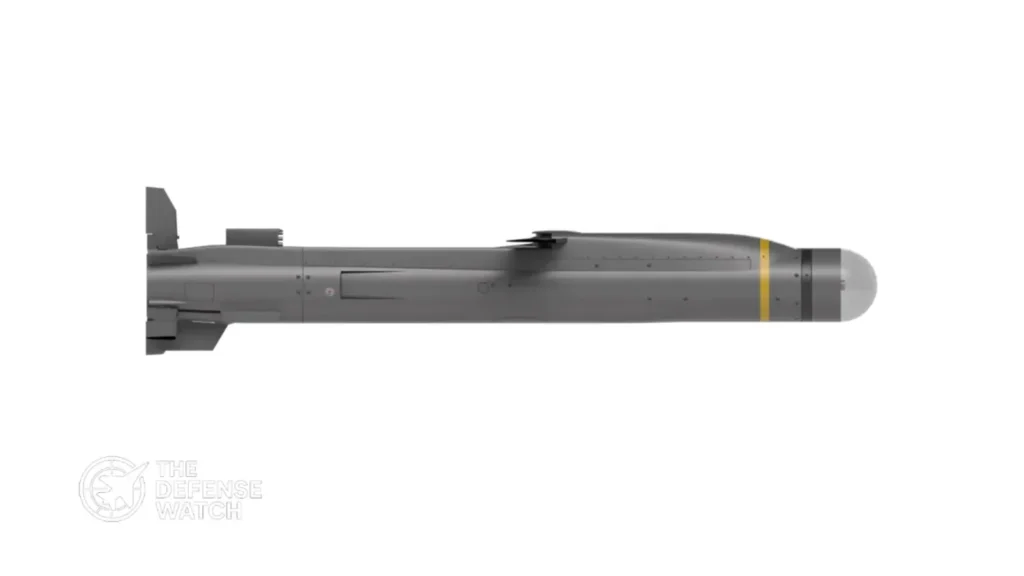
Britain has approved the procurement of the U.S.-made GBU-53/B Small Diameter Bomb II, also known as StormBreaker, through the Foreign Military Sales process. The weapon will serve as an interim solution until the delayed MBDA SPEAR 3 missile enters operational service.
The decision follows mounting scrutiny over the limited air-to-ground weapons currently available to the UK’s F-35B Lightning II aircraft. At present, British F-35Bs primarily rely on the Paveway IV precision-guided bomb for strike missions. Analysts and parliamentary oversight bodies have repeatedly warned that the aircraft lacks sufficient long-range standoff capability against advanced air defense systems.
Why Britain Is Buying StormBreaker
The StormBreaker weapon offers the UK an immediate capability increase without waiting for SPEAR 3 integration to be completed.
Manufactured by RTX, the GBU-53/B is designed to engage moving and stationary targets in poor weather and contested environments. The weapon combines millimeter-wave radar, infrared imaging, semi-active laser guidance, and GPS-assisted navigation. Its glide capability allows engagement ranges exceeding 100 kilometers under optimal launch conditions.
For the UK, the purchase addresses a growing operational gap.
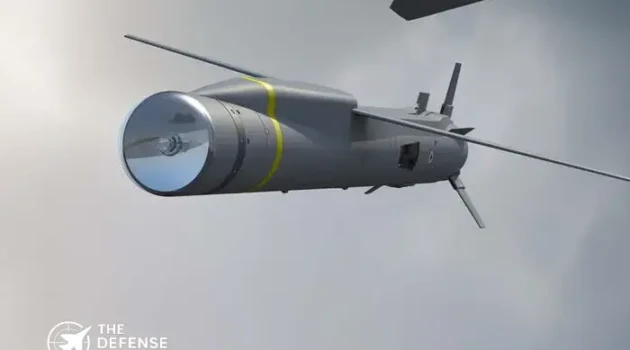
SPEAR 3 was originally intended to become the primary precision strike weapon for British F-35Bs. The missile, developed by MBDA, features a turbojet-powered design with a reported range exceeding 140 kilometers. It was specifically engineered for internal carriage inside the F-35B weapons bay to preserve stealth characteristics.
However, the program has experienced repeated delays tied to integration challenges, supplier performance issues, and broader schedule adjustments associated with F-35 Block 4 modernization efforts. British officials now expect SPEAR 3 operational deployment to begin around fiscal year 2028-29, while some reports suggest full service entry could slip further into the early 2030s.
Strategic Impact On UK Carrier Strike Operations
The purchase has direct implications for Britain’s carrier strike strategy.
The Royal Navy’s Queen Elizabeth-class aircraft carriers depend heavily on the F-35B as their principal strike aircraft. Without an effective long-range precision weapon, the survivability and operational flexibility of carrier-based air wings could be constrained in high-threat environments.
StormBreaker provides a temporary solution that allows British F-35Bs to engage targets from safer stand-off distances while preserving low observable characteristics. The acquisition also aligns the UK more closely with U.S. F-35 operational weapon standards, potentially simplifying coalition interoperability during NATO operations.
The move also reflects a broader pattern among Western militaries seeking near-term capability solutions while next-generation weapons programs face development delays.
Pressure On Britain’s F-35 Modernization Plans
The UK F-35 standoff bomb decision also exposes wider challenges surrounding Britain’s combat air modernization timeline.
Britain completed delivery of its first 48 F-35B aircraft earlier this year and continues evaluating future procurement plans tied to broader defense spending reviews.
Yet weapons integration has emerged as a persistent weakness within the program.
While other F-35 operators have integrated a wider range of stand-off munitions, the UK’s aircraft have remained comparatively limited in strike flexibility. Parliamentary oversight bodies and defense analysts have increasingly questioned whether delays to SPEAR 3 risk undermining the long-term effectiveness of Britain’s carrier strike force.
The interim StormBreaker acquisition suggests the Ministry of Defence is prioritizing immediate operational readiness over waiting for a fully sovereign solution.
At the same time, Britain continues investing heavily in SPEAR 3 development. The missile remains central to the UK’s long-term concept for deep precision strike operations and future combat air integration.
Broader NATO And Operational Relevance
The decision comes amid renewed focus across NATO on survivability in contested airspace.
Modern integrated air defense systems, including long-range surface-to-air missile networks, have reinforced demand for air-launched precision weapons capable of engaging targets from outside high-risk engagement zones.
By moving ahead with the StormBreaker acquisition, the UK ensures its F-35B fleet retains a relevant strike capability while more advanced domestic weapons continue development.
The procurement also reflects the increasing importance of rapid capability adaptation in current defense planning cycles, particularly as European militaries seek to close gaps exposed by recent operational assessments and evolving regional security threats.

Executive Summary:
The global F-35 fleet is expected to see a temporary decline in aircraft availability as operators address a growing backlog of corrosion repairs. Defense officials say the effort is necessary to improve long-term readiness and sustainment performance for the stealth fighter program.F-35 Availability Faces Short-Term Decline Amid Maintenance Push
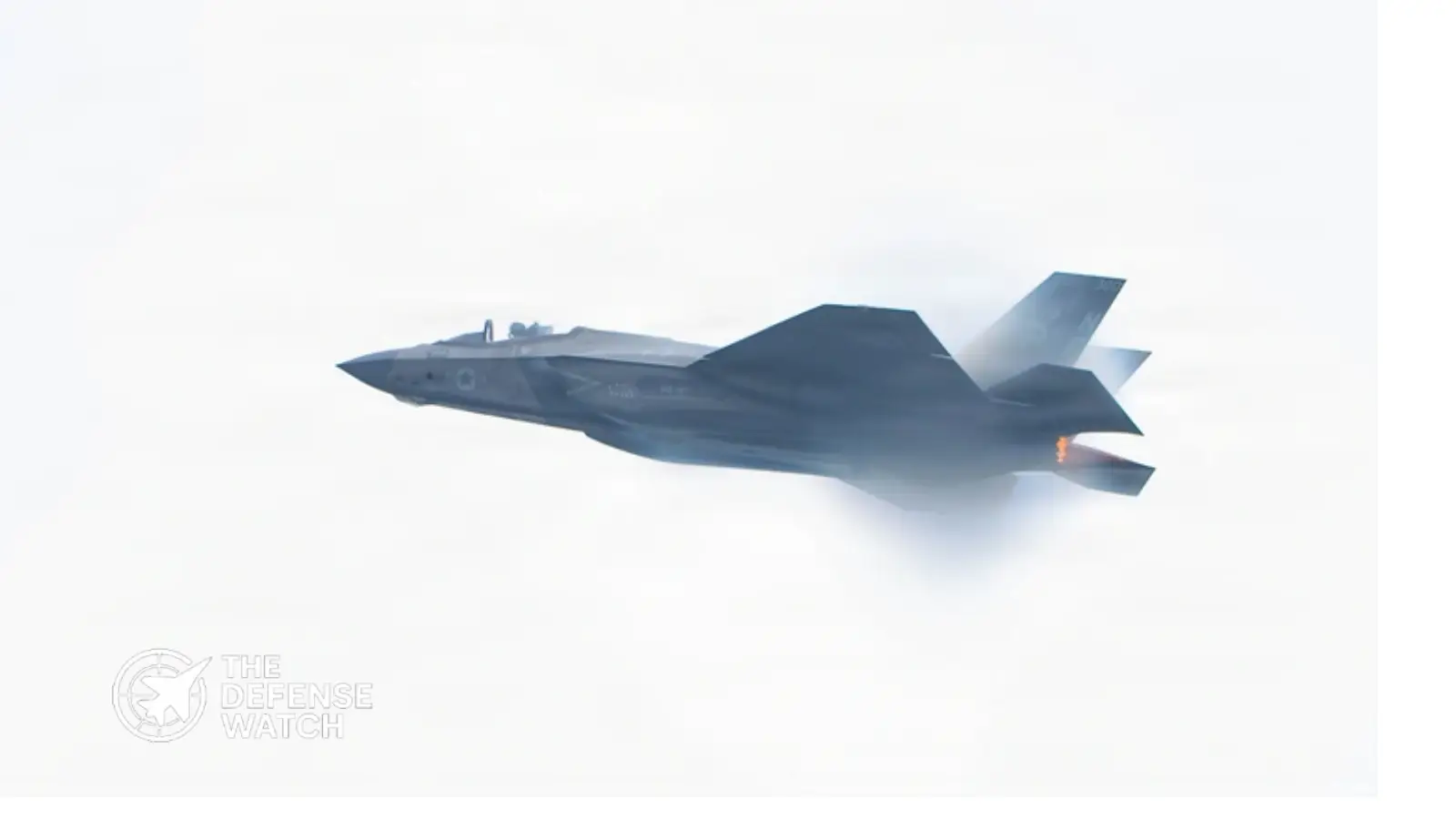
The F-35 availability rate is expected to decline in the near term as maintenance crews work through a backlog of corrosion-related repairs affecting the stealth fighter fleet. The issue, discussed by defense officials and sustainment leaders, highlights the ongoing challenge of maintaining fifth-generation aircraft designed for high-tempo operations in demanding environments.
The maintenance effort is focused on clearing accumulated corrosion cases that have developed across portions of the multinational F-35 fleet. The temporary reduction in aircraft readiness is expected as more jets are pulled from operational service for inspections and repair work.
The F-35 program remains one of the largest and most complex military aviation programs in the world, with aircraft operated by the United States and multiple allied nations. The platform serves in conventional takeoff, short takeoff and vertical landing, and carrier-based configurations across different branches and partner air forces.
Corrosion Challenges Continue To Affect Advanced Stealth Aircraft
Corrosion has long been a concern for modern military aircraft, particularly stealth platforms operating in maritime and humid environments. The F-35’s low observable coatings, advanced materials, and tightly integrated systems require specialized maintenance processes that can increase repair timelines compared with legacy aircraft.
Naval aviation environments create additional stress on airframes due to salt exposure and high-moisture operating conditions. Carrier-based aircraft, including the F-35C, face particularly demanding sustainment requirements because of continuous exposure to corrosive sea air.
Defense sustainment officials have increasingly emphasized long-term fleet durability as global F-35 flight hours continue to rise. The aircraft now operates across Europe, the Indo-Pacific, and the Middle East, with many fleets flying at high operational tempos following heightened regional security tensions.
While corrosion repair programs can reduce short-term availability rates, analysts note that delaying such work would likely create larger sustainment problems later in the aircraft’s lifecycle. The current maintenance push appears aimed at preventing deeper structural or systems-related issues from emerging over time.
Sustainment Costs Remain Under Pressure
The F-35 program has faced continued scrutiny over sustainment costs and fleet readiness metrics. Although the aircraft provides advanced sensor fusion, stealth capabilities, and networked warfare functions, operators have consistently pushed for lower maintenance burdens and improved mission capable rates.
The Pentagon and partner nations have invested heavily in improving supply chain efficiency, spare parts availability, and depot-level maintenance capacity. However, the growing size of the global fleet has increased demand on sustainment infrastructure.
Lockheed Martin, prime contractor for the F-35 program, has previously stated that improving aircraft availability remains a key objective. Efforts have included software upgrades, predictive maintenance initiatives, and modifications intended to reduce downtime.
The temporary availability decline linked to corrosion repairs underscores a broader reality facing modern air forces. Advanced combat aircraft require increasingly sophisticated maintenance ecosystems to sustain operational readiness over decades of service.
Operational Impact Expected To Be Temporary
Defense officials reportedly expect the reduction in F-35 availability to be temporary as the maintenance backlog is addressed. Once repair cycles stabilize, fleet readiness levels could improve due to fewer unresolved sustainment issues remaining in the system.
Several allied operators continue expanding their F-35 fleets despite sustainment concerns. Nations across NATO and the Indo-Pacific view the aircraft as a central component of future air combat capability and coalition interoperability.
The F-35 remains heavily deployed in deterrence operations, air policing missions, carrier strike group operations, and joint exercises. Its role in modern military planning means sustainment performance will remain under close observation by defense ministries and lawmakers.
The broader issue also reflects a trend across advanced military aviation programs. As aircraft become more technologically sophisticated, sustainment and lifecycle management increasingly shape operational effectiveness as much as procurement itself.
Why The Issue Matters
The F-35 availability decline tied to corrosion repairs is significant because readiness rates directly influence force projection and operational planning. Air forces depend on predictable aircraft availability for training, deployments, and contingency operations.
Addressing corrosion issues now may strengthen long-term fleet health, even if it creates temporary operational strain. Defense planners increasingly view sustainment resilience as a critical factor in maintaining combat capability during extended periods of geopolitical tension.
For allied operators, the situation also reinforces the importance of building domestic maintenance and repair infrastructure capable of supporting advanced stealth aircraft independently.
A routine Air Force Reserve training flight turned into a real-world Atlantic Ocean rescue mission that saved 11 survivors after a civilian aircraft went down off Florida’s coast.
Executive Summary:
Air Force Reserve personnel from the 920th Rescue Wing rescued 11 survivors after a civilian aircraft crashed into the Atlantic Ocean east of Melbourne, Florida. The mission demonstrated the wing’s rapid response capability and coordination with U.S. Coast Guard rescue assets during a real-world emergency operation.Air Force Reserve Rescue Wing Responds To Atlantic Ocean Aircraft Emergency
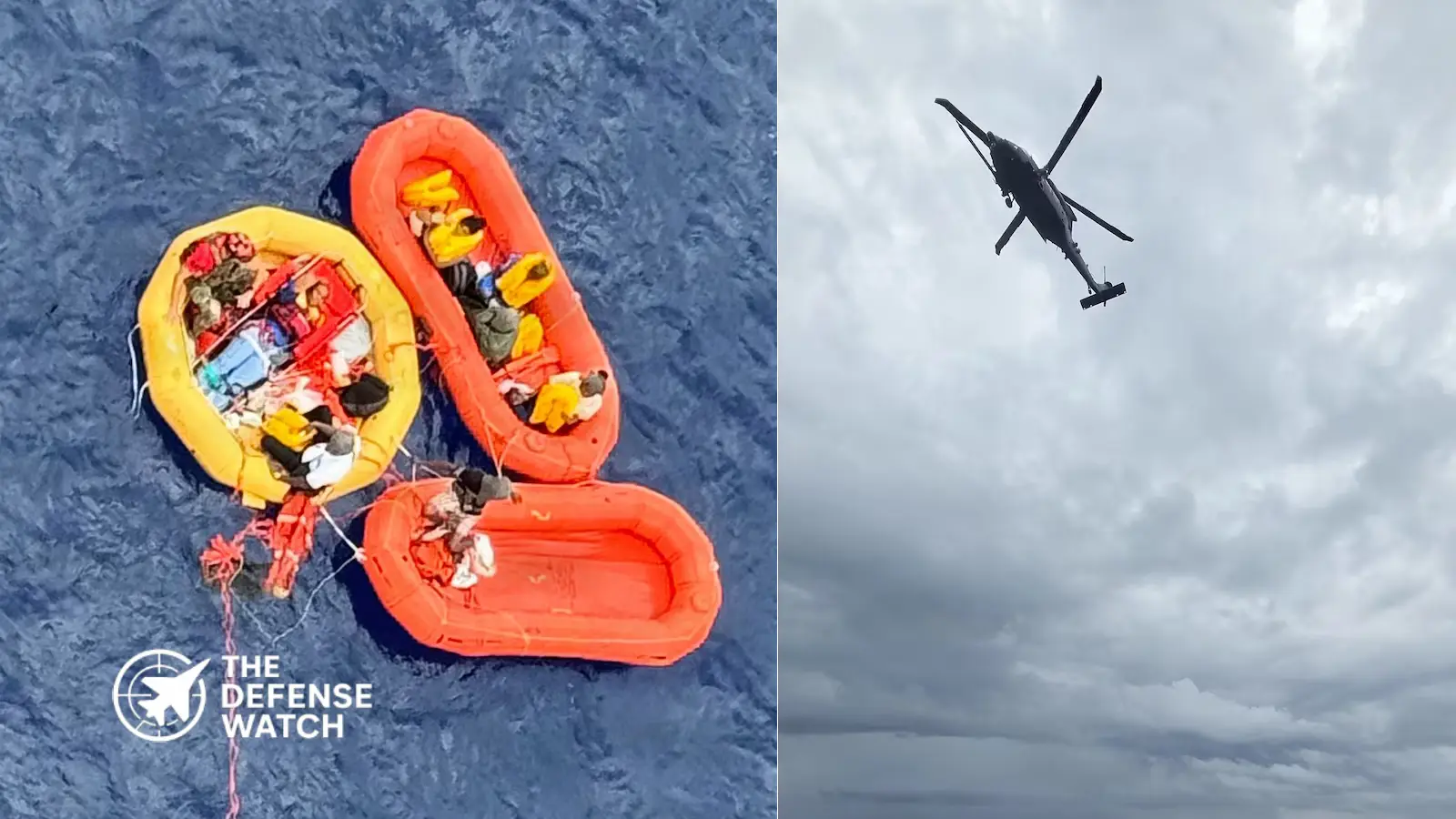
The Air Force Reserve rescue mission off the Florida coast on May 12 highlighted the operational readiness of the U.S. military’s dedicated combat search and rescue forces. Airmen assigned to the 920th Rescue Wing assisted in rescuing 11 survivors after a civilian aircraft went down approximately 80 miles east of Melbourne, Florida.
According to official details released by the U.S. Air Force, the rescue effort began after Coast Guard Southeast District watch standers detected an emergency locator transmitter signal from a small aircraft operating over the Atlantic Ocean.
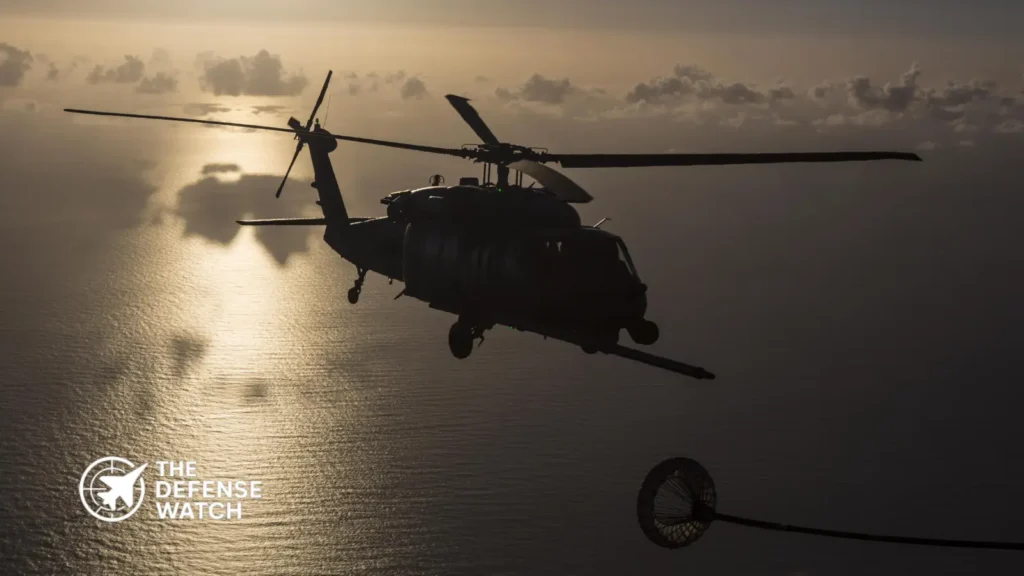
At the time of the alert, a U.S. Air Force HH-60W Jolly Green II helicopter crew from the reserve wing was already airborne conducting a routine training mission. The crew was immediately redirected to support the developing search and rescue operation.

Image Source : Dow The rescue mission quickly evolved into a coordinated interagency response involving the U.S. Coast Guard and multiple Air Force rescue aircraft. Working together, crews located a life raft near the downed civilian aircraft and recovered 11 Bahamian adults stranded at sea.
Airmen aboard the HH-60W helicopter conducted hoist operations to safely recover all survivors before transporting them to emergency medical personnel waiting at Melbourne Orlando International Airport.
Officials stated that all 11 individuals were reported in stable condition following the rescue.
The aircraft involved reportedly departed Marsh Harbour in the Bahamas and was traveling to Freeport when it suffered engine failure over the Atlantic. Bahamian authorities are expected to investigate the incident.
920th Rescue Wing Demonstrates Operational Readiness
The operation underscored the importance of maintaining dedicated combat search and rescue units capable of rapidly transitioning from training scenarios to live emergency operations.
Air Force Col. Chadd Bloomstine, commander of the 920th Operations Group, said the rescue reflected the professionalism and interoperability that rescue aircrews train for regularly.
The incident also demonstrated how Air Force Reserve rescue assets continue to support civilian emergency response missions in addition to military operations. While the 920th Rescue Wing primarily supports combat search and rescue requirements, its crews are routinely tasked with assisting civil authorities during maritime emergencies, humanitarian operations, and disaster response efforts.
Image Source : Dow That dual-role capability has become increasingly important as the U.S. military expands domestic support coordination with agencies such as the U.S. Coast Guard and FEMA.
Multiple Rescue Aircraft Supported Search Effort
Additional support came from a United States Coast Guard Air Station Clearwater C-27 Spartan aircrew and an HC-130J Combat King II aircraft operating from Patrick Space Force Base.
The HC-130J Combat King II serves as one of the Air Force’s primary long-range personnel recovery platforms, designed to coordinate rescue missions in contested and remote environments. In operations such as the Florida rescue mission, the aircraft provides extended search coverage, airborne command-and-control support, and refueling coordination for rotary-wing rescue assets.
The successful rescue also highlighted the expanding operational role of the HH-60W Jolly Green II helicopter fleet. Developed to replace aging HH-60G Pave Hawk helicopters, the aircraft provides improved survivability, advanced communications systems, expanded fuel capacity, and greater operational range for combat and civilian rescue missions.
While primarily designed for contested combat rescue operations, the platform continues proving valuable in domestic emergency response missions across U.S. coastal regions.
Strategic Importance Of Combat Search And Rescue Forces
The 920th Rescue Wing remains the Air Force Reserve’s only combat search and rescue wing, making it a critical component of U.S. personnel recovery operations.
Its mission set includes:
- Combat search and rescue
- Maritime emergency response
- Humanitarian assistance
- Disaster relief support
- Civil authority assistance operations
The rescue off Florida illustrates how military aviation assets frequently provide immediate response capability during civilian emergencies, particularly in maritime regions where response times can determine survival outcomes.
For the U.S. Air Force, these operations also reinforce the operational relevance of personnel recovery forces at a time when the Pentagon continues emphasizing rapid-response capabilities across multiple theaters.
Executive Summary:
Rotron Aerospace has successfully demonstrated and fired its SkyLance long-range autonomous strike platform, validating propulsion and operational performance. The milestone comes as the United Kingdom seeks to expand sovereign defense manufacturing capacity and strengthen NATO-aligned long-range strike capabilities.Rotron SkyLance Demonstration Highlights UK Defense Industry Push
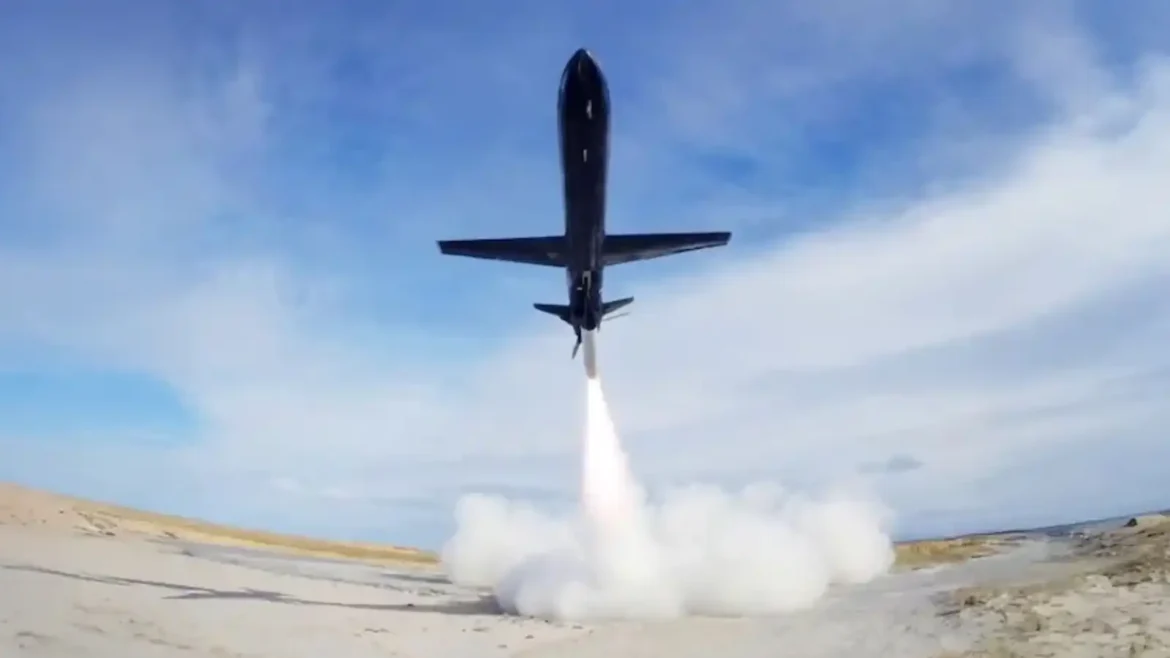
The Rotron SkyLance long-range strike system has completed a successful firing demonstration, marking a significant milestone for Britain’s growing autonomous weapons sector.
The test validated key propulsion and systems performance characteristics of the SkyLance platform, a long-range one-way effector designed for operations in contested and GPS-denied environments.
Rotron described SkyLance as a low-cost, attritable autonomous strike platform engineered for scalable deployment. The company stated that the system incorporates proprietary British-developed propulsion technology intended to improve range, endurance, and operational efficiency compared with conventional piston or turbine-powered alternatives.
The demonstration follows the recent acquisition of Rotron Aerospace by Ondas Holdings, a move both companies say will accelerate production scaling and long-term investment in British defense manufacturing.
SkyLance Designed For NATO Operational Requirements
Rotron said the SkyLance platform was developed around emerging NATO operational requirements for long-range precision strike systems that can be produced and deployed in large numbers.
The company stated that onboard autonomy enables navigation and targeting in electronically contested environments where GPS access may be disrupted. SkyLance is also designed to integrate with intelligence, surveillance, reconnaissance, and command-and-control networks to support rapid sensor-to-shooter operations.
The platform reflects a broader shift in Western defense procurement priorities following lessons observed in Ukraine and other modern conflicts, where relatively low-cost autonomous strike systems have demonstrated significant battlefield impact against more expensive conventional assets.
That trend has accelerated demand across NATO for scalable long-range unmanned systems capable of operating in heavily contested airspace without relying on traditional crewed aviation platforms.
Sovereign Manufacturing Becoming Strategic Priority
The Rotron SkyLance program also aligns with a wider British effort to expand sovereign defense industrial capability amid increasing geopolitical pressure and growing concerns about supply chain resilience.
Rotron stated that integration with Ondas will help increase domestic production capacity and strengthen UK-based defense technology development. The company also projected that the partnership could create hundreds of highly skilled aerospace and defense jobs across Britain during 2026.
The United Kingdom has increasingly emphasized sovereign production in areas including missile systems, autonomous platforms, propulsion technologies, and electronic warfare capabilities as European security conditions continue to evolve.
Analysts note that long-range autonomous systems are becoming a critical component of NATO deterrence planning, particularly along the alliance’s eastern flank where rapid-response strike options and mass deployability are viewed as operational advantages.
Rotron Expands Autonomous Strike Portfolio
The SkyLance system builds on Rotron Aerospace’s broader portfolio of unmanned and autonomous platforms.
At the 2025 DSEI exhibition in London, the company unveiled the Defendor unmanned combat aerial vehicle, another platform focused on long-range autonomous strike missions and scalable manufacturing.
Rotron has positioned its propulsion technologies as a core differentiator in the increasingly competitive market for autonomous strike drones and one-way effectors. The company claims its propulsion architecture delivers extended endurance while maintaining lower operational costs and simplified production requirements.
The growing focus on attritable systems reflects a broader defense industry trend toward affordable mass rather than limited numbers of highly expensive precision platforms.
Strategic Implications For European Defense
The SkyLance demonstration highlights how smaller defense technology firms are becoming increasingly important contributors to European and NATO modernization efforts.
The war in Ukraine and rising concerns over long-range strike capabilities have accelerated investment across Europe in autonomous systems, loitering munitions, and low-cost precision strike technologies.
For the UK, programs like SkyLance support both operational requirements and industrial policy objectives. London has repeatedly emphasized the need to maintain sovereign defense manufacturing capacity while also expanding export opportunities for British-developed military technology.
Rotron stated that SkyLance could support allied infrastructure protection and deterrence missions across Europe while addressing growing international demand for affordable long-range autonomous strike systems.
Executive Summary:
Israel has awarded Elbit Systems a new contract aimed at extending the operational range of the Israeli Air Force’s F-35I Adir stealth fighter fleet. The program reflects Israel’s continued focus on long-range strike capability, regional deterrence, and operational flexibility amid evolving Middle East security challenges.Israel Expands F-35I Adir Operational Reach
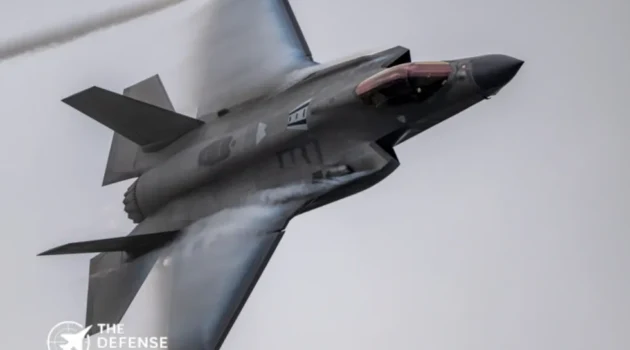
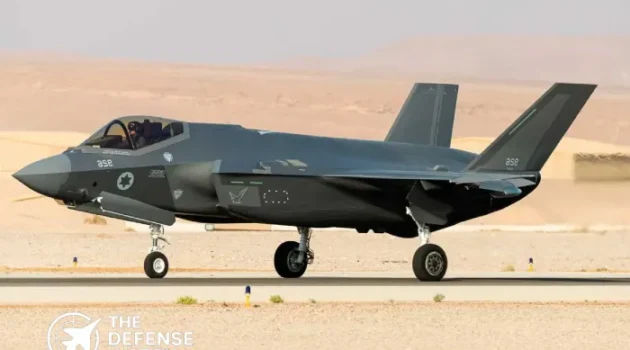
The F-35I Adir remains central to Israel’s airpower strategy, and the latest agreement with Elbit Systems highlights a growing emphasis on extended operational reach and mission endurance.
The Israeli Ministry of Defense selected Elbit Systems to develop and integrate capabilities designed to increase the operational range of the F-35I Adir fleet operated by the Israeli Air Force. The contract supports Israel’s long-term modernization roadmap for fifth-generation combat aviation and advanced strike operations.
The F-35I Adir is Israel’s customized variant of the Lockheed Martin F-35 Lightning II. Unlike standard export variants, the aircraft incorporates Israeli-developed systems and mission-specific modifications approved under a unique bilateral arrangement with the United States.
While financial details of the contract were not publicly disclosed, the effort is expected to focus on advanced airborne systems, mission support technologies, and enhancements intended to improve operational flexibility during long-range missions.
Long-Range Strike Capability Remains A Strategic Priority
Israel’s decision to expand the operational range of the F-35I Adir comes as regional security dynamics continue to evolve across the Middle East.
The Israeli Air Force has increasingly prioritized deep-strike capability, survivability, and rapid-response operations against emerging threats across extended distances. Analysts have long viewed range and endurance enhancements as critical components of Israel’s future airpower doctrine, particularly as regional adversaries continue investing in integrated air defense systems, long-range missiles, and dispersed military infrastructure.
The F-35I already provides Israel with low observable penetration capability, advanced sensor fusion, electronic warfare systems, and network-centric operational advantages. Extending the aircraft’s effective operational reach could improve flexibility for intelligence, surveillance, strike, and deterrence missions without relying heavily on forward basing options.
Elbit Systems has played a significant role in several Israeli combat aviation modernization efforts, including helmet-mounted systems, electronic warfare technologies, avionics, and mission support equipment. The company’s involvement in the F-35I program reinforces Israel’s strategy of integrating domestic defense technologies into imported platforms to preserve operational independence and customization capability.
F-35I Adir Continues To Anchor Israeli Airpower
The Israeli Air Force was among the first international operators to declare the F-35 operational. Since entering service, the aircraft has become a key component of Israel’s multi-domain combat architecture.
Israel has previously stated that the F-35I has participated in operational missions across the region, including intelligence gathering and precision strike operations. The aircraft’s stealth characteristics and advanced electronic warfare suite are widely considered essential for operating in contested environments defended by modern surface-to-air missile systems.
The latest range enhancement initiative may also support future mission profiles involving longer-duration patrols, strategic deterrence operations, and expanded strike planning options.
Defense analysts note that survivability alone is no longer sufficient for fifth-generation aircraft operating in increasingly complex threat environments. Range, data connectivity, electronic warfare integration, and logistical sustainability are becoming equally important factors in modern air combat operations.
Broader Regional And Industrial Implications
The contract also reflects the continued strength of Israel’s domestic defense industrial base. By assigning key integration and upgrade responsibilities to Elbit Systems, Israel continues to reinforce local technological expertise while reducing dependence on external modification pathways.
The move aligns with broader global trends in military aviation, where operators increasingly seek sovereign control over mission systems, software integration, and platform-specific upgrades.
For Israel, maintaining technological superiority remains a core national security objective. Investments tied to the F-35I Adir demonstrate how the country continues adapting Western-built platforms to meet regional operational requirements.
The agreement further underscores the strategic importance of the F-35 program within Middle East defense planning. Several regional states are expanding air defense capabilities and investing heavily in long-range missile systems, unmanned platforms, and electronic warfare assets. In that environment, operational reach and survivability remain decisive factors.
Executive Summary:
The U.S. Air Force has launched a long-term KC-46A readiness initiative aimed at increasing tanker aircraft availability by 20% by 2030. The effort focuses on sustainment, maintenance efficiency, and fleet modernization as aerial refueling demand expands across multiple theaters.U.S. Air Force Launches KC-46A Readiness Initiative
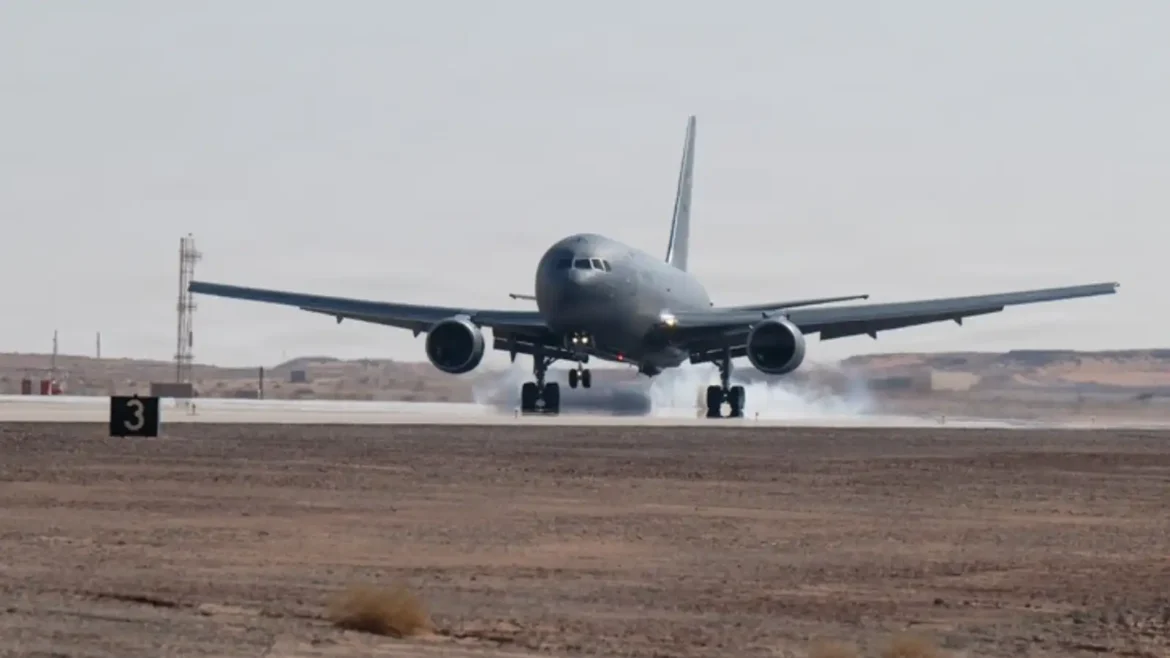
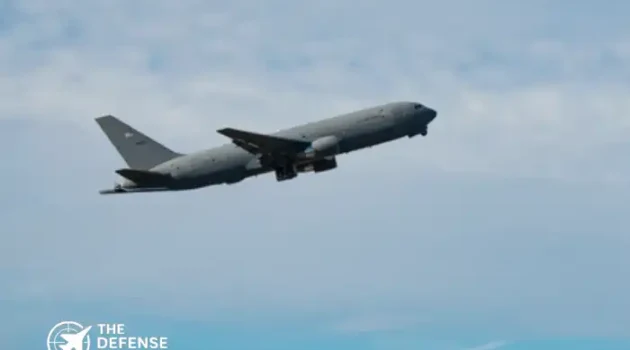
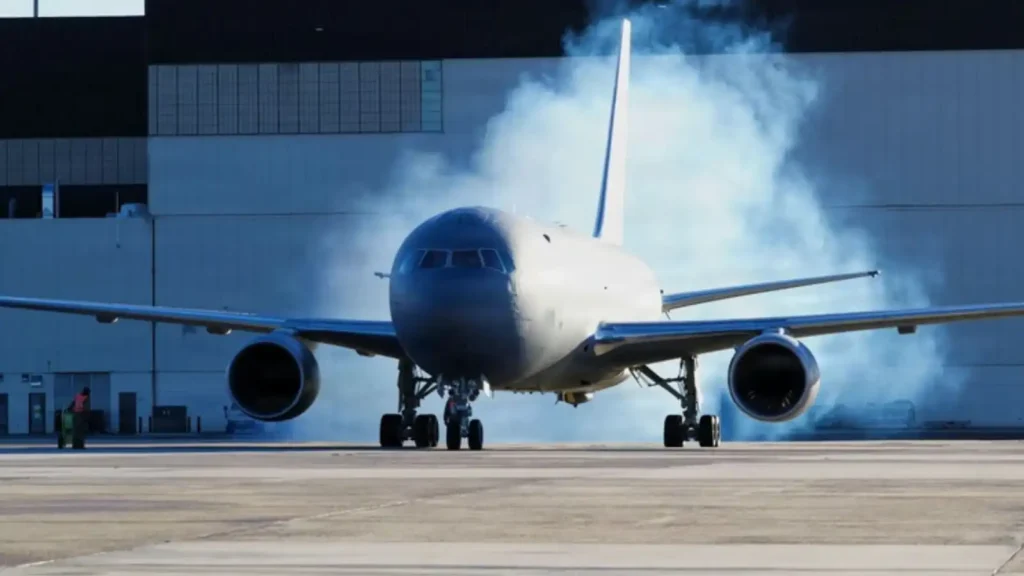
The U.S. Air Force has introduced a new KC-46A readiness plan designed to improve operational availability of its growing aerial refueling fleet by 20% before the end of the decade. The initiative reflects increasing demand for tanker support across Indo-Pacific, European, and Middle Eastern operational environments.
The effort centers on sustainment reform, predictive maintenance, supply chain optimization, and stronger coordination between the Air Force and industry partners.
The KC-46A Pegasus, developed by Boeing, is intended to gradually replace portions of the aging KC-135 Stratotanker fleet while expanding modern aerial refueling capabilities for joint and allied operations.
Why The KC-46A Fleet Matters
The KC-46A has become one of the Air Force’s most strategically important aviation programs. Modern U.S. military operations depend heavily on aerial refueling to sustain long-range fighter patrols, bomber deployments, intelligence missions, and rapid force projection.
As tensions continue to rise in the Indo-Pacific region and Europe, tanker aircraft availability has become increasingly critical. The Air Force has repeatedly identified aerial refueling capacity as a major enabler for distributed combat operations and long-range deterrence missions.
The new readiness plan appears designed not only to improve aircraft availability rates, but also to reduce maintenance bottlenecks that have affected fleet performance during the platform’s early operational years.
Sustainment And Maintenance Reforms
The KC-46A readiness plan reportedly includes several operational improvements focused on increasing aircraft mission-capable rates.
These measures include:
- Expanded predictive maintenance tools
- Improved spare parts availability
- Reduced depot maintenance delays
- Streamlined logistics coordination
- Enhanced digital sustainment systems
The Air Force is also expected to increase data-driven maintenance planning to reduce unplanned downtime and improve sortie generation rates.
Image : U.S. Air Force This approach mirrors broader Pentagon-wide efforts to modernize aircraft sustainment using digital logistics management and condition-based maintenance technologies.
KC-46A Program Continues To Mature
The KC-46A program has experienced a difficult development path since its initial contract award. The aircraft faced years of technical deficiencies involving its Remote Vision System (RVS), refueling boom performance, and other operational systems.
However, the platform has gradually expanded operational deployments while supporting real-world missions for U.S. and allied forces.
The tanker is capable of refueling a wide range of aircraft, including:
- F-35 Lightning II
- F-22 Raptor
- B-52 Stratofortress
- C-17 Globemaster III
- Allied NATO aircraft
The aircraft also provides cargo transport, aeromedical evacuation, and command-and-control support capabilities.
The Air Force continues working with Boeing on the upgraded Remote Vision System 2.0, which remains one of the most important remaining modernization efforts for the platform.
Strategic Pressure Driving Tanker Modernization
The KC-46A readiness initiative comes as the Air Force faces growing operational pressure in multiple regions simultaneously.
In the Indo-Pacific, tanker aircraft are considered essential for sustaining combat aircraft over long distances where forward basing options may be limited during a conflict scenario involving China.
In Europe, NATO air operations supporting deterrence missions against Russia have increased demand for aerial refueling support since the outbreak of the Ukraine war.
At the same time, Middle East operations continue requiring persistent tanker support for surveillance, strike coordination, and regional force protection missions.
This operational environment is forcing the Air Force to maximize availability across its tanker inventory while accelerating modernization of aging fleets.
Industrial And Budget Implications
The readiness initiative may also carry significant implications for defense industry sustainment contracts over the coming years.
Improving fleet readiness often requires expanded partnerships between the Air Force, aircraft manufacturers, and logistics suppliers. Boeing and associated contractors are expected to remain heavily involved in sustainment optimization efforts tied to the KC-46A program.
The Air Force has already accepted dozens of KC-46A aircraft and plans to continue expanding the fleet under existing procurement schedules.
Despite earlier technical setbacks, the service continues treating the Pegasus as the backbone of its future aerial refueling architecture.
Operational Analysis
The Air Force’s decision to prioritize KC-46A readiness highlights a broader shift in Pentagon planning toward sustainment resilience rather than purely platform acquisition.
Aircraft availability rates increasingly matter as much as fleet size. A tanker fleet with low mission-capable rates can significantly reduce combat airpower projection during high-tempo operations.
The 20% availability target by 2030 suggests the Air Force is attempting to address readiness concerns before the KC-46A becomes fully central to U.S. global tanker operations.
The initiative also reflects lessons learned from recent operational demands, where logistics and sustainment capacity have become major strategic factors in prolonged military deployments.
Executive Summary:
UAE-based EDGE Group and Turkish drone manufacturer Baykar have signed agreements to integrate Al Tariq precision-guided munitions onto the Akıncı combat drone. The move strengthens Türkiye-UAE defense cooperation while expanding the Akıncı UAV’s long-range strike capability with modular precision weapons.EDGE And Baykar Advance Akıncı Combat Drone Integration
The Al Tariq guided munitions integration program for the Akıncı combat drone marks another step in expanding precision strike options for one of Türkiye’s most capable unmanned aerial systems.
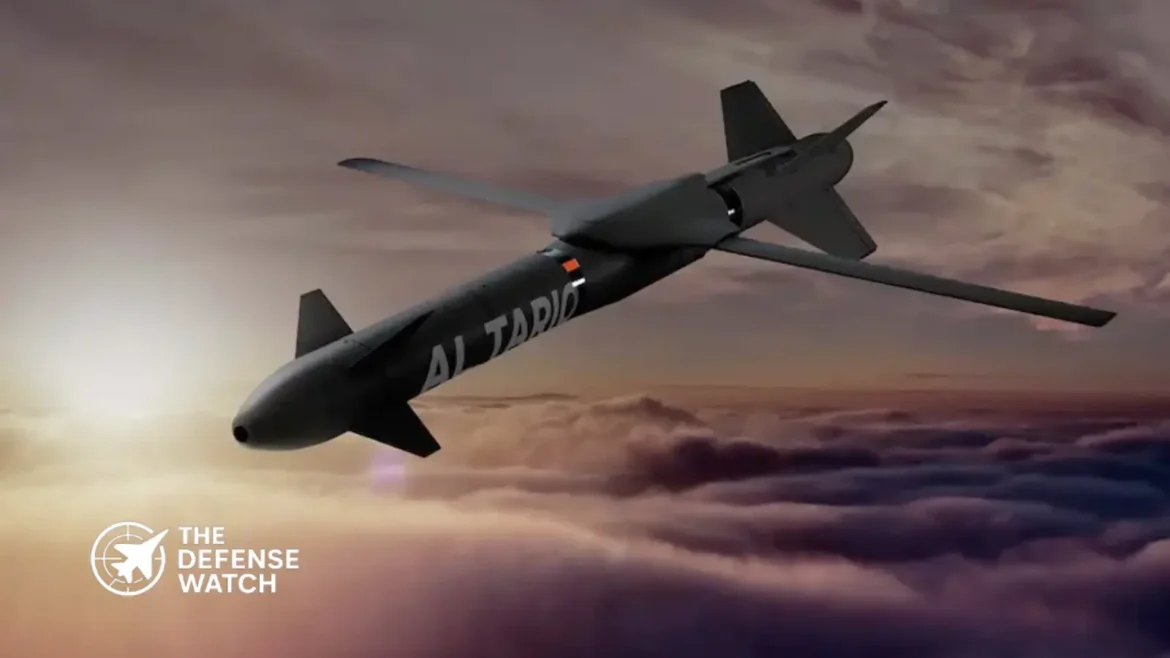
EDGE Group announced that its HALCON subsidiary signed agreements with Baykar to integrate the Al Tariq family of precision-guided munitions onto the Bayraktar Akıncı unmanned combat aerial vehicle (UCAV). The announcement highlights growing defense cooperation between the United Arab Emirates and Türkiye as both countries seek to strengthen indigenous aerospace and weapons manufacturing capabilities.
The integration effort focuses on enabling the Akıncı platform to deploy Al Tariq precision-guided bombs in multiple operational configurations. The munition family is designed for high-accuracy strikes against fixed and semi-mobile targets while allowing stand-off engagement ranges.
Baykar’s Akıncı UAV has become a flagship Turkish unmanned combat platform, capable of carrying a larger payload and operating at higher altitudes than the Bayraktar TB2 drone. Integrating Al Tariq weapons broadens the aircraft’s compatibility with international precision-guided weapon systems and may improve export attractiveness for operators seeking modular payload flexibility.
What The Al Tariq Integration Means
The Al Tariq system, developed by HALCON under EDGE Group, converts conventional gravity bombs into precision-guided munitions through the use of guidance kits equipped with GPS, INS, and optional infrared seekers.
The weapon family includes different variants tailored for various operational requirements, including extended-range strike missions. Depending on configuration, Al Tariq munitions can engage targets at significant stand-off distances while reducing aircraft exposure to enemy air defenses.
For Baykar, integration of the Al Tariq guided munitions onto the Akıncı combat drone provides several operational advantages:
- Expanded precision strike capability
- Greater compatibility with non-Turkish weapons
- Increased export market flexibility
- Enhanced payload diversity for customers
- Potential interoperability with Gulf defense partners
The agreement also reflects a broader trend in the unmanned systems market, where UAV manufacturers increasingly seek open-architecture payload integration to meet diverse customer requirements.
Growing Türkiye-UAE Defense Cooperation
The partnership between EDGE and Baykar comes amid steadily improving strategic and economic relations between Türkiye and the UAE.
In recent years, both countries have increased cooperation across aerospace, defense technology, autonomous systems, and advanced manufacturing sectors. Defense-industrial collaboration has become a particularly important area as regional powers invest heavily in domestic production and export-oriented military technology.
The Akıncı combat drone itself has emerged as one of Türkiye’s most advanced unmanned platforms. Developed for intelligence, surveillance, reconnaissance, and strike missions, the twin-engine UAV can carry air-to-ground missiles, smart bombs, electronic warfare payloads, and radar systems.
Unlike lighter tactical drones, the Akıncı is positioned closer to a high-end MALE (Medium Altitude Long Endurance) combat UAV. The platform is capable of operating at high altitudes for extended periods while carrying substantial payloads across multiple hardpoints.
By integrating Al Tariq munitions, Baykar continues expanding the aircraft’s mission adaptability. That flexibility could become increasingly important as export customers seek multi-role UAV solutions capable of integrating locally preferred weapons.
Strategic Implications For Regional Defense Markets
The integration agreement carries implications beyond technical compatibility.
Middle Eastern defense markets are increasingly prioritizing indigenous production, sovereign supply chains, and regional defense partnerships. The EDGE-Baykar cooperation aligns with this broader trend by combining Turkish UAV expertise with Emirati precision weapons development.
The agreement may also strengthen the competitive position of both companies in international drone and guided munition export markets. Many countries evaluating UAV acquisitions now consider not only aircraft performance, but also payload flexibility, logistics integration, and weapons compatibility.
For EDGE Group, partnering with Baykar provides access to one of the fastest-growing combat drone ecosystems globally. For Baykar, cooperation with Gulf defense firms can support broader market access in the Middle East and beyond.
The move also reflects the increasing convergence between unmanned systems and precision-guided weapons development. Modern UAV operators are demanding scalable strike capabilities that can adapt to different mission environments without requiring entirely new platforms.
Akıncı’s Expanding Weapons Ecosystem
Baykar has steadily expanded the Akıncı’s weapons integration portfolio since the drone entered service. The UAV has previously demonstrated compatibility with Turkish-made cruise missiles, air-to-ground missiles, smart munitions, and electronic warfare systems.
Adding the Al Tariq family further diversifies that ecosystem and supports the platform’s positioning as a flexible strategic strike UAV.
The integration may also support future collaborative programs between Turkish and Emirati defense firms in areas such as:
- Autonomous systems
- Smart weapons
- AI-enabled targeting
- ISR payloads
- Multi-domain battlefield networking
As demand for advanced unmanned combat systems continues growing worldwide, partnerships that combine airframe expertise with precision-guided weapon development are likely to become more common.
Executive Summary:
RS-Intercept has expanded its intelligence, surveillance, and reconnaissance fleet through the acquisition of former U.S. Air Force U-28A Draco and PC-12 aircraft. The move highlights growing demand for adaptable ISR platforms capable of supporting government, defense, and special mission operations.RS-Intercept Expands ISR Fleet With USAF U-28A Draco And PC-12 Aircraft
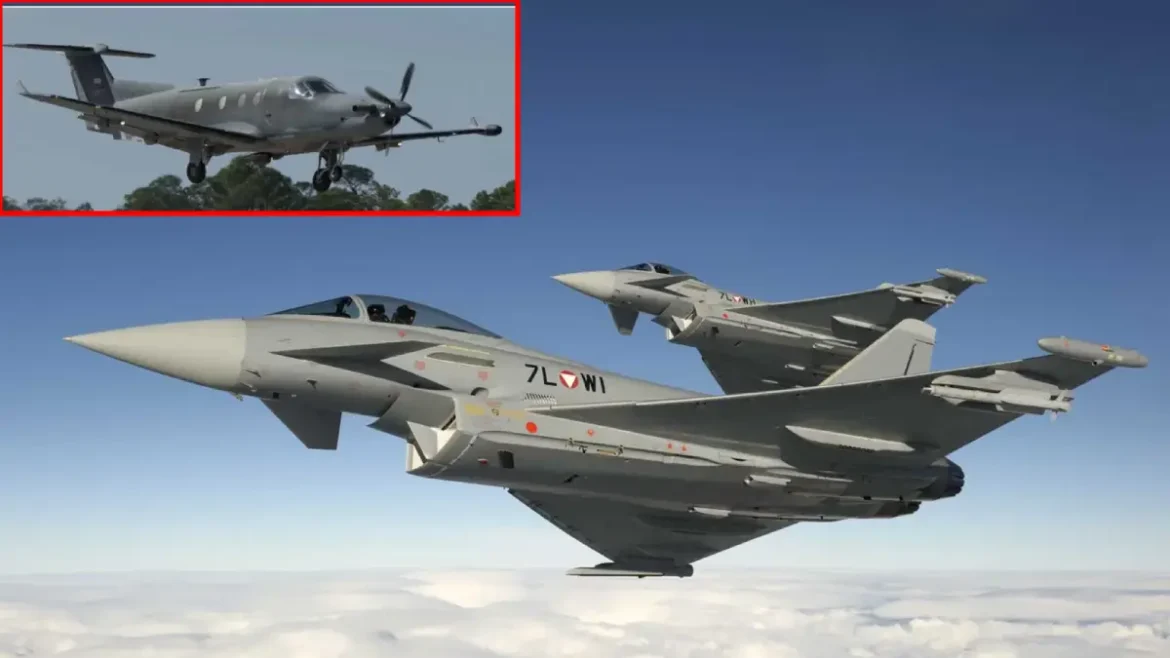
RS-Intercept’s acquisition of former USAF U-28A Draco and PC-12 aircraft marks another step in the growing secondary market for proven intelligence, surveillance, and reconnaissance platforms. The aircraft, previously associated with U.S. Air Force special operations missions, are expected to support a range of airborne ISR and special mission roles.
The U-28A Draco is a militarized variant of the Pilatus PC-12 aircraft and has long served within U.S. Special Operations Command. The aircraft is widely recognized for supporting intelligence gathering, battlefield surveillance, target tracking, and personnel recovery missions in contested and remote operating environments.
The acquisition reflects a broader trend in which private defense aviation companies increasingly seek retired military ISR aircraft to support government agencies, partner nations, and contractor-operated missions.
Why The U-28A Draco Remains Relevant
The U-28A Draco remains one of the most versatile light ISR aircraft in service history. Operated primarily by the U.S. Air Force Special Operations Command (AFSOC), the platform gained prominence during operations in the Middle East, Africa, and other irregular warfare environments.
Unlike larger surveillance aircraft, the U-28A combines low operating costs with the ability to deploy rapidly from austere airfields. The aircraft can carry advanced electro-optical and infrared sensor systems, secure communications equipment, and mission-specific surveillance payloads.
Its endurance and flexibility made it particularly valuable during counterterrorism operations, where persistent airborne surveillance was required without deploying larger and more expensive aircraft.
The PC-12 platform itself has established a strong reputation globally for reliability, long endurance, and operational flexibility. Multiple military and law enforcement organizations use modified PC-12 aircraft for border security, maritime patrol, ISR, and transport missions.
Growing Demand For Contractor-Operated ISR Aircraft
RS-Intercept’s expansion comes at a time when contractor-operated ISR services are becoming increasingly important across defense and security sectors.
Governments and military organizations are seeking cost-effective ISR solutions that can be deployed quickly without requiring large force structures. As a result, retired military aircraft with established operational records are attracting renewed interest.
Aircraft such as the U-28A Draco offer several advantages in this environment:
- Proven operational performance
- Existing logistics and maintenance knowledge
- Compatibility with ISR mission systems
- Lower procurement costs compared to new-build platforms
- Flexibility for both domestic and overseas missions
The transfer of former military aircraft into the commercial defense aviation market also reflects changing operational priorities. Many nations are focusing on persistent surveillance, border monitoring, maritime security, and irregular warfare support rather than relying solely on high-end combat aviation assets.
ISR Aircraft Continue To Shape Modern Operations
The demand for airborne ISR platforms has accelerated due to evolving security challenges, including regional instability, unmanned systems proliferation, and transnational threats.
Light surveillance aircraft remain particularly effective because they can sustain long-duration missions while operating at significantly lower costs than larger jet-powered ISR aircraft.
Platforms derived from civilian aircraft designs, including the Pilatus PC-12, are increasingly favored for missions requiring discretion, endurance, and operational efficiency.
Industry analysts note that the reuse of retired military ISR aircraft also shortens deployment timelines. Operators can integrate mission systems into proven airframes rather than waiting years for newly manufactured aircraft deliveries.
For RS-Intercept, the addition of the U-28A Draco and PC-12 aircraft likely strengthens its ability to support intelligence collection, airborne surveillance, training, and specialized aviation missions across multiple operational environments.
Strategic Significance Of The Acquisition
The acquisition underscores how ISR capabilities continue to play a central role in modern defense planning. Surveillance aircraft are now essential not only during major conflicts, but also in peacetime security operations, border enforcement, disaster response, and counter-smuggling missions.
Former U.S. military ISR aircraft remain especially attractive due to their combat-proven reliability and established mission pedigree.
The U-28A Draco, in particular, represents a platform with years of operational experience supporting special operations forces in demanding theaters. Its continued use outside direct military service demonstrates the long-term value of adaptable ISR aircraft in today’s security environment.
Executive Summary:
Hanwha Aerospace has confirmed participation in South Korea’s indigenous long-range air-to-air missile program aimed at replacing the MBDA Meteor missile in Republic of Korea Air Force service.
The missile will support the KF-21 fighter program and reflects Seoul’s broader push for defense self-reliance and advanced aerospace weapons development.Hanwha Long-Range Air-To-Air Missile Program Advances
South Korea’s new long-range air-to-air missile program is moving into full development as Hanwha Aerospace works alongside the country’s defense authorities to build an indigenous beyond-visual-range weapon comparable to the European Meteor missile.
The missile is intended to eventually replace imported Meteor BVRAAMs currently planned for South Korea’s next-generation fighter fleet.
The long-range air-to-air missile program is being led by South Korea’s Agency for Defense Development (ADD), while Hanwha Aerospace is contributing propulsion and missile technologies developed over nearly two decades of ramjet research.
Development is scheduled to run from 2026 through 2033 under a government-led framework. The effort follows approval from South Korea’s Defense Acquisition Program Committee in late 2025.
Designed To Support KF-21 Air Combat Capability
The new missile is expected to become a key component of the KF-21 Boramae fighter program, which remains central to Seoul’s long-term military aviation modernization strategy.
South Korea currently relies on foreign suppliers for advanced air-to-air missiles, including the MBDA Meteor. While the Meteor remains one of the most capable ramjet-powered BVRAAMs in operational service, Seoul increasingly views domestic missile production as strategically necessary.
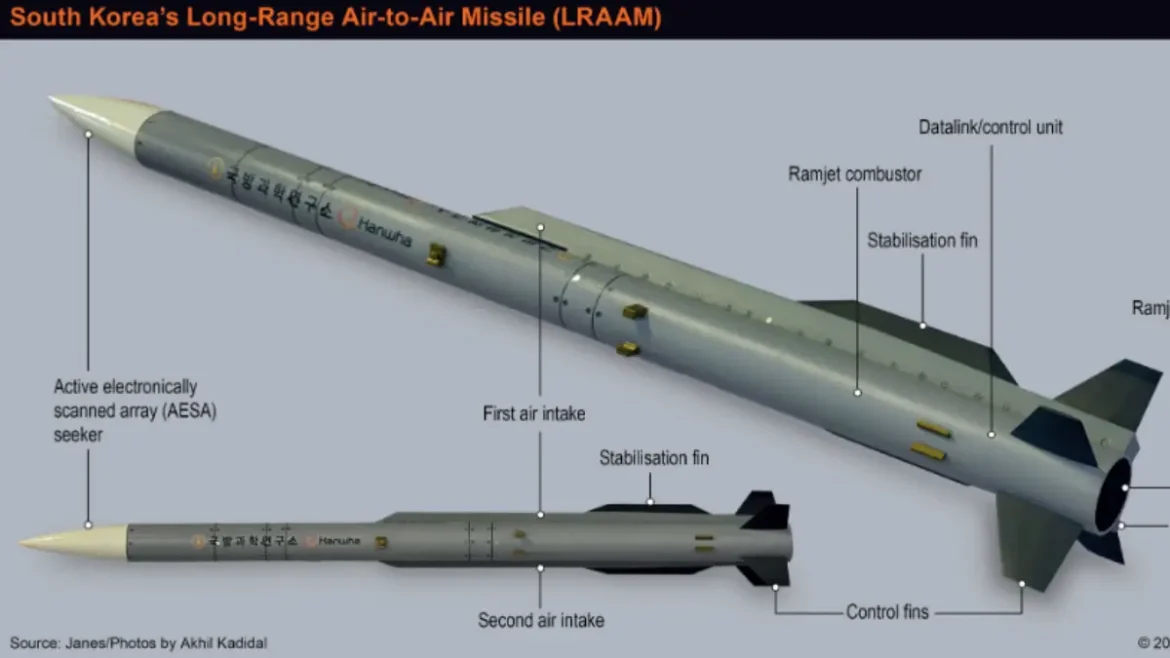
The Hanwha long-range air-to-air missile is expected to use a solid-fuel ducted ramjet propulsion system. That propulsion architecture is designed to sustain energy over long distances, allowing missiles to retain maneuverability and speed deeper into engagement envelopes compared with conventional rocket-powered systems.
A concept model displayed during Seoul ADEX 2025 showed a missile design visually similar to Meteor, including dual ramjet air intakes. However, the South Korean concept also included stabilizing fins around the intake section, indicating possible aerodynamic modifications tailored to domestic requirements.
Why The Program Matters Strategically
The missile project highlights a broader trend across Asia in which regional powers are attempting to reduce dependence on imported precision weapons and aerospace systems.
South Korea has already invested heavily in indigenous missile defense systems, including the L-SAM and L-SAM II programs. Hanwha Aerospace has become one of the country’s most prominent defense manufacturers through programs involving artillery rockets, missile defense, armored systems, and aerospace technologies.
The air-to-air missile effort also aligns with Seoul’s ambitions to improve export competitiveness for the KF-21 fighter. Export customers increasingly seek aircraft packages that include sovereign weapons integration rather than dependence on third-party missile approvals.
That issue has become more important globally as geopolitical tensions reshape defense supply chains and governments seek greater control over sustainment and munitions availability.
Analysts also note that ramjet-powered air-to-air missiles remain among the most technically demanding classes of guided weapons because they combine high-speed propulsion, advanced seekers, datalink integration, and long-range engagement requirements.
South Korea Expands Indigenous Missile Portfolio
The long-range missile program is not operating in isolation. South Korea is simultaneously pursuing a domestically developed short-range air-to-air missile program intended for the KF-21 platform.
Together, the short-range and long-range missile initiatives suggest Seoul is attempting to establish a fully domestic air combat weapons ecosystem for future fighter operations.
Hanwha Systems has also reportedly begun work tied to advanced missile seekers for future air-launched weapons.
At the same time, South Korean defense firms continue expanding internationally. Hanwha Aerospace recently secured major export agreements in Europe involving rocket artillery and missile production partnerships, strengthening the company’s position in the global defense market.
Outlook
The Hanwha long-range air-to-air missile remains years away from operational deployment, but the program represents an important step in South Korea’s broader aerospace and defense modernization effort.
If development proceeds on schedule, the missile could provide the Republic of Korea Air Force with an indigenous long-range air combat capability while reducing reliance on foreign missile suppliers for future KF-21 operations.
The project also signals South Korea’s growing ambition to compete in advanced guided weapon technologies traditionally dominated by the United States and major European defense manufacturers.
Executive Summary: South Korean defense giant Hanwha used BSDA 2026 in Romania to highlight its growing portfolio of AI-enabled military systems and autonomous platforms. The company’s presence reflects increasing European demand for unmanned technologies, air defense solutions, and industrial defense partnerships amid rising regional security pressures.
Hanwha Highlights AI Defense Technologies At BSDA 2026
South Korean defense manufacturer Hanwha Aerospace used BSDA 2026 in Bucharest to showcase a broad portfolio of AI defense technologies and unmanned systems as the company accelerates its expansion into the European defense market.
The exhibition comes as NATO members across Eastern Europe continue increasing defense spending and prioritizing modernization programs focused on autonomous systems, integrated air defense, and battlefield networking. Hanwha’s display reflected these priorities, combining unmanned ground systems, artillery capabilities, and AI-enabled battlefield technologies designed for modern high-intensity operations.
BSDA 2026, one of Eastern Europe’s largest defense exhibitions, has become an increasingly important venue for global defense firms seeking industrial partnerships and procurement opportunities within NATO-aligned states.
Focus On Autonomous And Unmanned Warfare Systems
A major element of Hanwha’s presentation centered on unmanned and autonomous military platforms intended to support reconnaissance, logistics, and combat operations.
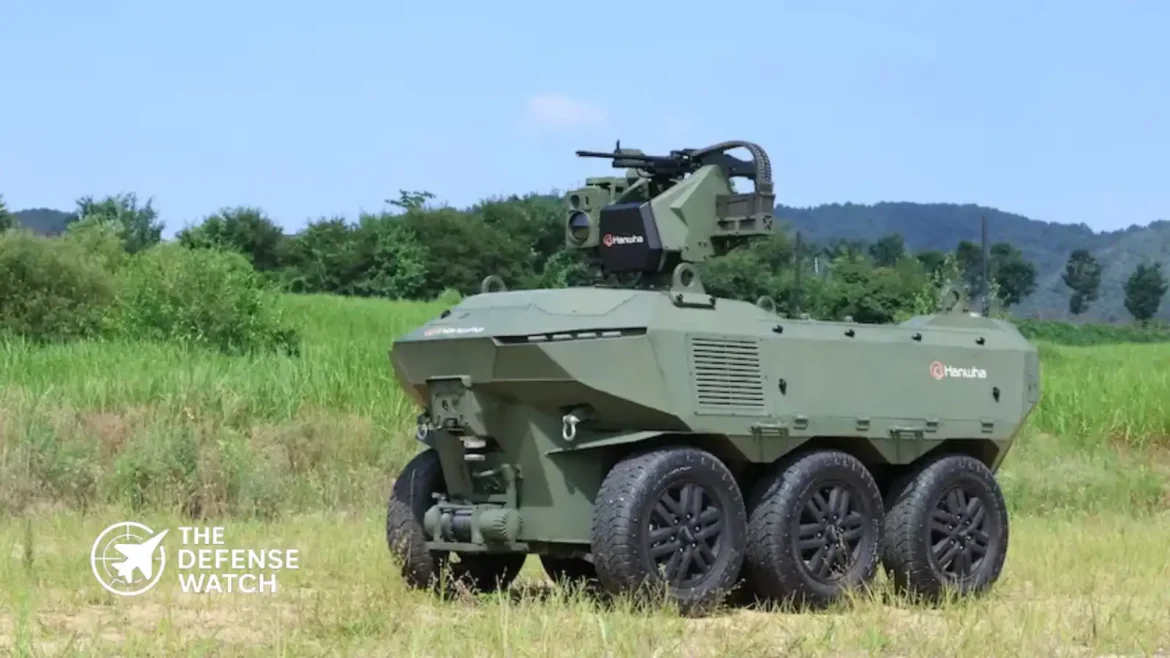
The company highlighted unmanned ground vehicles designed to reduce soldier exposure in contested environments while supporting intelligence gathering and resupply missions. These systems are part of a broader global trend toward human-machine teaming, where autonomous platforms operate alongside conventional forces.
Hanwha also emphasized AI-enabled command and control technologies intended to improve battlefield awareness and accelerate operational decision-making. Defense companies across the United States, Europe, and Asia are increasingly investing in similar capabilities as militaries seek faster sensor-to-shooter integration.
The focus on autonomous military technologies reflects lessons observed in recent conflicts, particularly in Ukraine, where drones, loitering munitions, and AI-assisted targeting systems have reshaped battlefield operations. European governments are now accelerating procurement programs tied to unmanned warfare and layered defense architectures.
European Expansion Strategy Gains Momentum
Hanwha’s appearance at BSDA 2026 also underscored its long-term strategy to deepen industrial cooperation across Europe.
The company has steadily expanded its footprint within NATO member states through defense partnerships, localized production initiatives, and technology transfer agreements. Eastern Europe has become a particularly important market due to growing security concerns linked to Russia’s military posture and the need to replenish defense inventories.
Romania, Poland, and other regional states are investing heavily in artillery systems, armored vehicles, missile defense, and autonomous capabilities. Hanwha has positioned itself as a competitive supplier by offering rapid production timelines and industrial cooperation packages.
The company’s growing visibility in Europe mirrors broader competition among global defense manufacturers seeking contracts tied to NATO modernization requirements. South Korean defense firms, including Hanwha, have increasingly emerged as major suppliers due to their ability to scale production and deliver systems quickly.
AI Defense Technologies Become Central To Modernization
The AI defense technologies presented by Hanwha align with a wider shift toward digitally connected military operations.
Modern armed forces are prioritizing artificial intelligence for battlefield analysis, threat detection, predictive maintenance, and autonomous operations. AI-driven systems are increasingly viewed as critical force multipliers capable of improving operational tempo and reducing manpower burdens.
Hanwha’s portfolio demonstrated how AI is becoming integrated across multiple defense sectors rather than remaining limited to experimental programs. This includes applications in surveillance systems, autonomous navigation, targeting support, and networked command systems.
Defense analysts increasingly view AI integration as one of the defining factors shaping future military competition. NATO countries are now accelerating investments in secure military AI frameworks while balancing operational effectiveness with cybersecurity and ethical concerns.
BSDA 2026 Reflects Eastern Europe’s Defense Priorities
BSDA 2026 highlighted how Eastern Europe has become a central region for defense procurement and industrial expansion.
The exhibition featured companies focused on missile defense, artillery modernization, drones, armored systems, and electronic warfare. Many participating firms emphasized interoperability with NATO standards and rapid battlefield deployment capabilities.
Hanwha’s participation demonstrated the company’s intent to compete directly within this evolving security environment. Its emphasis on unmanned systems and AI-enabled defense technologies aligns closely with the operational lessons emerging from ongoing regional conflicts and NATO modernization plans.
The company’s strategy also reflects growing global demand for scalable defense manufacturing and resilient supply chains. European states increasingly seek suppliers capable of delivering systems quickly while supporting local industrial participation.
Strategic Implications For NATO Defense Modernization
Hanwha’s expanding European presence illustrates how defense procurement is becoming more globally competitive as NATO members accelerate military modernization efforts.
South Korean defense manufacturers are increasingly challenging established U.S. and European suppliers across artillery, armored vehicle, and advanced technology sectors. Their rise is supported by strong domestic industrial capacity and proven export performance.
The emphasis on AI defense technologies and autonomous systems at BSDA 2026 also signals where future procurement priorities are heading. European militaries are expected to continue investing heavily in networked warfare systems, autonomous platforms, and integrated battlefield management technologies over the coming decade.
For NATO allies facing evolving security threats, these capabilities are becoming essential components of future force structures rather than optional enhancements.