Executive Summary:
Modern military helicopters remain indispensable despite the growth of drones and long range precision weapons. The aircraft on this list combine advanced sensors, precision strike capability, battlefield mobility, and survivability, making them essential assets for NATO, the United States, European forces, and militaries across the Indo-Pacific.
Top 10 Helicopter In The World
Modern battlefields demand aircraft capable of operating where fixed wing platforms cannot. Helicopters provide close air support, anti armor warfare, special operations insertion, combat search and rescue, and rapid logistical support in contested environments.
The Top 10 helicopter in the world are ranked based on combat effectiveness, operational flexibility, survivability, sensor technology, payload, modernization potential, and combat record rather than simply speed or size.
Ranking Criteria
Each helicopter was evaluated using the following factors:
- Combat capability
- Firepower
- Survivability
- Avionics and sensors
- Payload capacity
- Operational range
- Reliability
- Export success
- Modernization potential
- Proven combat performance
The Global Military Rotorcraft Baseline
| Rank | Helicopter | Country | Primary Role | Max Speed |
|---|---|---|---|---|
| 1 | AH-64E Apache Guardian | United States | Attack | 293 km/h |
| 2 | Ka-52M Alligator | Russia | Attack | 315 km/h |
| 3 | AH-1Z Viper | United States | Attack | 296 km/h |
| 4 | CH-47F Chinook | United States | Heavy Lift | 315 km/h |
| 5 | NH90 NFH/TTH | Europe | Multi-role | 300 km/h |
| 6 | Mi-28NM Havoc | Russia | Attack | 300 km/h |
| 7 | AW101 Merlin | United Kingdom/Italy | Multi-role | 309 km/h |
| 8 | UH-60M Black Hawk | United States | Utility | 295 km/h |
| 9 | Mi-26 Halo | Russia | Heavy Lift | 295 km/h |
| 10 | T129 ATAK | Türkiye | Attack | 281 km/h |
1.Deep-Dive Analysis: The World’s Top 10 Rotorcraft
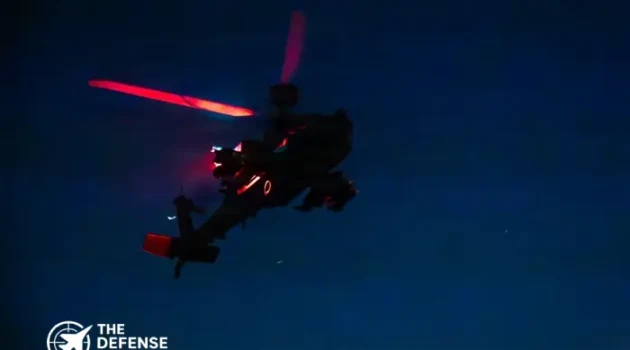
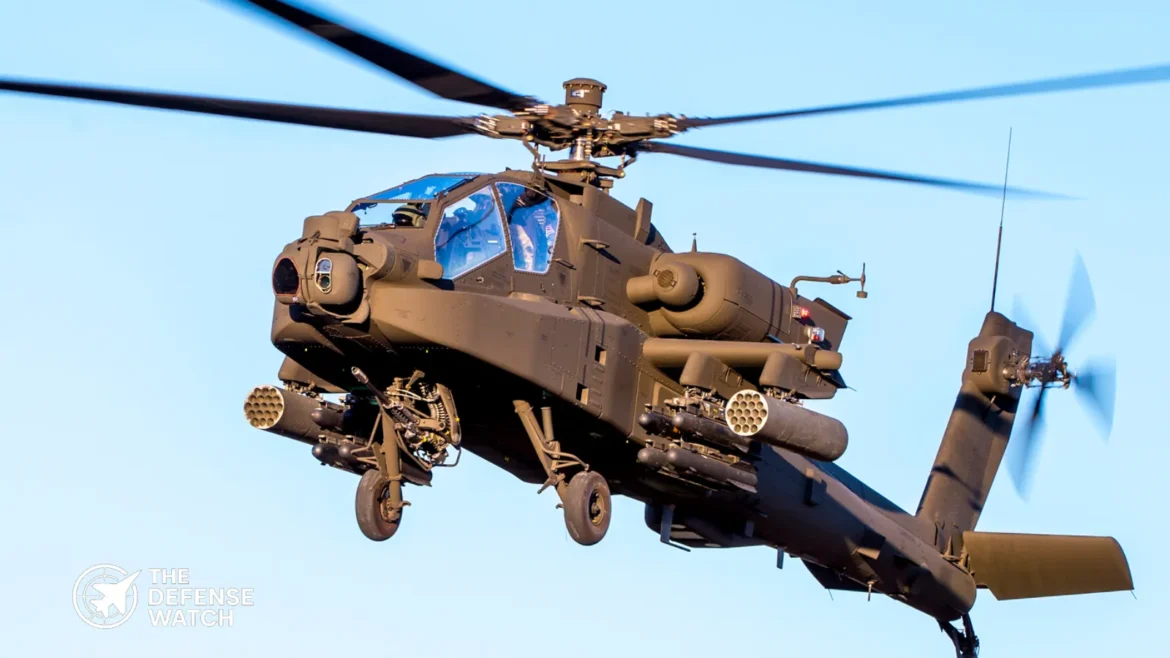
1. AH-64E Apache Guardian (United States)
The ah-64e apache attack helicopter remains the undisputed benchmark for modern rotary-wing lethality. Far outclassing the legacy ah-64d apache attack helicopter baseline, the Echo variant transitions the platform from a self-contained gunship into a collaborative battlefield network node.
Key Avionics & Armament Subsystems
- Sensors: Upgraded AN/APG-78 Longbow Fire Control Radar featuring advanced overwater and maritime targeting modes.
- Propulsion: Twin General Electric T700-GE-701D turboshaft engines linked to an enhanced torque transmission system.
- Network Integration: Level 4 Manned-Unmanned Teaming (MUM-T) and secure Link 16 data exchange.
- Ordnance: 30mm M230 Chain Gun, AGM-114R Hellfire, and the dual-mode AGM-179 Joint Air-to-Ground Missile (JAGM).
With Poland finalizing a historic 96-aircraft procurement program and major operators like the UK and the Netherlands consolidating their fleets around this architecture, this specific apache attack helicopter standard forms the backbone of NATO’s forward defense lines. Its ability to command uncrewed assets and route telemetry across the joint force establishes it as the world’s premier attack helicopter.
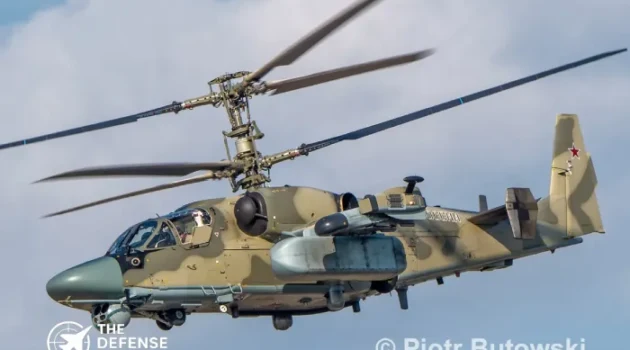
2. Ka-52M Alligator (Russia)
The heavily modified Ka-52M utilizes a distinctive coaxial counter-rotating rotor design, eliminating the need for a traditional tail rotor while providing exceptional agility, high climb rates, and superior hover stability in crosswinds.
Following intensive operational deployments, the “M” variant integrates an upgraded Active Electronically Scanned Array (AESA) radar system alongside a reinforced, combat-hardened hull. It relies on the long-range Izdeliye 305 (LMUR) laser-guided missile and Vikhr anti-tank systems, remaining one of the few combat rotorcraft outfitted with a functional crew ejection seat system.
3. AH-1Z Viper (United States)
Engineered primarily for the United States Marine Corps’ demanding amphibious assault and expeditionary requirements, the AH-1Z Viper excels in austere littoral corridors.
The Viper shares significant drivetrain and component commonality with its utility sibling, the UH-1Y Venom, significantly reducing forward logistical burdens. Featuring a fully integrated glass cockpit, optimized composite four-blade rotor systems, and standard loadouts consisting of AGM-114 Hellfires, APKWS laser-guided rockets, and AIM-9X Sidewinder air-to-air missiles, the platform provides precise, rapid close air support directly from forward-deployed naval decks.
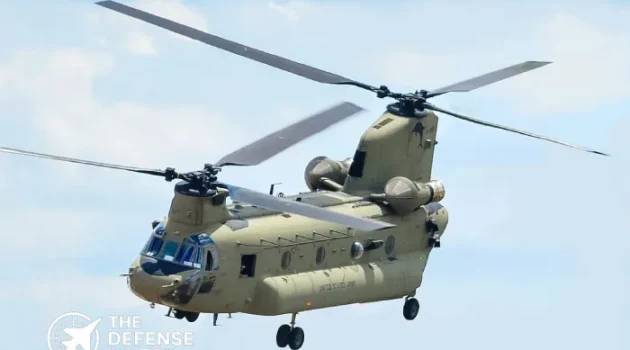
4. CH-47F Chinook (United States)
When evaluating raw tactical mobility and heavy-lift logistics, the tandem-rotor CH-47F Chinook remains unmatched across Western militaries.
Powered by dual Honeywell T55-GA-714A engines, the Chinook easily handles a massive external cargo capacity of up to 10,900 kg. It serves as the primary heavy tactical transport for the US Army, the British Royal Air Force, and various European NATO contingents, specializing in the rapid insertion of artillery batteries, light tactical vehicles, and combat-ready infantry units inside contested areas.
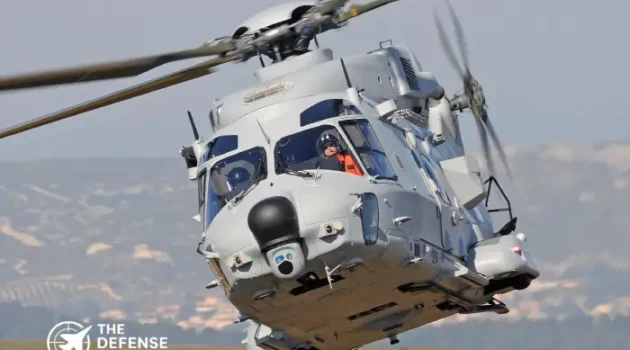
5. NH90 NFH/TTH (Europe)
The NH90 is a product of European industrial cooperation (designed by NHIndustries), serving as a core multi-role asset for multiple NATO forces.
Built with a corrosion-resistant, all-composite fuselage, it features an advanced fly-by-wire flight control architecture that minimizes pilot fatigue during long overwater missions. The platform is divided into two primary operational configurations: the Tactical Transport Helicopter (TTH) for air assault operations and the NATO Frigate Helicopter (NFH), which is equipped with specialized dipping sonar, surface-search radars, and anti-ship torpedoes for complex anti-submarine warfare (ASW).
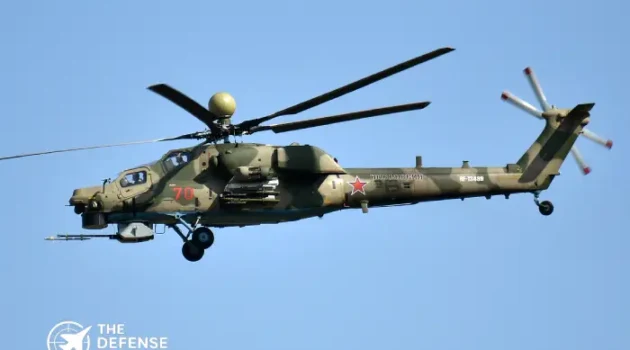
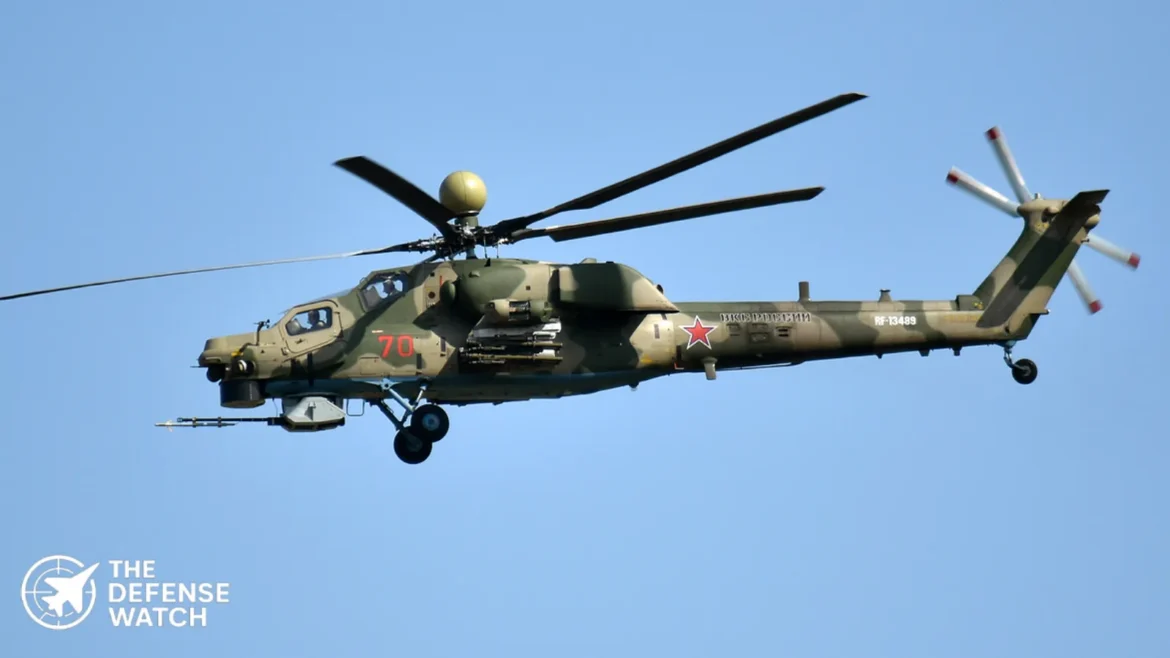
6. Mi-28NM Havoc (Russia)
The Mi-28NM represents Russia’s dedicated tandem-seat, heavy armored strike platform.
Nicknamed the “Havoc,” the modern “NM” iteration introduces an omnidirectional N025 mast-mounted radar dome and a dual-cockpit flight control system that allows either crew member to pilot the aircraft if the other is incapacitated. Designed around heavy titanium airframe shielding, the platform utilizes Khrizantema-V radio-guided anti-tank missiles and upgraded thermal imaging tracking channels to strike fortified armor formations at extended ranges, night or day.
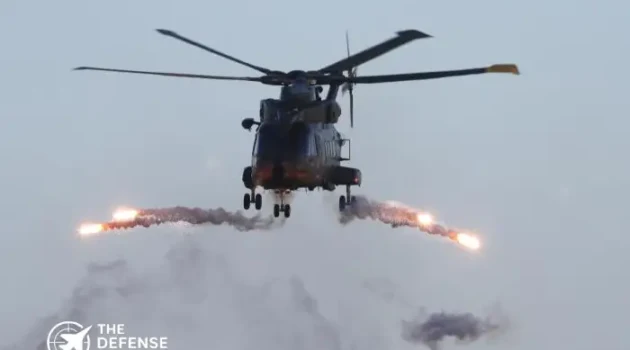
7. AW101 Merlin (United Kingdom / Italy)
The Leonardo AW101 Merlin stands out due to its unique three-engine propulsion configuration (utilizing Rolls-Royce Turbomeca RTM322 or GE CT7 powerplants), offering an unparalleled level of safety and range for long-range maritime operations.
Extensively deployed by the UK Royal Navy and Italian Navy, the Merlin acts as a premium airborne early warning (AEW) and deep-sea anti-submarine platform. Its spacious internal cabin permits the installation of advanced acoustic processing systems, long-range dipping sonars, and heavy anti-surface weapons.
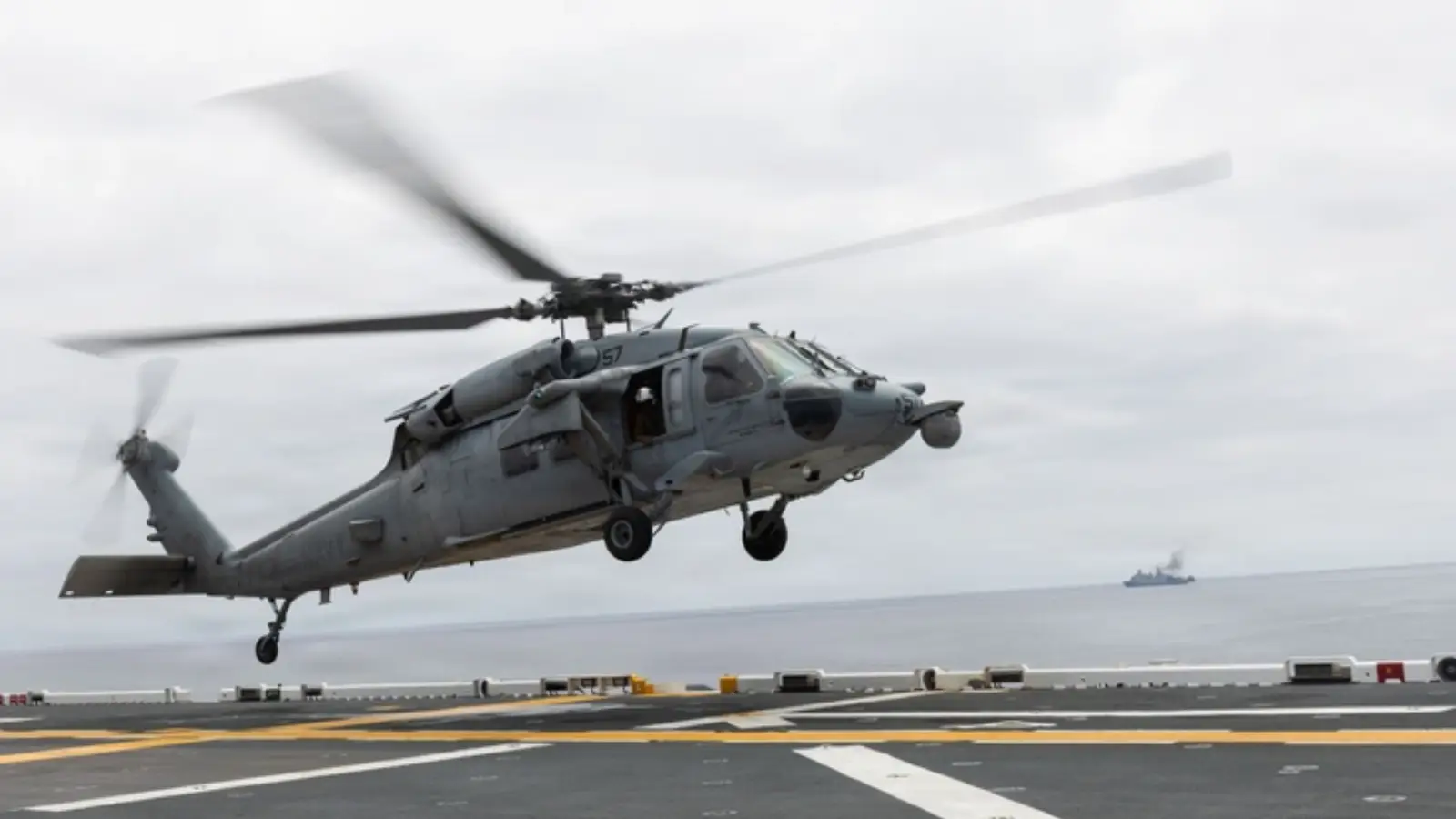
8. UH-60M Black Hawk (United States)
The UH-60M represents the modern pinnacle of the legendary Sikorsky utility family.
Serving as the primary air assault, medical evacuation (MEDEVAC), and command-and-control platform for the US military and over 35 international partners, the “Mike” variant features digital avionics, a digitized Common Avionics Architecture System (CAAS) cockpit, and wide-chord composite rotor blades that increase lift performance. Its robust airframe survivability and global supply chain make it one of the most successful utility aircraft ever built.
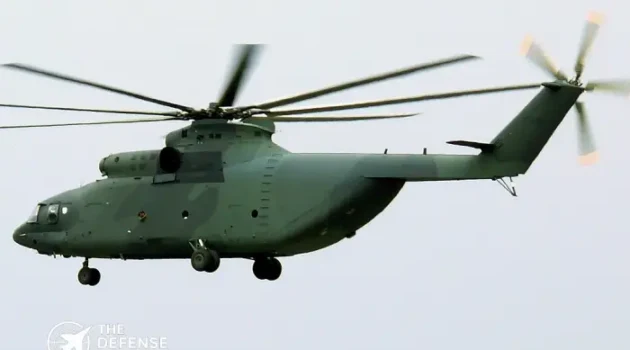
9. Mi-26 Halo (Russia)
The Mi-26 Halo holds the record as the largest and most powerful production helicopter in aviation history.
Driven by two massive Lotarev D-136 turboshaft engines powering an eight-blade main rotor system, the Halo can transport up to 20 metric tons of internal or external cargo. This unique capacity allows it to airlift fully armored personnel carriers, heavy engineering vehicles, or up to 90 combat troops simultaneously—a lifting capability unmatched by any other active vertical-lift platform on Earth.
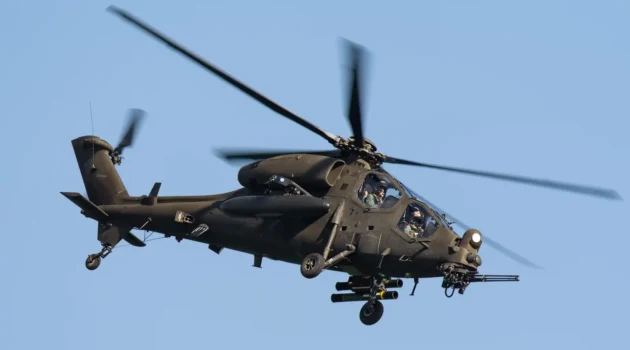
10. T129 ATAK (Türkiye)
Developed by Turkish Aerospace Industries (TAI) from the AgustaWestland A129 Mangusta baseline, the T129 ATAK has carved out a highly successful niche in the international export market.
Optimized specifically for high-altitude, high-temperature (“hot-and-high”) operating profiles, the T129 balances agile flight performance with low operating costs. It is armed with a nose-mounted 20mm three-barrel rotary cannon, indigenously developed UMTAS long-range anti-tank missiles, and CIRIT laser-guided rockets, drawing significant procurement interest across Africa and Asia.
Close Air Support vs. Strategic Logistics
Understanding the separation between specialized direct-action platforms and logistics platforms is key to analyzing modern fleet composition:
Functional Metric Attack Platforms (e.g., AH-64E, Ka-52M) Transport/Utility Platforms (e.g., CH-47F, UH-60M) Primary Mission Anti-armor, reconnaissance, deep precision strike Troop insertion, heavy equipment delivery, MEDEVAC Airframe Shielding Heavy titanium and Kevlar cockpit/drivetrain armor Selective localized ballistic plating Ordnance Capacity Integrated chin guns, precision guided missiles, rockets Defensive door-mounted machine guns (e.g., M134, M2) Avionics Suite Mast radars, laser designers, target acquisition sights Tactical navigation systems, cargo hooks, hoist electronics Why Helicopters Still Matter
Despite rapid advances in unmanned systems, modern combat helicopters continue to provide capabilities that drones cannot fully replace.
They can:
- React within minutes
- Support troops in close contact
- Operate from austere locations
- Conduct casualty evacuation under fire
- Transport special operations forces
- Deliver precision fires while maintaining direct communication with ground commanders
Recent conflicts have also accelerated investment in electronic warfare protection, infrared suppression systems, active defensive aids, and manned-unmanned teaming concepts that integrate helicopters with reconnaissance drones.
Future Outlook
The next generation of rotorcraft is already reshaping military aviation. The United States is advancing the Future Long Range Assault Aircraft (FLRAA) program, while European manufacturers are investing in high speed compound rotorcraft and next generation vertical lift technologies. At the same time, attack helicopters are evolving to operate alongside autonomous drones, enabling crews to detect, identify, and engage threats from greater distances while reducing exposure to modern air defense systems.
Although future battlefields will become increasingly networked and contested, the best military helicopters will continue to combine mobility, precision firepower, and battlefield flexibility in ways that remain difficult for any other platform to match.

Iran Receives First Russian Mi‑28NE Attack Helicopter
Iran has begun receiving Russian‑built Mi‑28NE Havoc attack helicopters, with the first example confirmed in a Tehran facility, marking the start of deliveries under a long‑planned procurement agreement.
(adsbygoogle = window.adsbygoogle || []).push({});Delivery Confirmation and Visual Evidence
Photographs and open‑source intelligence show a Russian Mi‑28NE attack helicopter in a hangar at the Pars Aerospace Services Company facility in Tehran. The aircraft appears in a desert‑style digital camouflage and was likely transported in a partially disassembled state aboard heavy transport aircraft such as Il‑76s.
Multiple sources and imagery emerging in late January and early February 2026 confirm that Russia has begun operationally delivering at least one Mi‑28NE to Iran.
Background on the Procurement Deal
The acquisition stems from a broader Iranian defense procurement initiative announced in November 2023. Iranian Deputy Defense Minister Brigadier General Mahdi Farahi publicly stated that plans were finalized to introduce Russian Su‑35 fighters, Mil Mi‑28 attack helicopters, and Yak‑130 jet trainers into Iranian army aviation units.
Reports through late 2025 indicated a buildup of Russian Il‑76 heavy transport flights into Iran, widely interpreted by defense analysts as part of the logistics operation for helicopter delivery and related support equipment.
Mi‑28NE Capabilities and Role
The Mi‑28NE is the export variant of Russia’s Mi‑28 attack helicopter, sometimes referred to by its NATO reporting name Havoc. It is a two‑seat, dedicated attack rotorcraft designed for engaging armored targets, personnel, and low‑flying aircraft in all‑weather, day or night operations.
Key systems include a nose‑mounted 30 mm autocannon, multiple hardpoints for guided air‑to‑ground missiles such as the Ataka family, and capacity for rockets and defensive countermeasures. Its armored cockpit and advanced avionics support survival and mission effectiveness in contested environments.
(adsbygoogle = window.adsbygoogle || []).push({});For Iran, fielding the Mi‑28NE represents a significant upgrade from legacy Vietnam‑era AH‑1J Cobras, which remain the core of its helicopter gunship fleet but have suffered attrition and aging systems issues in recent years.
Strategic Context
The initial delivery occurs amid heightened regional security tensions and sustained pressure from the United States and allied partners. The first Mi‑28NE units are currently in inspection and acceptance phases rather than full operational deployment, though the presence of this modern attack helicopter signals a tangible expansion of Iranian army aviation capabilities.
Iran’s acquisition of advanced Russian platforms like the Mi‑28NE forms part of a broader pattern of deepening defense ties with Moscow, reflecting Tehran’s effort to offset sanctions and outdated indigenous systems with strategic imports.
The Apache Helicopter as a Modern Battlefield Icon
The Apache helicopter has become one of the most recognizable and feared combat aircraft in modern warfare. Designed during the Cold War and continuously upgraded for 21st-century conflicts, the Apache attack helicopter remains a core element of U.S. Army airpower and a benchmark for attack rotorcraft worldwide. From high-intensity armored warfare to counter-insurgency and precision strike missions, the Apache’s combat record spans more than four decades of global operations.
(adsbygoogle = window.adsbygoogle || []).push({});Today, platforms such as the AH-64D Apache helicopter and the latest AH-64E Guardian represent not just flying gunships, but fully networked battlefield systems capable of finding, fixing, and destroying targets day or night, in all weather conditions. With its distinctive mast-mounted radar, heavy weapons load, and survivability features, the Apache fighter helicopter continues to define the attack helicopter category.
The Origins of the Apache Attack Helicopter
The Apache’s roots trace back to the U.S. Army’s search in the 1970s for an advanced anti-armor helicopter capable of countering large Soviet tank formations in Europe. This requirement led to the Advanced Attack Helicopter (AAH) program, eventually won by Hughes Helicopters—later acquired by McDonnell Douglas and now part of Boeing Defense.

The resulting AH-64 entered U.S. Army service in the mid-1980s, introducing a new generation of survivability, firepower, and sensor integration. Unlike earlier gunships, the Apache was designed from the ground up to fight in heavily defended environments, incorporating armor protection, redundant systems, and the ability to operate at extremely low altitudes.
(adsbygoogle = window.adsbygoogle || []).push({});AH-64D Apache Helicopter: A Major Leap in Capability
The AH-64D Apache helicopter, introduced in the late 1990s, marked a transformational upgrade over earlier models. Its most visible feature is the AN/APG-78 Longbow radar, mounted above the rotor mast. This radar allows the Apache to detect, classify, and prioritize multiple targets while remaining concealed behind terrain.
Key Enhancements of the AH-64D
- Longbow fire-control radar enabling “fire-and-forget” missile engagements
- Fully digital glass cockpit
- Improved datalinks for sharing targeting data with other aircraft and ground forces
- Enhanced electronic warfare and self-protection systems
In combat, these improvements allowed Apache crews to engage armored vehicles and high-value targets with unprecedented speed and coordination, especially when operating in hunter-killer teams.
Apache Fighter Helicopter: Weapons and Firepower
At the heart of the Apache’s reputation is its lethal weapons suite. The Apache attack helicopter is designed to deliver precision firepower across a wide range of mission profiles.
Primary Armament
- 30mm M230 Chain Gun: Mounted under the fuselage, capable of engaging infantry, vehicles, and fortified positions.
- AGM-114 Hellfire Missiles: The Apache’s primary anti-armor weapon, used extensively in Iraq, Afghanistan, and other theaters.
- Hydra 70 Rocket Pods: Unguided and guided variants for area suppression and precision strike.
- Air-to-Air Missiles: Such as Stinger, for self-defense against aerial threats.
This combination allows the Apache fighter helicopter to conduct close air support, deep attack missions, armed reconnaissance, and escort operations.
Combat Experience: From Desert Storm to Today
The Apache helicopter’s combat debut during Operation Desert Storm in 1991 cemented its reputation. Apache helicopters were among the first aircraft to strike Iraqi targets, neutralizing radar sites and opening corridors for coalition airpower.
Since then, Apaches have seen extensive combat use in:
- Iraq and Afghanistan
- Syria and counter-ISIS operations
- Peacekeeping and deterrence missions worldwide
U.S. Army operational assessments consistently highlight the Apache’s ability to operate in high-threat environments while maintaining a high mission-capable rate. According to publicly available U.S. Army aviation briefings (external source: U.S. Army Aviation Center), Apache units remain central to ground maneuver operations.
Apache Helicopter Price and Global Market
The apache helicopter price varies significantly depending on configuration, support packages, and modernization level. While exact figures depend on contracts, defense analysts estimate that a new-build Apache can exceed $35–40 million per unit, with lifetime costs rising considerably once training, spares, and sustainment are included.
International Operators
Beyond the United States, the Apache attack helicopter has been exported to numerous allied nations, including:
- United Kingdom
- India
- Japan
- South Korea
- Saudi Arabia
- Netherlands
For many countries, the Apache represents a high-end capability aimed at deterring armored threats and enhancing joint operations with U.S. and NATO forces.
(adsbygoogle = window.adsbygoogle || []).push({});AH-64E Guardian: The Latest Evolution
While the AH-64D remains influential, the U.S. Army has largely transitioned to the AH-64E Guardian, an upgraded variant featuring:
- More powerful engines
- Improved composite rotor blades
- Enhanced networking with drones and ground forces
- Better maritime strike capability
The AH-64E reflects the shift toward multi-domain operations, where attack helicopters act as sensor and shooter nodes within a broader combat network.
Survivability and Battlefield Integration
One reason the Apache helicopter remains relevant is its emphasis on survivability. The aircraft incorporates:
- Armored crew compartments
- Redundant flight and weapons systems
- Infrared suppression and countermeasures
- Advanced electronic warfare suites
In modern conflicts, Apache crews increasingly operate alongside unmanned aerial systems (UAS), using drones to scout ahead and relay targeting data. This manned-unmanned teaming concept is a key pillar of U.S. Army aviation modernization.
Strategic Analysis: Why the Apache Still Matters
Despite the rise of drones and precision missiles, the Apache attack helicopter continues to offer unique advantages. Its ability to loiter, adapt to changing battlefield conditions, and directly support ground forces gives it a flexibility that fixed-wing aircraft and unmanned systems often lack.
From a strategic perspective, the Apache’s continued upgrades signal that the U.S. Army views attack helicopters as essential in both conventional warfare and hybrid conflicts. For allies, acquiring Apache helicopters also strengthens interoperability with U.S. forces, reinforcing coalition operations.
(adsbygoogle = window.adsbygoogle || []).push({});Future Outlook: Modernization Beyond 2030
The U.S. Army plans to keep the Apache in service well into the 2040s, even as it explores next-generation platforms under the Future Vertical Lift (FVL) program. Rather than replacing the Apache outright, current plans emphasize incremental upgrades, ensuring the aircraft remains lethal and survivable against evolving threats.
FAQs
What is the main role of the Apache helicopter?The Apache helicopter is designed for attack missions, including anti-armor warfare, close air support, and armed reconnaissance.
How much does an Apache helicopter cost?The apache helicopter price typically ranges above $35 million per unit, depending on configuration and support packages.
What is the difference between AH-64D and AH-64E?The AH-64E features stronger engines, better networking, and improved performance compared to the AH-64D.
Which countries operate the Apache attack helicopter?The U.S., UK, India, Japan, South Korea, and several NATO allies operate Apache helicopters.
Is the Apache still relevant in modern warfare?Yes. Continuous upgrades keep the Apache effective against modern threats and integrated into network-centric warfare.