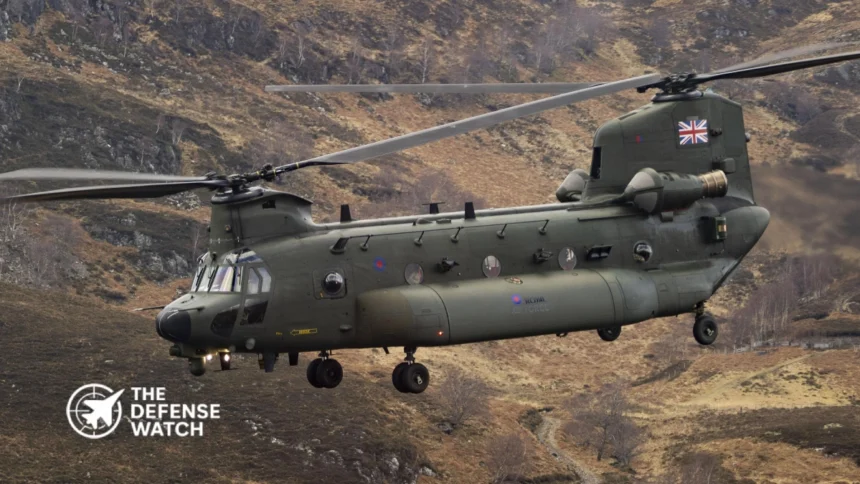
Britain plans to make Royal Air Force Chinook helicopters and Airbus A400M Atlas transport aircraft available to support wildfire response, expanding the military’s role in domestic emergencies after a record-breaking summer of fires in 2026. The aircraft are intended to help civilian emergency services reach remote moorland, steep hillsides and other areas where ground access is difficult, according to reporting by Reuters and The Guardian.
- Why Britain is expanding its wildfire response
- How the RAF aircraft could support firefighters
- Funding targets equipment, prevention and earlier detection
- Up to £45 million for specialist firefighting equipment
- £25 million for peatland restoration
- Planned AI-supported wildfire monitoring
- What the military contribution means for the RAF
- AI monitoring and prevention remain central
- The operational questions still to be answered
The announcement, reported on October 22, forms part of a wider government effort to improve wildfire preparedness. Measures include funding for specialist protective equipment, peatland restoration, support for farmers and a planned artificial intelligence unit to improve fire detection and monitoring.
The policy creates another domestic support role for Britain’s military aviation fleet. However, the announcement does not establish how many aircraft will be assigned, when their firefighting equipment will become operational or how frequently they will be called upon.
Why Britain is expanding its wildfire response
The decision follows a summer of prolonged heat, dry conditions and damaging fires across the United Kingdom. The Guardian reported that the country experienced its hottest summer on record in 2026, while wildfires affected communities and threatened environmentally sensitive areas.
Wildfires can create problems beyond the immediate fire perimeter. Remote terrain can delay the movement of personnel and equipment, while smoke, heat and changing wind conditions complicate efforts to contain a blaze. Aircraft can help emergency services operate in locations where roads and ground-based access routes are limited.
Climate change is part of the government’s stated rationale for improving preparedness. But the effectiveness of the response will also depend on local weather, vegetation, water availability, land management and the speed with which fires are detected.
The military aircraft initiative is therefore one part of a wider emergency planning effort, rather than a standalone solution to the growing risks associated with severe wildfire conditions.
How the RAF aircraft could support firefighters
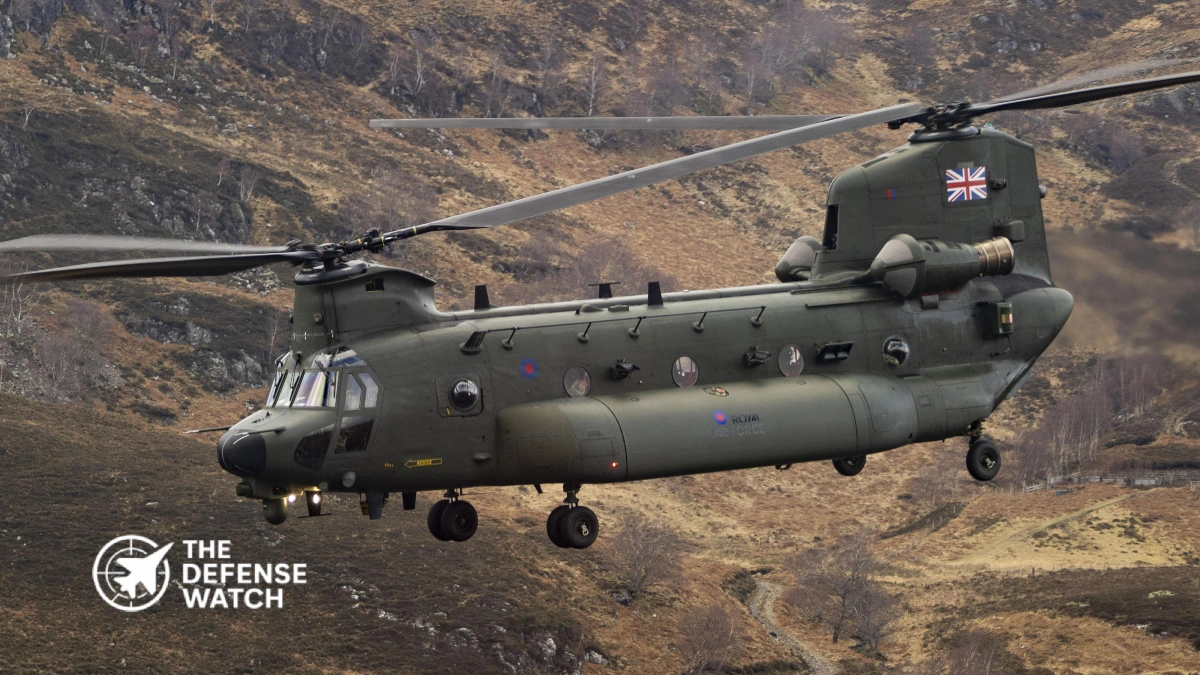
RAF Chinook
The twin-rotor heavy-lift helicopter is suited to transporting personnel and equipment. With suitable firefighting equipment and operating procedures, helicopters can also support aerial water delivery where conditions permit.
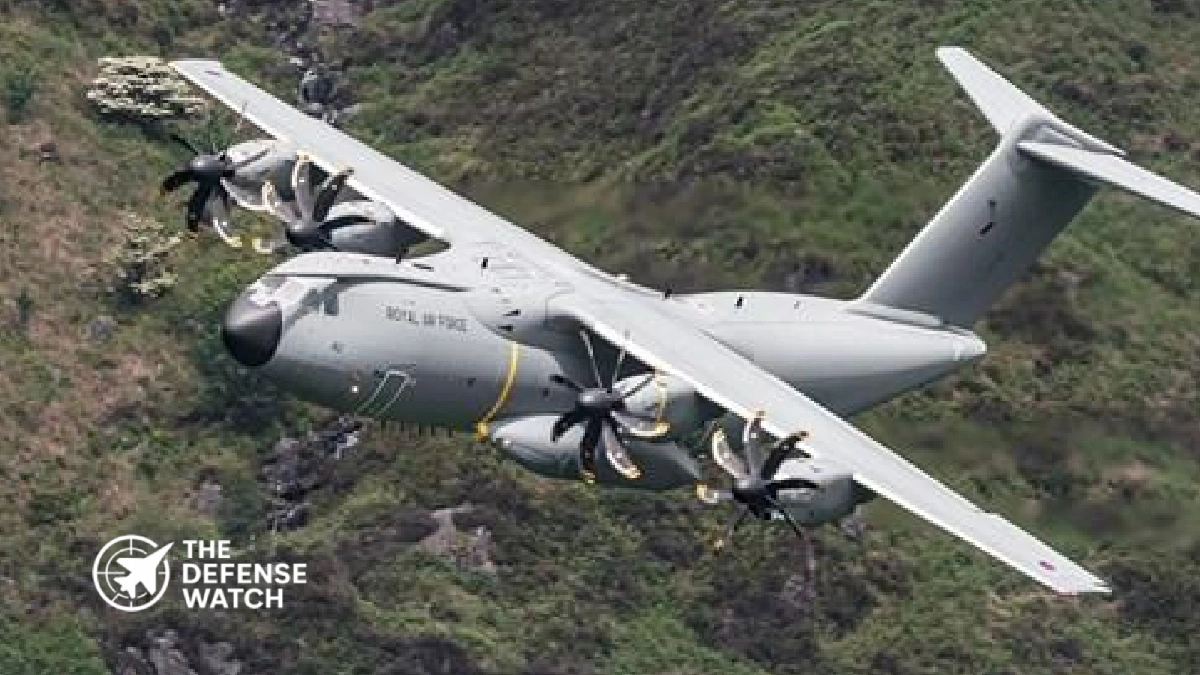
Airbus A400M Atlas
The RAF’s tactical transport aircraft can move personnel and supplies over long distances. Its proposed wildfire role will depend on the equipment adopted and the operating methods approved for the mission.
The two aircraft types offer different forms of support. The Chinook can operate as a helicopter in areas where a runway is unavailable, while the A400M is designed primarily to transport personnel and cargo. Their usefulness in a wildfire response will depend on the specific equipment, terrain and conditions at the incident.
The government has identified both platforms for the initiative, but detailed technical arrangements have not been established in the reporting reviewed. The announcement does not specify whether the A400M will conduct direct water drops, transport specialist teams or perform another support function.
That distinction matters. Transporting firefighters and equipment is not the same as conducting aerial firefighting. Direct suppression missions require suitable water-delivery systems, trained crews, operational clearances and coordination with fire services.
The aircraft should therefore be understood as planned additions to the emergency response effort, not as a fully documented new aerial firefighting fleet.
Funding targets equipment, prevention and earlier detection
The aircraft plan is accompanied by measures intended to improve how Britain prepares for and responds to wildfires.
Up to £45 million for specialist firefighting equipment
The government plans to fund wildfire-specific protective equipment for fire crews. The aim is to improve personnel safety in conditions where heat, smoke and hazardous gases can make conventional equipment unsuitable.
£25 million for peatland restoration
Planned restoration funding is intended to help peatlands retain water and reduce their susceptibility to fire. The reported grant scheme is expected to run from April 2027 to April 2029.
Planned AI-supported wildfire monitoring
A new unit within the National Situation Centre is intended to improve the identification and tracking of fires. The government also plans to work with the Met Office on forecasting and risk assessment.
These measures address different parts of the problem. Protective equipment helps crews operate more safely, aircraft can extend the reach of emergency services, and monitoring tools may help authorities identify developing incidents earlier.
Peatland restoration and support for farmers address conditions on the ground that can influence fire risk. They are preventive measures, whereas aircraft and specialist response teams are primarily intended to help manage incidents once they occur.
The combined approach is important because no single capability can compensate for weaknesses in detection, staffing, equipment, access or land management.
What the military contribution means for the RAF
The plan adds a domestic emergency support requirement to aircraft that also serve established military transport and operational roles. The RAF will need to balance any wildfire tasking with its existing commitments, including personnel availability, aircraft maintenance, training and other operational demands.
The size of that burden is not yet clear. The government has not publicly detailed the number of aircraft required, the expected frequency of deployments or whether dedicated crews will be trained for the new role.
Aircraft availability will also depend on the nature of individual incidents. Some fires may be better addressed through ground crews, local water resources and conventional emergency response. Others, particularly those in isolated areas, may benefit from the rapid movement of personnel and equipment by air.
The initiative’s practical value will depend on how effectively the RAF coordinates with civilian fire services and whether aircraft can be made available when conditions are most dangerous.
AI monitoring and prevention remain central
The planned AI unit could help authorities combine information from weather forecasts, satellite monitoring and other available sources to identify emerging fire risks. The Guardian reported that technology companies, including Google, Airbus and VodafoneThree, were expected to participate in discussions about satellite monitoring and early warning systems.
However, announcing an AI unit does not establish how accurately it will predict fires or how quickly it will improve response times. Those outcomes will depend on the quality of the data, the systems used and how warnings reach emergency services.
The government will also need to connect monitoring with practical decisions, such as where to pre-position firefighting teams, when to restrict activities that could start fires and which areas require additional preparation.
Peatland restoration addresses a different but related issue. Healthy, water-retaining peatlands can be less vulnerable to ignition than dried-out areas. Restoration will take time, however, and cannot remove the immediate risks associated with extreme heat and prolonged dry weather.
The operational questions still to be answered
Several details will determine whether the aircraft initiative delivers meaningful improvements.
First, the government will need to clarify how the RAF platforms will be configured for firefighting. The published reporting does not establish the precise equipment, aircraft modifications or certification arrangements involved.
Second, civilian emergency services will need clear procedures for requesting military assistance. Decisions about aircraft availability, dispatch priorities, flight safety and coordination with ground crews will affect how quickly support reaches an incident.
Third, the government will need to assess the cost of maintaining the capability. The announced funding for protective equipment and peatland restoration does not, by itself, establish the total cost of preparing military aircraft for wildfire missions.
Finally, officials will need to measure results. Relevant indicators could include response times, the number of incidents supported, the availability of aircraft and whether aerial assistance improves access to isolated fire zones.
Britain’s announcement establishes an intention to use military aviation more directly in wildfire response. The operational details and evidence of effectiveness will determine how much additional capability it provides.