Europe’s combat air sector is in the middle of its most consequential upgrade cycle since the Cold War. Legacy platforms are receiving fifth-generation-grade sensors, next-generation fighters are moving from concept to metal, and export order books are the fullest they have been in decades. This list ranks the European military aircraft setting the pace in 2026 — spanning frontline fighters, tankers, transports, and the sixth-generation programs now taking shape on the factory floor.
2026 has been a milestone year for European military aircraft. Dassault formally launched the Rafale F5 standard, pairing a new AESA radar and uprated Safran M88 engines with a stealthy unmanned combat air vehicle derived from the nEUROn demonstrator. The Eurofighter consortium secured a £453.5 million production contract for 40 ECRS Mk2 AESA radars, closing Typhoon’s longest-standing capability gap. Saab’s Gripen E/F line is scaling toward 30+ aircraft annually as Brazil, Thailand, Colombia, and Ukraine join the customer list. Most notably, the UK-Italy-Japan GCAP/Tempest program awarded a £4.6 billion detailed-design contract to Edgewing in July 2026, with a crewed demonstrator now in final assembly — cementing Europe’s arrival in sixth-generation development.
The Top 10 Ranked
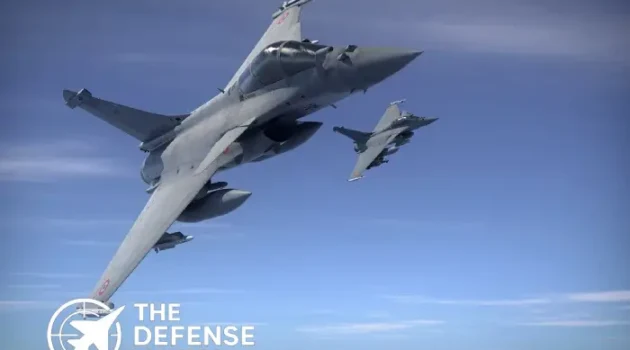
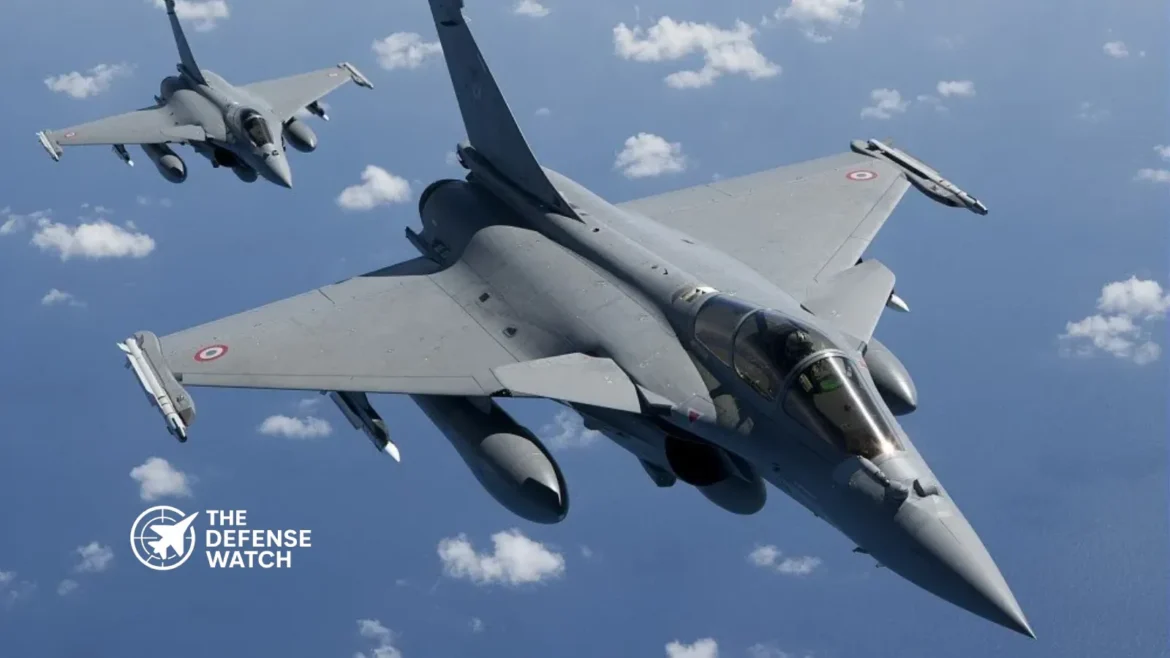
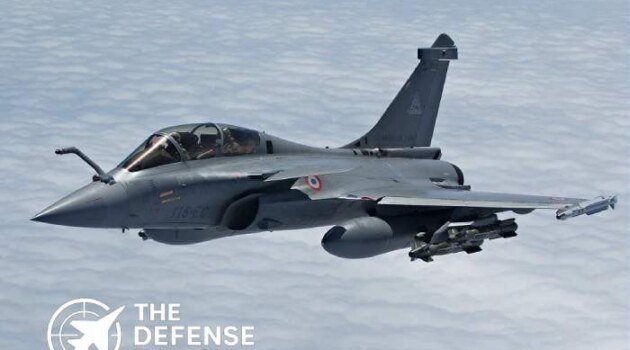
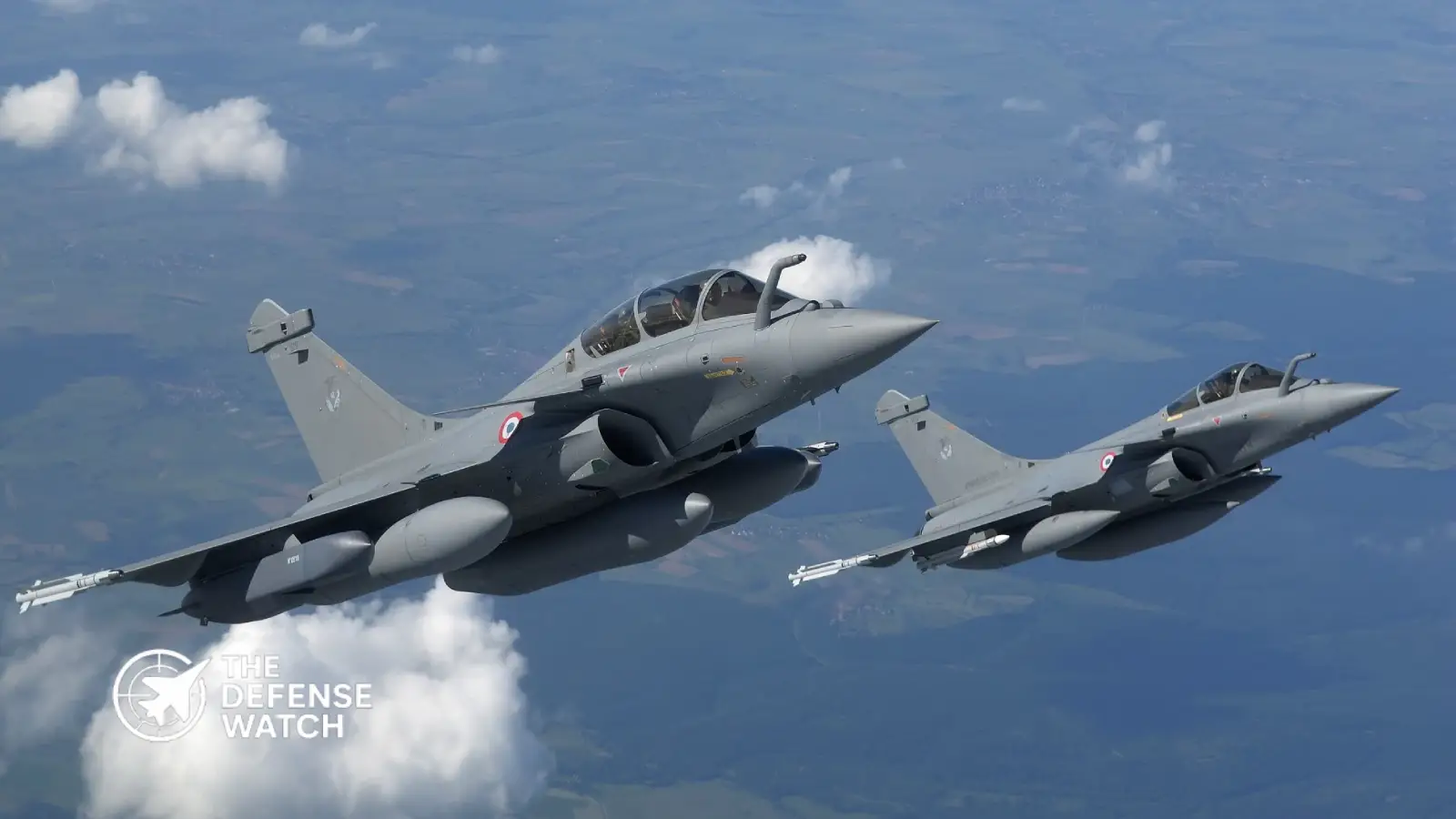
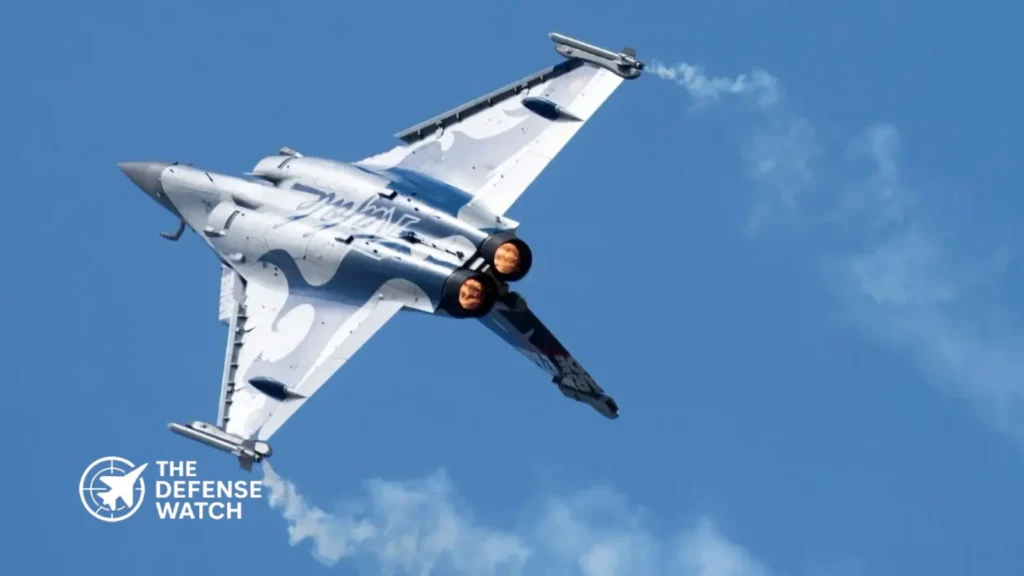
1. Dassault Rafale F5 (France) — The Rafale has evolved from an “omnirole” 4.5-gen fighter into what Dassault now markets as a 2026-era digital combat hub. The F5 standard, formally launched in October 2025, adds a next-generation radar, 20%-more-thrust M88 engines, hardened data architecture for nuclear-mission assurance, and control of a stealthy Unmanned Combat Air System derived from the nEUROn program. With France’s FCAS partnership with Germany and Spain stalled, Dassault is now charting an independent roadmap toward a “Super-Rafale” and beyond, targeting F5 entry into service between 2033 and 2035.
2. Eurofighter Typhoon — ECRS Mk2 (UK/Germany/Italy/Spain) — Nine air forces now fly the Typhoon, and its biggest weakness — the aging mechanically scanned Captor-M radar — is finally being retired. The ECRS Mk2, built by Leonardo UK and integrated by BAE Systems, uses gallium-nitride AESA modules across roughly 200 degrees of field of regard, fusing air-to-air search, ground targeting, and offensive electronic-attack jamming into a single aperture. Full-rate production of 40 units for RAF Tranche 3 jets began following a January 2026 contract award, with first flight already completed.
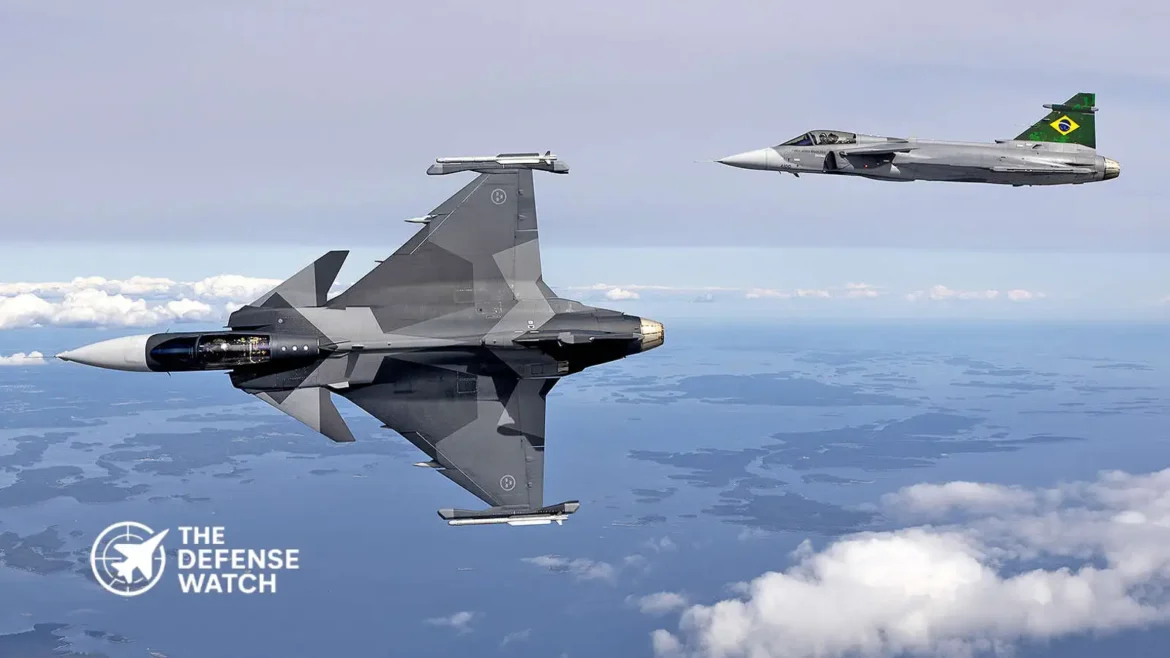
3. Saab Gripen E/F (Sweden/Brazil) — The Gripen E/F backlog has grown to 117+ firm orders across Sweden, Brazil, Colombia, and Thailand, with a Ukraine order for 16 aircraft also on the books. Brazil’s Embraer-built assembly line delivered its first locally produced Gripen E in March 2026 and rolled out the first two-seat Gripen F in June, which completed its maiden flight in August. Saab is doubling production capacity to 25–30 jets a year, powered throughout by the GE F414G engine.
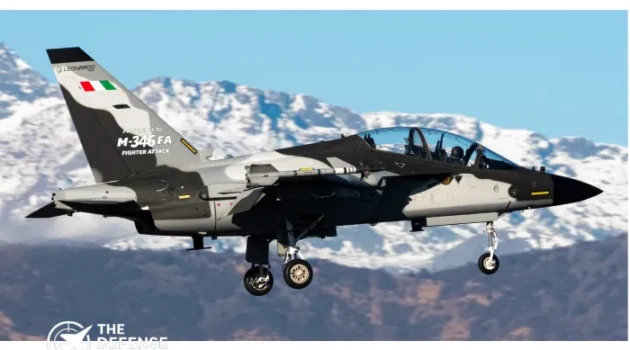
5. Leonardo M-346FA (Italy) — A light combat variant of the widely exported M-346 trainer, the FA model adds an optional Grifo-M AESA radar, an integrated self-defense suite, and combat wiring for AIM-9 missiles and precision-guided munitions — making it a cost-effective bridge for air forces needing 4th-gen-adjacent capability without a full fighter budget.
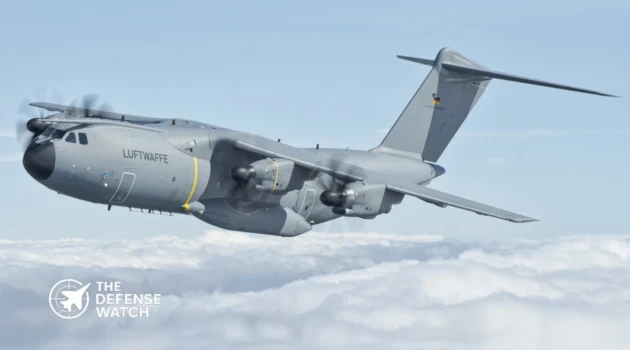
6. Airbus A400M Atlas (Multinational) — Europe’s flagship strategic/tactical airlifter combines a 37-tonne payload with rough-field and low-level tactical capability, plus an air-to-air refueling role that few competitors match.
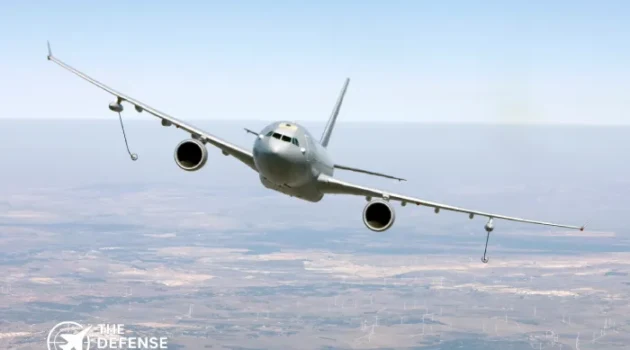
7. Airbus A330 MRTT (Multinational) — The backbone of NATO’s Multinational MRTT Fleet, offering both boom and hose-drogue refueling alongside strategic transport and medevac configurations.
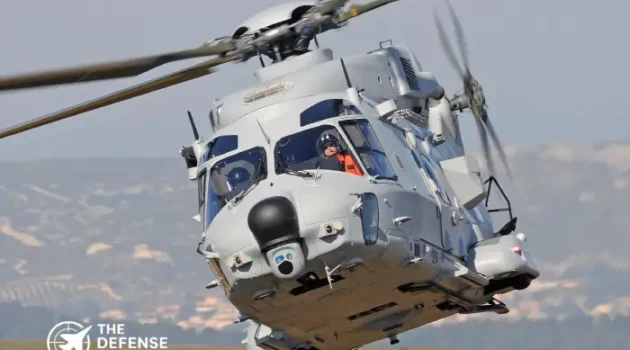
8. NHIndustries NH90 (France/Germany/Italy/Netherlands) — A fly-by-wire, composite-airframe multirole helicopter fielded in naval (NFH) and tactical transport (TTH) variants across more than a dozen European air arms and navies.
9. Eurodrone (Airbus/Dassault/Leonardo) — Europe’s sovereign MALE RPAS answer to the Reaper and Bayraktar TB2, combining twin-turboprop endurance with a certifiable design for flight in unsegregated European airspace.
10. TAI KAAN (Turkey, NATO-integrated program) — Turkey’s twin-engine fifth-generation fighter, developed with European industrial input, rounds out the list as the platform to watch as it moves toward low-rate production and its first export discussions.
Among frontline European fighters, true low-observable shaping remains limited to the developmental GCAP/Tempest and KAAN airframes, which use faceted, blended-wing designs, internal weapons bays, and advanced RAM (radar-absorbent material) coatings to minimize frontal RCS. The Rafale and Typhoon instead rely on a “reduced-signature, not stealth” philosophy — semi-recessed weapon carriage, radar-absorbent edge treatments, and composite structures — while leaning on electronic warfare to offset a higher baseline RCS. The Gripen E takes the smallest-signature approach among legacy-generation jets, prioritizing a compact frontal cross-section and canted vertical stabilizers.
Avionics & Sensor Fusion
This is where 2026’s upgrades matter most. The Typhoon’s ECRS Mk2 and Rafale’s F5-standard radar both move to gallium-nitride AESA modules for greater power efficiency and jamming resistance, paired with wide-band IRST search-and-track and comprehensive EW suites (SPECTRA on Rafale, Praetorian DASS on Typhoon). Gripen E’s Raven ES-05 AESA and its data-link-centric “smart” avionics architecture emphasize networked situational awareness over raw radar power. GCAP’s demonstrator introduces a distributed, AI-assisted sensor-fusion backbone designed from inception to command Collaborative Combat Aircraft (CCA) drone wingmen.
Propulsion
The Rafale’s Safran M88 is being uprated for roughly 20% more thrust under F5 without airframe modification. Typhoon retains its twin EJ200 engines, while Gripen E/F relies on a single GE F414G producing around 98 kN of thrust — the same engine family powering South Korea’s KF-21. GCAP’s next-generation engine core, under development by a UK-Italy-Japan consortium, is progressing toward ground testing as part of the program’s detailed-design phase.
Strategic & Export Outlook
Export momentum favors platforms offering sovereignty without US ITAR entanglement. Rafale’s order backlog exceeds 220 aircraft, including a landmark 80-jet UAE deal, ongoing Indonesian deliveries, and advancing negotiations with India for 114 more. Gripen E/F has become the preferred choice for buyers wary of both cost and political strings, with Brazil, Colombia, Thailand, and Ukraine all committed. Typhoon’s future exports likely hinge on Turkey, the Philippines, and Gulf state fleet expansions. GCAP, meanwhile, has already attracted India and Canada as dialogue/observer partners — a sign that Europe’s next-generation fighter ecosystem is positioning itself as a genuine alternative to US programs like the F-47.
Conclusion
No single European military aircraft dominates every category in 2026 — but collectively, the continent’s combat air industry has never been more competitive. The Rafale F5 and Typhoon’s ECRS Mk2 keep 4.5-generation platforms relevant against emerging threats, Gripen E/F proves that affordability and capability aren’t mutually exclusive, and GCAP/Tempest’s rapid progress from bridging contract to demonstrator assembly shows Europe is serious about sixth-generation air dominance. The regional air balance — and NATO’s collective posture toward Russia and beyond — will be shaped as much by these programs as by any single airframe.
FAQ
Which is the most advanced modern European military aircraft in 2026?
In terms of pure development stage, the GCAP/Tempest demonstrator represents Europe’s most advanced sixth-generation effort. Among fielded fighters, the Eurofighter Typhoon with ECRS Mk2 and the Rafale F5 standard are the most capable in service or entering service.
Is the Rafale F5 a fifth-generation fighter?
No — the F5 is officially a 4.5+ generation upgrade, though Dassault markets its sensor fusion, AI tools, and UCAV-teaming as approaching fifth-generation functionality.
When will the GCAP Tempest enter service?
The stated target is 2035, though UK funding timelines disclosed in 2026 suggest a possible slip toward the late 2030s or early 2040s.
Which European fighter has the largest export backlog in 2026?
The Dassault Rafale, with a firm order backlog exceeding 220 aircraft as of mid-2026.
Key Takeaways
What defense professionals need to remember about Europe’s 2026 combat air fleet
Radar Is the Real Upgrade
ECRS Mk2 and Rafale’s next-gen AESA are the single biggest capability jumps of 2026 — not new airframes.
Gripen E Wins on Value
A 117+ aircraft backlog across four export customers proves affordability still sells in 2026.
From a bridging contract to a £4.6B detailed-design award and demonstrator assembly in a single year.
Sovereignty Sells
Buyers wary of US ITAR restrictions are driving Rafale, Gripen, and GCAP interest from India, Canada, and the Gulf.
From the Cockpit to the Console: For strategy-gaming and esports fans, this leaderboard shift will feel familiar — it’s the defense-industry equivalent of a mid-season balance patch. The Rafale and Typhoon are the “buffed legacy units” getting stat boosts (new radar, better EW) rather than being replaced outright, while GCAP/Tempest is the new S-tier unit still in the testing server, not yet live but already reshaping how everyone else plans their loadout. Just as competitive players track patch notes to stay ahead of the meta, defense planners are now tracking radar contracts and demonstrator milestones to judge who holds the regional air-power advantage.
A French Air and Space Force Rafale fighter operating under NATO’s Baltic Air Policing mission shot down an unidentified drone that entered Latvian airspace on June 8, marking the first live drone engagement by French fighters during the mission. The incident underscores NATO’s growing focus on countering aerial threats and electronic warfare along its northeastern border.
French Rafale Shoots Down Drone During NATO Baltic Air Policing Mission
A French Rafale drone interception over Latvia has marked a significant operational milestone for NATO’s Baltic Air Policing mission, demonstrating the alliance’s ability to rapidly respond to emerging aerial threats on its eastern flank.
According to the French Ministry of the Armed Forces, two French Rafale C fighters launched from Šiauliai Air Base in Lithuania on June 8 following an Alpha Scramble order issued by NATO’s Combined Air Operations Centre (CAOC) in Uedem, Germany. During the mission, one of the fighters destroyed an unauthorized drone flying over Latvian airspace.
French officials described the event as the first live drone shootdown conducted by French fighters during NATO’s Baltic Air Policing mission. The deployment includes four Rafale fighters and approximately 100 French personnel assigned to Lithuania between April and August 2026.
Latvia Links Incident To Russian Electronic Warfare
Latvia’s National Armed Forces confirmed that NATO aircraft intercepted the drone after it entered Latvian airspace over the Latgale region.
Officials stated the aircraft entered Latvian airspace as a consequence of Russian electromagnetic warfare, although authorities did not publicly identify the drone’s origin or model. Air threat warnings issued for several municipalities in eastern Latvia were lifted after the engagement.
The incident occurred amid increasing reports of drones unintentionally crossing into NATO territory as electronic warfare activity intensifies near the alliance’s eastern border.
NATO Demonstrates Rapid Air Defense Response
The engagement highlights how Baltic Air Policing has evolved beyond traditional interceptions of military aircraft.
Originally established in 2004 to protect the airspace of Estonia, Latvia, and Lithuania, the NATO mission increasingly faces challenges posed by drones, electronic warfare, cruise missiles, and other low altitude threats.
The French Rafales responded under NATO command after receiving orders from the Combined Air Operations Centre, illustrating the alliance’s integrated command structure and ability to coordinate multinational air defense assets within minutes.
Baltic Air Policing French Deployment
Capability
Details
Aircraft
4 Rafale C fighters
Operating Base
Šiauliai Air Base, Lithuania
Deployment Period
April 1 to August 1, 2026
Personnel
Around 100 French Air and Space Force personnel
NATO Command
CAOC Uedem, Germany
Mission
Baltic Air Policing
Source: French Ministry of the Armed Forces.
Why The Incident Matters
Although only a single drone was destroyed, the operational significance extends beyond the immediate engagement.
Russia’s ongoing war against Ukraine has transformed drones from tactical reconnaissance platforms into routine weapons capable of crossing national borders intentionally or unintentionally through navigation failures, GPS spoofing, or electronic warfare.
For NATO, every unauthorized aerial object entering alliance airspace requires rapid identification and, when necessary, immediate neutralization to protect civilian populations and military infrastructure.
This incident also demonstrates that Baltic Air Policing has shifted from a mission focused largely on intercepting Russian military aircraft to one increasingly tasked with responding to complex, low altitude drone threats.
Counter Drone Missions Becoming A Core NATO Requirement
The growing frequency of drone incursions has exposed capability gaps across Europe.
Small unmanned aircraft are more difficult to detect than conventional military aircraft because they fly lower, present smaller radar signatures, and can be affected by electronic warfare.
For NATO air forces, successful counter drone operations increasingly depend upon:
Integrated radar networks
Electronic surveillance systems
Rapid command and control
Fighter aircraft capable of immediate interception
Ground based air defense coordination
The Latvian incident demonstrates that these systems are becoming increasingly integrated across NATO’s eastern flank.
Several Baltic states have sought stronger integrated air and missile defense capabilities after multiple drone incursions over the past two years. Electronic warfare has emerged as an additional challenge because GPS jamming and spoofing can redirect unmanned aircraft away from their intended routes, creating hazards for neighboring countries even when those aircraft were never intended to enter NATO territory.
From a strategic perspective, the French Rafale engagement signals that NATO is increasingly willing to respond decisively to unidentified aerial threats entering alliance airspace, regardless of whether they originate from deliberate incursions, navigation failures, or electronic interference.
For France, the operation also demonstrates the Rafale’s expanding operational role beyond conventional air superiority and strike missions. The aircraft is now regularly employed within NATO’s integrated air defense architecture, including real world counter drone operations.
Executive Summary: The Indian Air Force sits 12 squadrons below its sanctioned strength of 42, with the last MiG-21 retired in 2025 and Russian-origin jets aging fast. India is responding with a $40+ billion Rafale order for 114 jets, a $14.1 billion commitment for 180 Tejas Mk1A aircraft, and a “Super Sukhoi” upgrade covering up to 200 Su-30MKIs—the most expensive single-generation fighter recapitalization in South Asian history. The outcome will determine India’s air power posture against China and Pakistan for the next 40 years.
Twelve squadrons. That’s the gap between what the Indian Air Force is authorized to field and what it actually operates right now. With approximately 30 active combat squadrons against a sanctioned strength of 42, the IAF is running thin—and has been for over a decade, as successive MiG-21 retirements outpaced any new inductions.
The math is brutal. The MiG-21 Bison—India’s workhorse since the Cold War—flew its final sortie in 2025. The Jaguar, Mirage 2000, and MiG-29 fleets are all inside their retirement windows. What replaces them is a three-platform bet that will shape Indian airspace through the 2060s.
The Deep Dive: India’s Fighter Platforms, Specs, and Hard Numbers
Dassault Rafale — The Crown Jewel With a Price Tag to Match
The IAF’s Rafale story begins in 2016 with a controversial ₹59,000 crore deal for 36 aircraft. The final “C” variant was delivered in December 2024. What exists now is two full squadrons—No. 17 “Golden Arrows” and No. 101 “Falcons”—based at Ambala and Hasimara respectively.
In February 2026, India’s Defence Acquisition Council cleared the single largest fighter jet deal in the country’s history: 114 additional Rafales at approximately ₹3.25 lakh crore (~$36–40 billion, with cost estimates varying between sources by accounting methodology). Unlike the 2016 flyaway purchase, this order mandates substantial local manufacturing—18 jets delivered from France, with the remaining 96 produced in India. Final assembly at the Dassault Reliance Aerospace facility in Nagpur. Indigenous content could hit 60%, with Tata Advanced Systems already manufacturing Rafale fuselage sections in Hyderabad.
Unit Cost (approx.): ~$243 million per airframe (2026 batch, including support)
HAL Tejas Mk1A — The Indigenous Backbone
The Tejas program is now 43 years old, launched as the Light Combat Aircraft project in 1983. That history invites ridicule in some quarters. What’s less discussed is how far the final product has traveled from its clunky origins.
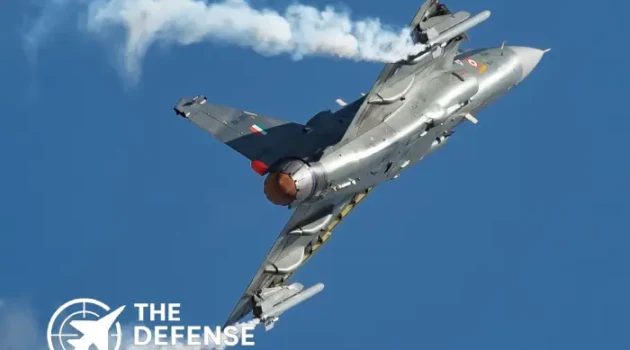
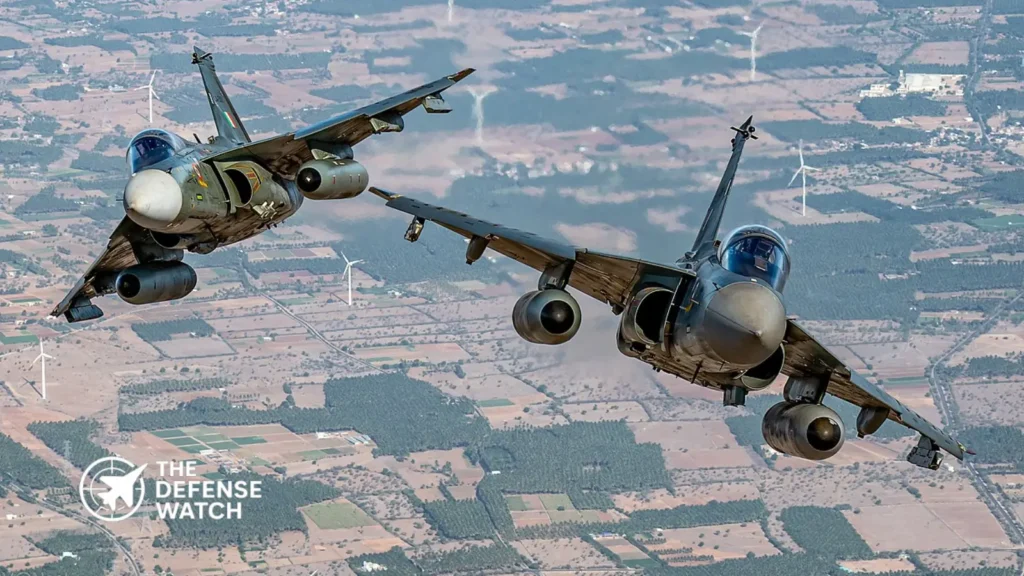
The Mk1A is a genuine fourth-generation-plus platform. It carries an indigenous AESA radar, an advanced electronic warfare suite, an in-flight refueling probe, and the GE F404-IN20 engine rated at 84 kN in afterburner. Beyond-visual-range missile capability (Astra Mk1 with 80+ km range) puts it in contention with regional peers.
India has now committed to 180 Mk1A aircraft: 83 jets under a 2021 contract worth ₹48,000 crore (~$5.5B), and a second batch of 97 jets signed in September 2025 for ₹62,370 crore (~$7.1B). Deliveries from the second batch commence in 2027–28, with production ramping to 24 aircraft annually.
HAL Tejas Mk1A
The program’s Achilles’ heel remains engines. GE delivered its first F404-IN20 to HAL only in March 2025, after supply chain disruptions tied to the Russia-Ukraine conflict caused years of slippage. Air Chief Marshal AP Singh publicly flagged the delays—a rare admission of how close the IAF was to a genuine capability crisis.
Tejas Mk1A — Key Specs:
Role: Single-engine light combat aircraft
Max Speed: Mach 1.6
Combat Radius: ~500 km
Payload: ~3,500 kg
Key Weapons: Astra Mk1/Mk2 BVR, Derby, Python-5
Unit Cost (approx.): ~$37.8 million (fighter variant, Mk1A contract pricing)
Sukhoi Su-30MKI — Aging Workhorse, Being Reborn
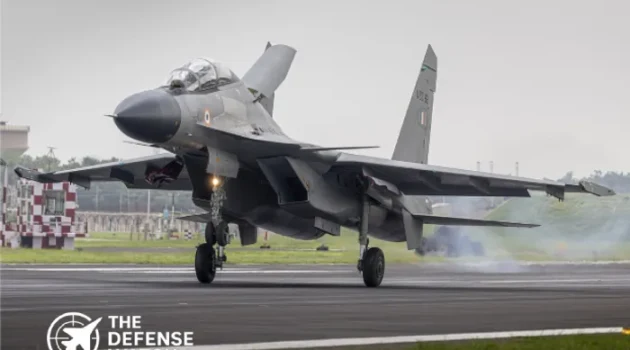
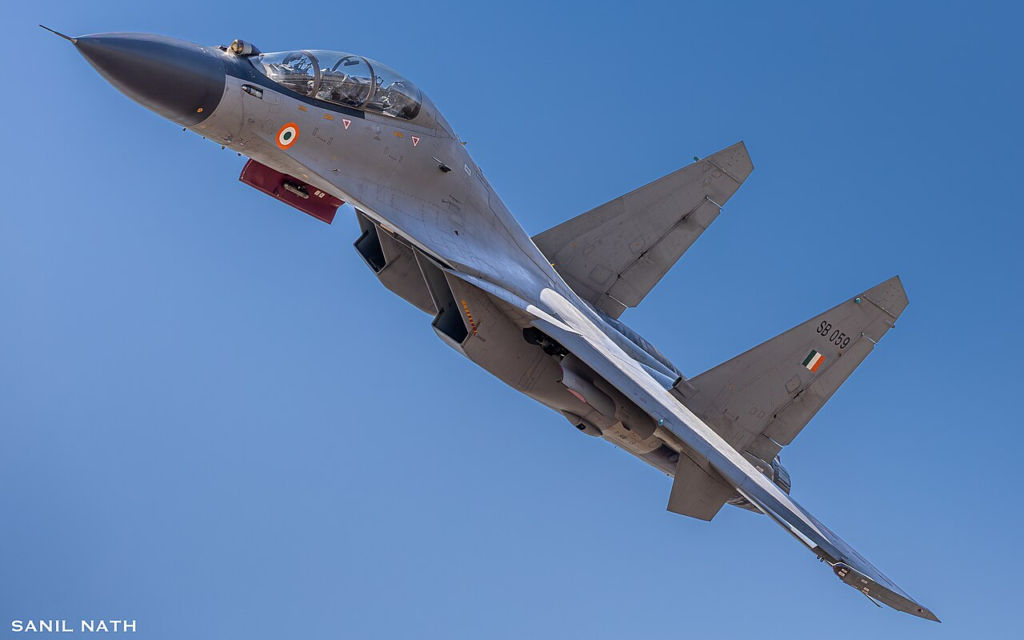
Approximately 260 Su-30MKIs form the absolute core of IAF combat power—the heavy hitter in every air superiority and deep-strike scenario. Built by HAL under a Sukhoi license, these twin-engine behemoths carry up to 8,130 kg of ordnance and boast a combat radius of roughly 1,500 km clean.
The problem: the original mission computer dates to 1998 and runs on a 32-bit architecture. In a network-centric combat environment—particularly against China’s J-20 and J-35 fleets—that’s a structural disadvantage.
The “Super-30” program addresses this directly. Phase One, approved in 2023 for ₹19,000 crore, upgrades 84 Su-30MKIs with a new DRDO-developed 64-bit mission computer, Tejas Mk1A-derived avionics, and an indigenous AESA radar. Phase Two—around 2030—targets another 84 jets with AMCA-derived technologies. An even more ambitious proposal would extend modernization to 200 of the 260-strong fleet, potentially integrating the AL-31F 177S engine (a serious thrust upgrade) and the Virupaksha AESA radar.
Sukhoi Su-30MKI
The IAF’s intent is unambiguous: keep these jets operationally relevant deep into the 2070s.
China fields approximately 300 J-20 fifth-generation fighters and over 50 J-35 stealth aircraft. Pakistan operates F-16 Block 52s, J-10Cs, and JF-17 Block IIIs—a substantially modernized force compared to 2019. The IAF’s planners aren’t designing a fleet for today’s order of battle. They’re designing for 2035, when these numbers will have grown further.
The Rafale handles the high-end fight. Its METEOR missile—with a no-escape zone exceeding 60 km—outranges anything currently in Pakistan Air Force inventory and most of what China deploys. Its SCALP cruise missile gives the IAF a deep-strike capability it didn’t have before. Two Rafale squadrons at Ambala, located 220 km from Pakistan and 500 km from the Chinese border, are positioned deliberately.
The Tejas fills volume. 180 Mk1A jets won’t match Rafale in raw capability, but at roughly one-sixth the unit cost, they allow the IAF to rebuild squadron numbers without bankrupting a procurement budget already stretched to its limits. They also drive HAL’s production capacity upward, setting the industrial foundation for the Tejas Mk2—a heavier, GE F414-powered follow-on designed to replace the Mirage 2000 and fill the “medium fighter” role.
The Su-30MKI upgrade ensures continuity. Withdrawing 260 jets for replacement simultaneously is logistically impossible. “Super Sukhoi” buys time, capability, and industrial employment—while the AMCA program aims for a genuine fifth-generation capability by the mid-2030s.
“The IAF is not fighting the last war. It is building a force for the next 40 years—and the decisions made between 2024 and 2028 will determine whether India achieves air parity with China or spends the 2030s playing catch-up.”
— Synthesis of IAF strategic planning documents and public statements by Air Chief Marshal AP Singh, 2025–2026
The History Angle: From MiG-21 to Multi-Vendor Mastery
The MiG-21’s final retirement in 2025 closed a chapter that defined Indian air power since the 1960s. The jet that helped India win the 1971 war—and later earned the grim nickname “Flying Coffin” due to crash rates—is gone. What’s replacing it is a fleet built on three continents: France, Russia, and India itself.
That multi-vendor architecture is deliberate. Over-reliance on Soviet/Russian platforms exposed the IAF structurally—when GE’s supply chain stumbled on F404 engines for Tejas, the entire domestic production program stalled. When geopolitical pressure constrains Russian spares pipelines, Su-30MKI serviceability suffers. India’s answer is diversification, codified in the “Make in India” defense policy: buy Rafale now, manufacture it locally, build Tejas in parallel, and develop AMCA entirely in-house.
The cultural resonance here cuts deep. India’s aerospace industry—for decades considered a cautionary tale of bureaucratic delays and missed timelines—is now producing fighters, helicopters, and warships at scale. Tejas is no longer a punchline. It’s a platform with 180 active orders, a pipeline of private-sector suppliers (over 105 Indian companies in the Mk1A supply chain), and an export pitch being made to Malaysia and Argentina.
The “Flying Coffin” era is over. The question now is whether the “Make in India” era can close a 12-squadron gap before the strategic window narrows.
Conclusion: A Force in the Making, Racing a Clock
The IAF’s transformation is real, well-funded, and strategically coherent. Over ₹4.5 lakh crore (~$52 billion) in active or approved fighter procurement—Rafale, Tejas Mk1A, Su-30MKI upgrades—represents the most significant recapitalization of any Asian air force outside China in this decade.
But timelines remain the enemy. AMCA won’t fly operationally until the late 2030s at earliest. Tejas Mk1A deliveries are behind schedule. The Rafale’s 114-jet order will take years to execute at scale. In the interim, India will fly under its sanctioned strength, facing two nuclear-armed neighbors whose air forces are modernizing on parallel tracks.
The $47 billion bet is not a guarantee of air dominance. It is a wager that indigenous production, multi-source procurement, and generational platform overlap can close a 12-squadron gap before China’s fifth-generation fleet achieves the kind of qualitative overmatch that makes the numbers irrelevant.
The IAF knows the clock is running. The question is whether the production lines can keep pace with it.
Why the Eurofighter Typhoon vs Rafale vs F-35 Comparison Matters
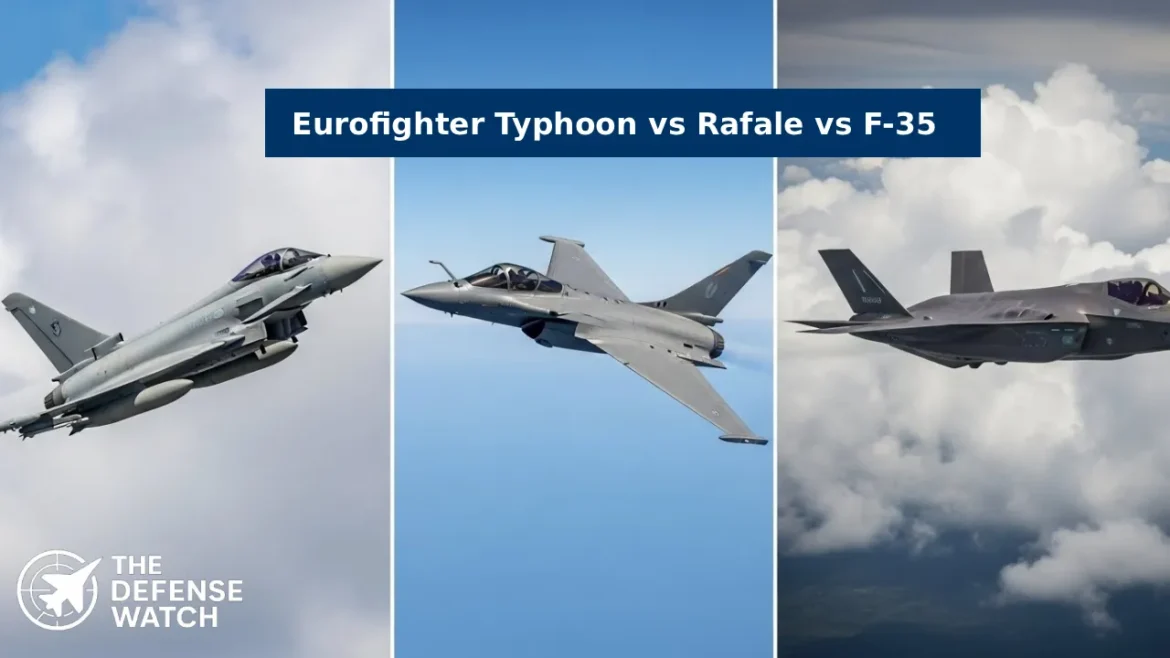
As Europe modernizes for a new era of great-power competition, three fighters stand at the center of Western airpower debates: the Eurofighter Typhoon, France’s Dassault Rafale, and America’s F-35 Lightning II. These aircraft represent different design philosophies—super-maneuverability, multirole flexibility, and fifth-generation stealth—yet they increasingly operate together across NATO missions from the Baltics to the Middle East.
For U.S. defense planners, this comparison matters for two core reasons. First, the Typhoon and Rafale equip key NATO allies whose airpower directly shapes combined operations against Russia. Second, the F-35 now serves as the backbone of U.S. and allied air dominance strategies in both the European and Indo-Pacific theaters. As countries seek to replace aging F-16s and MiG-29s, understanding how these fighters compare offers insight into coalition capability, deterrence posture, and future procurement trends.
Specifications Comparison Table: Eurofighter Typhoon vs Rafale vs F-35
The Typhoon was built for air-superiority dominance, reflected in its delta-canard layout and unmatched high-altitude performance. Its new E-Scan Mk1 AESA radar and PIRATE infrared search-and-track system enhance long-range situational awareness. Though not stealthy, upgraded radar-absorbent materials reduce its frontal radar signature.
Dassault Rafale: A Multirole “Omni-Role” Workhorse
F-35A Lightning II: Stealth, Fusion, and Sensor Dominance
The F-35’s defining strength is its sensor fusion, linking EW, radar, IR, and offboard data into a single battlespace picture. Its VLO (Very-Low Observable) airframe dramatically reduces detection ranges, particularly against Russian and Chinese air defense systems. The Distributed Aperture System (DAS) gives 360° tracking and unprecedented pilot awareness.
Range Verdict: • Rafale leads • Typhoon second • F-35 more range-limited but stealth-enabled for deeper penetration
Combat Effectiveness: Real-World Use
Eurofighter Typhoon
Typhoons have conducted air policing across Europe, intercepting Russian aircraft near NATO airspace. They also carried out precision strikes in Syria and Libya.
Dassault Rafale
Perhaps the most battle-proven European fighter of the modern era, Rafales have operated in Afghanistan, Libya, Iraq, Syria, the Sahel, and carrier strike operations.
F-35A
The F-35 has seen combat with the U.S., Israel, and the UK, including suppression of integrated air defense systems (IADS), strike missions, and ISR operations.
Combat Verdict: • Rafale = most combat diversity • Typhoon = strong but fewer mission sets • F-35 = proven in high-threat environments
Cost & Export Considerations
Eurofighter Typhoon
Strong in NATO markets, especially in Central and Western Europe. Recent upgrades extend service life to 2060+.
Dassault Rafale
Massive export success with sales to India, UAE, Qatar, Egypt, Greece, and Indonesia. Known for lower maintenance demands.
F-35A
The most widely exported fifth-generation fighter in history. U.S. pressure and interoperability benefits drive adoption among NATO partners.
Export Verdict: • F-35 = dominant • Rafale = rising global favorite • Typhoon = steady NATO standard
Analysis: How the U.S. Views the Typhoon, Rafale, and F-35
From a U.S. perspective, the F-35 is the backbone of allied airpower modernization, ensuring full interoperability with American C4ISR and strike networks. The Typhoon and Rafale remain important NATO capabilities, especially for air dominance (Typhoon) and stand-off strike (Rafale).
However, only the F-35 contributes directly to the U.S. strategy of distributed, stealth-enabled, network-centric warfare—critical in facing both Russian A2/AD zones and Chinese integrated air defenses.
There is no single winner—but for future NATO operations, the F-35 provides the greatest strategic value due to stealth, sensor fusion, and networked warfare.
FAQ: Eurofighter Typhoon vs Rafale vs F-35
Which is better in air-to-air combat: Typhoon, Rafale, or F-35?
The Typhoon excels in pure dogfighting, but the F-35 dominates beyond-visual-range due to stealth and sensor fusion.
Which aircraft has the longest range?
The Rafale offers the longest combat radius, making it ideal for long-range strike and expeditionary operations.
Is the F-35 really superior to 4.5-gen fighters?
Yes—stealth, fused sensors, and advanced EW give it unmatched survivability in heavily defended airspace.
Which fighter is the most cost-effective?
The Rafale is often considered the most cost-efficient over its lifetime, though the F-35’s operating costs continue to decline.
Which aircraft will remain relevant longest?
The F-35’s architecture is designed for upgrades into the 2070s, giving it the longest projected service life.