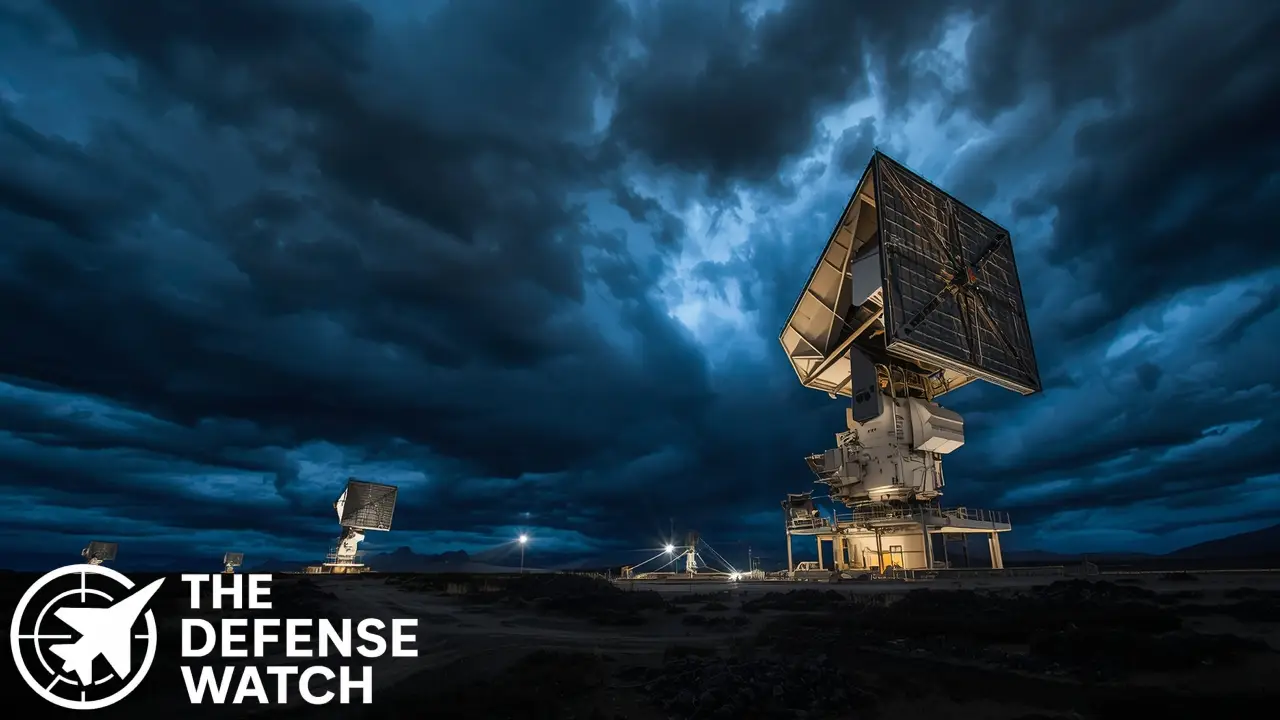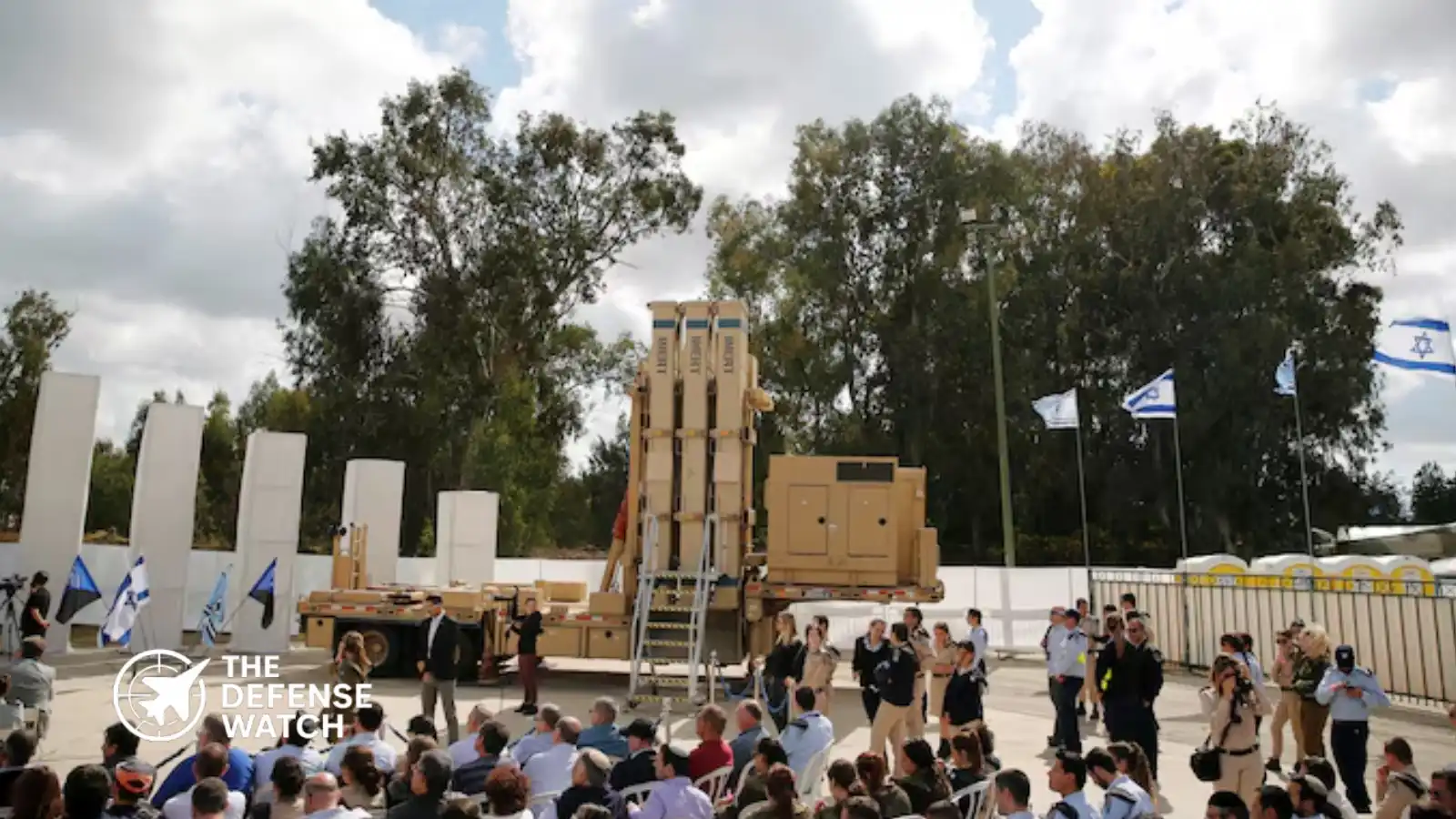
Lockheed Martin’s latest technology highlights arrive as the U.S. defense industry faces growing pressure to expand weapons output while developing capabilities for increasingly complex military operations. The company’s third-quarter 2026 reporting points to two closely connected priorities: increasing production of established weapons and improving the technologies that connect aircraft, sensors, missiles and space-based systems.
The industrial picture is supported by the company’s financial results, released October 22. Lockheed Martin reported third-quarter sales of $20.7 billion, up 11% from the same period in 2025, while its Missiles and Fire Control business recorded a 24% increase in quarterly sales. The company attributed much of that segment’s growth to higher production volumes for missile-defense and precision-strike programs.
The distinction matters. New technology can improve military performance, but its operational value depends on whether the services can acquire enough systems, integrate them into existing forces and sustain them over time.
Lockheed Martin’s innovation portfolio should therefore be assessed not only by individual technology demonstrations, but also by the relationship between development, production and operational integration.
Missile production is becoming a central measure of progress
Missile defense and precision fires are among the clearest examples of the connection between technology and industrial capacity.
According to Lockheed Martin’s third-quarter financial release, higher production activity on the Patriot Advanced Capability-3 Missile Segment Enhancement (PAC-3 MSE) and Terminal High Altitude Area Defense (THAAD) programs contributed to increased sales in its integrated air and missile defense portfolio. The company also reported higher volumes for the Guided Multiple Launch Rocket System (GMLRS) and Precision Strike Missile (PrSM).
These programs serve different operational purposes. PAC-3 MSE is an interceptor used within the Patriot air and missile defense system. THAAD provides a separate layer of ballistic missile defense, while GMLRS and PrSM support ground-based precision fires.
Their production requirements reflect different engineering and supply-chain challenges. Missile-defense interceptors require specialized guidance, propulsion and control components, while precision-strike weapons must meet requirements for reliability, accuracy and compatibility with launch platforms.
Increasing output across these programs can help address military demand, but higher quarterly sales alone do not establish how many additional weapons have been delivered to operational units. Sales can reflect production progress, contract timing and other accounting factors.
Lockheed Martin previously described a seven-year production expansion framework announced in 2026 that targets higher capacity for PAC-3 MSE, THAAD and PrSM. The company’s April reporting outlined plans to triple PAC-3 MSE capacity and quadruple THAAD and PrSM capacity. These are stated production targets, not evidence that the increases have already been fully achieved.
The next measure of progress is whether expanded manufacturing capacity translates into completed weapons, predictable deliveries and a more dependable supply of munitions for U.S. forces and allied customers.
Connecting sensors, aircraft and weapons
Another area of development is the integration of military systems that traditionally operate across separate platforms and mission networks.
In an October 2026 technology overview, Lockheed Martin described work involving space-based missile warning, integrated air and missile defense, artificial intelligence and precision-strike capabilities. The company also identified its NetSense counter-uncrewed aircraft system solution and Lamprey Multi-Mission Autonomous Underwater Vehicle as examples of efforts addressing emerging operational requirements.
The operational logic is straightforward. Detecting a threat is only the first step. Military forces must also identify it, share information with the right units, make engagement decisions and deliver an appropriate response within the available time.
For example, space-based infrared sensors can contribute early warning of missile launches. Ground-based air defense systems then perform their own tracking and engagement functions. Connecting information across these layers can help commanders coordinate a response, although the result depends on sensor quality, communications reliability, data-sharing arrangements and the performance of each individual system.
Lockheed Martin has described efforts to connect the F-35 with integrated air and missile defense systems, including PAC-3. Such integration could help link airborne sensing and ground-based engagement capabilities. The company has not established in the cited material that every element of this concept is deployed across operational forces.
This distinction is important because an integration concept, a demonstrated capability and a fielded operational network are different stages of development.
Counter-drone technology faces a cost problem
The spread of relatively inexpensive uncrewed aircraft has created a difficult problem for military planners. Defenders need to detect and respond to drones without exhausting limited stocks of expensive interceptors or relying on systems that cannot cover every potential approach.
Lockheed Martin identifies NetSense as a counter-UAS solution designed to detect and track drone threats using existing infrastructure, signal processing and artificial intelligence. The company says the system is intended to provide earlier warning and support decisions by operators.
The concept addresses a real operational requirement, but the publicly described functions should not be confused with a complete drone-defense capability.
Detection and tracking do not necessarily mean that a system can identify every drone type, operate effectively in all weather conditions or defeat a target. Performance can depend on the threat’s size, flight profile, communications emissions, the surrounding environment and the availability of complementary sensors.
Electronic warfare, guns, interceptor drones and dedicated counter-drone missiles may each offer advantages in particular circumstances. A layered defense is therefore more useful than assuming one sensor or effect can address every threat.
The relevant question for military buyers is whether a proposed solution can operate reliably alongside existing command-and-control networks and whether its total operating cost is sustainable during repeated engagements.
Undersea autonomy expands the technology portfolio
Lockheed Martin also identifies the Lamprey Multi-Mission Autonomous Underwater Vehicle as part of its undersea warfare work. The company presents the vehicle as a way to expand underwater operational reach and flexibility as potential adversaries invest in submarines and autonomous underwater systems.
Autonomous underwater vehicles can support missions such as surveillance, oceanographic data collection and other undersea tasks, depending on their design and configuration. Their value often comes from gathering information in areas where crewed platforms face operational or logistical constraints.
However, the availability of an autonomous platform does not by itself establish its endurance, payload, communications range or operational readiness. Those details require system-specific technical evidence.
Underwater communications also present particular challenges. Radio-frequency links do not propagate effectively through seawater, and acoustic communications can offer lower data rates and introduce delays. These constraints affect how an autonomous vehicle receives instructions, transmits information and cooperates with other platforms.
For defense customers, the important development is not autonomy in isolation. It is whether an underwater vehicle can perform useful missions with acceptable reliability, recoverability and support requirements.
Financial results show where demand is concentrated
The company’s third-quarter financial report provides a useful check on the broader technology picture. It shows that demand for established military systems remains a major driver of business activity.
Lockheed Martin’s third quarter, compared with the same quarter in 2025. Figures are from the company’s October 22, 2026, results release.
| Business measure | Third quarter 2026 | Year-over-year change |
|---|---|---|
| Total company sales | $20.7 billion | Up 11% |
| Aeronautics sales | $8.214 billion | Up 13% |
| Missiles and Fire Control sales | $4.501 billion | Up 24% |
| Rotary and Mission Systems sales | $4.511 billion | Up about 3% |
| Space sales | $3.485 billion | Up about 4% |
The figures show growth across all four business segments, with Missiles and Fire Control recording the strongest percentage increase among them. Lockheed Martin attributed that segment’s performance primarily to higher production volumes in integrated air and missile defense and tactical and strike missile programs.
These figures provide industrial context, not a direct measurement of technological progress. Revenue does not establish that a system has become more capable, passed a new test or entered service. Those milestones require separate program-level evidence.
The financial results also show why production remains central to the company’s near-term priorities. Research and development can generate new capabilities, but manufacturing capacity, supplier performance and stable procurement funding determine how quickly many of those capabilities can reach military users.
What the technology portfolio still needs to prove
Lockheed Martin’s announcements describe a broad effort spanning missile defense, precision weapons, counter-drone systems, aircraft integration and autonomous underwater platforms. The programs address different military requirements, so they should not be treated as a single development effort or as evidence that every capability is at the same maturity level.
Several measures will help determine their practical significance:
- Production: Whether planned capacity increases result in higher deliveries of completed weapons and equipment.
- Testing: Whether new systems demonstrate the required performance under realistic operational conditions.
- Integration: Whether information and mission functions can be shared reliably across platforms and command networks.
- Sustainment: Whether the armed forces can support the equipment, train personnel and maintain readiness over its service life.
- Cost and availability: Whether the capability can be procured and used at a scale that matches operational demand.
Public company material does not provide enough evidence to assess all these measures across the full portfolio. Independent test results, government contract records, delivery data and operational evaluations would provide a stronger basis for comparing progress.
For now, Lockheed Martin’s third-quarter results show that established missile-defense and precision-strike programs are important contributors to business growth, while its technology reporting points to continued investment in cross-domain integration and emerging systems. The extent to which these efforts improve military readiness will depend on demonstrated performance, production execution and successful adoption by defense customers.