Executive Summary: Northrop Grumman has invested more than $2 billion in facilities and technology supporting the LGM-35A Sentinel ICBM, while the company has hired more than 5,000 people for strategic deterrence and related aerospace programs. The investment comes as the U.S. Air Force restructures Sentinel following a major cost breach and works toward a first flight in 2027 and initial capability in the early 2030s.
Sentinel ICBM Program Moves Into a New Development Phase
The Sentinel ICBM program is receiving more than $2 billion in Northrop Grumman investment as the U.S. Air Force pushes to replace the aging Minuteman III and rebuild the land based component of the U.S. nuclear triad.
Northrop Grumman says its investment covers facilities, technology and workforce expansion supporting Sentinel and other strategic aerospace missions. The company has expanded its Roy Innovation Center in Utah, which serves as a major development hub for the program.
The Air Force currently targets initial Sentinel capability for the early 2030s. The service also plans to complete the program restructuring process during 2026 and pursue a new Milestone B decision before moving into the next stage of development.
Northrop Grumman and the Air Force are targeting a first missile launch in 2027. That schedule is more aggressive than the February 2026 Government Accountability Office assessment, which identified March 2028 as the planned first flight at the time.
More Than $2 Billion in Industrial Capacity
Northrop Grumman says it has invested more than $2 billion in facilities and technology for Sentinel and has hired more than 5,000 people to date across the strategic deterrence effort.
The company is expanding its Roy Innovation Center, which now encompasses more than 1.1 million square feet of office space across six buildings. A new facility announced in July is intended to provide additional capacity for Sentinel and other national security programs.
This investment is significant because Sentinel is not simply a missile replacement project. The program involves the replacement and modernization of missiles, launch systems, command and control infrastructure, communications equipment and supporting facilities across the existing Minuteman III missile fields.
The Air Force Nuclear Weapons Center describes Sentinel as a full modernization of the land based leg of the nuclear triad. The system is being designed around a modular, open architecture intended to allow future technology upgrades as threats and requirements change.
Sentinel Replaces the Minuteman III
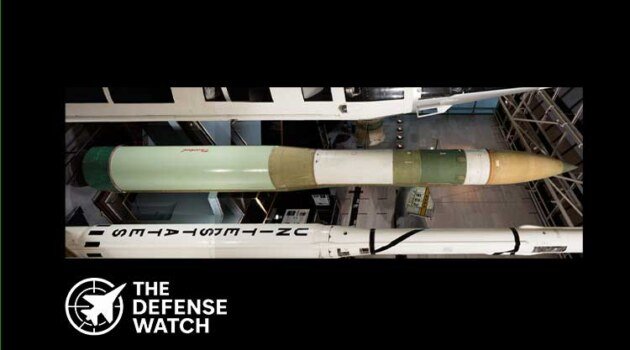
The LGM-35A Sentinel is intended to replace the LGM-30G Minuteman III, which has formed the land based component of the U.S. nuclear triad since 1970.
The triad combines land based ICBMs, submarine launched ballistic missiles and nuclear capable bombers. The Air Force considers the land based component important because it provides a persistent, geographically distributed strategic force that complicates an adversary’s planning.
The current Sentinel force is planned to include 400 deployed missiles. The Air Force lists a range of more than 6,000 miles, a burnout speed of approximately Mach 23 and a three stage solid propellant propulsion system.
Sentinel Program Element Current Public Information Designation LGM-35A Sentinel Mission Intercontinental ballistic missile Prime contractor Northrop Grumman Propulsion Three solid propellant rocket motors Planned deployed inventory 400 missiles Publicly listed range More than 6,000 miles Approximate burnout speed Mach 23 Initial capability Early 2030s First launch target 2027 The system will operate from the three existing ICBM bases at F.E. Warren Air Force Base in Wyoming, Malmstrom Air Force Base in Montana and Minot Air Force Base in North Dakota.
Program Cost Remains a Major Issue
The investment by Northrop Grumman comes against a difficult acquisition history.
In January 2024, the Air Force reported that Sentinel had breached the Nunn-McCurdy cost threshold. The breach resulted from a projected unit cost increase of at least 37 percent compared with the program’s earlier baseline.
Following a statutory review, the Department of Defense determined that a modified Sentinel program remained essential to national security and that no lower cost alternative could provide the required capability.
The Pentagon subsequently estimated total acquisition costs for the modified program at approximately $140.9 billion, an 81 percent increase over the previous Milestone B estimate. The department also rescinded the program’s earlier Milestone B approval and directed a restructuring intended to address the causes of the cost growth.
That history makes the current industrial investment more than a routine expansion. The new facilities, prototypes and manufacturing capacity are being developed while the government is simultaneously trying to establish a more controlled cost and schedule baseline.
Infrastructure Is as Important as the Missile
One of the central challenges for Sentinel is the scale of infrastructure required to field it.
The program involves hundreds of missile facilities and command infrastructure spread across multiple states. The Government Accountability Office described the transition as a highly complex project and warned that the Air Force needs stronger risk management to protect the Minuteman III to Sentinel transition.
The Air Force and Northrop Grumman are therefore developing prototype launch infrastructure before full scale construction. A Sentinel launch silo tube prototype is being used to validate structural designs and construction methods.
The approach is intended to reduce uncertainty before the service commits to large scale deployment work. It also reflects a broader change in the acquisition strategy following the Nunn-McCurdy review.
The Air Force has also begun work on new Wing Command Centers and supporting infrastructure. At F.E. Warren Air Force Base, construction and prototyping activities are intended to establish methods that can later be applied across the missile fields.
Software and Systems Engineering Remain Key Risks
Sentinel’s modernization challenge extends beyond hardware.
The Government Accountability Office has identified software development as a significant program risk. Earlier assessments found that software progress was slower than expected and that the program needed to improve software development metrics and cybersecurity planning.
A 2026 GAO assessment also reported that the program was refining its software requirements, cybersecurity approach and development processes as part of the broader restructuring effort. The program is pursuing digital engineering methods, modular architecture and a digital twin to support development and future upgrades.
This matters because Sentinel is a weapon system rather than simply a new missile. Its operational effectiveness depends on the integration of the missile, launch facilities, command and control systems, communications architecture, software and security systems.
A delay in any one of these areas can affect the broader fielding schedule.
Why the Early 2030s Timeline Matters
The Air Force’s accelerated timeline is intended to prevent a prolonged gap between the existing Minuteman III force and Sentinel.
The Air Force says the Sentinel program is now targeting a first launch in 2027 and initial capability in the early 2030s. Northrop Grumman has publicly aligned its development schedule with those objectives.
At the same time, GAO has highlighted the need for caution because Sentinel has already experienced major cost and schedule problems. The February 2026 GAO assessment said the program’s first flight had slipped roughly four years from its original estimate and identified unresolved software, infrastructure and program management challenges.
The difference between the Air Force’s accelerated 2027 objective and GAO’s earlier 2028 assessment illustrates the importance of the remaining test and development milestones.
The Air Force has attempted to reduce this risk by changing the flight test strategy. According to GAO’s 2026 assessment, the program planned to conduct its first several flights from an above ground pad before moving to a silo based launch later in development.
That approach allows engineers to obtain flight data earlier without waiting for the entire operational silo infrastructure to be ready.
Strategic Importance to the U.S. Nuclear Triad
Sentinel represents the long term replacement of one of the three pillars of the U.S. nuclear deterrent.
The Department of Defense has argued that the land based component provides a persistent strategic capability and complicates adversary calculations. The department’s 2024 Nunn-McCurdy review concluded that alternatives such as extending Minuteman III or pursuing different basing concepts would not provide the required capability at lower cost.
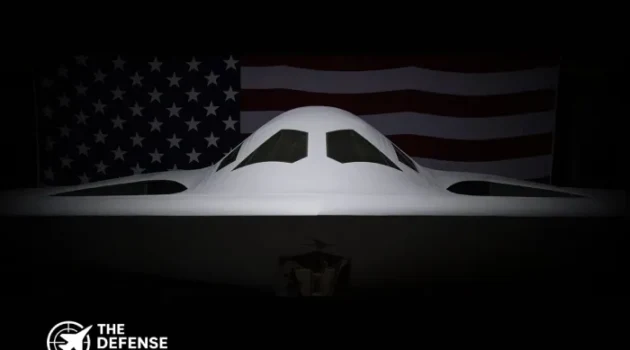
The modernization also takes place against a broader U.S. effort to replace aging nuclear delivery systems. The Columbia class ballistic missile submarine, B-21 Raider and Sentinel are central elements of that modernization effort.
For Sentinel, the strategic requirement is therefore tied to both deterrence and continuity. The system must remain operationally credible while the United States transitions from a missile design that has been in service for more than five decades.
Northrop Grumman’s Investment Supports a Long Term Program
The more than $2 billion Northrop Grumman investment demonstrates the industrial scale of the Sentinel effort, but it does not by itself resolve the program’s acquisition challenges.
The most important milestones ahead are the completion of the restructuring process, the new Milestone B decision, continued qualification testing, the first flight campaign and maturation of the launch infrastructure.
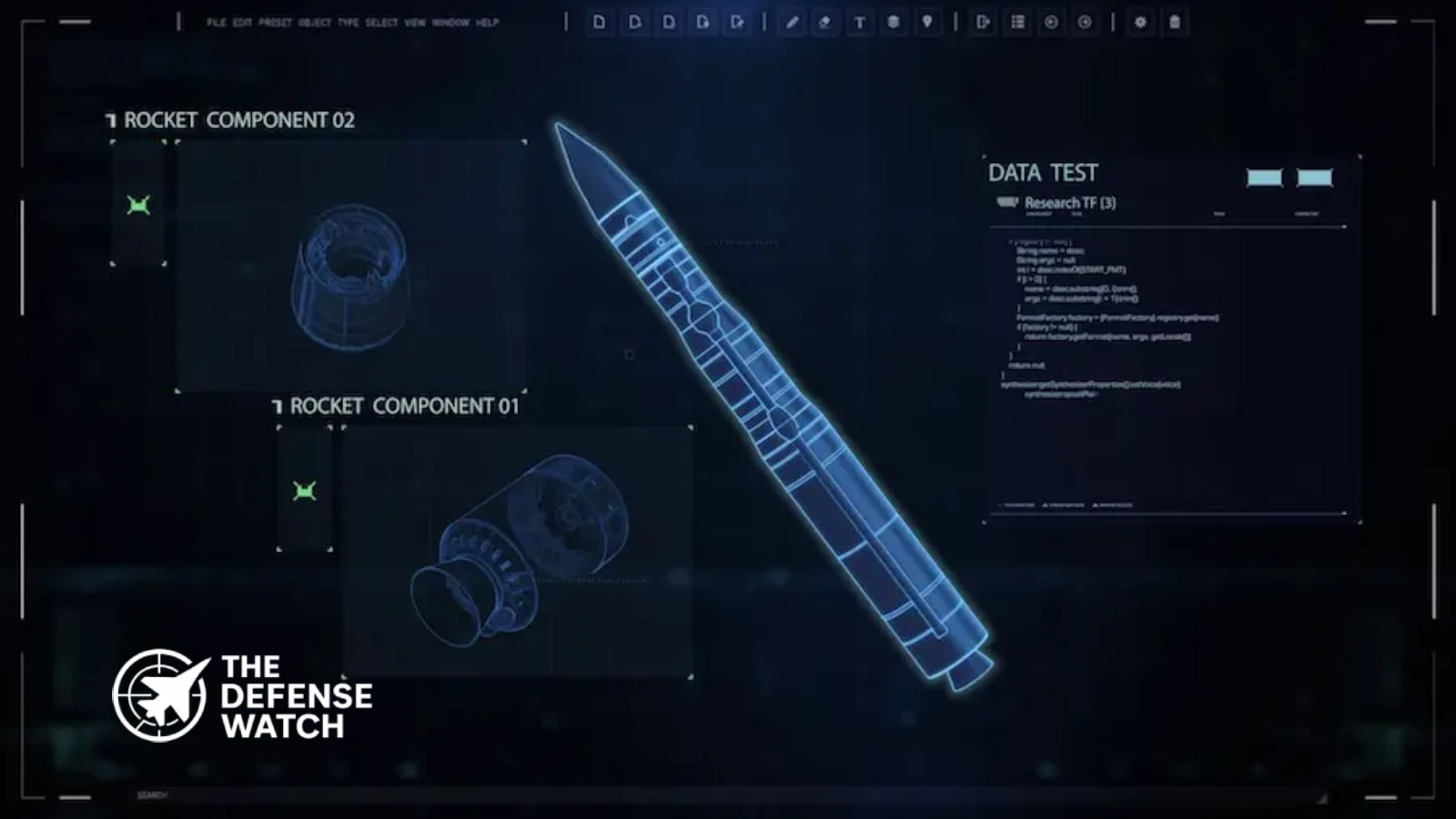
The Air Force and Northrop Grumman have already demonstrated progress on several technical elements. The program completed qualification testing of the Stage 1 and Stage 2 solid rocket motors, assembled a complete three stage ground test missile and advanced the design of the Launch Support System.
The central test for the program will be whether these technical advances translate into predictable cost, schedule and performance outcomes.
If the current plan holds, Sentinel will begin flight testing in 2027 and move toward initial capability in the early 2030s. That would place the United States on a path to replace the Minuteman III while establishing a new infrastructure architecture intended to support the land based nuclear deterrent for decades.
Key Takeaways
- Northrop Grumman has invested more than $2 billion in Sentinel facilities and technology.
- The company says it has hired more than 5,000 people supporting strategic deterrence and related programs.
- Sentinel is designed to replace the Minuteman III as the land based leg of the U.S. nuclear triad.
- The Air Force plans to deploy 400 Sentinel missiles.
- The current Air Force target calls for first launch in 2027 and initial capability in the early 2030s.
- The program’s estimated acquisition cost rose to about $140.9 billion after the Nunn-McCurdy review.
- Infrastructure, software, systems engineering and cost control remain major program management priorities.
- GAO continues to identify schedule and technical risks that could affect the transition from Minuteman III to Sentinel.