
Executive Summary:
Rolls-Royce and its international partners have completed a major development milestone for the Global Combat Air Programme (GCAP) propulsion system, clearing the way for ground testing of a next generation fighter engine demonstrator. The achievement marks an important step in delivering the sixth generation combat aircraft that Britain, Italy, and Japan aim to introduce in the mid 2030s while strengthening sovereign propulsion capabilities.
Rolls-Royce GCAP Engine Advances Toward Ground Testing
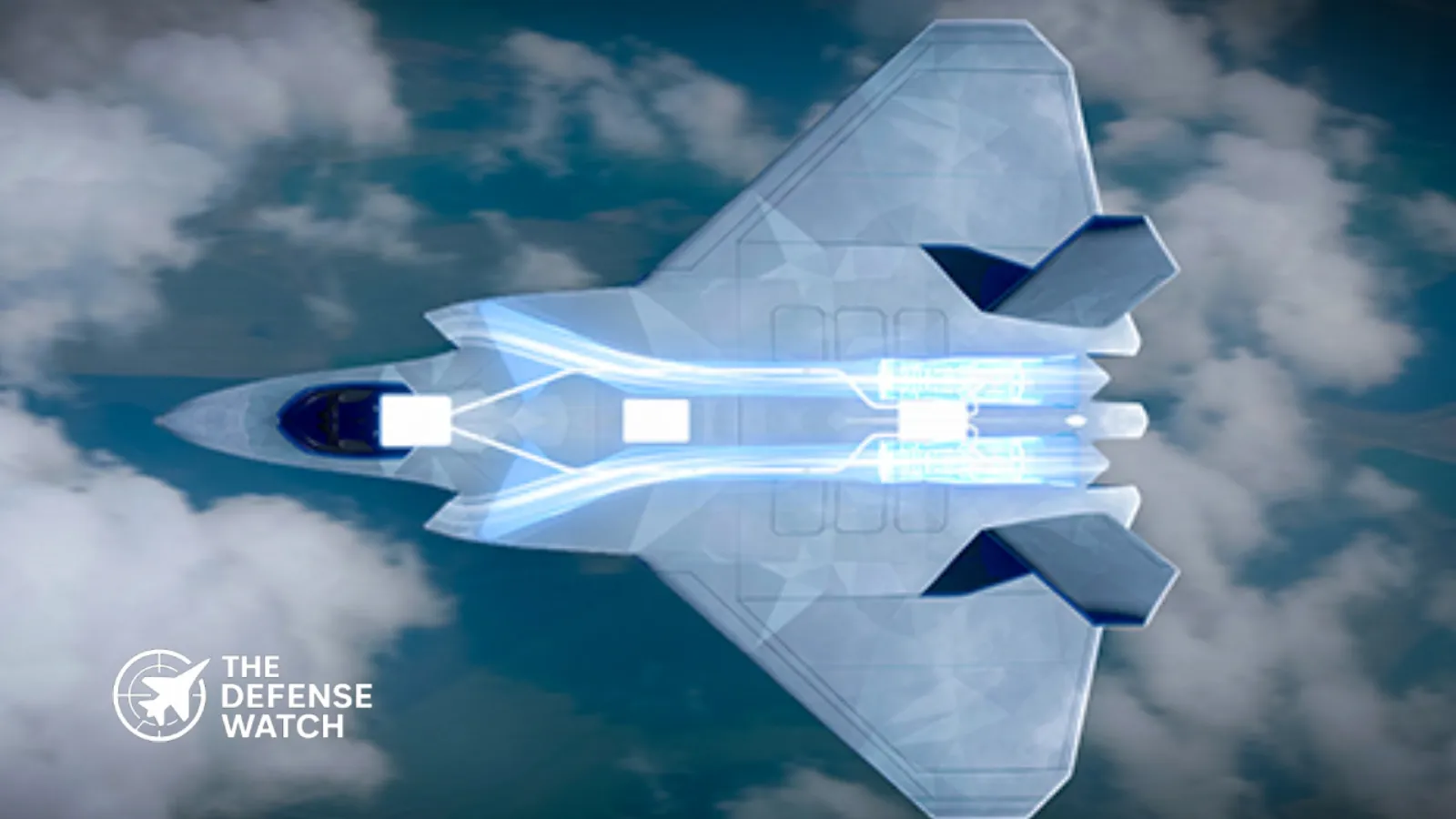
Rolls-Royce has reached a significant milestone in the development of the GCAP combat jet engine, completing a series of consortium design reviews that pave the way for ground testing of the propulsion system demonstrator. The progress was announced by Rolls-Royce alongside consortium partners Avio Aero of Italy and IHI Corporation of Japan during the 2026 Farnborough Airshow.
The engine is being developed for the Global Combat Air Programme (GCAP), the multinational effort to build a sixth generation combat aircraft that will replace the Royal Air Force’s Eurofighter Typhoon while also serving future requirements in Italy and Japan. The propulsion system is considered one of the most technically demanding elements of the overall aircraft program.
According to Rolls-Royce, the successful completion of multiple design reviews demonstrates growing maturity across the engine program and allows development teams to transition toward full scale ground testing of the demonstrator.
International Consortium Deepens Technical Cooperation
The GCAP propulsion effort is jointly led by Rolls-Royce, Avio Aero, and IHI Corporation, combining expertise from three national aerospace industries.
Rolls-Royce stated that the partnership has expanded its collaborative engineering approach over the past year, including the establishment of a dedicated Collaboration Hub in Reading, England. The facility supports integrated engineering work between industry partners, the GCAP Agency, and Edgewing, the organization overseeing aircraft development.
Program officials said recent design reviews validated key aspects of the propulsion architecture while reinforcing the long term industrial partnership required to sustain development over several decades.
Why The Engine Matters
Unlike previous generation fighter engines, the GCAP propulsion system is expected to support substantially greater electrical power generation, advanced thermal management, and higher operating temperatures.
These capabilities are increasingly essential because sixth generation fighters will rely heavily on:
Capability Operational Importance Higher electrical output Supports advanced AESA radar, electronic warfare, sensors, and future directed energy systems Improved thermal management Dissipates heat generated by onboard computing and mission systems Greater fuel efficiency Extends combat radius while reducing logistical demands Increased durability Supports higher readiness and lower lifecycle costs Although Rolls-Royce has not disclosed detailed engine specifications, officials have consistently described the propulsion system as a generational leap compared with current fighter engines.
Strategic Importance For Britain And Allied Air Power
The engine milestone arrives as GCAP continues gaining political and industrial momentum.
Earlier this week, Canada agreed to join the program as an observer, expanding international cooperation around one of the world’s most ambitious future combat aircraft initiatives. The move reflects broader efforts among allied nations to strengthen defense industrial collaboration while reducing dependence on single suppliers for advanced military technologies.
For Britain, maintaining domestic capability to design and manufacture advanced military engines remains strategically important.
Only a small number of countries retain the industrial base needed to independently develop high performance fighter propulsion systems. Preserving that expertise supports national security, export competitiveness, and long term technological leadership across military aviation.
Analysis: Why This Milestone Matters Beyond The Engine
While the announcement does not represent a completed engine or first test run, it marks one of the most meaningful engineering checkpoints in the GCAP timeline.
Engine development typically represents one of the highest technical risks in any advanced fighter program. Validating the design before hardware testing helps reduce integration challenges later in aircraft development, where propulsion, stealth shaping, cooling systems, software, and mission electronics must function as an integrated platform.
From a U.S. defense perspective, the progress also underscores a broader trend among close allies investing in sovereign sixth generation capabilities. As the United States advances the Next Generation Air Dominance (NGAD) family of systems, Europe and Japan are pursuing comparable technologies through GCAP, ensuring allied air forces retain access to advanced combat aircraft tailored to their own operational requirements.
For NATO and Indo Pacific security, successful propulsion development could strengthen industrial resilience by diversifying the global supply base for advanced military aviation technologies while enabling closer technology cooperation among partner nations.
What Comes Next
With consortium design reviews complete, the next major phase is ground testing of the engine demonstrator.
These tests will validate critical performance characteristics before the propulsion system is integrated into the future GCAP aircraft. The multinational program continues targeting entry into service during the mid 2030s, though additional development, flight testing, and systems integration remain ahead.