• Home
  • About
  • Defense Systems
  • Manufacturer
  • Comparisons
  • Compare 
  • Tools
TheDefenseWatch.com
  • Aerospace & Aviation
  • Military & Ordnance
  • Naval & Maritime
  • Cyber & Space Defense
  • Policy & Strategy
  • Global News
  • Tools Library
    • Smart Calculator
    • Drone Flight Time Calculator
    • Drone Range Calculator
    • Counter-Drone Jammer Effective Range Calculator
    • Counter-Battery Radar Detection Calculator
    • Artillery Fire Correction Calculator
    • Thermal Camera Detection Range Calculator
    • Missile Range & Time-of-Flight Calculator
    • Radar Detection Range Calculator
    • FPV Strike Drone Payload vs Range Calculator
    • Loitering Munition Endurance Calculator
    • Sniper Ballistic Drop & Windage Calculator
    • Bullet Drop Calculator
    • U.S. Army Combat Fitness Test (ACFT) Calculator
    • Military Pension Calculator
    • Military Retirement Calculator
    • Military Pension Calculator
    • Large Number Calculator
Font ResizerAa

TheDefenseWatch.com

The Defense Watch | U.S. & Global Defense News, Analysis & Military Updates

Search
  • Home
  • About
  • Defense Systems
  • Manufacturer
  • Comparisons
  • Compare 
  • Tools

Stay Updated

Get the latest update

Subscribe

Explore

  • Drone
  • Fighter Jets & Military Aircraft
  • Hypersonic Weapons
  • Aircraft Carriers
  • Strategic History & Missions
  • Tools Library
Home » General Dynamics Reports Strong Profit Growth As Combat And Marine Demand Surges
Global News

General Dynamics Reports Strong Profit Growth As Combat And Marine Demand Surges

Kaleem Sheikh | Regional Defense Correspondent
Last updated: September 7, 2026 1:00 pm
Kaleem Sheikh | Regional Defense Correspondent
Share
2 Min Read
General Dynamics quarterly profit growth
SHARE

General Dynamics Quarterly Profit Growth Signals Strong Defense Demand

General Dynamics quarterly profit growth highlights continued strength in U.S. defense spending, with combat systems and marine programs driving higher earnings in the latest reporting period.

Contents
  • General Dynamics Quarterly Profit Growth Signals Strong Defense Demand
  • The Big Picture
  • What’s Happening
  • Why It Matters
  • Strategic Implications
  • Competitor View
  • What To Watch Next
  • Capability Gap
  • The Bottom Line
KEY FACTS AT A GLANCE
  • General Dynamics reported higher quarterly profit driven by defense demand.
  • Growth led by combat systems and marine segments, including submarine programs.
  • U.S. military modernization and naval expansion underpin sustained demand.
  • Results reflect ongoing production for armored vehicles and nuclear submarines.
  • Strong earnings signal continued resilience in the U.S. defense industrial base.

The Big Picture

U.S. defense contractors are benefiting from sustained budget priorities focused on modernization, readiness, and great power competition. Washington continues to prioritize investments in armored platforms, naval forces, and advanced weapons systems to counter near-peer threats.

Naval expansion remains a central pillar of U.S. military strategy. The U.S. Navy’s long-term shipbuilding plans, particularly for nuclear-powered submarines, are fueling steady demand for industrial capacity. At the same time, land warfare modernization, including armored vehicles and support systems, continues to receive funding amid lessons learned from recent conflicts.

This broader environment has created favorable conditions for major contractors, especially those with diversified portfolios across land, sea, and aerospace domains.

- Advertisement -

What’s Happening

General Dynamics reported a rise in quarterly profit, supported by strong performance in its combat systems and marine segments, according to Reuters.

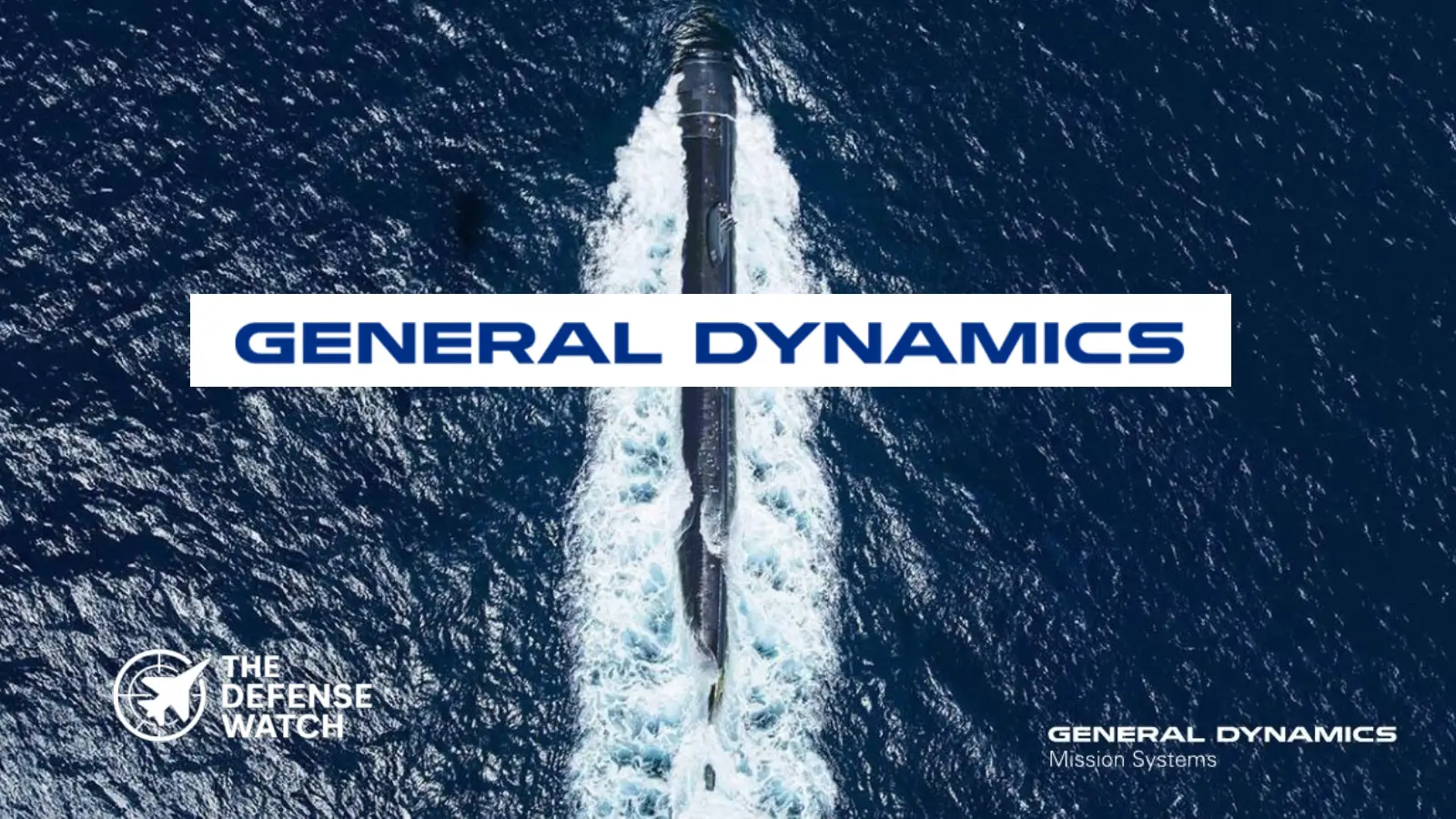
The company’s marine systems division, which builds nuclear-powered submarines, played a key role in driving earnings. Ongoing production for programs such as the Virginia-class and Columbia-class submarines continues to generate stable revenue streams.

The combat systems segment also contributed significantly. Demand for armored vehicles, weapons systems, and related platforms remained strong, reflecting both U.S. Army requirements and international orders.

The results align with broader trends across the U.S. defense sector, where increased procurement and modernization efforts are translating into higher revenues for prime contractors.

Why It Matters

General Dynamics quarterly profit growth underscores the durability of defense spending even amid economic uncertainty. Unlike commercial sectors, defense programs operate on long-term funding cycles, providing predictable revenue for contractors.

Submarine production is particularly critical. Nuclear submarines represent one of the most complex and strategically important capabilities in the U.S. arsenal. Their role in deterrence, intelligence gathering, and strike operations makes them a priority for sustained investment.

Similarly, combat systems remain essential for ground force readiness. Armored vehicles and support platforms are central to both conventional warfare and rapid deployment operations.

The company’s performance reflects how these core capabilities continue to anchor U.S. military modernization efforts.

- Advertisement -

Strategic Implications

Strong earnings from marine and combat systems reinforce the U.S. military’s focus on multi-domain readiness. Submarine production supports undersea dominance, a key factor in maintaining strategic deterrence against peer competitors.

At the same time, robust demand for land systems highlights ongoing concerns about large-scale ground conflict scenarios. The U.S. Army’s modernization programs aim to improve survivability, mobility, and lethality in contested environments.

The financial health of companies like General Dynamics also has broader implications for the defense industrial base. Consistent profitability enables continued investment in workforce, infrastructure, and innovation, all of which are essential for maintaining production capacity.

Competitor View

China and Russia closely monitor U.S. defense industrial output, particularly in submarine construction and armored vehicle production.

China continues to expand its naval capabilities, including its own submarine fleet, as part of its strategy to challenge U.S. presence in the Indo-Pacific. Sustained U.S. investment in undersea warfare signals a commitment to maintaining a technological and operational edge.

Russia, despite economic constraints, remains focused on modernizing its ground forces and strategic deterrent. U.S. investments in combat systems and submarines reinforce deterrence by demonstrating industrial capacity and readiness.

These dynamics contribute to an ongoing cycle of capability development among major powers.

What To Watch Next

Upcoming earnings reports from other major defense contractors will provide further insight into industry-wide trends. Analysts will focus on whether demand remains consistent across all segments or becomes concentrated in specific areas such as naval systems.

Production timelines for submarine programs will also be critical. Any delays or cost overruns could impact future financial performance and operational readiness.

Additionally, U.S. defense budget decisions in the coming fiscal cycles will shape long-term demand. Continued emphasis on naval expansion and ground force modernization would sustain current growth trends.

Capability Gap

General Dynamics’ performance reflects efforts to address key capability gaps in both naval and ground domains.

In the undersea domain, the U.S. aims to maintain a sufficient number of advanced submarines to counter growing threats. Production capacity remains a limiting factor, and scaling output continues to be a challenge.

On land, modernization programs seek to replace aging platforms and improve operational effectiveness. However, integration of new technologies and supply chain constraints can slow progress.

These limitations highlight the importance of sustained investment and industrial coordination.

The Bottom Line

General Dynamics’ rising profits confirm that strong demand for submarines and combat systems continues to anchor U.S. defense modernization and industrial strength.


TAGGED:combat systemsdefense earningsGeneral DynamicsSubmarine ProgramsUS defense industry
Share This Article
Facebook Copy Link Print
ByKaleem Sheikh | Regional Defense Correspondent
Follow:
Kaleem Sheikh is a regional defense correspondent at TheDefenseWatch.com covering defense and security developments across Asia and the Middle East, including military operations, procurement, and regional security issues.
Leave a Comment

Leave a Reply Cancel reply

Your email address will not be published. Required fields are marked *

Latest Defense Systems

  • RUTA B1 Cruise Missile RUTA B1 Cruise Missile
  • XQ-67A Drone XQ-67A Drone
  • B-25 Mitchell Bomber B-25 Mitchell Bomber
  • F-100 Super Sabre F-100 Super Sabre
  • North American F-86 Sabre North American F-86 Sabre
  • North American XB-70 Valkyrie North American XB-70 Valkyrie
  • Northrop YF-23 Fighter Northrop YF-23 Fighter
  • P-51 Mustang Fighter Aircraft P-51 Mustang Fighter Aircraft
  • Rafale F5 Fighter Rafale F5 Fighter

Recent Compares

  • J-10C vs JF-17 Thunder: Which Fighter Is More Capable? J-10C vs JF-17 Thunder: Which Fighter Is More Capable? View Comparison →
  • Tejas vs Gripen: Key Differences and Capabilities Tejas vs Gripen: Key Differences and Capabilities View Comparison →
  • Tejas vs MiG-21 Bison: How India Replaced Its Iconic Supersonic Fighter Tejas vs MiG-21 Bison: How India Replaced Its Iconic Supersonic Fighter View Comparison →
  • F-35 vs F-16: Stealth, Sensors and Combat Roles F-35 vs F-16: Stealth, Sensors and Combat Roles View Comparison →
  • Tejas Fighter Jet vs F-16 Fighting Falcon: Capability Compared Tejas Fighter Jet vs F-16 Fighting Falcon: Capability Compared View Comparison →
  • Rafale Fighter Jet vs F-16 Fighting Falcon : Which Fighter Has the Edge? Rafale Fighter Jet vs F-16 Fighting Falcon : Which Fighter Has the Edge? View Comparison →
  • Su-57 Fighter Jet vs J-20 Fighter Jet: Stealth and Air Combat Compared Su-57 Fighter Jet vs J-20 Fighter Jet: Stealth and Air Combat Compared View Comparison →
  • Mirage 2000 vs Tejas Mk1A: Legacy Combat Power vs Indigenous Modernization Mirage 2000 vs Tejas Mk1A: Legacy Combat Power vs Indigenous Modernization View Comparison →
  • Rafale Fighter Jet vs F-22 Raptor: Which Air Dominance Fighter Has the Edge? Rafale Fighter Jet vs F-22 Raptor: Which Air Dominance Fighter Has the Edge? View Comparison →
  • Tejas Fighter Jet vs. Rafale Fighter Jet: India’s Indigenous Fighter Meets France’s Proven Multirole Combat Aircraft Tejas Fighter Jet vs. Rafale Fighter Jet: India’s Indigenous Fighter Meets France’s Proven Multirole Combat Aircraft View Comparison →

Recent Posts

  • U.S. Plans Resilient Military Bases With Independent Power and Water Systems
  • China Addresses Report on New Nuclear Submarine Missile Test
  • Destinus Produces 1,750 Ruta B1 Cruise Missiles as European Output Expands
  • Boeing Wins $11.1 Million Contract Modification for Kuwait F/A-18 Training Support
  • U.S. Navy Awards $23.1 Million Contract for Cybersecurity of Shipboard Power Systems

You Might Also Like

UK warns Russian Chinese activity High North
Global News

UK Warns of Rising Russian Chinese Activity in High North Threatening NATO Security

February 2, 2026
Russia nuclear weapons limits
Global News

Lavrov Confirms Russia Will Honor Nuclear Weapons Limits If U.S. Maintains Compliance

February 11, 2026
British Army armored unit coordinating with drones in live battlefield exercise
Global News

British Army Tests Integrated Drone–Armor Combat Concept

May 5, 2026
Poland drone factory arson
Global News

Poland Moves To Counter Sabotage As Drone Factory Arson Probe Expands

April 2, 2026

Logo

Copyright © 2026 TheDefenseWatch.com

Helpful Links

  • Home
  • About Us
  • Privacy Policy
  • Terms of Use / Disclaimer
  • U.S. Privacy Notice – CCPA Compliance

Defense Systems

  • Defense Systems
  • Comparisons 
  • Manufacturer
  • Tactical Calculators

Popuplar

Which 5 Air Forces Possess the Costliest Fighter Jet Fleets in the World
Evolving Strategic Value: Carrier Strike Groups in the Indo-Pacific’s Future Security Architecture
Autonomous Weapon Systems Spark U.S. Ethics Debate Amid Rapid Military AI Integration

We report on developments involving military forces, governments, defense companies, research organizations, and security institutions around the world. 

Welcome Back!

Sign in to your account

Username or Email Address
Password

Lost your password?