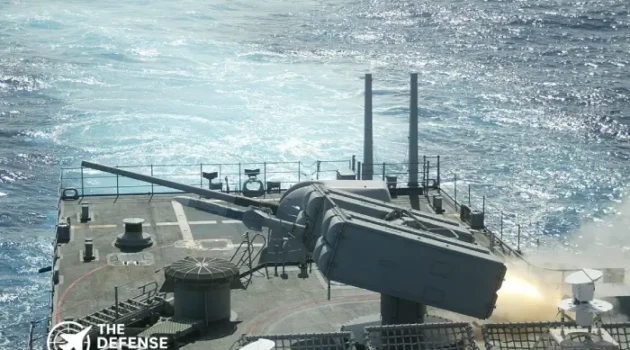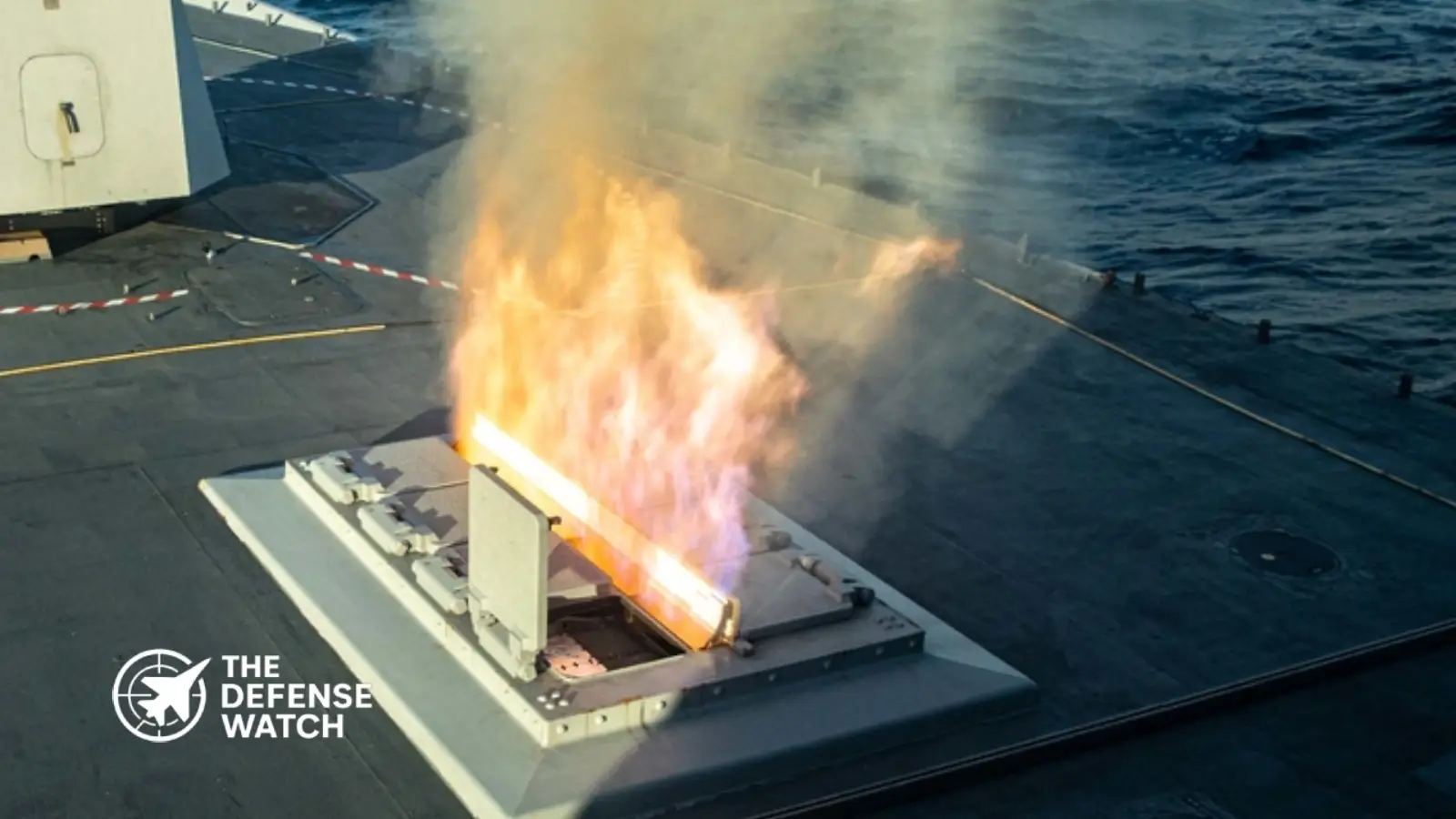
Raytheon ESSM Block 2 Contract Expands Allied Naval Defense Capacity
The Evolved SEASPARROW Missile Block 2 contract awarded to Raytheon marks a significant step in strengthening naval air defense capabilities across the United States and its allied partners. Valued at $832.9 million, the firm fixed price modification supports continued production of advanced shipborne missiles designed to counter evolving aerial threats.
Awarded by the Naval Sea Systems Command on April 24, 2026, the contract exercises options under a previously awarded agreement. It covers both missile assembly and associated container requirements for a wide coalition of nations, including Australia, Canada, Germany, and NATO allies across Europe.
- Raytheon secured an $832.9 million contract modification for ESSM Block 2 missile production.
- The contract supports the U.S. and 11 allied nations including NATO partners and Australia.
- Production spans over 20 global locations with completion expected by September 2030.
- Funding is split between U.S. Navy procurement and international partner contributions.
- ESSM Block 2 enhances naval defense against advanced anti-ship missiles and aerial threats.
This ESSM Block 2 production deal reflects growing demand for layered naval air defense systems amid increasing missile threats in contested maritime environments.
Multinational Production Reflects Broad Strategic Alignment
The scope of the program underscores its multinational nature. Manufacturing and integration activities are distributed across more than 20 locations worldwide, including the United States, Canada, Australia, and several European countries.
Key production hubs include Tucson, Arizona, which accounts for the largest share, alongside facilities in Norway, the Netherlands, and Germany. This distributed industrial base supports interoperability while reinforcing defense industrial cooperation among partner nations.
The Evolved SEASPARROW missile contract is funded through a mix of U.S. Navy procurement and international partner contributions. Roughly half of the funding comes from U.S. fiscal year 2026 weapons procurement, with the remainder largely financed by allied customers.
This funding model reflects the cooperative structure of the NATO SEASPARROW program, where participating nations jointly develop, procure, and sustain the system.
ESSM Block 2 Enhances Modern Naval Air Defense
The ESSM Block 2 represents a significant upgrade over earlier variants. Unlike the semi active radar homing guidance used in Block 1, the newer missile incorporates an active radar seeker, improving engagement capability against complex and maneuvering threats.
This upgrade is critical in addressing modern anti ship missile threats, including sea skimming cruise missiles and high speed maneuvering targets. It also enhances a ship’s ability to engage multiple threats simultaneously, a key requirement in high intensity naval combat scenarios.
From an operational perspective, the system integrates with widely deployed combat systems such as Aegis, making it a core component of layered ship defense architectures used by the U.S. Navy and allied fleets.
The ESSM Block 2 production deal therefore directly contributes to closing capability gaps in naval air defense, particularly as adversaries invest in more advanced missile technologies.
Strategic Context: Rising Maritime Threat Environment
The timing of this contract aligns with broader shifts in global naval strategy. Maritime forces are increasingly operating in contested regions where anti access and area denial systems are prevalent.
In regions such as the Indo Pacific and the North Atlantic, allied navies face growing challenges from advanced cruise missiles, drones, and integrated air defense systems. The ESSM Block 2 provides a cost effective medium range intercept capability that complements longer range systems like SM 2 and SM 6.
The Raytheon naval missile program also reflects a broader trend toward upgrading legacy systems rather than developing entirely new platforms. By enhancing an existing and widely deployed missile family, partner nations can rapidly improve capability without extensive platform modifications.
This approach reduces cost, shortens deployment timelines, and ensures compatibility across allied fleets.
Industrial and Operational Implications
Beyond its operational value, the contract highlights the importance of defense industrial resilience. The geographically distributed production model reduces supply chain risk and supports local industries across participating countries.
It also reinforces long term sustainment and upgrade pathways for the ESSM family, ensuring that partner nations can maintain readiness over decades.
Completion of the contract is scheduled for September 2030, indicating sustained production demand and continued reliance on the system within allied naval forces.
Conclusion
The Evolved SEASPARROW Missile Block 2 contract awarded to Raytheon represents more than a routine procurement action. It reflects a coordinated multinational effort to strengthen naval air defense in response to evolving threats.
With its advanced guidance system, broad international participation, and integration into existing naval platforms, the ESSM Block 2 remains a cornerstone of allied maritime defense strategy.