Iran Claims Shootdown Of US F-35 Fighter Jet
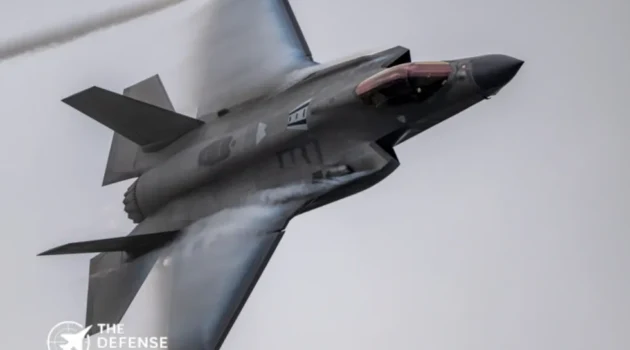
Iran’s reported F-35 shootdown claim has surfaced amid heightened regional tensions, with Tehran asserting that its air defenses downed a US stealth fighter in central Iranian airspace.
According to Iranian state-linked media and statements attributed to the Islamic Revolutionary Guard Corps (IRGC), the aircraft was engaged and destroyed during what it described as an intrusion into national airspace. The claim marks what Iran describes as a second incident involving a US F-35 fighter jet.
- Iran claims it shot down a US F-35 fighter jet in central airspace, according to state-affiliated media.
- The Islamic Revolutionary Guard Corps says the aircraft was engaged over central Iran.
- No information has been released regarding the pilot’s status.
- Iranian media suggests the pilot may not have ejected due to an onboard explosion.
- US Central Command has not confirmed or responded to the claim.
However, US Central Command (CENTCOM) has not issued any confirmation or response at the time of publication, leaving the claim unverified.
Limited Details, No Independent Confirmation
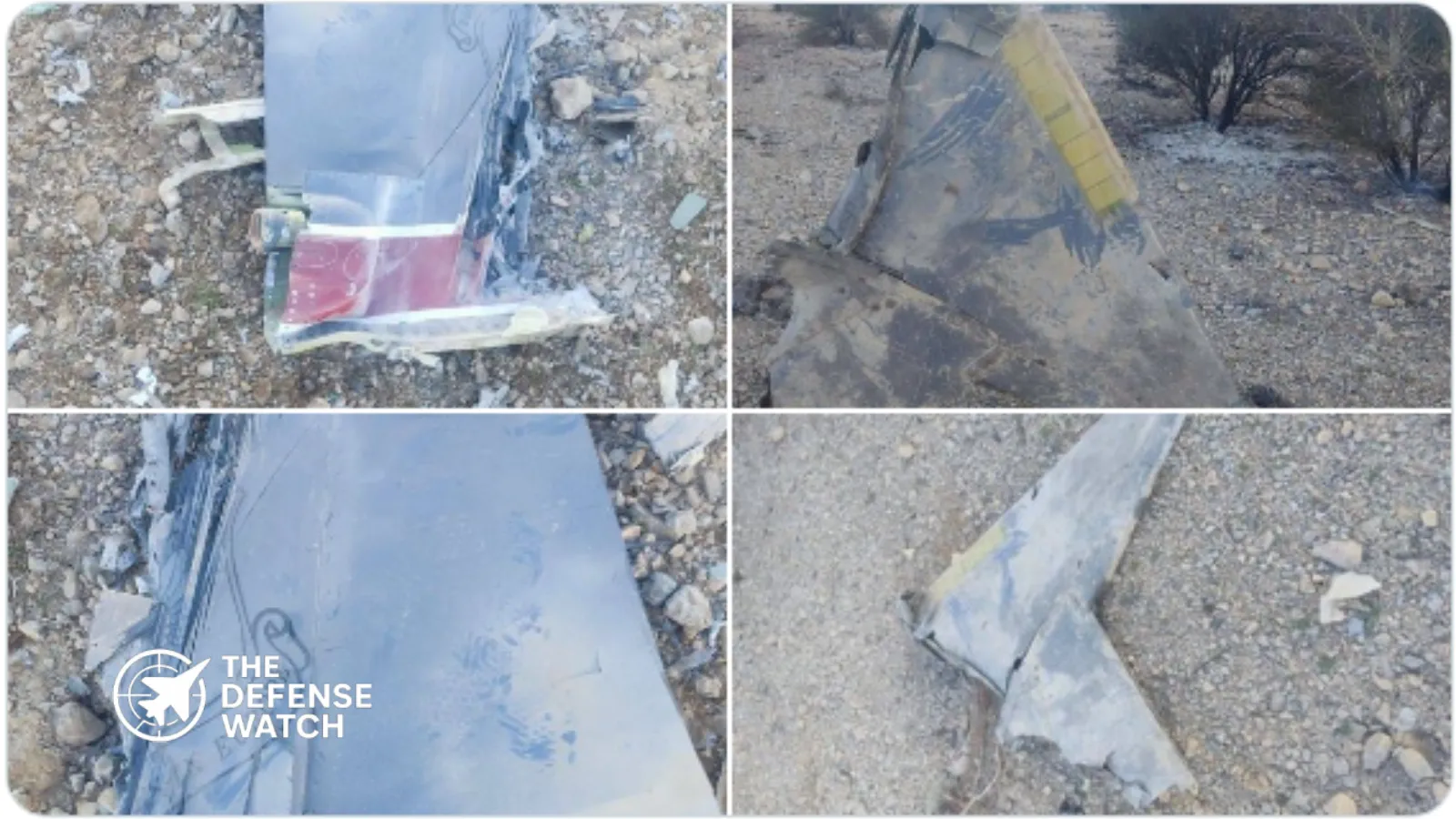
Details surrounding the alleged incident remain sparse. Iranian outlets report that the F-35 was struck in midair, with no confirmed information on the pilot’s fate. Some reports suggest a possible onboard explosion prevented ejection, though no evidence has been presented.
There has been no independent verification from Western defense officials, satellite imagery providers, or open-source intelligence analysts. In past incidents involving high-end military platforms, confirmation has typically relied on multiple sources, including ISR data, wreckage imagery, or official acknowledgment.
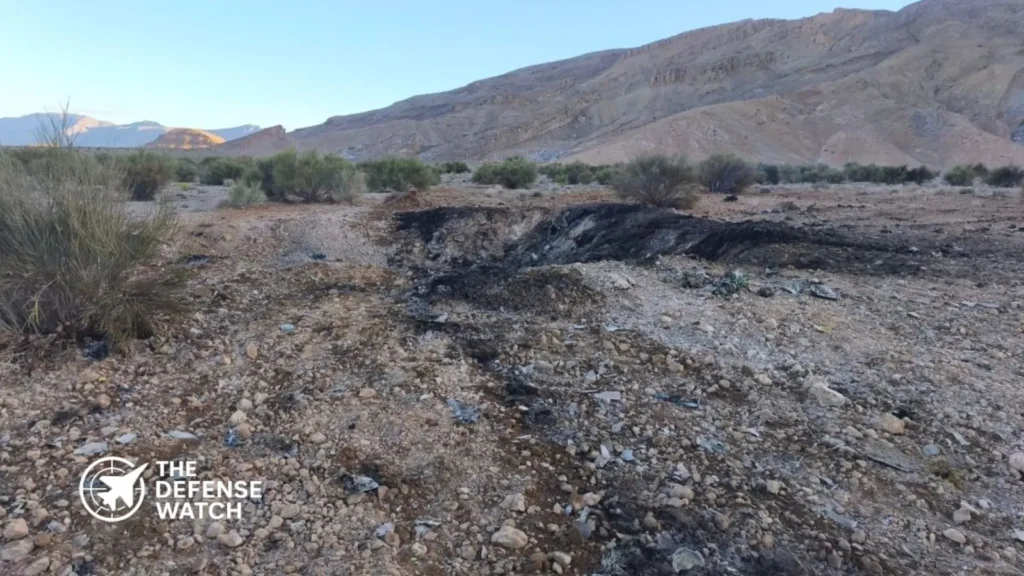
The absence of such corroboration raises questions about the operational context and credibility of the claim.
F-35 Survivability And Operational Context
The F-35 Lightning II is widely regarded as one of the most advanced multirole stealth fighters in service. Designed with low observable features, advanced electronic warfare systems, and sensor fusion capabilities, the aircraft is intended to operate in contested environments with reduced detection risk.
For an F-35 to be successfully engaged, several conditions would likely need to align. These could include:
- Detection by advanced radar systems, potentially operating in low-frequency bands
- Integration of layered air defense networks
- Use of infrared search and track (IRST) or passive detection systems
- Engagement within a favorable range envelope
Iran has invested in indigenous and imported air defense systems, including upgrades to its radar network and integration of systems such as the Bavar-373. Tehran has also emphasized counter-stealth capabilities in recent years.
That said, publicly available data does not indicate a confirmed operational kill of an F-35 by any air defense system globally.
Information Warfare And Strategic Messaging
Claims of high-profile shootdowns often carry strategic messaging value beyond the tactical level. For Iran, asserting the ability to down a fifth-generation fighter supports deterrence narratives and signals confidence in its air defense capabilities.
At the same time, the US military typically maintains strict control over information related to aircraft losses. In previous confirmed incidents involving F-35 crashes, such as those due to mechanical failure or training accidents, the Pentagon has released detailed statements.
The lack of such acknowledgment in this case suggests one of several possibilities:
- The incident did not occur as described
- The aircraft involved may not have been an F-35
- Information is being withheld pending verification
Regional Implications
If verified, an F-35 shootdown would represent a significant development in modern air warfare, potentially reshaping assumptions about stealth survivability in contested airspace.
It would also have immediate implications for US force posture in the Middle East, where F-35s are deployed for deterrence, surveillance, and rapid strike missions.
For regional actors, including Israel and Gulf states operating or acquiring F-35 platforms, such an event would likely prompt reassessment of operational tactics, electronic warfare integration, and air defense suppression strategies.
Assessment
At present, the Iran F-35 shootdown claim remains unconfirmed and should be treated with caution. The absence of supporting evidence, combined with no response from US Central Command, limits the ability to assess the incident’s validity.
Defense analysts will likely monitor for additional indicators, including satellite imagery, communications intercepts, or official statements, to determine whether the claim reflects a real engagement or forms part of broader information operations.