• Home
  • About
  • Defense Systems
  • Manufacturer
  • Comparisons
  • Compare 
  • Tools
TheDefenseWatch.com
  • Aerospace & Aviation
  • Military & Ordnance
  • Naval & Maritime
  • Cyber & Space Defense
  • Policy & Strategy
  • Global News
  • Tools Library
    • Smart Calculator
    • Drone Flight Time Calculator
    • Drone Range Calculator
    • Counter-Drone Jammer Effective Range Calculator
    • Counter-Battery Radar Detection Calculator
    • Artillery Fire Correction Calculator
    • Thermal Camera Detection Range Calculator
    • Missile Range & Time-of-Flight Calculator
    • Radar Detection Range Calculator
    • FPV Strike Drone Payload vs Range Calculator
    • Loitering Munition Endurance Calculator
    • Sniper Ballistic Drop & Windage Calculator
    • Bullet Drop Calculator
    • U.S. Army Combat Fitness Test (ACFT) Calculator
    • Military Pension Calculator
    • Military Retirement Calculator
    • Military Pension Calculator
    • Large Number Calculator
Font ResizerAa

TheDefenseWatch.com

The Defense Watch | U.S. & Global Defense News, Analysis & Military Updates

Search
  • Home
  • About
  • Defense Systems
  • Manufacturer
  • Comparisons
  • Compare 
  • Tools

Stay Updated

Get the latest update

Subscribe

Explore

  • Drone
  • Fighter Jets & Military Aircraft
  • Hypersonic Weapons
  • Aircraft Carriers
  • Strategic History & Missions
  • Tools Library
Home » UK Rules Out Direct Role In Iran Conflict As Starmer Signals De-Escalation Push
Global News

UK Rules Out Direct Role In Iran Conflict As Starmer Signals De-Escalation Push

Kaleem Sheikh | Regional Defense Correspondent
Last updated: September 7, 2026 4:40 pm
Kaleem Sheikh | Regional Defense Correspondent
Share
2 Min Read
UK not joining Iran war
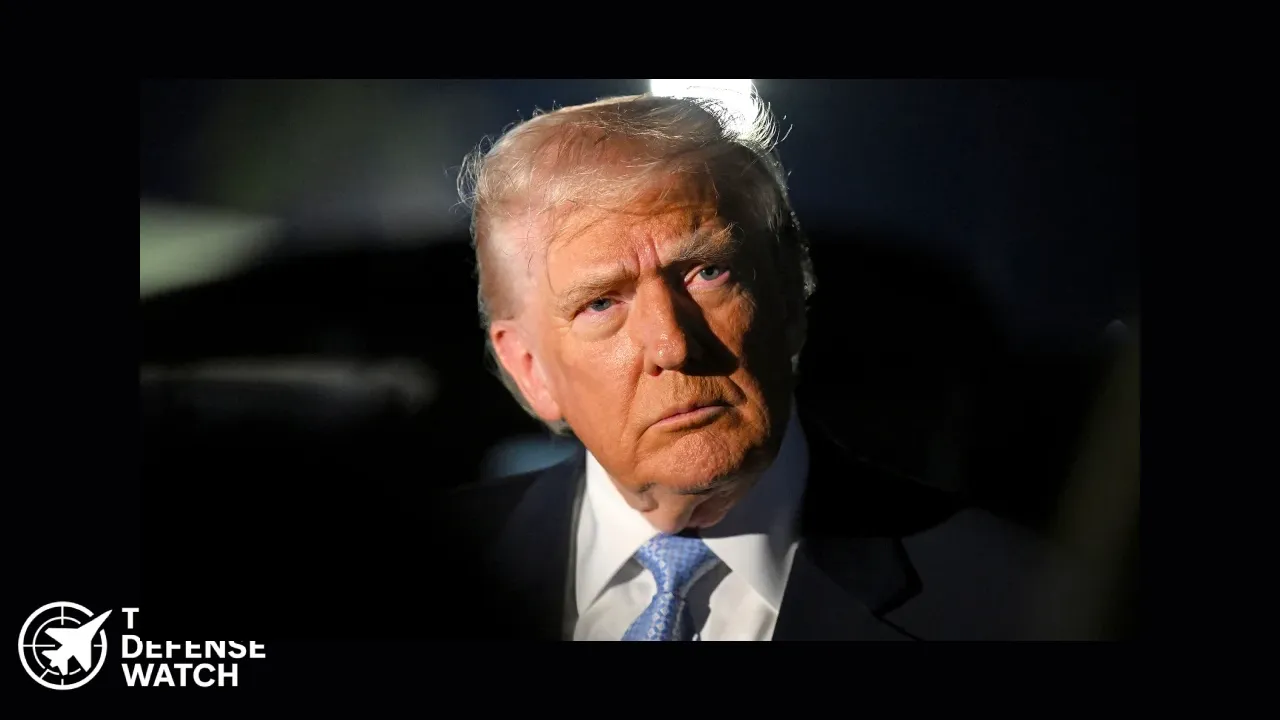
British Prime Minister Keir Starmer, file photo
SHARE
¦ KEY FACTS AT A GLANCE
  • UK confirms it will not directly join military operations against Iran.
  • Strait of Hormuz disruption remains a major operational and economic concern.
  • Rising energy and fertilizer prices highlight global economic fallout.
  • Over 92,000 British nationals evacuated from the Middle East.
  • UK emphasizes post-conflict diplomacy and coordinated allied maritime security.

UK Iran Conflict Policy Signals Strategic Restraint

UK Iran conflict policy has taken a clear direction as Keir Starmer confirmed that Britain will not directly participate in military operations against Iran, while calling for an immediate end to hostilities in the Middle East.

Contents
  • UK Iran Conflict Policy Signals Strategic Restraint
  • The Big Picture
  • What’s Happening
  • Why It Matters
  • Strategic Implications
  • Competitor View
  • What To Watch Next
  • Capability Gap
  • The Bottom Line

Speaking during a press conference, Starmer stressed that London seeks to avoid escalation in the Gulf, citing both regional security risks and mounting economic pressures linked to the conflict.

The Big Picture

Rising tensions across the Middle East are placing renewed strain on global energy markets and maritime security, particularly around the Strait of Hormuz, a critical artery for global oil and gas shipments.

Western governments, including the United Kingdom, face a dual challenge. They must support regional stability and allied security interests while avoiding a broader war that could disrupt global supply chains and trigger economic shocks.

- Advertisement -

This approach reflects a broader NATO-aligned posture focused on deterrence without direct escalation, particularly in conflicts involving major regional powers.

What’s Happening

The UK government has formally ruled out direct military involvement in any war against Iran.

Starmer stated that Britain does not want a conflict in the Gulf and emphasized the need for immediate de-escalation. He linked the ongoing war to rising global prices for gas, oil, and fertilizers, underlining the economic dimension of the crisis.

The UK has also conducted a large-scale evacuation effort, bringing approximately 92,000 British nationals back from the region.

At the same time, London is coordinating with allies to restore maritime traffic flows, particularly in contested sea lanes affected by the conflict.

Starmer also indicated that diplomatic engagement with Iran would follow once hostilities subside, suggesting a long-term political track alongside short-term crisis management.

Why It Matters

The UK decision not to engage directly in the conflict reflects a calculated balance between alliance commitments and risk containment.

Direct military involvement could expose British forces to asymmetric threats, including missile attacks, drone strikes, and maritime disruption operations. Avoiding such exposure preserves operational flexibility while limiting escalation risks.

- Advertisement -

Energy security remains a central concern. Disruptions in the Strait of Hormuz can rapidly impact global oil supply, with downstream effects on industrial production, agriculture, and inflation.

The UK position also aligns with broader Western efforts to prevent a regional conflict from expanding into a multi-theater confrontation.

Strategic Implications

The UK Iran conflict policy reinforces a deterrence-by-presence model rather than direct combat engagement.

By supporting maritime security operations and coordinating with allies, Britain contributes to stabilizing critical sea lanes without becoming a primary combatant.

This approach preserves military readiness while avoiding resource diversion from other strategic priorities, including NATO commitments in Europe.

The emphasis on post-conflict diplomacy also signals that London views the crisis as ultimately requiring a negotiated resolution rather than a purely military outcome.

Competitor View

Russia may interpret Western restraint as an opportunity to expand diplomatic influence in the Middle East, particularly as Vladimir Putin seeks to position Moscow as an alternative mediator.

Iran is likely to view the UK stance as a signal of limited Western appetite for escalation, though continued allied maritime operations will still be seen as pressure on its regional posture.

Ukraine remains part of the broader geopolitical context, with Starmer confirming plans to engage with Volodymyr Zelenskyy, highlighting the interconnected nature of global conflicts and Western strategic priorities.

What To Watch Next

Maritime security operations in the Gulf will be a key indicator of how effectively allied forces can maintain freedom of navigation.

Diplomatic efforts toward a ceasefire or negotiated settlement will likely intensify once immediate hostilities stabilize.

Energy market volatility will continue to serve as a real-time measure of the conflict’s global impact.

Future UK defense posture adjustments may emerge depending on how the situation evolves, particularly if threats to shipping or allied assets increase.

Capability Gap

The crisis highlights a persistent gap in securing global maritime chokepoints against hybrid threats.

While Western navies maintain strong conventional capabilities, non-state and state-backed actors can disrupt shipping through drones, mines, and fast-attack craft.

The UK’s reliance on coalition operations underscores both the strength and limitation of allied maritime frameworks, effective but dependent on coordination and shared rules of engagement.

The Bottom Line

The UK is prioritizing de-escalation and maritime stability over direct intervention, signaling a cautious but strategic approach to the Iran conflict.


TAGGED:energy securityGeopoliticsIran conflictMiddle East securityUK defense policy
Share This Article
Facebook Copy Link Print
ByKaleem Sheikh | Regional Defense Correspondent
Follow:
Kaleem Sheikh is a regional defense correspondent at TheDefenseWatch.com covering defense and security developments across Asia and the Middle East, including military operations, procurement, and regional security issues.
Leave a Comment

Leave a Reply Cancel reply

Your email address will not be published. Required fields are marked *

Latest Defense Systems

  • RUTA B1 Cruise Missile RUTA B1 Cruise Missile
  • XQ-67A Drone XQ-67A Drone
  • B-25 Mitchell Bomber B-25 Mitchell Bomber
  • F-100 Super Sabre F-100 Super Sabre
  • North American F-86 Sabre North American F-86 Sabre
  • North American XB-70 Valkyrie North American XB-70 Valkyrie
  • Northrop YF-23 Fighter Northrop YF-23 Fighter
  • P-51 Mustang Fighter Aircraft P-51 Mustang Fighter Aircraft
  • Rafale F5 Fighter Rafale F5 Fighter

Recent Compares

  • J-10C vs JF-17 Thunder: Which Fighter Is More Capable? J-10C vs JF-17 Thunder: Which Fighter Is More Capable? View Comparison →
  • Tejas vs Gripen: Key Differences and Capabilities Tejas vs Gripen: Key Differences and Capabilities View Comparison →
  • Tejas vs MiG-21 Bison: How India Replaced Its Iconic Supersonic Fighter Tejas vs MiG-21 Bison: How India Replaced Its Iconic Supersonic Fighter View Comparison →
  • F-35 vs F-16: Stealth, Sensors and Combat Roles F-35 vs F-16: Stealth, Sensors and Combat Roles View Comparison →
  • Tejas Fighter Jet vs F-16 Fighting Falcon: Capability Compared Tejas Fighter Jet vs F-16 Fighting Falcon: Capability Compared View Comparison →
  • Rafale Fighter Jet vs F-16 Fighting Falcon : Which Fighter Has the Edge? Rafale Fighter Jet vs F-16 Fighting Falcon : Which Fighter Has the Edge? View Comparison →
  • Su-57 Fighter Jet vs J-20 Fighter Jet: Stealth and Air Combat Compared Su-57 Fighter Jet vs J-20 Fighter Jet: Stealth and Air Combat Compared View Comparison →
  • Mirage 2000 vs Tejas Mk1A: Legacy Combat Power vs Indigenous Modernization Mirage 2000 vs Tejas Mk1A: Legacy Combat Power vs Indigenous Modernization View Comparison →
  • Rafale Fighter Jet vs F-22 Raptor: Which Air Dominance Fighter Has the Edge? Rafale Fighter Jet vs F-22 Raptor: Which Air Dominance Fighter Has the Edge? View Comparison →
  • Tejas Fighter Jet vs. Rafale Fighter Jet: India’s Indigenous Fighter Meets France’s Proven Multirole Combat Aircraft Tejas Fighter Jet vs. Rafale Fighter Jet: India’s Indigenous Fighter Meets France’s Proven Multirole Combat Aircraft View Comparison →

Recent Posts

  • Iran Releases Footage of Underground Missile Tunnels Amid Rising US Military Tensions
  • China Says HQ Missile Systems Intercepted Two New Missile Types in PLA Drill
  • Phoenix Defense Ventures Wins $310.5 Million HH-60W Training Contract
  • Rolls-Royce Showcases Naval Engines and Automation Systems at Euronaval 2026
  • North Korea Tests Cruise Missile With Dispersal Warhead, KCNA Says

You Might Also Like

Saab Carl-Gustaf M4 recoilless rifle firing new HE 448 programmable anti-tank round during live-fire demonstration
Global News

Saab Unveils New Carl-Gustaf Anti-Tank Round To Counter Modern Battlefield Threats

September 7, 2026
Russia arms exports 2025
Global News

Russia Claims $15 Billion in 2025 Arms Exports Despite Western Sanctions

February 3, 2026
Venezuelan drug traffickers
Global News

U.S. to Begin Land-Based Operations Against Venezuelan Drug Traffickers, Says Trump

September 8, 2026
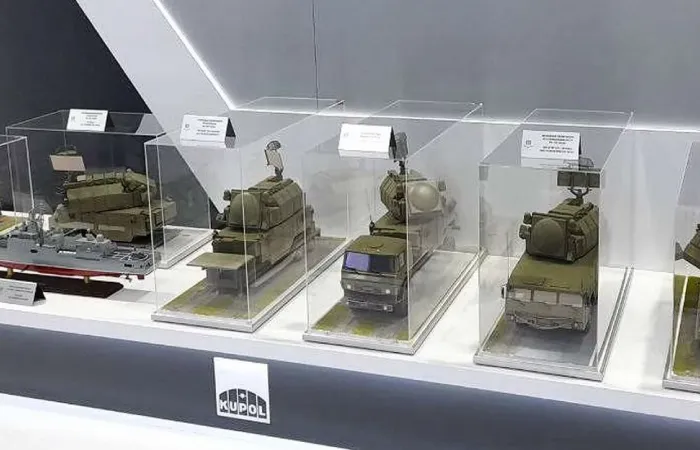
Tor-E2 Air Defense System
Global News

Russia Showcases Tor-E2 Short-Range Air Defense With 360° Engagement at Dubai Airshow 2025

November 23, 2025

Logo

Copyright © 2026 TheDefenseWatch.com

Helpful Links

  • Home
  • About Us
  • Privacy Policy
  • Terms of Use / Disclaimer
  • U.S. Privacy Notice – CCPA Compliance

Defense Systems

  • Defense Systems
  • Comparisons 
  • Manufacturer
  • Tactical Calculators

Popuplar

Which 5 Air Forces Possess the Costliest Fighter Jet Fleets in the World
Evolving Strategic Value: Carrier Strike Groups in the Indo-Pacific’s Future Security Architecture
Autonomous Weapon Systems Spark U.S. Ethics Debate Amid Rapid Military AI Integration

We report on developments involving military forces, governments, defense companies, research organizations, and security institutions around the world. 

Welcome Back!

Sign in to your account

Username or Email Address
Password

Lost your password?