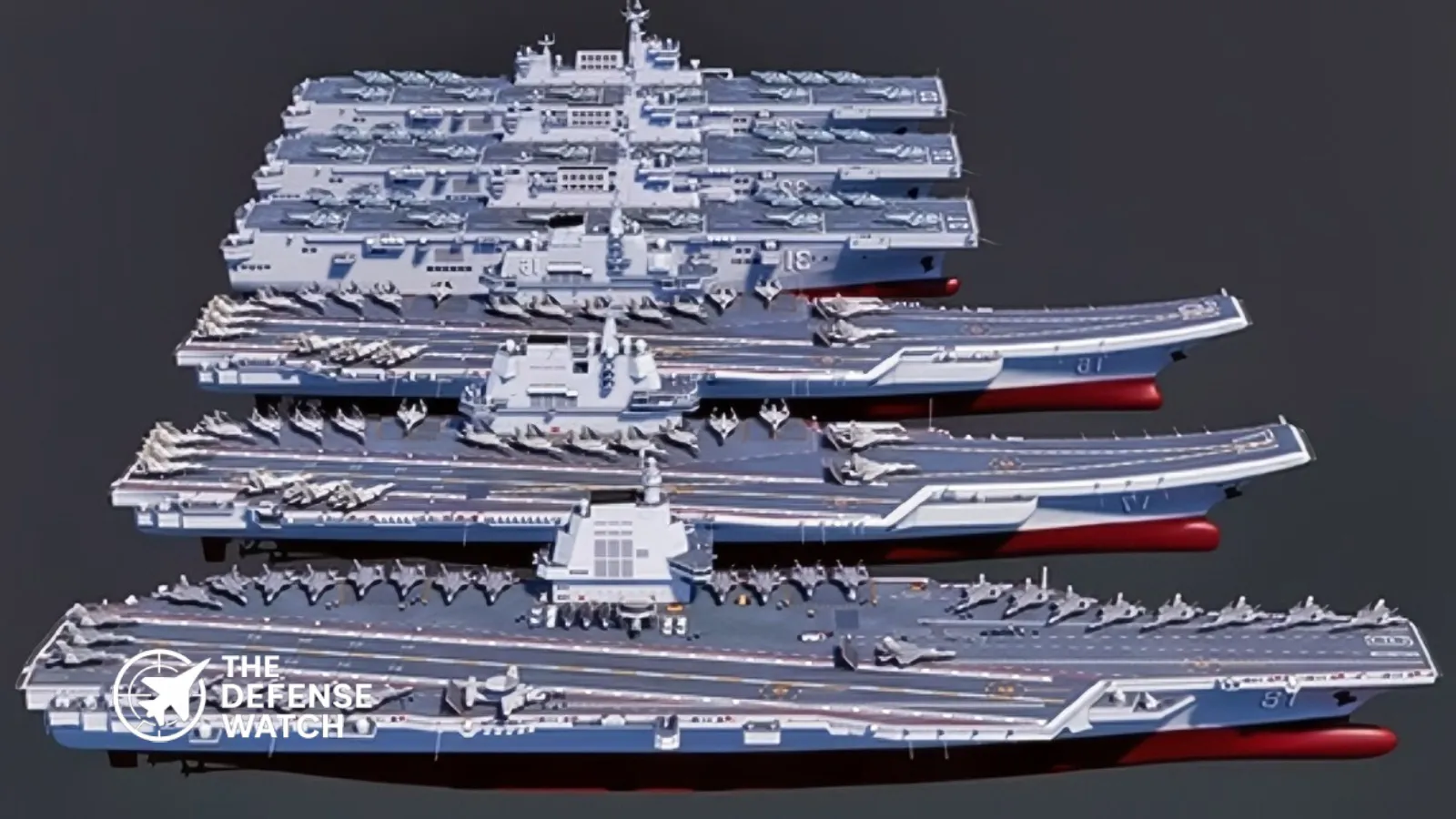
• Home
  • About
  • Defense Systems
  • Manufacturer
  • Comparisons
  • Compare 
  • Tools
TheDefenseWatch.com
  • Aerospace & Aviation
  • Military & Ordnance
  • Naval & Maritime
  • Cyber & Space Defense
  • Policy & Strategy
  • Global News
  • Tools Library
    • Smart Calculator
    • Drone Flight Time Calculator
    • Drone Range Calculator
    • Counter-Drone Jammer Effective Range Calculator
    • Counter-Battery Radar Detection Calculator
    • Artillery Fire Correction Calculator
    • Thermal Camera Detection Range Calculator
    • Missile Range & Time-of-Flight Calculator
    • Radar Detection Range Calculator
    • FPV Strike Drone Payload vs Range Calculator
    • Loitering Munition Endurance Calculator
    • Sniper Ballistic Drop & Windage Calculator
    • Bullet Drop Calculator
    • U.S. Army Combat Fitness Test (ACFT) Calculator
    • Military Pension Calculator
    • Military Retirement Calculator
    • Military Pension Calculator
    • Large Number Calculator
Font ResizerAa

TheDefenseWatch.com

The Defense Watch | U.S. & Global Defense News, Analysis & Military Updates

Search
  • Home
  • About
  • Defense Systems
  • Manufacturer
  • Comparisons
  • Compare 
  • Tools

Stay Updated

Get the latest update

Subscribe

Explore

  • Drone
  • Fighter Jets & Military Aircraft
  • Hypersonic Weapons
  • Aircraft Carriers
  • Strategic History & Missions
  • Tools Library
Home » China’s New Aircraft Carrier Faces Persistent Design Flaw, Raising Questions About PLAN Power Projection
Aircraft CarriersNaval & Maritime

China’s New Aircraft Carrier Faces Persistent Design Flaw, Raising Questions About PLAN Power Projection

Daniel Mercer / Defense & Aerospace Analyst
Last updated: September 7, 2026 6:01 pm
Daniel Mercer / Defense & Aerospace Analyst
Share
8 Min Read
China’s new aircraft carrier design flaw
SHARE
■ KEY FACTS AT A GLANCE
  • ► China’s newest aircraft carrier is the Fujian, also known as the Type 003 carrier.
  • ► Unlike earlier carriers, Fujian uses an electromagnetic aircraft launch system instead of a ski jump ramp.
  • ► Analysts question whether its conventional power plant can sustain high sortie rates during intensive operations.
  • ► Deck layout and aircraft handling efficiency are also under scrutiny.
  • ► The carrier is central to China’s long term blue water naval strategy.

China’s New Aircraft Carrier Design Flaw Raises Operational Concerns

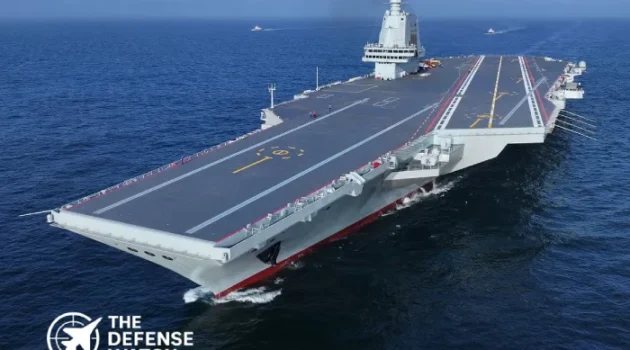
China’s new aircraft carrier design flaw is drawing growing attention among naval analysts, as the PLA Navy pushes forward with its most advanced flattop to date. The vessel in question, widely known as the Fujian, represents a major technological leap for China’s carrier program. Yet structural and operational questions continue to surface, potentially limiting the ship’s long term effectiveness.

Contents
  • China’s New Aircraft Carrier Design Flaw Raises Operational Concerns
  • From Ski Jump to Catapult: A Major Transition
  • The Core Design Concern
  • Implications for PLA Navy Strategy
  • Analysis: A Transitional Platform or Structural Constraint?
  • The Broader Naval Balance
  • Conclusion
  • FAQs
(adsbygoogle = window.adsbygoogle || []).push({});

The discussion centers on how design decisions, particularly involving the carrier’s launch system and deck configuration, may affect sortie generation rates, aircraft handling efficiency, and overall survivability in high intensity conflict scenarios.

From Ski Jump to Catapult: A Major Transition

China’s earlier carriers, Liaoning and Shandong, used ski jump ramps for launching aircraft. While simpler, that configuration limits takeoff weight, reducing fuel and weapons loads for carrier borne fighters.
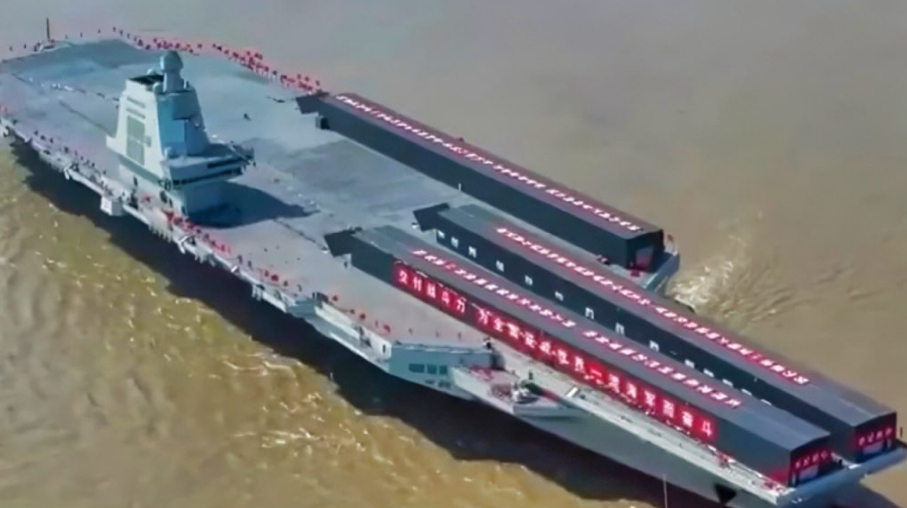
With Fujian, Beijing moved to an electromagnetic aircraft launch system, similar in concept to the EMALS technology deployed on the U.S. Navy’s USS Gerald R. Ford. This transition was intended to boost launch efficiency, support heavier aircraft, and enable fixed wing airborne early warning platforms.

- Advertisement -
  • USS Gerald R. Ford Aircraft Carrier

    USS Gerald R. Ford Aircraft Carrier

    • Large Flight Deck: 4.5-acre angled deck supports 75+ aircraft
    • Onboard Air Wing: Fighters, AEW, ASW, and support helicopters
    • Advanced Command & Control: Integrated CMS, AI-assisted decision support
    • Defensive Weapon Systems: CIWS, RAM, decoys, electronic warfare
    • View Details →
    8.3

    However, integrating such a system into a conventionally powered hull introduces complexity. Unlike U.S. nuclear powered carriers, Fujian must rely on conventional propulsion to generate sufficient electrical power. That dynamic may constrain sustained high tempo flight operations.

    The Core Design Concern

    At the center of the China’s new aircraft carrier design flaw debate is how power generation, deck layout, and structural design interact.

    Reports suggest that electrical output margins may be tighter than optimal for prolonged catapult intensive operations. In practical terms, this could limit the rate at which aircraft are launched during surge scenarios. In a peer level conflict, sortie rate often determines combat effectiveness more than platform count alone.

    Another concern relates to deck space and aircraft handling. Modern carriers depend on carefully optimized deck choreography. Small inefficiencies compound rapidly during combat. If deck movement patterns are constrained by layout compromises, operational tempo suffers.

    While Beijing has not acknowledged any issues publicly, the absence of extensive at sea operational history leaves open questions about long term reliability under sustained stress.

    Implications for PLA Navy Strategy

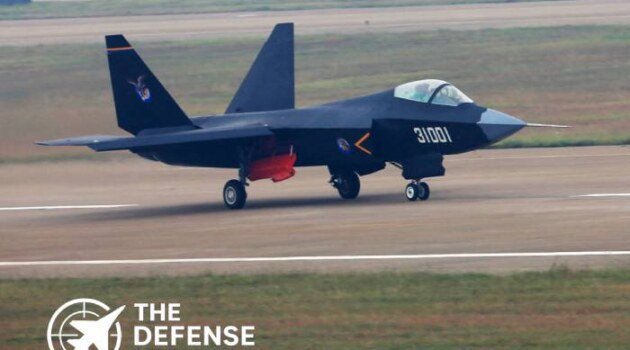
    The People’s Liberation Army Navy views aircraft carriers as central to extending maritime influence beyond the first island chain. Fujian is expected to operate the carrier variant of the Shenyang J-15, and potentially a next generation stealth aircraft derived from the Shenyang FC-31.

    • FC-31 Gyrfalcon Fighter Jet

      FC-31 Gyrfalcon Fighter Jet

      • Generation: 5th Generation
      • Maximum Speed: Mach 1.8
      • No. of Engines: 2
      • Radar Range: 150+ km
      • View Details →
      8.0

      If launch rates or electrical reliability limit sustained air operations, the carrier’s deterrent value could be reduced. Power projection missions depend on endurance, not just initial capability.

      That said, early generation design friction is not unusual. The U.S. Navy faced well documented integration challenges during the early deployment of USS Gerald R. Ford. Over time, engineering refinements improved performance.

      (adsbygoogle = window.adsbygoogle || []).push({});

      China may follow a similar trajectory, using Fujian as a stepping stone toward a future nuclear powered carrier class.

      Analysis: A Transitional Platform or Structural Constraint?

      There are two ways to interpret the China’s new aircraft carrier design flaw issue.

      First, it may reflect a transitional stage in China’s naval modernization. Shifting from ski jump carriers to advanced catapult systems in a single generational leap is ambitious. Technical friction is expected. If so, the lessons learned could inform the design of China’s next carrier, potentially rumored to be nuclear powered.

      Second, if the flaw stems from deeper structural compromises in hull design or power architecture, correcting it may require significant redesign in future vessels. That would delay China’s timeline for achieving carrier parity with the United States.

      It is also important to consider doctrine. China’s carriers may initially operate under protective layers of land based anti ship missile systems and long range aviation, rather than independently projecting power globally. In that scenario, slightly lower sortie rates may be operationally acceptable in the near term.

      Still, long term ambitions clearly point toward blue water capability. For that, reliability and sustained operational tempo are non negotiable.

      (adsbygoogle = window.adsbygoogle || []).push({});

      The Broader Naval Balance

      The evolution of China’s carrier fleet has strategic implications for the Indo Pacific balance of power. The United States currently operates eleven nuclear powered aircraft carriers. China operates two ski jump carriers and is preparing Fujian for full operational deployment.

      • Fujian (CV-18) Aircraft Carrier

        Fujian (CV-18) Aircraft Carrier

        • Large Flight Deck: Flat top with 3 EMALS catapults
        • Onboard Air Wing: Fighters, AEW, ASW, and support aircraft
        • Advanced Command & Control: Integrated combat systems
        • Defensive Weapon Systems: CIWS + short-range SAMs
        • View Details →
        8.8

        Even if Fujian faces limitations, its existence marks a significant shift in regional naval capability. It enhances Beijing’s ability to conduct joint operations, support amphibious forces, and project air power farther from mainland bases.

        The question is not whether China can field carriers. It already has. The question is how effective those carriers will be in contested, high intensity scenarios.

        If the design flaw proves manageable, Fujian could become the foundation for a more capable future fleet. If not, it may highlight the difficulty of compressing decades of carrier development into a single technological jump.

        Conclusion

        China’s new aircraft carrier design flaw underscores the complexity of modern naval aviation. The Fujian represents a bold technological advance for the PLA Navy, but ambition alone does not guarantee operational success.

        As sea trials continue and air wing integration progresses, clearer data will emerge about sustained launch rates, electrical resilience, and combat readiness. Until then, analysts will continue to scrutinize how design decisions made today shape China’s maritime power tomorrow.

        (adsbygoogle = window.adsbygoogle || []).push({});

        FAQs

        What is the name of China’s newest aircraft carrier?

        China’s newest carrier is the Fujian, also known as the Type 003 aircraft carrier.

        What is the main design concern with Fujian?

        Analysts question whether its power generation and deck configuration can sustain high sortie rates using electromagnetic catapults.

        How does Fujian differ from earlier Chinese carriers?

        Unlike Liaoning and Shandong, Fujian uses an electromagnetic catapult system instead of a ski jump ramp.

        Does this flaw make the carrier ineffective?

        Not necessarily. It may limit sustained operations, but long term improvements could address current constraints.

        Will China build nuclear powered carriers next?

        Many analysts expect China to eventually field nuclear powered carriers to improve endurance and power generation capacity.

TAGGED:Aircraft Carrier DesignChina NavyFujian CarrierIndo Pacific Naval BalancePLA Navy
Share This Article
Facebook Copy Link Print
ByDaniel Mercer / Defense & Aerospace Analyst
Follow:
Daniel Mercer is a defense and aerospace analyst at TheDefenseWatch.com covering military aviation, aerospace technology, unmanned systems, air warfare, and defense procurement. His reporting uses official documents, government and military statements, company announcements, and other public sources.
Leave a Comment

Leave a Reply Cancel reply

Your email address will not be published. Required fields are marked *

New Arrivals

  • Boeing VC-25B Presidential Aircraft Boeing VC-25B Presidential Aircraft
  • SM-3 Block IB Missile SM-3 Block IB Missile
  • USS Abraham Lincoln Aircraft Carrier USS Abraham Lincoln Aircraft Carrier
  • M142 HIMARS M142 HIMARS
  • Terrex S5 Infantry Vehicle Terrex S5 Infantry Vehicle
  • A-29 Super Tucano Aircraft A-29 Super Tucano Aircraft
  • DSAR 15 Rifle DSAR 15 Rifle

Recent Compares

  • Tejas vs Gripen: Key Differences and Capabilities Tejas vs Gripen: Key Differences and Capabilities View Comparison →
  • Tejas vs MiG-21 Bison: How India Replaced Its Iconic Supersonic Fighter Tejas vs MiG-21 Bison: How India Replaced Its Iconic Supersonic Fighter View Comparison →
  • F-35 vs F-16: Stealth, Sensors and Combat Roles F-35 vs F-16: Stealth, Sensors and Combat Roles View Comparison →
  • Tejas Fighter Jet vs F-16 Fighting Falcon: Capability Compared Tejas Fighter Jet vs F-16 Fighting Falcon: Capability Compared View Comparison →
  • Rafale Fighter Jet vs F-16 Fighting Falcon : Which Fighter Has the Edge? Rafale Fighter Jet vs F-16 Fighting Falcon : Which Fighter Has the Edge? View Comparison →
  • Su-57 Fighter Jet vs J-20 Fighter Jet: Stealth and Air Combat Compared Su-57 Fighter Jet vs J-20 Fighter Jet: Stealth and Air Combat Compared View Comparison →
  • Mirage 2000 vs Tejas Mk1A: Legacy Combat Power vs Indigenous Modernization Mirage 2000 vs Tejas Mk1A: Legacy Combat Power vs Indigenous Modernization View Comparison →
  • Rafale Fighter Jet vs F-22 Raptor: Which Air Dominance Fighter Has the Edge? Rafale Fighter Jet vs F-22 Raptor: Which Air Dominance Fighter Has the Edge? View Comparison →
  • Tejas Fighter Jet vs. Rafale Fighter Jet: India’s Indigenous Fighter Meets France’s Proven Multirole Combat Aircraft Tejas Fighter Jet vs. Rafale Fighter Jet: India’s Indigenous Fighter Meets France’s Proven Multirole Combat Aircraft View Comparison →
  • F-22 Raptor vs. F-35 Joint Strike Fighter: Which Fifth Generation Fighter Has the Edge? F-22 Raptor vs. F-35 Joint Strike Fighter: Which Fifth Generation Fighter Has the Edge? View Comparison →

Recent Posts

  • USS Oregon Visits Norway as U.S. Navy Maintains High North Presence
  • Lockheed Martin Unveils PAC-3 Edge Interceptor for U.S. Army
  • Northrop Grumman Completes B-2 Spirit of Kitty Hawk Overhaul
  • Army Report Finds Systemic Failures Behind Fatal 2025 Midair Collision
  • Lockheed Martin to Supply Black Hawk Training Systems to Philippine Air Force

You Might Also Like

Norway Type 26 frigate
Naval & MaritimeNaval Strategy & Maritime Security

Norway Considers Cutting Type 26 Frigate Purchase in Defence Plan

February 3, 2026
General Dynamics Mission Systems supporting U.S. Navy Virginia-class submarine testing operations under new $66 million contract
Defense ContractsSubmarines

Seacorp Secures $32M Navy Deal For Submarine Payload Control Technology

May 8, 2026
USS Ted Stevens DDG 128
Naval & MaritimeNaval Strategy & Maritime Security

Navy Commissions USS Ted Stevens as Second Flight III Destroyer

October 5, 2026
U.S. Coast Guard Reliance-class cutter sailing during maritime operations as the vessel prepares for transfer to the Philippine Coast Guard.
Naval & MaritimeNaval Strategy & Maritime Security

US Transfers Reliance-Class Cutter To Philippines As Maritime Pressure Grows In South China Sea

September 7, 2026

Logo

Copyright © 2026 TheDefenseWatch.com

Helpful Links

  • Home
  • About Us
  • Privacy Policy
  • Terms of Use / Disclaimer
  • U.S. Privacy Notice – CCPA Compliance

Defense Systems

  • Defense Systems
  • Comparisons 
  • Manufacturer
  • Tactical Calculators

Popuplar

Which 5 Air Forces Possess the Costliest Fighter Jet Fleets in the World
Evolving Strategic Value: Carrier Strike Groups in the Indo-Pacific’s Future Security Architecture
Autonomous Weapon Systems Spark U.S. Ethics Debate Amid Rapid Military AI Integration

We report on developments involving military forces, governments, defense companies, research organizations, and security institutions around the world. 

Welcome Back!

Sign in to your account

Username or Email Address
Password

Lost your password?