

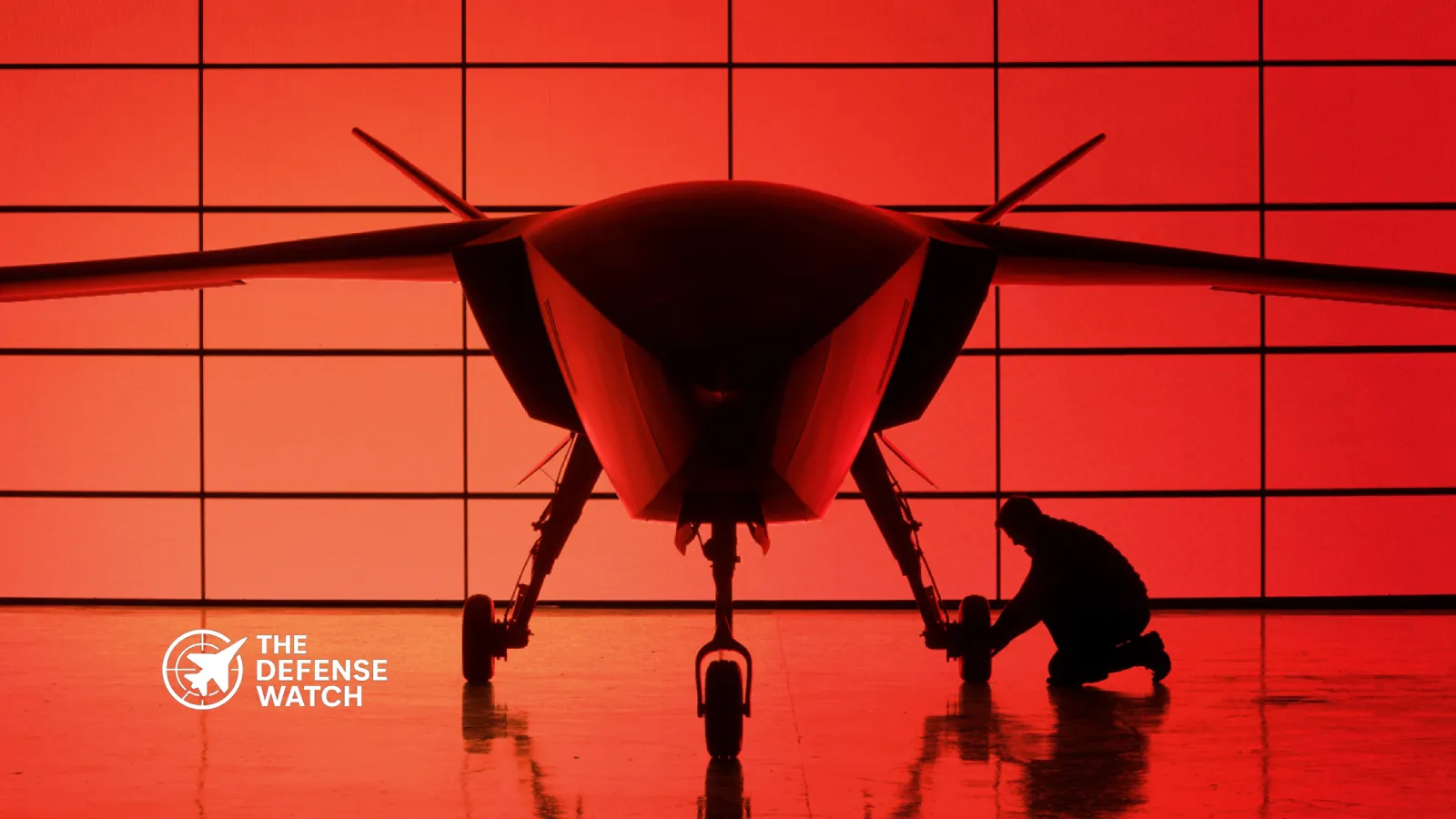
Hensoldt, Helsing Set Alliance To Develop AI-Enabled CA-1 Autonomous Combat Aircraft
HENSOLDT and Helsing said they have signed a strategic partnership to jointly develop an AI-enabled autonomous combat aircraft called CA-1 Europa, aiming to strengthen European air combat capabilities and defense tech independence. The agreement was announced ahead of the Munich Security Conference.
The alliance pairs Hensoldt’s sensor expertise with Helsing’s artificial intelligence and autonomy software. Hensoldt will supply advanced radar, optronics, self-protection and electromagnetic warfare systems for the unmanned aircraft. Its MDOcore suite will serve as the mission data backbone, fusing multi-domain information and coordinating operations. Combined with Helsing’s AI agent, Centaur, the platform aims to perform autonomous missions and secure battlefield information processing.
Partnership Aims And Strategic Context
The companies said the collaboration supports a sovereign European technology architecture designed to secure Western democracies amid shifting geopolitics. HENSOLDT and Helsing both emphasized that modern defense systems must capture and act on battlefield data rapidly through integrated sensors and AI.
HENSOLDT brings multi-domain sensor experience across air, land, sea, space and cyber domains. Helsing contributes autonomous flight control, networked operations and on-board data processing at scale. Both firms will lead in their areas of expertise.
What The CA-1 Europa Project Is Designed To Do
The CA-1 Europa is an uncrewed combat aircraft meant to operate with high sensor integration and AI-based mission autonomy. The partnership did not disclose exact timelines or customer commitments in its announcement, but promotional material from Helsing shows the platform is part of a broader effort to field autonomous air combat systems in the coming years.
Helsing previously showcased the CA-1 design at its Grob Aircraft facility in Germany. The platform pairs the company’s Centaur autonomy software with a lightweight airframe, and the first flight has been forecast for the mid-2020s.
Broader European Defense Links
The partners said they are also working with Norway’s Kongsberg on a sovereign satellite constellation for intelligence, surveillance and target acquisition, with a fully networked communications layer planned by 2029.
European defense industrial base discussions have intensified around sovereign capabilities for AI, autonomous systems and advanced sensors. The CA-1 collaboration may factor into those wider discussions, given its focus on combining AI autonomy with high-end European sensor tech.
Industry And Geopolitical Implications
The CA-1 program reflects wider trends in autonomous air combat development, with industry and military planners in Europe and North America exploring AI-linked uncrewed platforms. In the United States, the Air Force Collaborative Combat Aircraft (CCA) concept and related projects aim to pair manned fighters with autonomous wingmen. While the CA-1 is a European initiative, it fits into a global shift toward AI and unmanned systems in future air combat.
