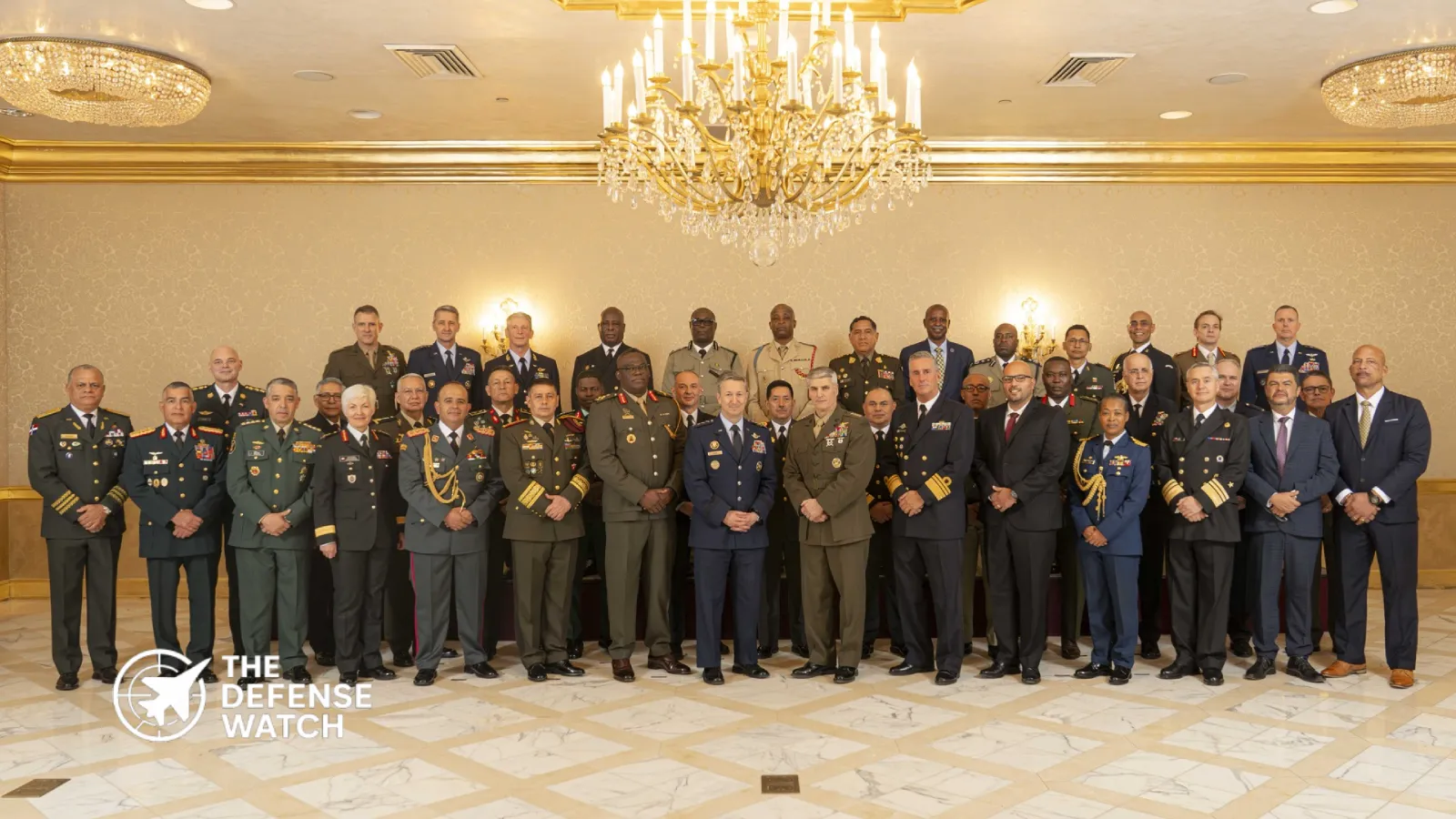
Western Hemisphere Chiefs of Defense Conference Kicks Off in Washington
The Western Hemisphere Chiefs of Defense Conference began with a high‑level reception in Washington, DC before the official sessions scheduled for February 11, bringing together top military leaders from 34 nations to discuss shared security challenges and cooperation.
Defense chiefs and senior military representatives converged at the event hosted by General Dan Caine, Chairman of the U.S. Joint Chiefs of Staff. This inaugural meeting aims to strengthen partnerships, build shared understanding of regional threats, and align efforts to counter transnational criminal and terrorist organizations.
The gathering reflects growing U.S. focus on hemispheric security cooperation and regional stability. According to a Pentagon statement, participants will explore the importance of continued cooperation and united efforts against external actors undermining security across the Americas.
First Time for Full Western Hemisphere Military Leaders Meeting
This conference marks the first time that defense leaders from all Western Hemisphere nations are formally convened under a single forum focused specifically on military collaboration.
Officials from across North, Central, and South America, the Caribbean, and partners with territories in the region, including representatives from Denmark, the United Kingdom, and France, are attending.
The agenda centers on strengthening regional security cooperation and expanding practical military‑to‑military engagement. Discussions are expected to cover coordinated responses to transnational criminal organizations, improved information sharing, joint planning, and reinforcing defense partnerships across borders.
Pentagon officials have emphasized that the Western Hemisphere Chiefs of Defense Conference provides a platform to address shared priorities like border security, counter‑narcotics operations, and stability initiatives.
Focus on Transnational Crime and Terrorism
A key objective of the conference is aligning collective efforts to counter transnational criminal and terrorist networks that exploit weak governance and porous borders. These threats, including major drug trafficking organizations and linked violent groups, have long posed challenges for regional security.
The U.S. military has framed part of its recent regional engagement around counter‑narcotics and counter‑crime activities, including operations aimed at intercepting drug flows and limiting the influence of organized criminal networks operating across the Hemisphere.
While the conference itself is diplomatic and consultative in nature, it takes place against a backdrop of heightened U.S. defense activity in the wider region. That context underscores shared concerns among partner nations about the cross‑border impact of narco‑trafficking, violent crime, and destabilizing external influence.
Setting the Tone for Cooperation
General Caine and other senior leaders are expected to frame the sessions around partnership and mutual interest in regional stability, while reinforcing the role of coordinated defense efforts in countering evolving threats.
Official remarks and joint statements from the conference are likely to highlight areas for future collaboration, including training, logistics interoperability, information sharing, and support for civilian law enforcement efforts where appropriate.
The Western Hemisphere Chiefs of Defense Conference represents a significant step in U.S. engagement with regional military partners, emphasizing shared responsibility for security challenges that cross borders and affect multiple nations.