Major Defense Powers Decline AI Governance Commitment
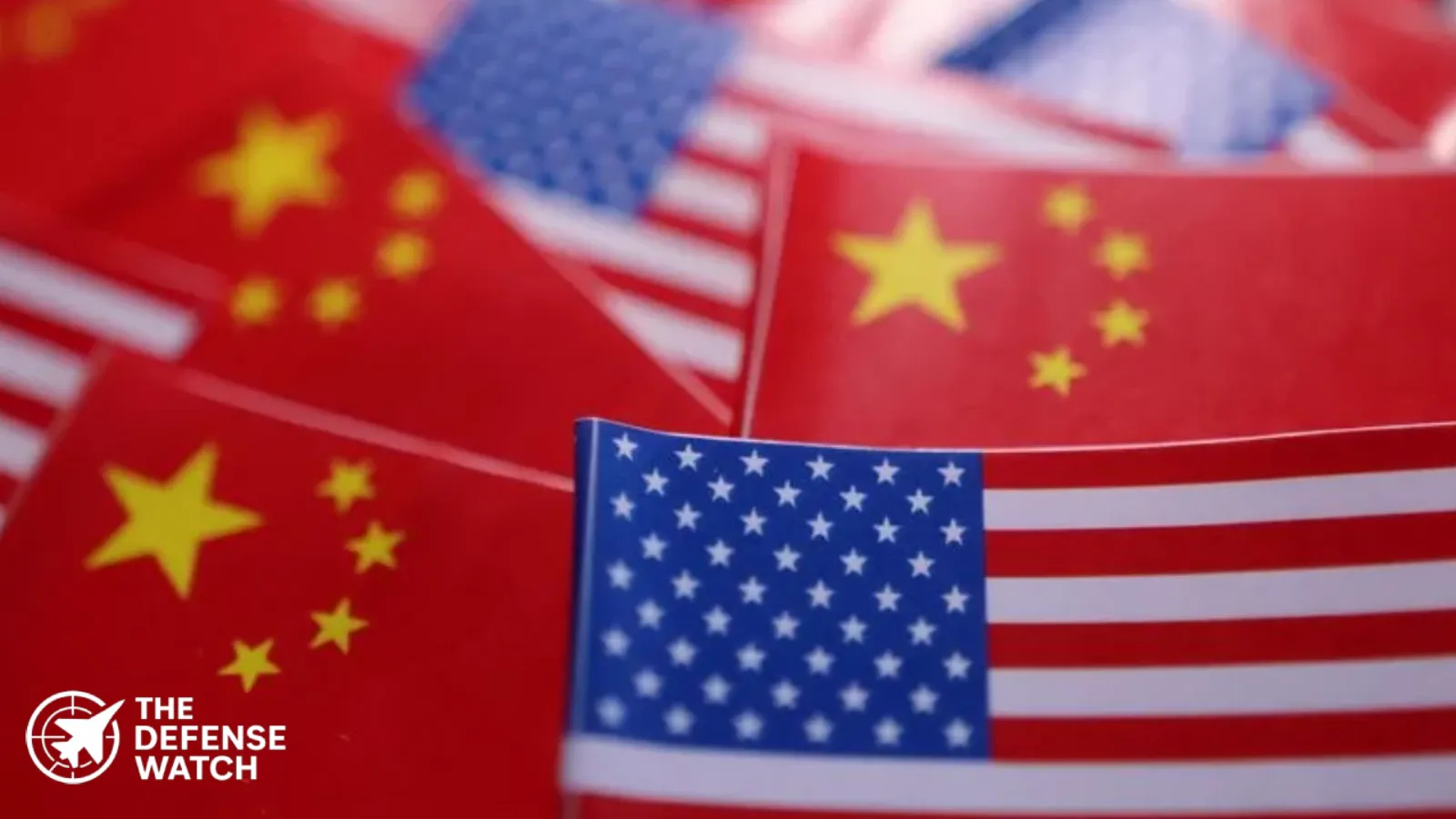
The United States and China declined to sign a joint declaration on governing artificial intelligence in military applications at a summit held February 4-5, 2026, in A Coruña, Spain!. The development marks a significant setback for international efforts to establish guardrails around one of the most consequential technologies in modern warfare.
Only 35 countries out of 85 attending the Responsible AI in the Military Domain (REAIM) summit signed a commitment to 20 principles on military AI use, representing a notable decline from previous summits where broader consensus was achieved. The 2024 Seoul REAIM summit saw approximately 60 nations endorse similar principles.
The declaration addressed critical governance issues including affirming human responsibility over AI-powered weapons systems, establishing clear chains of command and control, and sharing information on national oversight mechanisms for military AI applications.
Declining US Engagement Signals Policy Shift
While the United States signed the 2024 Seoul Blueprint for Action, it notably refused to sign the February 2026 declaration in Spain. The shift represents a marked change in U.S. policy under the current administration.
Vice President J.D. Vance represented the United States at the summit, citing concerns that excessive regulation could stifle innovation and weaken national security. This rationale reflects growing concerns within the U.S. defense establishment about maintaining technological superiority as adversaries rapidly advance their AI capabilities.
Unlike previous summits, the United States did not proactively drive discussions at REAIM this year, despite being a key founder of the initiative under the Biden administration. The limited American engagement led some observers to question the summit’s potential impact on establishing meaningful international standards.
China Maintains Consistent Opposition
China has consistently attended REAIM summits but avoided signing final declarations, with analysts suggesting Beijing is wary of making specific commitments that could limit its military AI development. Chinese representatives have pointed to their own “Global Initiative for AI Governance” as their preferred framework for international cooperation.
A major sticking point in recent declarations is the requirement to maintain human control over nuclear weapons decisions Just Security. China has been particularly reluctant to endorse this principle, with some experts attributing this to a broader suspension of nuclear arms control talks with the United States.
The “nuclear guardrail” issue remains a major point of contention, with China specifically reluctant to sign onto provisions requiring human control over nuclear weapons employment.
Twenty Principles for Responsible Military AI
The declaration outlined 20 specific actions divided into three key areas: the impact of AI on international peace and security, implementing responsible AI in the military domain, and envisaging future governance frameworks.
Key principles included affirming human responsibility over AI-powered weapons, encouraging clear chains of command and control, and sharing information on national oversight arrangements consistent with national security.
The document emphasized the importance of risk assessments, robust testing, and training and education for personnel operating military AI capabilities. These technical safeguards represent growing recognition that AI systems in military contexts require specialized expertise and oversight mechanisms.
Transatlantic Tensions Impact Summit Outcomes
Tensions in relations between the United States and European allies, and uncertainty over how transatlantic ties will look in coming months and years, made some countries hesitant to sign joint agreements, according to multiple summit attendees and delegates.
Dutch Defence Minister Ruben Brekelmans characterized the challenge facing governments as a “prisoner’s dilemma,” where nations are caught between implementing responsible restrictions and avoiding limitations that could disadvantage them relative to adversaries.
“Russia and China are moving very fast. That creates urgency to make progress in developing AI. But seeing it going fast also increases the urgency to keep working on its responsible use. The two go hand-in-hand,” Brekelmans stated.
Growing Urgency Around Military AI Governance
The pledge underscores growing concern among governments that rapid advances in artificial intelligence could outpace rules around its military use, raising the risk of accidents, miscalculation or unintended escalation.
Military AI applications are already deployed across multiple domains, including unmanned systems, intelligence gathering and analysis, decision-making assistance, cyber operations, and information campaigns. The rapid proliferation of these capabilities has intensified concerns about the need for international guardrails.
The summit took place against the backdrop of active conflicts where AI technologies are being employed on the battlefield. Recent Pentagon assessments indicate China has made significant progress in large language models and AI reasoning capabilities, narrowing the performance gap with leading U.S. systems.
Previous Summit Achievements Now in Question
The REAIM initiative originated with the first summit in The Hague in February 2023, followed by the Seoul summit in September 2024. Both previous gatherings produced outcome documents—the Call to Action and Blueprint for Action—that enjoyed broader international support.
Over 60 countries endorsed the Seoul Blueprint for Action, with China notably abstaining primarily due to language on maintaining human involvement for decisions concerning nuclear weapons employment.
The 2026 summit outcome document, titled “Pathways for Action,” was designed to focus on implementation of legal and policy principles rather than establishing new frameworks. However, the significant decline in signatories raises questions about the viability of translating principles into operational practice.
UN Process Continues in Parallel
The REAIM process operates alongside formal United Nations initiatives addressing AI in the military domain. A UN General Assembly resolution mandated informal exchanges on the topic scheduled for June 2026 in Geneva, potentially paving the way for an Open-Ended Working Group on the issue.
The UN Secretary-General recommended establishing a dedicated and inclusive process to comprehensively tackle the issue of AI in the military domain and its implications for international peace and security.
Civil society organizations, including the Stop Killer Robots coalition, have called for legally binding treaties rather than voluntary guidelines to govern autonomous weapons systems and military AI applications. These groups argue that non-binding declarations lack enforcement mechanisms necessary to ensure compliance.
Implications for Defense Technology Competition
The divergence between major powers on military AI governance reflects broader strategic competition in defense technology. The United States, China, and Russia are all investing heavily in AI capabilities across their armed forces, viewing leadership in this domain as essential to future military advantage.
Recent U.S. defense initiatives include the Pentagon’s GenAI.mil platform, which provides military and civilian personnel access to commercial AI capabilities for operational use. The Defense Department announced integration of xAI’s Grok models to enable secure handling of controlled unclassified information.
China’s military-civil fusion strategy ensures its commercial and academic AI sectors provide continuous support to People’s Liberation Army research and development projects, allowing Beijing to rapidly incorporate private sector AI breakthroughs into military systems.
The absence of consensus at the REAIM summit suggests that establishing international norms for military AI will prove increasingly difficult as strategic competition intensifies and technological capabilities advance.