
Royal Navy Proteus Drone First Flight in January
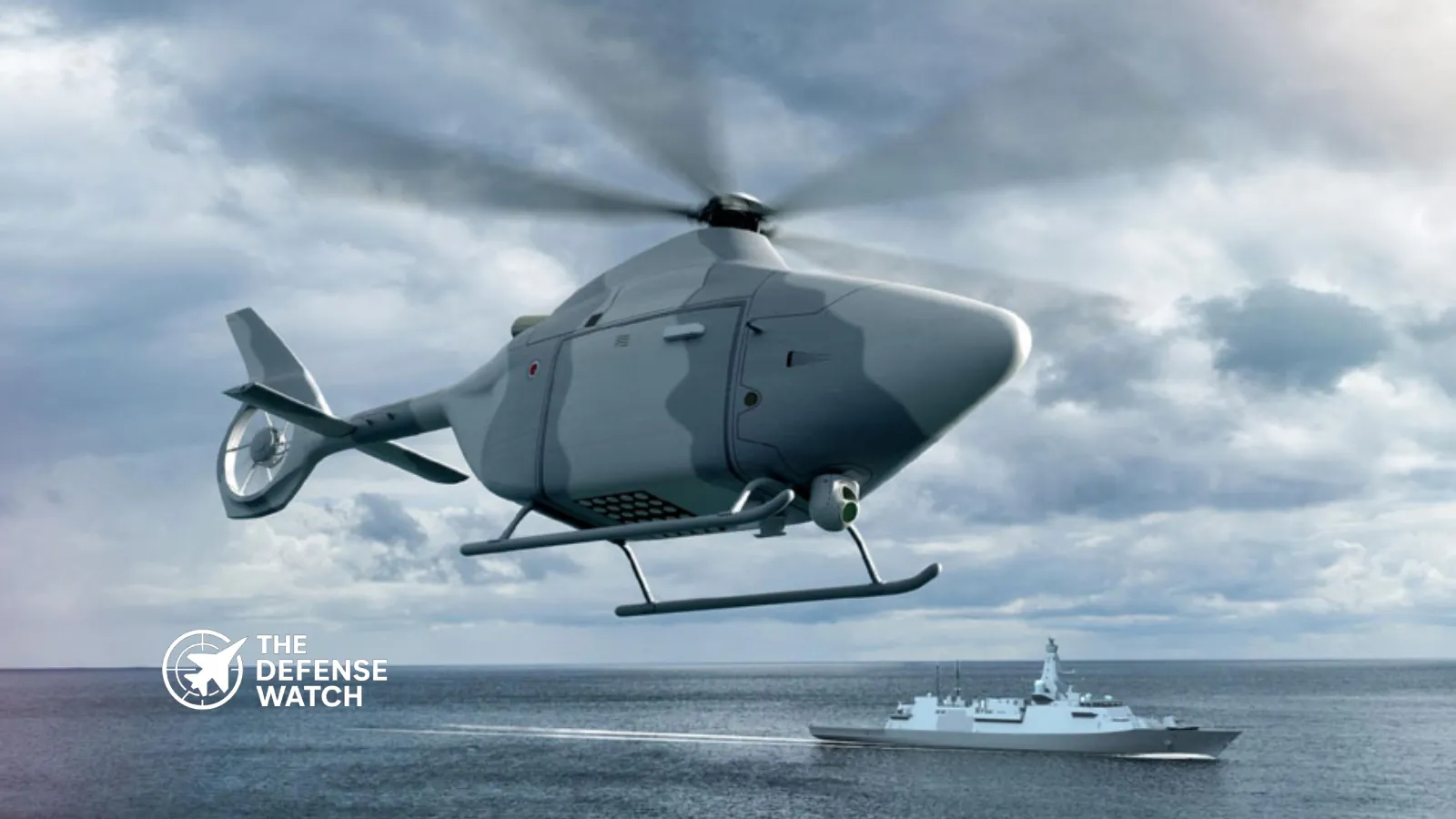
The Royal Navy Proteus drone is now expected to complete its first flight in January 2026, UK Ministry of Defence officials confirmed. The Proteus uncrewed helicopter demonstrator has been developed to explore large autonomous vertical take-off and landing operations in maritime environments.
Demonstrator for Future Naval Aviation
The Proteus uncrewed helicopter is part of a UK Defence Innovation programme backed with about 140 million pounds in funding, aimed at advancing rotary-wing unmanned systems. Defence minister Luke Pollard noted that no weapon system has been selected for Proteus yet, as the project focuses on data collection and technology evaluation rather than immediate operational deployment.
Proteus will test a high degree of autonomy and modular payload integration planned to support a range of warfighting and support roles, including maritime surveillance and other missions. The aircraft is sized similar to a standard helicopter and designed to collect experience and technical insights for future operational platforms.
Role in Maritime Aviation Transformation
Proteus is being developed under the UK Ministry of Defence’s broader Maritime Aviation Transformation strategy, geared toward modernizing naval aviation with uncrewed systems through 2040. The demonstrator’s trials will inform how large autonomous rotorcraft might be integrated into future fleets for surveillance, anti-submarine roles, and other tasks at sea.
What Comes After First Flight
While the Proteus drone is not slated for immediate service, the insights from its flight tests will guide development of next-generation uncrewed maritime helicopters. Officials say data from Proteus will help shape future platforms intended for both surveillance and strike roles over the next decade.