Trident Missile Fire Control Contract Awarded by US Navy
The US Navy has awarded a $255 million contract for the Trident missile fire control subsystem, directly supporting long-range strategic ballistic missile capability for both the United States and United Kingdom.
Under the award announced in a Department of Defense contract notice, General Dynamics Mission Systems will lead work on the Strategic Weapon System Fire Control Subsystem, covering sustainment, modernization, production, installation, training and engineering support.
The contract is a hybrid award combining cost-plus-incentive-fee, cost-plus-fixed-fee and cost-only elements under contract number N0003026C1005, with execution spanning fiscal years 2026 and 2027. Options included in the award could push the total value toward $485 million if exercised.
Work performed under the contract will support multiple submarine platforms, including US Ohio-class SSBNs, US guided-missile submarines (SSGNs) and the UK continuous at-sea deterrent force aboard its ballistic missile submarines.
Scope and Locations
Most of the work is slated to take place in Pittsfield, Massachusetts, accounting for about 87 percent of contracted effort. Additional activities will occur in the United States at locations including Groton, Connecticut, Quonset Point, Rhode Island, Cape Canaveral, Florida, and naval bases in Bangor, Washington and Kings Bay, Georgia. A small portion of effort will be conducted in the United Kingdom.
The full contract schedule extends through June 1, 2033, as noted by the Pentagon, reflecting the long-term nature of strategic weapons support for nuclear deterrence missions.
Strategic Context
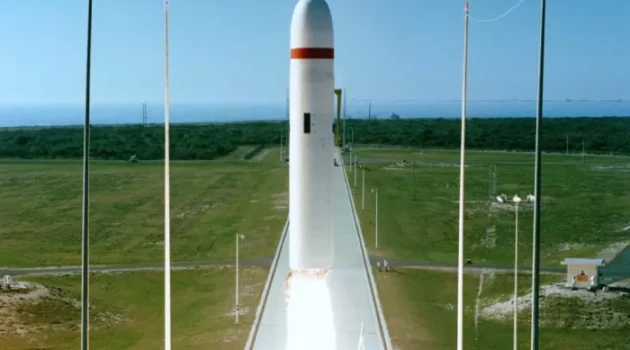
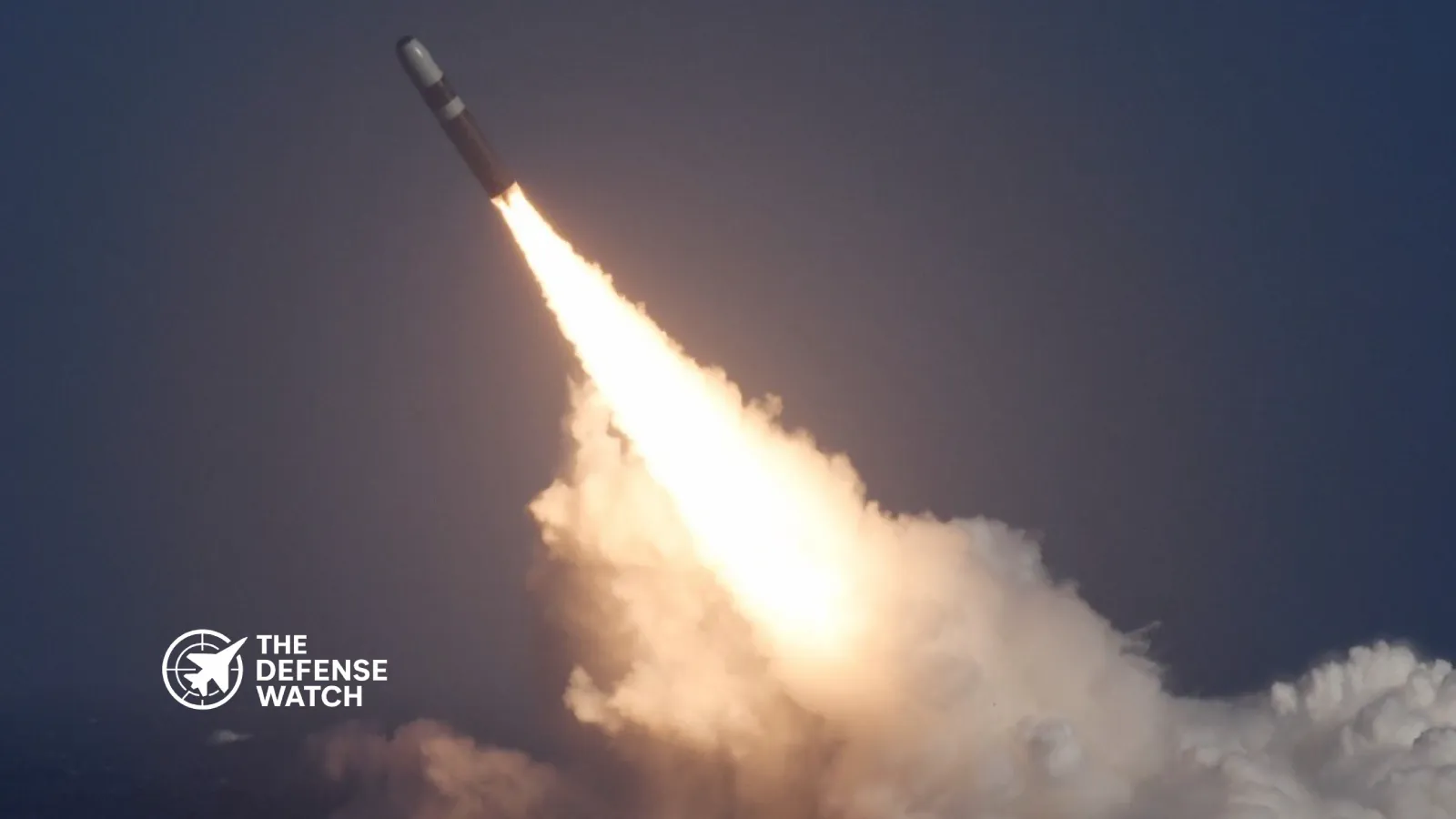
Fire control systems are central to ballistic missile submarine operations, serving as the command and control backbone that integrates sensors, guidance data and launch sequences for strategic weapons such as the Trident II (D5) ballistic missile family. These systems ensure that target and guidance information is correctly processed and relayed to missile hardware for effective deployment. For nuclear deterrence forces, ongoing modernization and sustainment work preserves reliability and readiness.
The bilateral nature of the contract reflects longstanding cooperation between the United States and the United Kingdom on strategic deterrent forces. Under arrangements dating back decades, the UK procures key elements of its nuclear sea-based deterrent from US programs and aligns with US Navy sustainment and upgrade efforts.
Industry Implications
General Dynamics Mission Systems continues its role as a major integrator for submarine strategic weapon systems. The firm has previously received awards tied to fire control, system integration and support for both US and allied nuclear deterrent platforms.
The contract bolsters ongoing workstreams tied to nuclear ballistic missile submarine modernization, including co-development and installation of systems on emerging submarine classes such as the Columbia-class in the US and the Dreadnought-class in the UK.
Get real time update about this post category directly on your device, subscribe now.