US Army Deploys M7 6.8mm Rifle To Replace M4A1 In Combat Units
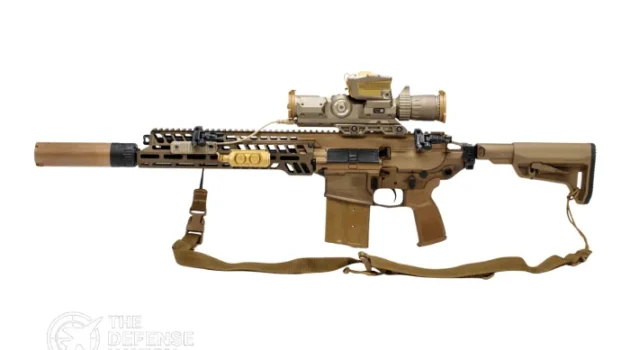
The US Army has officially begun deploying the M7 6.8mm rifle to replace the long serving M4A1 carbine in frontline combat formations, marking a significant shift in small arms capability under the Next Generation Squad Weapon program.
According to official Army statements and program updates, the M7 rifle is being fielded alongside the M250 automatic rifle as part of a broader modernization effort aimed at increasing lethality, range, and survivability for close combat forces.
The move signals the most substantial change in standard US infantry small arms in decades.
From M4A1 To M7: A Caliber Shift
The M7 rifle, previously designated as the XM7, was developed by SIG Sauer and selected in 2022 as the Army’s Next Generation Squad Weapon rifle. It replaces the 5.56x45mm NATO M4A1 with a new 6.8x51mm cartridge designed to deliver greater range and improved penetration against modern body armor.
The outgoing M4A1, produced by Colt’s Manufacturing Company and other contractors, has been the standard service rifle for US forces for more than two decades. It saw extensive use in Iraq, Afghanistan, and other operational theaters.
Army officials have stated that emerging battlefield threats and advances in protective equipment required a reassessment of small arms performance. The 6.8mm round is intended to provide improved terminal effects at extended distances while maintaining controllability in close combat.
Fielding To Close Combat Formations
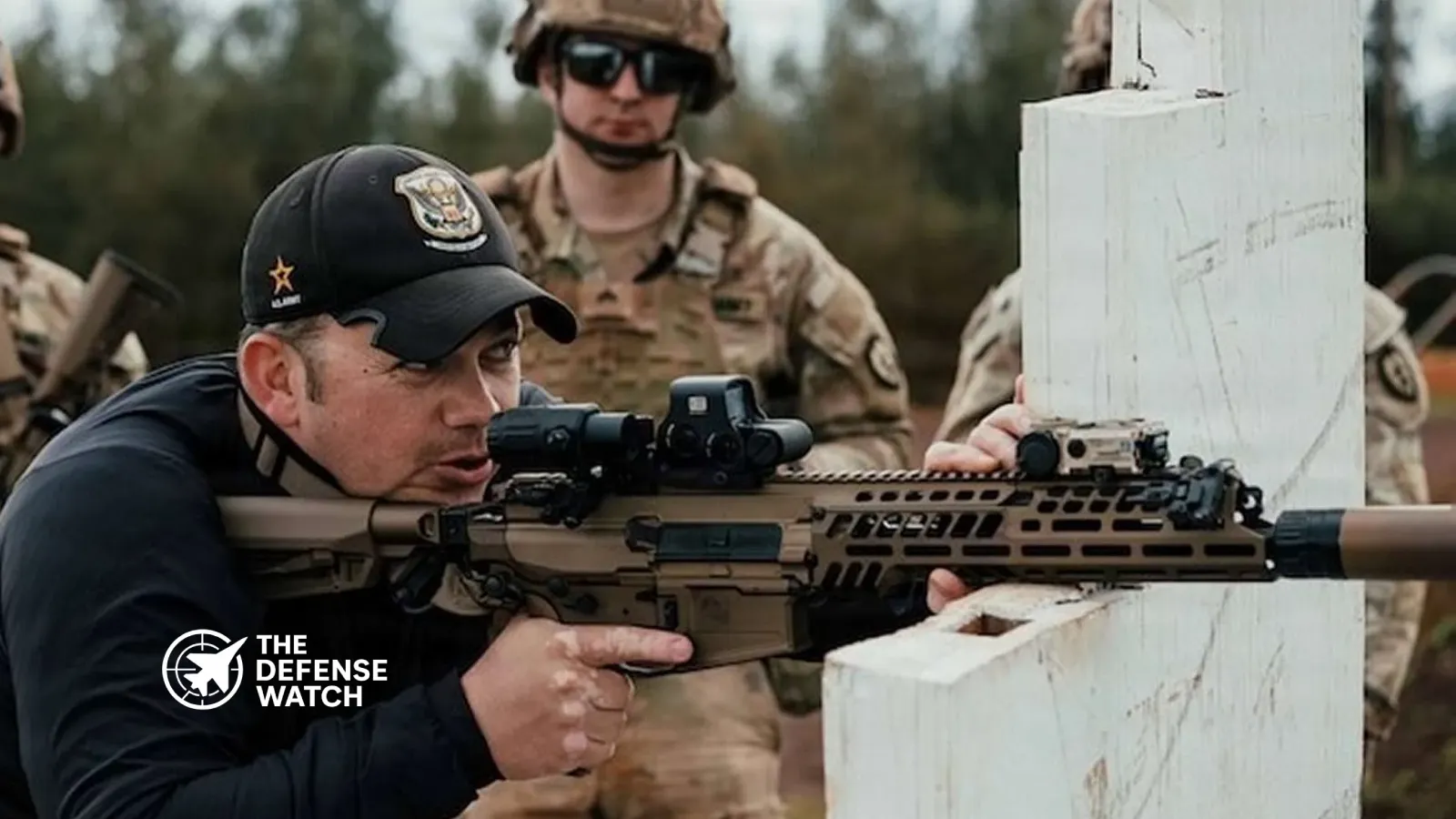
Initial fielding of the M7 6.8mm rifle has focused on close combat units, including infantry, scouts, and combat engineers. These formations are typically the first to engage in direct ground combat operations and therefore receive priority for new equipment.
The M7 rifle is paired with the M157 Fire Control system, developed by Vortex Optics. The optic integrates variable magnification, laser rangefinding, ballistic computing, and environmental sensors to assist soldiers in engaging targets more accurately at extended ranges.
The combination of a higher energy cartridge and an advanced fire control optic represents a significant increase in squad level capability compared to legacy M4A1 configurations.
Army leadership has indicated that fielding will continue in phases, with additional units scheduled to receive the system over the coming years as production increases and training pipelines expand.
Technical Overview Of The M7 6.8mm Rifle
The M7 6.8mm rifle features a short stroke gas piston operating system and a 20 round magazine, chambered in the 6.8x51mm cartridge. The weapon is designed to offer improved performance against intermediate barriers and modern personal protective equipment.
Key features include:
- Select fire capability
- Suppressor compatible design
- Adjustable stock for improved ergonomics
- Integrated rail system for optics and accessories
The rifle is slightly heavier than the M4A1, largely due to the more powerful cartridge and robust construction. However, Army officials have emphasized that the tradeoff is justified by increased lethality and effective range.
-
The 6.8mm ammunition uses a hybrid case design to manage chamber pressures while maintaining weight efficiency. The new cartridge enables higher muzzle velocity compared to legacy 5.56mm rounds.
Modernization Under The Next Generation Squad Weapon Program
The M7 6.8mm rifle is part of the Army’s broader Next Generation Squad Weapon initiative, which aims to equip infantry squads with systems capable of addressing near peer threats.
The program was initiated in response to assessments that future battlefields may require greater stand off engagement distances and improved penetration capability. According to Army briefings, the objective is to enhance overmatch at the squad level.
The M250 automatic rifle complements the M7 by replacing the M249 Squad Automatic Weapon in selected units. Together, the two systems introduce the 6.8mm cartridge across the squad, standardizing ammunition within designated formations.
Implications For Infantry Tactics
The deployment of the M7 6.8mm rifle could influence squad level tactics and engagement ranges. With increased effective range and enhanced ballistic performance, units may be able to engage targets beyond traditional 5.56mm distances.
Training programs are being updated to reflect the characteristics of the new weapon system, including recoil management and employment of the advanced optic.
The Army has stressed that the transition will be gradual. Legacy systems such as the M4A1 will remain in service with many units during the transition period.
Strategic Context
The introduction of the M7 6.8mm rifle aligns with broader US military modernization efforts focused on preparing for high intensity conflict scenarios.
In recent years, the Army has pursued upgrades across multiple domains, including armored platforms, long range precision fires, air defense systems, and soldier systems. The small arms transition forms one component of that larger transformation.
See also: US Army Advances Long Range Precision Fires Modernization
Production And Industrial Base Considerations
Production of the M7 rifle and associated ammunition is being scaled through domestic manufacturing facilities. Army officials have underscored the importance of maintaining a resilient industrial base capable of meeting long term demand.
The contract award to SIG Sauer covers weapon production as well as ammunition supply under the Next Generation Squad Weapon program. Continued oversight will focus on cost, performance, and delivery timelines.
What Comes Next
As fielding progresses, operational feedback from deployed units will shape future refinements. The Army has indicated it will monitor reliability, durability, and soldier acceptance as part of the rollout process.
The M7 6.8mm rifle represents a clear shift in US Army small arms doctrine. While the full impact will become clearer over time, the deployment marks a notable milestone in infantry modernization.
Get real time update about this post category directly on your device, subscribe now.