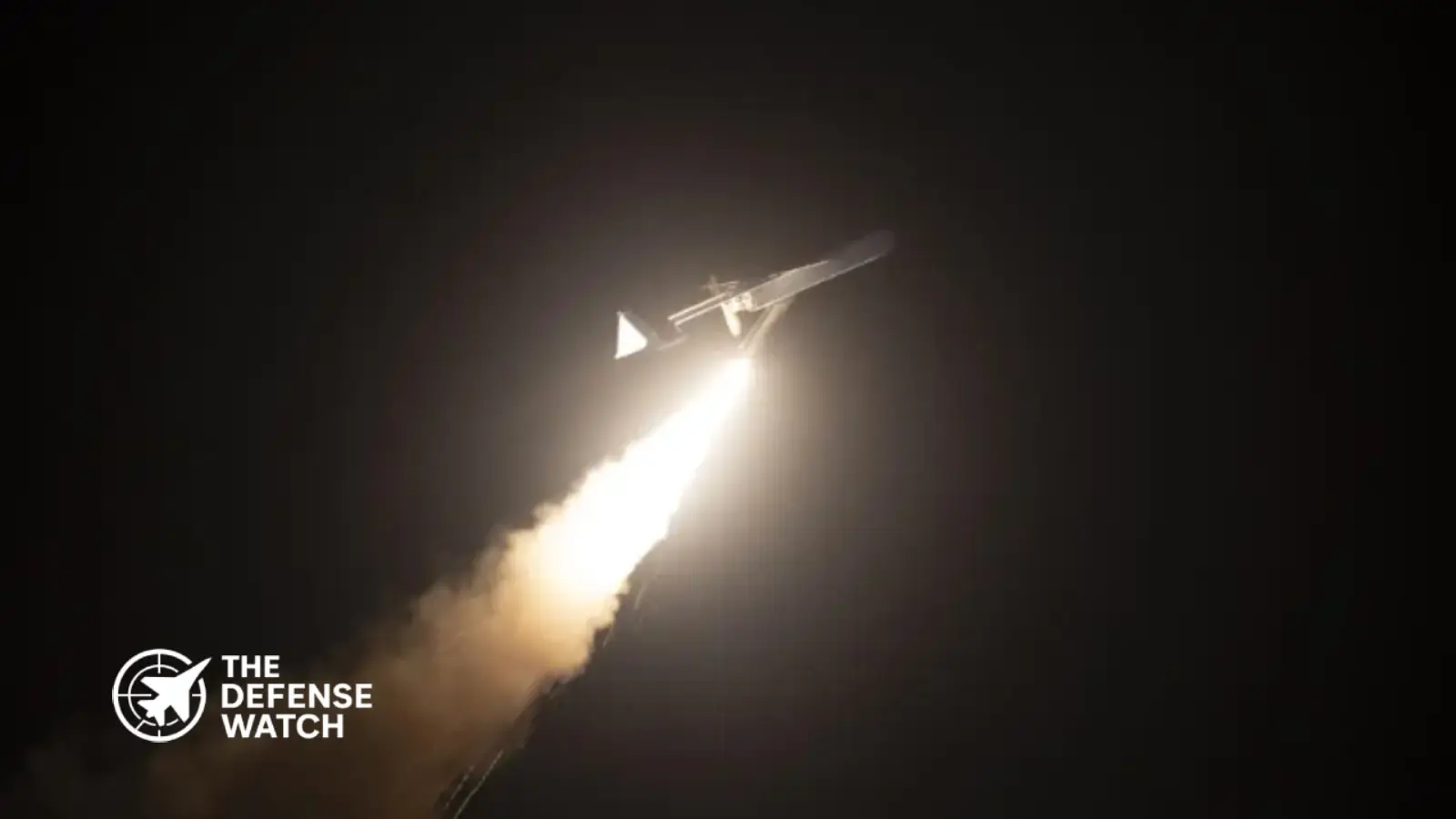
Ukraine launched one of the largest reported drone attacks on the Moscow region of the war overnight on October 5 and 6, with Moscow Mayor Sergei Sobyanin saying 650 unmanned aircraft were directed toward the region over roughly eight and a half hours.
Russian officials said most of the drones were destroyed or neutralized before reaching the capital. Moscow Region Governor Andrei Vorobyov separately reported that 185 drones were destroyed or suppressed over 16 municipalities, while two people were killed and nine injured in the wider region.
The figures describe the Russian side of the incident. Ukraine has not publicly claimed responsibility for the reported 650-drone attack in the sources reviewed for this report, so the scale and attribution should be treated as official Russian claims rather than independently established measurements.
What Russian authorities reported
Sobyanin said 650 drones flew toward the Moscow region between 8:30 p.m. on October 5 and 5 a.m. on October 6. He said most were destroyed by air defenses at long range and that 105 were destroyed while approaching Moscow.
The Moscow Region figure was different in scope. Vorobyov said Russian air defense and electronic warfare systems destroyed or suppressed 185 drones over 16 municipalities. The reported impact areas included Istra, Volokolamsk and Domodedovo. Ten private homes in several Istra-area settlements were damaged, while other homes and vehicles were also affected.
The casualty toll increased as authorities assessed the damage. A 20-year-old man was reported killed in Radumlya, while a 71-year-old man was later found dead beneath the rubble of a destroyed house in Barybino. Nine people were reported injured.
The attack also disrupted civil aviation. Restrictions were imposed at Moscow’s Vnukovo, Domodedovo, Sheremetyevo and Zhukovsky airports during the overnight attack, temporarily limiting arrivals and departures.
A wider Russian air-defense engagement
The Moscow operation formed part of a broader overnight Ukrainian drone campaign against Russia, according to the Russian Defense Ministry.
Russian officials said 868 Ukrainian fixed-wing drones were intercepted or destroyed across Russia and other areas during the period from the evening of October 5 through the morning of October 6. The reported engagements covered multiple Russian regions as well as Crimea and the Sea of Azov.
That figure should not be added directly to the 650 drones reported by Sobyanin. The two numbers cover different geographic scopes and reporting periods. The Moscow mayor’s figure referred to drones heading toward the Moscow region, while the Defense Ministry figure covered a much wider area.
This distinction is important because Russian authorities have increasingly published regional and national drone-interception totals separately during large attacks.
Possible strike on Moscow’s fuel infrastructure remains unconfirmed
One of the most significant reported developments concerns the Volodarskaya Linear Production and Dispatch Station, a major petroleum-products facility in the Moscow region.
Russian military bloggers and independent Russian media reported that a fire occurred at the facility during the overnight attack. Reuters also reported that Russian military bloggers said a fuel storage tank had been hit. Ukrainian monitoring channels published video said to show a fire at the site.
However, the reported strike on Volodarskaya has not been officially confirmed by Moscow regional authorities in the available reporting. Al Jazeera likewise reported that there was no official confirmation that the facility had been hit.
That makes the distinction between an apparent target and a confirmed target particularly important. The available evidence supports reporting that a fire was associated with the facility according to several independent accounts, but it does not establish the extent of any damage or whether the facility was deliberately targeted.
Volodarskaya is nevertheless strategically relevant because it forms part of the petroleum-products distribution infrastructure serving the Moscow area. Reports have described the facility as a major fuel distribution node connected with the regional pipeline network and supplying petroleum products to airports around the capital.
Why the Moscow region matters
The operational significance of the attack goes beyond the number of drones involved.
Moscow is protected by layered Russian air defenses, electronic warfare systems and other security measures. Sending a large number of relatively inexpensive unmanned aircraft toward the region can impose a demanding tracking and engagement problem even when most incoming systems are intercepted.
The reported use of electronic warfare alongside conventional air defenses is also notable. Vorobyov specifically attributed the destruction or suppression of 185 drones over the Moscow region to both air-defense forces and electronic warfare systems.
At the same time, the available figures do not establish how many drones penetrated Russian defenses, how many reached intended targets, or how many were destroyed by particular air-defense systems. Those details have not been publicly disclosed.
The reported deaths and property damage also show that the effects of large drone raids are not limited to military infrastructure. Falling debris from intercepted drones can create risks for populated areas even when an air-defense network prevents direct impacts by most of the attacking aircraft.
Part of a broader long-range strike campaign
Ukraine has increasingly used domestically produced long-range drones to attack targets deep inside Russia, particularly energy infrastructure, refineries and fuel facilities. The campaign has increasingly focused on the systems that support Russia’s war economy and military logistics.
The October 6 attack comes amid a broader escalation in long-range strikes by both sides. Russian forces have continued attacking Ukrainian cities and infrastructure, while Ukraine has sought to put pressure on Russian energy and logistics networks.
Reuters reported that Russian military bloggers believed the Volodarskaya facility was among the potential targets in the Moscow-area operation. That assessment remains unconfirmed, but attacks on fuel infrastructure would fit Ukraine’s wider effort to disrupt petroleum production, storage and distribution inside Russia.
The scale of the reported raid also illustrates a growing feature of the conflict: strategic depth is becoming harder to maintain through geography alone. Moscow lies far from the Ukrainian front, but long-range unmanned systems have repeatedly demonstrated the ability to reach targets deep inside Russian territory.
That does not mean every large drone raid produces a corresponding strategic effect. The available evidence from this attack does not yet establish significant long-term damage to Russian military capability or fuel distribution.
For now, the clearest confirmed outcome is that a very large number of drones were directed toward the Moscow region, Russian air defenses and electronic warfare systems engaged them, civilian infrastructure was damaged, two people were killed, and aviation operations were temporarily disrupted. The reported strike on the Volodarskaya facility remains an important but unconfirmed element of the incident.
Reporting note: Some operational details remain unconfirmed because neither Ukraine nor Russian authorities have publicly provided independently verifiable information establishing the full target list, penetration rate or damage caused to military or energy infrastructure.