
How the Space Force Safeguards U.S. Satellites Against Cyber Attacks
As space becomes an increasingly contested domain, the U.S. Space Force is ramping up its satellite cybersecurity posture to counter evolving cyber threats. From on-orbit testbeds to proactive acquisition strategies, the service is building resilience across satellite systems.
Moonlighter CubeSat: A Hacking Sandbox in Orbit
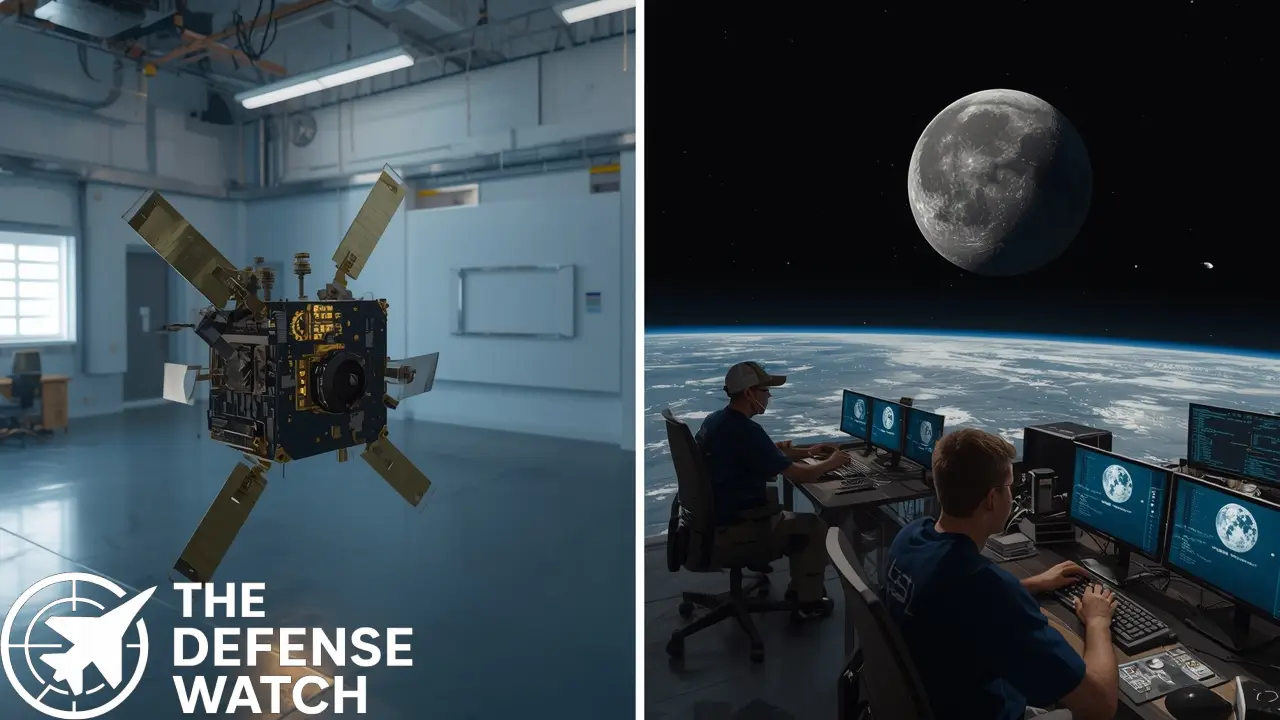
The cornerstone of Space Force’s cyber-defense efforts is the Moonlighter CubeSat, a 3U satellite deployed into low Earth orbit in mid-2023. Developed in partnership with the Space Systems Command, the Air Force Research Laboratory, and other agencies, Moonlighter serves as the first on-orbit cybersecurity test platform—allowing for realistic testing and learning of cyber tactics and techniques.
In November 2023, U.S. Space Force Cyber Guardians conducted the Moonlight Defender exercise using the satellite as a live testbed. This “Purple Team” exercise involved adversarial simulation (Red Team) probing satellite defenses, while defenders (Blue Team)—including Cyber Squadrons from Space Delta 6—worked to safeguard the vehicle.
Layered Defenses Across the Satellite Lifecycle
Space Systems Command stresses that cybersecurity must begin early in the satellite’s acquisition and design phases, addressing vulnerabilities from phishing and supply-chain risks to social engineering.
Protection strategies include:
- Layered technical controls such as encryption, traffic monitoring, and strict access permissions.
- Robust cybersecurity training across personnel involved in design, development, and operations.
Reinforcing Ground and Supply Chain Security
A major challenge is securing both the satellite and its supporting ground infrastructure. Space Force experts advocate for secure-by-design procurement—baking cybersecurity into systems from the start—and frequent audits of suppliers to verify ongoing security hygiene.
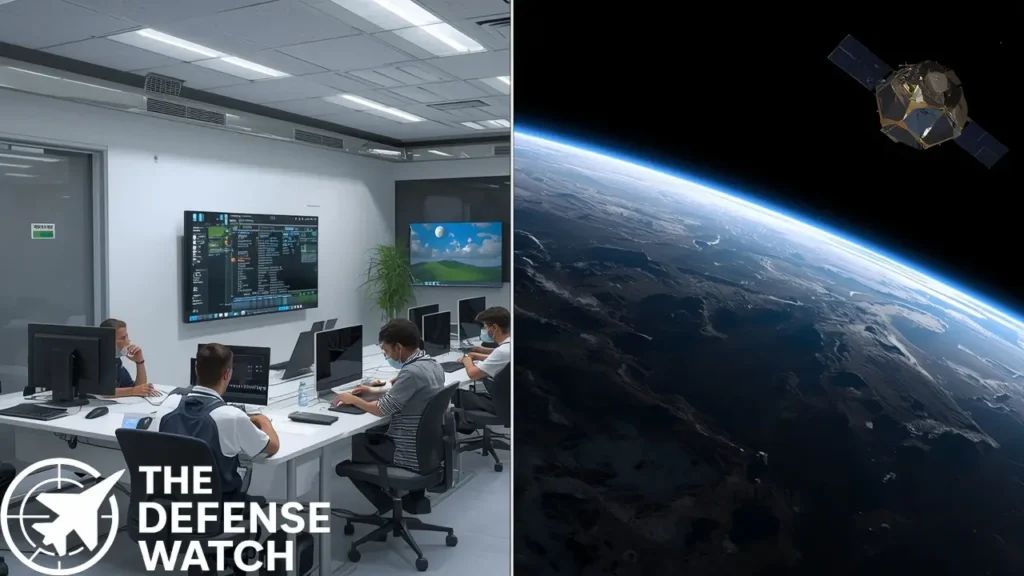
Past disruptions—such as the Russian infiltration of Viasat’s VPN and malicious software distribution—highlight the dangers of neglected ground systems and the need for stronger acquisition discipline.
Monitoring and Electromagnetic Warfare Defense
Space Force employs specialized units such as the 16th Electromagnetic Warfare Squadron, which monitors and responds to interference with satellite communications, including geolocation of electromagnetic threats via the RAIDRS system. Additionally, Delta 6’s cyberspace squadrons, including the 69th, operate to secure satellite command and control connectivity worldwide.
Surveillance systems like the Space Fence provide situational awareness by tracking objects and potential threats in orbit, ensuring warnings of anomalous activity.
Strategic Context and Rising Threat Landscape
Cybersecurity is no longer a conceptual priority—it’s a strategic imperative in the escalating battleground of space. A recent AP report highlighted real-world satellite hijackings, including one where pro-Russian hackers altered broadcast signals to Ukraine during a military parade, underscoring satellite vulnerability and psychological impact.
Furthermore, U.S. Space Force leadership continues to flag increasing threats from near-peer adversaries. At the May 2025 Politico Security Summit, Gen. B. Chance Saltzman warned of China’s “kill web” targeting real-time battlefield intelligence via satellites, and cited Russian cyber and kinetic aggression—including orbital debris–creating tests—as significant challenges.
Analysis & Context
While Moonlighter and on-orbit exercises reflect the Space Force’s forward-leaning approach to cyber readiness, the real test lies in transitioning these lessons into broader procurement, satellite constellations, and international coordination. As commercial partners proliferate in space, aligning standards, ensuring interoperability, and conducting shared threat exercises will be essential.
Moreover, emerging threats—like networked anti-satellite capabilities and cyber-physical attacks—call for deeper integration between space surveillance, treaties, and allied deterrence frameworks.
FAQs
A CubeSat deployed in 2023, the world’s first hacking sandbox in orbit, used for real-time cybersecurity training and testing.
An on-orbit cybersecurity exercise conducted November 2023 where Red and Blue Teams simulated attacks and defenses on Moonlighter.
Satellites underpin navigation, communications, intelligence, and warning systems; cyber threats can disrupt availability, compromise data, and cascade across military systems.
By promoting secure-by-design acquisitions, layered defenses, regular supply-chain audits, and emphasizing cybersecurity throughout the development lifecycle.
Units like the 16th Electromagnetic Warfare Squadron (RAIDRS) and 69th Cyberspace Squadron monitor interference and protect command-and-control links globally.
Get real time update about this post category directly on your device, subscribe now.

5 comments
[…] satellites that link forces across […]
[…] progress underscores the reality that space is no longer a sanctuary. With Beijing integrating space capabilities into its joint force doctrine, the U.S. faces a dilemma: invest heavily to preserve dominance or seek cooperative arms […]
[…] escalation in the Taiwan Strait could rapidly spiral into conflict, especially with cyber and space attacks, misfires, and asymmetric provocations. Deterrence must be robust but calibrated, with crisis […]
[…] of Space Operations General Chance Saltzman and senior Space Force officials have begun briefing congressional committees on plans that would mark one of the most […]
[…] The contract modification reflects continued reliance on industry partners to sustain and upgrade critical infrastructure while new space based weather systems are developed and fielded. Space Systems Command oversees these efforts as part of its mandate to acquire and maintain space and ground capabilities for the Space Force. […]