

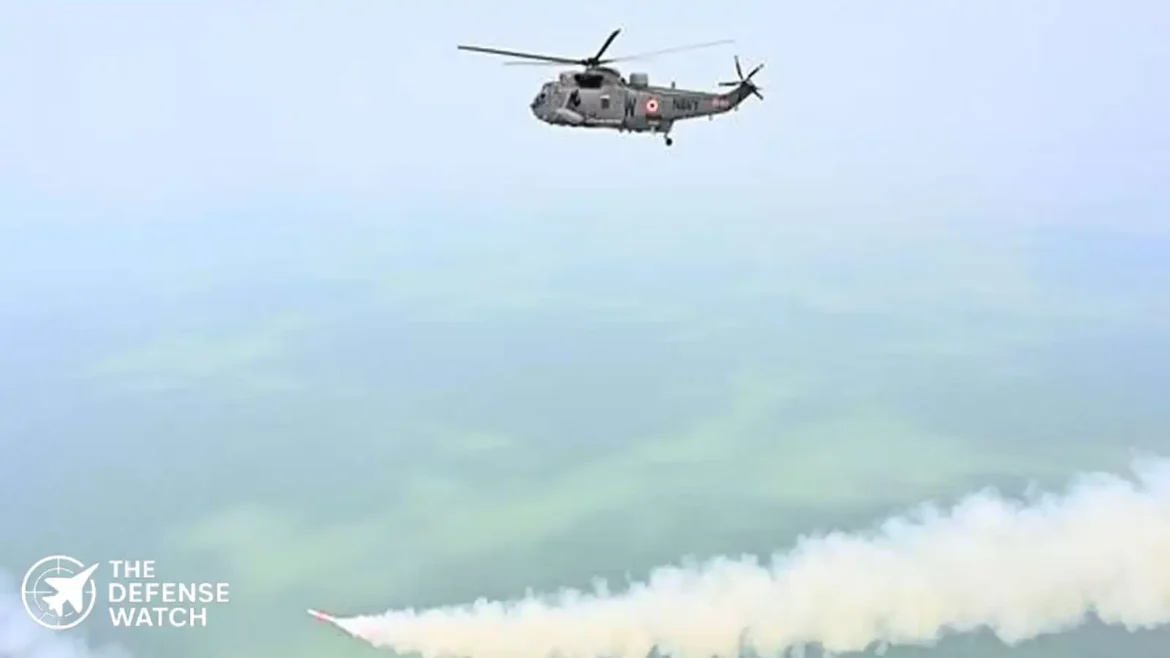
India Expands Naval Strike Reach With NASM-SR Helicopter Launch
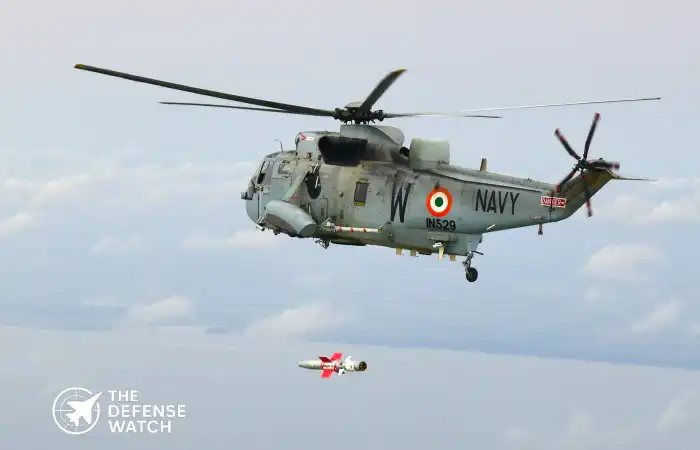
India’s NASM-SR anti-ship missile test marks a significant step in expanding naval strike reach, with the system successfully launched from a helicopter for the first time. The milestone highlights a growing emphasis on flexible, distributed maritime firepower within the Indian Navy.
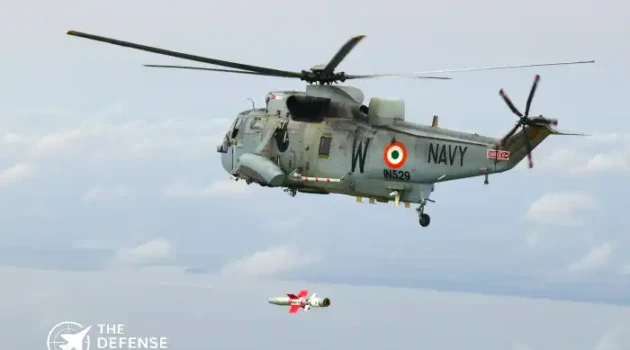
The test involved a salvo firing of the Naval Anti-Ship Missile Short Range, or NASM-SR, from a rotary-wing platform. This demonstrates the ability to engage surface targets from beyond visual range using airborne assets, a capability increasingly seen as essential in modern naval warfare.
- India conducted its first NASM-SR anti-ship missile salvo from a helicopter platform.
- The test marks a key milestone in integrating indigenous missiles with naval rotary-wing aircraft.
- NASM-SR is a short-range anti-ship missile designed for precision maritime strike missions.
- The system enhances stand-off capability for naval helicopters operating in contested waters.
- The development is led by India’s DRDO as part of broader naval modernization efforts.
Expanding Helicopter-Based Strike Capability
The NASM-SR program is led by Defence Research and Development Organisation (DRDO), which has focused on developing an indigenous, lightweight anti-ship missile tailored for helicopter deployment. Unlike larger ship- or aircraft-launched systems, NASM-SR is designed for short-range engagements with high precision.
Integrating such a missile onto naval helicopters allows forces to extend their reach without relying solely on surface combatants. Platforms such as the Sea King helicopter or future indigenous rotorcraft can operate from ships or forward bases, adding a mobile strike layer to fleet operations.
This approach aligns with global trends where navies are increasingly distributing offensive capabilities across multiple platforms to complicate adversary targeting.
Operational Impact and Tactical Advantages
The NASM-SR anti-ship missile offers several operational advantages. First, it enables stand-off engagement, allowing helicopters to strike enemy vessels while remaining outside the immediate threat envelope of ship-based defenses.
Second, the system improves response time. Helicopters can be rapidly deployed from ships or coastal bases, reducing the delay between detection and engagement.

Third, it supports swarm and saturation tactics. Multiple helicopters armed with NASM-SR missiles can coordinate attacks, increasing the probability of penetrating layered naval defenses.
From a tactical standpoint, this capability strengthens maritime denial operations. In contested regions, even smaller naval units can pose a credible threat to larger surface vessels when supported by armed helicopters.
Strategic Context in the Indo-Pacific
India’s focus on helicopter-launched anti-ship missiles reflects broader strategic pressures in the Indo-Pacific. As naval competition intensifies, the ability to project power across dispersed maritime zones has become critical.
By fielding NASM-SR, India is working to close gaps in short-range maritime strike capability. This is particularly relevant in littoral environments, where larger missile systems may be less practical due to range constraints and reaction times.
The development also complements other indigenous missile programs, reinforcing India’s push for self-reliance in defense technology. Reducing dependence on foreign systems allows for faster upgrades, better integration, and more control over operational use.
Technology and Development Path
While detailed specifications remain limited, NASM-SR is understood to feature advanced guidance and targeting systems optimized for maritime environments. These likely include active radar seekers and resistance to electronic countermeasures.
The missile’s compact design makes it suitable for integration on a range of helicopter platforms without significant structural modification. This flexibility is key for scaling deployment across the fleet.
The recent test indicates progress toward operational readiness, though additional trials are expected before full induction.
Analysis: A Shift Toward Distributed Maritime Firepower
The NASM-SR helicopter launch is more than a technical milestone. It reflects a broader shift in naval doctrine toward distributed lethality. Instead of concentrating firepower on large warships, modern navies are spreading offensive capabilities across smaller, mobile platforms.
This approach increases survivability and complicates adversary planning. A fleet supported by armed helicopters can engage targets from multiple vectors, forcing opponents to defend against a wider range of threats.
For India, this capability also enhances deterrence. Even in scenarios where surface assets are limited, helicopter-based missiles provide a credible strike option.
At the same time, challenges remain. Effective use of NASM-SR will depend on integration with surveillance systems, targeting networks, and command structures. Without accurate real-time data, the advantages of stand-off weapons are reduced.
Still, the successful test suggests that India is moving steadily toward a more flexible and resilient naval strike architecture.
Russia Bastion Coastal Defense System Reinforces Arctic Strategy
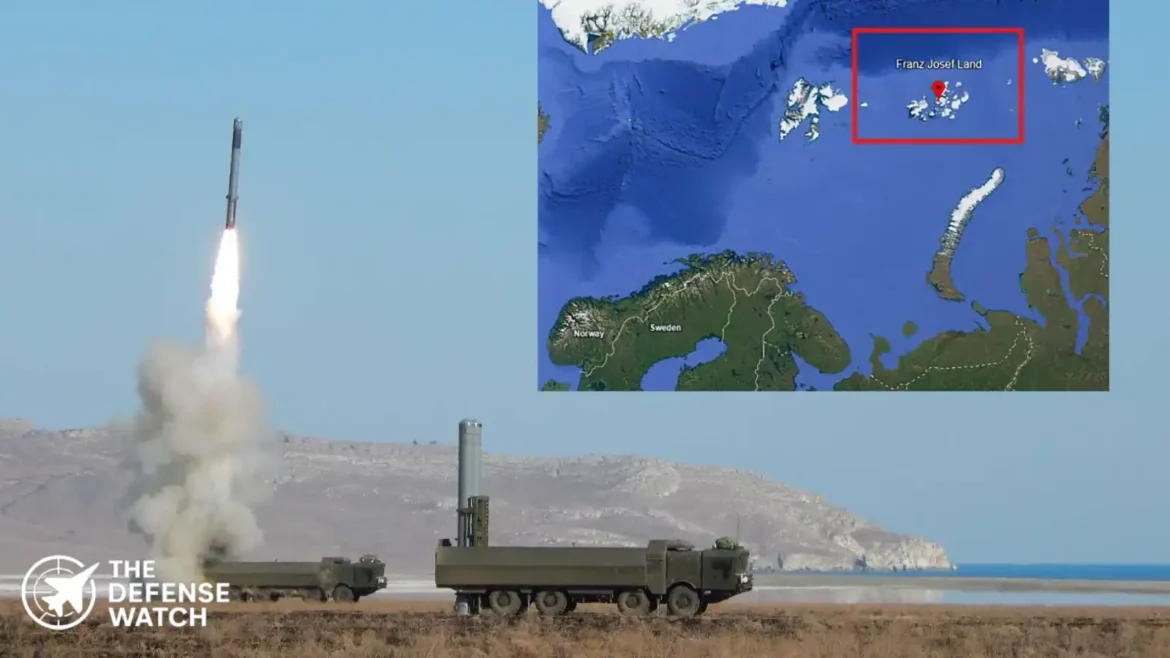
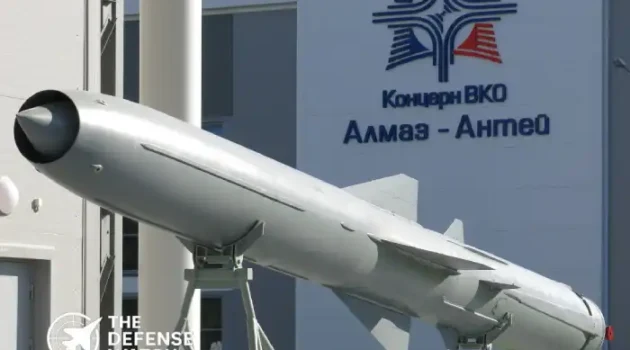
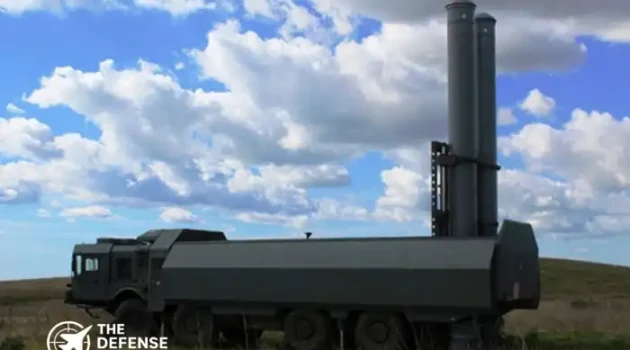
Russia’s Bastion coastal defense system is playing a central role in Moscow’s evolving Arctic naval denial strategy, as demonstrated during recent exercises at the remote Franz Josef Land archipelago. According to reporting by Army Recognition, Russian forces conducted drills simulating the defense of critical Arctic approaches using the Bastion system, a mobile anti-ship missile platform designed to engage high-value naval targets at extended ranges.
- Russia rehearsed Arctic naval denial operations using the Bastion coastal defense system at Franz Josef Land.
- The Bastion system is equipped with P-800 Oniks supersonic anti-ship missiles capable of striking maritime targets at long range.
- The deployment supports Russia’s strategy to secure the Northern Sea Route and restrict adversary naval access.
- Arctic bases are being upgraded to host advanced missile systems and sustain year-round operations.
- The move reflects growing geopolitical competition in the Arctic region involving NATO and Russia.
The exercise underscores Russia’s focus on securing its northern maritime frontier, particularly as melting ice expands access to the Arctic and intensifies competition over shipping routes and natural resources.
Strategic Importance of Bastion Deployment in the Arctic
The Bastion system, known in Russia as K-300P, deploys the P-800 Oniks supersonic cruise missile, a weapon capable of striking targets at ranges exceeding 300 kilometers. Its mobility and rapid deployment capability make it well suited for remote Arctic environments, where fixed defenses are harder to maintain.
By stationing Bastion systems at forward outposts such as Franz Josef Land, Russia is effectively extending its anti-access and area denial umbrella across key segments of the Arctic Ocean. This allows Moscow to monitor and potentially restrict naval movement along the Northern Sea Route, a shipping corridor that is gaining strategic and economic importance.
From a military perspective, this deployment reflects a layered defense concept. Coastal missile batteries, supported by radar systems and air defense networks, create overlapping zones of control. This approach complicates any adversary’s ability to operate freely in contested Arctic waters.
Arctic Militarization and Infrastructure Expansion
Russia’s Arctic posture has evolved steadily over the past decade. The country has reopened Soviet-era bases and constructed new facilities designed to operate in extreme conditions. Franz Josef Land, located deep in the Arctic Ocean, has become a key node in this network.
Infrastructure upgrades include reinforced airstrips, radar installations, and logistics hubs capable of supporting year-round operations. These developments enable sustained deployment of advanced systems like Bastion, ensuring readiness even in harsh winter conditions.
The emphasis on Arctic readiness is not limited to missile systems. Russia has also expanded its fleet of icebreakers, including nuclear-powered vessels, to ensure access and mobility across frozen waters. This integrated approach strengthens both military and economic control over the region.
Geopolitical Context and NATO Response
The deployment of the Bastion coastal defense system must be viewed within the broader context of rising geopolitical competition in the Arctic. NATO members, particularly the United States, Canada, and Norway, have increased their own military presence and surveillance activities in the region.
Western analysts note that Russia’s anti-ship missile deployments are intended to deter NATO naval operations and protect strategic assets, including submarine bastions used for nuclear deterrence. The Arctic remains a critical domain for second-strike capabilities, making its defense a priority for Moscow.
At the same time, the Northern Sea Route is becoming more viable for commercial shipping due to climate change. Control over this route offers both economic leverage and strategic advantage, further motivating Russia’s military investments.
Operational Implications of Naval Denial Strategy
Russia’s use of the Bastion system highlights a broader shift toward denial-based strategies rather than traditional power projection. Instead of seeking to dominate distant theaters, Moscow is focusing on securing its periphery and limiting adversary access.
In practical terms, this means creating contested zones where the cost of entry for opposing forces is significantly increased. The Bastion system, with its long-range precision strike capability, plays a key role in this concept by threatening surface vessels operating within its engagement envelope.
This approach is particularly effective in the Arctic, where geography and climate already pose challenges for naval operations. By combining natural barriers with advanced weapon systems, Russia enhances its defensive posture without requiring large-scale force deployments.
Analysis: Why the Arctic Matters Now
The renewed focus on Arctic military capabilities reflects a convergence of factors. Climate change is opening new sea lanes, resource competition is intensifying, and great power rivalry is extending into previously less contested regions.
Russia’s investment in systems like Bastion suggests a long-term strategy aimed at shaping the Arctic security environment. By establishing credible denial capabilities early, Moscow is positioning itself to influence future access and governance of the region.
For the United States and its allies, this development raises important questions about deterrence and freedom of navigation. Countering such systems requires a mix of technological solutions, including long-range strike capabilities, stealth platforms, and enhanced situational awareness.
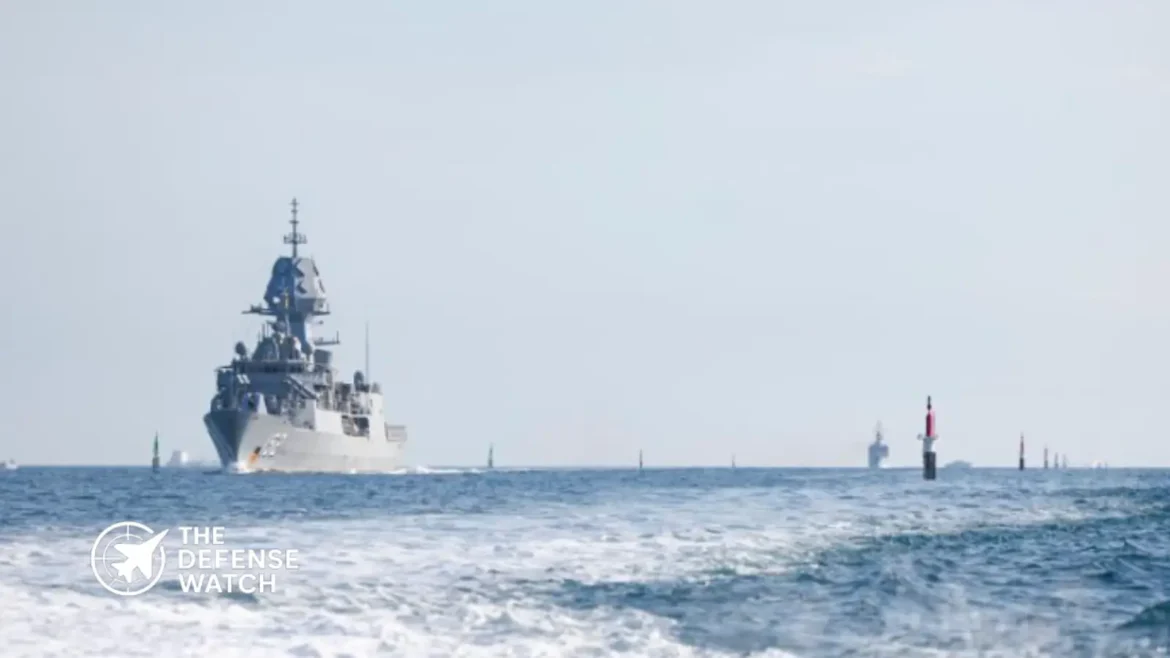
- Malaysia and Australia concluded the latest MASTEX naval exercise in Western Australia.
- The exercise featured Royal Malaysian Navy frigate KD Lekir and Royal Australian Navy frigate HMAS Warramunga.
- Training included gunnery drills, anti-submarine warfare, and coordinated maritime operations.
- MASTEX has been held since 2002 to enhance interoperability between the two navies.
- The activity supports broader Indo-Pacific maritime security cooperation.
MASTEX Naval Exercise Strengthens Australia Malaysia Defense Cooperation
The MASTEX naval exercise Australia Malaysia concluded recently in Western Australia, underscoring the growing operational alignment between the two Indo-Pacific partners. The arrival of KD Lekir and HMAS Warramunga at HMAS Stirling marked the final phase of the biennial maritime engagement.
The exercise, conducted between the Royal Malaysian Navy and the Royal Australian Navy, focused on improving interoperability, operational coordination, and mutual trust through structured maritime training.
Operational Training Focus And Maritime Readiness
The latest iteration of the MASTEX naval exercise Australia Malaysia followed a two-phase format, beginning with a harbor phase and transitioning into complex at-sea operations. Training activities included:
- Advanced ship handling maneuvers
- Live gunnery drills
- Anti-submarine warfare exercises
- Communication and coordination serials
These activities are designed to simulate real-world maritime scenarios, allowing both navies to refine tactical responses and improve joint operational effectiveness.
Commander Ken Brown, Commanding Officer of Warramunga, emphasized that MASTEX goes beyond routine drills. According to official statements, the exercise reflects a longstanding defense partnership built on shared history and sustained cooperation.
From the Malaysian perspective, Commanding Officer Commander Megat Mohamed Sofwan Firdaus bin Megat Mohamad Yunus highlighted the importance of continuity. Since its inception in 2002, MASTEX has evolved into a cornerstone engagement that strengthens readiness for potential contingencies.
Strategic Importance In The Indo-Pacific
The MASTEX naval exercise Australia Malaysia takes place against a backdrop of increasing strategic competition in the Indo-Pacific. While the exercise itself is not directed at any specific threat, its focus on interoperability and maritime domain awareness aligns with broader regional security priorities.
Australia and Malaysia are both key stakeholders in maintaining freedom of navigation and stability across critical sea lanes. Joint exercises like MASTEX contribute to:
- Enhancing maritime situational awareness
- Improving response coordination in crises
- Strengthening coalition-based naval operations
Defense analysts note that such bilateral engagements complement multilateral frameworks, including ASEAN-led initiatives and broader Indo-Pacific security partnerships.
Interoperability As A Force Multiplier
A central objective of the MASTEX naval exercise Australia Malaysia is interoperability. This concept extends beyond technical compatibility to include shared doctrine, communication protocols, and decision-making processes.
Exercises involving coordinated surface warfare and maritime interdiction operations help both navies operate as a unified force when required. This is particularly relevant in scenarios such as humanitarian assistance, disaster relief, and maritime security operations.
The participation of platforms like KD Lekir and HMAS Warramunga also demonstrates the ability of different naval systems to integrate effectively during joint missions.
A Partnership Built On Decades Of Cooperation
The exercise reflects more than 70 years of diplomatic and defense ties between Australia and Malaysia. Over time, this relationship has expanded from basic cooperation to more advanced military collaboration.
The MASTEX naval exercise Australia Malaysia serves as a practical mechanism to sustain this relationship, ensuring that both nations remain aligned in their operational approaches.
Importantly, the emphasis on people-to-people ties, highlighted by both commanding officers, reinforces the human dimension of military cooperation. Trust and familiarity between crews are critical factors in successful joint operations.
Regional Security Outlook
While MASTEX remains a bilateral exercise, its implications extend across the Indo-Pacific. The ability of regional navies to operate together enhances collective security and supports a rules-based maritime order.
In an environment where maritime challenges include piracy, illegal fishing, and strategic competition, consistent engagement through exercises like MASTEX provides a stabilizing effect.
The continued evolution of the MASTEX naval exercise Australia Malaysia suggests that both nations are committed to maintaining a credible and cooperative maritime presence in the region.
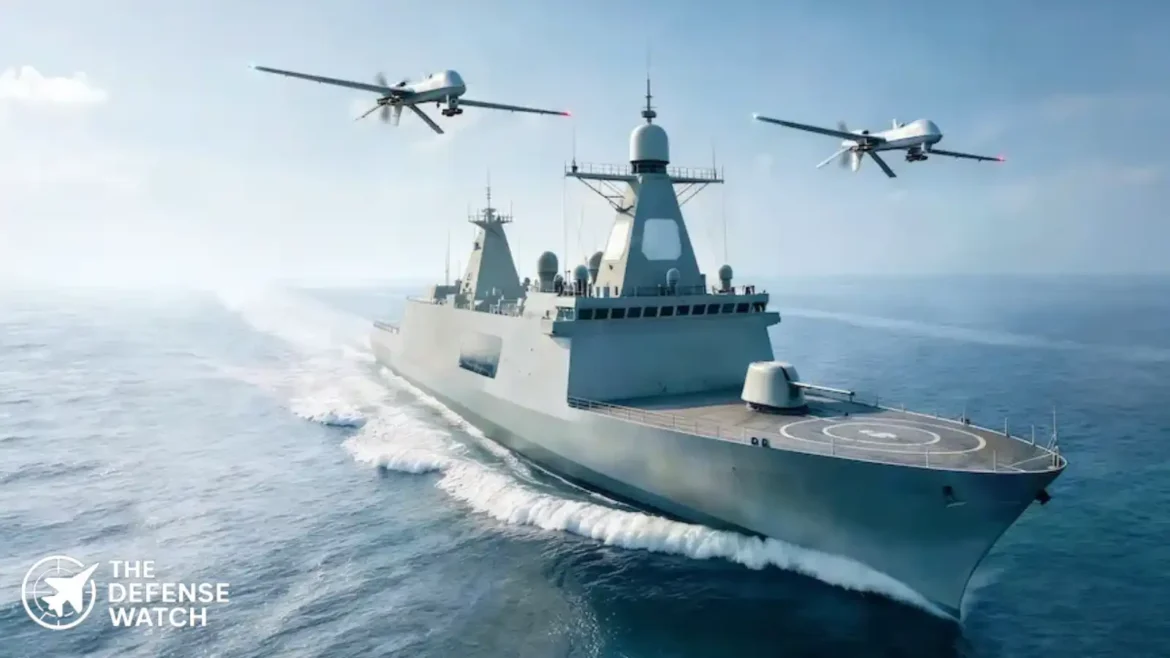
Indra is leading a new €42.5 million European Defence Fund program to develop a next-generation 4D multiband shipborne radar for future warships, a capability designed to counter evolving threats such as hypersonic missiles unmanned systems and swarming drones.
- The European Defence Fund is backing a €42.5 million program led by Indra to develop the first fully European 4D multiband naval radar. :contentReference[oaicite:0]{index=0}
- €29.4 million of the total comes from funding by the European Commission. :contentReference[oaicite:1]{index=1}
- The radar demonstrator will use a 4D Active Electronically Scanned Array capable of simultaneous multiband operation. :contentReference[oaicite:2]{index=2}
- The system is intended to improve air and surface surveillance, tracking, and electronic protection. :contentReference[oaicite:3]{index=3}
- Spain’s navy supports the project, which aims at future interoperability across European fleets. :contentReference[oaicite:4]{index=4}
Europe’s push to build sovereign advanced sensor technology comes amid rising global demand for naval situational awareness and integrated combat systems.
Program Overview
Under the SHIMBAD (Shipborne MultiBand AESA Demonstrator) initiative Indra will head a multinational industrial consortium to design manufacture and validate a scalable radar prototype.
The radar’s Active Electronically Scanned Array architecture will operate across multiple frequency bands at once. This multiband approach aims to give a single sensor the ability to handle long-range air surveillance precision tracking and electronic protection functions that today often require multiple separate systems.
The European Commission is funding €29.4 million of the total budget with the remainder supplied by industry participants and supporting states.
Technical Goals and Capabilities
The radar demonstrator is being designed to:
- Detect and track airborne threats from drones and cruise missiles to high-speed hypersonic weapons.
- Improve littoral surveillance performance by reducing clutter and enhancing low-altitude tracking.
- Provide support for fire control and simultaneous engagement of multiple threats.
Indra describes the architecture as digital and modular intended to cover the full sensor chain from detection to engagement via one system. The company says demonstrations will be carried out in operational environments to validate performance.
Strategic Context
European navies face a widening threat spectrum from fast, low-observable unmanned systems to advanced missile threats requiring rapid and accurate detection and response. A multiband 4D radar can provide improved situational awareness and resilience against electronic interference.
By leading this program Indra strengthens its position in European radar technology having already participated in more than 90 EDF-backed research efforts and led 13 of them.
Spain’s navy has signaled support for SHIMBAD, framing it as central to shaping future operational requirements for European surface combatants.
Industrial and Operational Impacts
The SHIMBAD demonstrator is part of a broader push within the EU and its member states to reduce reliance on non-European sensor technology and bolster interoperability among allied fleets.
Indra’s leadership role also highlights Spain’s growing industrial footprint in high-end sensor and electronic warfare technology across air and naval domains.
Shorter development cycles and modular system design are expected to help future integration on a range of hull classes from larger combatants to smaller surface vessels.
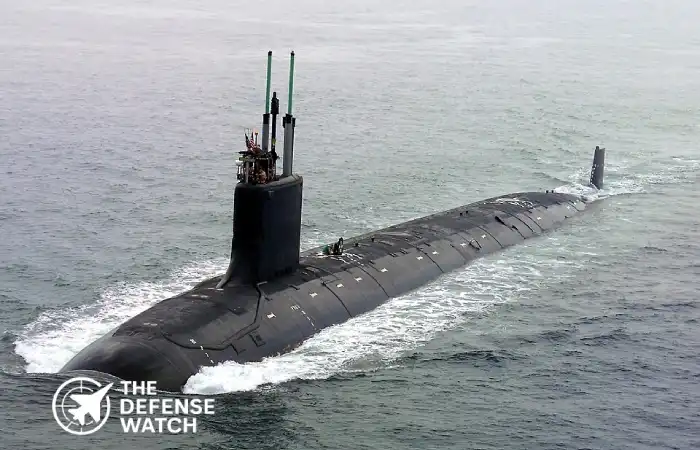
British Submarine Project Faces Mounting Pressure
The British submarine project has come under renewed scrutiny after a House of Commons Defence Committee report warned that the UK’s role in the AUKUS partnership could be undermined by delays, industrial bottlenecks, and limited submarine availability. The findings center on the future SSN-AUKUS attack submarine program, which is set to replace Britain’s Astute-class fleet and also support Australia’s future force.
- UK lawmakers say the British submarine project faces serious risks tied to SSN-AUKUS delivery.
- Delays at Barrow shipyard upgrades could damage UK national security and AUKUS credibility.
- Royal Navy Astute-class submarines are reportedly stretched to, or beyond, operational limits.
- Lawmakers also warned workforce, housing, transport, and infrastructure shortages threaten output.
- Britain plans up to 12 future attack submarines under its wider defense strategy.
The committee said a program of AUKUS’ size cannot be treated as just another defense initiative competing for scarce resources. It urged stronger leadership from the prime minister and senior ministers to prevent the effort from drifting into bureaucratic delay.
Barrow Shipyard Delays Raise Strategic Concerns
At the center of the warning is the expansion of BAE Systems facilities at Barrow-in-Furness, where SSN-AUKUS boats are expected to be built.
Lawmakers said timely investment decisions have already slipped. They warned further setbacks could delay submarine delivery with serious consequences for UK security and confidence among AUKUS partners, including the United States and Australia.
This matters because submarine production cannot be surged quickly. Nuclear submarine programs depend on long-lead materials, specialist labor, reactor integration, and certified infrastructure. Even modest delays today can push schedules years to the right.
Royal Navy Fleet Under Operational Strain
The report also highlighted pressure on the Royal Navy’s current attack submarine fleet. Britain’s Astute-class boats are expected to sustain domestic deterrence support, NATO missions, and increasing AUKUS commitments in the Indo-Pacific.
Lawmakers said the fleet has been stretched to, or even beyond, its limits. They called for faster infrastructure improvements at Devonport and Clyde naval bases to improve maintenance throughput and submarine readiness.
That warning reflects a broader challenge facing many Western navies. Building new submarines is only part of the equation. Keeping existing boats available through timely refits often determines real combat power.
Why This Matters For AUKUS
The AUKUS submarine pathway relies on three linked pillars: British industrial capacity, American transfer of Virginia-class submarines to Australia, and long-term joint production of SSN-AUKUS.
If one partner falls behind, pressure increases across the entire system.
For Britain, delays could affect fleet recapitalization timelines and weaken confidence in its ability to deliver one of the alliance’s most complex defense projects. For Australia, schedule slips could complicate transition planning as Canberra prepares to field nuclear-powered submarines later this decade and beyond.
Britain Plans Larger Future Submarine Force
The committee noted that Britain’s wider defense planning includes a future fleet of up to 12 nuclear-powered attack submarines, a significant expansion from the current force. That ambition would require sustained workforce growth, infrastructure spending, and predictable procurement funding.
In practical terms, the warning is less about program collapse and more about execution risk. Nuclear submarine fleets are built over decades, not election cycles. Without steady investment, schedule discipline, and skilled labor, even wealthy nations struggle to maintain momentum.
Outlook
The report sends a clear signal that the British submarine project remains strategically vital, but vulnerable to delay. With maritime competition rising in both the Euro-Atlantic and Indo-Pacific, London now faces pressure to prove it can turn political commitments into delivered submarines.

Subsea Attack Warning Highlights New Strategic Vulnerability
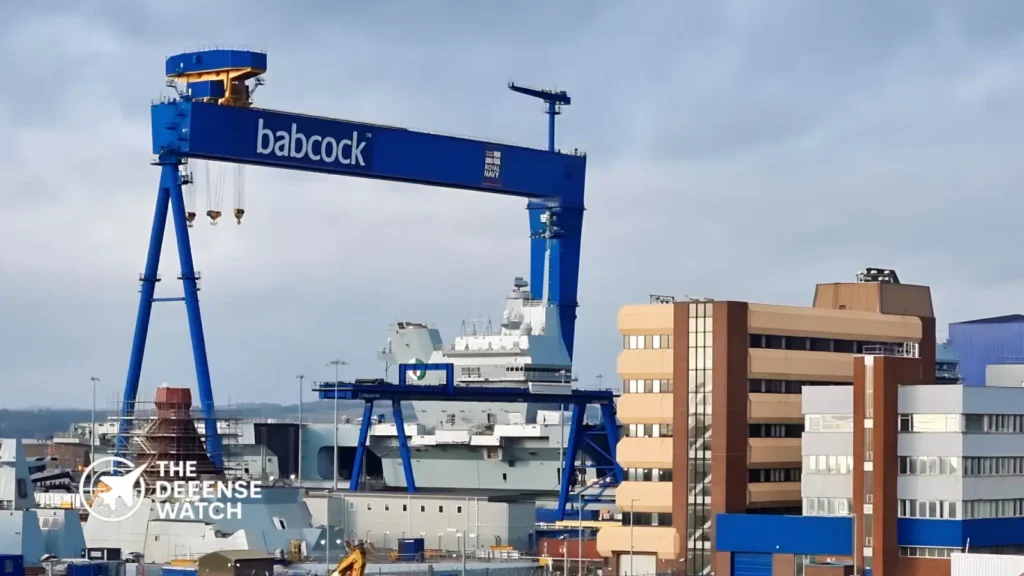
Subsea attack risks could inflict damage comparable to the Covid pandemic, according to warnings from defense contractor Babcock, underscoring growing concern over the vulnerability of undersea cables, pipelines, and offshore energy networks. The warning reflects a broader shift in Western defense planning, where seabed infrastructure is increasingly viewed as a frontline security challenge.
- Babcock says a major subsea attack could cause economic disruption comparable to the Covid pandemic.
- Undersea cables carry most global internet traffic and support finance, defense, and communications systems.
- NATO states are increasing patrols and surveillance around critical seabed infrastructure.
- Recent cable damage incidents in Europe have intensified calls for faster protection measures.
- Maritime resilience is becoming as important as traditional naval power.
The Big Picture
Critical underwater networks form the hidden backbone of the global economy. Submarine fiber optic cables reportedly carry the vast majority of international data traffic, while seabed pipelines and offshore power links support industrial output and household energy demand.
For decades, these systems were treated mainly as commercial assets. That is changing rapidly. Governments now recognize that sabotage, espionage, or disruption below the surface can create strategic effects without direct military confrontation.
The war in Ukraine, incidents in the Baltic Sea, and rising competition between NATO and Russia have accelerated this reassessment.
What’s Happening
According to the UK Defence Journal report, Babcock executives warned that a coordinated subsea attack could trigger widespread economic shock similar in scale to the disruption caused by Covid.
The company, a major British defense and engineering firm active in naval support, submarine sustainment, and maritime systems, has argued for stronger investment in monitoring and protecting underwater infrastructure.
The remarks come as European governments investigate multiple recent cable and pipeline incidents, some accidental and others considered suspicious.
Why It Matters
A successful subsea attack does not need to destroy many targets to have outsized effects.
Cutting a handful of high capacity communications cables can slow internet connectivity, disrupt banking transactions, degrade military command links, and delay cloud services. Damaging gas pipelines or electricity interconnectors can drive price spikes and stress national grids.
That makes undersea infrastructure an attractive target for states seeking leverage below the threshold of open conflict.
Unlike missile strikes, attribution can be slow and politically complex. Repair operations may also take days or weeks depending on location, weather, and spare vessel availability.
Strategic Implications
NATO members increasingly see maritime domain awareness as extending from the ocean surface to the seabed.
That means more patrol aircraft, unmanned underwater vehicles, seabed sensors, satellite tracking of suspicious vessels, and specialized repair capacity. Navies that once focused on carrier groups and submarines must now protect commercial networks spread across thousands of miles.
For the United States, this trend reinforces the importance of transatlantic cable resilience and North Atlantic sea lane security. Any disruption affecting Europe can also affect U.S. finance, military communications, and industrial supply chains.
Competitor View
Russia has long drawn scrutiny for specialized vessels and undersea capabilities that analysts say could be used for intelligence gathering or seabed operations. Moscow denies hostile intent, but NATO planners monitor such activity closely.
China is also expanding maritime reach, deep sea technology, and dual use oceanographic capabilities. Western officials increasingly assess undersea competition as a long term strategic arena rather than a temporary concern.
What To Watch Next
Several developments will shape the response:
- More NATO naval patrols near critical cable routes
- Faster multinational information sharing on suspicious vessel movements
- Growth in autonomous underwater surveillance systems
- Investment in cable redundancy and rapid repair fleets
- New legal frameworks for protecting seabed infrastructure
The UK and allies are also likely to deepen cooperation with private operators that own much of this infrastructure.
Capability Gap
Current defenses remain uneven. Many cable routes are remote, difficult to monitor continuously, and managed by commercial firms rather than militaries.
Even advanced navies cannot guard every mile of seabed infrastructure at all times. Detection, attribution, and repair timelines remain key weaknesses.
That gap explains why Babcock’s warning matters. It points to resilience, not just deterrence, as the next phase of maritime security planning.
The Bottom Line
Protecting underwater cables and pipelines is quickly becoming a core national defense mission because a major subsea attack could disrupt economies without a single missile being fired.
Germany P-8A Poseidon Arrives In Scotland For NATO Patrol Mission
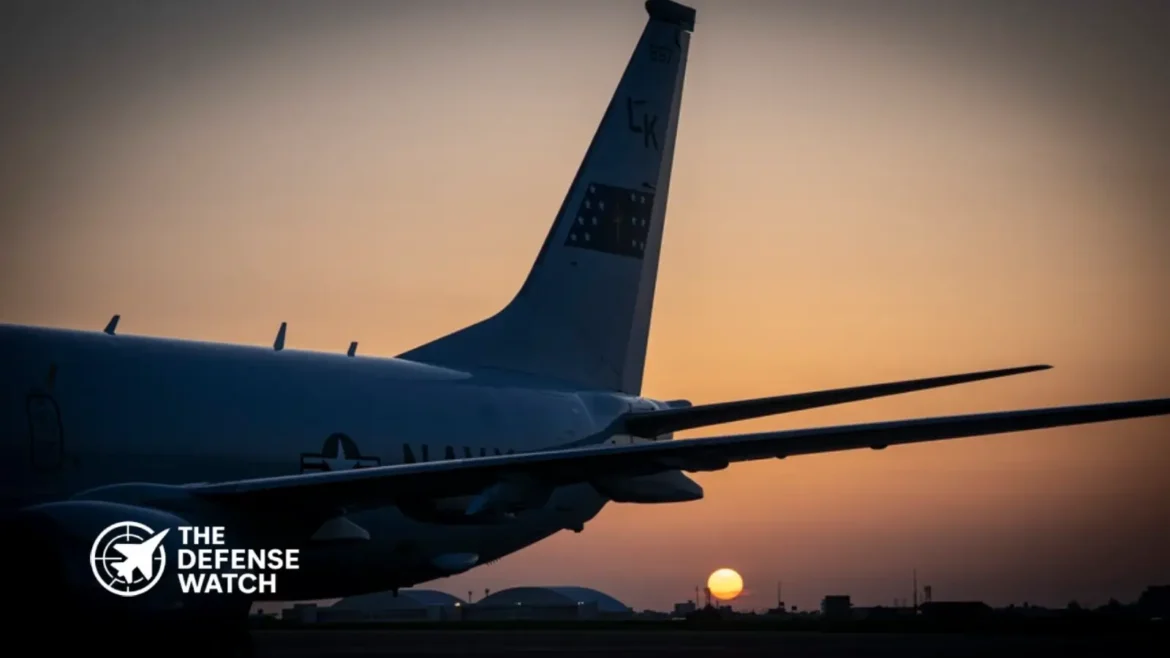
Germany P-8A Poseidon deployment to Scotland marks a notable step in Berlin’s expanding maritime security role inside NATO. Germany has sent one of its newly introduced Boeing P-8A Poseidon aircraft to Scotland to support operations aimed at tracking Russian submarine movements in the North Atlantic.
The deployment places German airpower in one of NATO’s most strategically sensitive maritime zones. Scotland hosts key Royal Air Force facilities and provides rapid access to northern waters where Russian submarines often transit between the Arctic, Norwegian Sea, and Atlantic approaches.
- Germany has deployed a P-8A Poseidon maritime patrol aircraft to Scotland for NATO surveillance operations.
- The mission is focused on monitoring increased Russian submarine activity in the North Atlantic and nearby sea lanes.
- Germany is acquiring eight Boeing P-8A Poseidon aircraft to replace its aging P-3C Orion fleet.
- Scotland remains a critical hub for anti-submarine warfare operations due to access to the GIUK gap.
- The deployment highlights deeper German integration into NATO maritime security operations.
For Germany, the mission also serves as an operational milestone for the P-8A fleet, which is gradually replacing the German Navy’s aging Lockheed P-3C Orion patrol aircraft.
Why Scotland Matters In Anti-Submarine Warfare
Scotland is central to NATO maritime defense because of its proximity to the Greenland-Iceland-United Kingdom corridor, commonly known as the GIUK gap. This chokepoint has long been vital for detecting and tracking submarines moving from Russian bases on the Kola Peninsula into the wider Atlantic.
By deploying the P-8A Poseidon there, Germany joins the United States, United Kingdom, Norway, and other allies already operating advanced maritime patrol aircraft in the region.
This matters because Russian submarine operations have grown more active in recent years. NATO commanders have repeatedly warned that quieter submarines armed with cruise missiles pose a serious challenge to sea lines of communication and allied naval movements.
What The P-8A Poseidon Brings
The P-8A Poseidon is one of the most capable maritime patrol aircraft in service today. Built by Boeing and based on the 737 airframe, it combines long endurance with modern sensors and networked warfare systems.
Core capabilities include:
- Advanced surface search radar
- Sonobuoy deployment for submarine detection
- Electronic surveillance systems
- Secure data links for NATO interoperability
- Anti-ship and anti-submarine weapons compatibility
- Long-range patrol endurance
Germany selected the aircraft to quickly close a capability gap after delays in broader European maritime patrol programs. That decision gave Berlin an immediate, proven platform already used by the United States Navy, Royal Air Force, Royal Norwegian Air Force, and others.
Strategic Signal From Berlin
The Germany P-8A Poseidon deployment is more than a routine training event. It signals that Berlin is taking a larger operational role in collective defense missions beyond continental land forces.
Historically, Germany’s naval aviation footprint has been more limited than some NATO peers. Sending a frontline maritime patrol aircraft to Scotland demonstrates willingness to contribute directly to undersea surveillance, an area increasingly important as Russia modernizes its submarine fleet.
It also strengthens burden-sharing inside the alliance. With multiple NATO members now flying the same aircraft type, crews can exchange tactics, maintenance support, and mission data more efficiently.
Russian Submarine Activity Remains A NATO Priority
Russian submarines remain among Moscow’s most survivable strategic assets. Nuclear-powered attack submarines and cruise missile platforms can threaten carrier groups, logistics shipping, and coastal infrastructure.
That makes persistent tracking missions essential. Maritime patrol aircraft like the P-8A are often the first layer of detection, cueing frigates, destroyers, helicopters, and submarines to investigate contacts.
Germany’s participation broadens NATO’s surveillance coverage at a time when alliance forces are stretched across the Baltic, Black Sea, Arctic, and Atlantic theaters.
Outlook
As Germany receives additional Poseidon aircraft, similar forward deployments are likely to become more common. The fleet gives Berlin a faster route into high-end maritime operations while improving NATO readiness.
For alliance planners, the arrival of another P-8A operator in Scotland means more aircraft available to monitor contested waters and respond quickly to submarine activity.
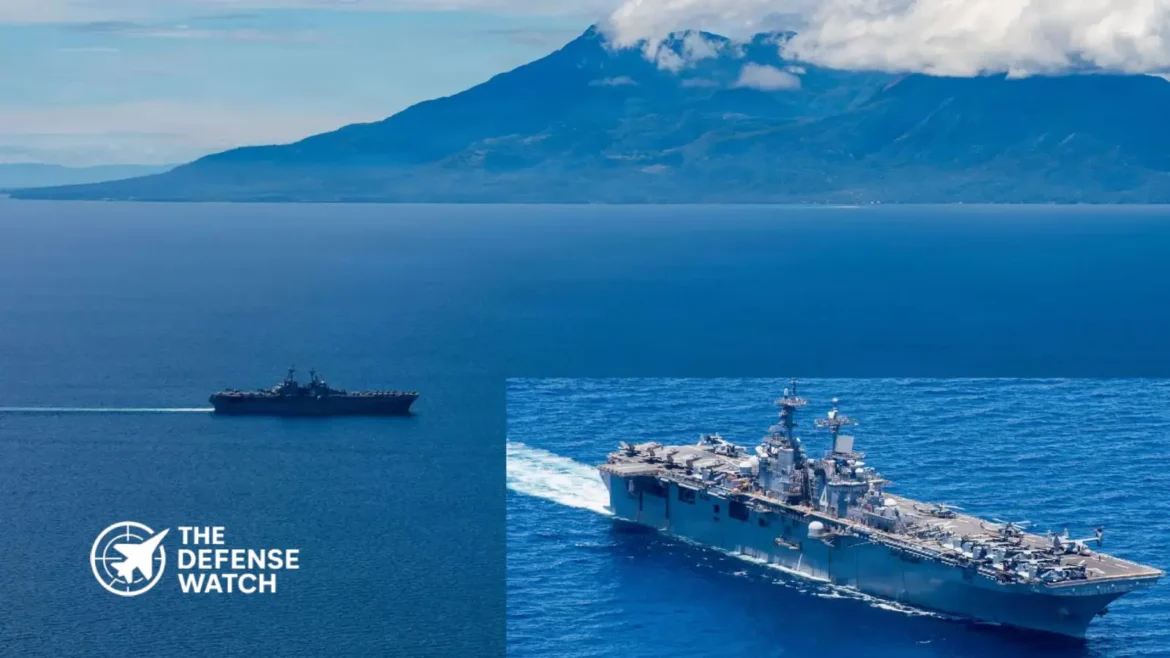
U.S. Navy Boxer Amphibious Group Strengthens Indo-Pacific Presence
The U.S. Navy Boxer Amphibious Group has entered the Surigao Strait, placing a Marine-led expeditionary force inside one of the Philippines’ most strategically important maritime passages. Newly released U.S. Navy imagery shows USS Boxer (LHD-4) transiting the strait on April 26 while underway with the 11th Marine Expeditionary Unit in the U.S. 7th Fleet area of operations.
- USS Boxer transited the Surigao Strait on April 26, 2026, according to U.S. Navy imagery.
- Boxer is flagship of the Boxer Amphibious Ready Group carrying the 11th Marine Expeditionary Unit.
- The formation is operating in the U.S. 7th Fleet area of responsibility.
- Surigao Strait is a strategic route linking the Philippine Sea and broader western Pacific approaches.
- Transit signals sustained U.S. expeditionary presence in contested Indo-Pacific waters.
The movement is operationally significant because Surigao Strait connects the Bohol Sea to the Leyte Gulf and wider Pacific approaches. For naval planners, access through these narrow waterways supports rapid maneuver, distributed force positioning, and response options across Southeast Asia.
Unlike a routine port call, a strait transit by an amphibious ready group demonstrates mobility, sea control access, and the ability to reposition Marines where needed without reliance on fixed bases.
Why Surigao Strait Matters Now
The Surigao Strait sits inside the Philippine archipelago, near sea lanes linking the South China Sea, Philippine Sea, and western Pacific. As regional tensions persist over maritime claims and military activity, chokepoints like this gain added value.
For the United States, operating through these waters supports several goals:
- Reinforcing alliance networks with the Philippines and regional partners
- Maintaining freedom of navigation access routes
- Preserving rapid crisis-response options
- Showing persistent presence without permanent escalation
This is increasingly relevant as Washington and Manila expand defense cooperation under the Enhanced Defense Cooperation Agreement framework and conduct larger bilateral exercises.
Boxer Amphibious Ready Group Combat Power
USS Boxer (LHD-4) is a large-deck amphibious assault ship capable of operating helicopters, MV-22 Osprey tiltrotors, and F-35B short takeoff fighters. It also supports Marine landing forces, command operations, and logistics support.
Embarked forces include the 11th Marine Expeditionary Unit, one of the Marine Corps’ forward-deployed crisis response formations. A MEU typically combines infantry, aviation, logistics, and command elements able to conduct:
- Amphibious raids
- Noncombatant evacuation operations
- Humanitarian assistance
- Maritime security missions
- Limited combat operations
That mix gives the U.S. Navy Boxer Amphibious Group flexibility across peacetime competition and conflict scenarios.
Strategic Analysis
About 30 percent of this story is best understood through context rather than the photo itself. Naval transits often communicate intent without formal statements. In this case, moving Boxer through Surigao Strait sends three quiet messages.
First, U.S. forces can shift quickly through allied geography.
Second, amphibious forces remain central to Indo-Pacific deterrence because they are mobile and hard to predict.
Third, Washington is signaling that regional waterways remain open to partner operations despite growing military competition.
Unlike carrier strike groups built around air power, amphibious groups combine aviation with landing forces. That makes them useful for gray-zone crises, disaster relief, island reinforcement, or rapid response short of major war.
What Comes Next
The Boxer group will likely continue presence operations, training events, and interoperability activity across the U.S. 7th Fleet theater. Such deployments are now a regular part of U.S. force posture, especially as the Pentagon emphasizes distributed maritime operations and expeditionary basing concepts.
For allies and competitors alike, the message is straightforward: the U.S. Navy Boxer Amphibious Group remains active, mobile, and ready in the Indo-Pacific.
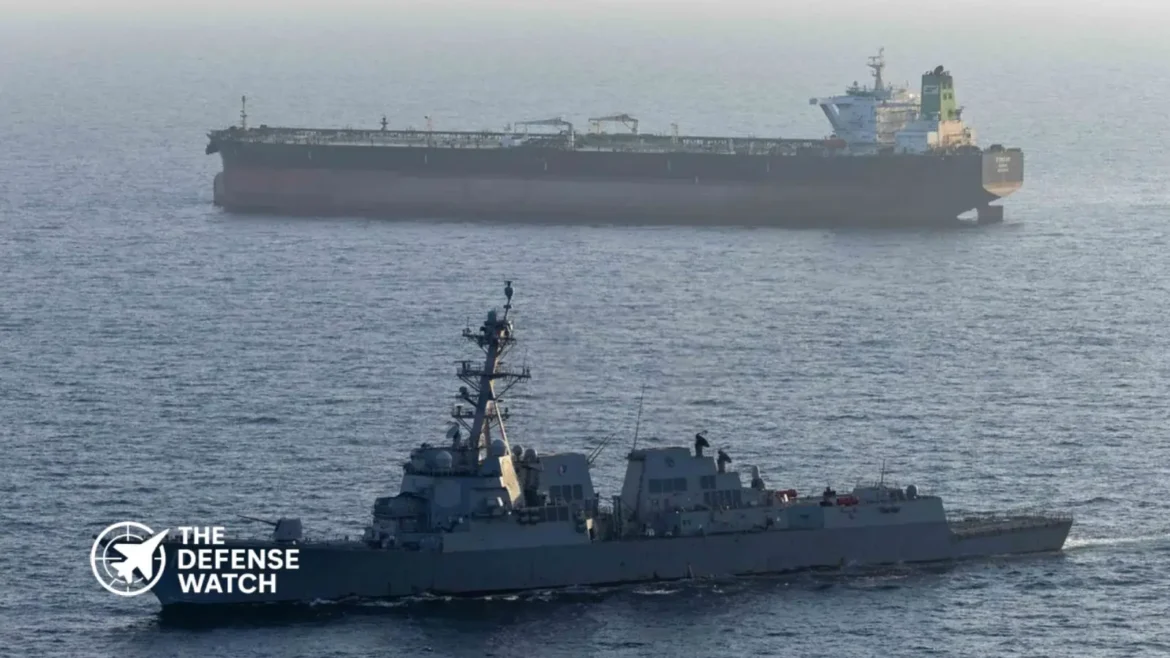
U.S. Navy Iranian Tanker Interception Signals Broader Maritime Pressure
The U.S. Navy Iranian tanker interception in the Arabian Sea marks the latest escalation in Washington’s campaign to restrict Iranian maritime commerce. According to statements cited by multiple outlets, USS Rafael Peralta intercepted the Iranian flagged tanker M/T Stream after it allegedly attempted to sail toward an Iranian port.
- U.S. Central Command said USS Rafael Peralta intercepted Iranian flagged tanker M/T Stream on April 26.
- The vessel was reportedly attempting to sail toward an Iranian port when challenged in the Arabian Sea.
- The action forms part of a wider U.S. maritime blockade targeting Iranian port traffic and energy exports.
- Recent U.S. statements say dozens of vessels have been redirected since enforcement began.
- The Arabian Sea operation raises fresh concerns over regional shipping security and oil flows.
U.S. officials said the destroyer was enforcing a blockade covering Iranian ports and associated maritime approaches. While detailed operational rules have not been publicly released, the move indicates a sustained U.S. naval presence east of the Strait of Hormuz and into the Arabian Sea.
Why The Arabian Sea Matters
The Arabian Sea is a critical extension of Gulf energy routes. Tankers departing or approaching the Gulf often transit waters linked to the Strait of Hormuz, one of the world’s most important oil chokepoints. By operating farther from the narrow strait itself, U.S. forces may be seeking greater maneuver space while reducing congestion and escalation risk.
That geography matters. Intercepting vessels in broader sea lanes gives naval commanders more room for surveillance, helicopter operations, and boarding actions than inside tighter Gulf waters.
U.S. Naval Assets Driving Enforcement
The reported use of USS Rafael Peralta highlights the flexibility of the Arleigh Burke-class fleet. These destroyers combine advanced radar, helicopters, command systems, and boarding support capabilities, making them suitable for maritime interdiction missions as well as air and missile defense.
Previous U.S. statements have also referenced multiple warships and aircraft supporting the blockade effort, suggesting a layered network of surface ships, ISR aircraft, and logistics support.
Strategic Impact On Iran And Global Shipping
The immediate objective appears economic. Iranian crude exports remain a major source of state revenue, and pressure on tanker traffic could affect cash flow, insurance costs, and shipping confidence.
However, the broader market impact may depend on duration and scale. If enforcement remains selective, oil markets may absorb disruption. If incidents expand or shipping risk rises near the Strait of Hormuz, freight rates and crude prices could react sharply.
That is why each interception carries weight beyond the single vessel involved.
Regional Risk Calculus
For Washington, the operation demonstrates naval reach without immediate strikes ashore. For Tehran, it increases pressure to respond diplomatically, economically, or through maritime signaling.
The danger is miscalculation. Encounters involving commercial tankers, escorts, helicopters, and warships can escalate quickly if communications fail or vessels resist orders.
Outlook
The U.S. Navy Iranian tanker interception suggests maritime enforcement is becoming a central tool in current U.S. pressure policy. If additional tankers are diverted in coming days, the Arabian Sea could become the main operational zone for enforcing sanctions and shaping regional trade flows.
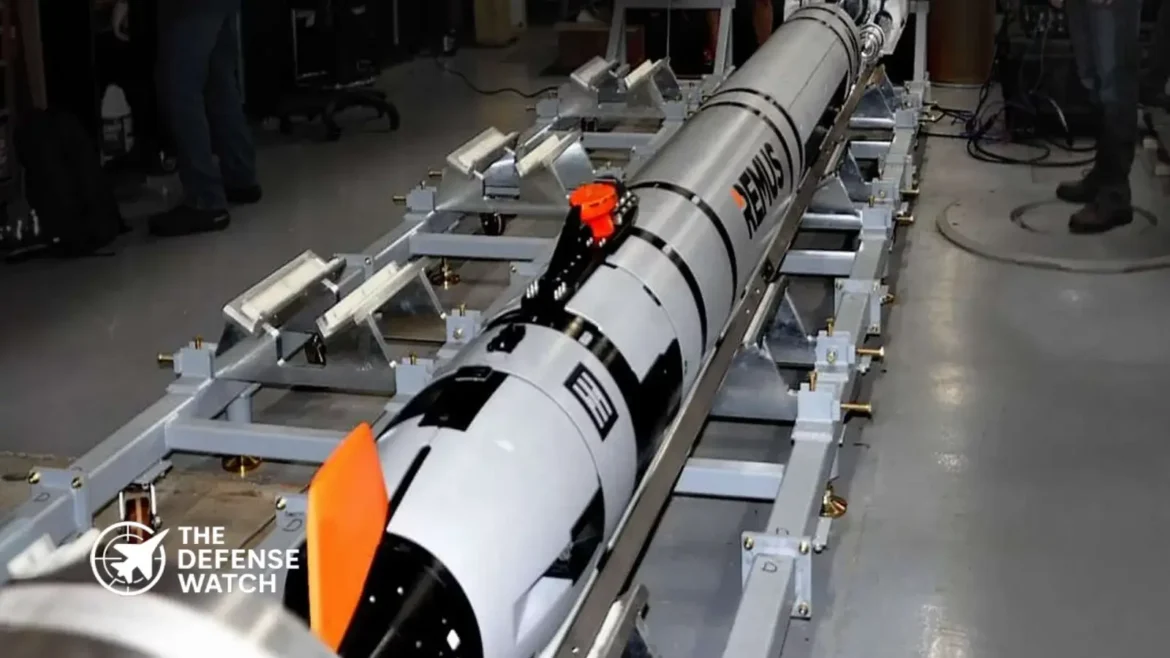
HII Torpedo Tube UUV Launch System Advances U.S. Navy Submarine Reach
The U.S. Navy UUV launch system effort moved forward this week after HII announced it had secured a contract from the Defense Innovation Unit to deliver a Torpedo Tube Launch and Recovery (TTLR) system for Navy submarines. The capability is designed to autonomously deploy and recover HII REMUS unmanned underwater vehicles directly through standard submarine torpedo tubes.
- HII has received a Defense Innovation Unit contract to provide the U.S. Navy with a Torpedo Tube Launch and Recovery system.
- The system enables submarines to autonomously deploy and recover REMUS unmanned underwater vehicles through torpedo tubes.
- Capability supports intelligence, surveillance, reconnaissance, mine countermeasures, and seabed warfare missions.
- Contract follows successful 2025 launch and recovery trials aboard USS Delaware, a Virginia-class submarine.
- Program strengthens U.S. Navy manned-unmanned teaming in contested undersea environments.
The award reflects a broader Pentagon push to give submarines more mission options without increasing crew exposure or requiring boats to surface. In practical terms, the TTLR system could let attack submarines conduct reconnaissance, route surveys, mine detection, and seabed monitoring while preserving stealth.
Why The Contract Matters Now
Submarines remain among the U.S. military’s most survivable assets, but their numbers are limited and global demand is rising. Adding autonomous systems can multiply what each submarine can do on patrol.
That matters most in contested areas such as the Indo-Pacific, North Atlantic, and chokepoints where adversaries are expanding anti-access and area-denial networks. Instead of moving a submarine directly into risk, commanders could send a smaller unmanned vehicle ahead to map waters, inspect infrastructure, or search for mines.
This contract therefore is not just about hardware. It is about extending submarine presence without exposing a strategic platform unnecessarily.
Proven In Real-World Testing
The deal follows operational milestones achieved in 2025. According to HII, the USS Delaware (SSN-791) completed three fully autonomous launch and recovery sorties of a REMUS 600 vehicle through a torpedo tube during an overseas deployment. Additional recovery testing was later conducted at Seneca Lake, New York.
Those tests are significant because recovery is often harder than launch. Returning an unmanned vehicle safely into a moving submarine’s torpedo tube requires precise navigation, timing, and reliable control systems.
ISR, Mine Warfare, And Seabed Security
The new submarine torpedo tube UUV capability supports several missions increasingly central to naval competition:
- Intelligence, surveillance, and reconnaissance (ISR)
- Mine countermeasures in denied waters
- Hydrographic and route surveys
- Inspection of undersea cables or seabed infrastructure
- Pre-strike battlespace preparation
These missions have become more urgent as global navies focus on protecting underwater infrastructure and securing maritime supply routes.
Competitive Pressure In Undersea Warfare
China and Russia continue investing in submarines, seabed sensors, autonomous systems, and long-range maritime surveillance. The U.S. response increasingly centers on distributed, networked capabilities rather than relying only on larger platforms.
That makes the HII TTLR contract strategically relevant. Instead of waiting years for new submarine hulls, the Navy can increase capability by upgrading boats already in service.
For defense planners, that is a faster and often cheaper path to operational advantage.
Industry Positioning
HII said it has delivered more than 750 REMUS vehicles to over 30 countries and remains one of the two builders of U.S. nuclear-powered submarines. The company’s experience in both crewed and uncrewed maritime systems likely strengthened its position for this award.
Bottom Line
The U.S. Navy UUV launch system contract signals that undersea warfare is shifting toward mixed fleets of submarines and autonomous vehicles. If fielded at scale, torpedo tube-launched drones could give U.S. submarines longer reach, better situational awareness, and safer access to contested waters.
That combination may become essential in any future maritime conflict.