

Executive Summary:
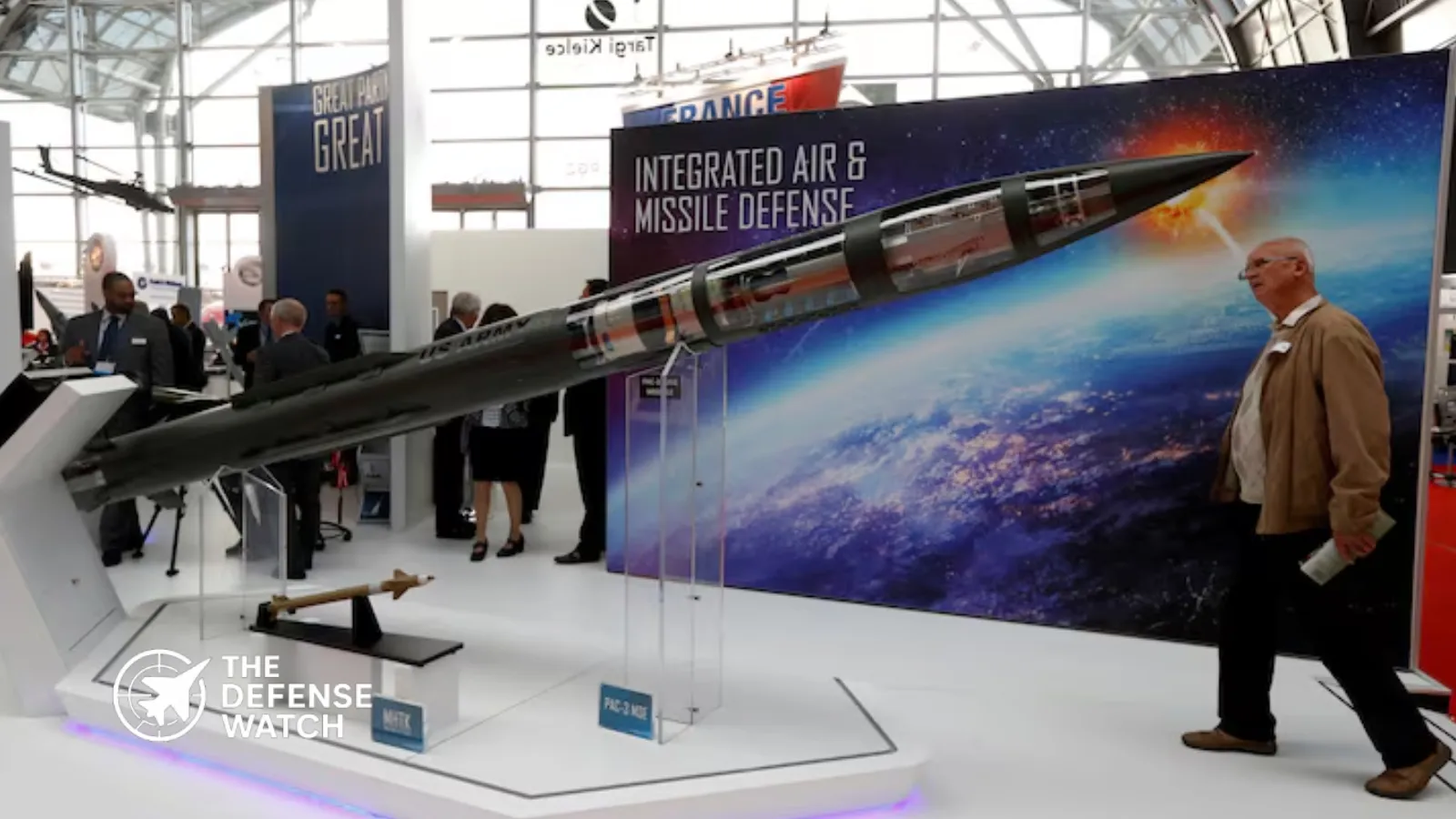
Lockheed Martin has announced a new lower cost Patriot interceptor, the PAC-3 Adapted Capability Effector (ACE), at the Farnborough International Airshow on July 20, 2026. The company says the missile will cost less than half the price of the current PAC-3 MSE interceptor, aiming to expand production capacity and help allied militaries counter growing missile and drone threats while rebuilding depleted inventories.
Lockheed Martin Introduces Lower Cost Patriot Interceptor
Lockheed Martin has unveiled the PAC-3 Adapted Capability Effector (ACE), a new Patriot interceptor designed to provide a more affordable option for defending against missiles and drones. The announcement was made during the 2026 Farnborough International Airshow, where defense manufacturers are showcasing systems intended to meet rapidly growing global demand for integrated air and missile defense.
According to Lockheed Martin, the new interceptor is expected to cost less than half the price of today’s PAC-3 Missile Segment Enhancement (MSE), which U.S. Army budget documents place at roughly $4 million per interceptor. Initial production is targeted within 36 months, with manufacturing planned alongside U.S. and European industrial partners.
Why Lockheed Is Developing The PAC-3 ACE
Demand for Patriot interceptors has increased sharply since Russia’s full scale invasion of Ukraine, while missile attacks across Europe and the Middle East have highlighted the importance of layered air defense.
Patriot batteries have become one of the world’s most sought after air defense systems because they are capable of intercepting ballistic missiles, cruise missiles, and advanced aerial threats. However, the high cost of each interceptor has created concerns about sustainability during prolonged conflicts involving large numbers of incoming targets.
Lockheed Martin President of Missiles and Fire Control Tim Cahill said allied forces need an interceptor that is both combat proven and affordable enough to procure in larger quantities.
PAC-3 ACE At A Glance
Feature PAC-3 ACE Developer Lockheed Martin System Compatibility Patriot Air and Missile Defense System Intended Cost Less than half the price of PAC-3 MSE Current PAC-3 MSE Cost Approximately $4 million per interceptor Planned Production Within 36 months Manufacturing U.S. and European industrial partners Primary Mission Counter ballistic missiles, cruise missiles and other aerial threats Specifications are based on information released by Lockheed Martin and reporting available on July 20, 2026.
Addressing A Cost Challenge In Modern Air Defense
The announcement reflects a broader shift in missile defense procurement.
Recent conflicts have demonstrated that defending against relatively inexpensive drones and cruise missiles with premium interceptors can quickly exhaust stockpiles and strain defense budgets. Military planners increasingly seek lower cost interceptors that can preserve advanced missiles for the highest priority threats while maintaining sufficient inventory for sustained operations.
The PAC-3 ACE appears intended to support this approach by reducing procurement costs without requiring operators to replace existing Patriot launchers or command infrastructure. If successful, it could enable nations already operating Patriot systems to purchase significantly larger interceptor inventories within existing defense budgets.
Strategic Importance For The United States And NATO
The timing of the announcement is notable.
European governments continue expanding defense spending while seeking to strengthen domestic industrial capacity following years of elevated demand created by the war in Ukraine. Lockheed’s decision to develop the interceptor with European manufacturing partners aligns with broader efforts to increase production resilience and shorten supply chains across allied nations.
For the United States, expanding interceptor production also supports broader missile defense objectives across Europe, the Indo Pacific, and the Middle East, where Patriot systems remain central to protecting military bases, critical infrastructure, and population centers.
Technical And Industrial Implications
Although Lockheed Martin has not disclosed detailed technical differences between the PAC-3 ACE and the PAC-3 MSE, the emphasis appears to be on manufacturing efficiency rather than introducing an entirely new missile architecture.
Reducing production costs while maintaining compatibility with the Patriot ecosystem could simplify logistics, accelerate deliveries, and reduce training requirements for existing operators. This approach may also allow the company to compete more effectively with emerging defense firms developing lower cost interceptors and counter drone systems.
The challenge will be balancing affordability with the high reliability required for intercepting fast moving ballistic and cruise missile threats, where failure rates carry significant operational consequences.
What Comes Next
Lockheed Martin expects initial production of the PAC-3 ACE within approximately three years, subject to customer demand and program execution. The company has not announced launch customers or procurement quantities.
If development proceeds as planned, the PAC-3 ACE could become an important addition to the Patriot family by offering allied militaries a more economical interceptor while helping rebuild missile defense inventories that have been heavily consumed in recent conflicts.

Executive Summary:
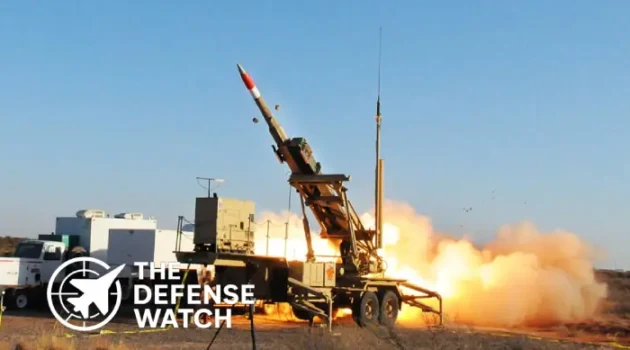
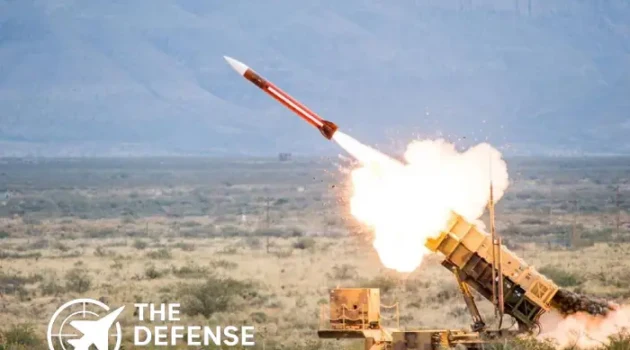
European missile manufacturer MBDA has unveiled the Counter Mass Interceptor at the 2026 Farnborough International Airshow, introducing a new air defense weapon designed specifically to defeat large numbers of low cost drones. The program aims to provide European and NATO militaries with a more affordable response to saturation attacks while reducing dependence on non European interceptor systems.
MBDA Unveils Counter Mass Interceptor To Address Drone Swarm Threats
European missile manufacturer MBDA has introduced its new Counter Mass Interceptor, a missile designed to counter large scale drone attacks that have become a defining feature of modern conflicts. The system was unveiled during the Farnborough International Airshow on July 20, reflecting growing demand for affordable air defense solutions after extensive drone warfare in Ukraine and the Middle East.
According to MBDA, the new interceptor is intended to give European armed forces and NATO members a sovereign capability against saturation attacks, reducing reliance on foreign systems for defending critical military and civilian infrastructure.
Designed For The Economics Of Modern Air Defense
One of the principal challenges facing militaries today is the imbalance between the cost of attacking drones and the price of intercepting them.
Relatively inexpensive one way attack drones and loitering munitions can force defenders to expend missiles worth many times more than the incoming threat. This cost imbalance has become increasingly apparent during Russia’s extensive use of Shahed drones against Ukraine and the widespread employment of unmanned systems across the Middle East.
MBDA says the Counter Mass Interceptor is specifically intended to address this problem by providing a lower cost interceptor that can be manufactured at high volume.
Initial Capability Focuses On Small Drones
The first version of the Counter Mass Interceptor will focus primarily on defeating smaller unmanned aerial systems.
MBDA also outlined plans for a second interceptor variant with greater range and broader mission capability. That future version is expected to engage:
- Small and medium drones
- Rockets
- Glide bombs
- Subsonic cruise missiles
The future interceptor is also expected to provide all weather operational capability, expanding its usefulness across multiple operational environments.
Program Overview
| Feature | Details |
|---|---|
| System | Counter Mass Interceptor |
| Manufacturer | MBDA |
| Primary Mission | Counter mass drone attacks |
| Initial Targets | Small drones |
| Future Targets | Drones, rockets, glide bombs, subsonic missiles |
| Expected Initial Availability | 2028 |
| Production Strategy | Existing factories and adapted industrial production lines |
Production Strategy Prioritizes Scale
Unlike traditional missile production programs that emphasize relatively low production volumes, MBDA says the Counter Mass Interceptor has been designed around scalable manufacturing.
Company officials stated that production could occur either within MBDA facilities or through industrial partners using existing manufacturing infrastructure and repurposed production lines. The company described its objective as moving closer to an automotive style manufacturing model capable of producing interceptors at significantly higher rates than conventional missile programs.
The program is currently led by MBDA’s United Kingdom team, although later development phases are expected to transition to French leadership.
MBDA expects the initial operational version to become available in 2028.
Why The Program Matters
The Counter Mass Interceptor reflects a broader shift in air defense doctrine.
For decades, integrated air defense systems were optimized to defeat high value threats such as combat aircraft, cruise missiles, and ballistic missiles. Recent conflicts have demonstrated that inexpensive drones launched in large numbers can overwhelm sophisticated defenses through sheer volume rather than advanced performance.
This changing threat environment is forcing militaries to rethink procurement priorities. Air defense is no longer judged solely by interception probability. Cost per engagement, ammunition stockpiles, production capacity, and reload rates have become equally important operational considerations.
The United States has addressed similar challenges by expanding the use of systems such as the Advanced Precision Kill Weapon System (APKWS) alongside other layered counter UAS capabilities. MBDA’s new interceptor seeks to provide Europe with a comparable sovereign solution tailored for NATO requirements.
Broader European Air Defense Modernization
The Counter Mass Interceptor also fits within a wider European effort to strengthen indigenous missile defense capabilities.
Earlier this month, several major European defense companies announced the Bliksem EXO Consortium to develop a sovereign exo atmospheric interceptor capable of defeating medium and intermediate range ballistic missiles. Together, these initiatives illustrate Europe’s effort to expand both lower layer and upper layer air defense capabilities while reducing dependence on external suppliers.
Rather than replacing existing missile defense systems, the Counter Mass Interceptor is expected to complement them by providing a dedicated solution for defeating inexpensive aerial threats before higher cost interceptors become necessary.
Outlook
As unmanned systems continue to reshape battlefield operations, demand for affordable interceptors is likely to increase across NATO and allied militaries.
If MBDA achieves its production goals and planned 2028 introduction, the Counter Mass Interceptor could become an important component of Europe’s layered air defense architecture. Its emphasis on scalable manufacturing, lower engagement costs, and protection against saturation attacks addresses operational lessons emerging from today’s most active conflict zones while supporting longer term modernization efforts across the alliance.
Executive Summary:
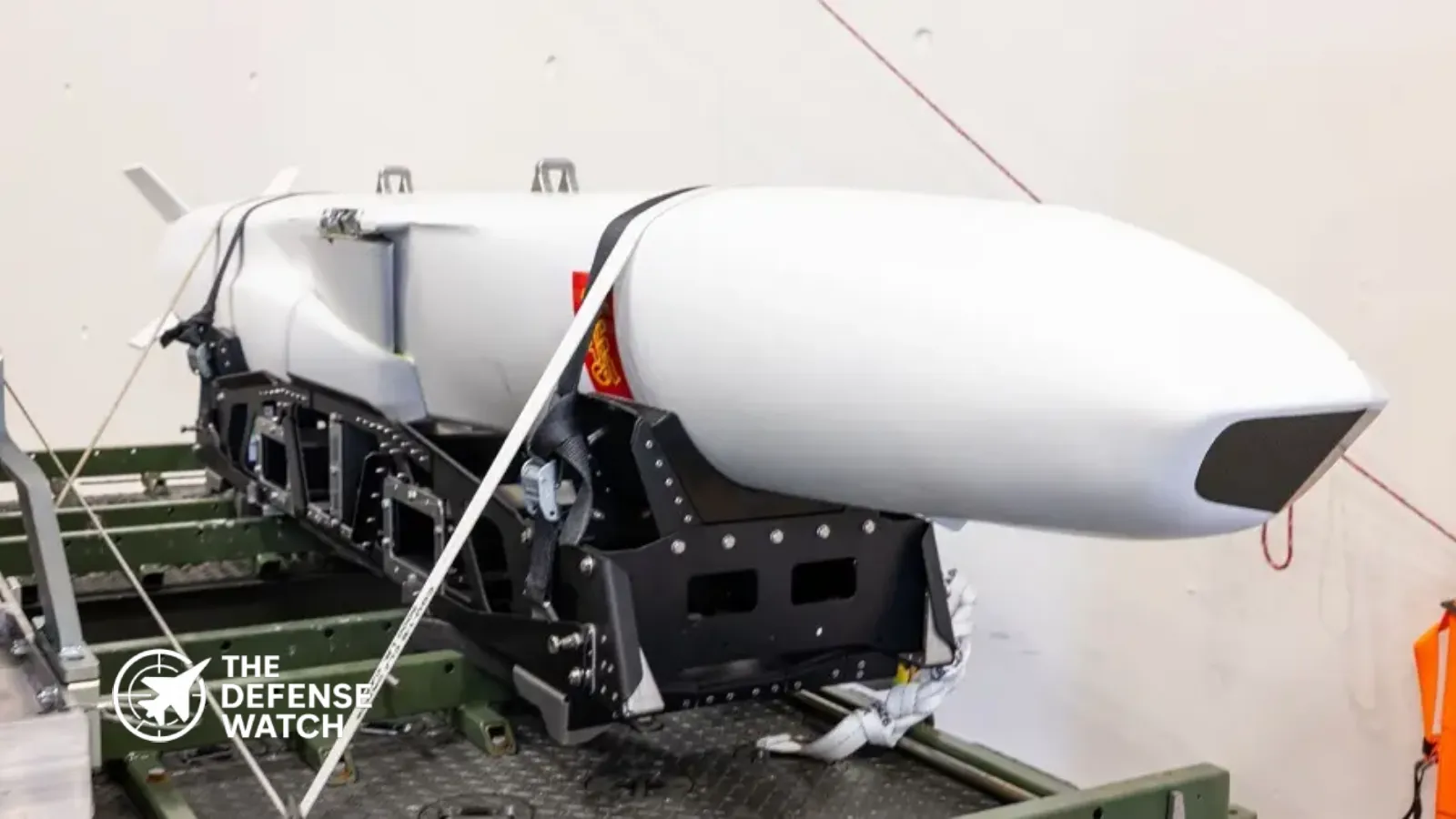
Kongsberg has secured an approximately $100 million contract to deliver additional Joint Strike Missiles (JSM) to the U.S. Air Force. Deliveries will continue through June 2030, expanding the USAF’s inventory of stealth compatible precision strike weapons designed for the F-35A Lightning II.
Kongsberg Wins New U.S. Air Force Joint Strike Missile Contract
Kongsberg has received another Joint Strike Missile (JSM) production contract from the U.S. Air Force, reinforcing the growing role of the Norwegian-developed weapon in America’s fifth generation air combat capability. The company announced the agreement on July 16, stating the contract is valued at approximately $100 million, with deliveries scheduled for completion by the end of June 2030.
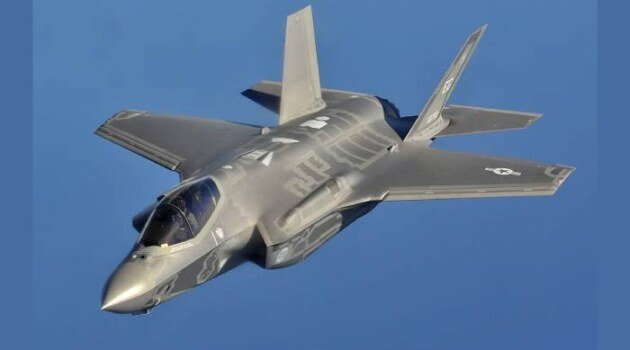
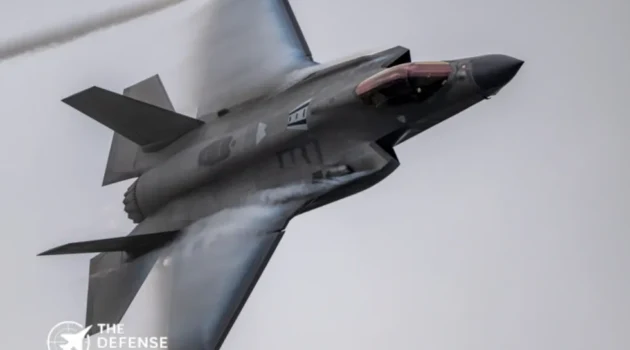
The award represents the latest step in the Air Force’s continuing procurement of the JSM as it expands operational strike options for the F-35A Lightning II fleet. The missile is specifically engineered to fit inside the aircraft’s internal weapons bay, allowing the fighter to preserve its low observable characteristics while carrying a long range precision weapon.
A Missile Designed Around The F-35
Unlike many legacy air launched weapons that require external carriage, the Joint Strike Missile was designed from the outset to integrate with the F-35’s internal weapons bays.
This capability enables the aircraft to maintain its stealth profile during missions while retaining the ability to strike heavily defended land and maritime targets at stand off ranges.
According to Kongsberg, the missile incorporates:
Capability Details Platform F-35A Lightning II Mission Land attack and anti-surface warfare Length Approximately 4 meters Weight Approximately 416 kg Range More than 350 km Guidance Passive sensors, GPS/INS, terrain following, autonomous target recognition Flight Profile High subsonic with terminal maneuver capability The JSM is derived from the combat proven Naval Strike Missile (NSM) family but incorporates significant modifications for air launch operations, including redesigned aerodynamics, internal carriage compatibility, and advanced mission planning capabilities.
Contract Continues A Growing U.S. Procurement Program
The latest award follows several previous U.S. Air Force contracts for JSM production.
In 2024, the Air Force signed an initial undefinitized contract action valued at up to $141 million for the first production lot. Subsequent production awards have steadily expanded procurement as the missile progresses toward broader operational fielding across the USAF F-35A fleet.
Although Kongsberg has not disclosed the number of missiles included in the newest order, the contract extends production through mid 2030, providing longer term manufacturing stability while supporting continued fleet integration.
Strategic Importance For U.S. Air Power
The significance of the contract extends well beyond its dollar value.
Modern air operations increasingly depend on weapons that allow aircraft to engage high value targets without entering heavily defended airspace. As integrated air defense systems continue to improve worldwide, stand off precision weapons have become central to U.S. operational planning.
The Joint Strike Missile addresses this requirement by combining several important attributes:
- Internal carriage for stealth aircraft
- Long range precision engagement
- Capability against both maritime and land targets
- Autonomous navigation and target recognition
- Reduced radar signature throughout flight
For the U.S. Air Force, these characteristics provide commanders with greater flexibility during operations in highly contested environments, particularly across the Indo-Pacific and other regions where advanced air defenses present increasing challenges.
Expanding International User Base
The missile’s international adoption also strengthens interoperability among F-35 operators.
According to Kongsberg, the Joint Strike Missile has now been selected by:
- United States
- Australia
- Canada
- Germany
- Japan
- Norway
A growing common inventory allows allied air forces to simplify logistics, training, mission planning, and coalition operations while benefiting from shared sustainment and future upgrades.
Why The New Contract Matters
From a broader modernization perspective, the contract highlights several important defense trends.
First, the United States continues investing in precision stand off munitions capable of operating alongside fifth generation aircraft rather than relying solely on legacy weapons adapted for stealth platforms.
Second, the award reflects the increasingly multinational nature of advanced weapons procurement. The JSM originated in Norway but has become an important capability for multiple allied F-35 operators, demonstrating how collaborative defense development can accelerate capability delivery.
Finally, extending deliveries through 2030 provides industry with greater production predictability at a time when NATO members and Indo-Pacific allies are expanding purchases of precision guided munitions amid rising global demand.
While the contract itself is relatively modest compared with major aircraft procurement programs, it contributes directly to sustaining the long range strike inventory that underpins future F-35 operations for both the United States and allied air forces.

Executive Summary:
The United Kingdom has delivered the first British made artillery barrel forgings to Ukraine under a £61 million Ministry of Defence contract led by BAE Systems. The milestone restores a manufacturing capability absent from Britain for nearly two decades while supporting Ukraine’s long term artillery sustainment and strengthening the UK’s sovereign defense industrial base.
First British Made Artillery Barrels Delivered To Ukraine Mark Revival Of UK Manufacturing
The first British made artillery barrels destined for Ukraine have begun shipping under a £61 million program managed by BAE Systems on behalf of the UK Ministry of Defence. Announced on July 15, 2026, the deliveries represent the first production of forged artillery barrels in the United Kingdom in almost twenty years, signaling the return of a strategically important industrial capability.
The initial shipment consists of four development barrel forgings that will enable Ukrainian manufacturers to validate machining, finishing, and integration processes before larger scale production begins. The broader contract calls for the delivery of 150 barrel forgings, including both 105mm and 155mm variants used by NATO-standard artillery systems.
UK Restores A Critical Sovereign Defense Capability
Production is centered at Sheffield Forgemasters, working alongside BAE Systems and more than 60 suppliers across the United Kingdom.
According to the UK Ministry of Defence, the restart of artillery barrel production restores an industrial capability that had effectively disappeared after previous domestic production lines closed. The government says the initiative strengthens national resilience while supporting Ukraine’s ability to sustain artillery operations over the long term.
The contract follows UK investments in rebuilding heavy manufacturing capacity, including significant modernization at Sheffield Forgemasters and BAE Systems’ new £25 million artillery production facility in Sheffield.
Program Overview
| Item | Details |
|---|---|
| Contract Value | £61 million |
| Prime Contractor | BAE Systems |
| Manufacturing Partner | Sheffield Forgemasters |
| Barrel Types | 105mm and 155mm |
| Total Planned Deliveries | 150 barrel forgings |
| Initial Shipment | Four development barrels |
| UK Supply Chain | More than 60 companies |
Why Artillery Barrels Matter
Unlike complete howitzers, artillery barrels are consumable components.
Repeated firing subjects barrels to extremely high temperatures and pressures, gradually reducing accuracy and eventually requiring replacement. During high intensity warfare, such as the conflict in Ukraine, barrel wear has become a major logistical challenge as guns fire thousands of rounds over relatively short periods.
Producing replacement barrels domestically allows Ukraine to maintain existing artillery fleets without depending entirely on overseas manufacturing capacity. The first British deliveries are intended to establish a production pipeline that Ukrainian industry can integrate into its own manufacturing process.
Industrial Benefits Extend Beyond Ukraine
The program is also designed to rebuild Britain’s own heavy defense manufacturing sector.
Government officials say the production effort supports hundreds of skilled manufacturing jobs while reinforcing sovereign capabilities that could prove essential during future crises. Sheffield Forgemasters, now owned by the Ministry of Defence, continues expanding its facilities through a broader recapitalization program valued at approximately £1.3 billion.
BAE Systems’ recently opened Sheffield artillery manufacturing facility adds further capacity and is expected to support around 100 highly skilled engineering and manufacturing positions.
Analysis: A Broader Shift In NATO Defense Industrial Strategy
The delivery of these barrel forgings reflects more than military assistance for Ukraine. It illustrates a wider shift across NATO toward rebuilding industrial capabilities that had diminished during decades of lower defense spending.
The war in Ukraine has demonstrated that modern conflicts consume ammunition and artillery components at rates far exceeding many Western planning assumptions. While attention often focuses on ammunition production, replacement barrels represent another critical bottleneck because artillery systems cannot maintain effectiveness indefinitely without them.
For the United Kingdom, restoring domestic barrel production reduces dependence on foreign suppliers while preserving specialist metallurgical expertise that is difficult to regenerate once lost. Heavy forging, precision machining, and advanced heat treatment require skilled workforces and specialized facilities that typically take years to establish.
The project also aligns with broader UK efforts to increase domestic production of artillery systems, including future RCH 155 howitzers and ongoing investments in sovereign defense manufacturing. Together, these initiatives indicate a strategic emphasis on ensuring that industrial capacity can support sustained military operations rather than only peacetime procurement.
From Ukraine’s perspective, integrating British manufactured forgings into its own production process helps develop a more resilient maintenance ecosystem capable of supporting NATO caliber artillery over the long term. Rather than relying solely on complete weapon deliveries, allied support is increasingly focused on enabling local sustainment and repair capabilities.
Outlook
The first four barrel forgings are intended primarily for production validation, with larger scale deliveries expected as Ukrainian manufacturing partners complete integration activities.
If the program proceeds as planned, Britain will have successfully restored a sovereign artillery barrel manufacturing capability while simultaneously strengthening Ukraine’s long term artillery sustainment capacity. The initiative also demonstrates how allied defense cooperation is increasingly focused on rebuilding industrial resilience alongside the delivery of frontline military equipment.

(adsbygoogle = window.adsbygoogle || []).push({});Executive Summary:
Modern home defense is no longer a simple debate between a shotgun and a pistol. Compact pistol caliber carbines, especially premium platforms such as Daniel Defense PCCs, have introduced a third option that changes how professionals evaluate maneuverability, controllability, and defensive effectiveness inside confined spaces.
This analysis compares each platform through the lens of tactical doctrine, ergonomics, terminal performance, and practical employment rather than internet myths or entertainment media.
Selecting the best shotgun for home defense is no longer as straightforward as it was twenty years ago. Defensive firearm technology has evolved rapidly, and compact pistol caliber carbines now compete directly with traditional shotguns and defensive handguns.
Military and law enforcement professionals increasingly evaluate defensive weapons through measurable factors such as controllability, target discrimination, recoil management, ammunition capacity, and the ability to place rapid, accurate shots under stress. Hollywood stereotypes rarely survive that analysis.
The question is not which firearm is universally superior. The better question is which platform performs best for a particular defender inside realistic residential environments.
Technical Analysis: Understanding Each Defensive Platform
Home Defense Shotgun
The traditional home defense shotgun remains one of the most effective close range defensive firearms available. A quality 12 gauge loaded with appropriate defensive buckshot delivers exceptional stopping capability within typical room distances.
Contrary to popular myths, shot spread inside most homes remains surprisingly tight. At seven to ten yards, many loads produce patterns only several inches across. Accurate aiming is still essential.
Pump action designs remain popular because of mechanical simplicity, while semi automatic shotguns reduce shooter workload during rapid follow up shots.
Advantages
- Extremely effective terminal performance
- Proven military and law enforcement history
- Reliable mechanical operation
- Strong psychological deterrent
Limitations
- Heavy recoil slows inexperienced shooters
- Lower ammunition capacity
- Longer overall length in narrow hallways
- Slower reloads under pressure
Daniel Defense PCC
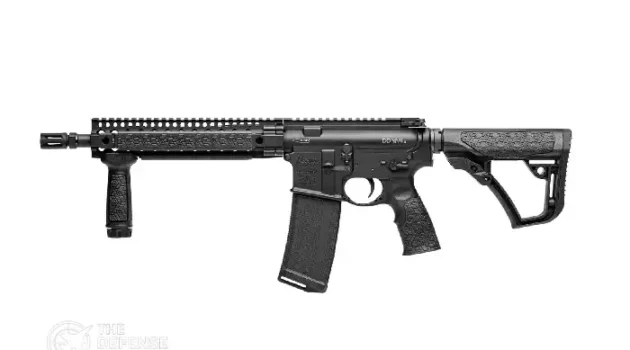
The arrival of premium Daniel Defense PCC platforms reflects a broader trend toward compact carbines chambered in pistol calibers.
Although firing handgun ammunition, these carbines benefit from longer barrels, improved stability, red dot optics, and weapon mounted lights. The result is significantly easier shot placement compared with traditional handguns.
Modern PCCs typically accept high capacity magazines while producing very mild recoil. For many shooters, this translates into faster target engagement and improved accuracy during stressful situations.
Professional instructors often note that new shooters become proficient with PCCs much faster than with handguns.
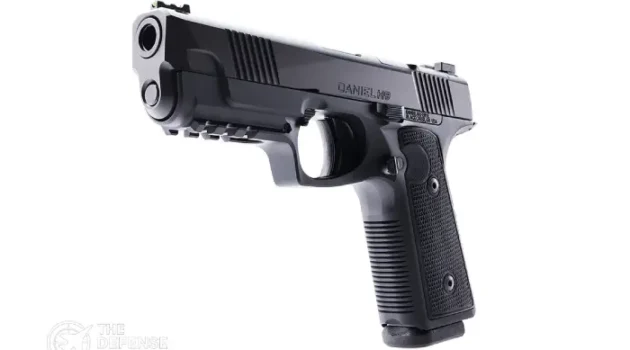
Handgun for Personal Defense
A handgun for personal defense offers one advantage no long gun can match.
Portability.
Most defensive encounters occur outside the home, making concealed carry pistols indispensable for daily protection. Inside the home, however, pistols require greater marksmanship because the shooter has fewer points of contact and a shorter sight radius.
(adsbygoogle = window.adsbygoogle || []).push({});Modern optics ready pistols have improved hit probability, but mastering them still requires consistent training.
Operational Comparison
Feature Home Defense Shotgun Daniel Defense PCC Handgun Effective Home Distance 5 to 25 yards 5 to 75 yards 5 to 25 yards Typical Capacity 5 to 8 rounds 20 to 35 rounds 15 to 20 rounds Felt Recoil High Low Moderate Ease of Accuracy High Very High Moderate Reload Speed Slow Fast Fast Maneuverability Moderate High Excellent Typical Civilian Price $400 to $1,800 $1,700 to $2,500 $500 to $1,200 Training Requirement Moderate Low to Moderate High Tactical Doctrine: Why Professionals Still Respect the Shotgun
Military organizations have relied on combat shotguns since the First World War, particularly for close quarters battle, breaching operations, and urban combat.
Modern doctrine, however, recognizes that every weapon has limitations.
Special operations forces frequently employ compact carbines because they provide greater ammunition capacity, lower recoil, and faster follow up shots without sacrificing precision.
This same reasoning explains why many civilian instructors now recommend PCCs for individuals who may struggle with heavy shotgun recoil.
atOptions = { ‘key’ : ‘e7d18db8b7513fb2a224cf4c3f18bbf0’, ‘format’ : ‘iframe’, ‘height’ : 90, ‘width’ : 728, ‘params’ : {} };The shotgun remains devastating, but it is no longer the only highly capable defensive option.
The Crossover Angle: What Competitive Gaming Accidentally Gets Right
Competitive tactical shooters and military simulators reward players who understand movement, angles, and room clearing rather than simply selecting the weapon with the highest damage.
Professional Call of Duty competitors frequently favor aggressive submachine gun players for close quarters objectives because mobility and rapid target transitions often outweigh raw firepower.
The comparison mirrors real defensive tactics.
A shotgun dominates when the first hit is decisive.
A PCC excels when rapid follow up shots, movement, and precision become equally important.
Meanwhile, the handgun remains the emergency tool that stays with the defender when larger firearms are unavailable.
Although esports naturally simplify real ballistics and tactics, the emphasis on positioning, communication, and weapon handling reflects genuine principles taught in military close quarters battle courses.
Winning a close quarters encounter depends less on raw firepower than on placing accurate shots quickly while maintaining control of the environment.
Choosing Between the Three Platforms
The answer depends on experience, physical ability, and intended role.
A homeowner seeking maximum stopping capability inside the house may still find shotguns for home defense to be the strongest option, provided they train regularly and select appropriate defensive ammunition.
Shooters who prioritize controllability, higher magazine capacity, and faster follow up shots often gravitate toward compact PCCs. Premium models such as those from Daniel Defense have become increasingly attractive because they combine familiar AR ergonomics with manageable recoil.
A handgun for personal defense remains unmatched for concealed carry and everyday accessibility, but it generally demands the highest level of training to achieve consistent accuracy under stress.
Conclusion
The debate over the best shotgun for home defense is no longer about declaring a universal winner.
The shotgun continues to deliver unmatched close range power and remains a respected defensive tool with more than a century of operational history. Daniel Defense style PCCs represent the modern evolution of close quarters firearms by emphasizing precision, capacity, and controllability. Handguns complete the picture by offering continuous personal protection beyond the home.
Understanding the strengths and limitations of each platform is far more valuable than chasing internet myths. Defensive success ultimately depends on training, sound judgment, and selecting the firearm that matches the user’s skill level and intended role.
Executive Summary:
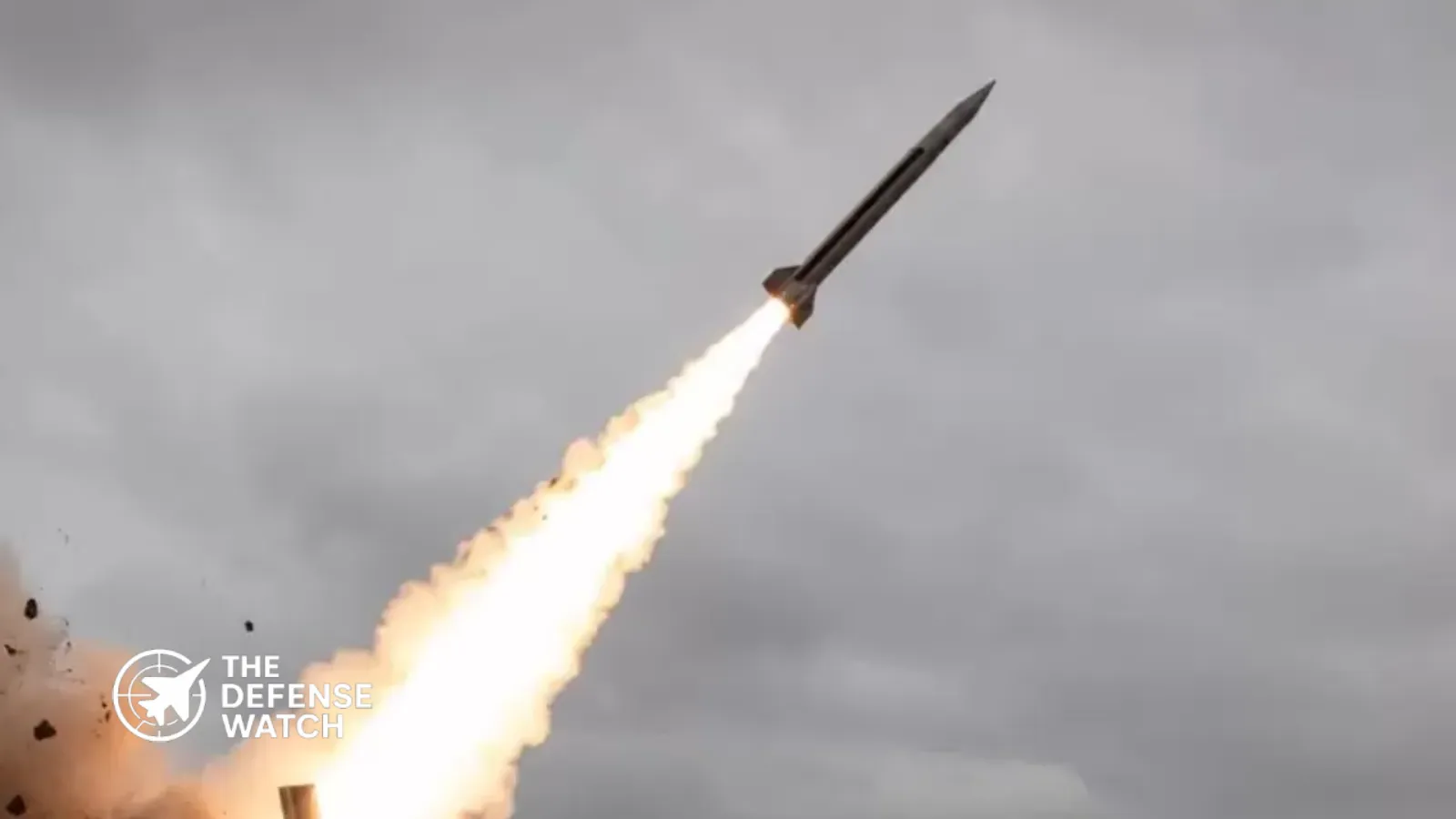
The FREYA anti ballistic missile program has expanded with the addition of leading European defense companies as coalition members seek to develop a shared missile defense capability for Europe. The initiative aims to strengthen protection against increasingly sophisticated ballistic missile threats while expanding Europe’s industrial and technological cooperation in strategic air and missile defense.
European Industry Expands FREYA Anti Ballistic Missile Program
The FREYA anti ballistic missile program has entered a new phase as additional European defense companies joined the multinational initiative to develop a common ballistic missile defense capability. The expansion, announced by the FREYA coalition, broadens industrial participation across Europe as governments seek to accelerate the development of next generation missile defense technologies.
The initiative reflects growing concern over the proliferation of advanced ballistic missile systems and the need for Europe to strengthen its ability to defend critical infrastructure, military installations, and population centers against long range missile attacks.
According to the program announcement, the expanded industrial partnership is intended to combine expertise from multiple European defense sectors while supporting greater technological sovereignty and interoperability among participating nations.
Coalition Seeks Shared European Missile Defense Capability
FREYA is designed as a collaborative European effort rather than a single national procurement program. Its objective is to establish a common framework for developing future anti ballistic missile technologies that can be integrated across allied defense networks.
The coalition believes a shared approach offers several advantages, including:
| Objective | Operational Benefit |
|---|---|
| Shared interceptor development | Reduces duplication of national programs |
| Common architecture | Improves interoperability among participating nations |
| Industrial cooperation | Strengthens Europe’s defense manufacturing base |
| Joint technology investment | Accelerates innovation while lowering long term development costs |
The program also aligns with broader European efforts to increase defense industrial cooperation following rising security concerns across the continent.
European Defense Industry Broadens Participation
The latest expansion brings together additional companies with expertise spanning missile systems, sensors, command and control, advanced propulsion, guidance technologies, radar integration, and system engineering.
Although participating firms maintain different areas of specialization, the coalition intends to combine these capabilities into a comprehensive missile defense architecture capable of addressing future ballistic missile threats.
Industrial cooperation is expected to cover several technical disciplines, including:
- Advanced interceptor technologies
- Multi layer missile defense integration
- High performance radar systems
- Target tracking and discrimination
- Battle management software
- Guidance, navigation, and control systems
- Digital engineering and simulation
Officials emphasized that collaboration across multiple industrial partners will be essential given the increasing complexity of modern missile defense requirements.
Why Ballistic Missile Defense Is Becoming More Important
Modern ballistic missile threats continue to evolve in both range and sophistication.
Potential adversaries are fielding missiles featuring improved maneuverability, higher terminal velocities, decoys, and more complex flight profiles that challenge existing interception systems.
As a result, missile defense increasingly depends on integrated networks rather than individual interceptor batteries.
An effective defensive architecture generally combines:
- Long range surveillance radars
- Space and airborne sensors
- Command and control networks
- Fire control systems
- Multiple interceptor layers
This networked approach allows commanders to detect launches earlier, track incoming threats throughout flight, and assign the most suitable interceptor while minimizing engagement delays.
Strategic Importance For Europe
The expansion of the FREYA program illustrates Europe’s growing emphasis on strengthening indigenous defense capabilities while reducing dependence on external suppliers for critical strategic technologies.
In recent years, European governments have significantly increased investment in air and missile defense as the security environment has become more demanding.
A cooperative development model also supports common operational standards, making future multinational deployments easier while simplifying logistics, maintenance, and training across allied armed forces.
For NATO members, greater compatibility between national missile defense assets improves collective defense planning even when individual countries operate different interceptor systems.
Technical Challenges Ahead
Developing an effective anti ballistic missile capability remains among the most technically demanding defense projects.
Intercepting ballistic missiles often requires extremely high closing speeds, precise tracking, advanced discrimination algorithms, and reliable communications across multiple sensors.
Several major engineering challenges remain:
| Challenge | Importance |
| Hypersonic target tracking | Essential for future threat environments |
| Sensor fusion | Combines multiple radar and sensor inputs into one operational picture |
| Interceptor guidance | Enables precise hit to destroy engagements |
| Network resilience | Maintains command and control during contested operations |
| System interoperability | Allows multinational integration across allied forces |
Addressing these challenges requires sustained investment across both government and industry, making multinational cooperation increasingly attractive for large scale missile defense programs.
Broader Defense Implications
The FREYA initiative represents more than a technology development effort. It reflects a broader shift toward collaborative European defense procurement at a time when governments are seeking faster modernization while strengthening industrial resilience.
By pooling research, engineering expertise, and production capacity, participating nations aim to shorten development timelines and improve affordability compared with independently pursuing similar capabilities.
The program also supports Europe’s long term objective of maintaining a competitive defense industrial base capable of developing advanced strategic systems domestically.
While the initiative remains under development, its expanding industrial participation demonstrates growing momentum behind multinational missile defense cooperation and highlights the increasing priority governments are placing on protecting Europe against evolving ballistic missile threats.
(adsbygoogle = window.adsbygoogle || []).push({});Executive Summary:
Poland has signed a nearly $988 million agreement through the NATO Support and Procurement Agency (NSPA) to acquire several hundred Patriot PAC-2 GEM-T interceptor missiles supplied by Raytheon. The procurement expands Poland’s Patriot missile inventory, strengthens NATO’s eastern flank, and supports the alliance’s broader effort to increase interceptor stockpiles amid growing regional security challenges.
Poland Expands Patriot GEM-T Missile Inventory Through NATO Procurement
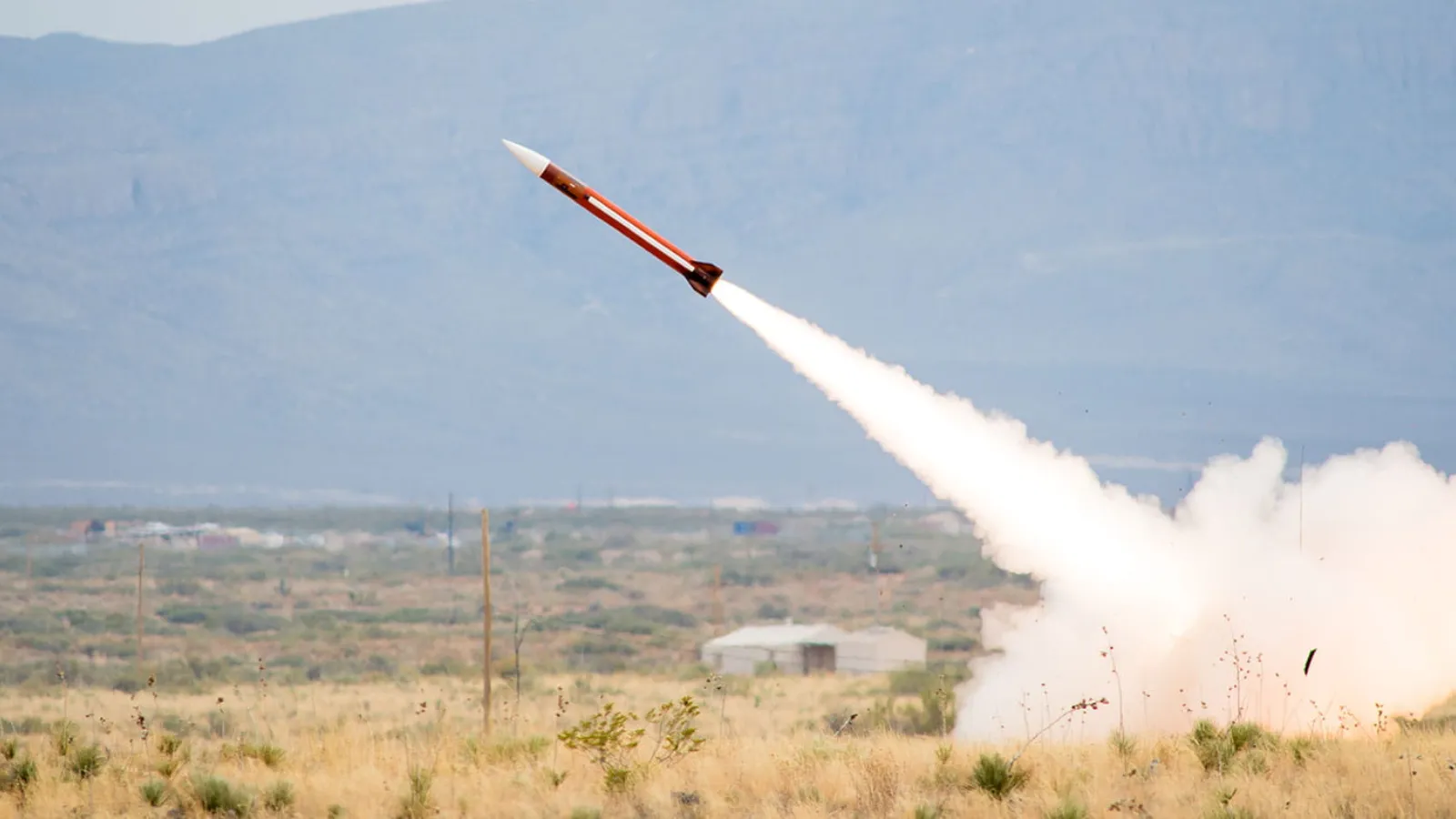
Poland has awarded a nearly $988 million contract through the NATO Support and Procurement Agency (NSPA) for the procurement of several hundred Patriot PAC-2 Guidance Enhanced Missile, Tactical (GEM-T) interceptors supplied by Raytheon, further expanding the country’s integrated air and missile defense capabilities. According to official announcements from Poland’s Armament Agency and NSPA, deliveries are scheduled to begin in the coming months and continue through 2031.
The agreement represents another major milestone in Poland’s long-term Wisła air defense program, which is building one of NATO’s most capable layered missile defense networks on the alliance’s eastern frontier.
Unlike a traditional bilateral purchase, the acquisition was executed through NATO’s multinational procurement framework, allowing member states to benefit from shared contracting, faster acquisition timelines, and greater industrial efficiency.
What The Contract Includes
While officials have not disclosed the exact missile quantity, the agreement covers several hundred PAC-2 GEM-T interceptors valued at approximately $988 million.
atOptions = { ‘key’ : ‘3d48d603f906e3fe9f205be3c4433835’, ‘format’ : ‘iframe’, ‘height’ : 250, ‘width’ : 300, ‘params’ : {} };Program Details Customer Poland Armament Agency Contractor Raytheon (RTX) Procurement Agency NATO Support and Procurement Agency (NSPA) Missile Patriot PAC-2 GEM-T Contract Value Approximately $988 million Deliveries Beginning in 2026 through 2031 Mission Air and missile defense The acquisition follows earlier U.S. approval authorizing Poland to procure up to 788 PAC-2 GEM-T interceptors, providing flexibility for future purchases as Warsaw continues expanding its Patriot inventory.
Why Poland Is Buying GEM-T Missiles
The Patriot system employs multiple interceptor types designed for different threats.
The PAC-3 MSE interceptor specializes in hit-to-kill engagements against advanced ballistic missiles, while the PAC-2 GEM-T uses a blast-fragmentation warhead optimized for engaging aircraft, cruise missiles, drones, and selected ballistic missile threats at longer ranges.
By fielding both interceptor families, Poland gains greater operational flexibility.
Military planners can reserve the more expensive PAC-3 MSE missiles for the most demanding ballistic missile engagements while using GEM-T interceptors against larger volumes of conventional aerial threats.
(adsbygoogle = window.adsbygoogle || []).push({});This layered approach improves both combat effectiveness and inventory management during sustained operations.
Part Of NATO’s Larger Missile Production Strategy
The Polish order fits into a much broader NATO effort to rebuild interceptor inventories following years of increased operational demand.
In 2024, NSPA awarded COMLOG, the joint venture between Raytheon and MBDA Germany, a multinational framework contract covering up to 1,000 Patriot GEM-T missiles for several European allies. The program includes expanding production capacity in Europe to shorten delivery timelines and improve supply resilience.
Additional contract amendments have since replenished German missile inventories, while Sweden joined the multinational procurement initiative, demonstrating growing allied demand for Patriot interceptors.
Strategic Importance For NATO’s Eastern Flank
Poland has become one of NATO’s fastest-growing military powers since Russia’s full-scale invasion of Ukraine.
Warsaw has invested heavily in modern air defense, including Patriot batteries, IBCS command systems, F-35 fighters, Abrams tanks, HIMARS rocket artillery, and other advanced capabilities.
Adding hundreds of GEM-T interceptors substantially increases Poland’s capacity to defend critical military infrastructure, population centers, logistics hubs, and allied forces operating along NATO’s eastern border.
From NATO’s perspective, expanding interceptor inventories is becoming just as important as acquiring additional launchers. Modern conflicts have demonstrated that sustained air and missile campaigns can rapidly consume missile stockpiles, making industrial production capacity a critical element of deterrence.
The multinational procurement model also distributes manufacturing across allied industries while reducing acquisition costs through larger combined orders. That approach improves resilience against supply chain disruptions and helps NATO maintain adequate inventories during prolonged crises.
Growing European Industrial Capacity
Beyond the immediate missile deliveries, the contract highlights NATO’s broader strategy of expanding defense manufacturing within Europe.
COMLOG has been increasing GEM-T production capability in Germany, while allied governments continue investing in regional maintenance, sustainment, and missile production infrastructure.
Separately, U.S. officials have announced plans to establish a European maintenance facility for the Patriot PAC-3 missile, reflecting Washington’s broader effort to improve missile readiness and industrial cooperation across the alliance.
Taken together, these initiatives are intended to improve supply security, shorten maintenance cycles, and ensure that Patriot operators can sustain high readiness as demand for advanced air defense systems continues to grow across Europe.
(adsbygoogle = window.adsbygoogle || []).push({});Executive Summary:
Australia has selected Electro Optic Systems (EOS) to further develop the R400 SLINGER counter unmanned aerial system under the Australian government’s Mission Syracuse initiative. The new contract expands Canberra’s investment in sovereign counter drone technologies as armed forces worldwide seek affordable and scalable defenses against rapidly evolving unmanned aerial threats.
Australia Expands R400 SLINGER Counter Drone Program Under Mission Syracuse
Australia has selected Electro Optic Systems (EOS) to accelerate development of the R400 SLINGER counter drone system through the government’s Mission Syracuse initiative, marking another step in strengthening sovereign counter unmanned aerial system (C UAS) capabilities for the Australian Defence Force (ADF).
The announcement was made by Australia’s Department of Defence under the Advanced Strategic Capabilities Accelerator (ASCA) program. The latest contract, valued at AUD 5.7 million, increases total government investment under Mission Syracuse to AUD 37.4 million, reflecting Canberra’s growing emphasis on rapidly fielding indigenous counter drone technologies.
EOS To Develop Next Generation R400 SLINGER Capability
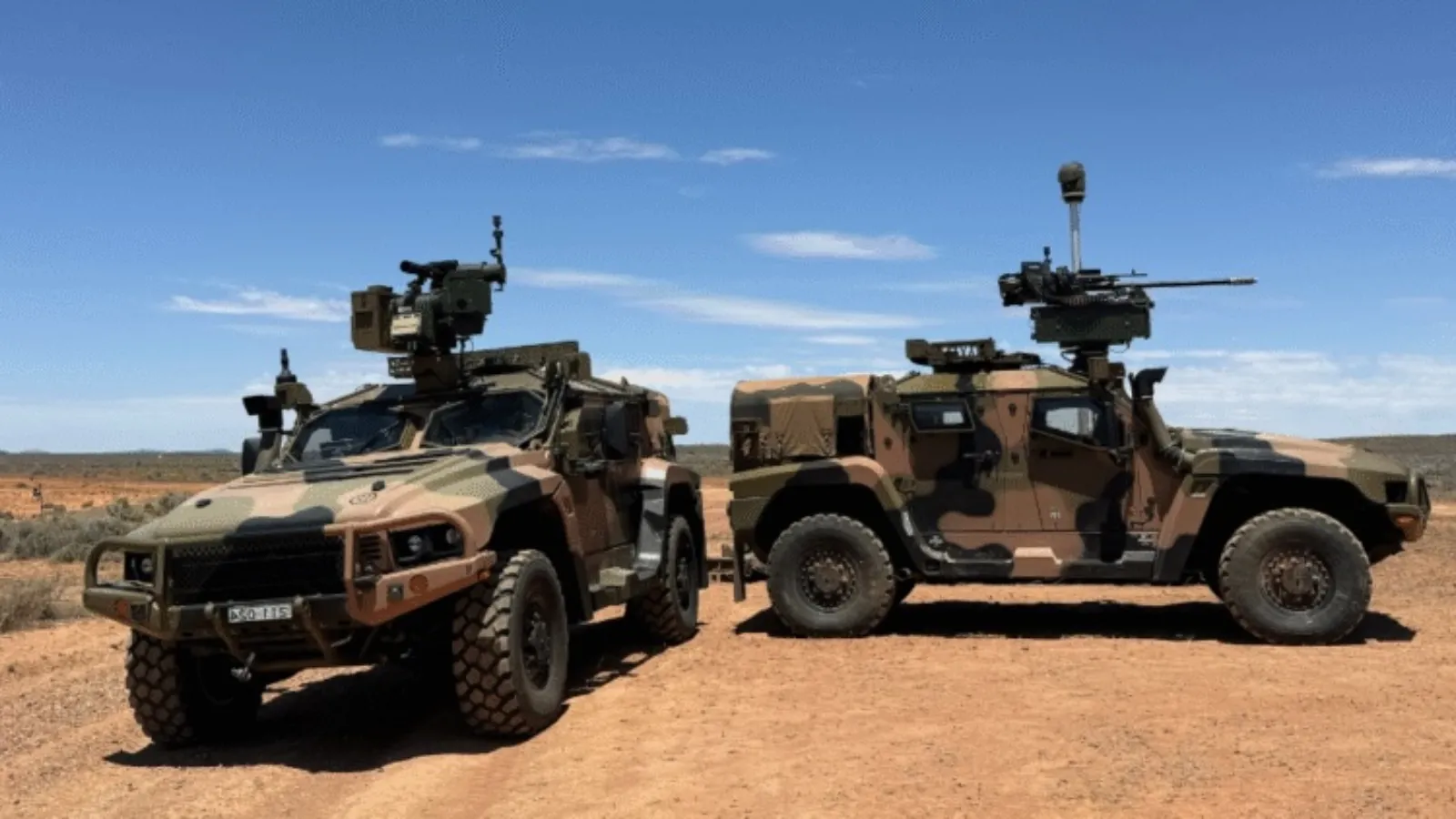
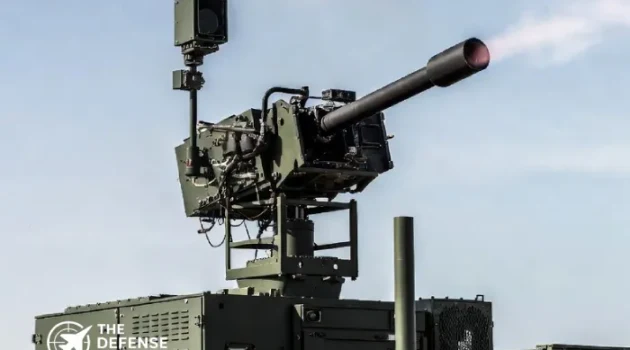
Under the new agreement, EOS will continue development of the R400 SLINGER C UAS, an integrated remote weapon system designed to defeat small and medium sized unmanned aerial vehicles.
According to Australia’s Department of Defence and EOS, the upgraded system combines:
| Capability | Description |
|---|---|
| Remote weapon station | EOS R400 stabilized platform |
| Primary effectors | Machine gun and laser guided rocket |
| Target type | Small and medium UAVs |
| Manufacturing | Australia |
| Sustainment | Australian industry |
The contract also supports domestic production and long term sustainment by an Australian owned company, aligning with Canberra’s objective of expanding sovereign defense industrial capacity.
(adsbygoogle = window.adsbygoogle || []).push({});Mission Syracuse Targets Rapid Counter Drone Innovation
Mission Syracuse was established through ASCA to shorten the time required to move promising technologies from industry into military service.
Rather than relying on traditional acquisition timelines that often extend for years, the initiative emphasizes rapid prototyping, operational testing, and accelerated capability delivery.
The EOS award represents the third major contract under Mission Syracuse and highlights Australia’s broader effort to keep pace with the rapid evolution of unmanned threats observed in recent conflicts.
R400 SLINGER Builds On A Combat Proven Design
The R400 SLINGER is derived from EOS’ established R400 Remote Weapon Station family, which has already gained international attention for its precision counter drone role.
Previous SLINGER variants integrate:
- Bushmaster M230LF 30×113 mm cannon
- Advanced electro optical targeting sensors
- Four axis stabilized fire control
- Echodyne 4D radar
- Proximity fused 30 mm ammunition
- Accurate engagement against drones beyond approximately 800 meters
The latest Mission Syracuse variant introduces a laser guided rocket alongside conventional kinetic weapons, providing greater flexibility against a wider range of aerial threats while maintaining a relatively low cost per engagement compared with traditional surface to air missiles.
Why The Program Matters
The rapid expansion of inexpensive drones has fundamentally changed battlefield air defense.
Conflicts in Ukraine and the Middle East have demonstrated that commercial quadcopters, loitering munitions, and one way attack drones can threaten armored formations, logistics hubs, command posts, and critical infrastructure. Traditional air defense missiles remain highly effective, but they often cost significantly more than the drones they intercept.
This cost imbalance has driven demand for layered counter drone systems that combine radar, electro optical sensors, electronic warfare, guns, rockets, and directed energy technologies.
Australia’s investment reflects this global trend by focusing on affordable, scalable systems capable of protecting deployed forces and fixed installations without relying exclusively on expensive interceptor missiles.
Strategic Importance For Australia’s Defense Industry
Beyond improving military capability, the contract strengthens Australia’s domestic defense industrial base.
By designing, manufacturing, integrating, and sustaining the system locally, Australia reduces dependence on overseas suppliers while developing expertise in one of the fastest growing defense technology sectors.
The program also supports broader government efforts to create sovereign capabilities that can be upgraded as drone technologies continue to evolve.
For allies, including the United States and other Indo Pacific partners, Australia’s progress in counter drone technologies contributes to regional interoperability and strengthens coalition resilience against increasingly sophisticated unmanned threats.
Operational Outlook
Mission Syracuse is expected to generate technologies that extend beyond a single weapon system.
According to EOS, advances made during the program could inform future counter drone capabilities across multiple Australian Defence Force platforms and operational environments. This approach allows the government to leverage one technology investment across land, infrastructure protection, and potentially additional military applications as requirements evolve.
(adsbygoogle = window.adsbygoogle || []).push({});Executive Summary:
German defense manufacturer Diehl Defence says its new IRIS T SLX long range air defense system is being developed to complement existing IRIS T batteries while reducing reliance on scarce Patriot interceptor missiles. The announcement comes as European nations continue expanding integrated air and missile defense capabilities following increased demand driven by the war in Ukraine and broader regional security challenges.
Diehl Defence Advances IRIS T SLX As Demand For Air Defense Grows
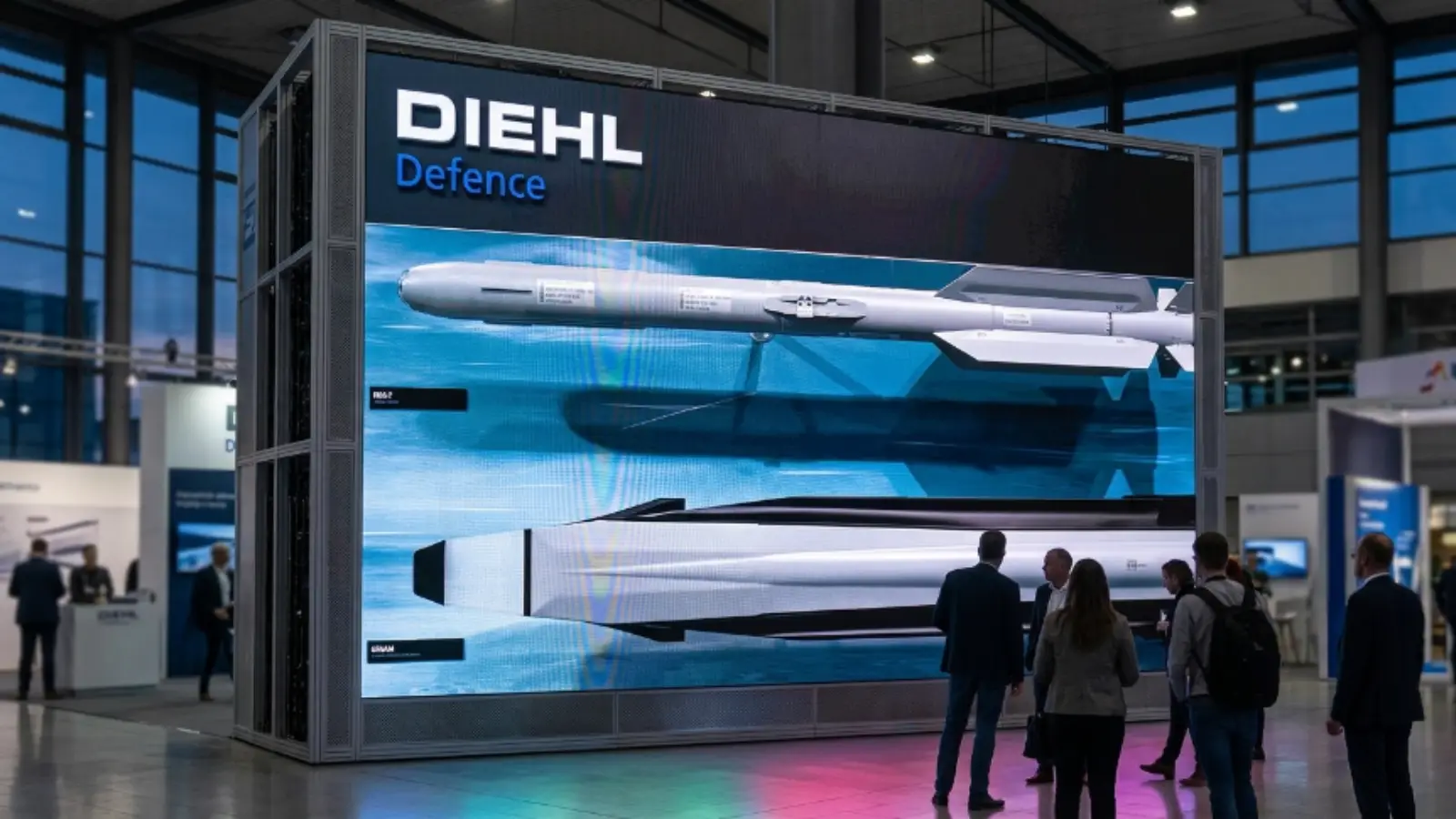
German missile manufacturer Diehl Defence has announced that its next generation IRIS T SLX air defense system is being developed to help reduce dependence on the widely used Patriot missile system, whose interceptors remain in high demand worldwide.
Speaking during the company’s 2025 financial results briefing, Chief Executive Officer Helmut Rauch said the IRIS T SLX is intended to complement the existing IRIS T SLM system rather than replace it. The new variant is designed to extend engagement range while expanding Europe’s indigenous missile defense capabilities.
The announcement comes as NATO members and partner nations continue investing heavily in layered air and missile defense following Russia’s invasion of Ukraine and increasing missile and drone threats across Europe and the Middle East.
IRIS T Family Continues Expanding Across Europe
According to Diehl Defence, 21 countries have now ordered IRIS T air defense systems, with Switzerland, Sweden, and Denmark among the newest customers. Ukraine has become one of the most visible operators after receiving 20 IRIS T SLM systems to defend critical infrastructure against Russian cruise missiles, drones, and aircraft.
The company also reported that deliveries have increased dramatically since 2022, although it declined to disclose total production figures. Earlier this year, Diehl said it planned to significantly increase annual production capacity for IRIS T launch units to meet rising international demand.
(adsbygoogle = window.adsbygoogle || []).push({});What Is The IRIS T SLX?
The IRIS T SLX represents the long range evolution of the IRIS T surface launched missile family.
While Diehl has not released complete technical specifications, previous company statements indicate the system is being designed to provide substantially greater engagement range than the current IRIS T SLM while remaining compatible with the existing command, radar, and launcher architecture.
Expected Capability Comparison
| Feature | IRIS T SLM | IRIS T SLX (Development) | Patriot PAC Family |
|---|---|---|---|
| Primary Role | Medium range air defense | Extended range air defense | Long range air and missile defense |
| Intended Targets | Aircraft, cruise missiles, UAVs | Aircraft, cruise missiles, advanced aerial threats | Aircraft, cruise missiles, ballistic missiles |
| Integration | Existing IRIS architecture | Compatible with IRIS ecosystem | Patriot ecosystem |
| Operational Status | In service | Under development | Operational worldwide |
Specifications for IRIS T SLX remain subject to final development and certification.
(adsbygoogle = window.adsbygoogle || []).push({});Why Reducing Dependence On Patriot Matters
Patriot remains one of the world’s most capable air and missile defense systems, particularly against ballistic missile threats. However, growing global demand has created production bottlenecks as multiple allies seek additional interceptors amid conflicts in Europe and the Middle East.
Developing European produced alternatives offers several strategic advantages.
- Expands available interceptor inventories.
- Reduces dependence on a single supply chain.
- Strengthens NATO’s layered air defense architecture.
- Supports faster replenishment during sustained operations.
- Increases European defense industrial capacity.
Importantly, Diehl has emphasized that the IRIS T SLX is intended to complement Patriot rather than replace it. Layered air defense depends on multiple systems optimized for different ranges and threat types, with Patriot continuing to play a critical role in ballistic missile defense.
atOptions = { ‘key’ : ‘3d48d603f906e3fe9f205be3c4433835’, ‘format’ : ‘iframe’, ‘height’ : 250, ‘width’ : 300, ‘params’ : {} };Growing Interest Beyond Europe
Diehl Defence also reported increasing interest from Gulf countries following heightened regional tensions.
According to Rauch, the company has begun discussions with representatives from several Gulf states, while Saudi Arabia has remained an established customer for more than a decade. The growing demand reflects broader concerns about cruise missile, drone, and ballistic missile threats across the region.
Defense Business Continues Strong Growth
The expanding market has translated into significant business growth for Diehl Defence.
The company reported defense revenue of €2.33 billion during 2025, representing a 28 percent increase over the previous year. The defense division now accounts for approximately 43 percent of the broader Diehl Group’s total sales, underscoring the rapid expansion of Europe’s missile defense industry.
Strategic Analysis: Why The IRIS T SLX Matters
The development of the IRIS T SLX reflects a broader shift in European defense planning.
Rather than relying primarily on imported strategic air defense systems, European governments are increasingly investing in domestic production to improve resilience during prolonged crises. This trend has accelerated since 2022, when large scale missile attacks exposed the importance of maintaining sustainable interceptor inventories.
For the United States, the emergence of systems like IRIS T SLX is unlikely to diminish Patriot’s importance. Instead, it could reduce pressure on U.S. production lines by allowing European allies to assume a greater share of regional air defense requirements using indigenous capabilities.
From NATO’s perspective, a more diversified missile defense inventory improves operational flexibility. Different systems can be assigned to specific threat sets, enabling Patriot batteries to focus on higher end ballistic missile defense missions while systems such as IRIS T protect infrastructure, logistics hubs, and maneuver forces against aircraft, drones, and cruise missiles.
The long term success of the IRIS T SLX will ultimately depend on production capacity, interoperability with NATO command networks, operational testing, and sustained procurement commitments from European governments.
atOptions = { ‘key’ : ‘3d48d603f906e3fe9f205be3c4433835’, ‘format’ : ‘iframe’, ‘height’ : 250, ‘width’ : 300, ‘params’ : {} };Executive Summary:
Australia has designated domestic guided weapons and explosive ordnance production as one of seven Sovereign Defence Industrial Priorities in its 2026 Defence Industry Development Strategy. The move accelerates existing efforts under the Guided Weapons and Explosive Ordnance (GWEO) Enterprise, including local assembly and component manufacturing of GMLRS rockets and Naval Strike Missiles. The initiative aims to reduce reliance on distant supply chains, deepen stockpiles, and enhance interoperability with allies for sustained operations in the Indo-Pacific.
Australia’s Push for Sovereign Missile Capability
Australia is making guided missile and munitions production a central pillar of its 2026 defence industry policy to support long-range strike and maritime denial capabilities essential for Indo-Pacific deterrence. The 2026 Defence Industry Development Strategy explicitly lists guided weapons and explosive ordnance among the nation’s sovereign industrial priorities for the next two to five years.
This policy builds directly on the Guided Weapons and Explosive Ordnance (GWEO) Enterprise, backed by investments of A$26-36 billion over the decade according to the 2026 Integrated Investment Program. It reflects lessons from ongoing conflicts regarding the critical need for resilient munitions supply in high-intensity scenarios.
(adsbygoogle = window.adsbygoogle || []).push({});Technical and Industrial Developments
Two major programs anchor Australia’s current efforts. Lockheed Martin Australia has established production at Port Wakefield in South Australia, the first facility outside the United States capable of producing Guided Multiple Launch Rocket System (GMLRS) munitions. Australian engineers, trained in the U.S., have begun final assembly of GMLRS all-up rounds and launch pod containers, with live-fire demonstrations already conducted.
Key GMLRS/HIMARS Elements in Australian Service:
- GMLRS: Precision-guided rocket with ranges exceeding 70 km standard, extended variants beyond 150 km.
- PrSM (Precision Strike Missile): Longer-range ballistic option up to 500+ km, compatible with HIMARS launchers.
- Production Goal: Scaling toward high-rate capacity of up to 4,000 GMLRS per year by 2029 at dedicated facilities.
Complementing this, Kongsberg Defence Australia is constructing a missile factory near Williamtown, New South Wales. The facility will manufacture and maintain Naval Strike Missile (NSM) and Joint Strike Missile (JSM) systems, with production slated to commence in 2027. The NSM offers high-subsonic sea-skimming anti-ship and land-attack capability with a range exceeding 300 km, while the JSM variant integrates with the F-35A internal weapons bay.
Operational and Strategic Context
Australia’s geography demands robust long-range fires to control maritime approaches and support denial operations. HIMARS-equipped units, accelerated under recent investments including A$1.6 billion for additional launchers, provide mobile, precision strike options. Domestic production capacity allows for faster replenishment and potential customization while maintaining allied certification standards.
Analysis: Implications for U.S. and Allied Strategy
From a U.S. perspective, Australia’s GWEO progress strengthens the integrated deterrence network in the Indo-Pacific. By developing local component manufacturing—such as Moog Australia’s work on GMLRS control actuation systems and AW Bell’s production of canards and housings—Australia diversifies supply chains vulnerable to disruption in a Taiwan or South China Sea contingency.
This reduces the burden on U.S. production lines during simultaneous demands. It also enhances interoperability: Australian-produced munitions must integrate seamlessly with U.S. HIMARS, F-35 fleets, and naval systems. Success here could serve as a model for other allies, fostering a more distributed and resilient Western munitions industrial base.
Technical hurdles remain significant. Full sovereign production requires mastering rocket motors, advanced seekers, secure software, and rigorous testing regimes under Australian environmental conditions. Export controls and technology transfer agreements with the U.S. and Norway continue to shape the pace of indigenization. Nevertheless, the 2026 strategy signals sustained political commitment, with workforce development and grants totaling additional hundreds of millions of dollars.
(adsbygoogle = window.adsbygoogle || []).push({});The emphasis on certification ensures that locally produced weapons contribute meaningfully to coalition operations rather than creating parallel, incompatible inventories. In a prolonged conflict, the ability to surge production and perform in-country maintenance could prove decisive for ADF sustainment.
Broader Defence Industry Framework
The 2026 Defence Industry Development Strategy sets targets for primes to expand the defence workforce, prioritizes apprenticeships, and provides A$80 million in new grants through 2030. It promotes stronger international partnerships while building domestic resilience, aligning with the National Defence Strategy’s focus on self-reliance within an alliance framework.
This approach positions Australia not only as a consumer but as a potential contributor to regional security, including through future exports to partners.