Executive Summary:
Rafael Advanced Defense Systems is using Eurosatory 2026 in Paris — the world’s largest land defense exhibition, running June 15–19 — to position its combat-tested multilayered air and missile defense architecture as the answer to Europe’s most urgent security gaps. The Israeli firm is presenting Iron Dome, David’s Sling, its Iron Beam directed-energy family, and the Hunter Eagle counter-UAS interceptor, all framed around an integrated, cost-conscious protection model validated by more than 10,000 real-world intercepts. With European defense budgets surging and drone threats proliferating from Ukraine to the English Channel, Rafael’s timing is deliberate and its pitch is credible.
Rafael Targets Europe’s Air Defense Vacuum With Battle-Hardened Systems
Rafael Advanced Defense Systems is presenting air defense and counter-UAS capabilities at Eurosatory 2026, framing its display around an integrated, multilayered approach developed in response to changing operational requirements facing land forces.
The Israeli firm is one of the most heavily watched exhibitors at the Paris show, arriving with a portfolio that has been tested under live-fire conditions no NATO ally’s systems have yet matched in scale or intensity. Following years of high-tempo engagements against rockets, ballistic missiles, cruise missiles, and mass drone swarms over Israeli territory, Rafael is positioning that operational pedigree as the central argument for European procurement.
A Threat Environment That Has Fundamentally Changed
Rafael says the security environment in Europe has shifted because of the spread of unmanned aerial systems, longer-range stand-off threats, and the renewed importance of large-scale land operations. The company says layered air defense and platform survivability have become foundational requirements for protecting maneuvering forces, critical infrastructure, and population centers.
That assessment is not merely a marketing claim. Eurosatory 2026 organizers have noted that missile defense — including against hypersonic threats — is one of the exhibition’s central themes, with European nations confronting the need to field credible broad missile defense architectures for the first time in decades.
The Russia-Ukraine war and the 2025–2026 Israeli-Iranian exchange have both demonstrated that even sophisticated air defense networks can be overwhelmed by saturation tactics. For European planners, the lesson has been pointed: single-layer, single-threat-type defense is no longer adequate.
The Layered Architecture: From Iron Dome to David’s Sling
In air defense, Rafael is presenting a layered architecture that includes Iron Dome and David’s Sling. Iron Dome is described by the company as a multi-mission system that has conducted more than 10,000 combat interceptions over 15 years of operational service, with a success rate well above 90%.
During the peak of Israel’s multi-front confrontations, Iron Dome — alongside David’s Sling, Arrow 3, and Iron Beam — intercepted approximately 86–90% of incoming threats across the entire defense stack.
David’s Sling, jointly developed by the Israeli Missile Defense Organization and the U.S. Missile Defense Agency, with Rafael as prime contractor and Raytheon Missile Systems as subcontractor, is specifically designed to counter rockets, missiles, cruise missiles, aircraft, and UAVs, constituting a central defensive layer within Israel’s multi-layered architecture.
In 2025, David’s Sling underwent a series of successful tests against advanced threats, and several global customers have announced procurement of the system.
For European buyers, the division of labor between these two systems is operationally significant:
System Primary Threat Set Engagement Range Cost Per Intercept Iron Dome Short-range rockets, artillery, mortars, UAVs Up to ~70 km ~$40,000–$50,000 per Tamir missile David’s Sling Medium-to-long-range ballistic missiles, cruise missiles, aircraft 40–300 km Higher; classified Iron Beam Rockets, mortars, small UAVs Up to ~10 km Near-zero (laser) Iron Dome supports longer-reach engagements suited for medium-range rocket and artillery threats, while Iron Beam operates at shorter ranges but at dramatically lower marginal cost and significantly higher engagement volume per unit time.
Iron Beam and Directed Energy: The Cost-Curve Solution
The most strategically consequential addition to Rafael’s Eurosatory lineup may be its directed-energy portfolio, which addresses the economic asymmetry that has bedeviled conventional interceptor-based defense.
Formally handed over to the Israel Defense Forces on December 28, 2025, Iron Beam is designed to intercept short-range rockets, artillery shells, mortar bombs, and UAVs at distances of up to 10 kilometers, now serving as the fifth pillar of Israel’s multi-layered air defense architecture. –
Iron Beam became operational with the IDF in 2025, and amid the war against the Iranian regime in March 2026, the system was reportedly used operationally for the first time against rockets launched by Iran-backed Hezbollah from Lebanon — a potential milestone in the combat use of laser-based air defense.
Rafael’s directed-energy portfolio includes Iron Beam, Iron Beam-M, and Lite Beam. Iron Beam is designed to engage distant threats at near-zero cost per interception. Iron Beam-M is a mobile version configured to accompany maneuvering forces and protect strategic sites, while Lite Beam is a compact and lightweight system for mobile and forward-deployed units.
The economic logic is impossible to ignore. At a cost of $40,000–$150,000 per conventional interceptor — and with adversaries deploying drones costing under $1,000 — the cost-exchange ratio is strategically unsustainable at volume. Directed energy breaks that equation fundamentally: once the system is fielded, the marginal cost per engagement trends toward zero. For European governments now confronting drone proliferation from state and non-state actors alike, Iron Beam represents not just a capability upgrade but a fiscal imperative.
Hunter Eagle and the Counter-UAS Portfolio
Below the strategic layer, Rafael is specifically targeting European demand for close-in drone defeat.
Rafael has introduced Hunter Eagle, a compact kinetic interceptor designed to counter the rapidly expanding threat of low-altitude unmanned aircraft on the modern battlefield. First shown publicly at DSEI 2025 and now presented in its serial configuration, the system marks an expansion of Rafael’s layered counter-UAS portfolio.
Hunter Eagle integrates into Rafael’s broader Drone Dome suite, extending the company’s detection-classification-neutralization chain into a hardened kinetic layer. Drone Dome includes electronic-warfare and directed-energy effectors, while Hunter Eagle adds a reusable hard-kill option for drones resistant to jamming or requiring physical destruction.
Rafael is also developing Ghost Hunter, a larger and more powerful interceptor equipped with turbojet engines, an RF radar in the nose, and a payload capacity significantly beyond Hunter Eagle — weighing 50–60 kg at 1.4–1.6 meters in length, with initial deliveries targeted for 2027.
The significance of a VTOL hard-kill interceptor is particularly acute for European requirements. Jamming-resistant, fiber-optic-guided FPV drones — a category that emerged prominently in Ukraine — cannot be reliably neutralized by electronic warfare alone. Kinetic interceptors that are themselves autonomous close that gap.
The Platform Survivability Dimension
Rafael’s Eurosatory presentation extends beyond fixed-site and area defense into what the company terms platform survivability — the protection of individual armored vehicles in maneuver.
Rafael says platform survivability now depends on defeating threats including anti-tank guided missiles, loitering munitions, and hostile drones, and the company is showing how multiple complementary layers can protect vehicles and crews against this threat spectrum.rience. In both the Ukraine war and Israeli ground operations in Gaza and Lebanon, armored vehicles without active protection systems proved highly vulnerable to loitering munitions and drone-dropped munitions. Trophy, Rafael’s active protection system already integrated on U.S. M1A2 SEPv3 Abrams tanks, anchors that part of the portfolio — though Rafael did not highlight it separately in the Eurosatory statement.
Why This Matters for European and U.S. Defense Strategy
Rafael’s Eurosatory campaign arrives at an inflection point in European defense spending. NATO members are under sustained pressure to reach and exceed the 2% GDP defense spending target, and air and missile defense has emerged as the most critical near-term gap across the alliance.
The U.S. Army is simultaneously expanding a drone and counter-drone marketplace at Eurosatory, with the goal of reaching 25 allied and partner nations by the end of summer 2026, underpinned by common C-UAS data standards established in a March 2026 U.S.-UK joint declaration.
For U.S. industry and policy interests, Rafael’s European push is a complicating and complementary factor simultaneously. Iron Dome already has deep U.S. co-production: the U.S. Missile Defense Agency maintains a pivotal role in developing and producing Israel’s multi-layered defense systems, including David’s Sling and Arrow, while manufacturing Iron Dome components. A Rafael sale to a European NATO ally carries embedded American industrial content and interoperability with U.S. systems — a feature that smooths procurement politics considerably.
The broader competitive dynamic is notable. European exhibitors at Eurosatory 2026 — including MBDA with its SAMP/T family and Thales with an Iron Dome-like short-range system — are competing for the same budget lines. The Eurosatory organizer noted that both French-Italian SAMP/T and U.S. Patriot batteries are prominent at the show alongside Israeli systems, reflecting a genuinely contested market for European air defense investment.
What Rafael brings that no European competitor can replicate is operational data at scale. More than 10,000 combat intercepts, stress-tested against mass saturation attacks, ballistic threats, and swarm drone tactics, constitute a proof base that no qualification test range can simulate. In a procurement environment where governments are buying for actual war-fighting, not demonstrations, that distinction is Rafael’s most powerful argument.
Executive Summary:
Israel expects additional European orders for its air and missile defense systems, with at least one contract anticipated within weeks. Israeli officials say growing concerns about Russia’s military capabilities and lessons from the Ukraine war are accelerating procurement decisions across Europe. The trend highlights the continent’s continuing effort to rebuild layered air defense networks after decades of underinvestment.
Israel Air Defense Systems Draw Growing European Interest
Israel air defense systems are attracting increasing attention from European governments seeking stronger protection against missile, drone, and rocket threats.
Speaking on the sidelines of the Berlin Air Show, Moshe Patel, Director of Israel’s Missile Defense Organization, said European demand for Israeli air and missile defense systems continues to rise and that at least one new contract could be signed in the coming weeks. According to Patel, interest is particularly strong among Western European nations seeking to strengthen defenses against evolving security threats linked to Russia’s military capabilities.
Patel declined to identify specific countries involved in ongoing negotiations but indicated that discussions involve significant procurement programs rather than smaller acquisitions. He also suggested additional European nations could announce decisions before the end of 2026.
Arrow, David’s Sling, And Iron Dome Attract Attention
Europe’s interest spans multiple Israeli missile defense systems, each designed to counter different categories of threats.
Germany has already selected the Arrow system, developed by Israel in partnership with the U.S. Missile Defense Agency, to provide protection against intermediate-range ballistic missiles. The system is designed to intercept advanced threats, including missiles similar to Russia’s Oreshnik.
Finland has chosen David’s Sling, a medium-range interceptor designed to defeat ballistic missiles launched from distances between approximately 100 and 200 kilometers. The system fills a critical gap between short-range and strategic missile defense layers.
Patel also confirmed growing European interest in Iron Dome, Israel’s combat-proven short-range air defense system. Originally developed to counter rockets and artillery threats, Iron Dome’s ability to protect cities and critical infrastructure has gained renewed relevance as European militaries assess vulnerabilities exposed by the war in Ukraine.
Ukraine War Continues To Reshape European Defense Priorities
The primary driver behind rising demand remains the ongoing conflict between Russia and Ukraine.
European governments have spent the past several years reassessing air defense capabilities after witnessing the extensive use of ballistic missiles, cruise missiles, drones, and loitering munitions on the Ukrainian battlefield. Military planners increasingly view integrated air and missile defense as a core requirement rather than a niche capability.
Patel stated that developments in Ukraine are the main factor behind current procurement efforts, while European officials are also monitoring missile and drone threats emerging from the Middle East.
This broader threat environment is prompting governments to pursue layered defense architectures capable of addressing multiple threat types simultaneously, from low-cost drones to advanced ballistic missiles.
Europe’s Air Defense Build-Up Accelerates
The anticipated Israeli contracts fit into a wider European effort to rebuild air defense capacity.
Several NATO members have increased defense spending and accelerated procurement programs since Russia’s full-scale invasion of Ukraine. Countries along NATO’s eastern flank have repeatedly called for stronger missile defense coverage following incidents involving Russian drones and airspace violations.
Germany’s European Sky Shield Initiative has emerged as one of the most significant multinational air defense efforts on the continent, bringing together more than 20 participating countries focused on acquiring integrated missile defense capabilities. European manufacturers are also expanding production of systems such as IRIS-T to meet growing demand.
The surge in procurement reflects a broader strategic realization that modern conflicts require persistent protection against a wide spectrum of aerial threats. While combat aircraft remain essential, the Ukraine war has demonstrated that ground-based air defense systems are equally critical for protecting military forces, infrastructure, and civilian populations.
Strategic Implications For Israel And Europe
For Israel, expanding exports of Arrow, David’s Sling, and Iron Dome strengthens defense-industrial ties with European partners while reinforcing its position as a leading supplier of advanced missile defense technology.
For Europe, the growing interest in Israeli systems underscores the urgency of closing capability gaps exposed by the war in Ukraine. Many European nations reduced air defense inventories after the Cold War, assuming large-scale missile threats were unlikely. Recent events have challenged that assumption.
As procurement decisions accelerate, European governments appear increasingly focused on fielding layered air defense networks capable of responding to both current and emerging threats. The expected contracts in the coming weeks could provide another indication of how quickly Europe intends to strengthen those defenses.
Executive Summary:
General Dynamics Ordnance and Tactical Systems (GDOTS) has completed the first successful firing test of a 4.75-inch solid rocket motor developed in partnership with the U.S. Army Combat Capabilities Development Command Aviation & Missile Center. The test supports the Army’s Direct Support Fires Technology initiative, which aims to deliver affordable, high-volume precision fires while significantly increasing launcher magazine depth for future battlefield operations.
General Dynamics Tests 4.75-Inch Rocket Motor For U.S. Army Direct Support Fires Program
General Dynamics Ordnance and Tactical Systems (GDOTS) has successfully conducted the first industry-led firing test of the U.S. Army’s 4.75-inch solid rocket motor, marking a key milestone in the Army’s effort to field affordable, high-volume precision fires for future conflicts.
The test was conducted on June 17 at GDOTS’ facility in Camden, Arkansas. According to the company, the rocket motor’s performance fell within one percent of analytical predictions, validating both the Army’s design work and the manufacturing approach used by General Dynamics.
The rocket motor was designed by the U.S. Army Combat Capabilities Development Command (DEVCOM) Aviation & Missile Center and manufactured and tested by GDOTS under the Army’s Direct Support Fires Technology (DSFT) initiative.
What Is The Direct Support Fires Technology Program?
The Direct Support Fires Technology program is part of the Army’s broader modernization effort focused on increasing the volume, responsiveness, and affordability of long-range fires.
According to DEVCOM Aviation & Missile Center documentation, DSFT is intended to provide a scalable rocket capability capable of delivering large numbers of effects on the battlefield while maintaining compatibility with existing launch platforms. The concept emphasizes higher rocket throughput, extended range, and greater battlefield saturation compared with current systems.
The Army has stated that DSFT could enable launch pods carrying up to 30 rockets, dramatically increasing available firepower without requiring entirely new launch vehicles. Current HIMARS launch pods typically carry six Guided Multiple Launch Rocket System (GMLRS) rockets.
Test Results Demonstrate Design Maturity
The successful firing test represents the first time an industry partner has tested the Army-developed 4.75-inch rocket motor design.
According to General Dynamics, the test achieved performance results within one percent of expected analytical models, a level of accuracy that suggests the design is progressing through development with relatively low technical risk.
Chris Haynes, Senior Vice President and General Manager of General Dynamics Ordnance and Tactical Systems, described the event as an important demonstration of cooperation between industry and government research organizations.
The result provides early evidence that the smaller rocket form factor can deliver the performance required for future tactical artillery applications while remaining compatible with existing production methods.
Why The 4.75-Inch Rocket Matters
The significance of the 4.75-inch rocket motor extends beyond a single technology demonstration.
Modern conflicts have highlighted the importance of sustaining large volumes of precision fires over extended periods. The war in Ukraine, along with increasing concerns about potential high-intensity conflicts in the Indo-Pacific, has driven renewed interest in what U.S. defense planners often describe as “affordable mass.
Smaller precision-guided rockets could allow commanders to engage more targets without increasing launcher size or logistics requirements.
Potential Operational Advantages
| Capability | Current GMLRS Pod | Proposed 4.75-Inch Concept |
|---|---|---|
| Rockets per HIMARS pod | 6 | Up to 30 |
| Launcher footprint | Existing | Existing |
| Precision engagement | Yes | Intended |
| Magazine depth | Limited | Significantly increased |
The Army’s objective is not simply to reduce rocket size. Instead, the goal is to increase the number of precision effects available to commanders while preserving range, accuracy, and lethality.
Strengthening The U.S. Rocket Motor Industrial Base
The program also reflects a broader Pentagon effort to expand domestic solid rocket motor production capacity.
Demand for rocket motors has increased sharply in recent years as the United States replenishes stocks transferred to allies while preparing for potential future conflicts. Industry capacity has struggled to keep pace with growing demand for missile and rocket propulsion systems.
The Department of Defense has therefore encouraged additional manufacturers to enter the rocket motor market, reducing reliance on a limited number of traditional suppliers.
General Dynamics has already partnered with Lockheed Martin to expand production of solid rocket motors used in precision-guided munitions. Initial efforts have focused on motors for the Guided Multiple Launch Rocket System, with potential expansion into additional missile programs.
Strategic Implications For Future Warfare
The successful test highlights a growing shift in U.S. military thinking.
For more than two decades, precision strike programs largely emphasized increasingly sophisticated and expensive weapons. Recent operational lessons have reinforced the need for both precision and quantity.
A launcher capable of carrying significantly more guided rockets could provide greater battlefield persistence, improved target coverage, and enhanced survivability by reducing the frequency of reload operations.
The concept also aligns with emerging U.S. Army modernization priorities that seek to combine precision engagement with the ability to generate sustained fires against large numbers of targets across distributed battlefields.
If future testing confirms projected performance, the 4.75-inch rocket motor could become a foundational component of next-generation artillery and missile systems designed for large-scale combat operations.
What Comes Next
The successful firing test represents an early but important step in the maturation of the 4.75-inch rocket motor program.
Additional development, qualification, and integration testing will be required before any operational deployment decisions are made. Future testing is expected to evaluate propulsion performance, guidance integration, production scalability, and compatibility with existing launch platforms.
For the Army, the ultimate objective remains clear: deliver greater volumes of affordable precision fires while strengthening the industrial base needed to sustain long-term military readiness.
Executive Summary:
MBDA and Ukrainian Armor have signed a strategic partnership framework aimed at developing deep strike and counter unmanned aerial system capabilities. The agreement expands European Ukrainian defense industrial cooperation and could lead to joint production programs and future joint ventures focused on advanced military technologies.
MBDA And Ukrainian Armor Deepen Defense Cooperation
MBDA Ukrainian Armor partnership efforts took a significant step forward this week after the European missile manufacturer and the Ukrainian defense company signed a Memorandum of Understanding in Berlin establishing a framework for long term cooperation in advanced defense technologies.
The agreement focuses initially on two critical capability areas: Deep Strike systems and Counter Unmanned Aerial Systems (C UAS). According to both companies, the partnership will explore joint development initiatives, technology sharing, collaborative production programs, and future industrial cooperation.
The memorandum was announced during the ILA Berlin aerospace exhibition, one of Europe’s leading defense and aerospace events. Company representatives described the agreement as the foundation for broader cooperation that may eventually include the creation of a joint venture.
What The Partnership Includes
Under the framework agreement, MBDA will contribute expertise gained from decades of missile system development, production, and sustainment programs across NATO and allied nations. The company is one of Europe’s leading producers of precision guided weapons and air defense systems.
Ukrainian Armor brings extensive operational and manufacturing experience gained during Ukraine’s ongoing defense modernization efforts. The company produces armored vehicles, mortar systems, ammunition, artillery munitions, and unmanned systems.
Officials from both companies stated that technology exchange, joint production programs, and innovative defense solutions will form the core of the collaboration. Initial work will focus on capabilities considered essential for modern high intensity warfare.
Why Deep Strike And Counter UAS Matter
The emphasis on deep strike capabilities development reflects a broader trend across Europe and NATO as governments seek longer range precision strike options capable of engaging high value targets beyond the immediate battlefield.
Over the past two years, European defense ministries have increased investments in long range missile technologies and precision strike systems amid growing concerns about regional security and the evolving character of warfare. Recent German and European initiatives have similarly highlighted deep precision strike as a priority capability area.
Counter drone technology has become equally important. The widespread use of unmanned aerial systems across modern conflicts has exposed vulnerabilities in traditional air defense architectures and accelerated demand for layered C UAS solutions.
By combining MBDA’s missile and air defense expertise with Ukraine’s extensive operational experience against drone threats, the partnership seeks to address capability gaps that have become increasingly apparent in contemporary combat environments.
Strategic Significance For Ukraine And Europe
The new agreement highlights a broader shift toward deeper integration between European defense manufacturers and Ukraine’s rapidly expanding defense industrial base.
Since 2024, European governments and industry leaders have increasingly supported joint development programs designed to strengthen Ukraine’s domestic production capacity while accelerating innovation through battlefield driven requirements. Recent German Ukrainian defense initiatives have promoted similar collaboration models focused on advanced weapons, autonomous systems, and precision strike technologies.
For MBDA, the partnership provides access to operational insights derived from one of the most technologically dynamic conflict environments in the world. For Ukrainian Armor, cooperation with a major European missile manufacturer could support access to advanced engineering expertise, production methodologies, and future export opportunities.
The agreement also aligns with wider European efforts to expand sovereign defense production capabilities and reduce reliance on external suppliers for critical military technologies.
Looking Ahead
While the memorandum does not announce specific weapon programs or production contracts, it establishes a formal pathway for future cooperation in areas that are increasingly central to modern military planning.
Both companies indicated that Deep Strike and C UAS represent only the initial phase of a broader strategic partnership program, with additional areas of cooperation expected to be announced in the future.
As European defense industries continue to scale production and invest in next generation capabilities, partnerships that combine established industrial expertise with operational battlefield experience are likely to play a growing role in shaping future defense programs.
Executive Summary:
German defense company Diehl Defence has introduced the IRIS-T SLS MK 4, a new mobile short-range air defense system designed for NATO users. The platform integrates radar, command-and-control, and missile launchers on a single vehicle, improving mobility, responsiveness, and force protection against modern aerial threats.
Diehl Defence Unveils IRIS-T SLS MK 4 Mobile Air Defense System
Diehl Defence has revealed the IRIS-T SLS MK 4, the latest version of its short-range ground-based air defense system, ahead of the ILA Berlin Air Show 2026. The new configuration is designed as a highly mobile, all-in-one air defense solution capable of protecting maneuvering forces and critical infrastructure against a growing range of aerial threats.
According to the company, the IRIS-T SLS MK 4 combines surveillance radar, command-and-control functions, and missile launchers on a single vehicle platform. This integrated architecture reduces deployment complexity while enabling rapid reaction times in dynamic battlefield conditions.
-
Key Capabilities Of The IRIS-T SLS MK 4
The fourth-generation IRIS-T SLS system offers an engagement range of up to 12 kilometers and can intercept targets at altitudes reaching 6 kilometers. It is intended to provide close-range protection against aircraft, helicopters, cruise missiles, drones, and other low-flying threats.
A notable enhancement is the system’s increased missile capacity. The IRIS-T SLS MK 4 carries eight ready-to-fire interceptors, improving its ability to counter multiple threats before requiring reloads. The system also features a high degree of automation, reducing manpower requirements while accelerating target engagement timelines.
Diehl states that the platform retains the combat-proven IRIS-T missile as its primary interceptor. Future upgrades are expected to enable a “fire-on-the-move” capability, allowing missile launches while the vehicle remains in motion. Additional effectors, including counter-drone interceptors such as the CICADA system, can also be integrated depending on customer requirements.
Why The System Matters For NATO
The introduction of the IRIS-T SLS MK 4 reflects growing demand across NATO for highly mobile short-range air defense systems capable of countering drones, loitering munitions, cruise missiles, and low-altitude aircraft.
Recent conflicts have demonstrated that traditional air defense architectures often require additional layers of protection closer to frontline forces. Mobile SHORAD systems are increasingly viewed as essential for protecting maneuvering units against low-cost aerial threats that can evade higher-tier missile defenses.
The IRIS-T SLS MK 4 directly addresses this requirement by consolidating detection, command, and engagement functions into a single platform. This approach reduces logistical burdens and shortens deployment times, making the system suitable for expeditionary and rapidly moving operations.
From an operational perspective, the system fills an important gap between very short-range air defense assets and medium-range systems such as the IRIS-T SLM. NATO members continue to invest heavily in layered air defense architectures, particularly as drone warfare and precision-guided weapons become increasingly prevalent on modern battlefields.
Integration Into Diehl’s Layered Air Defense Architecture
Diehl Defence says the IRIS-T SLS MK 4 is fully integrated into its broader layered air defense portfolio. The company continues to expand the IRIS-T family, which includes the short-range SLS, medium-range SLM, and future long-range SLX variants.
The new MK 4 version has been developed to meet NATO standards and operational requirements while maintaining flexibility for different vehicle platforms and customer-specific configurations. The vehicle-independent design allows users to adapt the system to national military requirements without altering the core combat capabilities.
Growing Demand For European Air Defense Systems
The unveiling comes amid sustained European investment in air and missile defense capabilities. Demand for the IRIS-T family has increased significantly in recent years, driven by heightened security concerns and lessons learned from ongoing conflicts in Europe. Diehl Defence has previously announced plans to expand production capacity for IRIS-T air defense systems and associated missiles to meet rising international demand.
As NATO nations seek to strengthen protection against drones, cruise missiles, and other airborne threats, systems such as the IRIS-T SLS MK 4 are positioned to play an increasingly important role within future layered air defense networks.
Executive Summary:
Switzerland has signed a contract with KNDS for 32 AGM Artillery Gun Module systems mounted on Piranha IV 10×10 vehicles, replacing its aging M109 artillery fleet. The procurement is a key step in modernizing the Swiss Army’s indirect fire capability with greater mobility, automation, precision, and survivability.
Switzerland Advances Artillery Modernization With AGM Artillery System
Switzerland’s AGM artillery system procurement marks one of the country’s most significant land warfare modernization efforts in recent years. The Swiss Federal Office for Defence Procurement (armasuisse) has signed a contract with KNDS Deutschland for the acquisition of 32 AGM Artillery Gun Module systems integrated onto the Piranha IV 10×10 wheeled platform. The new capability will replace the Swiss Army’s M109 self-propelled howitzers, many of which trace their origins to the 1960s.
The contract also includes a prototype vehicle, ammunition handling equipment, logistics support packages, training systems, spare parts, technical documentation, and newly developed ammunition loading containers. Deliveries of production systems are expected to begin in 2031 following prototype qualification activities planned for 2027 and 2028.
Why Switzerland Selected The AGM On Piranha IV
The AGM artillery system was selected following a multi-year evaluation process that included mobility trials in Switzerland, field testing, and logistical assessments abroad. Swiss authorities formally selected the system in late 2024 before advancing the acquisition through the Armed Forces Dispatch 2025 program.
The system combines KNDS’s automated AGM turret with the Piranha IV carrier vehicle produced by GDELS-Mowag, a long-established Swiss defense manufacturer. The combination offers high mobility while retaining the firepower of a modern 155mm/L52 artillery system.
According to KNDS, the AGM features a fully automated loading system and can conduct artillery missions while on the move. The system is designed to support rapid “shoot-and-scoot” tactics, allowing crews to fire and relocate quickly to reduce exposure to enemy counter-battery fire.
Replacing A Cold War-Era Capability
The retirement of the M109 fleet reflects a broader trend among European militaries seeking longer-range, more mobile, and digitally connected artillery systems.
Switzerland’s current M109 artillery platforms have served for decades and are approaching the end of their operational lifespan. The AGM artillery system introduces significant advances in automation, networked command and control, protection, and precision engagement capabilities. Swiss defense officials have stated that the new platform will improve operational responsiveness while extending engagement ranges through the use of modern ammunition types.
The procurement also includes an initial stock of modern projectiles and fuzes intended to improve target effects and increase artillery reach compared with existing Swiss inventory.
Strategic Importance For Switzerland And Europe
Beyond military modernization, the program carries industrial and strategic significance.
Swiss authorities have emphasized that selecting the Piranha IV platform supports domestic industrial participation while aligning with the country’s defense procurement strategy, which encourages closer cooperation with European defense suppliers. The acquisition combines European industrial collaboration with the preservation of key defense manufacturing capabilities inside Switzerland.
The contract also strengthens KNDS’s position in the growing market for wheeled self-propelled artillery systems. The company already supplies advanced artillery platforms to several European and international operators, and Switzerland’s decision adds another customer for the AGM-based family of systems.
Analysis: A Shift Toward Mobility And Survivability
The Switzerland AGM artillery system acquisition highlights how modern artillery requirements have evolved beyond simple range and firepower.
Current operational lessons from conflicts in Europe and elsewhere have underscored the importance of rapid displacement, digital targeting, reduced crew workload, and improved survivability against drones and counter-battery systems. The AGM on Piranha IV directly addresses these requirements through automation and wheeled mobility.
For Switzerland, a country whose defense planning prioritizes rapid response and territorial defense, the ability to reposition artillery quickly across road networks while maintaining long-range fire support provides a significant operational advantage. The platform’s automation also reduces crew requirements, helping address manpower efficiency challenges common across many European armed forces.
The procurement therefore represents more than a replacement program. It reflects a broader transformation of Swiss indirect fire doctrine toward faster, more networked, and more survivable artillery operations.
Executive Summary:
THAAD and Patriot PAC-3 represent the two most combat-tested layers of U.S. ballistic missile defense — but the emergence of maneuvering hypersonic glide vehicles is stress-testing both systems in ways their original architects never designed for. Real-world expenditure data from the June 2025 Israel-Iran conflict, where over 150 THAAD interceptors were fired in twelve days, has exposed a production crisis that no amount of technical capability can paper over. Understanding what these systems can and cannot do against hypersonic threats is no longer an academic exercise — it is the defining strategic question of the 2020s.
Thirty-nine THAAD interceptors, at $12.7 million each, were fired in a single twelve-day window during June 2025. That figure — a minimum estimate from CSIS and Arms Control Wonk analysis — consumed more than a full year’s production run of the entire system. The question of whether these interceptors actually work against the newest category of hypersonic threats is not rhetorical. It now has budget line items, operational after-action reports, and documented failures attached to it.
The layered air defense problem comes down to geometry, physics, and time windows measured in seconds. THAAD and Patriot PAC-3 MSE are complementary systems that occupy different altitude bands in U.S. missile defense architecture. Neither was designed primarily to defeat maneuvering hypersonic glide vehicles. Both are being asked to do exactly that.
The Architecture of Layered Defense: What THAAD and PAC-3 Are Actually Built to Do
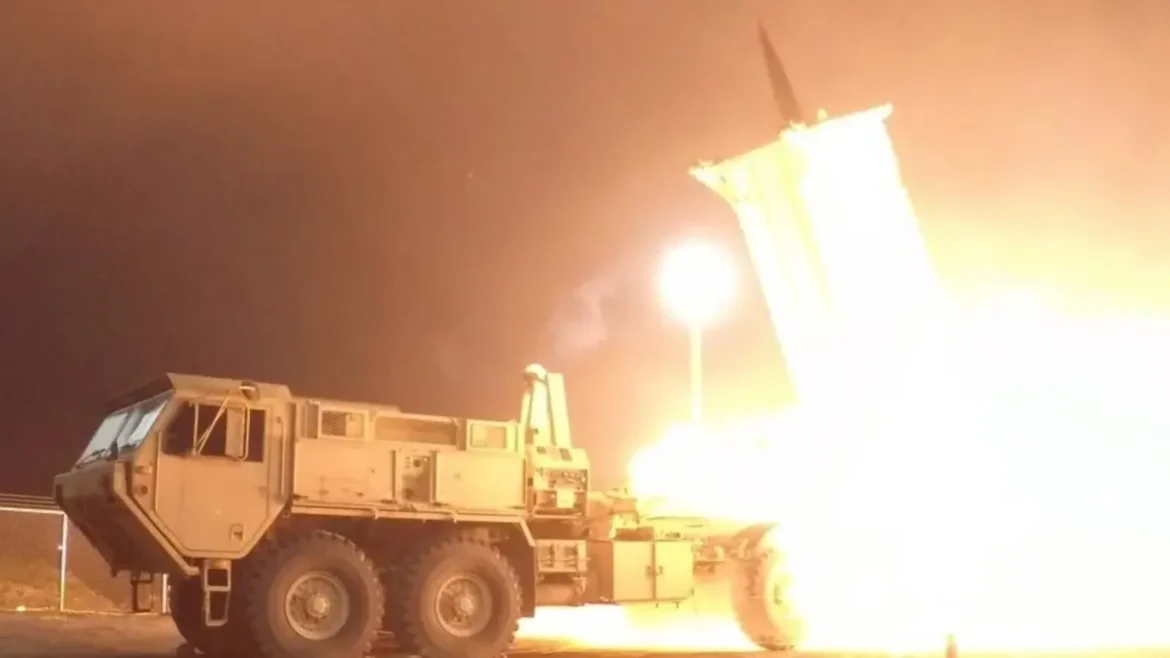
THAAD — Terminal High Altitude Area Defense — is a hit-to-kill system produced by Lockheed Martin. It is designed to defeat short- and medium-range ballistic missiles in the terminal phase of flight, engaging targets both inside and outside the atmosphere using kinetic impact technology. The system’s operational altitude band runs from approximately 40 km to 150 km, sitting above Patriot but below the exoatmospheric intercept envelope of the Navy’s SM-3.
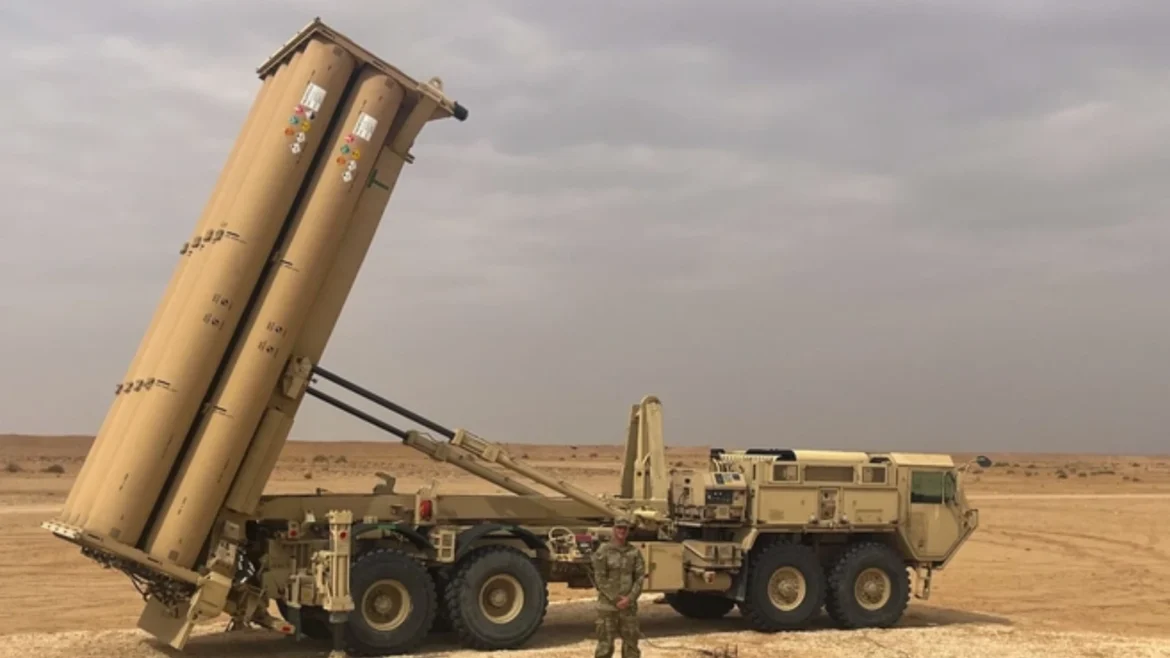
A complete THAAD battery deploys with six M1120 HEMTT-based launchers, each carrying eight interceptors, for a total capacity of 48 missiles, requiring a 95-soldier crew for full operations. The AN/TPY-2 radar — which received a Gallium Nitride (GaN) upgrade delivered in May 2025 that doubles detection range and provides enhanced sensitivity for hypersonic threat tracking — is the system’s most strategically valuable component. The radar alone runs $400–500 million per unit.
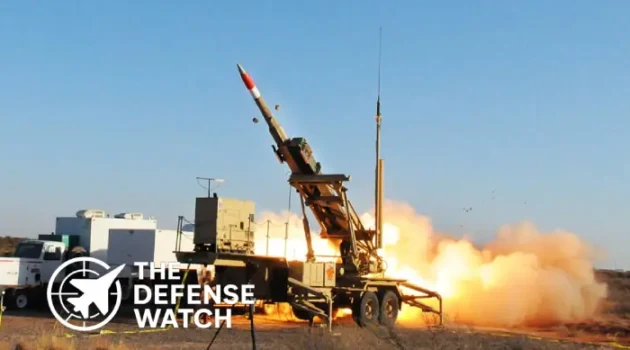
Patriot PAC-3 MSE (Missile Segment Enhanced) operates at the lower tier, handling threats in the 10–40 km altitude band that THAAD either overshoots or cannot engage cost-effectively. PAC-3 MSE features a dual-pulse motor, improved guidance, and the ability to counter ballistic missiles, cruise missiles, and aircraft, with an extended range of 60-plus kilometers. In 2022, Lockheed Martin integrated PAC-3 MSE with the THAAD system, allowing the Army to engage targets across both altitude bands without co-locating the two weapon systems — a significant reduction in logistics and ground equipment requirements.

The cost differential between the two systems is stark. THAAD interceptors cost $12.7 million per unit, while Patriot PAC-3 MSE interceptors run $3.7–4.2 million each — roughly 71 percent less expensive. That gap matters enormously when both systems are firing at volume.
The Hypersonic Problem: Physics That Neither System Was Designed For
A conventional ballistic missile follows a predictable arc. Radar tracks the trajectory; fire control calculates the intercept point; the interceptor flies to that geometry. The physics are difficult, but deterministic. THAAD has achieved a 100% success rate in controlled operational testing against ballistic threats with this profile.
Hypersonic glide vehicles break that determinism. They operate in the 20–80 km altitude band — precisely the seam between THAAD’s lower engagement floor and Patriot’s upper ceiling — and they maneuver laterally throughout terminal approach. If a hypersonic weapon is maneuvering aggressively while traveling at speeds exceeding Mach 6, interceptors may struggle to match its lateral acceleration and speed. A study modeled a scenario involving PAC-3 MSE attempting to destroy a hypersonic glide vehicle similar to the experimental HTV-2, with results suggesting successful interception becomes unlikely if the target maintains speeds above Mach 6 during its terminal dive.
The engagement timeline is the critical constraint. At Mach 10 — roughly 3.4 km per second — a target descending through THAAD’s engagement envelope gives a fire control system roughly 20–30 seconds to detect, track, compute, and launch. Some interceptors, such as Aegis SM-2 and SM-6 missiles, travel at around Mach 4, making them potentially less effective against hypersonic threats. THAAD’s own interceptor reaches approximately Mach 8 in boost phase, but that speed advantage narrows dangerously against a maneuvering target.
Real-world data confirmed the gap. In May 2025, THAAD failed to intercept a hypersonic missile targeting Ben Gurion Airport, followed by a second failure against a Houthi missile within one week — highlighting challenges against maneuvering threats that operate below THAAD’s optimal engagement envelope.
Comparative Data: THAAD vs. Patriot PAC-3 MSE
Parameter THAAD Patriot PAC-3 MSE Interceptor Unit Cost ~$12.7 million ~$3.7–4.2 million Engagement Altitude 40–150 km ~10–40 km Engagement Range ~200 km ~60 km Intercept Mode Hit-to-kill, endo- & exo-atmospheric Hit-to-kill, endoatmospheric Interceptors Per Battery 48 (6 launchers × 8) 16 (4 launchers × 4) Radar System AN/TPY-2 (GaN-upgraded 2025) AN/MPQ-65 / LTAMDS (new) FY2025 Annual Production ~12–32 interceptors ~600–620 interceptors Target Threat Profile MRBMs, IRBMs, limited HGVs SRBMs, cruise missiles, aircraft Battery Acquisition Cost ~$3 billion ~$1 billion Combat Deployment Israel (2025), UAE (2022) Saudi Arabia, Israel, Qatar (2025) Sources: FY2025 MDA Budget, CSIS Missile Defense Report, JINSA cost analysis
The Magazine Problem: Why Production Numbers Are the Real Strategic Vulnerability
Technical performance is only half the equation. During the June 2025 Israel-Iran conflict, a minimum of 39 THAAD interceptors were fired in twelve days, at $12.7 million each — more than an entire year’s FY2026 production quota of 32 missiles, with FY2025 production running at only 12 interceptors total.
The broader inventory picture is more alarming. The United States reportedly engaged Iranian ballistic missile attacks with over 150 THAAD interceptors and approximately 80 SM-3s during the 12-day conflict, following a year of defending against Houthi attacks in the Red Sea that consumed roughly 200 SM-2 and SM-6 interceptors.
The Pentagon, in partnership with Lockheed Martin and Boeing, is now executing a seven-year plan to triple PAC-3 MSE production from roughly 600 annually to 2,000 by 2030. THAAD production will also be increased. But seven-year production ramps offer zero relief for a conflict that could exhaust stockpiles in weeks.
“The strategic math is already alarming. More than an entire year’s worth of THAAD interceptors were fired in twelve days. The production rate in FY2025 was only 12 missiles.” — Arms Control Wonk, June 2025
This is the defining asymmetry in modern layered defense: adversaries can manufacture hypersonic glide vehicles — and the ballistic missiles used to saturate defense systems — at a fraction of the cost of the interceptors fired to stop them. The U.S. used up roughly 14 percent of all its THAAD interceptors during the twelve-day conflict, with replenishment estimated to take three to eight years at prior production rates.
The Layered Defense Doctrine: What Game Theory Teaches Us About Saturation
This is where the operational parallels to competitive strategy become analytically useful — not as decoration, but as structural insight. Any competitive system with high-value, limited-magazine assets faces the same core problem: when your opponent can force you to expend premium resources against low-cost probes, they shift the exchange ratio in their favor.
Iran’s June 2025 campaign sent approximately 550 ballistic missiles at Israel. The saturation logic is explicit — force the defender to shoot expensive interceptors at cheap threats, then route the actual priority payloads through degraded coverage. During periods when THAAD represented over 60 percent of interceptors used, Iran increased its successful hit rate by one to four percent. That marginal increase, compounded across a sustained campaign, compounds into strategic effect.
Layered defense doctrine is the counter: force the adversary to penetrate multiple overlapping systems, each with different engagement geometries, rather than concentrating all intercept burden on one tier. THAAD handles the high-altitude midcourse threats; PAC-3 MSE takes the low-end leakers and cruise missiles; the Aegis SM-3 provides midcourse engagement at sea. The seam, however, is the hypersonic glide vehicle — which threads the 20–80 km band between these tiers and maneuvers to avoid the intercept geometry each system is optimized for.
Traditional systems like Patriot and THAAD can engage ballistic missiles traveling at hypersonic speeds along predictable trajectories, but maneuvering hypersonic glide vehicles present significantly greater challenges due to their ability to change course during flight. No fielded U.S. system has a confirmed intercept of a maneuvering HGV under real combat conditions. That gap remains open.
The Next Step: LTAMDS, THAAD-ER, and the Future of the Kill Chain
The path forward has three vectors. First, sensor modernization: the Lower Tier Air and Missile Defense Sensor (LTAMDS) is a next-generation AESA radar replacing the AN/MPQ-65, providing 360-degree coverage and simultaneous multi-mission capability, while IBCS (Integrated Battle Command System) enables a network-centric architecture allowing distributed sensors and shooters — breaking the “one radar, one battery” limitation.
Second, interceptor upgrades: THAAD-ER (Extended Range) is a future variant with a larger booster for increased velocity, enabling extended engagement range and higher intercept altitude. Higher terminal velocity on the interceptor is the most direct kinematic response to the HGV speed problem.
Third, directed energy. Israel’s Iron Beam delivered confirmed operational use against drone and rocket threats in limited engagement on the Lebanon front in March 2026, with per-shot costs estimated at approximately two dollars. Directed-energy systems cannot yet engage maneuvering ballistic threats at altitude — but against the low-end saturation threats that drain Patriot and THAAD magazines, they represent an asymmetric cost equalizer.
Conclusion: The Exchange Ratio Is the War
THAAD and Patriot PAC-3 MSE are, by any objective metric, the most combat-capable mobile air defense systems currently deployed. The PAC-3 MSE’s documented intercept of Russian Kinzhal missiles over Ukraine validated hit-to-kill technology against a real hypersonic weapon. THAAD’s performance defending Israel — even while burning through annual production in less than two weeks — confirmed the system’s lethality under sustained attack.
But the hypersonic glide vehicle remains a fundamentally different problem. It exploits the altitude seam between tiers, combines ballistic speed with aerodynamic maneuverability, and degrades the fire control geometry that both systems depend on. The GaN radar upgrades and LTAMDS modernization improve tracking. THAAD-ER improves terminal kinematics. Neither fully closes the intercept gap against a Mach 8+ maneuvering target at 40 km.
The deeper issue is economic. At $12.7 million per THAAD shot versus the estimated $3–10 million cost of an advanced hypersonic missile, the attacker holds the exchange ratio advantage. No amount of technical performance closes that gap if the magazine runs empty first.
The strategic lesson from the June 2025 data is unambiguous: production capacity is now as operationally decisive as intercept probability. Until annual THAAD production scales from dozens to hundreds, the most technically advanced air defense system in U.S. inventory remains a finite resource in an era of potentially unlimited threats.
Executive Summary:
Indonesia has issued a Letter of Intent (LOI) for the acquisition of the MSAM II medium range air defense system, marking another step in the country’s military modernization program.
The planned procurement reflects Jakarta’s growing focus on building a layered air and missile defense architecture capable of protecting critical infrastructure and strategic assets across the archipelago.
Indonesia Advances MSAM II Air Defense System Acquisition
Indonesia’s pursuit of the MSAM II air defense system signals a continued effort to strengthen national air defense capabilities amid an increasingly complex regional security environment.
Indonesian defense authorities have issued a Letter of Intent (LOI) related to the procurement of the MSAM II system, indicating formal interest in moving forward with the acquisition process. While an LOI does not constitute a final contract, it represents an important milestone that typically precedes detailed negotiations, funding arrangements, and eventual procurement decisions.
The proposed acquisition aligns with broader Indonesian military modernization efforts aimed at improving airspace surveillance, missile defense, and integrated command and control capabilities.
What Is The MSAM II System?
MSAM II, or Medium Surface-to-Air Missile II, is a next generation medium range air defense system designed to counter a variety of aerial threats, including:
- Fighter aircraft
- Cruise missiles
- Unmanned aerial systems (UAS)
- Precision guided munitions
The system is part of a growing class of modern air defense platforms intended to bridge the gap between short range point defense systems and long range strategic missile defenses.
For countries such as Indonesia, which must defend a vast archipelagic territory spanning thousands of islands, medium range air defense assets play a critical role in creating layered protection around military bases, population centers, ports, and critical infrastructure.
Why The Acquisition Matters
The Indonesian Armed Forces have been engaged in one of Southeast Asia’s most ambitious modernization programs.
Recent procurement initiatives have included new combat aircraft, surveillance radars, transport aircraft, and missile systems. Indonesia has also expanded investments in air surveillance infrastructure, including long range radar networks intended to improve early warning coverage across the country. Recent deliveries of advanced Ground Master 403 radars further support those efforts.
The addition of the MSAM II air defense system would complement these investments by providing a stronger interception capability against modern airborne threats.
From a strategic perspective, the acquisition reflects a wider regional trend. Across the Indo Pacific, governments are investing heavily in integrated air and missile defense networks as precision strike weapons, drones, and advanced missiles become more widely available.
Building A Layered Defense Network
One of the key challenges facing Indonesia is geography.
Unlike continental states, Indonesia must secure an extensive maritime and air domain stretching across critical sea lanes and economic zones. This reality places significant demands on air surveillance and interception capabilities.
A layered defense approach generally combines:
- Long range surveillance radars
- Medium range air defense systems
- Short range air defense platforms
- Integrated command and control networks
- Fighter aircraft for air superiority missions
The planned MSAM II procurement appears consistent with Jakarta’s objective of creating a more comprehensive and resilient air defense architecture.
Regional Security Implications
Indonesia traditionally maintains a non aligned defense posture and focuses on protecting national sovereignty rather than projecting military power.
Nevertheless, regional defense planners increasingly recognize the importance of modern air defense systems in deterring coercion and safeguarding critical infrastructure.
The MSAM II initiative comes as Southeast Asian nations continue upgrading military capabilities in response to evolving security challenges, including the proliferation of advanced missile technologies, unmanned systems, and long range precision strike weapons.
While Indonesia has not publicly framed the acquisition against any specific adversary, the move reinforces the country’s commitment to maintaining credible defensive capabilities and preserving operational readiness.
Outlook
The issuance of a Letter of Intent does not guarantee a final purchase, but it indicates that Indonesia is seriously evaluating the MSAM II air defense system as part of its future force structure.
If negotiations progress successfully, the system could become a key component of Indonesia’s expanding layered air defense network, strengthening the country’s ability to detect, track, and engage modern aerial threats while supporting broader military modernization objectives.
Executive Summary:
Australia has awarded a AUD $72 million contract to Rheinmetall NIOA Munitions to establish a new domestic 155mm M795 artillery projectile forging capability in Queensland. The facility, expected to begin operations by the end of 2028, will initially produce 15,000 rounds annually and forms part of Canberra’s broader effort to strengthen sovereign munitions production, supply chain resilience, and defense self-reliance.
Australia Awards Rheinmetall NIOA Contract For 155mm Projectile Production
The Australian government has signed a AUD $72 million contract with Rheinmetall NIOA Munitions (RNM) to establish a new domestic forging capability for 155mm M795 artillery projectiles at Maryborough, Queensland, marking a significant expansion of the country’s sovereign munitions manufacturing capacity. The announcement was made by Australia’s Department of Defence on June 8, 2026.
According to the government, the contractor-owned and contractor-operated facility will begin production by the end of 2028 and will initially manufacture 15,000 projectiles annually, with the ability to scale production if operational requirements increase.
The project is expected to create up to 50 highly skilled jobs during construction and initial operations while expanding Australia’s industrial workforce in the defense sector.
Supporting Key Australian Artillery Systems
The forged M795 projectile bodies produced at the Queensland facility will support several core Australian Army artillery systems, including:
| System | Type | Role |
|---|---|---|
| M777A2 | Lightweight Towed Howitzer | Long-range artillery support |
| AS9 Huntsman | Self-Propelled Howitzer | Mobile precision fires |
| Future artillery capabilities | Various | Operational stockpile support |
The M795 remains one of the most widely used NATO-standard 155mm high-explosive artillery projectiles and is compatible with numerous Western artillery platforms.
Why Australia Is Investing In Artillery Manufacturing
The decision reflects a broader strategic shift occurring across many Western nations as defense planners seek to secure ammunition supply chains following unprecedented demand for artillery rounds in recent years.
Australian defense officials stated that domestic forging capability will reduce dependence on overseas suppliers, shorten procurement timelines, and improve the country’s ability to sustain military operations during periods of conflict or supply chain disruption.
The investment aligns directly with priorities outlined in Australia’s 2026 National Defence Strategy and Integrated Investment Program, both of which emphasize resilience, industrial capacity, and sovereign defense production.
Technical Significance Of Projectile Forging
Forging represents one of the most critical stages in artillery ammunition production.
A forged projectile body must withstand extreme acceleration forces during firing, maintain structural integrity throughout flight, and perform reliably upon impact. Establishing domestic forging capacity therefore gives Australia control over one of the most strategically important stages of the ammunition manufacturing process.
The new capability will complement existing Australian ammunition production infrastructure and create a more complete domestic manufacturing ecosystem.
According to Rheinmetall NIOA, its Maryborough operations already possess advanced capabilities including:
- High-tonnage forging operations
- Precision machining
- Heat treatment
- Welding
- Quality assurance testing
- Non-destructive inspection systems
- Projectile finishing and coating processes
These capabilities position the facility as one of the most modern large-caliber projectile production sites in the region.
Strategic Importance For Allied Supply Chains
The significance of the project extends beyond Australia’s domestic requirements.
Across NATO and allied nations, demand for 155mm artillery ammunition has surged as countries rebuild stockpiles and expand production capacity. Rheinmetall itself has secured multiple major international artillery ammunition contracts over the past two years, highlighting persistent global demand for 155mm munitions.
For Australia, establishing a second large-caliber forging capability by 2028 creates opportunities not only to support the Australian Defence Force but also to contribute to allied supply chains in the Indo-Pacific and beyond. Government officials specifically referenced future export opportunities as part of the initiative.
Original Analysis: What This Means For Defense Strategy
The contract reflects a broader transformation in how middle powers approach defense industrial policy.
For decades, many nations relied on globalized supply chains and just-in-time procurement models for ammunition. Recent conflicts have exposed the limitations of that approach, particularly for high-consumption munitions such as 155mm artillery rounds.
Australia’s investment suggests three strategic priorities:
- Supply Chain Security
Domestic production reduces exposure to international shortages and transportation disruptions. - Operational Readiness
Locally manufactured ammunition can be replenished faster during crises. - Alliance Contribution
Expanded production capacity increases Australia’s ability to support coalition operations and regional partners.
From a U.S. perspective, the move mirrors similar efforts underway across allied defense industries to rebuild ammunition manufacturing capacity after years of underinvestment. It also reinforces the growing trend of allied nations developing distributed production networks capable of supporting NATO and Indo-Pacific security requirements simultaneously.
Additional Investment In Naval Ammunition Production
Alongside the Rheinmetall NIOA announcement, the Australian government revealed a separate AUD $9.2 million investment in Thales Australia to modernize and refurbish the country’s naval 5-inch ammunition production line at Benalla, Victoria. The upgrade will introduce new automated equipment and manufacturing technologies designed to strengthen domestic production capacity.
Both initiatives are supported by Australia’s broader defense industrial investment plan, which allocates between AUD $26 billion and AUD $36 billion over the next decade toward guided weapons, explosive ordnance, and related manufacturing capabilities.
Outlook
The new Rheinmetall NIOA facility represents one of Australia’s most significant recent investments in conventional ammunition manufacturing. Once operational, it will provide the Australian Defence Force with a domestic source of forged 155mm M795 artillery projectiles while strengthening national industrial resilience and contributing to allied ammunition supply networks.
With production scheduled to begin by the end of 2028, the project highlights the increasing importance governments are placing on sovereign munitions production as artillery ammunition remains a critical component of modern military operations.
Executive Summary:
Finnish defense company Patria has completed deliveries of 10 AMV XP 8×8 armored ambulance vehicles to Slovakia under a trilateral government-to-government agreement signed in 2022. The deliveries represent another milestone in Slovakia’s broader effort to modernize its land forces while expanding domestic industrial participation through technology transfer and local production.
Patria Completes AMV XP Ambulance Deliveries To Slovakia
Patria has completed the delivery of all Patria AMV XP 8×8 armored ambulance vehicles ordered by Slovakia under a major government-to-government procurement program involving Finland, Slovakia, and the Finnish defense manufacturer. The final vehicles were handed over in Lieskovec, Slovakia, during the last week of May 2026, according to an official company announcement released on June 4.
The ambulance vehicles form part of Slovakia’s acquisition of 76 Patria AMV XP armored combat vehicles under a framework agreement signed in August 2022. The overall fleet includes 60 infantry fighting vehicles, 10 ambulance vehicles, and six command post vehicles intended to strengthen the Slovak Armed Forces’ mechanized capabilities.
Patria described the completion of the ambulance deliveries as a significant milestone within the wider Slovak BOV 8×8 modernization program.
The Broader Slovak AMV XP Program
The acquisition stems from Slovakia’s decision to select the Patria AMV XP platform following competitive evaluations conducted in 2022. The subsequent government-to-government agreement between Finland and Slovakia covered not only vehicle deliveries but also logistics support, industrial cooperation, training, and long-term sustainment.
The program is valued at approximately €447 million and represents one of Slovakia’s most significant land systems modernization efforts since joining NATO. Deliveries began in 2023 and are expected to continue through the latter part of the decade as combat and command variants enter service.
The Slovak version of the vehicle is commonly known as the Vydra and incorporates locally integrated systems, including Slovak-produced weapon stations and mission equipment.
Why Armored Ambulance Vehicles Matter
While infantry fighting vehicles often receive greater attention, armored ambulance variants play a critical role in modern military operations.
Protected medical evacuation capability allows wounded personnel to be transported from contested areas while maintaining protection against small arms fire, artillery fragments, mines, and improvised explosive devices. The need for survivable casualty evacuation platforms has become increasingly evident in recent conflicts where medical units frequently operate within range of indirect fire and unmanned systems.
The Patria AMV XP ambulance configuration provides several operational advantages:
Capability Operational Benefit 8×8 armored protection Increased survivability during casualty evacuation High mobility Ability to accompany mechanized formations Large internal volume Space for medical personnel and casualties Modular design Adaptability for different medical missions Common vehicle platform Simplified logistics and maintenance Unlike unarmored medical vehicles, armored ambulance variants can move closer to frontline units, reducing evacuation timelines and potentially improving casualty survival rates.
Technology Transfer And Slovak Industrial Participation
A key component of the Slovak procurement strategy has been domestic industrial involvement.
Patria’s business model emphasizes technology transfer and local manufacturing partnerships, enabling customer nations to develop indigenous production and sustainment capabilities. According to the company, the Slovak program includes the transfer of armored vehicle manufacturing expertise to local industry partners.
This approach supports several strategic objectives:
- Enhanced national security of supply
- Reduced dependence on foreign maintenance chains
- Development of local defense manufacturing expertise
- Creation of long-term industrial employment
- Greater control over future upgrades and sustainment
Slovakia formally launched local production activities in 2024 through cooperation between Patria and Slovak industry partners, including state-owned and private defense companies involved in vehicle assembly and integration.
Technical Overview Of The Patria AMV XP
The Patria AMV XP represents the latest evolution of the company’s Armoured Modular Vehicle family, which has achieved widespread international adoption.
The vehicle was designed to provide a balance of mobility, protection, and payload capacity while supporting multiple mission configurations. Patria describes the platform as a fully digitalized armored vehicle with advanced vehicle management systems and modular architecture.
Key characteristics include:
- 8×8 wheeled armored configuration
- Modular mission architecture
- Digital vehicle management systems
- Multiple mission variants
- High operational mobility
- Scalability for future upgrades
The platform has been selected by several nations and serves as the foundation for infantry fighting vehicles, command vehicles, armored personnel carriers, ambulance vehicles, and specialized mission variants.
Strategic Implications For NATO’s Eastern Flank
The completion of the ambulance vehicle deliveries reflects broader defense modernization trends across Central and Eastern Europe.
Since Russia’s invasion of Ukraine, NATO members along the alliance’s eastern flank have accelerated procurement programs focused on mobility, survivability, and readiness. Slovakia has invested heavily in modern armored vehicles, combat aircraft, and supporting military infrastructure as part of this effort.
Although ambulance vehicles represent a small portion of the overall fleet, they contribute to a more complete and resilient force structure. Modern armies increasingly recognize that battlefield effectiveness depends not only on combat power but also on sustainment, logistics, medical support, and force protection.

The Slovak program also demonstrates a growing European preference for government-to-government procurement frameworks that combine equipment acquisition with industrial cooperation and technology transfer. Such arrangements can strengthen both military readiness and domestic defense industrial capacity.
For NATO, these investments collectively improve interoperability, enhance regional readiness, and support the alliance’s ability to sustain high-intensity operations if required.
Outlook
With ambulance vehicle deliveries now complete, attention will shift toward the continued production and fielding of infantry fighting and command variants under Slovakia’s broader Patria AMV XP acquisition program. The project remains one of the most significant examples of defense industrial cooperation between Finland and Slovakia and highlights the increasing importance of protected mobility and battlefield support capabilities across Europe’s modernizing armed forces.