Executive Summary:
Saab has secured an approximately SEK 8.7 billion (about US$830 million) contract from Germany’s TKMS to equip four new MEKO A 200 DEU frigates for the German Navy. The agreement includes advanced combat management systems, radar sensors, composite superstructures, and an option for additional ships, significantly strengthening Germany’s future maritime air defense, anti submarine, and surface warfare capabilities.
Saab Secures Major Combat Systems Contract For Germany’s Next Generation Frigates
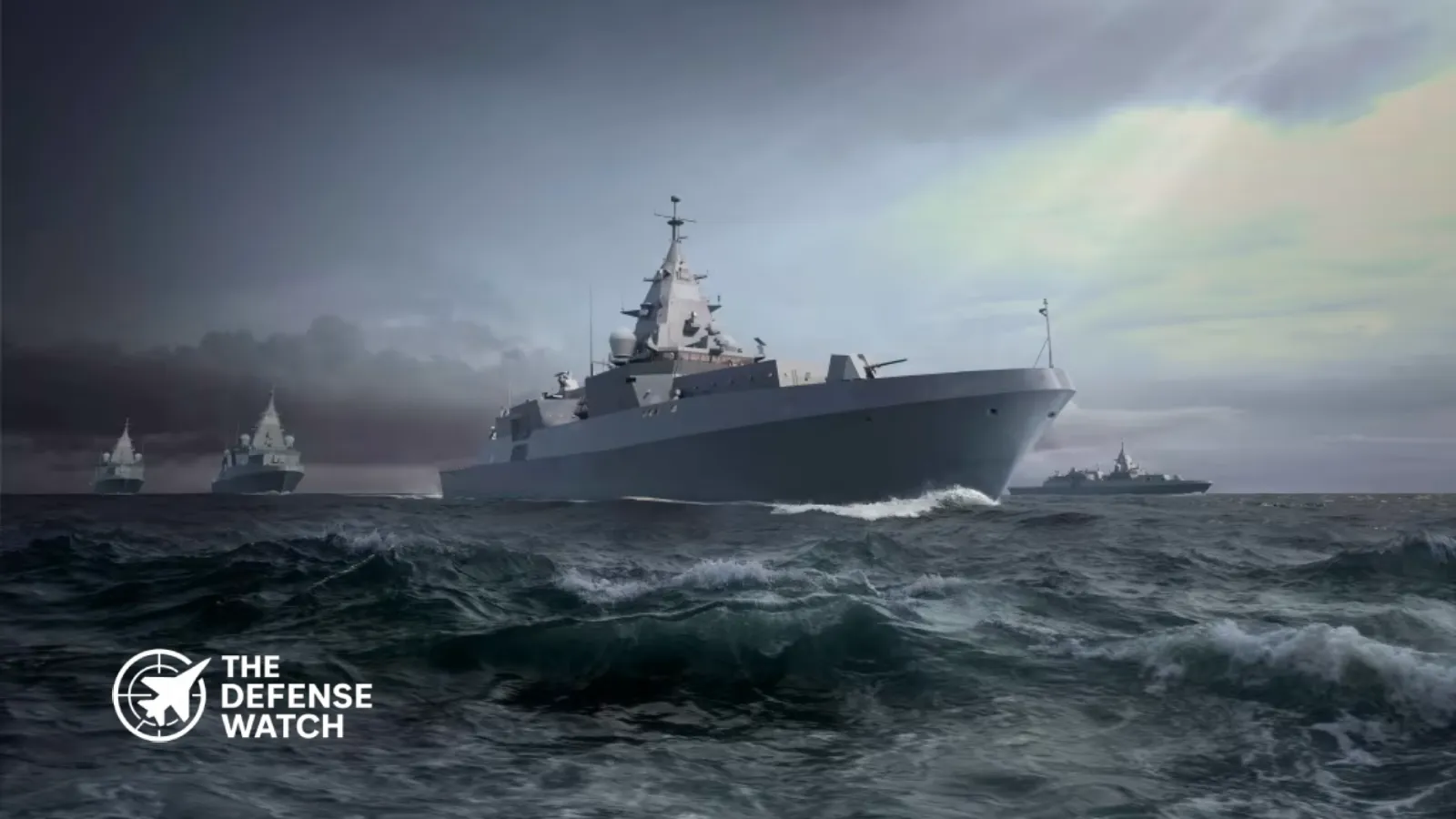
Saab has received a major German Navy contract valued at approximately SEK 8.7 billion (around US$830 million) to deliver and integrate advanced combat systems, radar sensors, and composite structures for four new MEKO A 200 DEU frigates. The announcement was made by Saab following the signing of an agreement with German naval shipbuilder thyssenkrupp Marine Systems (TKMS), the prime contractor for the program.
The deliveries are scheduled between 2029 and 2032, supporting Germany’s long term naval modernization strategy and strengthening the Bundeswehr’s maritime capabilities across the Baltic Sea, North Sea, and broader NATO operational areas.
Saab Will Supply The Frigates’ Core Combat Systems
Under the agreement, Saab will provide a broad package of mission critical systems that form the operational backbone of the new frigates.
The contract includes:
| System | Purpose |
|---|---|
| 9LV Combat Management System | Coordinates all combat operations aboard the ship |
| Fire Control System | Controls weapon engagement against air and surface threats |
| Sea Giraffe 4A Fixed Face Radar | Long range air and surface surveillance |
| Sea Giraffe 1X Radar | Lightweight multi mission surveillance and target tracking |
| Passive Sensor Suite | Electronic surveillance and threat detection |
| Composite Superstructure | Reduces weight while improving survivability and radar performance |
The agreement also contains an option allowing TKMS to expand Saab’s scope should additional frigates be ordered in the future.
Strengthening Germany’s Naval Air, Surface And Undersea Warfare
According to Saab President and CEO Micael Johansson, the contract reflects the company’s long standing partnership with Germany and will substantially improve the German Navy’s operational effectiveness.
The integrated combat system is designed to support three primary mission areas:
- Anti air warfare
- Anti submarine warfare
- Anti surface warfare
By combining advanced surveillance radars with Saab’s 9LV Combat Management System, the frigates will be able to detect, classify, track, and engage multiple threats simultaneously while coordinating with allied NATO naval forces.
The Importance Of The 9LV Combat Management System
The 9LV Combat Management System has become one of Saab’s flagship naval products and is currently deployed aboard multiple allied navies worldwide.
The system integrates:
- Radar inputs
- Electronic warfare sensors
- Weapons management
- Tactical data links
- Command decision support
- Fire control coordination
Rather than operating individual sensors independently, the combat management system fuses information into a single operational picture, allowing commanders to react more quickly to evolving threats.
This capability has become increasingly important as modern naval warfare involves simultaneous attacks from missiles, drones, aircraft, submarines, and surface vessels.
Sea Giraffe Radars Expand Situational Awareness
A key element of Saab’s delivery is the integration of two advanced radar systems.
Sea Giraffe 4A Fixed Face
The Sea Giraffe 4A is Saab’s long range AESA surveillance radar designed to provide continuous 360 degree coverage. It supports early warning against aircraft, cruise missiles, helicopters, unmanned systems, and surface contacts.
Its fixed face architecture eliminates the need for rotating antennas, improving update rates and enabling faster target tracking.
Sea Giraffe 1X
Complementing the larger radar is the compact Sea Giraffe 1X, a lightweight multi mission sensor optimized for detecting:
- Low flying aircraft
- Small drones
- Fast attack craft
- Sea skimming missiles
Together, these sensors provide layered surveillance that enhances the frigate’s ability to respond to complex maritime threats.
Why The Contract Matters Beyond Germany
While the agreement is a major industrial success for Saab and TKMS, its broader significance lies in NATO’s ongoing effort to modernize European naval forces amid a rapidly changing security environment.
European navies are investing heavily in:
- Integrated air and missile defense
- Anti submarine warfare
- Network centric naval operations
- Maritime surveillance
- Interoperability across NATO fleets
Germany’s new MEKO A 200 DEU frigates are expected to become among the country’s most capable surface combatants, replacing aging platforms while improving operational readiness for collective defense missions.
The inclusion of Saab’s combat management architecture also enhances interoperability with other NATO navies that already operate the 9LV system or compatible command and control networks. This simplifies joint operations, improves information sharing, and supports multinational maritime task groups.
Industrial Cooperation Between Saab And TKMS
The frigates will be constructed in Germany by TKMS, while Saab will provide high value combat systems and specialized naval technologies.
The cooperation highlights Europe’s increasingly integrated defense industrial base, where shipbuilders and technology providers combine expertise to deliver complex warships.
Composite superstructures supplied by Saab also contribute to lower vessel weight, improved structural durability, and reduced radar signature compared with traditional steel designs.
Program Overview
Item Details Customer TKMS (thyssenkrupp Marine Systems) End User German Navy Contract Value Approximately SEK 8.7 billion (about US$830 million) Ships Four MEKO A 200 DEU frigates Delivery Period 2029 to 2032 Major Systems 9LV Combat System, Fire Control System, Sea Giraffe 4A, Sea Giraffe 1X, passive sensors, composite superstructures Option Additional frigates may be included Strategic Outlook
The Saab contract represents one of the company’s largest recent naval awards and reinforces its position as a leading supplier of integrated maritime combat systems in Europe.
For Germany, the program supports long term naval modernization while expanding the fleet’s ability to conduct air defense, anti submarine warfare, and surface combat operations within NATO maritime forces. As European defense spending continues to rise, partnerships between companies such as Saab and TKMS are expected to play an increasingly important role in delivering advanced capabilities to allied navies.
Executive Summary:
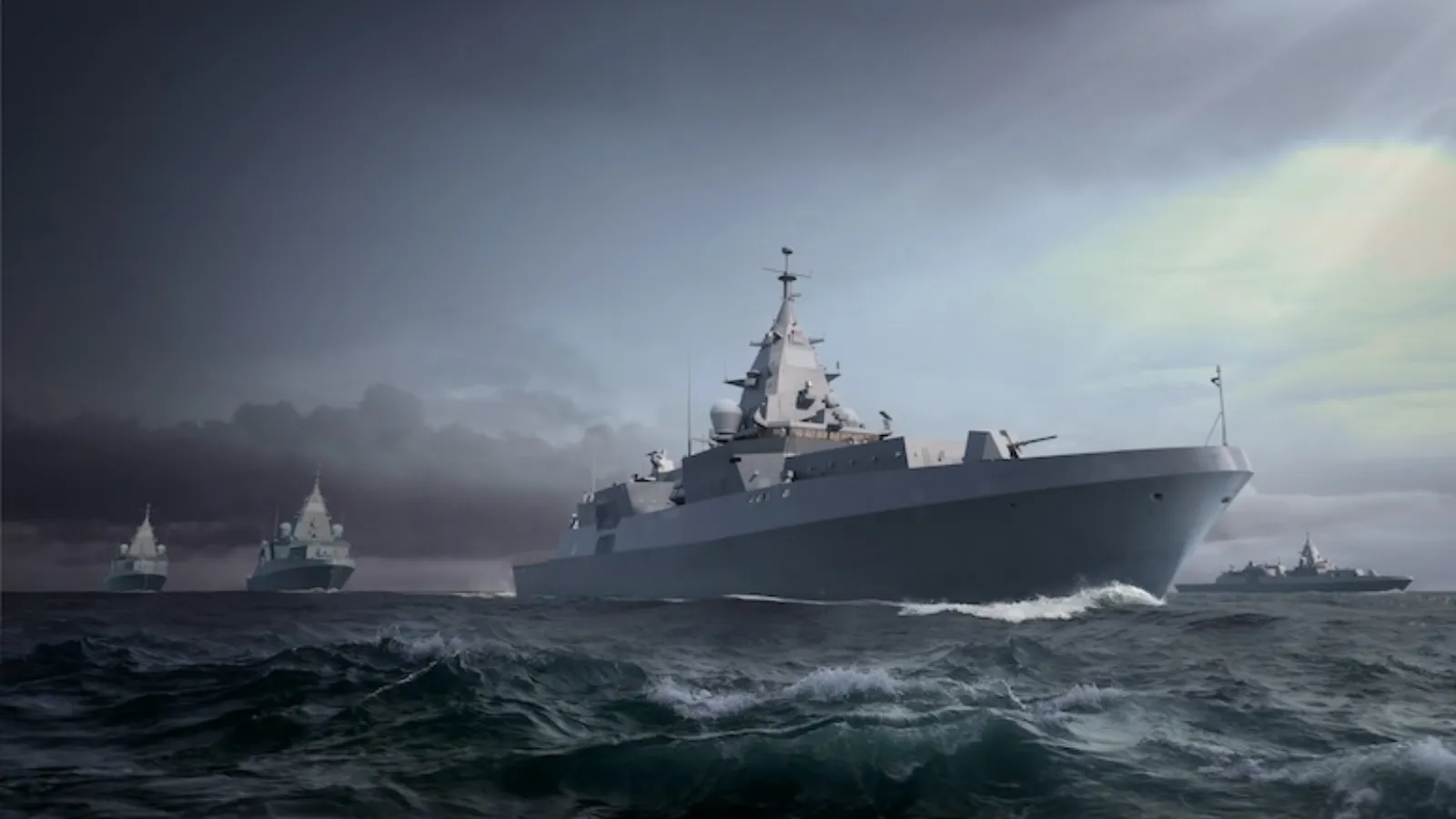
Germany’s Bundestag Budget Committee has approved funding for the procurement of four MEKO A 200 DEU frigates for the German Navy, marking one of the country’s most significant naval modernization decisions in recent years. The program is intended to replace aging surface combatants, strengthen NATO maritime capabilities, and expand Germany’s ability to conduct high intensity naval operations across European waters.
Germany Approves MEKO A 200 DEU Frigates For Naval Modernization
Germany has approved the procurement of four MEKO A 200 DEU frigates, advancing one of the country’s largest naval modernization initiatives as Berlin continues expanding defense spending following Russia’s invasion of Ukraine. The decision was approved by the Bundestag Budget Committee, clearing funding for the acquisition and enabling contract implementation with German industry.
The approval represents another major investment under Germany’s long term effort to strengthen the Bundeswehr while improving NATO’s collective maritime deterrence in the Baltic Sea, North Sea, and wider European theater.
According to official announcements, the new frigates will become an important component of Germany’s future surface fleet, providing enhanced multi mission capabilities across anti air warfare, anti submarine warfare, anti surface warfare, and maritime security operations.
Bundestag Clears Major Naval Procurement
The Bundestag Budget Committee approved financing for four new frigates after reviewing the procurement package presented by the German Ministry of Defence.
The vessels will be based on the proven MEKO A 200 design developed by thyssenkrupp Marine Systems (TKMS) and adapted into the German specific MEKO A 200 DEU configuration.
The approval follows Germany’s broader defense modernization strategy, which has accelerated procurement of naval vessels, aircraft, missile defense systems, and armored vehicles since the establishment of the country’s special defense modernization fund.
Government officials have emphasized that expanding naval readiness is essential as NATO faces increased security challenges across Northern Europe and the Baltic region.
What The MEKO A 200 DEU Brings To The German Navy
The MEKO A 200 family has already been exported to several international operators and is recognized for its modular architecture, survivability, and flexible mission capability.
The German variant is expected to incorporate mission specific modifications tailored to Bundeswehr operational requirements while maintaining the modular design philosophy that allows future upgrades throughout the vessel’s service life.
Expected Core Capabilities
| Capability | Purpose |
|---|---|
| Multi mission combat system | Air, surface, and submarine warfare |
| Modular MEKO architecture | Easier modernization and lifecycle upgrades |
| Advanced radar suite | Long range surveillance and target tracking |
| Modern combat management system | Integrated command and weapons control |
| Helicopter facilities | Maritime patrol and anti submarine operations |
| NATO interoperability | Joint allied maritime operations |
Although detailed technical specifications for the German configuration have not yet been publicly released, the platform is expected to feature significant improvements in sensors, electronic warfare systems, and network enabled operations.
Why The Procurement Matters
The approval extends beyond replacing aging ships.
Germany has increasingly assumed greater responsibility within NATO’s maritime posture. The Baltic Sea has become one of Europe’s most strategically important operating environments following Finland’s and Sweden’s NATO accession, requiring improved naval presence and maritime surveillance.
New surface combatants provide greater flexibility for:
- Maritime deterrence
- Sea lane protection
- Escort missions
- Air defense operations
- Anti submarine warfare
- NATO task group deployments
- Crisis response missions
The new frigates are expected to remain operational for several decades, making them one of Germany’s most important long term naval investments.
Industrial Significance For Germany
The procurement also supports Germany’s domestic naval industrial base.
thyssenkrupp Marine Systems remains one of Europe’s leading naval shipbuilders, producing submarines and surface combatants for multiple international customers.
The MEKO program has become one of Germany’s most successful naval export families, with variants serving in several allied and partner navies. Building the German Navy’s latest frigates domestically also preserves critical shipbuilding expertise and supports thousands of highly skilled industrial jobs.
For Berlin, maintaining sovereign shipbuilding capability has become increasingly important as European governments seek greater defense industrial resilience.
Strategic Analysis: A Broader Shift In European Naval Planning
The approval of the MEKO A 200 DEU frigates reflects a wider transformation occurring across European navies.
Russia’s continued military activity has prompted NATO members to invest heavily in maritime capabilities that can operate in contested environments while supporting alliance operations. Germany has responded by expanding procurement programs across multiple military domains, with naval modernization becoming a central pillar of its defense strategy.
Unlike Cold War era frigates that often specialized in a single mission area, modern warships increasingly combine anti air, anti submarine, surface warfare, and command functions into a single platform. This multi role approach improves operational flexibility while reducing long term fleet management costs.
The MEKO concept also offers another strategic advantage through its modular architecture. Instead of designing an entirely new warship whenever technology changes, operators can integrate updated sensors, combat systems, communications equipment, or electronic warfare suites during scheduled modernization periods. That significantly extends operational relevance throughout the vessel’s service life.
For NATO, Germany’s investment strengthens allied naval capacity at a time when maritime security has become increasingly important. Critical undersea infrastructure, commercial shipping routes, and regional deterrence all depend on capable surface combatants that can operate seamlessly with allied fleets.
From a broader defense industrial perspective, the procurement demonstrates Europe’s growing emphasis on sustaining domestic manufacturing capacity while reducing dependence on external suppliers for major military platforms.
Outlook
With parliamentary approval secured, attention will now shift toward contract execution, detailed design work, construction schedules, and eventual delivery to the German Navy.
Once commissioned, the four MEKO A 200 DEU frigates are expected to enhance Germany’s ability to conduct high intensity naval operations while supporting NATO missions across the Baltic Sea, North Atlantic, and other strategic maritime regions.
The program also reinforces Germany’s commitment to long term defense modernization as European security conditions continue to drive sustained investment in advanced naval capabilities.
Executive Summary:
Germany is considering a major restructuring of its F126 frigate program as Rheinmetall seeks roughly €12 billion to take over the troubled naval project. The move could reshape Germany’s naval industrial base while accelerating efforts to modernize the German Navy amid rising European security pressures.
Rheinmetall F126 Frigate Deal Signals Major Shift In German Naval Procurement
Germany’s expanding defense industrial ambitions took another significant turn this week after reports emerged that Rheinmetall is seeking approximately €12 billion ($14 billion) to assume control of the delayed F126 frigate program for the German Navy.
According to reporting from Reuters and the Financial Times, Rheinmetall’s naval division has presented terms to replace Dutch shipbuilder Damen as prime contractor for the multibillion-euro project following months of due diligence and negotiations.
If approved, the proposal would raise the estimated total cost of the six-ship F126 program to nearly €14 billion when previous payments already made to Damen and subcontractors are included.
The F126 frigates are intended to become a core element of Germany’s future naval force structure, supporting NATO operations in the Baltic Sea and North Atlantic while improving maritime deterrence capabilities against Russia.
Delays Continue To Pressure Germany’s Naval Modernization Plans
The F126 program has faced mounting delays and industrial challenges over recent years. Reuters reported that Germany’s Defense Ministry previously acknowledged that Damen had fallen significantly behind schedule.
Under Rheinmetall’s proposal, the first frigate would reportedly enter service in 2032, roughly four years later than initially planned. The proposed agreement also includes an inflation-linked pricing clause, reflecting broader cost pressures affecting European defense procurement programs.
The delays are particularly sensitive for Berlin because Germany is simultaneously attempting to expand defense spending and accelerate military readiness under NATO commitments. Naval modernization has become increasingly important as European governments focus on protecting maritime infrastructure, supply routes, and northern flank operations.
The F126 platform itself is designed as a multi-role frigate capable of anti-submarine warfare, maritime security operations, command missions, and long-endurance deployments. The ships are expected to significantly improve the German Navy’s operational flexibility compared to older surface combatants currently in service.
Rheinmetall Expands Beyond Land Warfare Systems
The negotiations also underscore Rheinmetall’s broader transformation from a traditional land systems manufacturer into a diversified defense prime contractor.
The company recently completed its acquisition of Naval Vessels Lürssen (NVL), giving Rheinmetall a much larger foothold in naval shipbuilding and maritime systems integration.
That acquisition is already reshaping Germany’s naval industrial landscape. Rheinmetall CEO Armin Papperger previously indicated that naval programs could represent tens of billions of euros in future business opportunities as European defense budgets continue expanding.
The company’s strategy reflects a wider trend across Europe, where defense firms are rapidly scaling production and diversifying portfolios in response to increased military spending following Russia’s invasion of Ukraine.
Rheinmetall has already expanded aggressively into ammunition production, armored vehicles, air defense, drones, and digital military systems. The potential F126 takeover would mark one of the company’s largest and most strategically important naval moves to date.
Berlin Pursues Parallel Frigate Procurement Strategy
At the same time, Germany appears to be pursuing a parallel naval procurement strategy to reduce operational risk.
Reports indicate Berlin is also considering the acquisition of smaller MEKO A-200 frigates from TKMS (Thyssenkrupp Marine Systems), with each vessel estimated to cost roughly €1 billion.
According to the Financial Times reporting cited by Reuters, German officials may view the MEKO discussions as leverage in negotiations with Rheinmetall while also helping close near-term naval capability gaps.
This dual-track approach highlights growing concern within Germany over the pace of naval modernization and procurement execution. European governments increasingly face pressure to accelerate military production timelines while balancing budget constraints, industrial bottlenecks, and complex certification requirements.
For Germany, the outcome of the F126 negotiations could influence not only fleet modernization plans but also the future structure of its domestic defense industry.
Strategic Implications For Europe’s Defense Industry
The potential restructuring of the F126 program reflects broader changes underway across Europe’s defense sector.
Governments are increasingly prioritizing sovereign industrial capacity, supply chain resilience, and faster procurement timelines as regional security concerns intensify. Germany, in particular, is under pressure to modernize decades of underinvestment in military readiness.
The negotiations may also indicate a shift toward stronger domestic control over major naval programs. German Chancellor Friedrich Merz recently stated he hoped the F126 project could ultimately be completed under German leadership, according to reports referenced by the Financial Times.
For Rheinmetall, securing the program would strengthen its position as one of Europe’s dominant defense companies across land, air, and maritime domains.
However, the scale of the proposed deal and extended delivery timeline are likely to face scrutiny from German lawmakers and procurement officials before any final decision is made.
- ► German Navy receives BlueWhale large autonomous underwater vehicle developed by IAI and TKMS.
- ► BlueWhale designed for intelligence, surveillance, reconnaissance and anti submarine missions.
- ► System supports extended endurance operations without onboard crew.
- ► Collaboration reflects expanding Israeli German naval industrial cooperation.
- ► Delivery strengthens European focus on unmanned undersea capabilities amid rising maritime threats.
German Navy Integrates BlueWhale Large Autonomous Underwater Vehicle
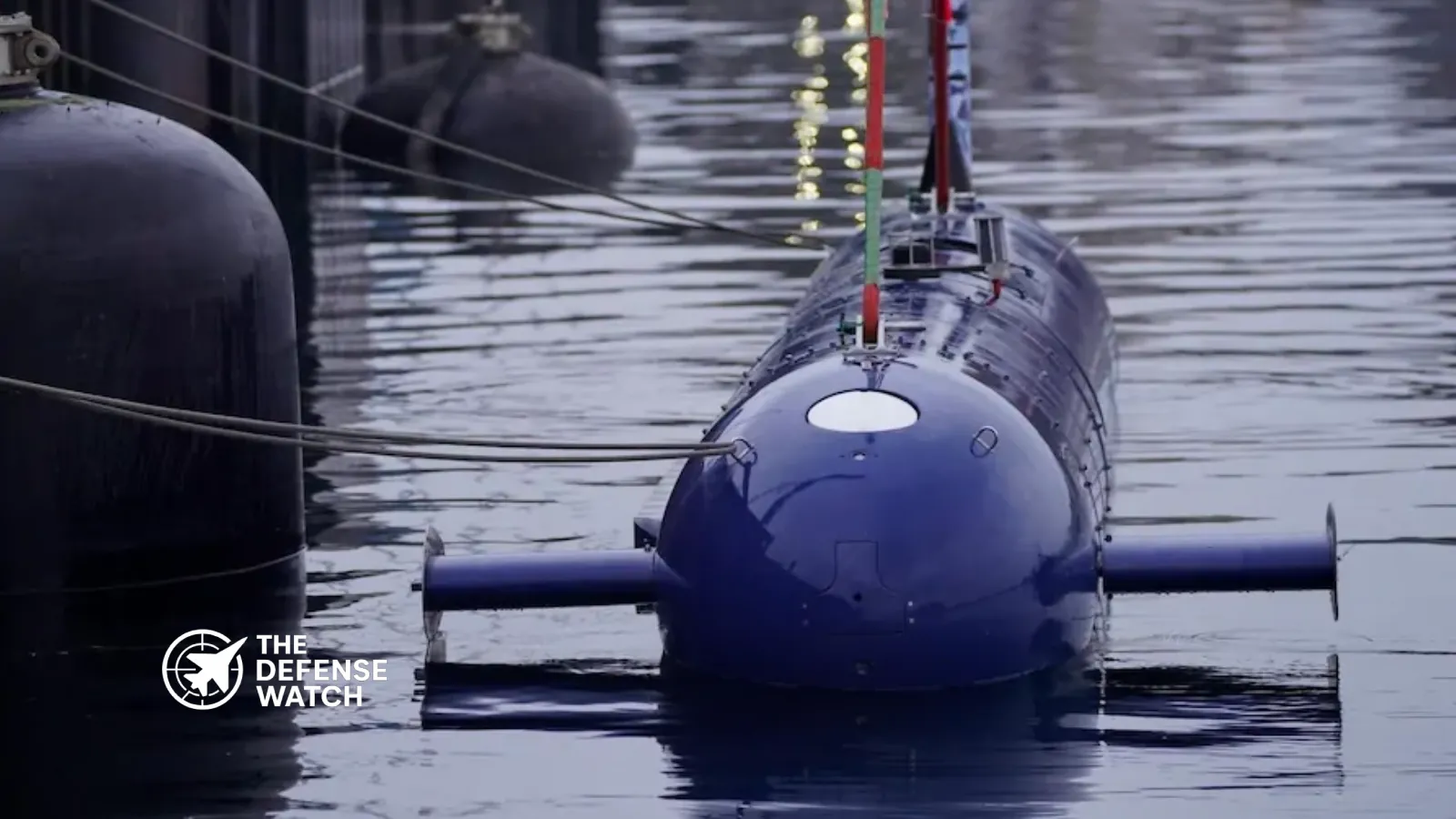
The BlueWhale large autonomous underwater vehicle has been delivered to the German Navy by Israel Aerospace Industries and Thyssenkrupp Marine Systems, marking a significant step in Berlin’s push to expand unmanned maritime capabilities.
The system, developed by IAI and integrated with support from TKMS, is designed to conduct long duration intelligence, surveillance, reconnaissance, and anti submarine warfare missions without a crew onboard. According to the companies, the delivery follows testing and evaluation activities aimed at adapting the platform for German naval requirements.
The German Navy has not disclosed full operational details. However, the BlueWhale large autonomous underwater vehicle is expected to complement existing submarine and surface fleet operations.
What Is BlueWhale
The BlueWhale large autonomous underwater vehicle is a large displacement unmanned submarine platform developed by IAI. The system is built for covert, persistent underwater operations. It can carry advanced sensor suites including sonar systems for submarine detection, intelligence collection payloads, and electronic support measures.
Unlike traditional submarines, BlueWhale operates without personnel onboard. This reduces operational risk and lowers life cycle costs compared to crewed vessels. It is capable of extended missions measured in weeks, depending on configuration.
IAI has previously stated that the platform was designed to perform missions typically carried out by manned submarines, but at lower cost and without exposing crews to danger.
Strategic Context For Germany
Germany has steadily expanded its investment in naval modernization since Russia’s 2022 invasion of Ukraine reshaped European defense planning. Berlin’s special defense fund and subsequent budget increases have prioritized air defense, land forces, and maritime capabilities.
Undersea infrastructure security has become a core concern for NATO members. Incidents involving pipelines and seabed cables in the Baltic Sea have underscored vulnerabilities in Europe’s maritime domain.
In this context, the BlueWhale large autonomous underwater vehicle offers a tool for persistent seabed monitoring, anti submarine surveillance, and maritime domain awareness.
From a strategic standpoint, unmanned underwater systems provide flexibility. They can operate in contested waters where risk to crews would be unacceptable. They also enable distributed sensing, which aligns with NATO’s evolving multi domain operational concepts.
Israeli German Defense Cooperation
The collaboration between IAI and TKMS builds on longstanding defense ties between Israel and Germany. TKMS is known for constructing advanced submarines for both the German Navy and Israel’s navy.
This joint effort reflects a growing trend in European procurement. Rather than developing entirely domestic unmanned systems from scratch, governments are partnering with established defense firms that already field operational platforms.
For Israel Aerospace Industries, the German delivery strengthens its position in the European unmanned maritime market. For TKMS, it expands its portfolio beyond conventional submarines into autonomous undersea systems.
Operational Implications
The BlueWhale large autonomous underwater vehicle is not a direct replacement for crewed submarines. Instead, it acts as a force multiplier.
It can conduct pre mission intelligence gathering, map the seabed, monitor chokepoints, or track submarine activity. These missions would otherwise tie up high value crewed platforms.
For the German Navy, which operates Type 212A submarines built by TKMS, integration of unmanned systems could enhance layered undersea operations.
The broader implication is doctrinal. As more NATO members adopt large autonomous underwater vehicles, command and control frameworks will need to adapt. Secure communications, data processing, and integration with surface and air assets will be critical.
European Naval Modernization Trend
Across Europe, navies are investing in unmanned surface and underwater systems. The United Kingdom, France, and Norway have all advanced programs focused on autonomous maritime platforms.
The delivery of the BlueWhale large autonomous underwater vehicle fits squarely into this trend. It signals that large autonomous platforms are moving from concept demonstrations to operational deployment.
For Germany, the decision reinforces its shift toward higher readiness and greater technological depth within NATO.