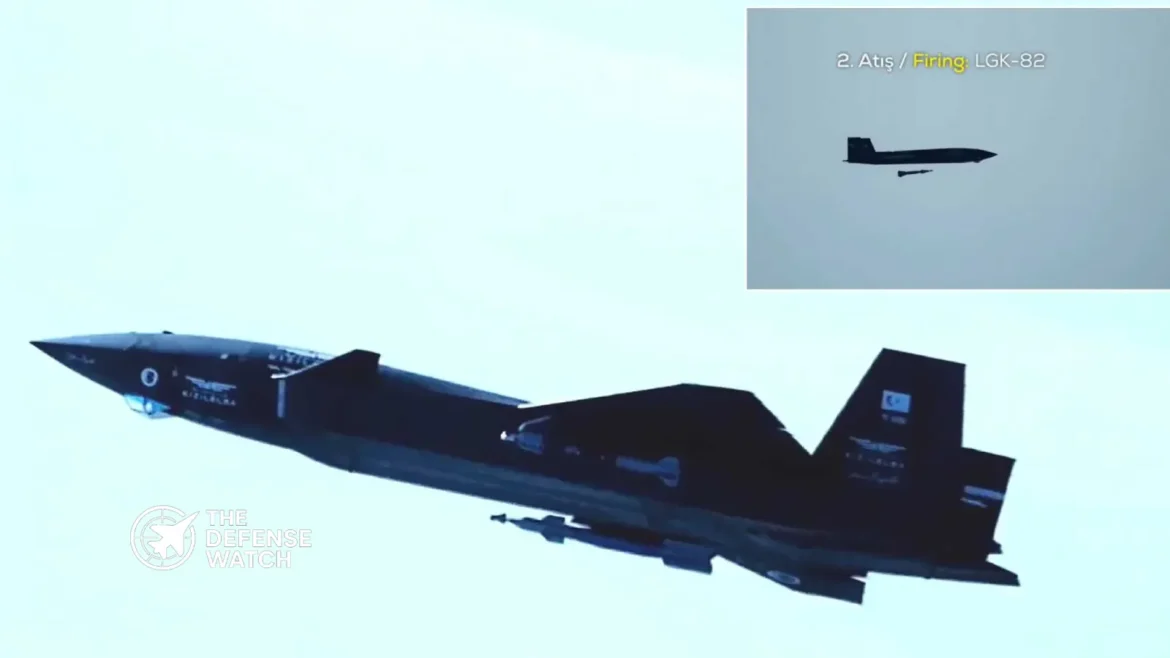
- Türkiye successfully tested the Bayraktar Kizilelma unmanned fighter jet with a precision guided bomb strike.
- The stealth oriented UCAV is designed for air to air and air to ground combat missions.
- Kizilelma forms part of Türkiye’s effort to build an independent next generation combat aviation ecosystem.
- The aircraft is expected to operate from short runway aircraft carriers such as the TCG Anadolu.
- The test highlights the rapid evolution of high performance unmanned combat aircraft globally.
Türkiye Advances Bayraktar Kizilelma Unmanned Fighter Jet Strike Capability
The Bayraktar Kizilelma unmanned fighter jet has completed a new test demonstrating precision guided bomb strike capability, marking a significant milestone in Türkiye’s effort to field a next generation unmanned combat aircraft. The test highlights the growing maturity of the Kizilelma program and signals Türkiye’s intent to integrate high performance combat drones into frontline operations.
Developed by Turkish defense company Baykar, the aircraft represents one of the most ambitious unmanned combat air vehicle (UCAV) programs currently under development. The latest flight test demonstrated the platform’s ability to conduct precision air to ground strikes, an essential step toward operational deployment.
The Big Picture
Unmanned combat aircraft are rapidly reshaping military aviation. Nations are increasingly investing in systems capable of performing missions traditionally handled by manned fighter jets, including precision strike, intelligence gathering, and even air to air combat.
Türkiye has become one of the most active developers in this sector. Over the past decade, Turkish industry has expanded its drone capabilities with systems such as the Bayraktar TB2 and the Akinci UCAV. These platforms have seen operational use in multiple conflict zones and have helped establish Türkiye as a major exporter of unmanned aerial systems.
The Bayraktar Kizilelma unmanned fighter jet represents the next stage of this evolution. Unlike earlier drones optimized primarily for surveillance and strike missions, Kizilelma is designed as a high performance combat aircraft capable of operating in contested airspace.
Its development also reflects Türkiye’s broader strategy to reduce dependence on foreign defense suppliers and build a domestically controlled aerospace ecosystem.
What Is Happening
The latest test flight involved the Bayraktar Kizilelma unmanned fighter jet conducting a precision guided bomb strike against a designated ground target. According to defense reporting, the aircraft successfully released and guided the munition during the flight test.
The demonstration verified the aircraft’s ability to perform precision strike missions using guided munitions, one of the key operational roles envisioned for the platform.
Kizilelma features several design characteristics intended to enhance survivability and combat performance. The aircraft incorporates a stealth influenced airframe with reduced radar signature, internal weapon carriage for certain configurations, and high subsonic or potentially supersonic flight performance depending on the engine configuration.
The aircraft is designed to carry a range of Turkish produced munitions, including precision guided bombs and air to air missiles.
A key design objective is compatibility with short runway and carrier operations. Turkish officials have previously indicated that the aircraft could operate from the amphibious assault ship TCG Anadolu, which Türkiye has positioned as a drone carrier after the removal of plans to operate the F 35B fighter aircraft.
Why It Matters
The successful precision strike test demonstrates that the Bayraktar Kizilelma unmanned fighter jet is moving beyond early flight testing and toward operational capability.
Strike capability is a core requirement for any UCAV intended to operate as a frontline combat aircraft. Precision guided bomb delivery confirms that the aircraft’s fire control, targeting systems, and weapons integration are progressing.
This capability is particularly important because unmanned systems can conduct high risk missions without exposing pilots to danger. They can also remain on station for longer periods than many manned aircraft.
For Türkiye, this test strengthens its position as a leading producer of combat drones and highlights the country’s ambition to compete in the emerging market for high performance UCAVs.
Suggested Internal Link
(Add link to related article on TheDefenseWatch)
Article about Turkish Bayraktar TB2 combat drone operationsStrategic Implications
The development of aircraft such as the Bayraktar Kizilelma unmanned fighter jet signals a broader shift in the future of air warfare.
Modern air forces increasingly view unmanned platforms as force multipliers capable of operating alongside manned aircraft. In some concepts of operation, unmanned aircraft can perform high risk strike missions, electronic warfare tasks, or reconnaissance roles while manned fighters focus on command and control.
The Kizilelma program may also help Türkiye fill capability gaps created by its removal from the F 35 Joint Strike Fighter program. By investing heavily in indigenous platforms, Türkiye aims to sustain advanced aerospace capabilities despite limitations on access to certain Western technologies.
Carrier capable drones represent another strategic dimension. Operating UCAVs from ships such as TCG Anadolu could provide Türkiye with flexible expeditionary air power without requiring a traditional aircraft carrier.
If successful, this model could influence how medium sized naval powers approach carrier aviation.
Competitor View
Regional and global competitors will closely monitor the progress of the Bayraktar Kizilelma unmanned fighter jet.
Russia and China are both investing heavily in advanced unmanned combat aircraft. China in particular has already demonstrated several stealth UAV designs, including systems intended to operate alongside manned fighters.
European nations and the United States are also pursuing collaborative combat aircraft concepts, often referred to as loyal wingman systems.
Türkiye’s program stands out because it combines relatively rapid development timelines with a focus on operational deployment rather than long term research programs.
The growing export success of Turkish drones could also raise concerns among regional rivals that such technologies may become widely available in global defense markets.
What To Watch Next
The next phase of development for the Bayraktar Kizilelma unmanned fighter jet will likely involve expanded weapons integration and operational testing.
Upcoming milestones could include:
Expanded flight envelope testing
Integration of additional air to air and air to ground weapons
Testing of autonomous mission capabilities
Carrier compatible launch and recovery trials
Potential operational evaluation with the Turkish Armed ForcesThese steps will determine how quickly the aircraft can transition from prototype testing to operational deployment.
Suggested Internal Link
(Add link to related article on TheDefenseWatch)
Article about Türkiye’s Akinci high altitude UCAV programCapability Gap
The Kizilelma program addresses a specific operational challenge faced by many air forces. Traditional manned fighters are expensive to operate and place pilots at risk during high threat missions.
Advanced unmanned combat aircraft can conduct dangerous operations such as deep strike or suppression of enemy air defenses with lower risk.
However, UCAVs still face limitations. Autonomous decision making, electronic warfare survivability, and integration with existing command networks remain complex technical challenges.
Operational doctrine for high performance combat drones is also still evolving in many militaries.
The Bottom Line
The Bayraktar Kizilelma unmanned fighter jet precision strike test marks a significant step toward operationalizing a new generation of high performance combat drones that could reshape future air warfare.
 ¦ KEY FACTS AT A GLANCE
- Belgium is testing laser-guided rockets on F-16 fighter jets to intercept small drones.
- Trials involve precision-guided rocket systems designed to engage low-cost aerial threats.
- The effort reflects NATO’s growing focus on countering unmanned aerial systems.
- Testing supports operational evaluation of cost-effective air defense options.
- Results may influence future European counter-drone defense strategies.
Belgium Trials F-16 Laser-Guided Rockets For Counter-UAS Missions
Belgium F-16 laser-guided rockets are being tested as part of a counter-UAS capability effort aimed at addressing the growing threat posed by small unmanned aerial systems. The Belgian Air Force is evaluating the use of precision-guided rockets launched from its F-16 fighter aircraft to intercept hostile drones at a lower cost than traditional air-to-air missiles.
The initiative reflects a broader shift across NATO militaries toward scalable counter-drone solutions as unmanned systems proliferate on modern battlefields.
The Big Picture
Small drones have become a defining feature of modern warfare. Conflicts in Ukraine and the Middle East have demonstrated how low-cost unmanned systems can disrupt conventional military operations.
NATO air forces traditionally rely on advanced air-to-air missiles to engage aerial targets. These weapons are highly effective against aircraft but can prove inefficient against small drones due to cost and target size.

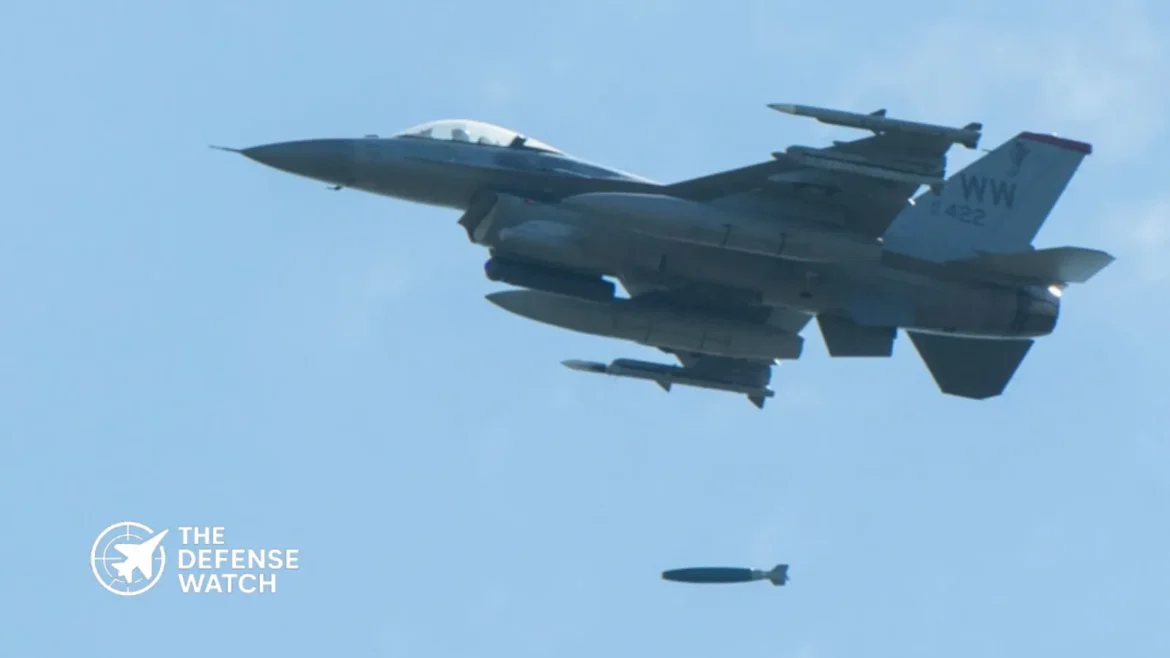
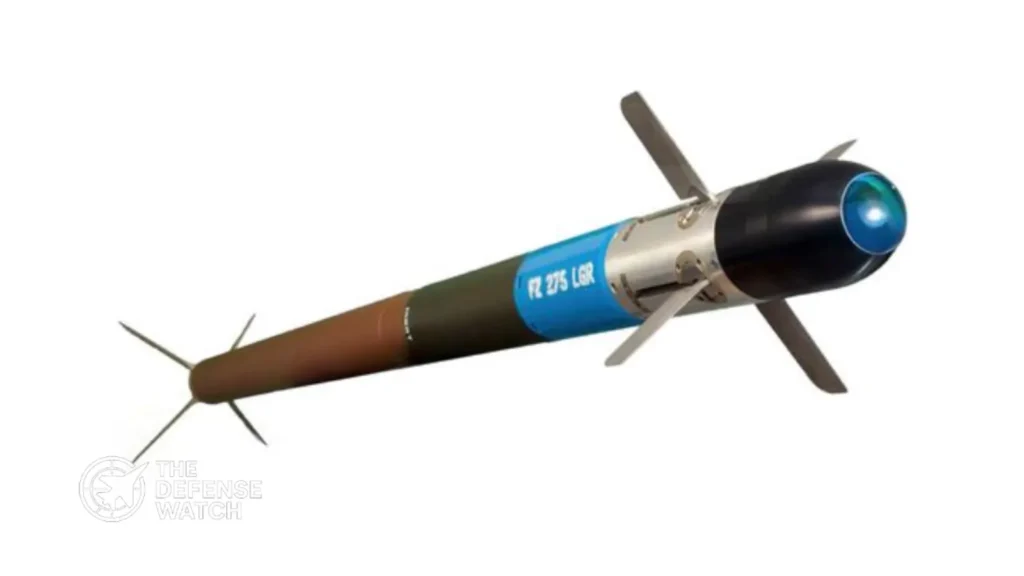
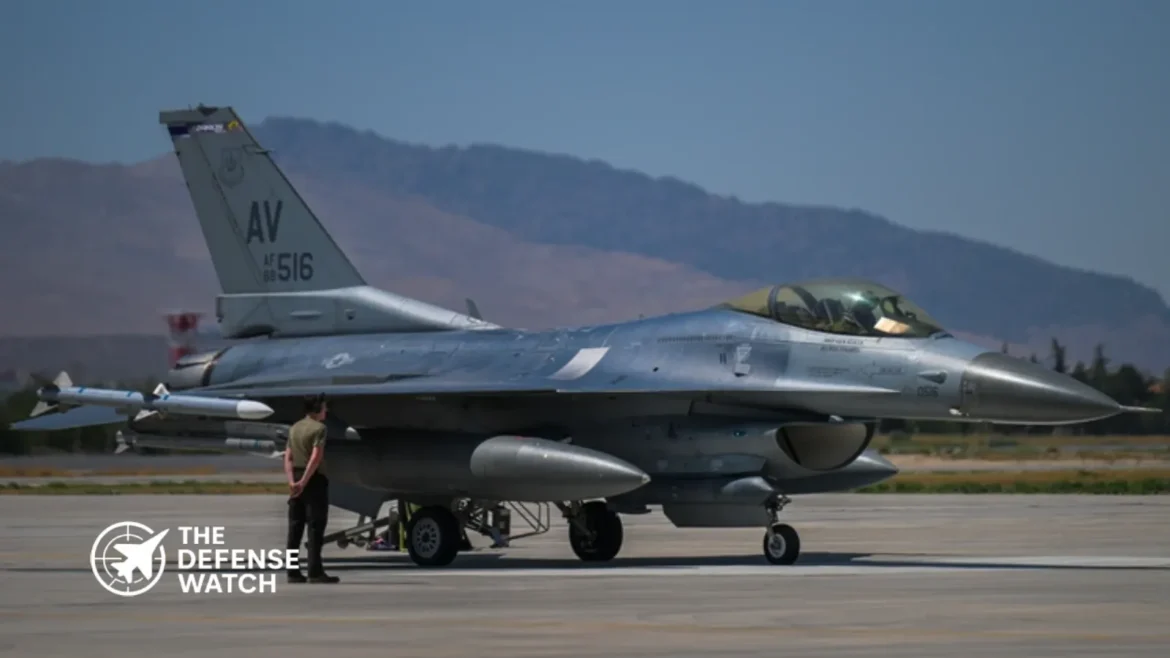
Belgium is trialling the use of the Forges de Zeebrugge (FZ)/Thales FZ275 70 mm laser-guided rocket (LGR) for the C-UAS role, evaluating the weapon aboard its F-16 combat aircraft. (Forges de Zeebrugge (FZ)/Thales)A single missile can cost hundreds of thousands of dollars. Many small drones cost only a few thousand dollars or less.
This mismatch has driven NATO militaries to explore alternative interception methods, including laser-guided rockets, electronic warfare systems, and directed-energy weapons.
Belgium’s F-16 counter UAS capability trials fall directly within this broader effort to develop cost-effective drone defense tools.
What’s Happening
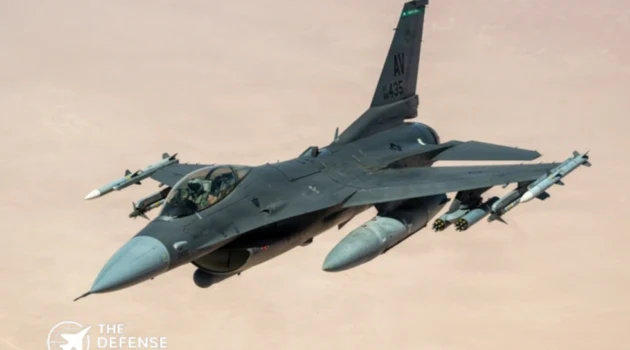
The Belgian Air Force recently conducted trials using laser-guided rockets mounted on F-16 fighter aircraft to engage unmanned aerial targets.
The testing evaluates whether these precision-guided rockets can reliably intercept small drones during flight operations.
The rocket systems are based on a concept that converts unguided 70 mm rockets into precision-guided weapons using laser guidance kits. Pilots can designate a target with a laser system, allowing the rocket to home in with improved accuracy.
According to defense reporting, the Belgian Air Force aims to determine whether this approach provides a viable counter-UAS capability for operational use.
Testing involves simulated engagements against aerial targets representing small unmanned systems.
The trials support ongoing NATO experimentation with layered counter-drone defenses.
Why It Matters
Laser-guided rockets offer a significantly cheaper interception method than traditional air-to-air missiles.
An air-to-air missile like the AIM-120 AMRAAM can cost more than one million dollars depending on the variant. In contrast, guided rocket systems are far less expensive.
This cost difference becomes critical when confronting large numbers of low-cost drones.
Military planners increasingly expect future conflicts to involve drone swarms, loitering munitions, and reconnaissance UAVs operating simultaneously.
Using fighter aircraft armed with laser-guided rockets could provide a flexible airborne defense layer capable of neutralizing these threats before they reach critical infrastructure or frontline forces.
For NATO air forces operating legacy fighter platforms such as the F-16, the approach also extends the utility of existing aircraft fleets.
Strategic Implications
Belgium’s experiment highlights an emerging trend in NATO airpower doctrine.
Air forces are adapting traditional fighter aircraft roles to address new threat environments dominated by unmanned systems.
Airborne counter-UAS missions could complement ground-based defenses such as short-range air defense systems and electronic warfare units.
Fighter aircraft equipped with laser-guided rockets could patrol high-risk areas and intercept drones before they approach sensitive locations such as military bases, ports, or critical infrastructure.
The concept also supports NATO’s layered air defense strategy, which integrates multiple sensors and interceptors across different ranges and altitudes.
If proven effective, the Belgium F-16 laser-guided rockets approach could influence similar programs across other NATO members that still operate F-16 fleets.
Competitor View
Russia and China have both invested heavily in unmanned systems and counter-drone technologies.
Military analysts note that adversaries are closely observing NATO efforts to address drone threats.
Russia’s extensive use of drones in Ukraine has highlighted both the tactical value of unmanned systems and the difficulty of defending against them.
China has also expanded production of small UAVs and loitering munitions while researching integrated air defense solutions against drone swarms.
NATO’s exploration of cost-efficient counter-UAS tools may therefore influence future competition in drone warfare technologies.
Affordable interception methods could become a critical factor in maintaining operational advantage against large-scale drone deployments.
What To Watch Next
The Belgian Air Force will likely continue operational evaluations to determine whether the rocket-based counter-UAS system meets reliability and accuracy requirements.
Future testing phases may focus on several factors:
• engagement success rates against different drone types
• integration with targeting sensors
• pilot workload and operational procedures
• compatibility with NATO air defense networksResults from these trials could inform procurement decisions or operational doctrine within NATO air forces.
Belgium is also transitioning its combat aviation fleet toward the F-35 fighter aircraft in the coming years, which may open additional options for integrating advanced counter-drone technologies.
Capability Gap
The Belgium F-16 laser-guided rockets initiative addresses a clear capability gap.
Traditional air defense systems are optimized for larger aircraft and cruise missiles. Small drones present a different challenge due to their size, maneuverability, and low radar signatures.
Using high-end missiles to intercept inexpensive drones is operationally unsustainable during prolonged conflicts.
Laser-guided rockets offer a potential solution by combining precision with lower cost.
However, limitations remain.
Rocket engagement ranges are shorter than those of air-to-air missiles. Weather conditions and laser designation requirements may also affect effectiveness in certain environments.
Operational testing will determine whether the system can reliably perform under realistic combat conditions.
The Bottom Line
Belgium’s F-16 laser-guided rocket trials highlight NATO’s growing focus on affordable, scalable counter-drone defenses as unmanned threats reshape modern air warfare.
¦ KEY FACTS AT A GLANCE- The U.S. Air Force will not approve a follow-on contract for 75 KC-46 tankers until Boeing resolves existing deficiencies.
- Key issues include problems with the aircraft’s refueling boom and remote vision system used by boom operators.
- More than 100 KC-46 aircraft have already been delivered under the current procurement program.
- A decision on the next tanker procurement contract is expected in roughly two years.
- The tanker program is central to replacing aging KC-135 aircraft built in the 1950s and 1960s.
USAF Delays New KC-46 Tanker Orders Until Boeing Fixes Ongoing Problems
The KC-46 tanker program faces renewed scrutiny after U.S. Air Force leadership said Boeing must resolve persistent aircraft deficiencies before the service approves another major procurement order. Air Force officials told lawmakers that technical issues with the KC-46 Pegasus, particularly involving the refueling boom and remote vision system, must be fixed before the Pentagon moves forward with a potential purchase of 75 additional tankers. The warning highlights ongoing challenges in one of the Air Force’s most important modernization programs, which aims to replace aging KC-135 aircraft that have supported U.S. global air operations for decades.
The Big Picture
The KC-46 tanker program sits at the center of the U.S. Air Force’s long-term aerial refueling modernization effort.
Aerial refueling aircraft extend the operational range of fighters, bombers, and surveillance aircraft. They allow U.S. forces to project power across global theaters without relying heavily on forward bases. That capability has become increasingly critical as the Pentagon prepares for potential high-end conflicts, particularly in the Indo-Pacific.
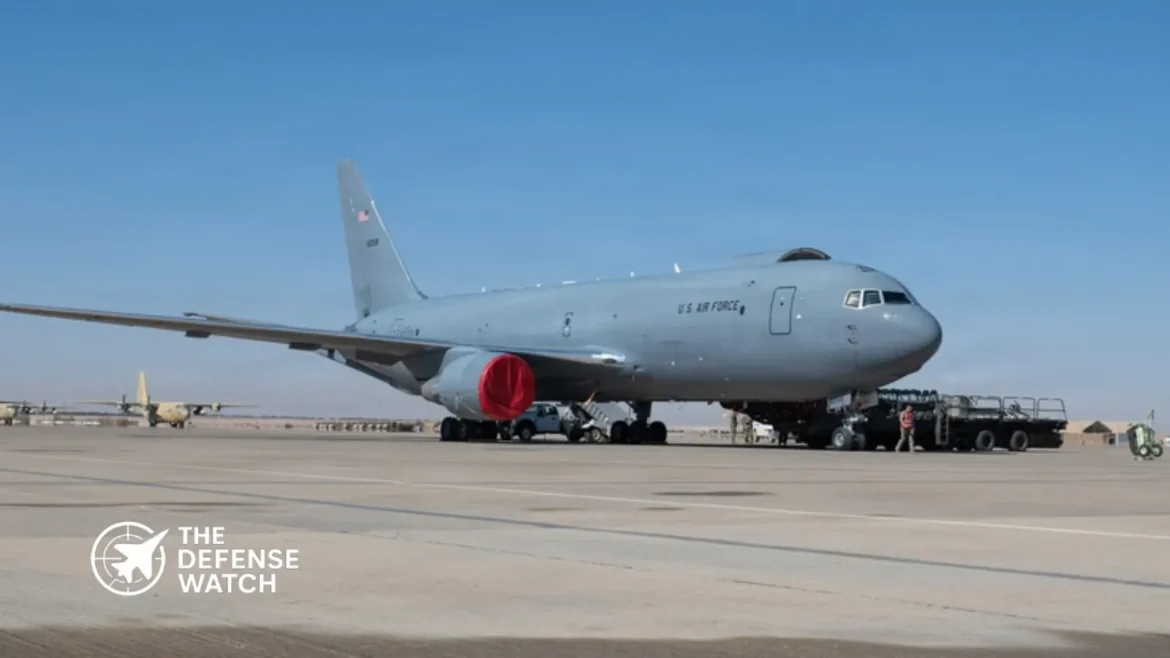
The Air Force plans to replace large portions of its aging tanker fleet, including the KC-135 Stratotanker, many of which entered service more than six decades ago. The KC-46 Pegasus, built by Boeing and derived from the commercial 767 platform, represents the first step in that replacement strategy.
However, persistent technical issues have complicated the program and slowed the transition.
What’s Happening
A senior U.S. Air Force official recently told lawmakers that Boeing must resolve ongoing KC-46 tanker problems before the service approves a new order of 75 aircraft.
Speaking during a Senate Armed Services Committee hearing, Air Force Vice Chief of Staff Gen. John Lamontagne said the service is still working through several deficiencies with the contractor.
The Air Force has already ordered 183 KC-46 tankers, and more than 100 aircraft have been delivered so far.
Despite that progress, unresolved issues continue to affect the aircraft’s performance and operational reliability. The most notable problems involve:
- The refueling boom, which transfers fuel to receiving aircraft
- The remote vision system, a camera-based system used by the boom operator to guide refueling
Last year, the Air Force also temporarily paused tanker deliveries after cracks were discovered in several newly built aircraft awaiting delivery.
According to Lamontagne, a decision on a new procurement contract could come within the next two years, assuming the problems are successfully addressed.
Why It Matters
The KC-46 tanker program is one of the most important aviation modernization efforts within the U.S. Air Force.
Aerial refueling capability underpins nearly every U.S. military air operation. Fighters rely on tankers to conduct long-range strike missions. Strategic bombers require refueling to reach targets across continents. Surveillance aircraft depend on tankers to maintain persistent intelligence coverage.
Without reliable tanker aircraft, the operational reach of U.S. airpower would shrink dramatically.
That is why delays in the KC-46 program carry strategic consequences. Every year the new tanker remains constrained by technical issues, the Air Force must rely more heavily on its KC-135 fleet, many of which were built during the Cold War.
The Air Force originally expected the KC-46 to become the backbone of its tanker fleet by the mid-2020s. Continued technical fixes have pushed that timeline further out.
Strategic Implications
The KC-46 program affects the United States’ ability to sustain global air operations across multiple theaters simultaneously.
In the Indo-Pacific, aerial refueling aircraft are essential for operating fighters over vast ocean distances. U.S. bases in the region are limited and vulnerable, which means aircraft often need tanker support to operate effectively.
The same logic applies to NATO operations in Europe and U.S. missions in the Middle East.
Flight records show that KC-46 tankers have already supported U.S. strike operations against Iran, demonstrating the aircraft’s growing operational role despite its development challenges.
However, the Air Force remains cautious about expanding procurement until the platform achieves full reliability.
A delay in the next KC-46 order could slow the retirement of older tanker aircraft and complicate long-term force planning.
Competitor View
Strategic competitors closely watch U.S. tanker modernization programs because aerial refueling directly affects power projection.
China has invested heavily in developing its own tanker fleet, including variants of the Y-20 aerial refueling aircraft, to support long-range fighter operations in the Pacific.
Russia also relies heavily on tanker aircraft to support strategic bomber patrols and long-distance aviation missions.
If the United States experiences prolonged delays in replacing its Cold War-era tankers, competitors may view it as a temporary constraint on U.S. global air operations.
However, the broader scale and experience of the U.S. tanker fleet still far exceeds those of its rivals.
What To Watch Next
Several developments will determine how quickly the KC-46 program stabilizes.
Key milestones include:
- Completion of upgrades to the aircraft’s remote vision system, which improves visibility for boom operators
- Resolution of mechanical issues affecting the refueling boom
- Continued aircraft deliveries planned for 2026
Boeing delivered 14 tankers in 2025 and plans to deliver 19 in 2026 as the company works to stabilize production.
The contractor has also absorbed significant financial losses on the program due to its fixed-price contract structure. Boeing has reported more than $7 billion in losses tied to the KC-46 effort.
Future bids for additional tankers are likely to reflect revised pricing structures.
Capability Gap
The KC-46 program aims to address a major structural gap in U.S. air mobility.
The Air Force still operates hundreds of KC-135 Stratotankers, many built between the late 1950s and early 1960s. While these aircraft have undergone multiple upgrades, their age increases maintenance demands and limits long-term viability.
The Pegasus tanker introduces several modern capabilities:
- Advanced defensive systems
- Greater cargo and medical evacuation capacity
- Digital refueling systems and improved avionics
However, unresolved technical issues have slowed the full realization of those capabilities.
Until the KC-46 reaches full operational maturity, the Air Force must continue balancing modernization goals with the realities of sustaining older aircraft.
The Bottom Line
The U.S. Air Force will move forward with additional KC-46 tankers only after Boeing demonstrates that the aircraft’s long-standing technical issues are fully resolved.
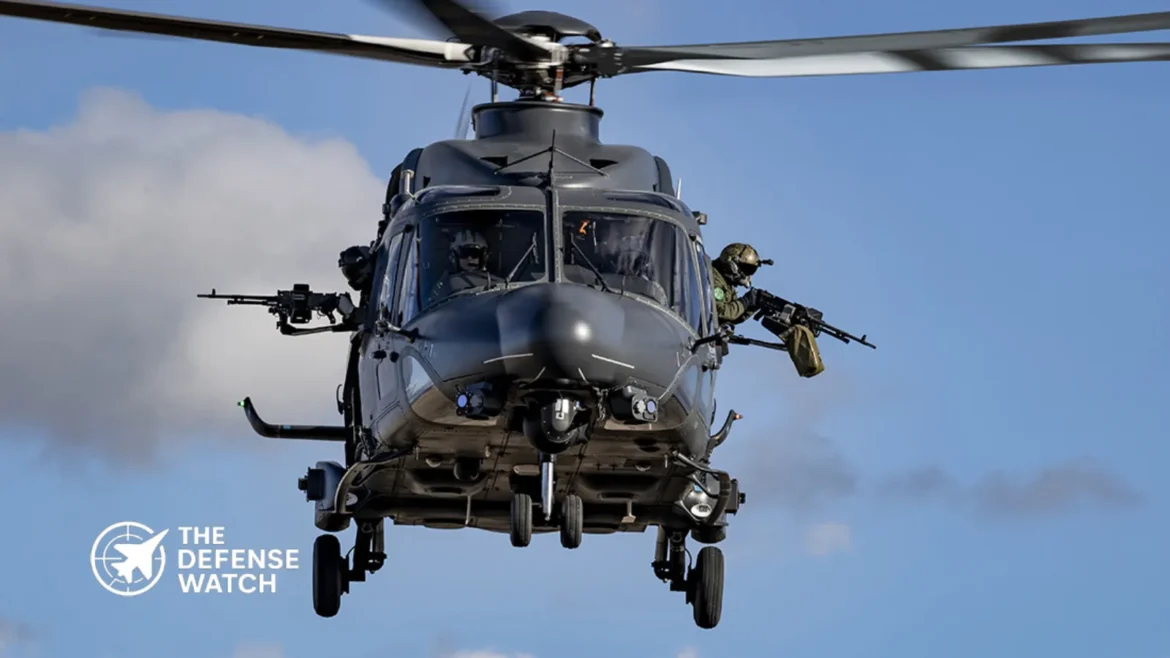
¦ KEY FACTS AT A GLANCE- UK Ministry of Defence plans to introduce its New Medium Helicopter fleet in January 2031.
- Leonardo will build 23 AW149 medium-lift helicopters under a £1 billion contract.
- The aircraft will replace multiple aging helicopter fleets and consolidate several mission roles.
- First deliveries are expected in summer 2030, with final aircraft delivered by autumn 2033.
- Production will take place at Leonardo’s Yeovil facility, securing thousands of UK aerospace jobs.
New British Military Helicopter Planned For 2031 Service Entry
The new British military helicopter developed under the United Kingdom’s New Medium Helicopter (NMH) program is expected to enter service in January 2031, according to the UK Ministry of Defence. The aircraft will be based on the Leonardo AW149 medium-lift helicopter and will replace several aging rotary-wing platforms currently used by British forces.
The program represents one of the UK’s most significant helicopter modernization efforts in decades, combining multiple operational roles into a single platform designed for modern expeditionary operations.
The Big Picture
NATO countries are undergoing broad rotary-wing modernization as military planners respond to changing operational requirements highlighted by recent conflicts, including the war in Ukraine.
Helicopters remain critical for tactical mobility, special operations support, and rapid logistics in contested environments. Medium-lift platforms in particular provide the backbone of expeditionary operations by moving troops, equipment, and supplies where fixed-wing aircraft cannot operate.
The United Kingdom’s New Medium Helicopter program aims to streamline its helicopter fleet and improve operational efficiency while maintaining interoperability with NATO allies.
This approach mirrors similar modernization efforts across the alliance, where countries increasingly favor multi-role platforms that can handle troop transport, disaster relief, and battlefield logistics within a single aircraft type.
What’s Happening
The UK government awarded a £1 billion contract to Leonardo to produce 23 AW149 helicopters for the British Armed Forces under the NMH program.
Key program milestones include:
- First aircraft delivery expected in summer 2030
- Initial operational capability planned for January 2031
- Final aircraft delivery projected by autumn 2033
Leonardo will manufacture the helicopters at its facility in Yeovil, Somerset, which remains the United Kingdom’s only military helicopter production site. The project secures thousands of jobs across the British defense industrial base and reinforces the UK’s domestic helicopter manufacturing capability.
The AW149 platform will support a wide range of missions, including:
- Battlefield troop transport
- Special operations support
- Logistics and equipment transport
- Humanitarian assistance and disaster relief
By consolidating several rotary-wing missions into one aircraft type, the program seeks to simplify logistics and reduce long-term sustainment costs.
Why It Matters
The new British military helicopter addresses a growing capability gap in the UK’s medium-lift fleet.
Several legacy aircraft types used by British forces have reached or are nearing retirement, including long-serving utility helicopters. Maintaining multiple aging platforms increases maintenance complexity and operational costs.
Replacing them with a unified platform offers several advantages:
- Reduced training requirements for pilots and crews
- Simplified maintenance and supply chains
- Improved operational flexibility across multiple mission types
The AW149’s modern avionics and digital architecture also support future integration with unmanned systems, an area the UK Ministry of Defence increasingly emphasizes in its defense modernization strategy.
Strategic Implications
The NMH program strengthens Britain’s ability to conduct expeditionary operations alongside NATO allies.
Medium-lift helicopters are essential for rapid troop insertion, resupply missions, and battlefield mobility during high-intensity conflicts. These capabilities are particularly important for NATO operations in Eastern Europe, where terrain and infrastructure can limit ground mobility.
A modernized helicopter fleet also improves the UK’s ability to conduct global deployments, humanitarian missions, and crisis response operations.
Additionally, establishing Yeovil as a global production hub for the AW149 could strengthen Britain’s defense export position. Government officials estimate that international orders could generate up to £15 billion in exports over the next decade.
Competitor View
Russia and other potential adversaries closely monitor NATO rotary-wing modernization programs because helicopters remain central to air mobility and battlefield logistics.
The introduction of the new British military helicopter enhances NATO’s tactical mobility capabilities, which could complicate adversary planning in contested regions.
China and Russia both continue expanding their own helicopter fleets, particularly in medium-lift and heavy-lift categories, reflecting the strategic importance of these platforms for expeditionary and rapid-response operations.
What To Watch Next
Several milestones will shape the next phase of the program:
- Manufacturing ramp-up at Leonardo’s Yeovil facility
- Flight testing and certification activities before delivery
- Initial training for pilots and maintenance crews
- Integration with existing UK rotary-wing units
The first aircraft deliveries scheduled for 2030 will likely trigger early operational evaluation before the helicopter enters full service in 2031.
Capability Gap
The NMH program primarily addresses the retirement of several aging helicopters and the fragmentation of the UK’s medium-lift fleet.
Operating multiple aircraft types increases maintenance costs and logistical complexity. A single modern platform reduces these challenges while providing improved performance and digital capabilities.
However, the AW149 remains a medium-lift platform, meaning it cannot replace heavy-lift helicopters used for large-scale transport missions. The UK will still rely on other aircraft types for heavier payload requirements.
The Bottom Line
The new British military helicopter under the NMH program marks a major step in modernizing the UK’s rotary-wing fleet while strengthening NATO expeditionary mobility and the British defense industrial base.
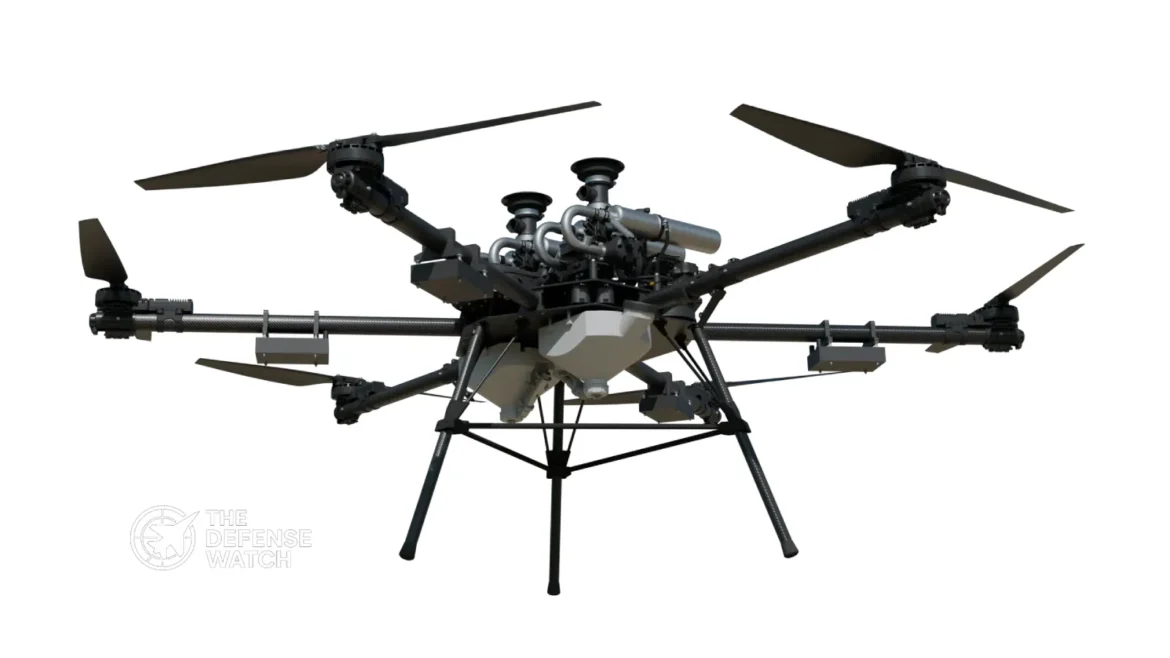
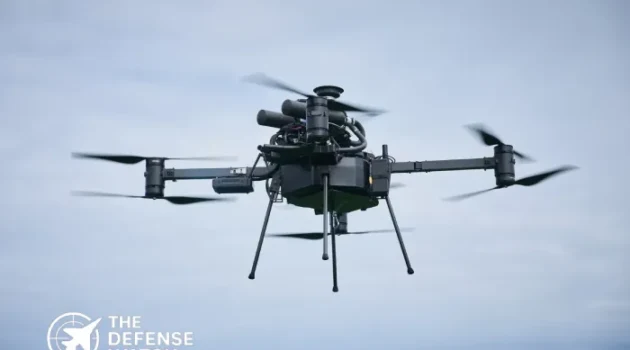
KEY FACTS AT A GLANCE- Danish company Hecto Drone unveiled the HD-606 armed prototype UAS at Enforce Tac 2026 in Nuremberg, Germany.
- Hybrid gas-electric hexacopter design supports up to 50 kg payload and endurance of up to eight hours depending on configuration.
- Prototype configuration displayed with dual magazine-fed .50 caliber heavy machine guns.
- The UAV can carry 25 kg payload for about 3.5 hours using a 32 liter fuel supply.
- Platform designed for surveillance, precision fire support, logistics delivery, and border security missions.
Hecto Drone HD-606 Armed Prototype UAS
The Hecto Drone HD-606 armed prototype UAS was publicly showcased at the Enforce Tac 2026 defense exhibition in Nuremberg, highlighting a new heavy lift multi rotor platform capable of combining extended endurance with direct fire capability.
Developed by Danish UAV manufacturer Hecto Drone, the HD-606 is a hybrid powered hexacopter designed to carry heavy payloads, conduct long duration surveillance, and potentially provide airborne fire support through integrated weapons modules.
The armed configuration remains in the prototype stage. However, the demonstration reflects a growing trend in military drone development toward multi role platforms capable of both logistics and combat missions.
The Big Picture
Armed drones have become one of the fastest evolving areas of military technology. Conflicts in Ukraine, the Middle East, and other contested regions have demonstrated how relatively low cost unmanned systems can influence battlefield outcomes.
Most armed drones currently fall into two categories.
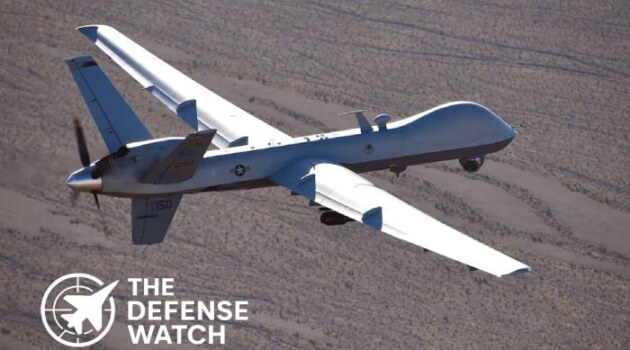
Large fixed wing systems such as the MQ 9 Reaper that launch precision guided missiles, and smaller quadcopters adapted to drop grenades or small munitions.The Hecto Drone HD-606 armed prototype UAS represents a different concept. It merges heavy lift multi rotor drone design with direct fire weapons typically associated with ground vehicles or helicopters.
This approach reflects growing interest among defense planners in unmanned systems capable of persistent overwatch and immediate fire support at lower cost than traditional aircraft.
What’s Happening
Hecto Drone displayed the HD-606 at the Enforce Tac 2026 security and defense exhibition held in Nuremberg from 23 to 25 February.
The UAV is a large hexacopter powered by six electric motors supported by a hybrid propulsion system that includes two petrol powered generators producing roughly 14,000 watts of power.
Key technical characteristics include:
- Payload capacity up to 50 kilograms
- Fuel capacity of 32 liters
- Maximum speed around 72 km per hour
- Maximum takeoff weight of roughly 104 kilograms
The aircraft can remain airborne for about 3.5 hours while carrying a 25 kg payload, or up to eight hours without a suspended payload depending on mission configuration.
At the exhibition, the HD-606 was displayed with dual magazine fed .50 caliber heavy machine guns. These weapons are being tested in partnership with Danish manufacturer Small Arms Industry (SAI).
The drone can also carry multiple sensor packages, logistics cargo, or other mission equipment depending on operational needs.
Why It Matters
Heavy lift drones are already used by militaries for logistics, surveillance, and reconnaissance missions. What sets the HD-606 armed drone apart is the integration of large caliber direct fire weapons.
Traditional armed UAVs typically use missiles or small guided munitions. Direct fire weapons mounted on drones introduce different tactical possibilities.
These include:
- Persistent overwatch for ground troops
- Immediate suppressive fire during urban combat
- Rapid response against light vehicles or enemy positions
- Border security and counter smuggling operations
Because multi rotor drones can hover and maneuver precisely, they may provide more flexible close range fire support than fixed wing UAVs.
This concept essentially introduces a new category between small tactical drones and traditional attack helicopters.
Strategic Implications
The emergence of platforms such as the Hecto Drone HD-606 armed prototype UAS reflects broader trends shaping modern warfare.
First, militaries increasingly seek lower cost alternatives to expensive aircraft. A heavy drone capable of carrying weapons and sensors may perform certain missions traditionally assigned to helicopters.
Second, hybrid propulsion systems extend drone endurance beyond the limitations of purely battery powered platforms. The HD-606 uses a gasoline generator to supply continuous electrical power during flight, significantly increasing operational duration.
Third, modular drone platforms allow rapid adaptation. The same airframe can switch between logistics transport, reconnaissance, or armed configurations depending on mission needs.
This flexibility is particularly attractive for special operations forces, border security agencies, and smaller military units operating in dispersed environments.
Competitor View
Military planners in major defense powers closely monitor developments in armed drone technology.
China and Russia have already invested heavily in unmanned combat systems and loitering munitions. Western European and NATO defense firms are now accelerating similar developments to maintain technological parity.
A system like the HD-606 armed drone may attract interest from smaller NATO members seeking affordable tactical drone capabilities without investing in large UAV fleets.
Competitors could interpret such platforms as part of a broader shift toward distributed unmanned combat systems that support ground forces directly.
What To Watch Next
Several milestones will determine the future of the HD-606 platform.
The first is continued testing of the armed configuration. Engineers must address issues such as recoil management, targeting stability, and safe weapons integration.
Second is the development of fire control and sensor systems that allow operators to accurately engage targets from a hovering platform.
Third is regulatory approval and military certification. Armed drones operating in controlled airspace require strict safety and operational frameworks.
If these challenges are resolved, the HD-606 could transition from prototype to operational platform for specialized missions.
Capability Gap
The HD-606 armed prototype UAS aims to address a gap between lightweight drones and manned attack aircraft.
Small drones offer surveillance but limited firepower. Attack helicopters provide heavy weapons but are expensive to operate and maintain.
A heavy armed multi rotor UAV could provide:
- persistent surveillance
- direct fire capability
- cargo transport for forward units
However, limitations remain.
Multi rotor drones generally have lower speeds and greater acoustic signatures than fixed wing UAVs. Survivability against air defenses may also be limited in contested airspace.
As a result, platforms like the HD-606 are likely best suited for tactical support roles rather than high intensity air combat environments.
The Bottom Line
The Hecto Drone HD-606 armed prototype UAS signals a growing shift toward heavy lift multi role drones capable of combining logistics, surveillance, and direct fire support on the modern battlefield.
KEY FACTS AT A GLANCE- Switzerland’s Taskforce Drones plans a new UAS technical trials campaign in autumn 2026.
- Trials will evaluate attack drones and counter-UAS technologies under challenging alpine conditions.
- Previous testing took place in December 2025 at the Hinterrhein range in Graubünden.
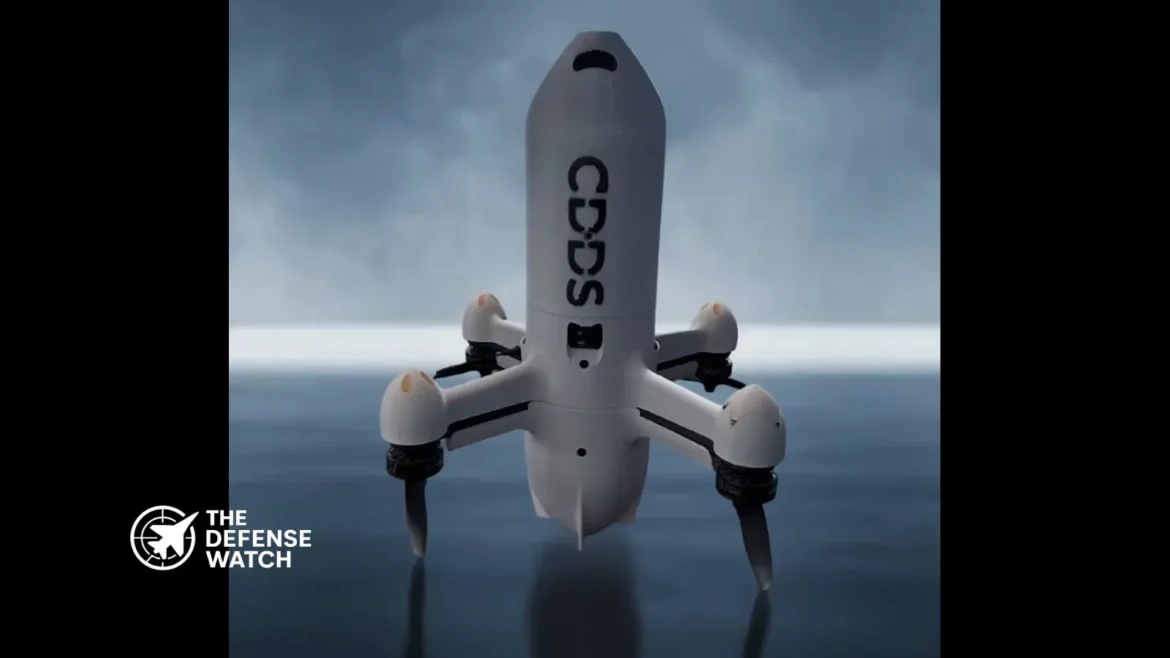
- Industry participants included Auterion, Counter Drone Defence Systems, and ENS Dynamics.
- The trials aim to accelerate the operational maturity of drone and counter-drone systems for future European defense needs.
Swiss UAS Technical Trials Planned For Autumn 2026
Swiss UAS technical trials planned by the government-backed Taskforce Drones will take place in autumn 2026 as part of a broader effort to accelerate the development of both attack drones and counter-drone technologies. The initiative is overseen by Switzerland’s Federal Department of Defence, Civil Protection and Sport (DDPS) and coordinated through the national armaments agency Armasuisse.
(adsbygoogle = window.adsbygoogle || []).push({});Officials say the upcoming campaign will represent the next standardized testing phase for unmanned aerial systems within the program. The trials aim to measure operational maturity, reliability, and performance of emerging drone technologies under real-world environmental conditions.
The program reflects growing international urgency around unmanned warfare and counter-drone defense as military forces adapt to lessons from recent conflicts.
The Big Picture
European defense planners increasingly view drones as a central element of modern warfare. Small unmanned aircraft now conduct reconnaissance, electronic warfare, and precision strike missions while operating at costs far lower than traditional aircraft or missile systems.
At the same time, counter-drone technologies have become a critical priority for military forces. The rapid spread of low-cost drones used by both state militaries and irregular groups has created new threats to bases, infrastructure, and deployed forces.
Switzerland’s Taskforce Drones initiative reflects a broader trend among Western militaries to accelerate experimentation cycles. Rather than relying solely on long procurement programs, defense organizations are turning to rapid trials and live testing environments to evaluate emerging technologies.
The approach mirrors innovation models seen in NATO exercises, U.S. Department of Defense drone programs, and European defense experimentation initiatives.
What’s Happening
The Taskforce Drones program plans to conduct its next UAS technical trials during autumn 2026. According to program officials, the testing will form part of a standardized evaluation campaign designed to compare the performance of multiple drone and counter-drone systems.
Earlier trials took place in December 2025 at the Hinterrhein shooting range in the canton of Graubünden. The site offers a complex testing environment that includes mountainous terrain, narrow valleys, and high-altitude conditions.
Those conditions create significant operational challenges for drone sensors and autonomous navigation systems. For example, automated camera-based recognition systems can struggle to distinguish targets against snow-covered terrain and mountainous backgrounds.
Several companies participated in the earlier trials, including:
- Auterion
- Counter Drone Defence Systems (CDDS)
- ENS Dynamics
The tests evaluated both attack drones and counter-UAS systems designed to detect, track, and intercept hostile drones.
Why It Matters
Testing unmanned systems in difficult environments provides insights that cannot be replicated in controlled laboratory conditions.
Mountainous terrain, changing weather patterns, and visual complexity challenge drone navigation systems, artificial intelligence algorithms, and sensor performance. These conditions are particularly relevant for European militaries operating in alpine or urbanized environments.
For counter-drone systems, the ability to detect small UAVs against complex backgrounds is a critical operational requirement. Small drones often fly low and slow, making them difficult to track using traditional radar or electro-optical sensors.
By conducting realistic field trials, defense agencies can identify system weaknesses early and accelerate improvements before full-scale deployment.
The Swiss testing program also offers industry participants an opportunity to demonstrate their technology in a government-supervised environment, which can support future procurement decisions.
Strategic Implications
The expansion of drone experimentation programs signals a shift in how militaries approach technology development.
Traditional procurement cycles often take years to move from concept to operational deployment. In contrast, drone warfare evolves rapidly, driven by commercial technology, artificial intelligence advances, and battlefield experimentation.
Programs like Taskforce Drones allow defense organizations to:
- Evaluate multiple competing systems quickly
- Collect operational performance data
- Identify promising technologies for future acquisition
This approach helps reduce the risk of adopting systems that perform well in controlled tests but fail under real operational conditions.
For European militaries, the effort also contributes to regional resilience against drone threats targeting infrastructure, airports, and military installations.
Competitor View
Strategic competitors closely monitor Western experimentation programs in unmanned systems.
Russia, China, and Iran have all invested heavily in drone warfare, particularly in areas such as loitering munitions, swarm tactics, and electronic warfare.
These countries may view Switzerland’s testing initiative as part of a broader Western effort to strengthen counter-drone defenses and accelerate drone innovation.
The lessons generated from European testing environments could also influence NATO doctrine, particularly in areas such as autonomous targeting, sensor fusion, and layered counter-UAS defense.
At the same time, competitors continue to explore methods designed to defeat these systems, including electronic jamming, stealthy drone designs, and coordinated swarm attacks.
Capability Gap
The Taskforce Drones program aims to address a growing operational gap between the rapid evolution of drone technology and the slower pace of traditional military procurement.
Recent conflicts have demonstrated several key vulnerabilities:
- Difficulty detecting small drones
- Limited counter-drone response times
- Challenges identifying targets in cluttered environments
Drone operators increasingly exploit terrain, urban environments, and weather conditions to evade detection.
Testing in alpine terrain directly targets these challenges by forcing drone sensors and algorithms to operate in complex visual environments where traditional detection methods often struggle.
However, limitations remain. Drone testing programs can evaluate technology performance, but operational success ultimately depends on integration with command networks, sensors, and air defense systems.
What To Watch Next
Several milestones will shape the next phase of the Swiss UAS technical trials program.
First, the autumn 2026 campaign will expand testing scenarios and may include additional industry participants.
Second, defense officials will analyze data from the trials to assess technology readiness and operational maturity.
Finally, successful systems could move toward procurement or further experimentation within European defense programs.
(adsbygoogle = window.adsbygoogle || []).push({});The trials may also provide opportunities for collaboration with NATO partners and other allied nations seeking to improve their counter-drone capabilities.
The Bottom Line
Switzerland’s upcoming UAS technical trials highlight the growing importance of rapid experimentation in drone warfare and counter-drone defense.
KEY FACTS AT A GLANCE- The U.S. Air Force confirmed that the future F-47 sixth-generation fighter will be capable of deploying the SiAW stand-in attack weapon.
- SiAW is designed to strike high-value targets such as mobile missile launchers, electronic warfare systems, and integrated air defenses.
- The weapon supports U.S. strategy to defeat Anti-Access/Area Denial (A2/AD) networks used by peer adversaries.
- Northrop Grumman received a $705 million contract in 2023 to develop and test the SiAW missile system.
- Initial production of SiAW missiles could begin around 2030 following rapid prototyping and testing phases.
F-47 Sixth-Generation Fighter Will Deploy SiAW Stand-In Attack Weapon
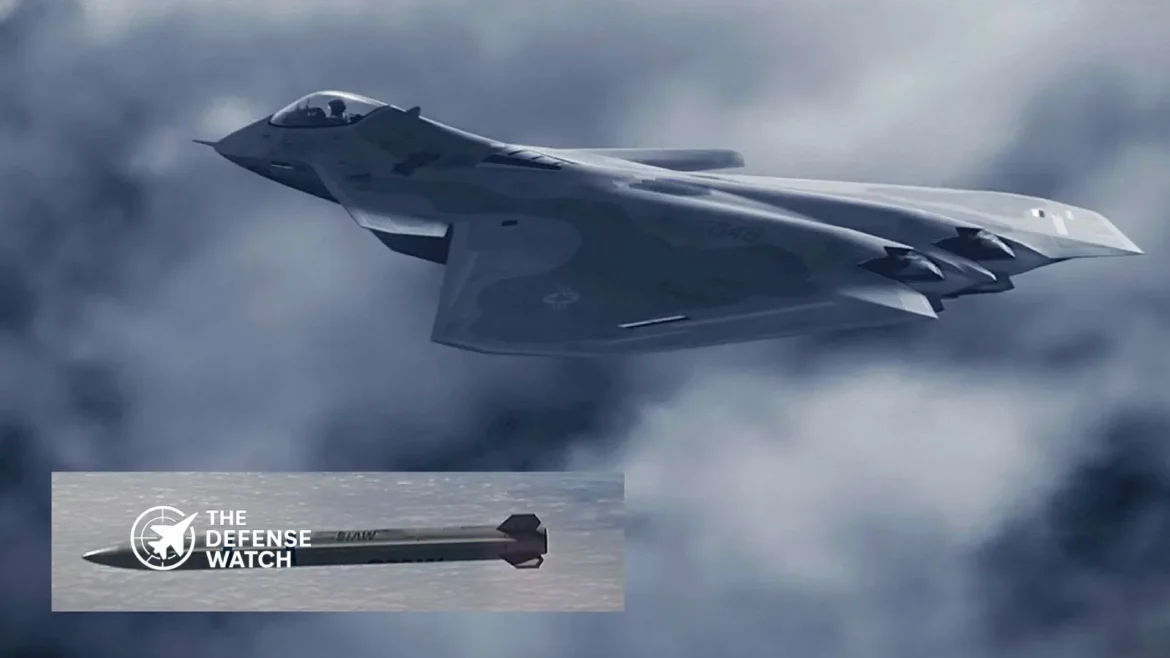
The F-47 sixth-generation fighter will deploy the SiAW stand-in attack weapon, marking one of the first confirmed weapon integrations for the U.S. Air Force’s future Next Generation Air Dominance (NGAD) aircraft.
(adsbygoogle = window.adsbygoogle || []).push({});A recently released U.S. Air Force acquisition notice identified the F-47 among platforms planned to carry the Stand-in Attack Weapon (SiAW), alongside aircraft such as the F-35, F-16, and the B-21 stealth bomber.
The development highlights how the U.S. Air Force intends to pair advanced stealth aircraft with new precision strike weapons designed to penetrate heavily defended airspace.
The Big Picture
The Next Generation Air Dominance (NGAD) program represents the centerpiece of U.S. air superiority strategy for the coming decades. The F-47 fighter, the crewed element of the NGAD system-of-systems, will operate alongside autonomous drones, advanced sensors, and networked weapons.
Modern adversaries such as China and Russia have invested heavily in layered air defense systems, long-range radar networks, and mobile missile launchers. These systems form what military planners describe as Anti-Access/Area Denial (A2/AD) environments.
Traditional stand-off weapons launched from long distances can be detected or intercepted by such defenses. The U.S. Air Force is therefore developing weapons that can be launched by stealth aircraft operating closer to hostile targets.
The SiAW stand-in attack weapon fits directly into this concept.
What’s Happening
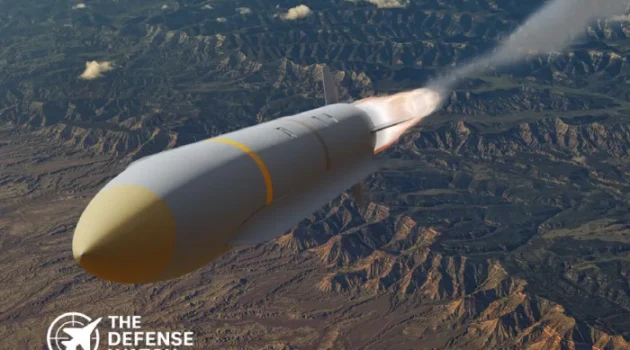
The Stand-in Attack Weapon (SiAW) is a next-generation air-to-surface missile currently under development by Northrop Grumman for the U.S. Air Force.
The Air Force awarded Northrop Grumman a $705 million contract in September 2023 to develop and test the system under a rapid prototyping program.
(adsbygoogle = window.adsbygoogle || []).push({});SiAW builds on technologies developed for the AGM-88G AARGM-ER anti-radiation missile but expands its mission set beyond radar suppression. The weapon is designed to strike:
- Theater ballistic missile launchers
- Land-attack and anti-ship cruise missile launchers
- Integrated air defense nodes
- Electronic warfare systems
- GPS jamming platforms
- Anti-satellite systems
These targets are often mobile and difficult to destroy using traditional strike weapons.
Early testing of the missile has already begun. In December 2025, an F-16 Fighting Falcon conducted a separation test at Eglin Air Force Base, validating the missile’s safe release from an aircraft during flight.
Initial operational capability is expected around 2026, while the first production lot may arrive around 2030 depending on program progress.
Why It Matters
The integration of the SiAW stand-in attack weapon with the F-47 sixth-generation fighter reveals how the Air Force intends to fight inside heavily defended battlespaces.
Unlike long-range cruise missiles launched from outside enemy air defenses, stand-in weapons are deployed by stealth aircraft after they penetrate hostile territory. This approach provides several operational advantages.
First, it reduces warning time for enemy defenses. A stealth aircraft operating inside contested airspace can release weapons at closer distances, making interception more difficult.
Second, the weapon’s advanced sensors and guidance allow it to target mobile threats that may relocate after launch. These targets include road-mobile missile launchers or electronic warfare systems that shift positions to avoid detection.
(adsbygoogle = window.adsbygoogle || []).push({});Finally, the missile supports multi-domain warfare by allowing aircraft to attack targets that support space and cyber operations, such as anti-satellite systems or GPS jammers.
Together, these capabilities strengthen the U.S. Air Force’s ability to disrupt an adversary’s integrated defense network early in a conflict.
Strategic Implications
The F-47 SiAW stand-in attack weapon combination represents a significant step toward maintaining U.S. air superiority against peer competitors.
China’s People’s Liberation Army has invested heavily in long-range surface-to-air missile systems, over-the-horizon radar, and mobile missile units designed to threaten U.S. forces operating in the Indo-Pacific.
Russia maintains similar layered air defense systems built around platforms such as the S-400 and S-500, combined with electronic warfare capabilities.
In both cases, mobile missile launchers and electronic warfare nodes form the backbone of their defensive networks.
Weapons such as SiAW are designed to dismantle those networks by targeting critical nodes quickly and precisely. By enabling stealth aircraft like the F-47 to attack these systems directly, the United States can create corridors for follow-on strikes by other aircraft and long-range weapons.
This strategy mirrors earlier suppression of enemy air defense (SEAD) concepts but adapts them for highly contested environments.
Competitor View
Adversaries will likely view the F-47 and SiAW combination as part of a broader U.S. strategy to neutralize advanced air defense systems.
China, in particular, has prioritized the development of anti-access strategies aimed at limiting U.S. operations in the Western Pacific. Mobile missile systems and electronic warfare platforms play a major role in that strategy.
A weapon capable of rapidly locating and destroying those systems threatens the survivability of such networks.
Russia may interpret the program similarly. Its doctrine relies heavily on layered air defense and mobile missile units to protect strategic assets and operational forces.
(adsbygoogle = window.adsbygoogle || []).push({});As a result, both countries are likely to invest further in countermeasures such as electronic warfare, decoys, and dispersed missile operations to complicate targeting.
What To Watch Next
Several key milestones will determine the future trajectory of the SiAW stand-in attack weapon program.
The next major step will be additional flight tests involving powered missiles and guidance systems. These tests will validate the missile’s navigation, seeker performance, and electronic resilience.
Integration with stealth platforms such as the F-35 and future aircraft like the F-47 will also require extensive testing to ensure safe internal carriage and release.
Production planning will follow once the rapid prototyping phase concludes. The Air Force has signaled a requirement for up to 600 missiles per year, with a planned service life of around 15 years.
These milestones will determine how quickly the weapon becomes part of the operational arsenal.
Capability Gap
The SiAW stand-in attack weapon addresses a growing operational challenge for modern air forces.
Many high-value military systems today are mobile, networked, and protected by advanced electronic warfare capabilities. Traditional guided bombs and older anti-radiation missiles often struggle to track these targets once they relocate or shut down their radar emissions.
SiAW aims to close that gap through multi-mode targeting, anti-jam navigation, and the ability to strike rapidly relocating systems.
However, the weapon also faces practical limitations. Penetrating contested airspace still requires stealth aircraft capable of surviving advanced air defense systems. Without platforms such as the F-35 or F-47, the missile’s operational value would be reduced.
(adsbygoogle = window.adsbygoogle || []).push({});This dependency highlights the importance of integrating new weapons with next-generation aircraft.
The Bottom Line
The F-47 sixth-generation fighter armed with the SiAW stand-in attack weapon reflects the U.S. Air Force’s strategy to defeat advanced air defenses and maintain air dominance in future high-end conflicts.
¦ KEY FACTS AT A GLANCE- Bell completed the Critical Design Review for DARPA’s SPRINT X-Plane program and received the official X-76 designation.
- The experimental aircraft aims to combine helicopter-like vertical lift with jet-like cruise speeds exceeding 400 knots.
- The program is jointly funded by DARPA and U.S. Special Operations Command to enable runway independent military aviation.
- Phase 2 now moves into aircraft construction and ground testing before a planned flight test phase later in the program.
- The X-76 demonstrator could shape future U.S. military vertical lift aircraft capable of rapid deployment without traditional airfields.
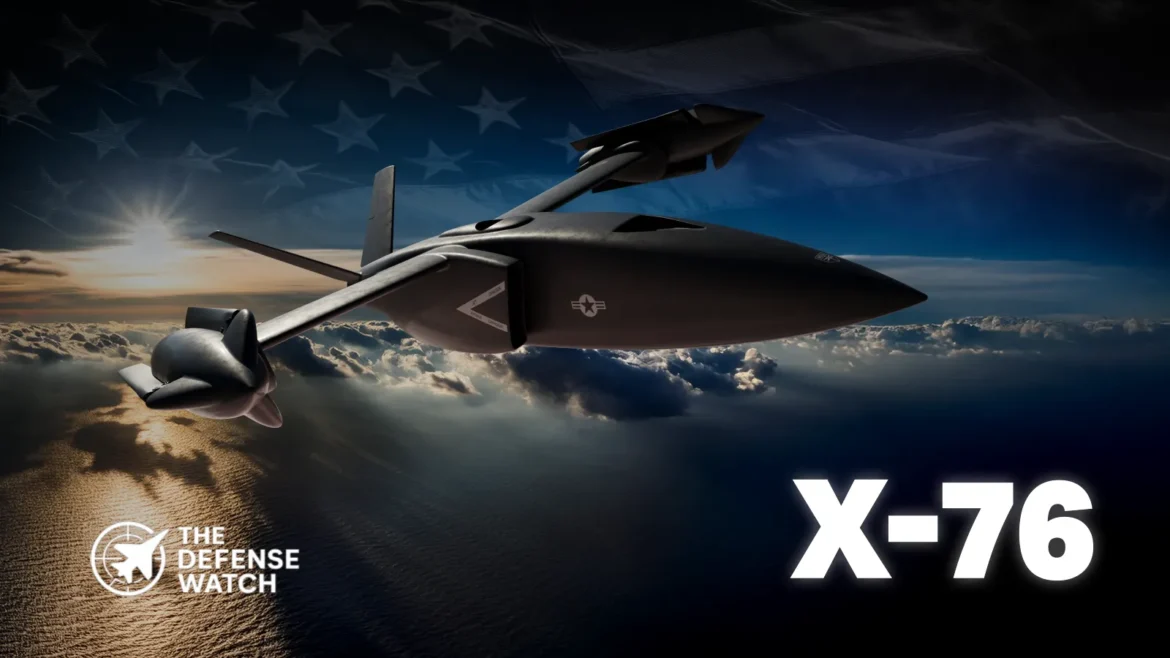
DARPA SPRINT X-76 X-Plane Advances Toward Flight Testing
The DARPA SPRINT X-76 X-Plane program has reached a major milestone after Bell Textron completed the aircraft’s Critical Design Review (CDR), clearing the project to move into the manufacturing phase. The aircraft demonstrator, officially designated X-76, is part of DARPA’s Speed and Runway Independent Technologies (SPRINT) initiative aimed at developing a new class of high speed vertical lift aircraft.
Bell will now begin constructing the experimental aircraft as part of Phase 2 of the program, which includes detailed design, manufacturing, integration, and ground testing ahead of a planned flight test campaign.
The program is jointly funded by DARPA and U.S. Special Operations Command and seeks to combine the vertical takeoff capability of helicopters with the speed and range typically associated with fixed wing aircraft.
The Big Picture
The DARPA SPRINT X-76 X-Plane reflects a broader U.S. effort to transform military air mobility through advanced vertical lift technologies. For decades, military planners have faced a fundamental trade off between aircraft that can take off vertically and those capable of high speed cruise.
Helicopters offer flexibility and can operate from small landing zones, but they typically cruise at speeds well below 200 knots. Fixed wing aircraft provide far greater speed and range but depend on runways, which can become vulnerable targets during high intensity conflict.
SPRINT aims to overcome that long standing limitation by developing aircraft that can operate without runways while cruising at speeds exceeding 400 knots.
Such capabilities align closely with emerging U.S. operational concepts such as distributed operations, rapid force projection, and expeditionary logistics in contested environments.
What’s Happening
Bell Textron announced on March 9, 2026, that it had successfully completed the Critical Design Review for the DARPA SPRINT program, enabling the company to begin building the aircraft demonstrator designated X-76.
The milestone follows Bell’s selection for Phase 2 of the program in 2025 after completing earlier conceptual and preliminary design phases.
The SPRINT program seeks to demonstrate an aircraft capable of:
- Cruising between 400 and 450 knots
- Hovering and landing in austere environments
- Operating from unprepared surfaces without traditional runways
Bell’s design uses an innovative stop and fold rotor system, allowing rotor blades to operate during vertical takeoff and landing but fold away during high speed forward flight to reduce aerodynamic drag.
Once the aircraft transitions to cruise mode, a separate propulsion system provides forward thrust, enabling speeds closer to jet powered aircraft.
Why It Matters
The DARPA SPRINT X-76 X-Plane directly addresses one of the most persistent operational constraints in military aviation, reliance on fixed runways.
Runways offer speed and payload advantages but represent a critical vulnerability during modern conflicts. Long range precision weapons and drone attacks have made airfields increasingly easy targets.
A high speed aircraft that can take off vertically and operate from small landing zones could allow U.S. forces to disperse aviation assets across many locations rather than concentrating them at a handful of major bases.
For special operations forces, the ability to insert or extract personnel rapidly without established infrastructure could significantly expand operational flexibility.
Strategic Implications
The technologies demonstrated by the X-76 could influence future U.S. military aircraft across multiple mission sets.
High speed VTOL aircraft could support:
- Special operations infiltration missions
- Rapid logistics and medical evacuation
- Forward resupply for distributed units
- Expeditionary basing in contested environments
In large scale conflict scenarios, these capabilities could improve survivability by reducing dependence on large fixed airfields.
The SPRINT concept also supports the Pentagon’s broader push toward distributed and resilient force structures, particularly in the Indo Pacific where dispersed island chains complicate traditional aviation operations.
Competitor View
Strategic competitors closely track U.S. experimental aviation programs, especially those related to vertical lift and operational mobility.
China has invested heavily in advanced rotorcraft and hybrid aircraft concepts aimed at extending operational reach across the Western Pacific. Russia has also explored high speed helicopter designs intended to increase battlefield mobility.
A successful demonstration of the DARPA SPRINT X-76 X-Plane would reinforce U.S. leadership in advanced vertical lift technology and may accelerate similar research efforts among competing powers.
Experimental X-plane programs have historically influenced global aviation trends. Technologies first demonstrated through such programs often appear later in operational aircraft.
What To Watch Next
With the design phase complete, the program now enters the aircraft construction stage.
Bell will focus on:
- Manufacturing the X-76 demonstrator
- Integrating propulsion and rotor systems
- Conducting ground testing and validation
Flight testing is expected during Phase 3 of the SPRINT program, which DARPA plans to begin around 2028.
Those tests will evaluate how effectively the aircraft can transition between vertical lift and high speed cruise while maintaining stability and efficiency.
Capability Gap
The DARPA SPRINT X-76 X-Plane targets a specific operational gap in military aviation.
Current tiltrotor aircraft such as the V-22 Osprey provide improved speed over helicopters but remain limited in top speed due to aerodynamic drag from their rotor systems.
The stop and fold rotor concept attempts to overcome that limitation by eliminating rotor drag once the aircraft transitions into forward flight.
However, the approach introduces technical challenges, particularly in flight transition, propulsion integration, and structural complexity. Demonstrating reliable transitions between rotor and cruise modes will be critical for the program’s success.
The Bottom Line
The DARPA SPRINT X-76 X-Plane represents a major step toward aircraft that combine helicopter flexibility with jet level speed, potentially redefining future military air mobility.
¦ KEY FACTS AT A GLANCE- Turkey has deployed six F-16 fighter jets to the Turkish Republic of Northern Cyprus to strengthen regional security.
- The deployment includes additional air defense systems to enhance protection of the island’s northern sector.
- The move follows a drone attack on Cyprus linked to escalating Middle East tensions.
- Greek forces previously deployed F-16 aircraft to the southern part of the island, raising military activity in the region.
- The deployment highlights growing strategic competition in the Eastern Mediterranean airspace.
Turkey F-16 Northern Cyprus Deployment Signals New Security Posture
The Turkey F-16 Northern Cyprus deployment marks a significant escalation in military activity around the divided Mediterranean island, as Ankara moves to strengthen the security of the Turkish Cypriot territory amid growing regional tensions.
(adsbygoogle = window.adsbygoogle || []).push({});According to officials cited by Reuters, Turkey has sent six F-16 fighter jets and supporting air defense systems to the Turkish Republic of Northern Cyprus (TRNC), a self-declared state recognized only by Ankara.
The deployment follows a series of regional security developments, including a drone strike on Cyprus linked to broader hostilities in the Middle East.
The Big Picture
Eastern Mediterranean security dynamics have shifted rapidly over the past decade as regional rivalries, energy competition, and military modernization reshape the balance of power.
Cyprus sits at the center of this evolving strategic landscape. The island hosts key military installations, including British sovereign bases used by NATO forces, and lies close to critical maritime routes connecting Europe, the Middle East, and North Africa.
The island has been divided since 1974 following a Turkish military intervention after a coup backed by Greece. Today, the internationally recognized Republic of Cyprus controls the south, while the Turkish-backed TRNC governs the north.
Military activity around the island has intensified as regional conflicts spill into the Eastern Mediterranean. Several countries, including Greece and European partners, have recently increased defense cooperation with the Republic of Cyprus.
Turkey’s decision to deploy fighter aircraft to Northern Cyprus reflects its intent to maintain a strong security presence in the region and protect the Turkish Cypriot community.
What’s Happening
Turkish authorities confirmed that six F-16 fighter jets have been deployed to Northern Cyprus as part of what officials described as a phased security response to recent developments in the region.
(adsbygoogle = window.adsbygoogle || []).push({});The aircraft are expected to operate from facilities near Ercan Airport, the main airfield in the northern part of the island.
Officials said the deployment will not disrupt civilian aviation operations and commercial flights will continue normally.
The move comes shortly after a drone attack struck a British military base in Cyprus, an incident linked to the broader escalation following military operations involving the United States, Israel, and Iran.
Greece had already deployed several of its own F-16 fighter jets to the southern part of Cyprus, further increasing military activity in the area.
Ankara has stated that the deployment forms part of a broader strategy to ensure the security of the TRNC and that additional measures could follow depending on how the regional situation evolves.
Why It Matters
The deployment of Turkish F-16 fighter jets to Northern Cyprus significantly improves Ankara’s ability to respond quickly to potential threats in the Eastern Mediterranean.
Operating fighter aircraft directly from the island dramatically reduces response times compared with aircraft flying from mainland Turkey. This allows faster interception of drones, missiles, or hostile aircraft approaching the area.
The move also reinforces Turkey’s air defense coverage around strategic maritime zones that are central to ongoing disputes over energy exploration and maritime boundaries.
Cyprus lies near several major offshore gas fields discovered in the Eastern Mediterranean, making control of surrounding airspace an increasingly important element of regional power projection.
By placing fighter jets on the island, Turkey strengthens both deterrence and surveillance capabilities in a region where military incidents have become more frequent.
Strategic Implications
Turkey’s deployment of F-16 aircraft introduces a new layer of military capability into an already complex security environment.
(adsbygoogle = window.adsbygoogle || []).push({});The Eastern Mediterranean has become a strategic crossroads where NATO allies, European Union members, and regional powers maintain overlapping military interests.
Ankara’s decision to forward deploy fighter aircraft may serve several operational objectives:
First, it creates a rapid reaction air defense capability near potential threat vectors originating from the Middle East.
Second, it increases Turkish air presence near maritime zones contested between Turkey, Greece, and Cyprus.
Third, it reinforces Turkey’s commitment to defending the Turkish Cypriot administration, which Ankara views as essential to its regional strategy.
From a military perspective, the deployment also enhances air patrol coverage over sea lanes connecting the Levant, Suez Canal routes, and Southern Europe.
Competitor View
Regional actors are likely to interpret the Turkish F-16 deployment through the lens of broader geopolitical competition in the Eastern Mediterranean.
Greece and Cyprus have strengthened defense cooperation with European partners and Israel in recent years, conducting joint exercises and expanding security agreements.
The presence of Turkish fighter aircraft in Northern Cyprus could therefore be viewed in Athens and Nicosia as an attempt by Ankara to consolidate military control over northern airspace.
Iran and other Middle Eastern actors may interpret the move differently, seeing it as a defensive step by Turkey to shield strategic territory from spillover effects of regional conflict.
For NATO planners, the situation highlights the complex dynamic of alliance members maintaining competing security positions in the same region.
What To Watch Next
Several developments will determine how this situation evolves in the coming months.
First, analysts will monitor whether Turkey rotates additional aircraft or expands air defense deployments on the island.
Second, regional partners may increase their own military presence in Cyprus, particularly through joint exercises or temporary deployments.
(adsbygoogle = window.adsbygoogle || []).push({});Third, NATO and European Union diplomacy could intensify to prevent further escalation between regional actors.
Another key indicator will be whether Ankara upgrades infrastructure at Northern Cyprus airbases to support longer-term fighter deployments.
Capability Gap
The deployment addresses a key operational gap in Turkey’s regional air defense posture.
Before the move, fighter aircraft responding to threats near Cyprus would typically launch from bases in southern Turkey, requiring longer flight times and reducing on-station endurance.
Forward basing F-16 aircraft on the island shortens response times significantly, especially against low-flying drones or cruise missiles.
However, the deployment also has limitations.
Six aircraft provide a modest defensive capability and would primarily support air policing and interception missions rather than sustained high-intensity air operations.
Maintaining a continuous air defense posture would require additional aircraft rotations, ground support infrastructure, and integrated radar coverage.
The Bottom Line
Turkey’s deployment of F-16 fighter jets to Northern Cyprus strengthens its regional deterrence posture and signals a more permanent Turkish airpower presence in the Eastern Mediterranean.
¦ KEY FACTS AT A GLANCE- Four RAF Typhoon fighter jets deployed from RAF Coningsby to Qatar in March 2026.
- Aircraft will integrate with the RAF Typhoon force already operating in the Gulf region.
- Deployment supports air defense operations for regional partners including Bahrain and the UAE.
- RAF personnel from the UK–Qatar joint 12 Squadron will support the mission.
- Move reinforces the UK’s commitment to regional security and collective defense cooperation.
RAF Typhoons Deploy To Qatar
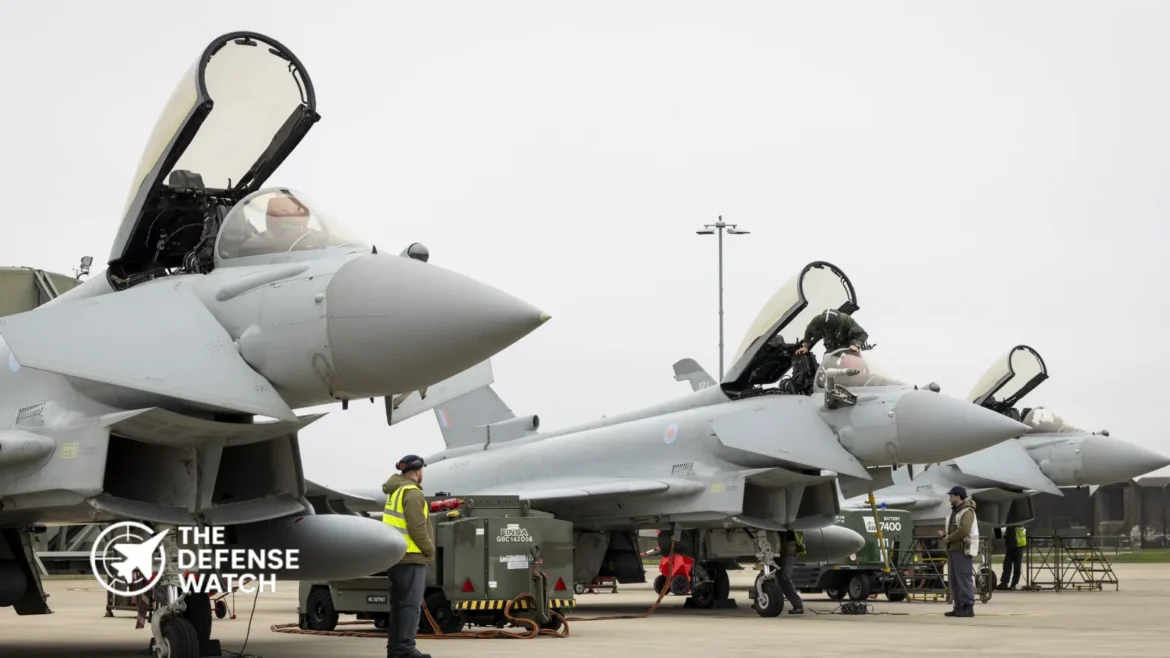
RAF Typhoons deploy to Qatar as part of the United Kingdom’s effort to strengthen its air presence in the Middle East and support regional partners facing growing security challenges. The Royal Air Force confirmed that four Typhoon fighter jets departed RAF Coningsby and arrived in Qatar to reinforce the UK’s existing air assets operating in the region.
(adsbygoogle = window.adsbygoogle || []).push({});The aircraft will integrate with RAF Typhoon units already stationed in the Gulf and operate alongside personnel from the joint UK–Qatar 12 Squadron as well as Qatar’s own Typhoon squadron.
The deployment expands the RAF’s operational capacity in the region and enhances its ability to conduct air defense missions, support coalition operations, and contribute to broader regional stability.
The Big Picture
The RAF Typhoons deploy to Qatar at a time when Middle East security dynamics are becoming increasingly complex. Western militaries have increased their operational presence across the Gulf as tensions and drone threats continue to challenge regional air defenses.
The United Kingdom has maintained a persistent military footprint in the region for decades. Air power has remained a central element of that posture, particularly through fighter deployments, intelligence sharing, and joint training programs with Gulf partners.
Deploying additional Typhoon aircraft reflects the UK’s continuing role in multinational security arrangements designed to protect shipping routes, defend allied airspace, and deter hostile actions across the Gulf region.
Qatar plays an important role in this architecture. The country hosts major coalition military infrastructure and has steadily expanded its own air capabilities through partnerships with Western defense industries.
What’s Happening
Four RAF Typhoon fighters departed RAF Coningsby in eastern England and deployed to Qatar in early March 2026.
The aircraft will join existing RAF Typhoon forces operating in the Gulf and integrate with both RAF personnel and the Qatar Emiri Air Force. The mission includes supporting regional air defense efforts for Gulf partners including Bahrain and the United Arab Emirates.
The deployment also involves personnel from 12 Squadron, a joint RAF and Qatar Emiri Air Force unit established to deepen operational cooperation between the two countries.
RAF officials say the move demonstrates the service’s ability to rapidly reinforce deployed combat air assets and respond to emerging security requirements.
The Eurofighter Typhoon remains the RAF’s primary multirole combat aircraft. It can perform air superiority, defensive counter air, and precision strike missions, making it well suited for coalition air operations and regional air policing.
Why It Matters
Forward deployment of fighter aircraft provides a rapid response capability that is critical in the Gulf region. Air defense threats in the Middle East increasingly include cruise missiles, drones, and other unmanned systems that can appear with little warning.
(adsbygoogle = window.adsbygoogle || []).push({});Typhoon aircraft equipped with advanced radar, long range air to air missiles, and precision strike weapons can help detect and intercept aerial threats before they reach critical infrastructure or population centers.
The deployment also strengthens integrated air defense cooperation among Gulf partners and Western allies.
Military planners often rely on distributed fighter forces across several regional bases. This approach improves operational resilience and reduces vulnerability to surprise attacks against a single airfield.
The presence of additional RAF Typhoons therefore increases both operational flexibility and deterrence.
Strategic Implications
The RAF Typhoons deploy to Qatar as part of a broader Western effort to maintain military stability across the Middle East.
Forward based fighter aircraft allow the United Kingdom and its allies to respond quickly to emerging threats. They also enable coalition forces to conduct air patrols, intercept suspicious aircraft or drones, and support defensive operations across the region.
The deployment reinforces Britain’s long standing defense relationship with Qatar. The two countries operate a unique joint squadron, 12 Squadron, which integrates pilots, maintainers, and operational planning personnel from both air forces.
This partnership supports Qatar’s development of its own Typhoon capability while providing the RAF with valuable operational experience working alongside Gulf air forces.
In strategic terms, these deployments help sustain a layered security architecture that includes naval forces, missile defense systems, and coalition air power across the region.
Competitor View
Regional rivals and strategic competitors closely monitor Western air deployments in the Gulf.
Countries such as Iran often interpret increases in coalition air power as part of a broader deterrence posture aimed at countering missile and drone threats. Additional fighter aircraft also complicate any potential attempt to challenge coalition air superiority in the region.
For competitors, the presence of advanced fighters like the Typhoon signals that Western forces maintain a rapid reinforcement capability and can scale up air operations quickly if the security situation deteriorates.
At the same time, Gulf partners view these deployments as reassurance that Western security commitments remain active.
Capability Gap
The RAF Typhoons deploy to Qatar partly to address the growing challenge posed by unmanned aerial threats and long range missile systems.
(adsbygoogle = window.adsbygoogle || []).push({});Small drones and loitering munitions have become common tools in regional conflicts. These systems are inexpensive but can threaten military facilities, shipping lanes, and critical energy infrastructure.
Fighter aircraft equipped with modern sensors and air to air weapons provide one layer of defense against these threats.
However, air power alone cannot eliminate the risk. Effective defense requires integrated systems that combine fighters, ground based air defense, early warning radars, and electronic warfare capabilities.
The Typhoon deployment therefore contributes to a broader defensive network rather than acting as a standalone solution.
What To Watch Next
Several developments will determine the long term impact of this deployment.
First, the RAF may adjust the size or duration of its fighter presence depending on the regional security situation. Reinforcements could include additional aircraft, support personnel, or aerial refueling assets.
Second, joint operations between RAF and Qatar Emiri Air Force units will likely expand as Qatar continues to build its Typhoon fleet and operational expertise.
Third, the deployment may feed into broader multinational air defense coordination efforts involving NATO partners and Gulf Cooperation Council states.
(adsbygoogle = window.adsbygoogle || []).push({});These trends suggest that the Gulf will remain a key theater for Western air power deployments in the coming years.
The Bottom Line
The deployment of RAF Typhoons to Qatar strengthens coalition air power in the Gulf while reinforcing the United Kingdom’s long standing defense commitments to regional security.