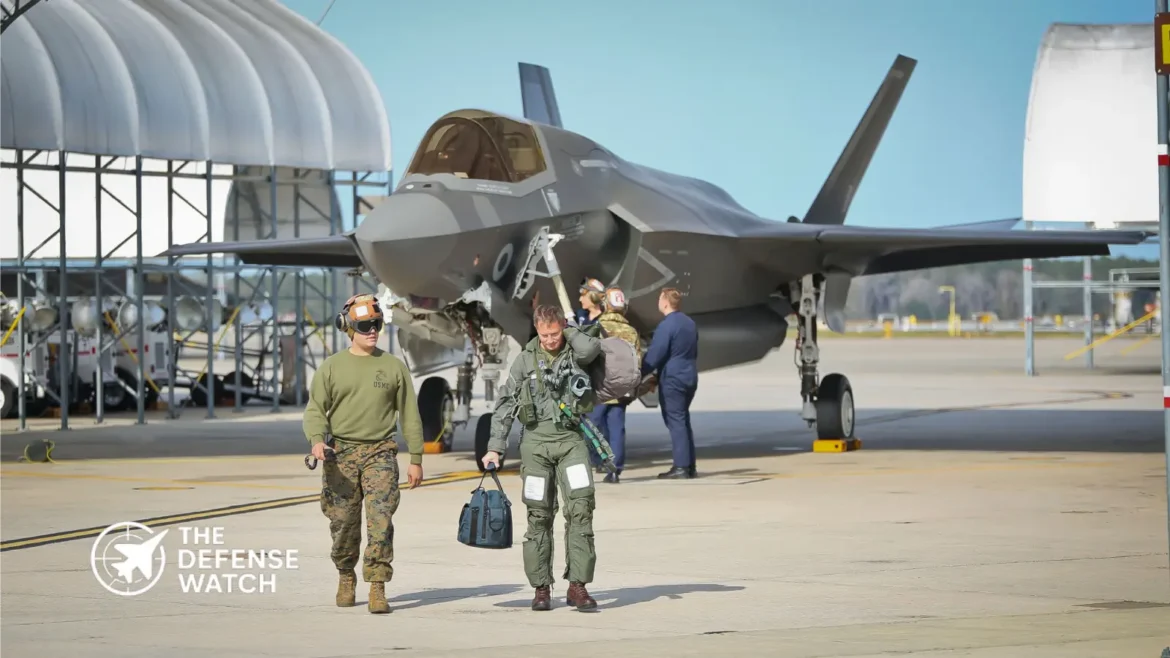
UK F-35B Procurement Reaches First Major Milestone
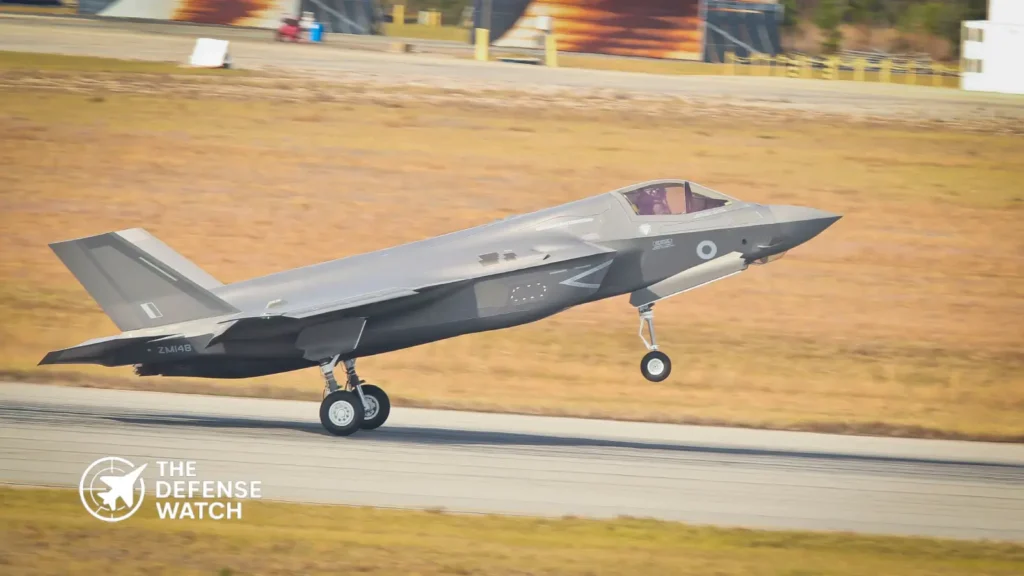
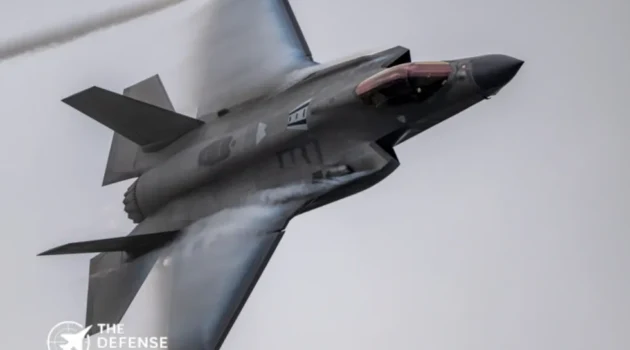
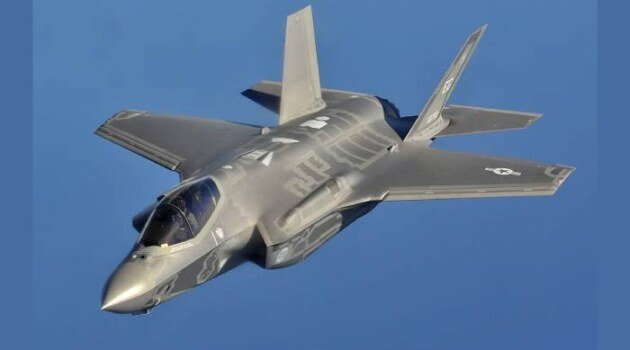
UK F-35B procurement has entered a new phase after the delivery of the 46th, 47th and 48th aircraft, completing Britain’s first contracted batch of fifth-generation fighters. The milestone marks the end of the initial acquisition phase for the Royal Air Force and Royal Navy Lightning Force.
- The United Kingdom has received aircraft numbers 46, 47 and 48, completing its initial F-35B procurement phase.
- The three jets arrived at RAF Marham, home of Britain’s Lightning Force.
- The F-35B is jointly operated by the Royal Air Force and Royal Navy for land and carrier operations.
- London still states a long-term goal of acquiring up to 138 F-35 aircraft.
- No confirmed timetable has been announced for purchases beyond the first 48 jets.
The aircraft were delivered to RAF Marham in Norfolk, the main operating base for the UK fleet. Britain’s F-35B force is jointly manned by the RAF and Royal Navy and forms the core of the country’s carrier air wing aboard the Queen Elizabeth-class aircraft carriers.
Why The F-35B Matters To Britain
The F-35B variant is the short takeoff and vertical landing model designed for operations from smaller decks and austere runways. That makes it essential to UK carrier strike operations because Britain’s aircraft carriers were built without catapult launch systems.
In practical terms, the jet gives London a modern stealth aircraft able to deploy from sea without relying on foreign bases. That provides political flexibility during crises and supports NATO maritime operations in Europe, the Mediterranean, and beyond.
For the United States and allied planners, Britain’s F-35B fleet is also valuable because it adds another carrier-capable fifth-generation force that can integrate with U.S. Marine Corps and NATO air assets.
Procurement Complete, But Bigger Questions Remain
While the first phase of UK F-35B procurement is now complete, future numbers remain unresolved. Successive British governments have maintained a headline ambition of 138 F-35 aircraft over the life of the program, but no firm contract has yet been announced for the next batch.

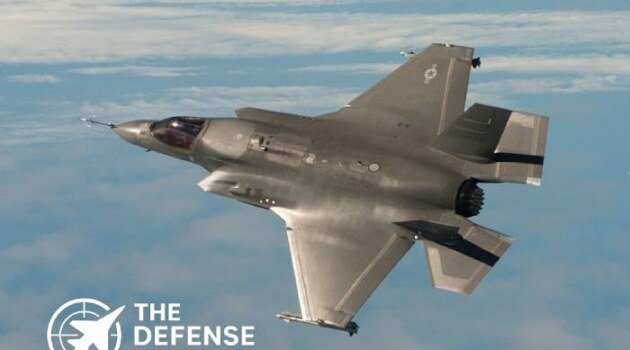
Image Source: Royal Air Force That matters because fleet size determines operational tempo. A carrier may deploy 24 or more aircraft during high-end operations, but training, maintenance cycles, and homeland requirements reduce the number available at any given time.
A fleet of 48 delivered aircraft, with one previously lost in a 2021 crash, gives Britain meaningful capability, but limited depth for sustained simultaneous operations.
Upgrade Delays Could Shape Combat Value
Another issue is software modernization. Wider F-35 Block 4 upgrades are needed for expanded weapons integration and future capability growth. British weapons such as Meteor air-to-air missiles and SPEAR 3 precision strike weapons are tied to that roadmap.
That means future combat power depends not only on buying more jets, but on receiving timely upgrades, weapons clearance, and sustainment support.
Strategic Outlook
The completion of the first UK F-35B procurement phase is a clear achievement for London, but it is also a decision point. Britain must now choose whether to expand its carrier air wings, diversify with more land-based fighters, or shift resources toward future programs such as GCAP.
For now, the delivery of jet number 48 confirms that the UK remains one of the leading non-U.S. operators of the F-35 and a key contributor to NATO airpower.

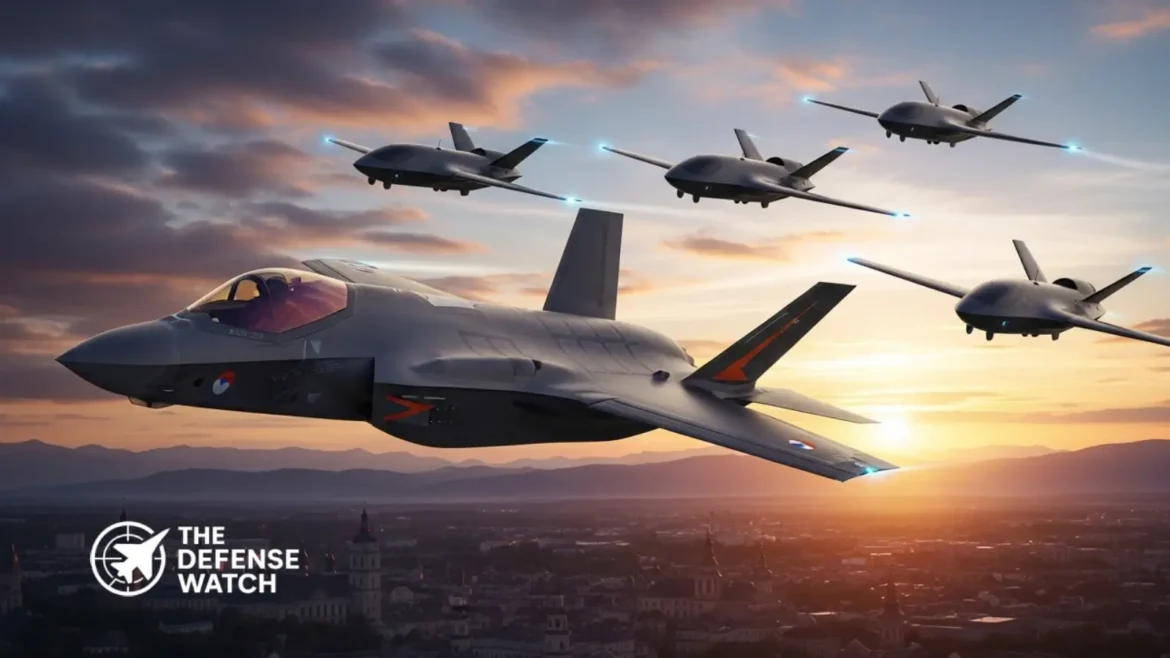
Netherlands CCA Prototypes Backed To Advance F-35 Drone Teaming
The Netherlands CCA prototypes decision marks a notable step in allied participation in the United States Air Force push to field Collaborative Combat Aircraft, autonomous or semi autonomous drones designed to operate with crewed fighters such as the F-35 Lightning II.
- The Netherlands will finance two US Air Force Collaborative Combat Aircraft prototype efforts.
- The move is intended to build operational knowledge in F-35 drone teaming concepts.
- CCA platforms are designed to fly alongside crewed fighters as force multipliers.
- Dutch participation highlights allied interest in future autonomous combat aviation.
- The project may shape future NATO airpower integration and procurement choices.
Dutch funding will support two US Air Force prototype efforts aimed at helping the Netherlands develop practical experience in future manned unmanned teaming operations. The focus centers on how unmanned aircraft can extend the combat value of the Dutch F-35 fleet.
The Dutch Air Force already operates the F-35A, making it one of the most relevant European operators for early experimentation with drone wingmen. Rather than waiting for a mature export product, the Netherlands appears to be buying access to learning, testing, and concept development now.
Why Collaborative Combat Aircraft Matter
The US Air Force CCA program is one of Washington’s highest priority aviation modernization efforts. These aircraft are expected to perform missions such as:
- Forward sensing and ISR
- Electronic warfare support
- Weapons carriage
- Decoy operations
- Attritable strike missions
- Extending fighter range and survivability
In practical terms, a formation of one piloted fighter and multiple unmanned teammates could cover more airspace, carry more weapons, and accept higher risk than traditional fighter packages.
That matters for NATO air forces facing increasingly dense air defenses, long range missiles, and growing peer competition.
Why The Netherlands Is Moving Early
The Netherlands is a relatively small but technologically advanced NATO air power. It often prioritizes interoperability with the United States and alliance partners. Funding Netherlands CCA prototypes gives Dutch planners several advantages.
First, it creates early insight into doctrine, training, data links, autonomy rules, and sustainment demands.
Second, it helps ensure future CCA systems can integrate with Dutch F-35 operations rather than being retrofitted later.
Third, it positions the Netherlands to influence future NATO standards in manned unmanned teaming.
This is a strategic move, not simply a procurement move.
Implications For Europe And NATO
European air forces are watching the US CCA effort closely. Nations operating the F-35, including United Kingdom, Italy, Norway, Denmark, and Belgium, face the same question: how to increase combat mass without buying large numbers of expensive crewed fighters.
CCA type systems may offer one answer.
If the Dutch effort proves useful, other European operators may seek similar partnerships or domestic programs linked to their F-35 fleets.
Challenges Still Ahead
Despite the momentum, several issues remain unresolved:
- Rules for autonomous engagement decisions
- Secure communications in contested environments
- Cost per aircraft and sustainment burden
- Integration with NATO command networks
- Industrial participation for partner nations
These questions will determine whether CCA becomes a niche capability or a standard part of future air forces.
Strategic Outlook
The Netherlands CCA prototypes initiative is important because it shows allied governments are no longer treating loyal wingman systems as distant concepts. They are beginning to invest now, while doctrine and technology are still forming.
That could give smaller but advanced air forces a way to stay relevant in high end warfare without matching larger powers aircraft for aircraft.
For the United States, Dutch participation also sends a clear signal: allies want in on the next generation of air combat.
U.S. Navy MQ-25A Stingray Reaches Major Flight Milestone
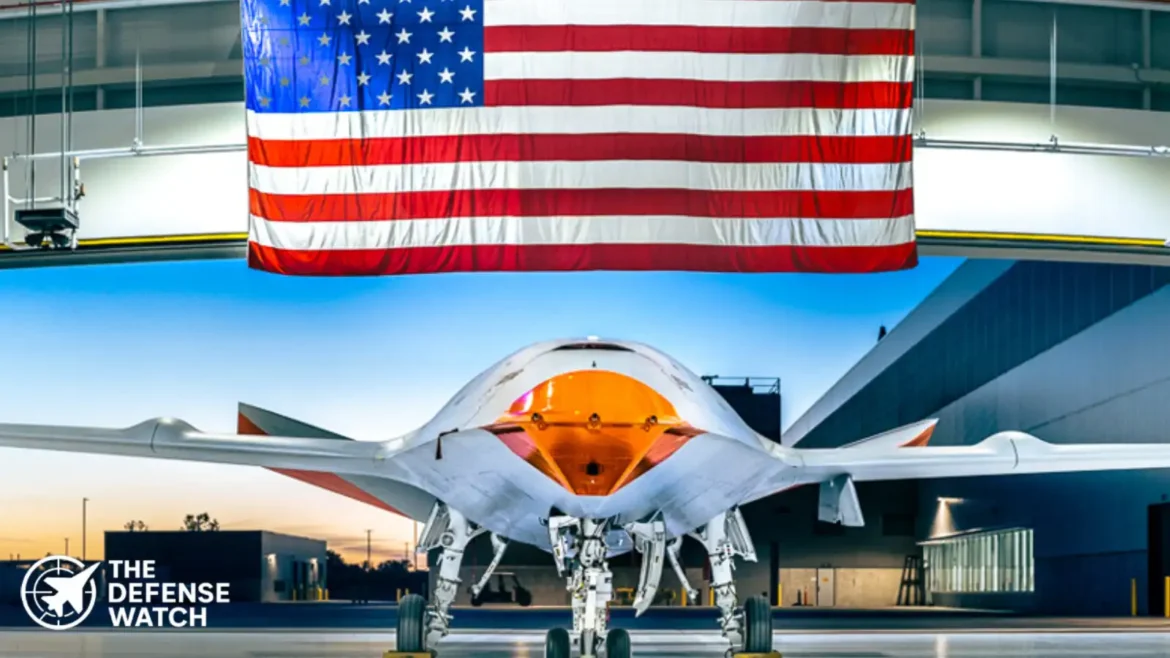
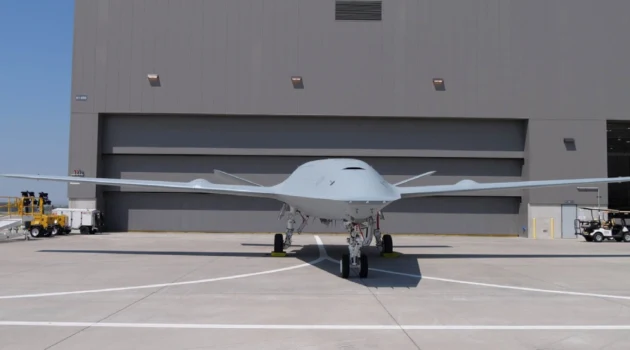
The MQ-25A Stingray completed its first flight, marking one of the most important recent steps in U.S. Navy carrier aviation modernization. The Boeing-built unmanned aircraft flew on April 25 from MidAmerica St. Louis Airport, where the company manufactures the platform. The sortie signals that the Navy’s first carrier-based operational drone tanker is moving closer to fleet service.
The MQ-25A Stingray is not just another unmanned aircraft. It is designed to solve a long-running operational problem for the Navy, the heavy use of frontline fighters as airborne tankers.
- The first production-representative U.S. Navy MQ-25A Stingray completed its maiden flight on April 25, 2026.
- The aircraft flew from MidAmerica St. Louis Airport near Boeing’s MQ-25 production site.
- MQ-25A is designed to refuel carrier aircraft including F/A-18E/F Super Hornet and F-35C fighters.
- The Navy plans to acquire 76 MQ-25 aircraft, with initial operational capability targeted for 2027.
- The program could reshape carrier operations by freeing manned fighters from tanker missions.
For years, F/A-18E/F Super Hornets have performed buddy refueling missions that consume airframe life and reduce the number of fighters available for strike or air defense missions. The MQ-25A is intended to take over that task.
Why The MQ-25A Matters
The arrival of the MQ-25A Stingray could significantly extend the combat reach of U.S. aircraft carriers.
Modern threats, particularly long-range anti-ship missiles and dense air defense networks, have pushed carriers to operate farther from hostile coastlines. That distance reduces the striking range of carrier aircraft. By providing organic aerial refueling, the MQ-25A can help restore lost reach for aircraft such as the F-35C Lightning II and F/A-18E/F Super Hornet.
Boeing and Navy officials have previously stated the aircraft is expected to offload around 15,000 pounds of fuel at operationally relevant distances. That makes the system a force multiplier rather than a simple support aircraft.
From Demonstrator To Fleet Asset
Earlier MQ-25 development used the T1 demonstrator, which proved core capabilities including unmanned aerial refueling. This latest aircraft is the first production-representative version, meaning it is much closer to the configuration the fleet will eventually operate.
That distinction matters because it moves the program from technology demonstration into real acquisition and operational testing.
The Navy currently plans to procure 76 MQ-25 aircraft, with initial operational capability expected in 2027.
Strategic Analysis
The MQ-25A Stingray reflects a broader Pentagon shift toward human-machine teaming. Rather than replacing crewed fighters, it supports them, expands their range, and preserves valuable pilot hours.
This is a practical model for unmanned integration. It avoids the political and technical friction of replacing combat aircraft outright while still delivering immediate gains.
If successful, the MQ-25A could open the door for future carrier-based unmanned systems focused on surveillance, strike, and electronic warfare.
What Comes Next
The next major hurdles include deck handling trials, catapult launches, arrested recoveries, and carrier integration testing. Those steps are especially demanding because carrier operations remain among the most complex environments in military aviation.
Still, with first flight complete, the MQ-25A Stingray has crossed a key threshold.
For the U.S. Navy, it may become one of the most consequential carrier aviation programs of the decade.
Boeing CH-47F Chinook Reaches New Automation Milestone
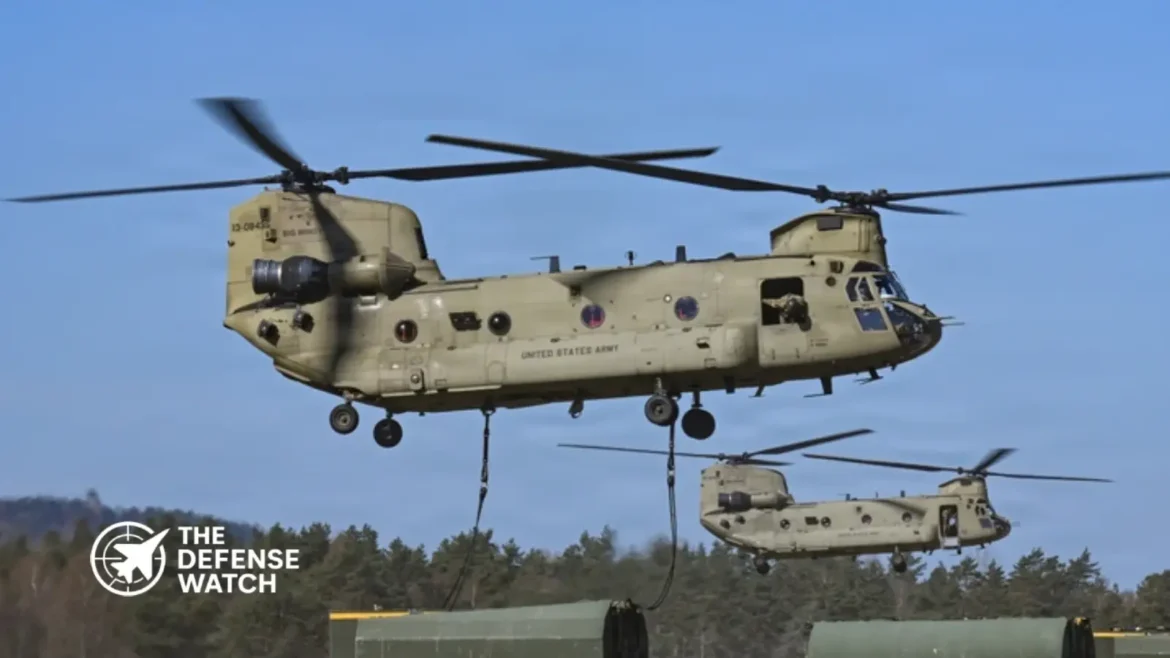
The CH-47F Chinook autonomous landing milestone marks a notable step in U.S. Army aviation modernization. Boeing announced that a U.S. Army CH-47F successfully completed a fully automated approach and landing using the company’s Approach-to-X, or A2X, software during recent testing. The aircraft touched down without pilot interaction during the final phase of flight.
- Boeing confirmed a CH-47F Chinook completed its first fully automated approach and landing during recent flight tests.
- The helicopter landed with all four wheels on the runway without pilot control inputs.
- Boeing used its Approach-to-X (A2X) software integrated with the Digital Automated Flight Control System.
- Since January 2026, the system has completed more than 150 automated approaches.
- The capability is aimed at reducing pilot workload and improving tactical landing precision.
The twin-rotor Chinook remains one of the Army’s most important heavy-lift platforms, used for troop transport, artillery movement, resupply, and disaster response. Adding automation to such a mature platform shows the Pentagon is seeking faster capability gains through software upgrades rather than waiting for entirely new aircraft.
How The System Works
According to Boeing, pilots still set mission parameters such as landing zone, final altitude, approach angle, and entry speed. Once configured, the A2X software manages the flight path and control inputs needed to guide the helicopter to touchdown. Crews can still intervene or adjust course if battlefield conditions change.
That matters because military autonomy is increasingly focused on supervised systems, not pilot replacement. In practical terms, this means reducing crew workload while preserving human judgment.
For transport helicopters operating in dust, low visibility, or contested landing zones, a repeatable automated approach could improve safety and mission timing.
Why It Matters For The U.S. Army
The Army is modernizing the Chinook fleet through the Block II program, which adds greater lift capacity, range, and future growth margin. Combining Block II hardware upgrades with software autonomy could extend Chinook relevance well into coming decades.
This is a cost-effective path. Instead of buying a brand-new heavy-lift fleet, the Army can improve an aircraft already proven in Iraq, Afghanistan, Europe, and humanitarian operations worldwide.
It also aligns with wider Pentagon interest in reduced-crew and optionally crewed aviation systems.
Strategic Analysis
Rivals including China and Russia are investing in electronic warfare, long-range fires, and air defense networks that complicate helicopter operations. Faster, more precise approaches can help aircraft spend less time exposed near landing zones.
Autonomy alone does not solve survivability challenges, but paired with terrain masking, improved sensors, and networked mission planning, it can sharpen battlefield utility.
For Boeing, the successful test also strengthens the long-term case for keeping the Chinook central to U.S. and allied heavy-lift fleets.
What Comes Next
Boeing said additional testing will refine the software before broader fleet integration. If successful, future increments could include degraded-visual-environment landing support, tighter obstacle avoidance, and cooperative operations with uncrewed systems.
The result is clear: the Chinook is not being replaced soon. It is being digitally upgraded.
Brunei C295MW Delivery Strengthens National Airlift Fleet
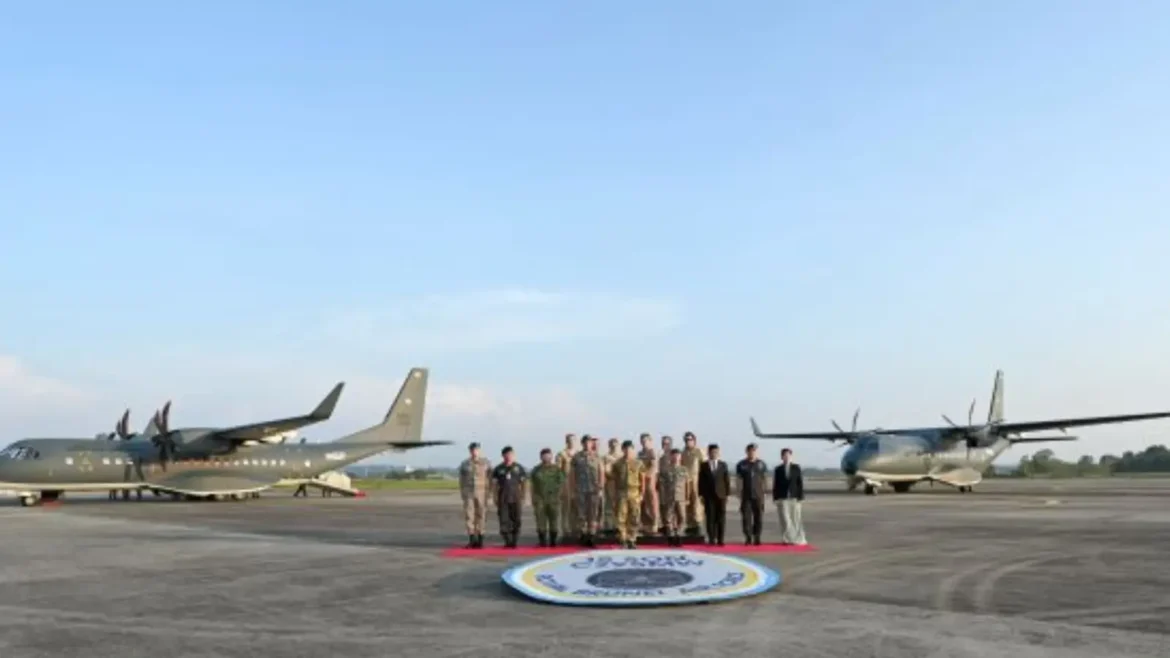
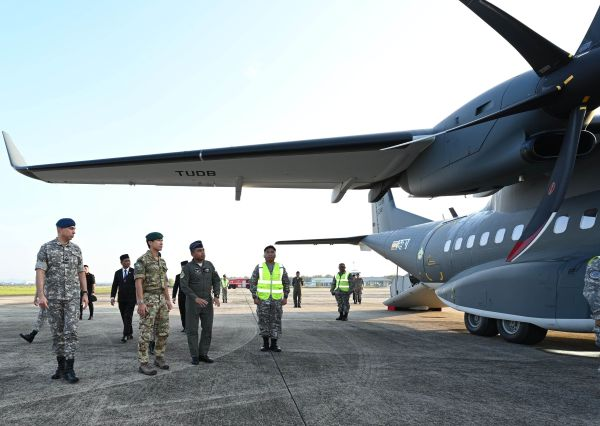
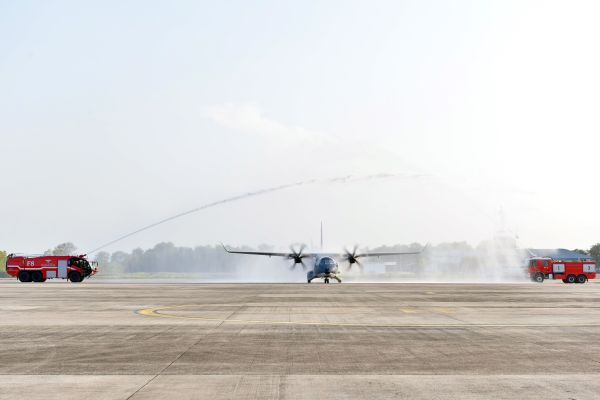
The Brunei C295MW delivery program has reached its final stage, with the Royal Brunei Air Force receiving the last two Airbus C295MW transport aircraft and completing its planned four aircraft fleet. The arrival ceremony was held at Rimba Air Force Base on April 20, according to Brunei’s Ministry of Defence.
The two aircraft, designated TUDB 504 and TUDB 505, completed a seven day ferry flight from Airbus facilities in Spain. Their arrival marks the completion of a modernization effort launched in December 2022, when Brunei signed its procurement agreement with Airbus for four aircraft.
- Brunei has received the final two Airbus C295MW tactical transport aircraft for its air force.
- The deliveries complete a four aircraft fleet ordered from Airbus in December 2022.
- The last two aircraft arrived at Rimba Air Force Base on April 20 after a seven day ferry flight from Spain.
- The fleet will support transport, disaster relief, medical evacuation, and search and rescue missions.
- The acquisition strengthens Brunei’s mobility and regional response capability in Southeast Asia.
Why The C295MW Matters For Brunei
For a small nation with dispersed maritime territory and growing regional responsibilities, air mobility is often more valuable than raw combat power. The Airbus C295MW gives Brunei a reliable medium transport platform able to move troops, equipment, humanitarian supplies, and medical teams quickly across difficult terrain.
According to official statements, the aircraft will be used for:
- Humanitarian assistance and disaster relief
- Medical evacuation missions
- Search and rescue operations
- Non combatant evacuation operations
- Troop and cargo transport
- VIP transport when required
That flexibility is especially relevant in Southeast Asia, where floods, storms, and remote island geography regularly test military logistics networks.

The two new C295MWs complete Brunei’s tactical transport fleet. Source: Brunei defence ministry Replacing Older Capability
The C295MW fleet also replaces Brunei’s aging CN235 transport capability. Earlier reporting noted the country had relied on a single CN235-110M that entered service in 1997.
Moving from one older aircraft to a four platform modern fleet significantly improves readiness. It allows maintenance rotation, sustained operations, crew training continuity, and faster responses during emergencies.
That is a major shift for a small air arm, where every available aircraft matters.
Regional Security Impact
Brunei is not building an offensive air fleet. Instead, it is investing in strategic mobility, which is often one of the smartest defense purchases smaller states can make.
Transport aircraft can support domestic security, maritime surveillance deployments, multinational exercises, and humanitarian missions without escalating regional tensions. In practical terms, that gives Brunei more independence and more relevance inside ASEAN security cooperation frameworks.

The two new C295MWs complete Brunei’s tactical transport fleet. Source: Brunei defence ministry As larger powers compete for influence in the Indo Pacific, countries like Brunei increasingly focus on resilient, multi use capabilities rather than expensive high end combat fleets.
Airbus C295MW Global Momentum
The Airbus C295 family continues to gain traction worldwide because it offers lower operating costs than larger transports while retaining short takeoff and landing performance. The aircraft can operate from semi prepared and shorter runways, a valuable feature for island states and austere environments.
That makes Brunei’s choice consistent with a broader trend among medium sized and smaller air forces seeking practical capability over prestige platforms.
Bottom Line
The Brunei C295MW delivery is more than a routine handover. It gives the Royal Brunei Air Force a complete modern airlift fleet that can support defense missions, disaster response, and regional cooperation for years ahead.
For Brunei, mobility is strategy, and this purchase strengthens both.
Peru F-16 Block 70 Purchase Signals Major Airpower Shift
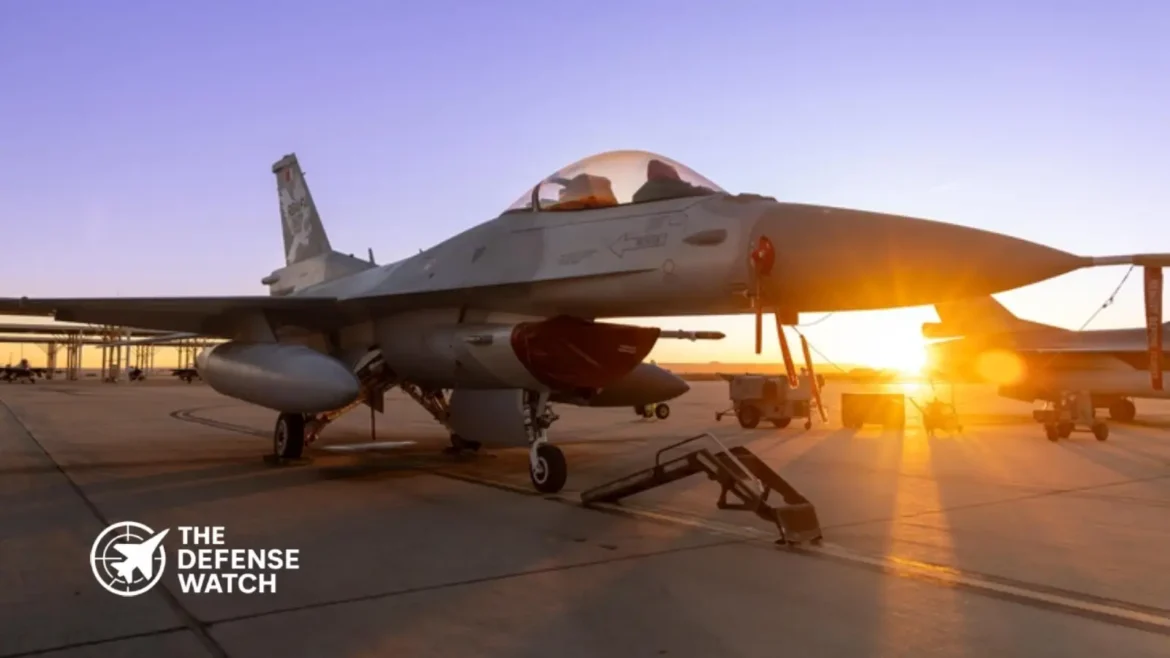
Peru F-16 Block 70 acquisition plans could significantly upgrade the country’s air combat capability as Lima explores the purchase of 12 advanced fighter aircraft from Lockheed Martin. The reported proposal would replace aging legacy fleets and give the Peruvian Air Force a modern multirole platform with stronger deterrence value.
- Peru is considering the purchase of 12 F-16 Block 70 multirole fighter aircraft.
- The Block 70 variant includes AESA radar, modern avionics, and extended service life.
- The deal would mark one of Latin America’s most important fighter recapitalization efforts.
- Peru seeks to replace aging Soviet and French-origin combat aircraft fleets.
- A final decision would shape Peru’s airpower posture for decades.
The potential deal reflects a broader trend across Latin America, where several nations are reassessing airpower readiness amid aging fleets, sustainment challenges, and rising operational demands.
The Big Picture
Latin American air forces have long faced delayed modernization due to budget pressure, political turnover, and maintenance costs. Many fleets now rely on aircraft introduced decades ago. That creates readiness gaps in air sovereignty, border patrol, maritime surveillance support, and crisis response.
For Peru, combat aviation remains strategically important. The country has a large territory, Pacific coastline, mountainous geography, and remote regions that require rapid-response air assets. A modern fighter fleet supports both national defense and peacetime security missions.
The proposed Peru F-16 Block 70 move would align Lima with a growing list of nations selecting Western fourth-generation-plus aircraft with lower risk than more expensive fifth-generation options.
What’s Happening
According to reporting cited by Defence Industry Europe, Lockheed Martin outlined Peru’s planned purchase of 12 F-16 Block 70 fighters. No final contract value or delivery schedule has been publicly confirmed.
Peru currently operates mixed legacy fleets including Russian-origin MiG-29 fighters and French Mirage 2000 aircraft. Both types have modernization potential, but long-term sustainment becomes increasingly expensive as fleets age and supply chains tighten.
The F-16 Block 70 package typically includes:
- AN/APG-83 AESA radar
- Advanced mission computer
- Modern cockpit displays
- Precision strike integration
- Improved electronic warfare systems
- Structural life extension up to 12,000 flight hours
Why It Matters
The F-16 remains one of the world’s most widely supported fighter platforms. That matters because aircraft capability alone does not determine readiness. Training pipelines, spare parts access, software upgrades, and weapons integration often decide long-term value.
For Peru, the Peru F-16 Block 70 option could reduce logistical complexity by moving toward a scalable, globally supported platform.
It would also improve interoperability with regional and international partners that already operate the F-16.
Strategic Implications
A successful acquisition would strengthen Peru’s deterrence posture without dramatically altering the regional balance of power. Instead, it would likely be viewed as a normalization step after years of deferred recapitalization.
Modern fighters provide better reaction times, improved sensor range, and stronger survivability. They also allow more effective maritime monitoring over Pacific approaches and faster response to unauthorized air activity.
Competitor View
Regional militaries will likely watch the program through a readiness lens rather than an arms-race lens. Countries operating legacy fleets may see Peru’s move as evidence that sustainment pressure is forcing overdue replacement decisions.
Russia could also view the shift as another example of long-term erosion in legacy Soviet equipment influence within export markets historically open to mixed sourcing.
What To Watch Next
Key indicators now include:
- Government funding approval
- Foreign Military Sales pathway details
- Weapons package selection
- Pilot training arrangements
- Infrastructure upgrades
- Delivery timeline and industrial participation
Capability Gap
Peru needs to close the gap between aging aircraft availability and modern mission demands. Older fleets can remain lethal, but readiness often falls when maintenance hours rise and spare parts become scarce.
The F-16 does not eliminate all challenges. New aircraft require pilot conversion, base upgrades, sustainment funding, and long-term procurement discipline.
The Bottom Line
Peru’s planned F-16 Block 70 purchase would be less about prestige and more about restoring credible, sustainable air combat readiness for the next generation.


L3Harris AERIS X Positioned For Growing Allied Demand
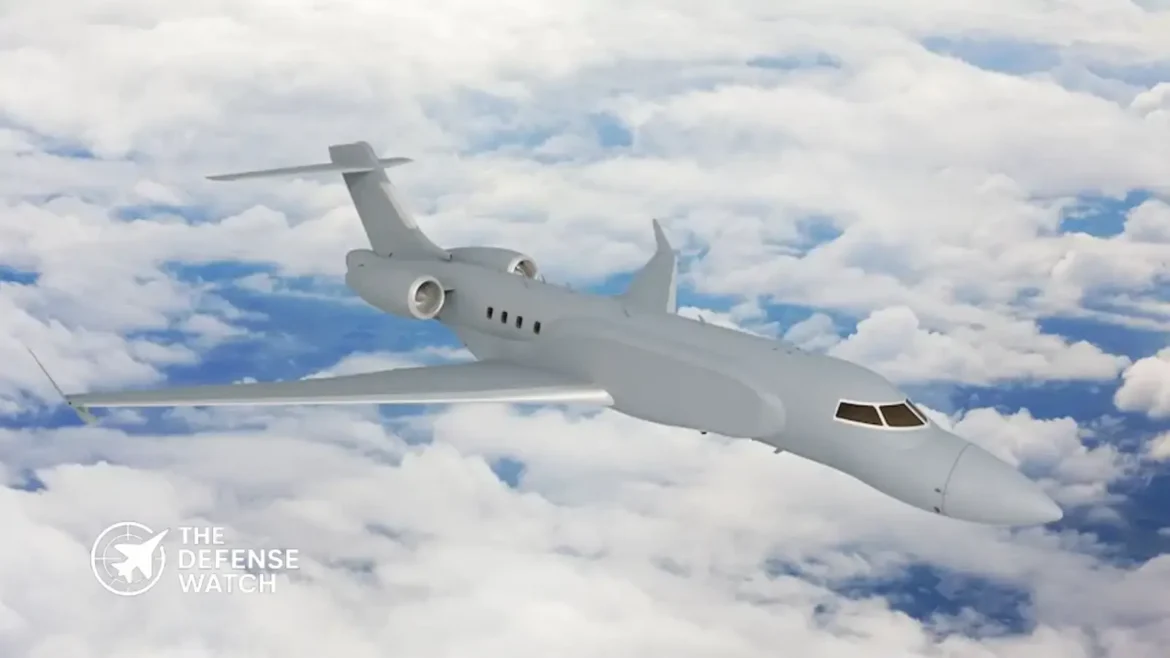
AERIS X aircraft is being highlighted by L3Harris Technologies as allied governments look for faster and more affordable airborne early warning and control capabilities. The company says nations across Europe, the Indo-Pacific, the Middle East, and the Americas are reassessing aging surveillance fleets while regional air threats continue to expand.
- L3Harris is promoting the AERIS X airborne early warning and control aircraft to allied nations.
- The platform is based on the Bombardier Global 6500 business jet airframe.
- Company says the aircraft offers 360-degree AESA radar coverage and lower lifecycle costs.
- Demand is rising as countries seek protection from drones, cruise missiles, and ballistic threats.
- South Korea previously selected an L3Harris AEW&C solution valued above $2.26 billion.
The aircraft is built on the Bombardier Global 6500 business jet platform and is designed to provide airborne surveillance, battle management, and networked command functions. L3Harris argues that smaller missionized business jets can offer quicker delivery timelines and lower sustainment costs than larger legacy warning aircraft.
Why The Market Is Shifting
Many current airborne warning fleets were developed decades ago. Several operators now face maintenance pressure, limited aircraft availability, and expensive modernization programs. That creates an opening for new entrants like AERIS X aircraft.
The company says recent conflicts have shown the need for persistent detection against drones, low-observable threats, cruise missiles, and ballistic missiles. Those lessons are driving renewed interest in aircraft that can remain on station longer while feeding data to fighters, missile defenses, and command centers.
This reflects a broader defense trend. Instead of waiting years for bespoke programs, many governments are now seeking proven systems already near production.
Claimed Capabilities Of AERIS X
According to L3Harris, the platform includes an Active Electronically Scanned Array radar with full 360-degree coverage and improved resistance to jamming. The company also says the jet can operate at higher altitudes and longer ranges than some competing platforms, improving radar horizon and time on mission.
The aircraft is also marketed as suitable for fifth-generation force integration, including data sharing with stealth fighters and coalition assets. For countries investing heavily in advanced combat aircraft, that interoperability pitch is likely central to future sales efforts.
South Korea Selection Boosts Credibility
One of the strongest indicators of market traction came in 2025 when South Korea selected an L3Harris-led AEW&C solution worth more than $2.26 billion. The program will deliver modified Global 6500 aircraft for the Republic of Korea Air Force.
That win matters because South Korea evaluated multiple competitors while facing a demanding regional threat environment. Export customers often view previous international selections as evidence of maturity and reduced program risk.
Strategic Outlook
The push behind AERIS X aircraft highlights how airborne surveillance is evolving. Instead of relying only on large and expensive AWACS-style fleets, more countries may adopt smaller jets with advanced sensors and lower operating costs.
If L3Harris can convert interest into additional contracts, AERIS X could become a serious competitor in the next generation AEW&C market.
Indian Air Force Expands Dispersed Air Operations
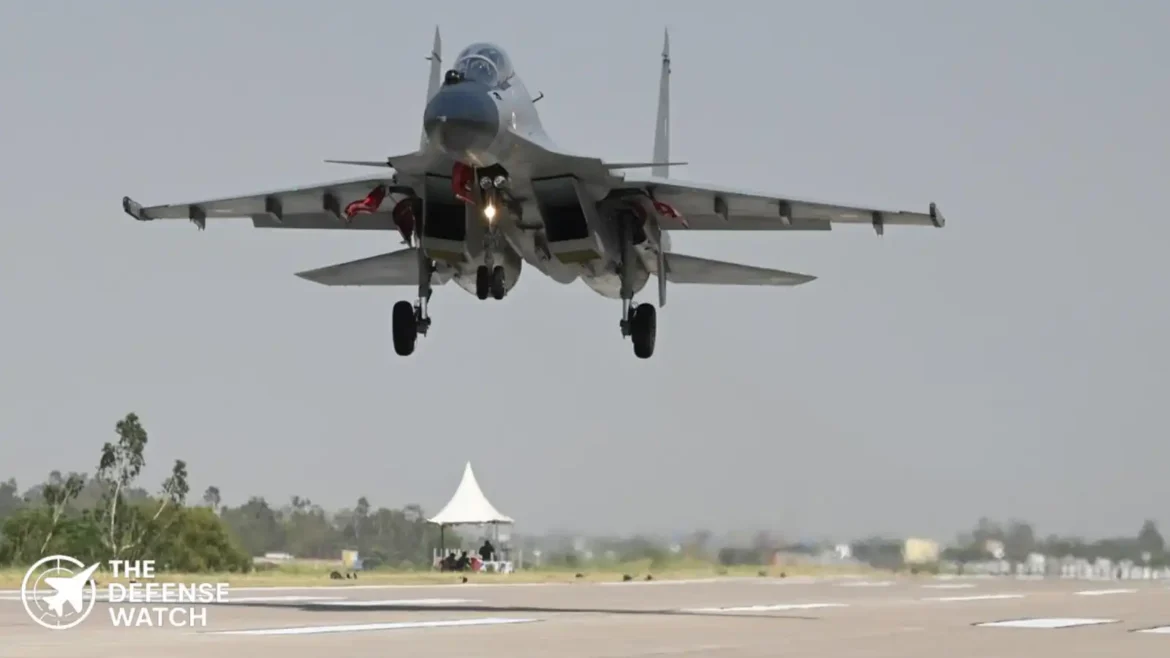
The Indian Air Force Emergency Landing Facility on the Purvanchal Expressway marks another step in India’s push to strengthen operational resilience and wartime flexibility. The newly activated strip allows military aircraft to land, refuel, redeploy, or stage missions from road infrastructure instead of relying solely on fixed airbases.
According to official statements, the drill demonstrated the IAF’s ability to operate beyond conventional airfields while reinforcing rapid disaster response capability. Senior attendees included Uttar Pradesh Minister Om Prakash Rajbhar, Air Marshal B Manikantan, Air Officer Commanding-in-Chief of Central Air Command, and UPEIDA CEO Deepak Kumar.
- Indian Air Force operationalised an Emergency Landing Facility on the Purvanchal Expressway in Uttar Pradesh.
- The facility enables military aircraft to use highway infrastructure when conventional airbases are unavailable or under pressure.
- The exercise highlighted rapid deployment capability, civil-military coordination, and disaster response readiness.
- Senior officials attending included Air Marshal B Manikantan and Uttar Pradesh minister Om Prakash Rajbhar.
- Highway landing strips are increasingly viewed as survivability assets in modern air warfare.
The event also showcased coordination between civilian state authorities and the military, an increasingly important factor in crisis response and national mobilization.
Why Highway Runways Matter In Modern Warfare
The Indian Air Force Emergency Landing Facility concept reflects a wider military trend. Fixed airbases are high-value targets in any conflict, especially under missile and drone attack. Dispersed operations using highways, auxiliary strips, and temporary bases can complicate enemy targeting and preserve sortie generation.
Several air forces, including those in Europe and Asia, regularly practice road-base operations for this reason. For India, the need is amplified by a two-front strategic environment involving both western and northern borders.
The Purvanchal Expressway site gives the IAF another option in northern India, where rapid aircraft movement can be critical during contingencies.
Purvanchal Expressway Adds Strategic Utility
The Purvanchal Expressway in Uttar Pradesh is already one of India’s major transport corridors. Converting sections into military-use landing strips adds dual-use strategic value to civilian infrastructure.
That model offers three advantages:
- Lower cost than building new dedicated airbases
- Faster expansion of emergency operating locations
- Improved military logistics during natural disasters or conflict
India has previously used expressways for fighter aircraft demonstrations and landing trials, but each new operationalised facility increases practical readiness rather than symbolic capability.
Beyond Combat, A Disaster Response Asset
The Indian Air Force Emergency Landing Facility is not only a wartime asset. It can support humanitarian relief after floods, earthquakes, or infrastructure failures by allowing transport aircraft and helicopters to stage closer to affected areas.
For a country with large geography and weather-related emergencies, this gives planners added flexibility. Military mobility often plays a decisive role in domestic disaster relief, especially when conventional airports are congested or damaged.
Regional Signaling And Readiness
The timing also matters. Across Asia, air forces are investing in survivability, mobility, and distributed basing. Precision strike weapons have changed the value of traditional large airbases. India’s investment in highway runway networks suggests planners are adapting to that reality.
While no specific threat was cited, the message is clear: the IAF wants the ability to continue operations even if standard infrastructure is disrupted.
That is a practical deterrence signal as much as a logistics upgrade.
Outlook
The Indian Air Force Emergency Landing Facility on the Purvanchal Expressway is a relatively low-cost capability with outsized strategic value. It enhances combat endurance, improves emergency response, and strengthens India’s dispersed air operations model.
As regional militaries modernize, infrastructure that can serve both civilian and military purposes is likely to become more common. India appears determined to stay ahead of that curve.
Lockheed Martin Counter UAS Investment Signals Growing Urgency
Lockheed Martin counter UAS efforts received a major boost after the company announced a $25 million investment in Fortem Technologies, a U.S. airspace security firm known for autonomous drone interception systems. The April 22 move aims to scale production and speed deployment of integrated anti-drone defenses as militaries confront a surge in cheap, expendable unmanned aircraft.
- Lockheed Martin invested $25 million in Fortem Technologies on April 22, 2026.
- Funding supports Fortem production growth and integration into Lockheed Martin Sanctum counter-UAS architecture.
- Move reflects urgent demand for affordable defenses against small drones and swarm attacks.
- Fortem says the investment could at least double manufacturing capacity in Lindon, Utah.
- Counter-UAS is becoming a core modernization priority for U.S. and allied forces.
The Big Picture
Counter-drone warfare has moved from a niche mission set to a frontline requirement. Conflicts in Ukraine, the Middle East, and Red Sea maritime corridors have shown that commercially derived drones can threaten armor, air bases, logistics hubs, and critical infrastructure at relatively low cost.
That shift has exposed a major imbalance. A low-cost quadcopter can force defenders to use expensive missiles, guns, or electronic warfare assets. Defense planners now want layered systems that detect, track, classify, and defeat drones at lower cost per engagement.
Lockheed Martin’s investment suggests major prime contractors now see counter-UAS not as an accessory market, but as a central growth sector.
What’s Happening
Lockheed Martin said the $25 million funding is the initial tranche of Fortem’s Series B fundraising round. The companies said the investment builds on an existing partnership and supports broader operational deployment of jointly developed counter-UAS systems.
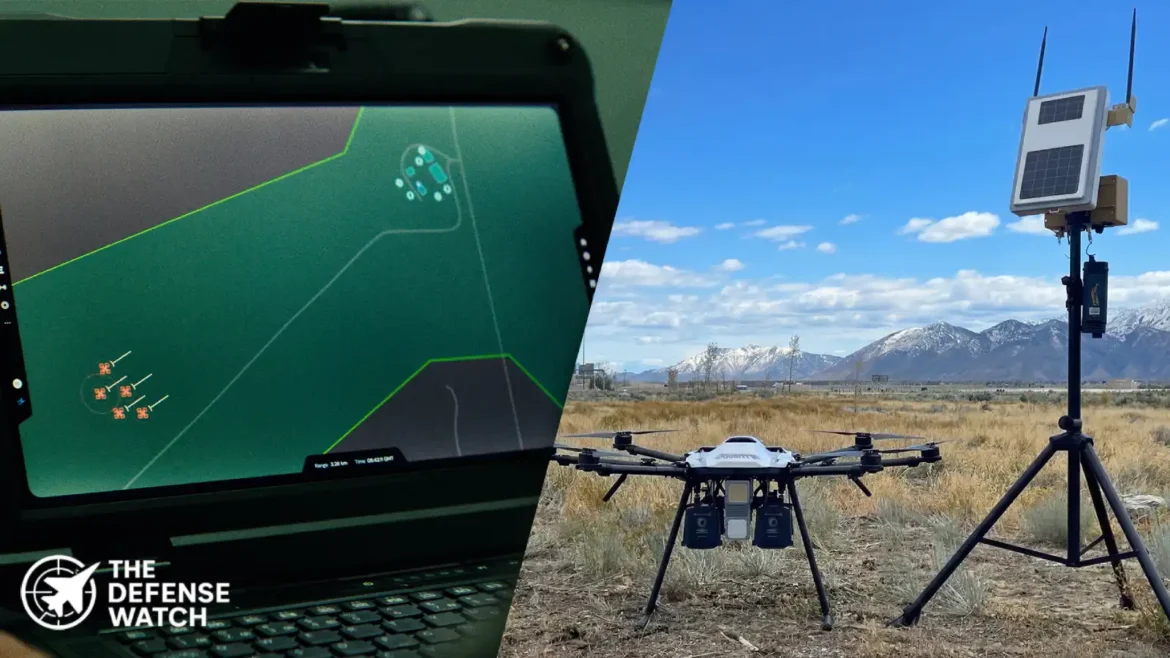
Fortem’s systems include:
- TrueView radar sensors for drone detection and tracking
- SkyDome command and control software
- DroneHunter interceptors, autonomous drones designed to capture hostile UAVs
These capabilities are being integrated into Lockheed Martin’s Sanctum counter-UAS ecosystem, which is designed as an open architecture defensive network.
Why It Matters
The key issue is cost and scale.
Traditional air defense missiles can destroy drones, but repeated use against mass, low-cost targets is financially unsustainable. Lockheed Martin said Fortem’s software-centric approach can reduce engagement cost by more than 80 percent compared with traditional kinetic interceptors.
If validated in wider field use, that matters for:
- Air base defense
- Port and ship protection
- Border security
- Critical infrastructure security
- Expeditionary force protection
This is where the market is moving: affordable persistence rather than premium interceptors alone.
Strategic Implications
The investment also reflects industrial base strategy. Instead of developing every subsystem internally, primes increasingly buy stakes in specialized firms with mature technology.
That model can shorten procurement timelines and preserve access to innovative suppliers. For the Pentagon and allied buyers, it may also reduce dependency on slower legacy acquisition cycles.
The decision to expand manufacturing in Utah matters as well. U.S. defense planners have repeatedly warned that production depth is as important as headline technology, especially during prolonged conflicts.
Competitor View
China, Russia, Iran, and other U.S. rivals have all invested heavily in low-cost unmanned systems, loitering munitions, and attritable drone fleets.
They are likely to read this move as confirmation that Western militaries are accelerating defenses against drone saturation tactics. That does not remove the threat, but it can raise the cost of relying on mass UAV attacks.
At the same time, adversaries will likely continue adapting through autonomy, reduced radar signatures, and mixed attacks combining drones with missiles or electronic warfare.
What To Watch Next
Several indicators will show whether this investment changes the market:
- New U.S. military or homeland security contracts
- Allied export sales of Sanctum-integrated systems
- Demonstrated performance against drone swarms
- Faster Fortem production output
- Additional Lockheed Martin venture investments in autonomy or sensors
If those milestones appear in 2026 or 2027, the deal may prove more significant than its $25 million size suggests.
Capability Gap
The gap being addressed is simple: many forces still lack scalable defenses against numerous small drones arriving simultaneously.
Even advanced militaries often depend on systems designed for aircraft or missiles, not dozens of cheap quadcopters. Fortem and Lockheed Martin are trying to close that gap through automation, networked sensing, and reusable intercept options.
A realistic limitation remains electronic warfare complexity, cluttered urban environments, and the need for legal authorities when intercepting drones near civilian infrastructure.
The Bottom Line
Lockheed Martin’s Fortem investment shows that affordable counter-drone capacity, not just advanced missiles, is becoming a decisive priority for modern defense forces.
Lockheed Martin DREXR Upgrade Advances E-2D Hawkeye Capability
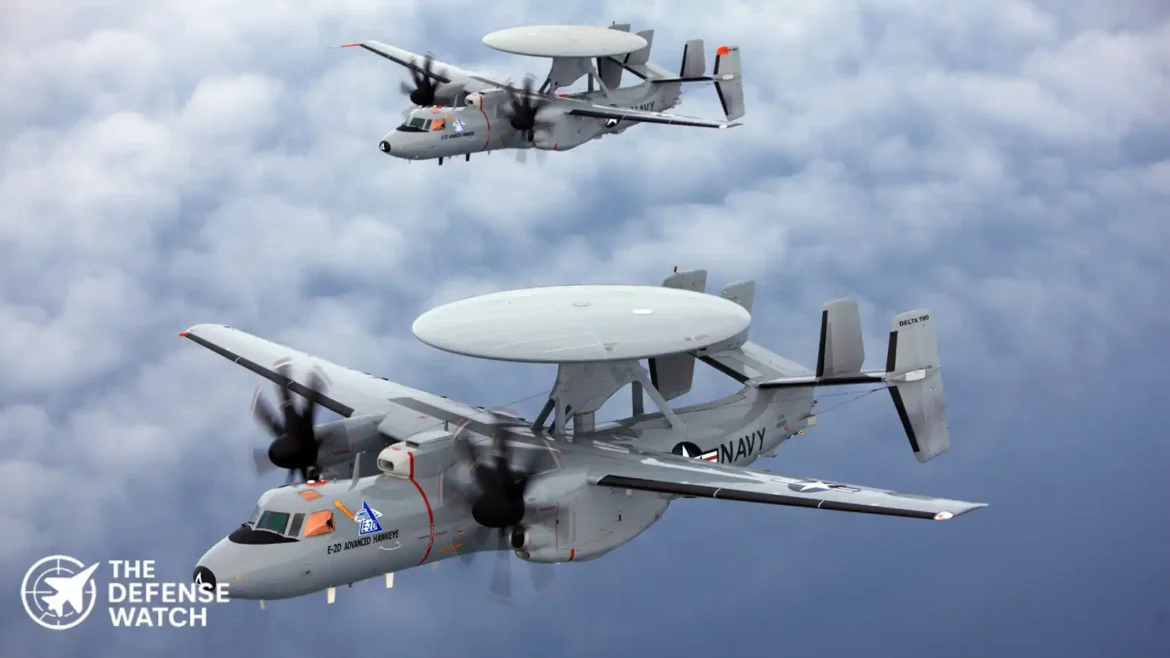
The Lockheed Martin DREXR upgrade has successfully completed flight testing on the U.S. Navy’s E-2D Advanced Hawkeye, marking an important step in keeping one of America’s most critical airborne early warning aircraft ready for future threats. The company announced the milestone on April 21, saying the program was completed in cooperation with Northrop Grumman.
The E-2D Advanced Hawkeye is the Navy’s carrier-based airborne surveillance and battle management aircraft. It provides long-range radar coverage, tracks hostile aircraft and missiles, and helps connect naval and joint forces across the battlespace.
- Lockheed Martin and Northrop Grumman completed flight testing of the DREXR upgrade for the U.S. Navy E-2D Advanced Hawkeye.
- DREXR stands for Digital Receiver Exciter Recorder and replaces legacy exciter and receiver subsystems.
- Tested capabilities included wideband transmit and receive, software-defined waveforms, and independent radar element transmission.
- Upgrade is designed to improve detection, tracking, and decision speed in contested environments.
- E-2D remains a key airborne command-and-control asset for U.S. Navy carrier strike groups.
The latest DREXR modernization effort focuses on upgrading core radar electronics rather than replacing the aircraft itself. That matters because the Hawkeye fleet remains central to U.S. carrier strike group operations, especially as potential adversaries field longer-range missiles, stealth aircraft, electronic warfare systems, and drone swarms.
What The DREXR Upgrade Changes
According to Lockheed Martin, DREXR, short for Digital Receiver Exciter Recorder, is a compact single-box system that replaces the current exciter and receiver subsystems aboard the aircraft.
During flight testing, the team validated:
- Wideband transmit and receive functions
- Independent transmit control for each radar element
- Software-defined waveform capability
- Integrated recording for mission analysis
- Data collection to support future AI-enabled capabilities
In practical terms, these upgrades should allow faster software changes, better signal processing, and improved adaptability against emerging threats.
That is increasingly important because modern radar competition is no longer only about range. It is also about how quickly a sensor can classify targets, reject jamming, and share data across multiple platforms.
Why The E-2D Hawkeye Still Matters
The E-2D Advanced Hawkeye is often overshadowed by fighter jets, but it is one of the most valuable aircraft on any carrier deck.
Its AN/APY-9 radar is designed to detect aircraft and cruise missiles at long range while supporting command-and-control functions. The platform also acts as a communications node linking ships, aircraft, and joint forces.
From an operational standpoint, fighters such as the F-35 can strike targets, but platforms like the Hawkeye help the fleet see first and react first.
That makes modernization programs like DREXR strategically significant. Improving sensing and battle management can increase the effectiveness of every other platform operating nearby.
Broader U.S. Navy Modernization Context
The DREXR milestone comes as the U.S. Navy and industry are also pursuing broader Block II modernization for the E-2D fleet, including cockpit, computing, and mission system upgrades.
This layered approach suggests the Navy intends to keep the Hawkeye relevant well into the next decade rather than rushing toward an entirely new replacement platform.
For Pentagon planners, that is a practical path. Incremental upgrades can deliver better performance faster and at lower risk than launching a clean-sheet aircraft program.
Analysis
The Lockheed Martin DREXR upgrade is more than a routine electronics refresh. It reflects a larger shift in military aviation where software speed, modular hardware, and sensor networking are becoming as important as airframe performance.
As maritime threats expand in the Indo-Pacific and other theaters, the side that detects first and coordinates faster gains a decisive edge. In that environment, the E-2D Hawkeye remains a high-value asset, and upgrades like DREXR help preserve that advantage.