Executive Summary:
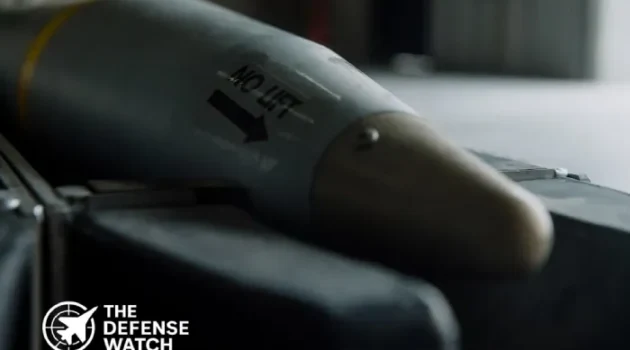
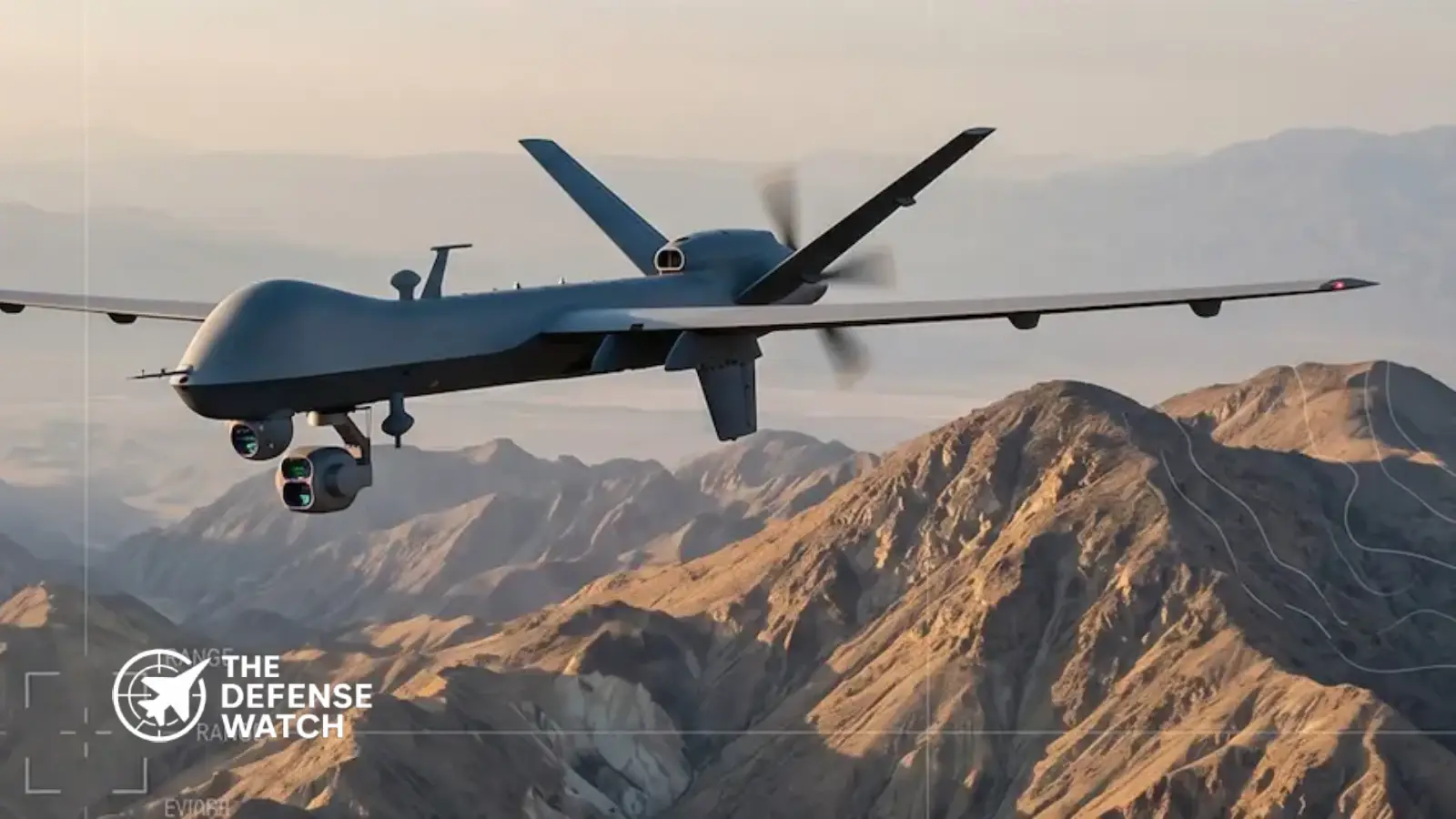
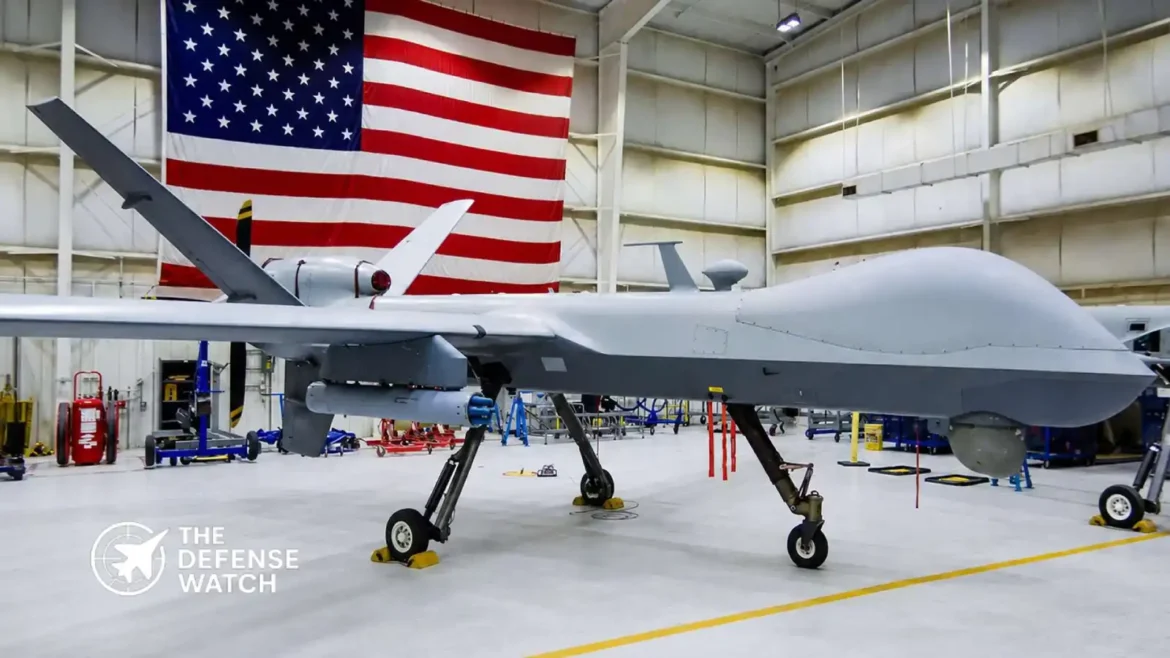
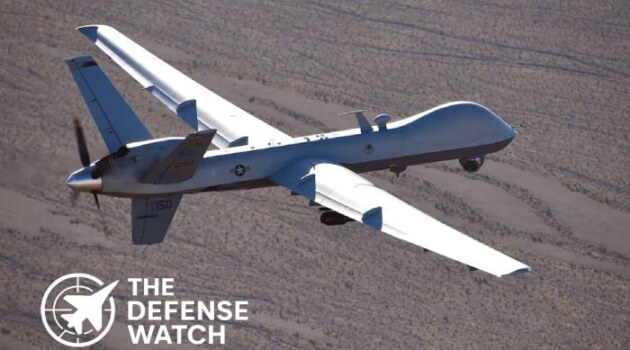
The U.S. Air Force has expanded the combat capability of the MQ-9 Reaper by integrating the GBU-39B Small Diameter Bomb into the unmanned aircraft’s operational weapons inventory. The move strengthens long-range precision strike options while improving the drone’s effectiveness against fortified and high-value targets in contested environments.
MQ-9 Reaper Gains Expanded Precision Strike Capability
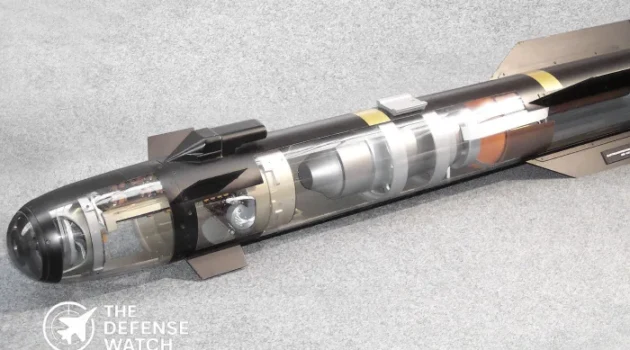
The U.S. Air Force is enhancing the combat role of the MQ-9 Reaper through the integration of the GBU-39B Small Diameter Bomb (SDB), a precision-guided munition designed for long-range and low-collateral strike missions. The capability upgrade significantly broadens the operational flexibility of the remotely piloted aircraft platform, which has traditionally relied on AGM-114 Hellfire missiles and laser-guided bombs for close air support and counterterrorism operations.
According to defense reporting and official U.S. Air Force imagery associated with recent testing activities, the integration effort reflects a broader push toward increasing the lethality and survivability of unmanned systems in modern combat environments.
Why The GBU-39B Matters For The MQ-9 Reaper
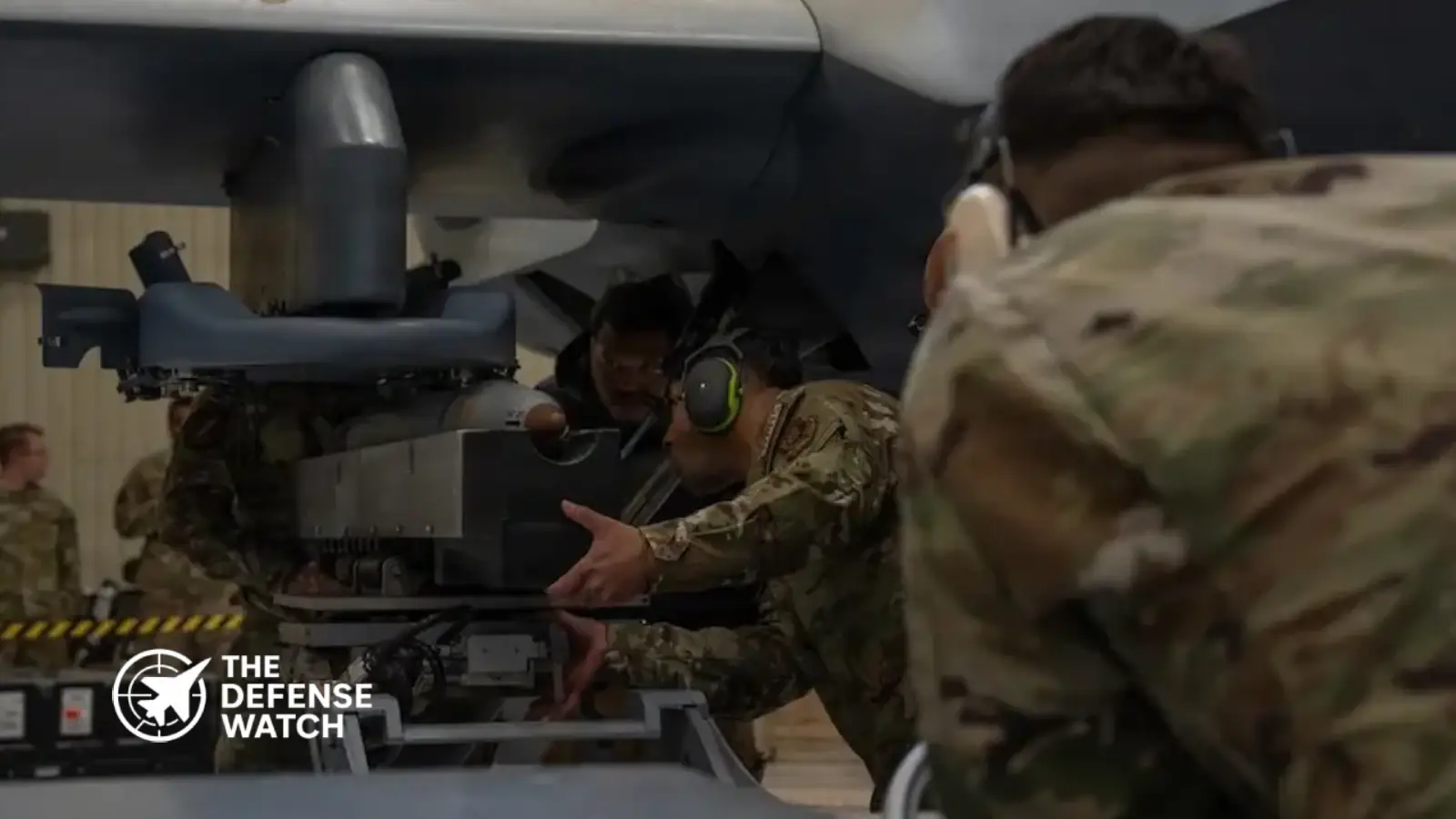
The addition of the GBU-39B provides the MQ-9 Reaper with a standoff precision strike capability against hardened or strategically important targets. Developed by Boeing, the 250-pound class bomb uses GPS and inertial navigation guidance to engage targets with high accuracy while minimizing collateral damage.
The GBU-39B Small Diameter Bomb offers several operational advantages over legacy drone-launched weapons. Unlike the Hellfire missile, which is optimized for shorter-range engagements, the SDB enables attacks from greater stand-off distances, reducing the exposure of the MQ-9 Reaper to enemy air defenses.
The weapon is also designed with deployable wings that extend its glide range after release. This allows operators to engage targets while remaining farther from contested airspace, an increasingly important requirement in potential conflicts involving advanced integrated air defense systems.
The bomb’s relatively small warhead and precision guidance make it effective against fortified structures, command posts, logistics hubs, and mobile targets while limiting unintended damage in urban or densely populated areas.
The integration demonstrates how the U.S. Air Force continues adapting legacy unmanned systems for near-peer conflict scenarios rather than exclusively counterinsurgency operations.
Shift Toward High-End Warfare Readiness
The MQ-9 Reaper has been one of the most heavily used U.S. unmanned combat aircraft over the past two decades, particularly in operations across the Middle East and Africa. However, evolving geopolitical tensions and the rise of sophisticated air defense networks have pushed the Pentagon to reconsider how unmanned systems operate in contested theaters.
By equipping the MQ-9 with the GBU-39B, the Air Force is increasing the platform’s utility in future conflicts that may involve larger operational distances and more heavily defended targets.
This modernization effort aligns with broader Department of Defense initiatives focused on distributed operations, long-range precision fires, and autonomous warfare systems. The shift also supports efforts to preserve the relevance of existing aircraft while next-generation unmanned combat systems continue development.
Military analysts note that arming drones with standoff precision-guided munitions can provide commanders with additional strike flexibility without committing higher-value manned aircraft to elevated-risk missions.
Technical Advantages Of The GBU-39B Small Diameter Bomb
The GBU-39B was developed to address the need for compact precision-guided munitions capable of penetrating hardened targets while maximizing aircraft payload efficiency.
Key characteristics include:
- GPS and inertial navigation guidance
- High precision strike capability
- Reduced collateral damage profile
- Fold-out wing design for extended glide range
- Compatibility with multiple U.S. military aircraft platforms
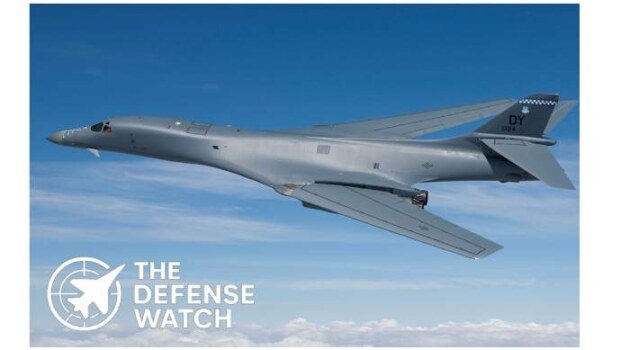
The bomb has already been integrated across several U.S. Air Force platforms, including the F-15E Strike Eagle, F-22 Raptor, F-35 Lightning II, and B-1B Lancer. Its addition to the MQ-9 Reaper further expands the weapon’s operational footprint across the U.S. military inventory.
The integration may also improve mission persistence by allowing Reapers to carry multiple compact munitions during a single sortie compared to larger conventional bombs.
Growing Role Of Armed Drones In Modern Conflict
The war in Ukraine and conflicts across the Middle East have reinforced the growing importance of unmanned systems in modern warfare. Drones are increasingly used not only for intelligence, surveillance, and reconnaissance missions but also for precision strike operations against high-value targets.
The U.S. Air Force’s decision to integrate the GBU-39B onto the MQ-9 reflects lessons learned from recent conflicts where survivability, range, and precision have become critical operational requirements.
The move also highlights the continuing evolution of unmanned combat aircraft from counterterrorism tools into multi-role assets capable of supporting conventional military operations against technologically advanced adversaries.
As the Pentagon invests in future autonomous systems and collaborative combat aircraft programs, upgrades to existing platforms such as the MQ-9 Reaper provide an interim capability boost while maintaining operational readiness across multiple theaters.
Strategic Implications For Future Air Operations
The enhanced MQ-9 Reaper configuration could play an important role in future distributed strike operations, especially in regions where persistent ISR coverage and precision engagement are required simultaneously.
The aircraft’s long endurance combined with precision-guided stand-off munitions allows commanders to maintain continuous battlefield presence while retaining rapid strike capability. This combination may prove particularly valuable in the Indo-Pacific and other geographically expansive operational theaters.
The integration also underscores the Pentagon’s continued emphasis on affordable force multiplication. Compared to deploying advanced stealth fighters for every strike mission, armed unmanned systems can provide lower-cost precision engagement options for selected targets.
While the MQ-9 Reaper remains vulnerable in highly contested airspace, new weapons integration efforts indicate the platform will continue serving as a key component of U.S. airpower strategy for the foreseeable future.

Executive Summary:
BAE Systems and Vantor have introduced a new drone targeting capability designed for contested electronic warfare environments where GPS spoofing and jamming are increasingly common.
The system integrates Vantor’s Raptor Sync software into the BAE Systems GXP ecosystem, enabling drones to maintain targeting accuracy with reported precision of less than three meters even when onboard telemetry is degraded.BAE Systems Expands Drone Targeting Capability For Contested Warfare
BAE Systems and Vantor have unveiled a new high accuracy drone targeting capability aimed at improving operational effectiveness in contested warfare environments where electronic attack systems routinely disrupt GPS signals and onboard navigation data.
The companies announced the integration of Vantor’s Raptor Sync software into the BAE Systems Geospatial eXploitation Products, or GXP, ecosystem. The combined capability is intended to help unmanned aerial systems maintain accurate targeting and intelligence collection even when operating in GPS denied or degraded conditions.
According to the companies, the system georegisters drone video feeds against three dimensional terrain data in real time. This allows operators to correct inaccurate metadata and extract precise ground coordinates despite degraded sensor performance or spoofed navigation signals.
BAE Systems said the technology demonstrated absolute targeting accuracy of less than three meters during testing.
Addressing A Growing Electronic Warfare Challenge
The new drone targeting capability arrives as militaries increasingly confront electronic warfare threats across modern battlefields, particularly in conflicts where GPS spoofing and jamming have become routine.
Operations in Ukraine, the Middle East, and other contested regions have highlighted how inexpensive drones equipped with low quality sensors can struggle to deliver reliable targeting information once adversaries interfere with satellite navigation signals. In many cases, high quality imagery is still available, but inaccurate metadata prevents operators from generating precise target coordinates.
This issue, described by the companies as targeting paralysis, has emerged as a major operational challenge for tactical drone fleets.
The BAE Systems and Vantor integration seeks to address that problem by inserting corrected Key Length Value metadata directly into drone video streams at the edge before the data enters intelligence exploitation workflows. This process enables analysts using GXP software to generate what the companies describe as weapon quality coordinates in real time.
Kurt de Venecia, senior director of product development at BAE Systems GXP, said accurate data has become as important as the imagery itself in contested operations.
According to de Venecia, the integration is intended to maintain targeting confidence even when drone platforms operate with degraded inertial sensors or disrupted GPS signals.
Why The Capability Matters
The announcement reflects a broader shift in military drone operations toward resilient navigation and targeting systems capable of functioning independently of satellite based positioning.
Western militaries have increasingly prioritized alternatives to traditional GPS dependent workflows as adversaries expand their electronic warfare capabilities. Modern conflicts have shown that even advanced unmanned systems can become operationally limited once navigation signals are disrupted.
The BAE Systems and Vantor partnership demonstrates how software driven targeting correction may offer a lower cost method of improving existing drone fleets without requiring entirely new airframes or sensor packages.
That approach could appeal to armed forces attempting to scale unmanned operations rapidly while avoiding the cost and production timelines associated with next generation drone programs.
The capability also aligns with a wider industry trend toward integrating artificial intelligence, terrain matching, and spatial intelligence tools into autonomous military systems. Vantor stated that its broader platform combines satellite imagery and multi domain sensor feeds to create AI ready digital terrain models for defense and intelligence applications.
BAE Systems Expands Focus On Autonomous And Counter EW Technologies
The latest announcement adds to a growing portfolio of BAE Systems programs focused on autonomous systems, electronic warfare resilience, and counter drone operations.
The company has recently expanded development efforts tied to unmanned systems operating in contested environments, including anti jamming technologies, autonomous combat platforms, and low cost drone defense capabilities.
Analysts across the defense sector increasingly view resilient positioning and targeting technologies as essential for future multi domain operations, especially as peer adversaries invest heavily in electronic attack systems designed to disrupt command, navigation, and precision strike networks.
The BAE Systems and Vantor capability will be showcased during the GXP360 Professional Exchange and Workshop scheduled to take place in San Diego from May 18 to May 20, 2026.
Executive Summary:
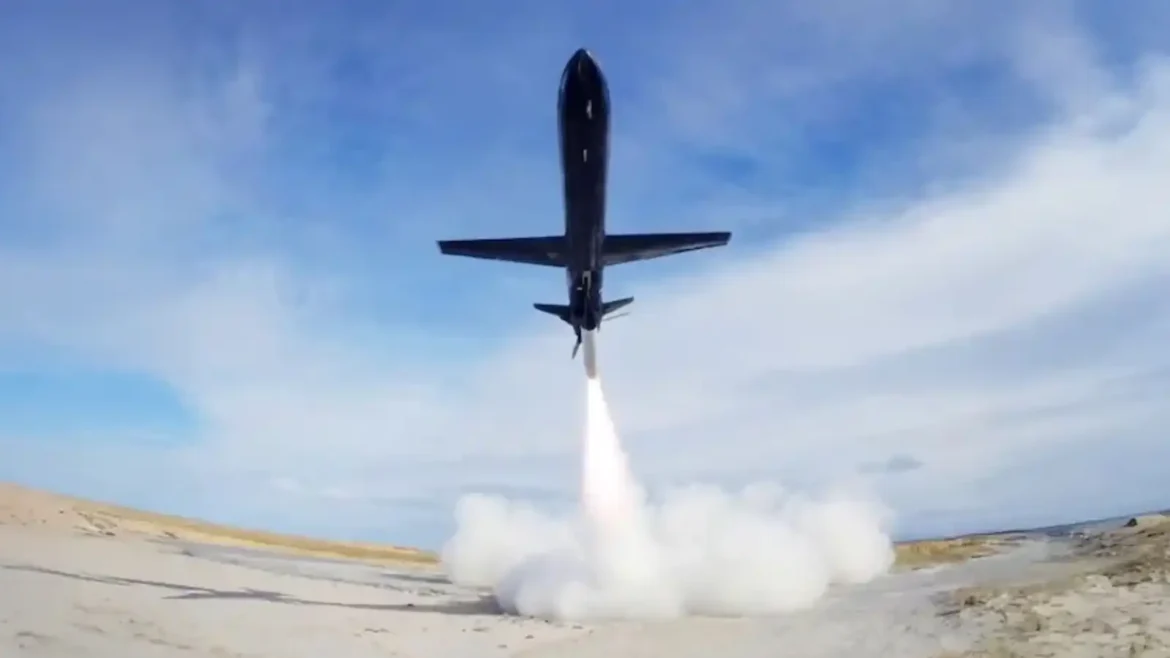
Rotron Aerospace has successfully demonstrated and fired its SkyLance long-range autonomous strike platform, validating propulsion and operational performance. The milestone comes as the United Kingdom seeks to expand sovereign defense manufacturing capacity and strengthen NATO-aligned long-range strike capabilities.Rotron SkyLance Demonstration Highlights UK Defense Industry Push
The Rotron SkyLance long-range strike system has completed a successful firing demonstration, marking a significant milestone for Britain’s growing autonomous weapons sector.
The test validated key propulsion and systems performance characteristics of the SkyLance platform, a long-range one-way effector designed for operations in contested and GPS-denied environments.
Rotron described SkyLance as a low-cost, attritable autonomous strike platform engineered for scalable deployment. The company stated that the system incorporates proprietary British-developed propulsion technology intended to improve range, endurance, and operational efficiency compared with conventional piston or turbine-powered alternatives.
The demonstration follows the recent acquisition of Rotron Aerospace by Ondas Holdings, a move both companies say will accelerate production scaling and long-term investment in British defense manufacturing.
SkyLance Designed For NATO Operational Requirements
Rotron said the SkyLance platform was developed around emerging NATO operational requirements for long-range precision strike systems that can be produced and deployed in large numbers.
The company stated that onboard autonomy enables navigation and targeting in electronically contested environments where GPS access may be disrupted. SkyLance is also designed to integrate with intelligence, surveillance, reconnaissance, and command-and-control networks to support rapid sensor-to-shooter operations.
The platform reflects a broader shift in Western defense procurement priorities following lessons observed in Ukraine and other modern conflicts, where relatively low-cost autonomous strike systems have demonstrated significant battlefield impact against more expensive conventional assets.
That trend has accelerated demand across NATO for scalable long-range unmanned systems capable of operating in heavily contested airspace without relying on traditional crewed aviation platforms.
Sovereign Manufacturing Becoming Strategic Priority
The Rotron SkyLance program also aligns with a wider British effort to expand sovereign defense industrial capability amid increasing geopolitical pressure and growing concerns about supply chain resilience.
Rotron stated that integration with Ondas will help increase domestic production capacity and strengthen UK-based defense technology development. The company also projected that the partnership could create hundreds of highly skilled aerospace and defense jobs across Britain during 2026.
The United Kingdom has increasingly emphasized sovereign production in areas including missile systems, autonomous platforms, propulsion technologies, and electronic warfare capabilities as European security conditions continue to evolve.
Analysts note that long-range autonomous systems are becoming a critical component of NATO deterrence planning, particularly along the alliance’s eastern flank where rapid-response strike options and mass deployability are viewed as operational advantages.
Rotron Expands Autonomous Strike Portfolio
The SkyLance system builds on Rotron Aerospace’s broader portfolio of unmanned and autonomous platforms.
At the 2025 DSEI exhibition in London, the company unveiled the Defendor unmanned combat aerial vehicle, another platform focused on long-range autonomous strike missions and scalable manufacturing.
Rotron has positioned its propulsion technologies as a core differentiator in the increasingly competitive market for autonomous strike drones and one-way effectors. The company claims its propulsion architecture delivers extended endurance while maintaining lower operational costs and simplified production requirements.
The growing focus on attritable systems reflects a broader defense industry trend toward affordable mass rather than limited numbers of highly expensive precision platforms.
Strategic Implications For European Defense
The SkyLance demonstration highlights how smaller defense technology firms are becoming increasingly important contributors to European and NATO modernization efforts.
The war in Ukraine and rising concerns over long-range strike capabilities have accelerated investment across Europe in autonomous systems, loitering munitions, and low-cost precision strike technologies.
For the UK, programs like SkyLance support both operational requirements and industrial policy objectives. London has repeatedly emphasized the need to maintain sovereign defense manufacturing capacity while also expanding export opportunities for British-developed military technology.
Rotron stated that SkyLance could support allied infrastructure protection and deterrence missions across Europe while addressing growing international demand for affordable long-range autonomous strike systems.
Executive Summary:
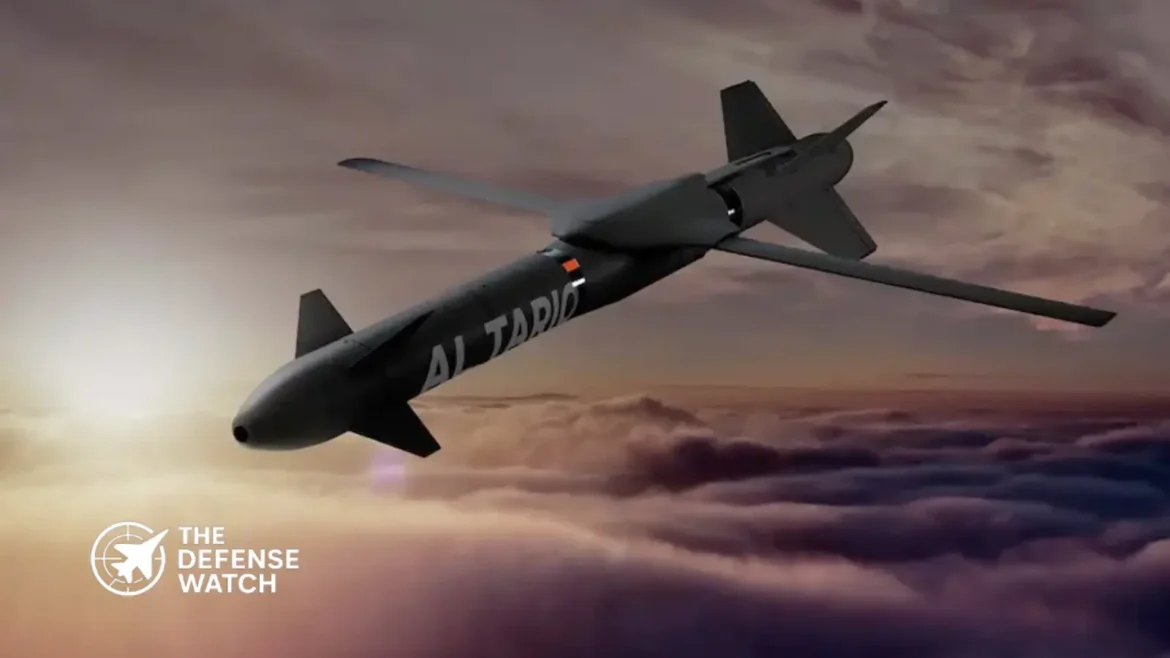
UAE-based EDGE Group and Turkish drone manufacturer Baykar have signed agreements to integrate Al Tariq precision-guided munitions onto the Akıncı combat drone. The move strengthens Türkiye-UAE defense cooperation while expanding the Akıncı UAV’s long-range strike capability with modular precision weapons.EDGE And Baykar Advance Akıncı Combat Drone Integration
The Al Tariq guided munitions integration program for the Akıncı combat drone marks another step in expanding precision strike options for one of Türkiye’s most capable unmanned aerial systems.
EDGE Group announced that its HALCON subsidiary signed agreements with Baykar to integrate the Al Tariq family of precision-guided munitions onto the Bayraktar Akıncı unmanned combat aerial vehicle (UCAV). The announcement highlights growing defense cooperation between the United Arab Emirates and Türkiye as both countries seek to strengthen indigenous aerospace and weapons manufacturing capabilities.
The integration effort focuses on enabling the Akıncı platform to deploy Al Tariq precision-guided bombs in multiple operational configurations. The munition family is designed for high-accuracy strikes against fixed and semi-mobile targets while allowing stand-off engagement ranges.
Baykar’s Akıncı UAV has become a flagship Turkish unmanned combat platform, capable of carrying a larger payload and operating at higher altitudes than the Bayraktar TB2 drone. Integrating Al Tariq weapons broadens the aircraft’s compatibility with international precision-guided weapon systems and may improve export attractiveness for operators seeking modular payload flexibility.
What The Al Tariq Integration Means
The Al Tariq system, developed by HALCON under EDGE Group, converts conventional gravity bombs into precision-guided munitions through the use of guidance kits equipped with GPS, INS, and optional infrared seekers.
The weapon family includes different variants tailored for various operational requirements, including extended-range strike missions. Depending on configuration, Al Tariq munitions can engage targets at significant stand-off distances while reducing aircraft exposure to enemy air defenses.
For Baykar, integration of the Al Tariq guided munitions onto the Akıncı combat drone provides several operational advantages:
- Expanded precision strike capability
- Greater compatibility with non-Turkish weapons
- Increased export market flexibility
- Enhanced payload diversity for customers
- Potential interoperability with Gulf defense partners
The agreement also reflects a broader trend in the unmanned systems market, where UAV manufacturers increasingly seek open-architecture payload integration to meet diverse customer requirements.
Growing Türkiye-UAE Defense Cooperation
The partnership between EDGE and Baykar comes amid steadily improving strategic and economic relations between Türkiye and the UAE.
In recent years, both countries have increased cooperation across aerospace, defense technology, autonomous systems, and advanced manufacturing sectors. Defense-industrial collaboration has become a particularly important area as regional powers invest heavily in domestic production and export-oriented military technology.
The Akıncı combat drone itself has emerged as one of Türkiye’s most advanced unmanned platforms. Developed for intelligence, surveillance, reconnaissance, and strike missions, the twin-engine UAV can carry air-to-ground missiles, smart bombs, electronic warfare payloads, and radar systems.
Unlike lighter tactical drones, the Akıncı is positioned closer to a high-end MALE (Medium Altitude Long Endurance) combat UAV. The platform is capable of operating at high altitudes for extended periods while carrying substantial payloads across multiple hardpoints.
By integrating Al Tariq munitions, Baykar continues expanding the aircraft’s mission adaptability. That flexibility could become increasingly important as export customers seek multi-role UAV solutions capable of integrating locally preferred weapons.
Strategic Implications For Regional Defense Markets
The integration agreement carries implications beyond technical compatibility.
Middle Eastern defense markets are increasingly prioritizing indigenous production, sovereign supply chains, and regional defense partnerships. The EDGE-Baykar cooperation aligns with this broader trend by combining Turkish UAV expertise with Emirati precision weapons development.
The agreement may also strengthen the competitive position of both companies in international drone and guided munition export markets. Many countries evaluating UAV acquisitions now consider not only aircraft performance, but also payload flexibility, logistics integration, and weapons compatibility.
For EDGE Group, partnering with Baykar provides access to one of the fastest-growing combat drone ecosystems globally. For Baykar, cooperation with Gulf defense firms can support broader market access in the Middle East and beyond.
The move also reflects the increasing convergence between unmanned systems and precision-guided weapons development. Modern UAV operators are demanding scalable strike capabilities that can adapt to different mission environments without requiring entirely new platforms.
Akıncı’s Expanding Weapons Ecosystem
Baykar has steadily expanded the Akıncı’s weapons integration portfolio since the drone entered service. The UAV has previously demonstrated compatibility with Turkish-made cruise missiles, air-to-ground missiles, smart munitions, and electronic warfare systems.
Adding the Al Tariq family further diversifies that ecosystem and supports the platform’s positioning as a flexible strategic strike UAV.
The integration may also support future collaborative programs between Turkish and Emirati defense firms in areas such as:
- Autonomous systems
- Smart weapons
- AI-enabled targeting
- ISR payloads
- Multi-domain battlefield networking
As demand for advanced unmanned combat systems continues growing worldwide, partnerships that combine airframe expertise with precision-guided weapon development are likely to become more common.
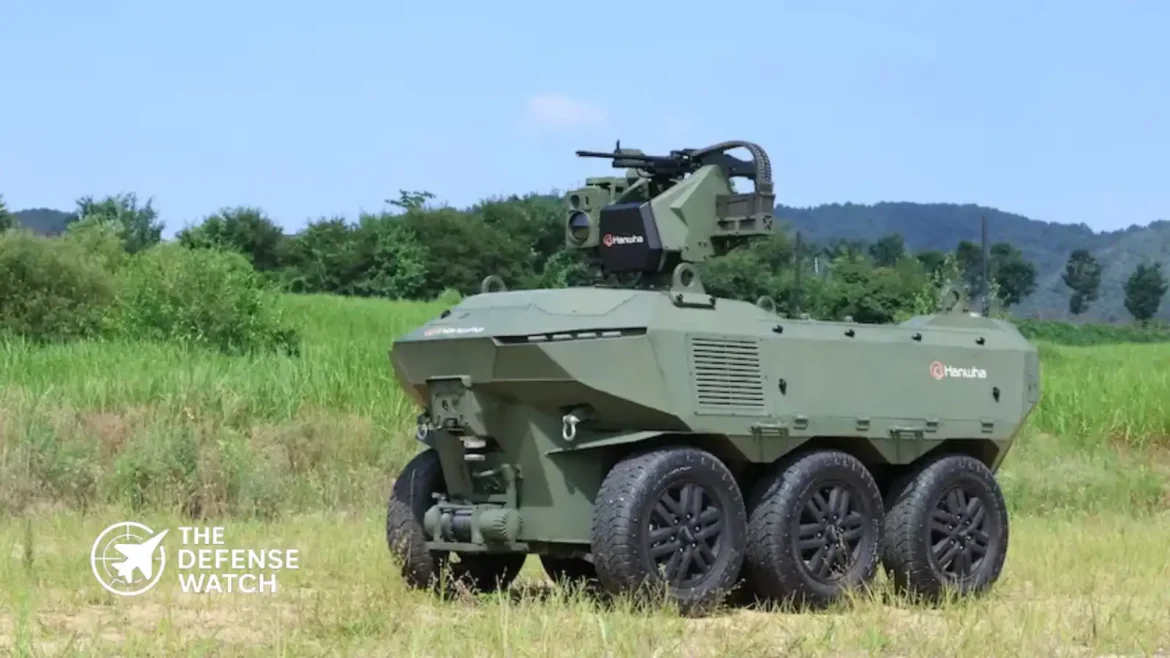
Executive Summary: South Korean defense giant Hanwha used BSDA 2026 in Romania to highlight its growing portfolio of AI-enabled military systems and autonomous platforms. The company’s presence reflects increasing European demand for unmanned technologies, air defense solutions, and industrial defense partnerships amid rising regional security pressures.
Hanwha Highlights AI Defense Technologies At BSDA 2026
South Korean defense manufacturer Hanwha Aerospace used BSDA 2026 in Bucharest to showcase a broad portfolio of AI defense technologies and unmanned systems as the company accelerates its expansion into the European defense market.
The exhibition comes as NATO members across Eastern Europe continue increasing defense spending and prioritizing modernization programs focused on autonomous systems, integrated air defense, and battlefield networking. Hanwha’s display reflected these priorities, combining unmanned ground systems, artillery capabilities, and AI-enabled battlefield technologies designed for modern high-intensity operations.
BSDA 2026, one of Eastern Europe’s largest defense exhibitions, has become an increasingly important venue for global defense firms seeking industrial partnerships and procurement opportunities within NATO-aligned states.
Focus On Autonomous And Unmanned Warfare Systems
A major element of Hanwha’s presentation centered on unmanned and autonomous military platforms intended to support reconnaissance, logistics, and combat operations.
The company highlighted unmanned ground vehicles designed to reduce soldier exposure in contested environments while supporting intelligence gathering and resupply missions. These systems are part of a broader global trend toward human-machine teaming, where autonomous platforms operate alongside conventional forces.
Hanwha also emphasized AI-enabled command and control technologies intended to improve battlefield awareness and accelerate operational decision-making. Defense companies across the United States, Europe, and Asia are increasingly investing in similar capabilities as militaries seek faster sensor-to-shooter integration.
The focus on autonomous military technologies reflects lessons observed in recent conflicts, particularly in Ukraine, where drones, loitering munitions, and AI-assisted targeting systems have reshaped battlefield operations. European governments are now accelerating procurement programs tied to unmanned warfare and layered defense architectures.
European Expansion Strategy Gains Momentum
Hanwha’s appearance at BSDA 2026 also underscored its long-term strategy to deepen industrial cooperation across Europe.
The company has steadily expanded its footprint within NATO member states through defense partnerships, localized production initiatives, and technology transfer agreements. Eastern Europe has become a particularly important market due to growing security concerns linked to Russia’s military posture and the need to replenish defense inventories.
Romania, Poland, and other regional states are investing heavily in artillery systems, armored vehicles, missile defense, and autonomous capabilities. Hanwha has positioned itself as a competitive supplier by offering rapid production timelines and industrial cooperation packages.
The company’s growing visibility in Europe mirrors broader competition among global defense manufacturers seeking contracts tied to NATO modernization requirements. South Korean defense firms, including Hanwha, have increasingly emerged as major suppliers due to their ability to scale production and deliver systems quickly.
AI Defense Technologies Become Central To Modernization
The AI defense technologies presented by Hanwha align with a wider shift toward digitally connected military operations.
Modern armed forces are prioritizing artificial intelligence for battlefield analysis, threat detection, predictive maintenance, and autonomous operations. AI-driven systems are increasingly viewed as critical force multipliers capable of improving operational tempo and reducing manpower burdens.
Hanwha’s portfolio demonstrated how AI is becoming integrated across multiple defense sectors rather than remaining limited to experimental programs. This includes applications in surveillance systems, autonomous navigation, targeting support, and networked command systems.
Defense analysts increasingly view AI integration as one of the defining factors shaping future military competition. NATO countries are now accelerating investments in secure military AI frameworks while balancing operational effectiveness with cybersecurity and ethical concerns.
BSDA 2026 Reflects Eastern Europe’s Defense Priorities
BSDA 2026 highlighted how Eastern Europe has become a central region for defense procurement and industrial expansion.
The exhibition featured companies focused on missile defense, artillery modernization, drones, armored systems, and electronic warfare. Many participating firms emphasized interoperability with NATO standards and rapid battlefield deployment capabilities.
Hanwha’s participation demonstrated the company’s intent to compete directly within this evolving security environment. Its emphasis on unmanned systems and AI-enabled defense technologies aligns closely with the operational lessons emerging from ongoing regional conflicts and NATO modernization plans.
The company’s strategy also reflects growing global demand for scalable defense manufacturing and resilient supply chains. European states increasingly seek suppliers capable of delivering systems quickly while supporting local industrial participation.
Strategic Implications For NATO Defense Modernization
Hanwha’s expanding European presence illustrates how defense procurement is becoming more globally competitive as NATO members accelerate military modernization efforts.
South Korean defense manufacturers are increasingly challenging established U.S. and European suppliers across artillery, armored vehicle, and advanced technology sectors. Their rise is supported by strong domestic industrial capacity and proven export performance.
The emphasis on AI defense technologies and autonomous systems at BSDA 2026 also signals where future procurement priorities are heading. European militaries are expected to continue investing heavily in networked warfare systems, autonomous platforms, and integrated battlefield management technologies over the coming decade.
For NATO allies facing evolving security threats, these capabilities are becoming essential components of future force structures rather than optional enhancements.
Executive Summary:
The U.S. Air Force is integrating APKWS laser-guided rockets onto the MQ-9 Reaper to improve counter drone operations against low-cost aerial threats. The move reflects growing Pentagon efforts to develop affordable and scalable air defense options amid the rapid expansion of unmanned systems on modern battlefields.The U.S. Air Force is moving to expand the combat role of the MQ-9 Reaper by integrating Advanced Precision Kill Weapon System (APKWS) rockets for counter drone missions.
The effort highlights a broader shift in U.S. military planning as the Pentagon searches for cost-effective methods to defeat increasingly common unmanned aerial threats. Low-cost drones have become a major operational challenge in conflicts across the Middle East, Eastern Europe, and the Indo-Pacific, forcing militaries to reconsider traditional air defense strategies.
The MQ-9 Reaper, produced by General Atomics Aeronautical Systems, has historically been used for intelligence, surveillance, reconnaissance, and precision strike missions. By adding APKWS-guided rockets, the platform could gain a new role as an aerial counter drone interceptor.
The APKWS system, developed by BAE Systems, converts standard 70mm Hydra rockets into laser-guided precision munitions. The weapon is already widely used by U.S. military aircraft because it provides a lower-cost alternative to larger air-to-air or air-to-ground missiles.
Why The APKWS Matters For Counter Drone Warfare
The growing use of inexpensive one-way attack drones and commercial UAVs has created a major cost imbalance for Western militaries. In many cases, expensive interceptor missiles are being used to destroy relatively cheap drones.
That imbalance has become particularly visible in the Red Sea, Ukraine, and other contested regions where drone saturation attacks are increasingly common. The U.S. military and allied forces have accelerated efforts to field affordable intercept solutions that can operate at scale.
The APKWS offers several operational advantages in that environment:
- Lower cost compared to traditional missiles
- Precision engagement capability
- Compatibility with multiple aircraft platforms
- Reduced collateral damage risk
- Rapid integration on existing systems
Integrating the weapon onto the MQ-9 Reaper could provide a persistent airborne counter drone capability that remains on station for extended periods while engaging multiple low-cost threats.
The Air Force’s interest in this capability also reflects lessons learned from recent operational environments where drones have evolved from niche battlefield tools into central components of modern warfare.
MQ-9 Reaper Continues Mission Evolution
The MQ-9 Reaper has undergone significant modernization over the past decade. Originally optimized for counterterrorism operations, the platform is increasingly being adapted for contested operational environments involving near-peer competitors.
Recent upgrades have focused on:
- Enhanced survivability
- Expanded sensor packages
- Multi-domain integration
- Maritime surveillance
- Electronic warfare support
- Autonomous mission capabilities
The addition of APKWS rockets fits within that broader modernization path.
The Reaper’s endurance remains one of its biggest operational strengths. Unlike manned fighter aircraft that may require frequent refueling or rotation, the MQ-9 can remain airborne for long durations, making it suitable for persistent surveillance and defensive patrol missions.
Defense analysts have increasingly pointed to the value of layered counter drone architectures that combine electronic warfare, directed energy systems, kinetic interceptors, and airborne response platforms. Arming MQ-9 aircraft with APKWS rockets could provide the Air Force with a flexible middle layer between high-end missile defense systems and ground-based counter UAV tools.
Operational And Strategic Implications
The integration effort also signals how unmanned aircraft themselves are becoming part of the counter unmanned systems ecosystem.
Traditionally, drones were viewed primarily as reconnaissance or strike assets. However, the rapid proliferation of UAV threats has pushed militaries to adapt existing platforms for defensive missions as well.
For the United States and allied forces, the challenge is no longer simply deploying drones, but defending against large numbers of them in contested airspace.
The APKWS-equipped MQ-9 could potentially support several operational missions, including:
- Base defense patrols
- Maritime convoy protection
- Border security operations
- Forward force protection
- Counter swarm interception
The approach may also reduce operational strain on high-value fighter aircraft and missile defense systems currently tasked with drone interception duties.
At the same time, integrating low-cost precision weapons into unmanned platforms reflects a wider Pentagon emphasis on affordability and scalability. As drone warfare expands globally, military planners are increasingly focused on ensuring that defensive systems can sustain prolonged operations without exhausting expensive missile inventories.
Broader Pentagon Counter Drone Push
The MQ-9 APKWS integration effort comes amid wider Department of Defense investments in counter unmanned aerial system technologies.
The Pentagon has accelerated testing of:
- Directed energy weapons
- Electronic attack systems
- Autonomous interceptors
- AI-enabled tracking systems
- Mobile air defense platforms
The U.S. military has repeatedly emphasized that future conflicts are expected to involve large numbers of autonomous and semi-autonomous aerial systems operating simultaneously across multiple domains.
As a result, the need for scalable and affordable counter drone solutions has become a major defense priority.
The MQ-9 Reaper’s evolving mission profile demonstrates how existing aircraft are being adapted to meet those emerging operational demands without requiring entirely new platforms.
Executive Summary:
The U.S. Army is expanding deployment of the SMASH 2000L smart fire control system to improve soldiers’ ability to counter small unmanned aerial threats. The move reflects growing battlefield demand for portable and low cost counter drone solutions as loitering munitions and commercial UAVs become increasingly common in modern conflicts.U.S. Army Expands SMASH 2000L Counter Drone Capability
The U.S. Army is increasing fielding efforts for the SMASH 2000L fire control system as military planners seek more effective defenses against the rapid growth of small drone threats on modern battlefields.
Developed by Israeli defense company Smart Shooter, the SMASH 2000L is a lightweight fire control and targeting system designed to improve hit probability against moving aerial targets. Mounted on standard infantry rifles, the system uses artificial intelligence, electro optics, and tracking software to help soldiers engage small unmanned aerial systems (UAS) with greater accuracy.
(adsbygoogle = window.adsbygoogle || []).push({});The latest expansion reflects the Army’s push to establish a layered counter UAS architecture that combines electronic warfare, directed energy systems, missile defenses, and kinetic solutions at the squad level.
Drone Warfare Is Reshaping Infantry Operations
The expansion of the SMASH 2000L system comes as militaries worldwide face an unprecedented rise in low cost drone threats. Conflicts in Ukraine and the Middle East have demonstrated how commercially available quadcopters and loitering munitions can threaten armored vehicles, artillery positions, and infantry units.
Small drones are increasingly used for reconnaissance, artillery spotting, precision strikes, and psychological operations. Their low radar signature and low operating cost make them difficult to counter with traditional air defense systems.
This operational shift has forced defense planners to search for portable and scalable counter drone technologies that can be deployed directly with frontline units. The SMASH 2000L addresses this requirement by giving individual soldiers a precision engagement capability against small aerial targets without relying on expensive interceptor missiles.
The U.S. Army’s growing interest in infantry level counter drone tools reflects a broader strategic adaptation to lessons observed in recent combat environments. Traditional short range air defense systems remain critical, but commanders increasingly recognize the need for distributed defensive capabilities across maneuver formations.
How The SMASH 2000L System Works
The SMASH 2000L fire control system integrates sensors, computer vision algorithms, and target tracking technology into a compact rifle mounted unit.
Once a target is identified, the system tracks the drone and calculates the optimal firing solution. The weapon will only fire when the probability of hit meets required parameters, helping reduce wasted ammunition and improving engagement effectiveness.
The lightweight design allows the system to be integrated onto standard infantry rifles without major modifications. This portability is considered essential for maneuver units operating in rapidly changing battlefield conditions.
(adsbygoogle = window.adsbygoogle || []).push({});Unlike larger counter UAS systems that depend on radar vehicles or dedicated launchers, the SMASH 2000L offers dismounted troops an independent engagement capability. This final layer defense concept is increasingly important as drone saturation tactics become more common.
The system has already attracted interest from multiple NATO and allied militaries seeking affordable counter drone technologies for infantry formations and special operations units.
Layered Defense Against Emerging Aerial Threats
The Army’s decision to expand SMASH 2000L deployment highlights the growing emphasis on layered counter drone operations.
Modern military doctrine increasingly treats drones as a persistent tactical threat rather than a niche capability. As a result, defense planners are combining multiple systems across different engagement ranges.
High end missile interceptors remain effective against larger UAVs and cruise missiles, while electronic warfare systems can disrupt drone communications and navigation. However, these solutions are not always practical against low flying or rapidly maneuvering small drones operating near friendly forces.
The SMASH 2000L fills an important operational gap by providing a close range kinetic option directly at the squad level. This distributed approach improves survivability and reduces reliance on centralized air defense assets.
The Army’s continued investment in smart fire control systems also aligns with wider modernization efforts focused on integrating AI assisted targeting technologies into infantry operations.
Growing Global Demand For Counter Drone Systems
Counter drone technologies have become one of the fastest growing sectors in the global defense market.
Military forces across Europe, Asia, and the Middle East are accelerating procurement of portable anti drone systems following lessons from recent conflicts. The demand includes radar systems, electronic warfare equipment, directed energy weapons, and AI enabled targeting solutions.
(adsbygoogle = window.adsbygoogle || []).push({});The SMASH 2000L represents part of a broader shift toward affordable precision engagement tools that can be deployed at scale. Analysts note that inexpensive drones can force adversaries to expend disproportionately costly defensive resources, creating operational and economic pressure.
Portable smart sight systems provide a lower cost response while enhancing infantry effectiveness against emerging aerial threats.
As drone technology continues to evolve, future battlefield environments are expected to feature larger numbers of autonomous and semi autonomous systems operating at low altitude. The Army’s expansion of SMASH 2000L deployments signals recognition that frontline troops will require organic tools to counter these threats in real time.
Strategic Implications For Future Warfare
The rapid expansion of drone warfare is reshaping military doctrine, procurement priorities, and force structure planning.
The U.S. Army’s focus on systems like the SMASH 2000L indicates that counter UAS capabilities are no longer confined to specialized air defense units. Instead, anti drone tools are increasingly becoming standard equipment for infantry formations.
(adsbygoogle = window.adsbygoogle || []).push({});This evolution mirrors broader trends across NATO militaries, where operational experience has shown that even small commercial drones can produce outsized tactical effects.
The continued integration of AI assisted targeting systems into soldier equipment may also influence future infantry combat concepts, particularly in urban and contested environments where reaction time and precision engagement are critical.
Executive Summary:
U.S. Army paratroopers recently integrated drone systems into nighttime live-fire operations during a historic company-level exercise. The training highlighted the Army’s growing focus on combining unmanned systems, reconnaissance, and airborne infantry tactics to improve battlefield awareness and combat coordination.Army Paratroopers Integrate Drones Into Night Operations
The U.S. Army is continuing to expand its use of unmanned systems across frontline combat formations, with Army paratroopers integrating drones into complex nighttime live-fire operations during a recent large-scale exercise.
According to the official report published by the U.S. Army, the exercise marked a significant milestone for airborne infantry forces as troops combined small unmanned aerial systems, reconnaissance capabilities, and coordinated live-fire maneuvers under low-visibility conditions.
The event involved paratroopers conducting synchronized assaults while using drones to improve battlefield awareness, identify targets, and support command decision-making during the exercise. Army leaders said the training reflects the service’s broader modernization effort focused on integrating emerging battlefield technologies into conventional combat units.
Expanding Drone Integration Across Infantry Units
The Army has increasingly emphasized drone integration at the tactical level following lessons observed from modern conflicts in Eastern Europe and the Middle East. Small drones are now viewed as essential battlefield tools for reconnaissance, surveillance, targeting support, and force protection.

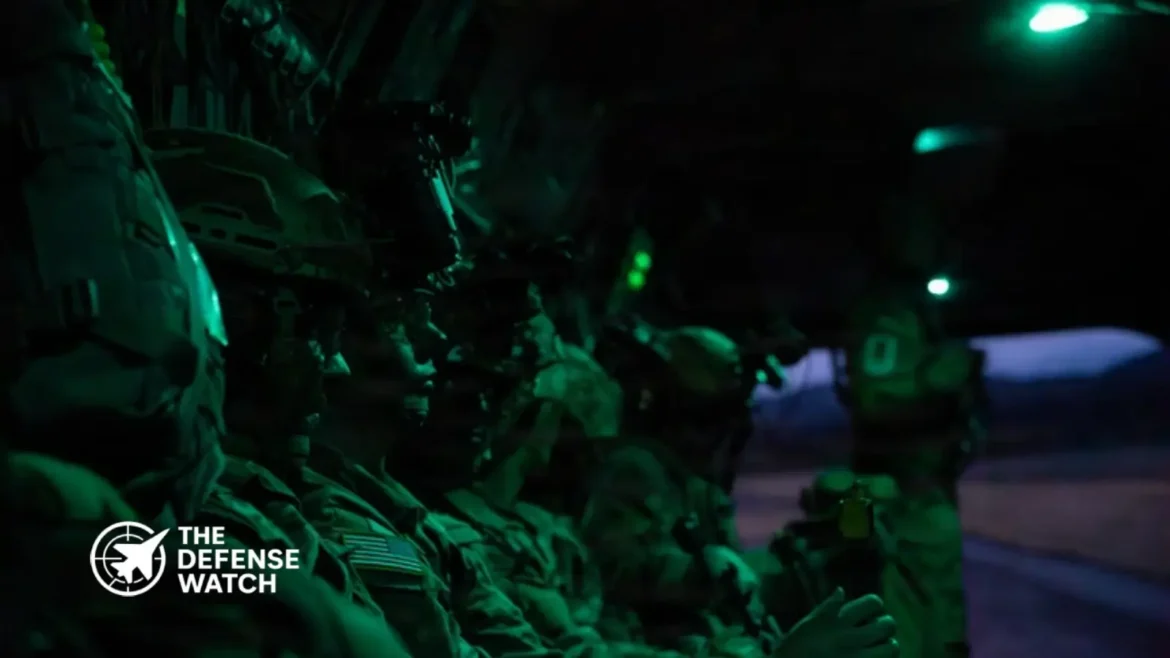
Army paratroopers assigned to the 2nd Infantry Brigade Combat Team, 11th Airborne Division, engage targets during a nighttime company live-fire exercise at Joint Base Elmendorf-Richardson, Alaska, May 7, 2026. The exercise integrated live fires, trench clearing and small unmanned aerial systems to strengthen battlefield coordination and lethality in arctic conditions. (Image Source : DoW)During the exercise, drone operators worked directly alongside infantry formations, helping commanders monitor troop movements and identify simulated enemy positions during nighttime operations. Integrating drones into live-fire events allows soldiers to train in conditions that more closely resemble modern combat environments.
The Army has accelerated efforts to push unmanned systems down to smaller units, including platoons and companies, rather than limiting drone operations to specialized reconnaissance elements. This shift reflects a growing recognition that battlefield awareness and rapid intelligence collection are increasingly critical during dispersed operations.
Army officials involved in the exercise noted that night operations remain one of the most demanding environments for airborne and infantry forces. Combining drones with thermal imaging, night vision equipment, and coordinated fires improves operational effectiveness while reducing uncertainty during fast-moving engagements.
Why Night Operations Matter
Night combat remains a core advantage for U.S. military forces, particularly airborne and special operations units. Training exercises that integrate drones into low-light engagements help refine communication procedures, command coordination, and target acquisition.
The recent live-fire event demonstrated how drone feeds can support real-time battlefield decisions during high-pressure operations. In modern warfare, even small commercial-style unmanned systems can significantly influence tactical awareness and operational tempo.
The Army’s emphasis on drone-enabled night warfare also reflects broader Pentagon concerns regarding future conflicts involving technologically capable adversaries. Military planners increasingly expect future combat environments to involve electronic warfare threats, contested communications, and persistent aerial surveillance.
As a result, training exercises are evolving beyond traditional infantry tactics and now incorporate networked sensors, unmanned systems, and distributed battlefield intelligence.
Historic Company-Level Live-Fire Exercise
Army officials described the training event as a historic company live-fire exercise because of the scale and integration of multiple battlefield systems operating simultaneously at night.
Paratroopers conducted coordinated maneuvers supported by reconnaissance drones while executing live-fire engagements in a realistic combat environment. The exercise also reinforced interoperability between drone operators, infantry squads, and command elements.
An Army paratrooper assigned to the 2nd Infantry Brigade Combat Team, 11th Airborne Division, provides security while soldiers engage targets during a company live-fire exercise at Joint Base Elmendorf-Richardson, Alaska, May 7, 2026. The training tested the unit’s ability to conduct coordinated live-fire operations in a realistic combat environment. ((Image Source : DoW)The Army has spent the past several years redesigning training programs to better prepare soldiers for multi-domain operations. These efforts include combining infantry maneuver, electronic warfare awareness, unmanned aerial reconnaissance, and rapid targeting procedures into single operational scenarios.
Military analysts note that integrating drones directly into airborne formations could provide significant operational advantages during expeditionary deployments or rapid-response missions. Airborne units often operate with limited support immediately after insertion, making organic reconnaissance assets especially valuable.
Drone Warfare Lessons Continue To Shape U.S. Strategy
The rapid evolution of drone warfare globally has accelerated military modernization programs across NATO and allied nations. Conflicts in Ukraine and the Middle East have demonstrated how relatively inexpensive drones can provide tactical intelligence, direct artillery fire, and disrupt troop movements.
The U.S. Army has responded by increasing investment in counter-drone systems, tactical reconnaissance drones, and autonomous battlefield technologies. Exercises like this allow operational units to test how unmanned systems perform under realistic battlefield conditions.
In addition to reconnaissance roles, future Army drone integration efforts may include electronic warfare support, autonomous resupply missions, and enhanced targeting coordination.
The Army has repeatedly stated that adaptability and rapid technology integration will remain essential for maintaining battlefield overmatch against near-peer competitors.
Operational Analysis
The integration of drones into company-level airborne exercises signals a broader doctrinal transition within the U.S. Army. Rather than treating drones as specialized support assets, the service is increasingly embedding unmanned systems directly into frontline combat formations.
This shift has operational implications beyond reconnaissance. Real-time drone surveillance improves unit survivability, shortens targeting cycles, and enhances command flexibility during complex engagements, especially at night.
The exercise also reflects how the Army is adapting to lessons from contemporary conflicts where inexpensive drones have changed tactical decision-making at every level of warfare. Units that can rapidly process aerial reconnaissance data and coordinate fires possess a measurable battlefield advantage.
For airborne formations, which traditionally operate in isolated and fast-moving environments, organic drone support may become as critical as communications and night vision equipment in future deployments.
US Air Force Races To Deploy Collaborative Combat Aircraft Amid Push For Air Dominance Against China
Executive Summary:
The U.S. Air Force plans to procure at least 150 Collaborative Combat Aircraft (CCA) by 2031 as part of its broader effort to expand manned-unmanned teaming capabilities. The autonomous aircraft are expected to operate alongside the F-35 and future F-47 fighter, improving survivability, combat reach, and operational flexibility in contested environments.US Air Force Expands Collaborative Combat Aircraft Program
The U.S. Air Force’s Collaborative Combat Aircraft program is moving from concept development toward operational planning, with the service now targeting the acquisition of at least 150 autonomous aircraft by fiscal year 2031. The initiative is intended to support both current fifth-generation fighters such as the F-35 and the future sixth-generation F-47 platform under the Next Generation Air Dominance (NGAD) framework.
The Air Force’s latest procurement projections reflect growing confidence in autonomous combat aviation as a key component of future air warfare.
The Collaborative Combat Aircraft program represents one of the most significant shifts in U.S. tactical aviation strategy in decades. Rather than relying solely on expensive manned fighters, the Air Force intends to pair crewed aircraft with lower-cost autonomous systems capable of carrying sensors, electronic warfare payloads, and weapons.
Autonomous Wingmen Designed For High-Threat Environments
The planned Collaborative Combat Aircraft fleet is expected to operate as force multipliers during high-end conflicts, particularly in contested regions such as the Indo-Pacific. Air Force officials have repeatedly emphasized that future operations against near-peer adversaries will require larger and more distributed air formations capable of surviving advanced air defense systems.
Under the current concept, a single pilot could coordinate multiple unmanned aircraft during combat missions. These autonomous systems could conduct forward sensing, electronic attack, decoy operations, or strike missions while reducing risk to human pilots.
The program aligns with broader Pentagon efforts to integrate artificial intelligence and autonomous technologies into operational planning. Senior defense officials have argued that collaborative drones can increase combat mass at lower cost compared to traditional fighter procurement.
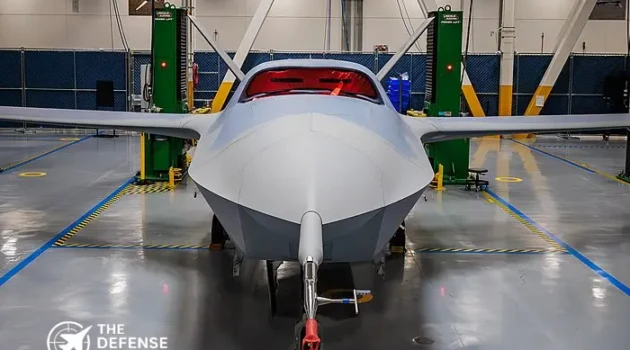
The Air Force previously selected two industry teams for the Increment 1 phase of the program. Anduril Industries is developing its Fury drone design, while General Atomics is advancing the YFQ-42A platform derived from the XQ-67A concept.
Support Role For F-35 And Future F-47 Fighters
The Air Force views the Collaborative Combat Aircraft initiative as critical to enabling future operations centered around the F-35 and the forthcoming F-47 fighter aircraft.
While the F-35 remains a cornerstone of U.S. and allied tactical aviation, the aircraft’s operational effectiveness increasingly depends on networked warfare and sensor integration. Autonomous wingmen could extend sensor coverage, carry additional weapons, and absorb attrition in contested environments where survivability remains a concern.
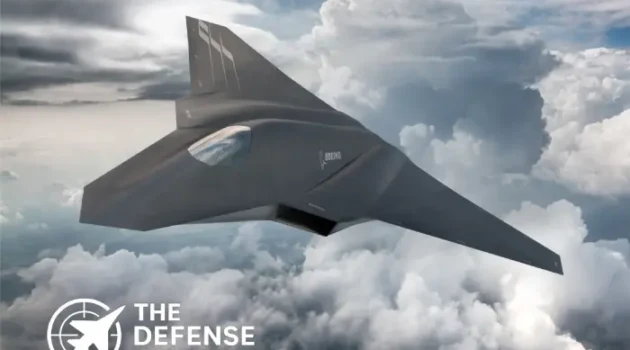
The future F-47, expected to serve as the Air Force’s next-generation air superiority fighter, is also being designed around manned-unmanned teaming concepts. Although many details surrounding the platform remain classified, Air Force leadership has consistently linked NGAD development with autonomous support aircraft.
This shift reflects a broader evolution in air combat doctrine. Rather than viewing unmanned systems as separate assets, the Pentagon increasingly sees them as integrated components of a single combat ecosystem.
Strategic Importance Amid Rising Competition With China
The Air Force’s accelerated interest in Collaborative Combat Aircraft comes amid intensifying strategic competition with China. U.S. defense planners continue to assess that future conflicts could involve highly contested airspace defended by advanced integrated air defense systems, long-range missiles, and electronic warfare capabilities.
Autonomous aircraft are viewed as a potential solution to operational challenges posed by long distances and attrition risks in the Pacific theater. Lower-cost drones operating alongside crewed fighters may allow commanders to generate larger combat formations without dramatically increasing procurement costs.
The initiative also reflects concerns about sustaining aircraft inventories during prolonged conflicts. Modern stealth fighters remain expensive and time-consuming to produce, making attritable autonomous systems increasingly attractive from both operational and budgetary perspectives.
In recent years, the Pentagon has accelerated experimentation with autonomous aviation through programs linked to the Defense Advanced Research Projects Agency (DARPA), the Air Force Research Laboratory, and private industry partners.
Procurement Timeline And Future Expansion
Current Air Force planning reportedly envisions the first operational Collaborative Combat Aircraft entering service before the end of the decade. The initial objective of 150 aircraft by 2031 may represent only the beginning of a larger procurement effort.
Air Force leaders have previously suggested that future combat squadrons could deploy with multiple autonomous aircraft assigned to each manned fighter. If operational testing validates the concept, procurement numbers could expand substantially during the 2030s.
The program’s success will depend on several factors, including autonomous flight reliability, secure communications, artificial intelligence integration, and the ability to operate effectively in electronically contested environments.
Industry competition is also expected to remain intense as defense firms seek to secure positions in what could become one of the Pentagon’s largest future aviation programs.
Analysis: A Fundamental Shift In Air Warfare
The Collaborative Combat Aircraft initiative signals more than just a new drone procurement effort. It reflects a deeper transformation in how the U.S. Air Force intends to fight future wars.
For decades, air superiority relied primarily on increasingly sophisticated manned fighters. However, rising aircraft costs, evolving missile threats, and advances in autonomy are pushing military planners toward distributed force structures built around human-machine collaboration.
The Air Force appears to be pursuing a model that combines the decision-making strengths of human pilots with the scalability and survivability advantages of autonomous systems. If successful, the program could reshape tactical aviation doctrine not only for the United States, but also for allied air forces likely to adopt similar concepts.
At the same time, integrating autonomous combat aircraft into frontline operations introduces technical and doctrinal challenges that remain unresolved. Questions surrounding command authority, AI reliability, electronic warfare resilience, and operational coordination will likely shape the program’s future trajectory.
Executive Summary:
Indonesia is preparing to receive up to 60 Baykar Kizilelma unmanned combat aircraft from Türkiye in what could become the platform’s first export sale. The proposed deal reflects Jakarta’s growing focus on advanced unmanned warfare capabilities and highlights Türkiye’s expanding role in the global defense export market.Indonesia Kizilelma Drone Deal Signals Major Shift In Regional Airpower
Indonesia’s planned acquisition of up to 60 Kizilelma unmanned combat aerial vehicles (UCAVs) from Türkiye represents one of Southeast Asia’s most ambitious drone modernization efforts to date. The agreement, reported by multiple defense outlets, would mark the first export success for the Turkish-developed unmanned fighter platform.
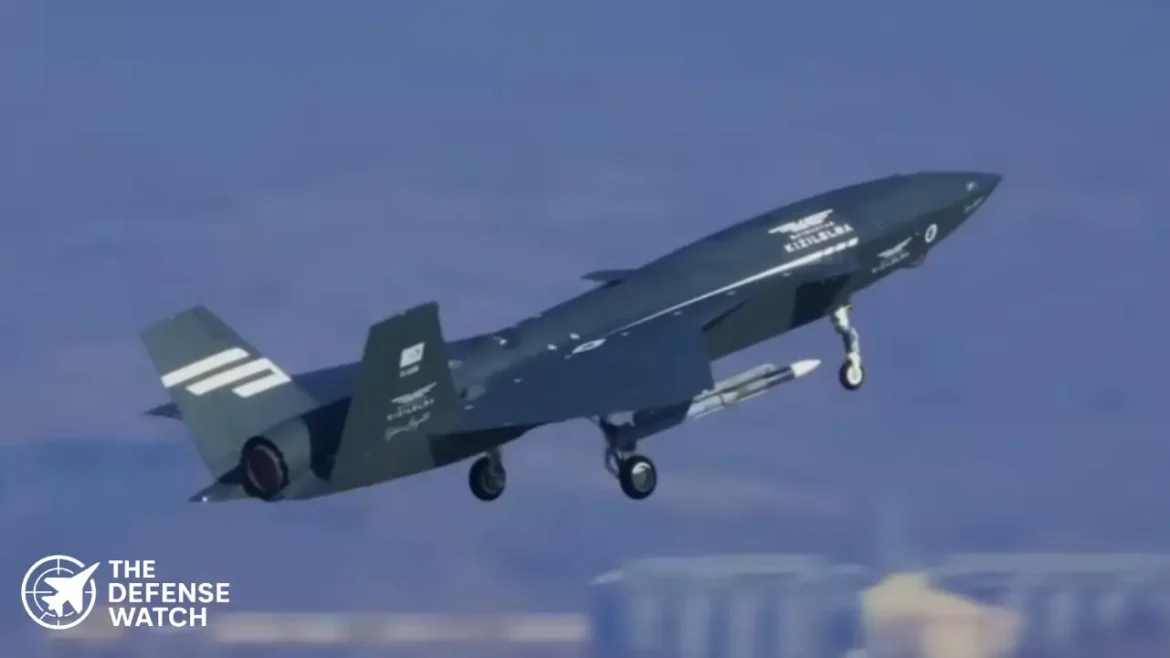
Developed by Turkish defense company Baykar, the Kizilelma is designed as a high-performance stealth-capable UCAV intended for air-to-air and strike missions. The aircraft has drawn international attention because of its jet-powered configuration, autonomous flight features, and compatibility with modern network-centric warfare concepts.
The potential Indonesia Kizilelma drone deal comes as regional militaries increasingly prioritize unmanned systems capable of operating in contested environments while reducing pilot risk.
Indonesia could receive as many as 60 aircraft under the arrangement, although detailed delivery timelines and financial terms have not yet been publicly disclosed.
What Is The Kizilelma UCAV?
Baykar Kizilelma is part of Türkiye’s broader effort to establish an indigenous high-end defense manufacturing base capable of competing in global aerospace markets.
Unlike many traditional medium-altitude drones optimized mainly for surveillance or precision strike missions, Kizilelma has been designed to operate in more contested airspace. The aircraft incorporates reduced radar signature features, high-speed maneuverability, and artificial intelligence-assisted flight control systems.
Baykar has stated previously that the UCAV is intended to support missions including:
- Air superiority support
- Deep strike operations
- Suppression of enemy air defenses
- Maritime strike missions
- Intelligence and reconnaissance operations
The aircraft is also expected to operate from short-deck carriers and expeditionary platforms, including Türkiye’s TCG Anadolu amphibious assault ship.
Analysts have noted that Kizilelma reflects a broader shift toward loyal wingman and unmanned combat concepts being pursued by several major powers, including the United States, China, and Russia.
Why Indonesia Is Expanding Its Drone Capabilities
Indonesia has steadily increased defense modernization spending in recent years amid evolving security concerns across the Indo-Pacific region. The country faces complex maritime security requirements due to its vast archipelagic geography and strategic position near key sea lanes.
The addition of Kizilelma UCAVs could significantly expand Indonesia’s ability to conduct long-range surveillance and strike operations across maritime zones and remote island chains.
Jakarta has also sought to diversify defense procurement sources beyond traditional Western suppliers. Türkiye has emerged as an increasingly important defense partner for several Asian and Middle Eastern states because of its competitive pricing, rapid production capability, and fewer export restrictions compared to some Western systems.
Indonesia and Türkiye have already cooperated in multiple defense sectors, including armored vehicles, aerospace programs, and drone technology.
The potential acquisition also aligns with broader trends in Southeast Asia, where regional powers are accelerating investments in unmanned systems, electronic warfare capabilities, and long-range precision strike assets.
Türkiye’s Defense Export Ambitions Continue To Grow
Türkiye’s defense industry has expanded rapidly over the past decade, particularly in the unmanned systems sector. Baykar gained international prominence after the operational success of the Bayraktar TB2 in several conflict zones, including Libya, Nagorno-Karabakh, and Ukraine.
The Kizilelma program represents the next phase of Türkiye’s ambition to move beyond tactical drones into advanced combat aviation technologies traditionally dominated by a small number of aerospace powers.
A successful Indonesia Kizilelma drone deal would provide Türkiye with a major export breakthrough for a next-generation combat UAV platform. It could also strengthen Ankara’s defense ties across Southeast Asia and reinforce its position as a growing global arms supplier.
Defense observers also view the deal as evidence of increasing international demand for lower-cost alternatives to Western stealth aircraft and advanced manned combat systems.
Strategic Implications For Southeast Asia
The introduction of stealth-capable unmanned fighters into Southeast Asia could influence regional military planning, particularly in maritime security and airpower competition.
Several countries in the Indo-Pacific are now integrating drones into operational doctrine for surveillance, strike, and electronic warfare missions. Indonesia’s planned acquisition may encourage neighboring states to accelerate similar procurement programs.
While Kizilelma is not a direct replacement for conventional fighter aircraft, it offers an additional layer of operational flexibility. UCAVs can perform high-risk missions with reduced personnel exposure and potentially lower operational costs compared to manned fighter fleets.
The platform’s autonomous capabilities may also support future integration with manned aircraft in coordinated combat operations.