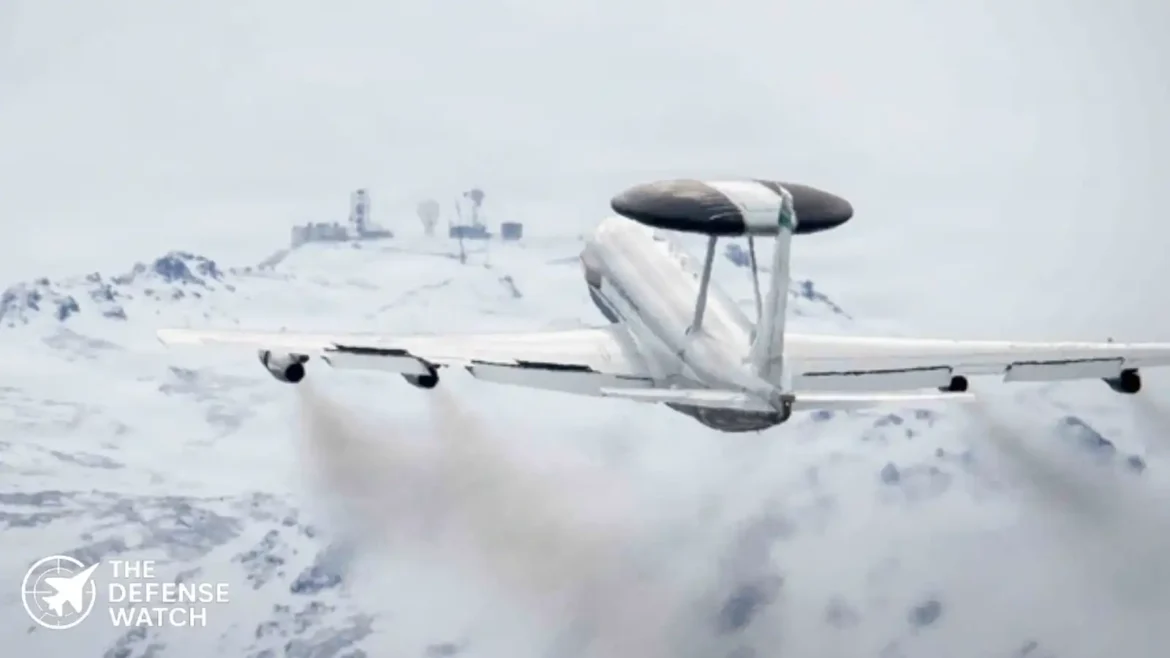
U.S. Air Force E-3 Sentry Reinforces Arctic Readiness During Red Flag Alaska
The E-3 Sentry Red Flag Alaska mission underscored the continuing value of airborne warning and control aircraft in modern warfare, as the U.S. Air Force used the platform during Red Flag-Alaska 26-1 to coordinate air operations, expand surveillance coverage, and sharpen homeland defense readiness in the Arctic region. According to Joint Base Elmendorf-Richardson, crews from the 960th, 961st, and 962nd Airborne Air Control Squadrons supported the exercise from Alaska while fighter aircraft operated across the training area.
- U.S. Air Force E-3 Sentry aircraft took part in Red Flag-Alaska 26-1 from Joint Base Elmendorf-Richardson.
- Crews from the 960th, 961st, and 962nd Airborne Air Control Squadrons supported the exercise.
- The aircraft provides airborne surveillance, command, control, and battle management.
- Alaska remains a critical theater for homeland defense and northern approach monitoring.
- The mission highlights continued reliance on AWACS platforms despite modernization debates.
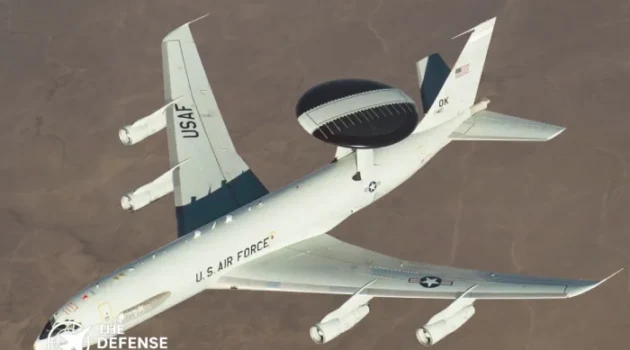
The Boeing-built E-3 Sentry, commonly known as AWACS, is instantly recognizable by its large rotating radar dome. The aircraft serves as an airborne command center, able to detect aircraft at long range, track multiple threats, manage friendly formations, and pass targeting or situational data to commanders in real time.
That role becomes especially important in Alaska.
Why Alaska Matters More Than Ever
Alaska sits at the northern edge of North America and remains one of the shortest air approaches between the United States and peer competitors operating in the Pacific or Arctic regions. Any military planner evaluating long-range bomber routes, cruise missile vectors, or reconnaissance flights must consider this geography.
That makes U.S. Air Force E-3 Sentry operations in Alaska more than a routine training event. It is a reminder that airborne battle management remains essential where terrain, distance, weather, and sparse ground infrastructure can limit radar coverage.
During the exercise, Air Force officials said the E-3 helps create a clearer picture of the airspace for leadership, aircraft, and allies. It also improves decision-making speed during complex operations.
Red Flag Alaska Tests Real Combat Conditions
Red Flag-Alaska is one of the Air Force’s premier large-force training exercises. It is designed to replicate contested combat scenarios involving multiple aircraft types, coalition forces, electronic threats, and fast-changing mission demands.
In that environment, the E-3 Sentry acts as the quarterback of the air battle.
Fighters can focus on their tactical missions while the AWACS crew tracks the broader fight, deconflicts aircraft, monitors threats, and redirects assets when conditions change. That capability is increasingly valuable as modern conflicts place pressure on communications networks and fixed command centers.
Why The E-3 Still Matters Despite Age
The E-3 fleet is aging, and the Air Force has explored replacement paths in recent years. However, exercises such as Red Flag Alaska show there is still no simple substitute for a dedicated airborne command-and-control platform.
Satellites, ground radars, stealth fighters, and networked sensors all contribute to the modern kill chain. But none alone combine persistence, mobility, human decision-making, and real-time control the same way an AWACS aircraft can.
That is particularly true in remote theaters like Alaska, where rapid adaptation may matter more than pure sensor range.
Strategic Message To Adversaries
The use of the E-3 Sentry Red Flag Alaska mission also sends a deterrence signal. It shows the United States continues investing in command resilience and northern defense readiness at a time of rising strategic competition in both the Indo-Pacific and Arctic theaters.
Potential adversaries increasingly rely on long-range strike systems, drones, and electronic warfare. Maintaining an airborne command layer complicates those plans and strengthens joint response options.
Bottom Line
The E-3 Sentry may be a legacy platform, but Red Flag-Alaska 26-1 demonstrates it still fills a frontline role. In vast and contested airspace, the aircraft remains one of the fastest ways to build a real-time battlespace picture and direct forces where they are needed most.
For the U.S. Air Force, that means the E-3 is not just an older aircraft. It is still a critical node in Arctic defense planning.
Netherlands CCA Prototypes Backed To Advance F-35 Drone Teaming
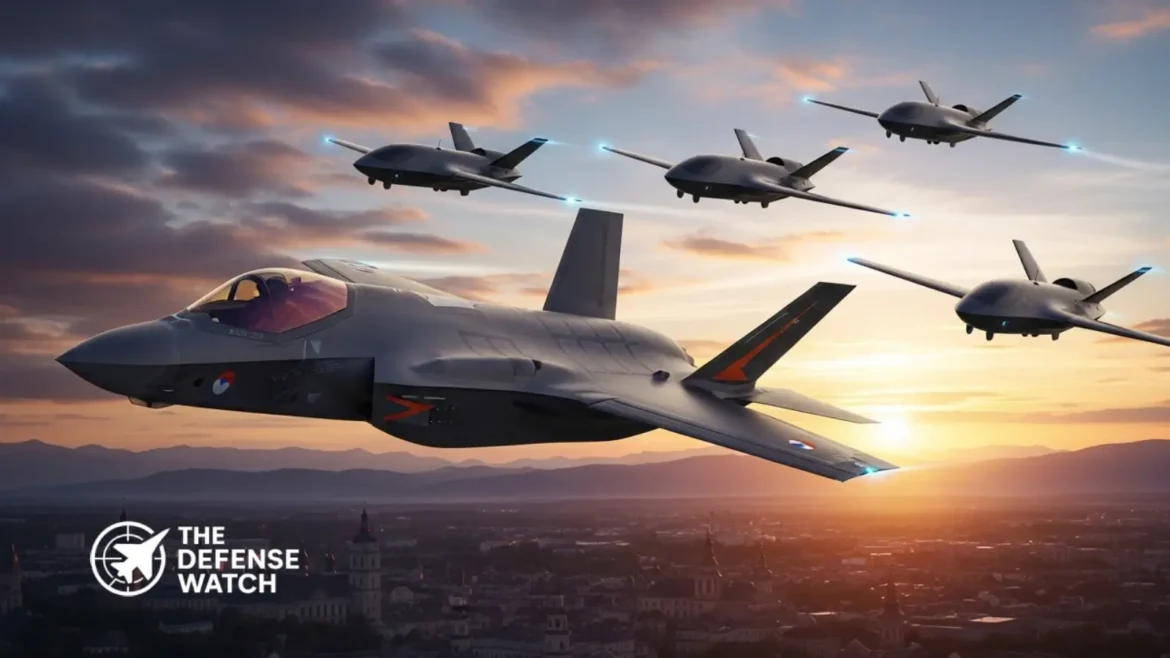
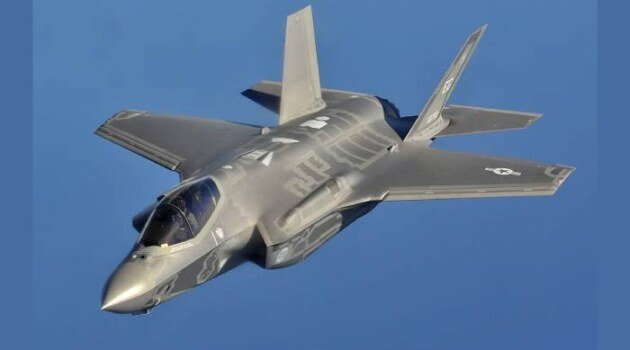
The Netherlands CCA prototypes decision marks a notable step in allied participation in the United States Air Force push to field Collaborative Combat Aircraft, autonomous or semi autonomous drones designed to operate with crewed fighters such as the F-35 Lightning II.
- The Netherlands will finance two US Air Force Collaborative Combat Aircraft prototype efforts.
- The move is intended to build operational knowledge in F-35 drone teaming concepts.
- CCA platforms are designed to fly alongside crewed fighters as force multipliers.
- Dutch participation highlights allied interest in future autonomous combat aviation.
- The project may shape future NATO airpower integration and procurement choices.
Dutch funding will support two US Air Force prototype efforts aimed at helping the Netherlands develop practical experience in future manned unmanned teaming operations. The focus centers on how unmanned aircraft can extend the combat value of the Dutch F-35 fleet.
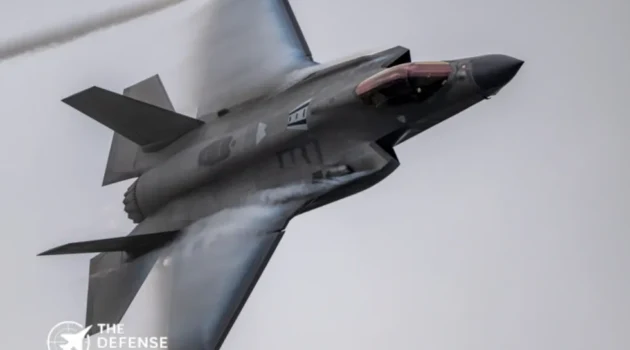
The Dutch Air Force already operates the F-35A, making it one of the most relevant European operators for early experimentation with drone wingmen. Rather than waiting for a mature export product, the Netherlands appears to be buying access to learning, testing, and concept development now.
Why Collaborative Combat Aircraft Matter
The US Air Force CCA program is one of Washington’s highest priority aviation modernization efforts. These aircraft are expected to perform missions such as:
- Forward sensing and ISR
- Electronic warfare support
- Weapons carriage
- Decoy operations
- Attritable strike missions
- Extending fighter range and survivability
In practical terms, a formation of one piloted fighter and multiple unmanned teammates could cover more airspace, carry more weapons, and accept higher risk than traditional fighter packages.
That matters for NATO air forces facing increasingly dense air defenses, long range missiles, and growing peer competition.
Why The Netherlands Is Moving Early
The Netherlands is a relatively small but technologically advanced NATO air power. It often prioritizes interoperability with the United States and alliance partners. Funding Netherlands CCA prototypes gives Dutch planners several advantages.
First, it creates early insight into doctrine, training, data links, autonomy rules, and sustainment demands.
Second, it helps ensure future CCA systems can integrate with Dutch F-35 operations rather than being retrofitted later.
Third, it positions the Netherlands to influence future NATO standards in manned unmanned teaming.
This is a strategic move, not simply a procurement move.
Implications For Europe And NATO
European air forces are watching the US CCA effort closely. Nations operating the F-35, including United Kingdom, Italy, Norway, Denmark, and Belgium, face the same question: how to increase combat mass without buying large numbers of expensive crewed fighters.
CCA type systems may offer one answer.
If the Dutch effort proves useful, other European operators may seek similar partnerships or domestic programs linked to their F-35 fleets.
Challenges Still Ahead
Despite the momentum, several issues remain unresolved:
- Rules for autonomous engagement decisions
- Secure communications in contested environments
- Cost per aircraft and sustainment burden
- Integration with NATO command networks
- Industrial participation for partner nations
These questions will determine whether CCA becomes a niche capability or a standard part of future air forces.
Strategic Outlook
The Netherlands CCA prototypes initiative is important because it shows allied governments are no longer treating loyal wingman systems as distant concepts. They are beginning to invest now, while doctrine and technology are still forming.
That could give smaller but advanced air forces a way to stay relevant in high end warfare without matching larger powers aircraft for aircraft.
For the United States, Dutch participation also sends a clear signal: allies want in on the next generation of air combat.
U.S. Navy MQ-25A Stingray Reaches Major Flight Milestone
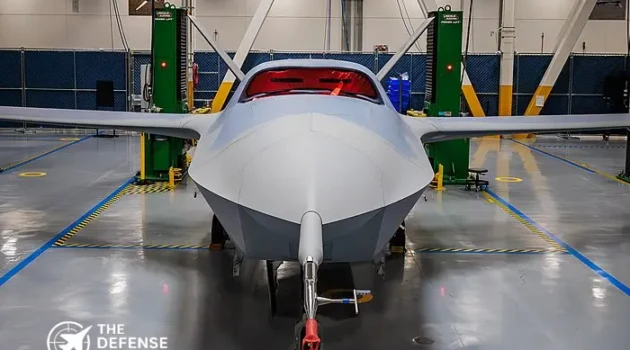
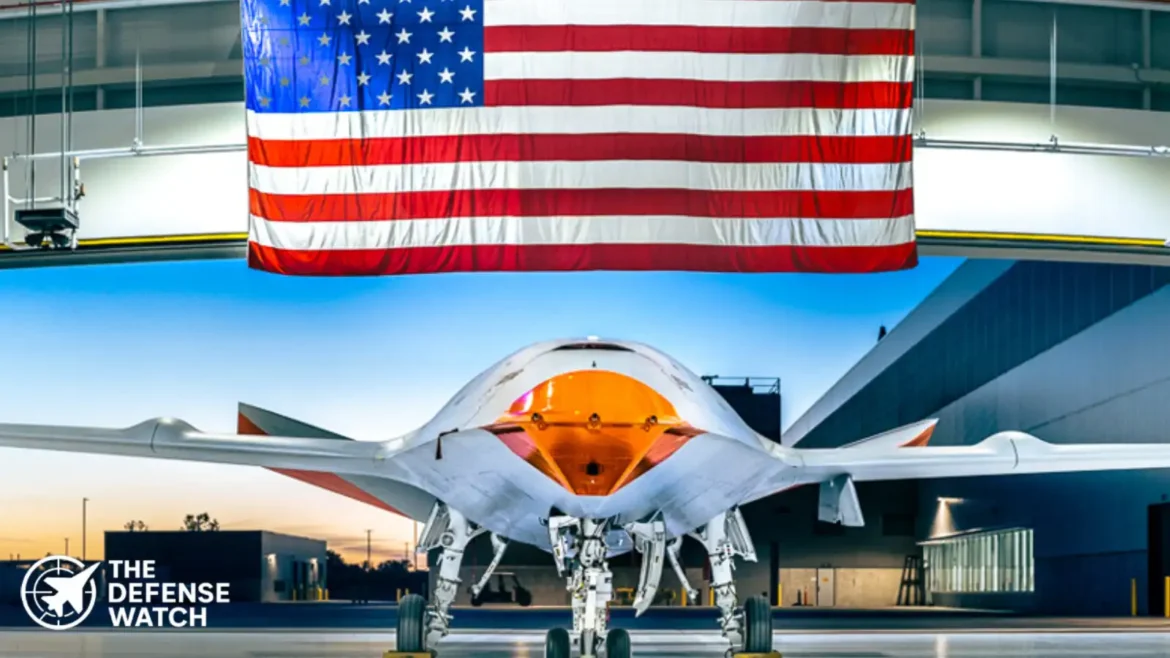
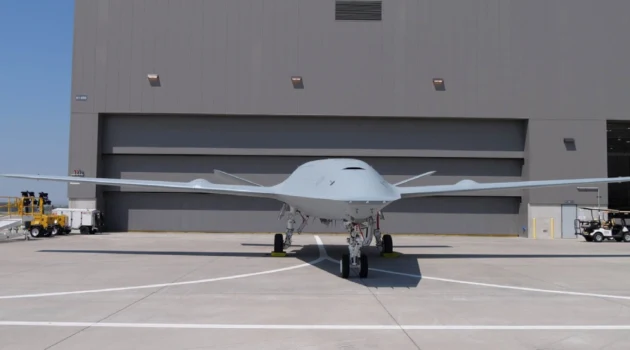
The MQ-25A Stingray completed its first flight, marking one of the most important recent steps in U.S. Navy carrier aviation modernization. The Boeing-built unmanned aircraft flew on April 25 from MidAmerica St. Louis Airport, where the company manufactures the platform. The sortie signals that the Navy’s first carrier-based operational drone tanker is moving closer to fleet service.
The MQ-25A Stingray is not just another unmanned aircraft. It is designed to solve a long-running operational problem for the Navy, the heavy use of frontline fighters as airborne tankers.
- The first production-representative U.S. Navy MQ-25A Stingray completed its maiden flight on April 25, 2026.
- The aircraft flew from MidAmerica St. Louis Airport near Boeing’s MQ-25 production site.
- MQ-25A is designed to refuel carrier aircraft including F/A-18E/F Super Hornet and F-35C fighters.
- The Navy plans to acquire 76 MQ-25 aircraft, with initial operational capability targeted for 2027.
- The program could reshape carrier operations by freeing manned fighters from tanker missions.
For years, F/A-18E/F Super Hornets have performed buddy refueling missions that consume airframe life and reduce the number of fighters available for strike or air defense missions. The MQ-25A is intended to take over that task.
Why The MQ-25A Matters
The arrival of the MQ-25A Stingray could significantly extend the combat reach of U.S. aircraft carriers.
Modern threats, particularly long-range anti-ship missiles and dense air defense networks, have pushed carriers to operate farther from hostile coastlines. That distance reduces the striking range of carrier aircraft. By providing organic aerial refueling, the MQ-25A can help restore lost reach for aircraft such as the F-35C Lightning II and F/A-18E/F Super Hornet.
Boeing and Navy officials have previously stated the aircraft is expected to offload around 15,000 pounds of fuel at operationally relevant distances. That makes the system a force multiplier rather than a simple support aircraft.
From Demonstrator To Fleet Asset
Earlier MQ-25 development used the T1 demonstrator, which proved core capabilities including unmanned aerial refueling. This latest aircraft is the first production-representative version, meaning it is much closer to the configuration the fleet will eventually operate.
That distinction matters because it moves the program from technology demonstration into real acquisition and operational testing.
The Navy currently plans to procure 76 MQ-25 aircraft, with initial operational capability expected in 2027.
Strategic Analysis
The MQ-25A Stingray reflects a broader Pentagon shift toward human-machine teaming. Rather than replacing crewed fighters, it supports them, expands their range, and preserves valuable pilot hours.
This is a practical model for unmanned integration. It avoids the political and technical friction of replacing combat aircraft outright while still delivering immediate gains.
If successful, the MQ-25A could open the door for future carrier-based unmanned systems focused on surveillance, strike, and electronic warfare.
What Comes Next
The next major hurdles include deck handling trials, catapult launches, arrested recoveries, and carrier integration testing. Those steps are especially demanding because carrier operations remain among the most complex environments in military aviation.
Still, with first flight complete, the MQ-25A Stingray has crossed a key threshold.
For the U.S. Navy, it may become one of the most consequential carrier aviation programs of the decade.
Lockheed Martin Counter UAS Investment Signals Growing Urgency
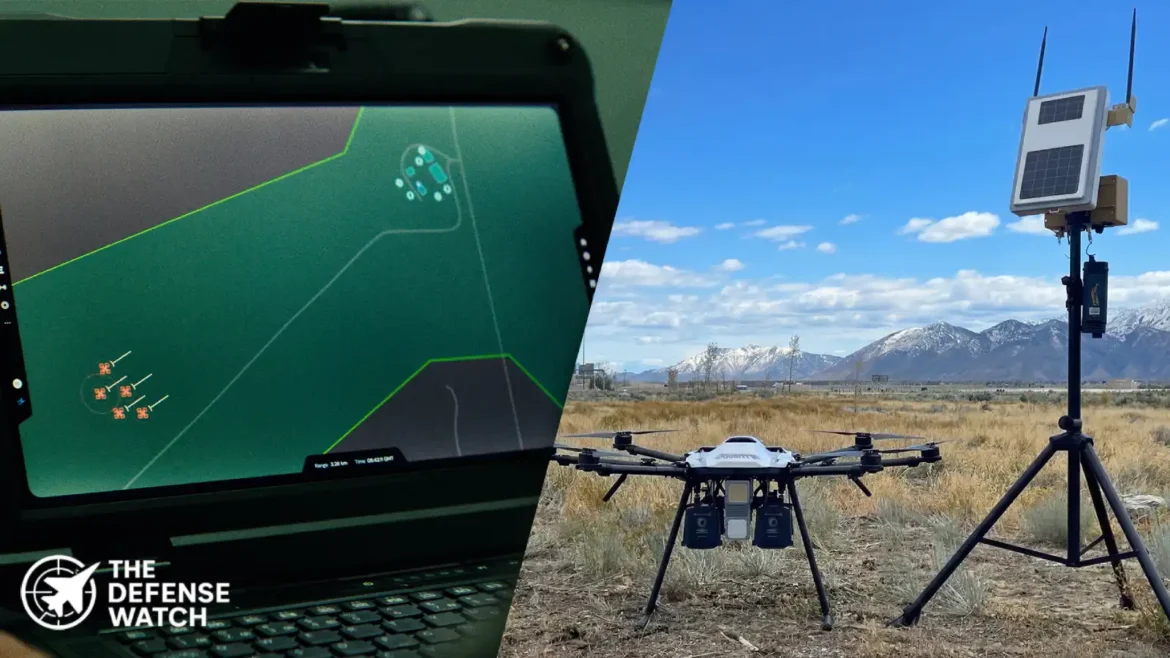
Lockheed Martin counter UAS efforts received a major boost after the company announced a $25 million investment in Fortem Technologies, a U.S. airspace security firm known for autonomous drone interception systems. The April 22 move aims to scale production and speed deployment of integrated anti-drone defenses as militaries confront a surge in cheap, expendable unmanned aircraft.
- Lockheed Martin invested $25 million in Fortem Technologies on April 22, 2026.
- Funding supports Fortem production growth and integration into Lockheed Martin Sanctum counter-UAS architecture.
- Move reflects urgent demand for affordable defenses against small drones and swarm attacks.
- Fortem says the investment could at least double manufacturing capacity in Lindon, Utah.
- Counter-UAS is becoming a core modernization priority for U.S. and allied forces.
The Big Picture
Counter-drone warfare has moved from a niche mission set to a frontline requirement. Conflicts in Ukraine, the Middle East, and Red Sea maritime corridors have shown that commercially derived drones can threaten armor, air bases, logistics hubs, and critical infrastructure at relatively low cost.
That shift has exposed a major imbalance. A low-cost quadcopter can force defenders to use expensive missiles, guns, or electronic warfare assets. Defense planners now want layered systems that detect, track, classify, and defeat drones at lower cost per engagement.
Lockheed Martin’s investment suggests major prime contractors now see counter-UAS not as an accessory market, but as a central growth sector.
What’s Happening
Lockheed Martin said the $25 million funding is the initial tranche of Fortem’s Series B fundraising round. The companies said the investment builds on an existing partnership and supports broader operational deployment of jointly developed counter-UAS systems.
Fortem’s systems include:
- TrueView radar sensors for drone detection and tracking
- SkyDome command and control software
- DroneHunter interceptors, autonomous drones designed to capture hostile UAVs
These capabilities are being integrated into Lockheed Martin’s Sanctum counter-UAS ecosystem, which is designed as an open architecture defensive network.
Why It Matters
The key issue is cost and scale.
Traditional air defense missiles can destroy drones, but repeated use against mass, low-cost targets is financially unsustainable. Lockheed Martin said Fortem’s software-centric approach can reduce engagement cost by more than 80 percent compared with traditional kinetic interceptors.
If validated in wider field use, that matters for:
- Air base defense
- Port and ship protection
- Border security
- Critical infrastructure security
- Expeditionary force protection
This is where the market is moving: affordable persistence rather than premium interceptors alone.
Strategic Implications
The investment also reflects industrial base strategy. Instead of developing every subsystem internally, primes increasingly buy stakes in specialized firms with mature technology.
That model can shorten procurement timelines and preserve access to innovative suppliers. For the Pentagon and allied buyers, it may also reduce dependency on slower legacy acquisition cycles.
The decision to expand manufacturing in Utah matters as well. U.S. defense planners have repeatedly warned that production depth is as important as headline technology, especially during prolonged conflicts.
Competitor View
China, Russia, Iran, and other U.S. rivals have all invested heavily in low-cost unmanned systems, loitering munitions, and attritable drone fleets.
They are likely to read this move as confirmation that Western militaries are accelerating defenses against drone saturation tactics. That does not remove the threat, but it can raise the cost of relying on mass UAV attacks.
At the same time, adversaries will likely continue adapting through autonomy, reduced radar signatures, and mixed attacks combining drones with missiles or electronic warfare.
What To Watch Next
Several indicators will show whether this investment changes the market:
- New U.S. military or homeland security contracts
- Allied export sales of Sanctum-integrated systems
- Demonstrated performance against drone swarms
- Faster Fortem production output
- Additional Lockheed Martin venture investments in autonomy or sensors
If those milestones appear in 2026 or 2027, the deal may prove more significant than its $25 million size suggests.
Capability Gap
The gap being addressed is simple: many forces still lack scalable defenses against numerous small drones arriving simultaneously.
Even advanced militaries often depend on systems designed for aircraft or missiles, not dozens of cheap quadcopters. Fortem and Lockheed Martin are trying to close that gap through automation, networked sensing, and reusable intercept options.
A realistic limitation remains electronic warfare complexity, cluttered urban environments, and the need for legal authorities when intercepting drones near civilian infrastructure.
The Bottom Line
Lockheed Martin’s Fortem investment shows that affordable counter-drone capacity, not just advanced missiles, is becoming a decisive priority for modern defense forces.
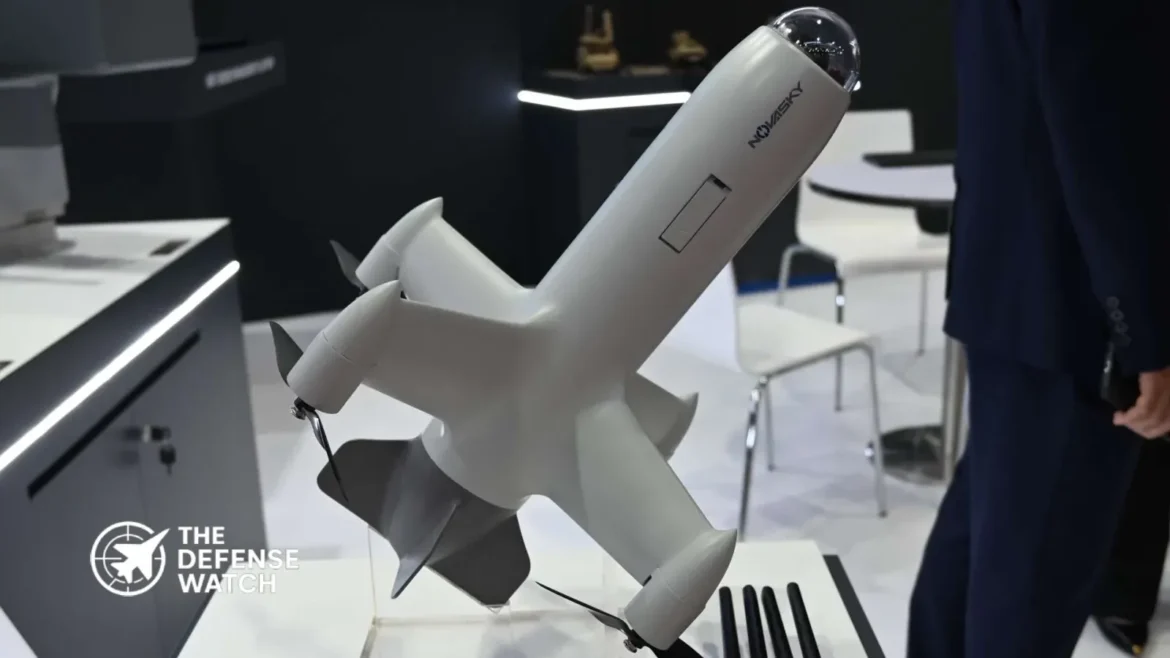
China’s Novasky Unveils KC300 Counter-Drone Interceptor At DSA 2026 To Stop Low-Altitude UAV Threats
China’s Novasky KC300 Kinetic Counter-Drone System Debuts At DSA 2026
At the 2026 Defence Services Asia (DSA) exhibition in Kuala Lumpur, Chinese defense technology company Novasky showcased its KC300 high-speed kinetic counter-drone interceptor, designed to address short-range unmanned aerial vehicle (UAV) threats and one-way loitering munitions. The system’s introduction underscores intensified global focus on layered counter-UAS defenses as low-altitude drone threats proliferate.
- Chinese firm Novasky showcased its KC300 high-speed kinetic counter-drone interceptor at DSA 2026 in Kuala Lumpur, aimed at short-range UAV threats. :contentReference[oaicite:0]{index=0}
- The system uses a four-cell vertical launcher and high-speed kinetic drones to strike hostile UAVs without explosive warheads. :contentReference[oaicite:1]{index=1}
- KC300 interceptors can reach speeds up to roughly 300 kph with a control radius of at least 5 km. :contentReference[oaicite:2]{index=2}
- Kinetic impact rather than explosives aims to reduce collateral risk in perimeter defense missions. :contentReference[oaicite:3]{index=3}
- The system reflects growing demand for layered counter-UAS architectures to defend bases, infrastructure, and urban sites. :contentReference[oaicite:4]{index=4}
The Novasky KC300 combines a four-cell vertical launcher with high-velocity interceptor drones built to physically ram hostile drones, offering a hard-kill option without explosive warheads. This kinetic approach seeks to limit unintended damage in crowded or infrastructure-dense environments.
Short-Range Kinetic Interception For Dense Threat Environments
The KC300 is positioned for point-defense missions around military bases, airports, ammunition depots, and other critical sites where hostile UAVs pose a near-term hazard. Each interceptor drone is reported to reach speeds of up to about 300 kilometers per hour, with an operator control radius of at least 5 kilometers and typical flight paths around 15 kilometers. Endurance is limited, reflecting a design centered on rapid interception rather than sustained patrol.
The system integrates tracking and targeting sensors with high-resolution cameras to capture the position, speed, and trajectory of incoming threats. Once cued, operators can launch the high-speed interceptor drones for final engagement.
This kinetic impact philosophy mirrors broader developments in counter-UAS strategies internationally, where many military planners seek options that complement electronic warfare, radar jamming, and traditional missile interceptors. Attritable interceptors are becoming more common as the cost and volume of small drones rise globally.
Context: The Evolving Counter-UAS Landscape
Low-altitude threats from relatively inexpensive UAVs have driven a shift in how militaries and security forces protect key assets. Missile-based systems and directed energy weapons remain part of this spectrum, but kinetic interceptors like the KC300 target the last kilometer of engagement where quick, decisive action against swarming or wave-based attacks is critical.
Emerging practices in counter-UAS defense increasingly blend sensor fusion, electronic attack, and kinetic options to balance effectiveness and cost. Ukraine’s experience with attritable interceptor drones and layered defenses has influenced this trend, showing the utility of lower-cost physical interceptors against large numbers of cheap drones.
For nations in Southeast Asia and beyond, where urban density and critical infrastructure may elevate collateral risk, pure kinetic interception without explosive payloads offers an appealing alternative to more costly missile interceptors or broadly disruptive jammers.
What This Means For Regional Operators
The appearance of the KC300 at a major regional exhibition reflects both market ambitions by Novasky and the growing demand among defense and security buyers for flexible, cost-conscious counter-drone tools. While the system is positioned mainly for short-range defense, its modular nature and smaller footprint suggest it could integrate into broader defensive architectures alongside radar systems and other counter-UAS technologies.
As military planners continue adjusting to evolving unmanned threats, options like Novasky’s KC300 will be evaluated for their fit in multi-layered airspace defense networks, particularly in Southeast Asia where a mix of territorial, infrastructure, and border security challenges persist.
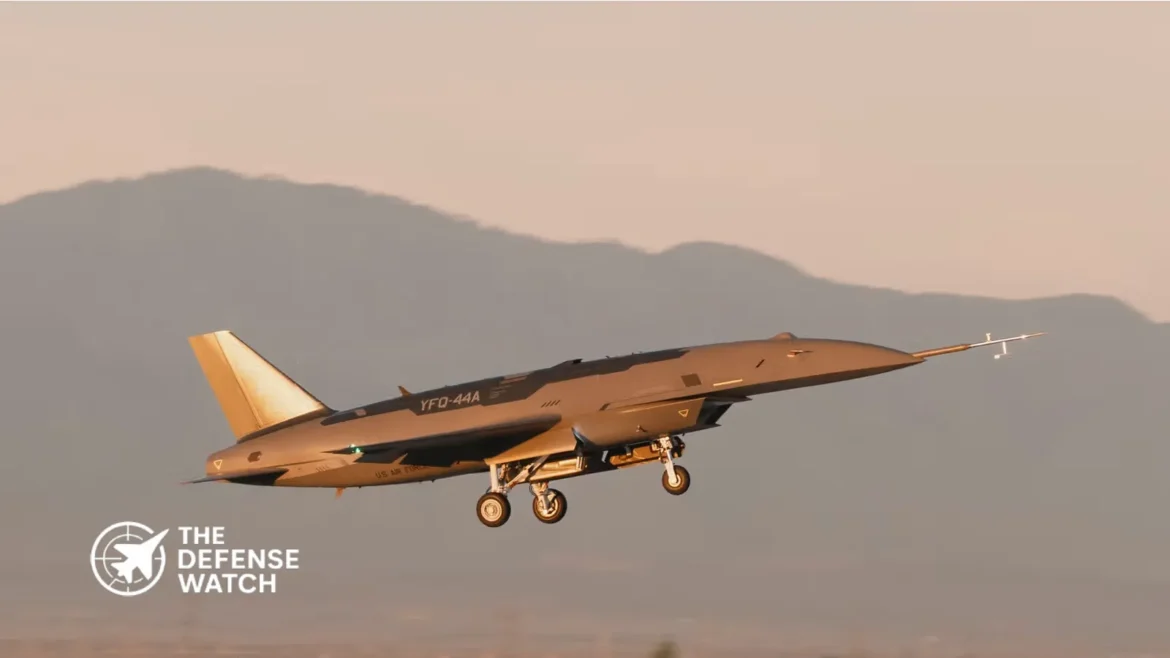
Anduril YFQ-44A Combat Drone Production Timeline: What We Know and What’s at Stake
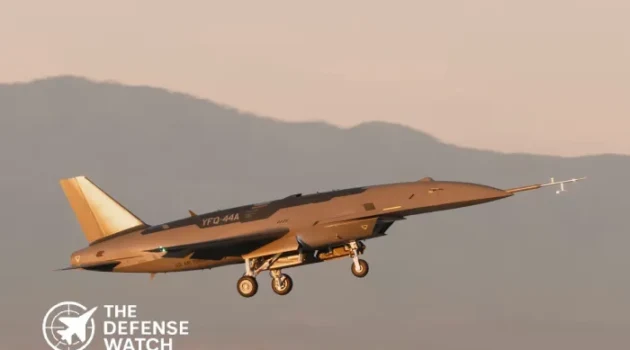
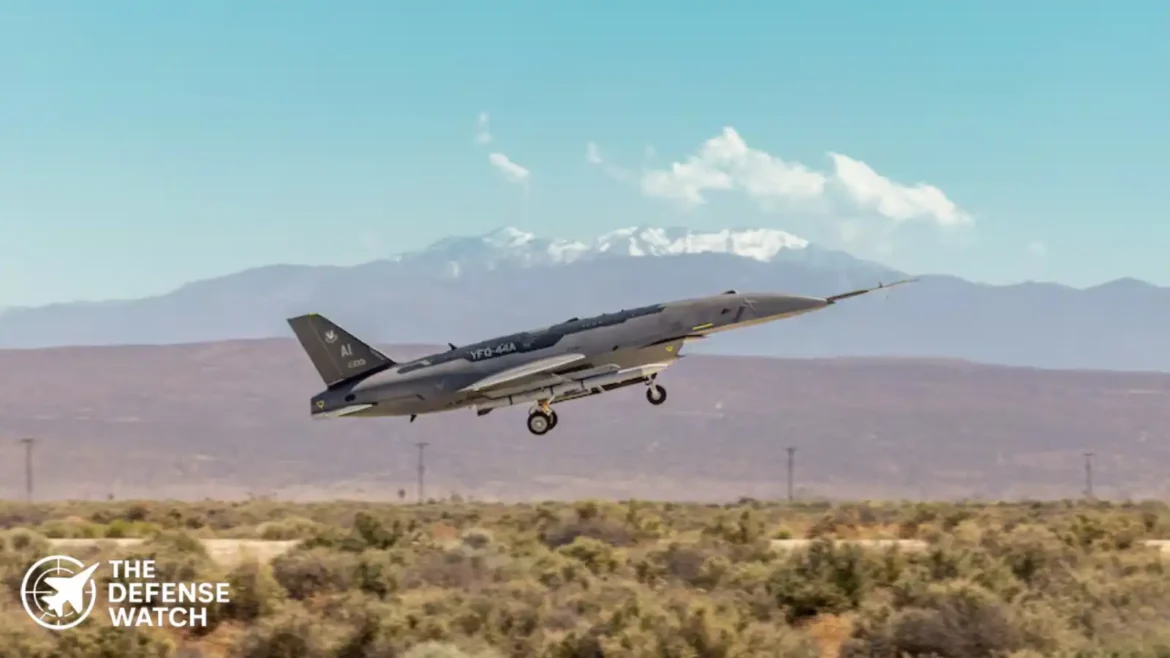
The United States Air Force’s push to field autonomous combat aircraft has entered its most consequential phase, with Anduril Industries’ YFQ-44A combat drone production timeline now drawing intense scrutiny from defense planners, industry analysts, and rival powers alike. Selected as a finalist for the Air Force’s landmark Collaborative Combat Aircraft (CCA) program in early 2025, Anduril is racing to transform a bold concept — an AI-driven unmanned wingman — into a deployable weapons system capable of operating in contested airspace against near-peer adversaries.
- Anduril Industries was selected by the U.S. Air Force in March 2025 as one of two contractors for the Collaborative Combat Aircraft (CCA) program, alongside General Atomics.
- Anduril’s entry is designated the YFQ-44A — a combat-capable autonomous drone designed to fly alongside crewed fighters such as the F-35 and F-22.
- The Air Force aims to field an initial CCA operational capability by the late 2020s, with full-rate production targeted in the early 2030s.
- The YFQ-44A is powered by Anduril’s Lattice AI autonomy platform, enabling real-time mission adaptation without continuous human input.
- The Pentagon has signaled intent to procure over 1,000 CCAs across both contractors, making this one of the largest unmanned combat aircraft programs in U.S. history.
This is no incremental upgrade to existing drone technology. The YFQ-44A represents a generational shift in how the United States intends to fight and win in the skies over the Pacific and beyond.
What Is the YFQ-44A? Understanding Anduril’s Autonomous Wingman
The YFQ-44A is Anduril’s candidate aircraft for the Air Force’s CCA Increment 1 program — a competition designed to develop low-cost, attritable autonomous aircraft that can accompany crewed fighters into high-threat environments. The “Y” prefix in its designation denotes a prototype development stage, while “FQ” indicates an unmanned fighter category — a designation class that did not exist in official U.S. military nomenclature until recently, underscoring just how new this entire domain is.
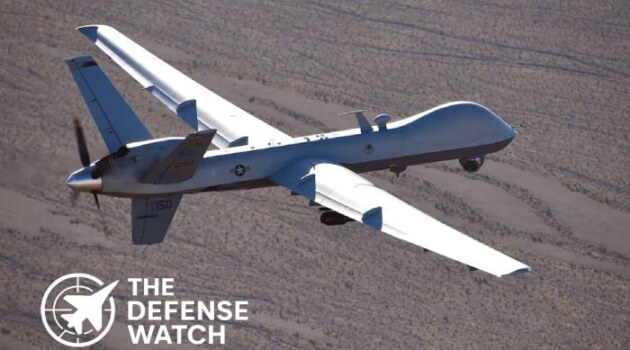
Unlike legacy remotely piloted aircraft such as the MQ-9 Reaper, which require continuous human control from a ground station, the YFQ-44A is designed for autonomous mission execution. It runs on Anduril’s proprietary Lattice AI operating system — the same platform that underpins the company’s Fury unmanned aircraft and its integrated defense network solutions. Lattice allows the YFQ-44A to process sensor data, identify threats, and execute tactical maneuvers without waiting for a human command input on every action.
The aircraft is intended to be affordable and producible at scale — a deliberate design philosophy in direct contrast to the eye-watering per-unit costs of the F-35. Pentagon planners have made clear they want a drone that can be purchased in the hundreds or thousands, accepting some degree of mission loss rather than designing an irreplaceable platform.
The CCA Program: How the YFQ-44A Fits the Bigger Picture
The Collaborative Combat Aircraft program is the Air Force’s answer to a strategic problem that has been building for years: the United States simply cannot afford — in time, money, or industrial capacity — to replace every aging crewed fighter with a next-generation manned platform fast enough to meet the pace of China’s military modernization.
In March 2025, the Air Force awarded CCA Increment 1 development contracts to Anduril Industries and General Atomics, selecting them over competing proposals from Boeing and Lockheed Martin in a decision that sent shockwaves through the traditional defense industrial base. General Atomics’ entry carries the designation YFQ-42A, making the two programs direct competitors for what could become a combined procurement of over 1,000 aircraft.
The Air Force’s decision to go with Anduril — a defense technology startup founded in 2017 — over legacy primes was a deliberate signal that the Pentagon is willing to restructure how it buys advanced weapons systems. Anduril’s ability to move faster and iterate software more rapidly than traditional contractors appears to have been a decisive factor.
The broader CCA vision calls for these autonomous wingmen to perform a range of missions including electronic warfare support, ISR (intelligence, surveillance, and reconnaissance), weapons carriage and release, and aerial attrition in contested environments — essentially acting as force multipliers for crewed aircraft like the F-35A and the next-generation F-47.
YFQ-44A Production Timeline: Key Milestones
While the Air Force and Anduril have not published a fully detailed, public production schedule, information gathered from Congressional testimony, industry briefings, and defense reporting allows for a reasonable reconstruction of the program’s trajectory.
2024–2025: Competitive Development Phase
Anduril conducted extensive ground testing and early flight evaluations of its CCA design during this period. The company’s Costa Mesa, California headquarters and its manufacturing facilities served as the nerve center for rapid prototyping. The contract award in March 2025 formalized what had been an aggressive development push, locking in Anduril as one of two official CCA developers.
2025–2027: Prototype Refinement and Operational Testing
Following the contract award, Anduril entered a phase of intensive prototype refinement. This includes integration testing with Air Force operational systems, Lattice AI software maturation, and early evaluations by Air Combat Command. Developmental testing flights are expected to occur at Edwards Air Force Base, California — the traditional home of U.S. flight test operations — as well as classified test ranges in the Nevada desert.
The Air Force is expected to conduct a Milestone B decision during this window, which formally authorizes entry into Engineering and Manufacturing Development (EMD) — a critical program gate that unlocks significant additional funding and production preparation activities.
2027–2029: Low-Rate Initial Production (LRIP)
If the program proceeds on schedule, Low-Rate Initial Production of the YFQ-44A could begin as early as 2027 to 2028. LRIP units will be used for operational testing with operational units, allowing pilots and mission commanders to develop the tactics, techniques, and procedures (TTPs) needed to integrate autonomous wingmen into actual combat formations. Early LRIP deliveries may go to Air Force test and evaluation units before transitioning to frontline squadrons.
Late 2020s to Early 2030s: Initial Operating Capability (IOC)
The Air Force has publicly signaled a desire to achieve Initial Operating Capability for the CCA program by the late 2020s, though official milestone dates have not been disclosed for classification reasons. IOC would mean at least one operational unit is equipped, trained, and certified to deploy the YFQ-44A in a combat scenario. Full-Rate Production, which would enable the large-scale fleet numbers Pentagon planners envision, is broadly projected for the early 2030s.
Anduril’s Industrial Strategy: Can It Deliver at Scale?
One of the most important — and underreported — dimensions of the YFQ-44A story is whether Anduril possesses the industrial infrastructure to actually manufacture these aircraft at the volumes the Air Force requires. Building a handful of prototypes in a modern machine shop is a very different challenge from standing up a production line capable of producing hundreds of combat aircraft per year.
Anduril has been investing heavily in manufacturing capacity. The company announced plans for a large-scale Arsenal facility in Columbus, Ohio — a purpose-built manufacturing campus intended to produce autonomous systems at volume. The Arsenal concept is central to Anduril’s pitch to the Pentagon: that it can deliver not just innovative technology, but the production capacity to back it up at wartime scale.
This industrial positioning matters enormously given the stated lessons from the war in Ukraine, where attrition rates for unmanned systems have been extraordinarily high. A combat drone that costs tens of millions of dollars and takes years to manufacture offers far less strategic value than one that can be built quickly, cheaply, and in quantity.
Strategic Analysis: Why the YFQ-44A Timeline Is Being Watched Globally
The pace at which Anduril brings the YFQ-44A to operational status carries implications well beyond U.S. Air Force force structure planning.
China’s People’s Liberation Army Air Force is actively developing its own loyal wingman concepts, most notably the GJ-11 stealth unmanned combat aerial vehicle. Beijing has demonstrated a consistent ability to move from development to deployment with disconcerting speed. If the YFQ-44A program encounters significant delays — a realistic risk given the technical and programmatic complexity of what is being attempted — the U.S. risks ceding an early mover advantage in autonomous air combat that may be difficult to recover.
There is also a deterrence value to a credible production timeline. An adversary that believes the United States will field 1,000+ autonomous combat aircraft within a defined window must factor that capability into its own strategic calculations today, not merely when the aircraft arrive at Kadena or Andersen Air Force Base. This means Anduril’s ability to demonstrate credible progress — through test flights, production contracts, and Congressional briefings — carries real geopolitical weight.
The YFQ-44A program also sets a precedent for how defense acquisition will function in the coming decade. If a seven-year-old startup can win and execute a major combat aircraft program, it validates a model of defense procurement built around speed, software-first design, and commercial manufacturing methods — a model that stands in sharp contrast to the cost-plus contracting structures that produced the F-35 at roughly $80 million per unit.
The Road Ahead
The Anduril YFQ-44A combat drone production timeline remains a closely held program, but the strategic logic driving it is unmistakable. The United States Air Force has concluded that future high-end conflict — particularly in the Pacific — will demand more combat aircraft than the nation can afford to build in the traditional manned fighter model. Autonomous wingmen, available in large numbers, flying into contested environments where human pilots cannot reasonably be sent, are no longer a speculative concept. They are a procurement priority.
Whether Anduril can execute — delivering a mature, producible, combat-ready aircraft on the timeline the Air Force needs — is the central question facing the program. The answer will significantly shape American airpower through the 2030s and beyond.
FAQs
What is the Anduril YFQ-44A?The YFQ-44A is Anduril Industries’ prototype autonomous combat drone developed for the U.S. Air Force’s Collaborative Combat Aircraft (CCA) program. It is designed to fly alongside crewed fighters as an AI-driven unmanned wingman.
When will the YFQ-44A enter service?The Air Force is targeting Initial Operating Capability for the CCA program by the late 2020s, with full-rate production expected in the early 2030s, though official milestone dates remain classified.
How does the YFQ-44A differ from the YFQ-42A?The YFQ-42A is General Atomics’ competing CCA entry. Both aircraft are developing under parallel Air Force contracts. The Air Force may ultimately select one or both for production based on performance and cost.
What AI system powers the YFQ-44A?The YFQ-44A operates on Anduril’s Lattice AI platform, which enables autonomous mission execution, real-time threat processing, and adaptive tactical decision-making.
How many CCAs does the Air Force plan to buy?Pentagon officials have indicated a desire to procure over 1,000 Collaborative Combat Aircraft across the program, though final procurement numbers will be subject to Congressional authorization and appropriations.

Royal Marines T-150 Drone Marks New Arctic Capability Step
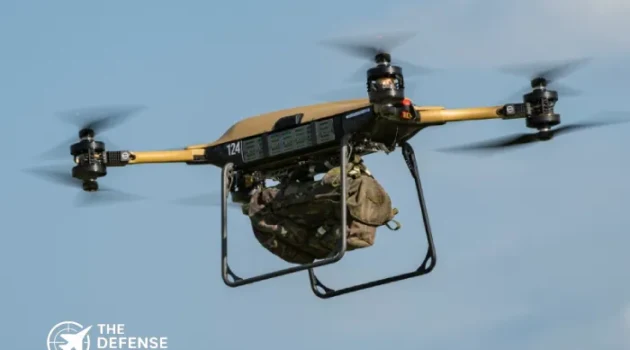
The Royal Marines T-150 drone has completed operational activity in the Arctic, marking a notable step in British efforts to integrate uncrewed systems into cold-weather expeditionary missions. According to BAE Systems, the T-150 uncrewed air system supported Royal Marines activity in extreme northern conditions, demonstrating its ability to operate where terrain, weather, and distance often slow traditional resupply methods.
¦ KEY FACTS AT A GLANCE- Royal Marines used the T-150 uncrewed air system during Arctic operations.
- The drone can support cargo delivery, reconnaissance, and resupply missions.
- Arctic deployment reflects growing NATO focus on northern security routes.
- Trials were conducted in extreme cold conditions that challenge conventional systems.
- Small autonomous aircraft may reduce risk to troops in remote environments.
The development matters because Arctic operations place unique stress on manned aircraft, vehicles, and troops. Reliable autonomous systems can help close those gaps.
The Big Picture
Arctic security has moved sharply up the defense agenda for NATO members. Melting sea routes, increased military activity, and growing competition over northern access corridors have pushed nations such as the United Kingdom, United States, Norway, and Canada to strengthen high-latitude readiness.
For the UK, the Royal Marines play a central role in cold-weather warfare. They regularly train in Norway and are expected to provide rapid-response forces for northern flank contingencies. Integrating drones such as the T-150 aligns with a broader trend across allied militaries, using autonomous platforms for reconnaissance, logistics, and force protection.
What’s Happening
BAE Systems said the Royal Marines employed the T-150 during Arctic activity, making history for the platform in the region. The aircraft is an uncrewed air system designed for demanding missions including cargo movement and surveillance.
The Arctic creates serious operating barriers. Snow cover limits mobility, mountainous terrain complicates line-of-sight movement, and severe cold can degrade batteries, sensors, and mechanical systems. A successful trial in those conditions is more meaningful than a standard temperate-climate demonstration.
Why It Matters
Military logistics often determine whether forces can sustain operations. In remote Arctic zones, even short movements can take hours or days. A drone capable of moving supplies directly to dispersed troops can shorten timelines and reduce exposure.
That has several advantages:
- Fewer personnel exposed on hazardous ground routes
- Faster movement of medical stores, batteries, and ammunition
- Better support for small forward teams
- Lower burden on helicopters reserved for higher-priority missions
The Royal Marines T-150 drone therefore represents more than a technology test. It points toward a new operating model for distributed forces.
Strategic Implications
Britain’s northern defense role has grown since NATO renewed focus on deterrence in Europe. The High North links the North Atlantic, GIUK gap, and access routes between North America and Europe.
Any platform that improves persistence and mobility in that region strengthens alliance readiness. Small drones cannot replace large transport aircraft or helicopters, but they can fill the tactical layer between backpack carriage and manned aviation.
That middle tier is often where shortages appear during real operations.
Competitor View
Russia has long treated the Arctic as a strategic military zone, with air bases, missile coverage, and maritime presence across its northern territories. Western adoption of resilient logistics drones may be viewed as part of a broader NATO effort to sustain forces closer to contested northern areas.
China, while not an Arctic state, has shown growing commercial and strategic interest in polar shipping lanes and research access. NATO members are likely to interpret autonomous cold-weather systems as necessary preparation for future competition rather than niche experimentation.
What To Watch Next
Several indicators will show whether the T-150 moves beyond trials:
- Expanded Royal Marines field exercises using the system
- Integration with British Army or joint logistics units
- Maritime launch and recovery testing
- Secure data-link upgrades for contested environments
- Procurement decisions for wider fleet adoption
If the platform proves dependable across repeated deployments, it could become part of standard expeditionary force packages.
Capability Gap
Western militaries often possess advanced strike systems but still struggle with last-mile resupply in difficult terrain. The Royal Marines T-150 drone appears aimed directly at that weakness.
However, limitations remain realistic and important:
- Payload is smaller than helicopters or vehicles
- Weather can still restrict flight windows
- Electronic warfare threats may disrupt control links
- Batteries and maintenance remain critical in cold climates
Even so, those constraints do not remove its utility. They define where it should be used.
The Bottom Line
The Royal Marines T-150 drone shows how small autonomous aircraft can solve real battlefield logistics problems in one of the world’s most demanding theaters.
U.S. Air Force Completes Operational Testing Of Anduril’s YFQ-44A Autonomous Drone Wingman
The U.S. Air Force has completed a significant operational test of Anduril’s YFQ-44A Fury — a semiautonomous, jet-powered Collaborative Combat Aircraft (CCA) — marking one of the most concrete demonstrations yet of the service’s push toward autonomous warfighting capabilities.
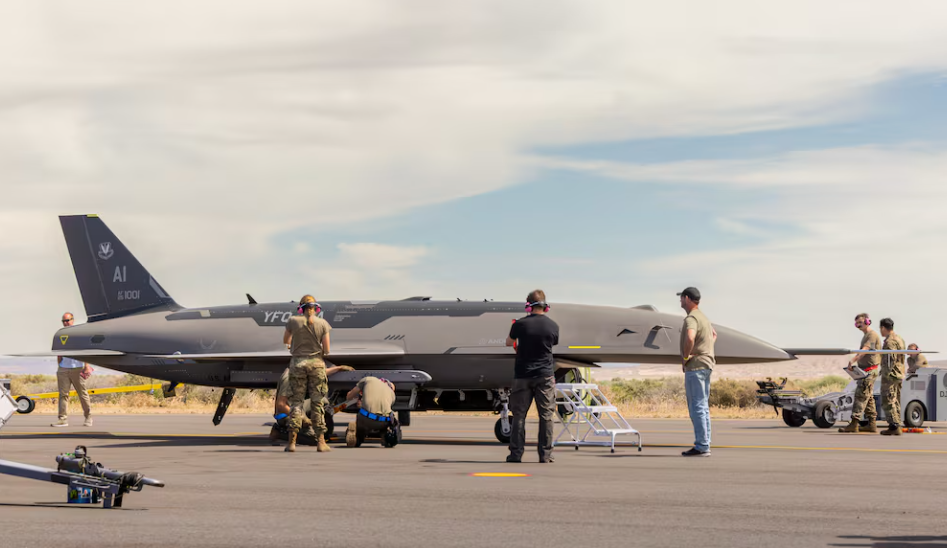
The Air Force’s Experimental Operations Unit (EOU), working alongside Air Force Materiel Command’s 412th Test Wing, conducted the exercise at Edwards Air Force Base, California, during the week of April 14, 2026. The test was confirmed in an official Air Force release on April 17 and corroborated by Anduril Vice President of Autonomous Airpower Mark Shushnar via social media.
¦ KEY FACTS AT A GLANCE- The U.S. Air Force’s Experimental Operations Unit conducted live sorties with Anduril’s YFQ-44A Fury semiautonomous combat drone at Edwards Air Force Base, California, in mid-April 2026.
- Operators used a ruggedized laptop — eliminating the need for fixed base infrastructure — to upload mission plans, initiate autonomous taxi and takeoff, and manage in-flight tasking.
- The YFQ-44A requires no traditional stick-and-throttle operator; the aircraft operates semiautonomously once mission parameters are uploaded.
- A small crew of EOU maintainers — with only a couple days of training — turned the aircraft between multiple sorties, demonstrating rapid-deployment potential.
- The Air Force has stated a goal of fielding a fleet of at least 1,000 Collaborative Combat Aircraft for strike, operational, and manned-unmanned teaming missions.
The exercise is more than a routine test flight. It represents a deliberate strategic and doctrinal shift in how the U.S. military intends to fight and sustain air combat operations in future high-threat environments.
No Stick. No Throttle. No Fixed Base Required.
Perhaps the most operationally significant aspect of the test was how it was executed: entirely without a traditional remote pilot.
“There is no operator with a stick and throttle flying the aircraft behind the scenes,” Jason Levin, Anduril’s Senior Vice President of Engineering for Air Dominance and Strike, stated in an October 2025 company release. That philosophy was put into practice at Edwards AFB.
EOU operators used a ruggedized laptop to upload mission plans, initiate autonomous taxi and takeoff, assign in-flight tasks to the aircraft, and handle post-flight data collection. The portable command setup eliminates the need for the large, established infrastructure that has historically anchored unmanned operations to fixed bases — a critical advantage if the United States ever faces a peer adversary capable of striking forward installations.
The implications are significant. A force that can launch, operate, and recover semiautonomous combat aircraft from austere or expeditionary environments dramatically changes the calculus for contested airspace operations against adversaries such as China or a reconstituted regional power.
Small Crew, Fast Turnaround
Another element of the test that drew attention was the YFQ-44A’s ease of maintenance and rapid turnaround between sorties.
Shushnar noted that a handful of EOU maintainers, with only a few days of training, successfully turned the aircraft between sorties — a notable contrast to the complex, crew-intensive logistics traditionally associated with unmanned combat aircraft.
The YFQ-44A Fury was specifically designed for low logistics burden. This quality is central to the Air Force’s vision of deploying CCAs in large numbers across distributed, potentially austere locations in the Pacific theater or other contested regions where traditional air support chains may be degraded or disrupted.
What Is The Collaborative Combat Aircraft Program?
The CCA program is one of the Air Force’s highest-priority modernization efforts. Conceived as a drone wingman concept, CCAs are intended to fly alongside crewed fighters — including the F-22, F-35, and the newly revealed F-47 — to extend their reach, absorb risk, and multiply combat mass without placing additional human pilots in harm’s way.
The Air Force announced in April 2024 that Anduril Industries and General Atomics had each been selected to develop competing CCA designs under the program’s initial increment. Anduril began flight testing its YFQ-44A in October 2025 and moved into production announcements in March 2026. General Atomics, competing with its own design, began ground testing in May 2025.
The service has stated a long-term objective of fielding at least 1,000 CCAs. These aircraft are envisioned to serve in a range of roles: conducting strike missions autonomously, executing suppression of enemy air defenses, carrying electronic warfare payloads, and flying in coordinated formations with manned aircraft.
However, the Air Force has indicated it may ultimately select only one of the two competing designs for the full production phase. That decision is expected sometime in 2026.
A New Acquisition Model: Operators First
Beyond the technology itself, the April exercise reflected a broader cultural and institutional shift in how the Air Force is approaching acquisition.
Col. Timothy Helfrich, Portfolio Acquisition Executive for Fighters and Advanced Aircraft, stated in the official release that embedding operators with acquisition professionals creates “a tight feedback loop that lets us trade operational risk with acquisition risk in real-time.”

This approach — termed the Warfighting Acquisition System — places front-line operators at the center of the development and testing process rather than treating them as end-users who receive a finished product. The EOU was designed precisely for this role: to inject warfighter feedback into programs while they are still actively being developed and refined.
By executing the entire exercise — from pre-flight checks and weapons loading to autonomous flight tasking and post-flight data review — EOU airmen effectively stress-tested both the aircraft and the operational doctrine surrounding it simultaneously. This compressed feedback loop is intended to accelerate the pace at which capable systems reach operational units.
Strategic Context: Autonomous Airpower And The Pacing Threat
The timing of these tests is not incidental. The United States Air Force is under sustained pressure to modernize faster, particularly in light of China’s rapid fielding of advanced combat aircraft and its own investments in unmanned systems.
The People’s Liberation Army Air Force has significantly expanded its inventory of advanced fighters and is actively developing its own loyal wingman and unmanned combat air vehicle programs. In this environment, the Air Force’s ability to field a large, affordable, expendable combat mass — represented by platforms like the YFQ-44A — is seen as a strategic hedge against a numerically and geographically challenging adversary.
CCAs are not intended to replace manned fighters. Rather, they serve as force multipliers: expanding the sensor coverage, strike range, and survivability of crewed aircraft while absorbing attrition that would otherwise reduce the irreplaceable human talent within the force.
What Comes Next
With sorties now under the EOU’s belt, the Air Force is expected to accelerate the CCA development timeline. The service’s decision on which company — Anduril or General Atomics — advances to the production phase remains the central near-term milestone.
Anduril’s March 2026 production announcement and the recent operational testing give the company visible momentum. However, General Atomics’ experience with platforms such as the MQ-9 Reaper and its established Air Force relationships make any outcome competitive.
The broader Collaborative Combat Aircraft program, meanwhile, is being closely watched by allied nations. Australia has expressed interest in similar autonomous wingman concepts through its own Loyal Wingman program — now known as the MQ-28 Ghost Bat — developed with Boeing. The U.S. Air Force’s CCA advances may further shape interoperability requirements with key Indo-Pacific partners.
AeroVironment Mayhem 10 Combat Drone Expands U.S. Tactical Reach
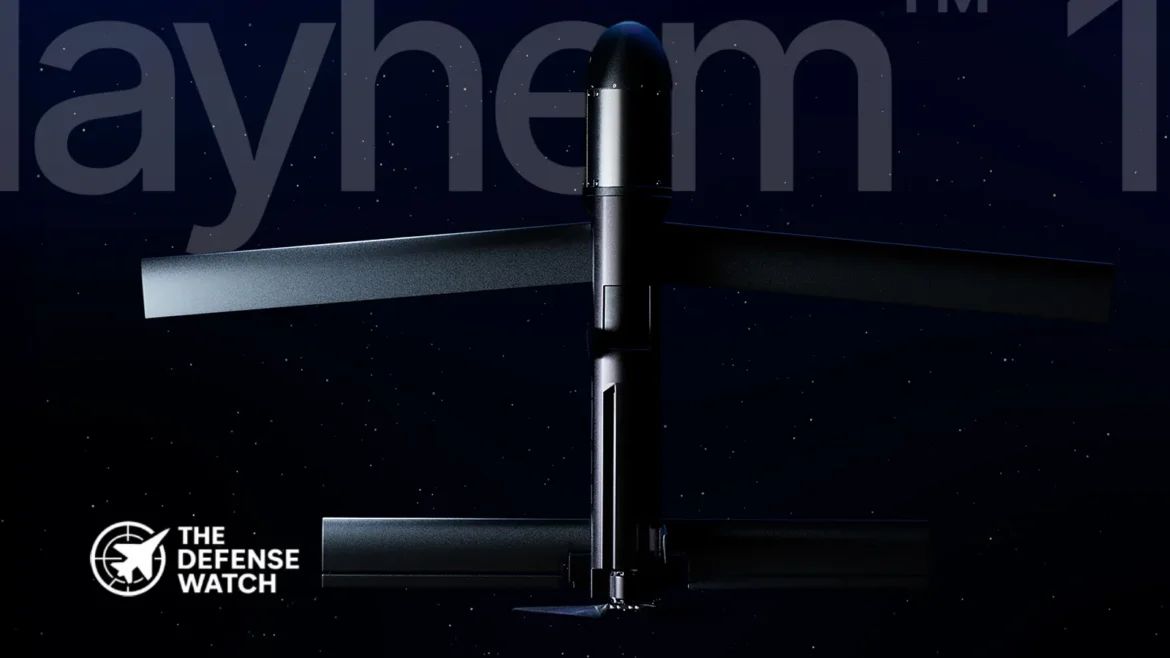
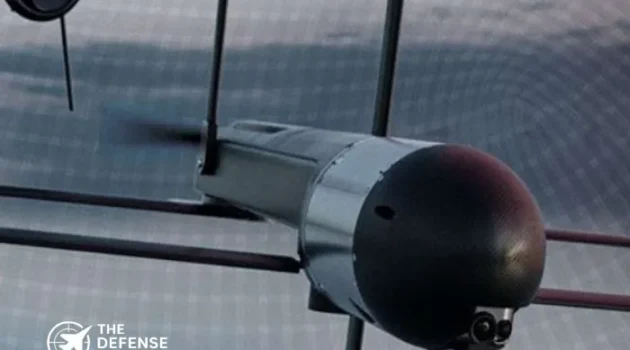
The Mayhem 10 combat drone marks a significant step in the evolution of loitering munition systems, combining extended range with modular strike capability. Unveiled by AeroVironment, the platform is designed to meet growing demand for flexible, long range unmanned systems in modern combat environments.
The system can operate at distances of up to 100 kilometers. This places it well beyond the range of many existing tactical loitering munitions, allowing forces to engage targets deeper in contested territory without exposing personnel or high value platforms.
The Mayhem 10 combat drone is built around a modular payload concept. This allows operators to adapt the system for different missions, including precision strikes, surveillance, or specialized payload delivery. The design reflects a broader shift toward multi role unmanned systems that can be rapidly reconfigured in the field.
¦ KEY FACTS AT A GLANCE- AeroVironment unveiled the Mayhem 10 combat drone as a new long range loitering munition system.
- The system offers an operational range of up to 100 kilometers, expanding tactical reach.
- Modular payload architecture allows rapid switching between different strike and mission profiles.
- Designed for contested environments, including anti access and denied areas.
- Reflects growing demand for flexible, scalable unmanned strike capabilities in modern warfare.
Modular Design Signals Shift Toward Flexible Warfare
A key feature of the Mayhem 10 combat drone is its modular architecture. Unlike single purpose loitering munitions, this system can be fitted with different payloads depending on mission requirements.
This flexibility supports a wide range of operational scenarios. Units can deploy the same drone platform for reconnaissance, target acquisition, or direct attack roles. In practice, this reduces logistical burden while increasing battlefield adaptability.
This approach aligns with trends seen across U.S. and allied defense programs. Military planners are increasingly prioritizing systems that can perform multiple functions without requiring separate platforms for each task.
Extended Range Addresses Emerging Battlefield Demands
The 100 kilometer range of the Mayhem 10 combat drone addresses a clear operational gap. Modern conflicts have shown that short range drones are often limited by enemy air defenses and electronic warfare systems.
Longer range systems allow operators to launch from safer distances. They also enable strikes against targets that were previously out of reach for tactical units.
This capability is particularly relevant in contested environments where access is restricted. Anti access and area denial strategies used by near peer adversaries require systems that can operate at extended distances while maintaining effectiveness.
Designed For Contested And Denied Environments
The Mayhem 10 combat drone is intended for use in environments where traditional airpower may face limitations. These include areas with dense air defense networks or strong electronic warfare capabilities.
Loitering munitions offer a different operational model. They can remain in the air for extended periods, identify targets, and strike at the optimal moment. This increases precision and reduces the risk of collateral damage.
The addition of modular payloads further enhances this capability. Operators can tailor the system to specific threats, whether that involves hardened targets, mobile assets, or time sensitive objectives.
Strategic Implications For U.S. And Allied Forces
The introduction of the Mayhem 10 combat drone reflects a broader shift in how militaries approach unmanned systems. Rather than focusing solely on high end platforms, there is increasing emphasis on scalable, cost effective solutions.
Loitering munitions have proven their value in recent conflicts, where they have been used for both tactical strikes and persistent surveillance. The Mayhem 10 builds on this concept by adding range and flexibility.
For U.S. and allied forces, this could enhance operational depth and responsiveness. Units equipped with such systems can conduct missions independently, without relying heavily on larger air assets.
At the same time, the system highlights growing competition in the drone space. As more countries develop similar capabilities, the focus is shifting toward range, adaptability, and resilience against countermeasures.
Industry Context And Future Outlook
AeroVironment has been a key player in the loitering munition sector, with systems like Switchblade already in service with multiple forces. The Mayhem 10 represents a move into a more advanced category of unmanned strike systems.
The emphasis on modularity suggests future upgrades could be integrated without major redesigns. This allows the platform to evolve alongside emerging technologies, including improved sensors, guidance systems, and payload options.
As defense priorities continue to shift toward distributed operations and autonomous systems, platforms like the Mayhem 10 are likely to play a growing role.
Sweden Orders Saab Counter Drone System To Counter Evolving UAV Threats
Sweden’s decision to procure the Saab counter drone system marks a clear shift toward prioritizing protection against unmanned aerial threats, a capability gap exposed in recent conflicts. The Swedish Armed Forces have selected Saab’s Loke system to strengthen short-range air defense against small and low-cost drones.
The system is designed to detect, identify, and neutralize drones through a combination of sensors and electronic warfare tools. The move reflects a broader trend across Europe, where militaries are adapting rapidly to the proliferation of UAVs on the battlefield.
¦ KEY FACTS AT A GLANCE- Sweden has ordered Saab’s Loke counter drone system to strengthen protection against UAV threats.
- The system is designed to detect, track, and neutralize small drones using electronic warfare tools.
- Loke integrates sensors, command systems, and effectors for rapid battlefield deployment.
- The procurement reflects growing concern over drone use in Ukraine and other conflict zones.
- Saab continues to expand its counter UAS portfolio amid rising global demand.
A Modular Counter-UAS Approach
The Saab counter drone system, known as Loke, is built around a modular architecture. It combines radar and other sensors with command-and-control software and electronic attack capabilities.
This integration allows operators to track multiple targets and respond quickly, a critical requirement given the speed and scale at which drones are now deployed. Small UAVs, often used for reconnaissance or as loitering munitions, have proven difficult to counter using traditional air defense systems.
Saab has emphasized that Loke is designed for mobility and rapid deployment, making it suitable for both fixed-site protection and maneuver units. This flexibility aligns with Sweden’s defense posture, which increasingly focuses on dispersed operations and resilience.
Lessons From Ukraine Driving Procurement
Sweden’s investment in a Saab counter drone system comes as drone warfare continues to reshape military operations, particularly in Ukraine. Both Russian and Ukrainian forces have relied heavily on small UAVs for surveillance, targeting, and strike missions.
These systems are inexpensive, widely available, and capable of overwhelming conventional defenses. As a result, counter-UAS technologies have become a priority across NATO and partner nations.
Sweden, which formally joined NATO in 2024, is aligning its procurement strategy with alliance priorities. Countering drones is now seen as essential not only for battlefield effectiveness but also for protecting critical infrastructure and population centers.
Electronic Warfare At The Core
A key feature of the Saab counter drone system is its reliance on electronic warfare rather than kinetic interception. By jamming or disrupting drone communications and navigation signals, the system can neutralize threats without the need for missiles or guns.
This approach offers several advantages. It reduces the risk of collateral damage, lowers operating costs, and allows for sustained engagement against large numbers of drones.
However, electronic warfare solutions also face challenges. Adversaries are increasingly developing drones with autonomous capabilities or hardened communications links, which can limit the effectiveness of jamming.
Saab’s design attempts to address this by integrating multiple detection and response options, providing layered defense against evolving threats.
Strategic Implications For Sweden And Europe
The procurement of the Saab counter drone system highlights a broader shift in European defense planning. Countries are moving away from a sole focus on high-end platforms toward more balanced force structures that include counter-drone capabilities.
For Sweden, this investment supports its transition into NATO and strengthens its role in regional security, particularly in the Baltic Sea area. The ability to counter drones is increasingly seen as a baseline requirement for modern armed forces.
From an industrial perspective, the order reinforces Saab’s position in the growing global market for counter-UAS systems. Demand is expected to rise as more countries seek solutions to address drone threats in both military and civilian contexts.
Closing The Capability Gap
The Saab counter drone system aims to close a critical gap between traditional air defense systems and the emerging reality of drone warfare. While advanced missile systems remain essential for high-end threats, they are not always effective or cost-efficient against small UAVs.
By investing in specialized counter-UAS technology, Sweden is addressing a vulnerability that has been widely observed in recent conflicts. The move signals a pragmatic approach to defense modernization, focused on real-world operational needs.